
Packing for coastal Ecuador / The overland & bikepacking gear guide
What to pack for overland travel along Ecuador’s Pacific Coast
Unpaved tracks and equatorial heat / Engineer a self-reliant coastal kit

BEN FINCH
Travelling overland along the Pacific coast of Ecuador demands a completely different approach to packing than exploring the Andean highlands. While Quito and Cuenca call for insulating layers, sturdy wool, and fleece jackets to combat brisk mountain nights, the coastal provinces of Guayas, Santa Elena, Manabí, and Esmeraldas present a formidable triple threat: equatorial heat, dense air humidity, and unrelenting salt spray.
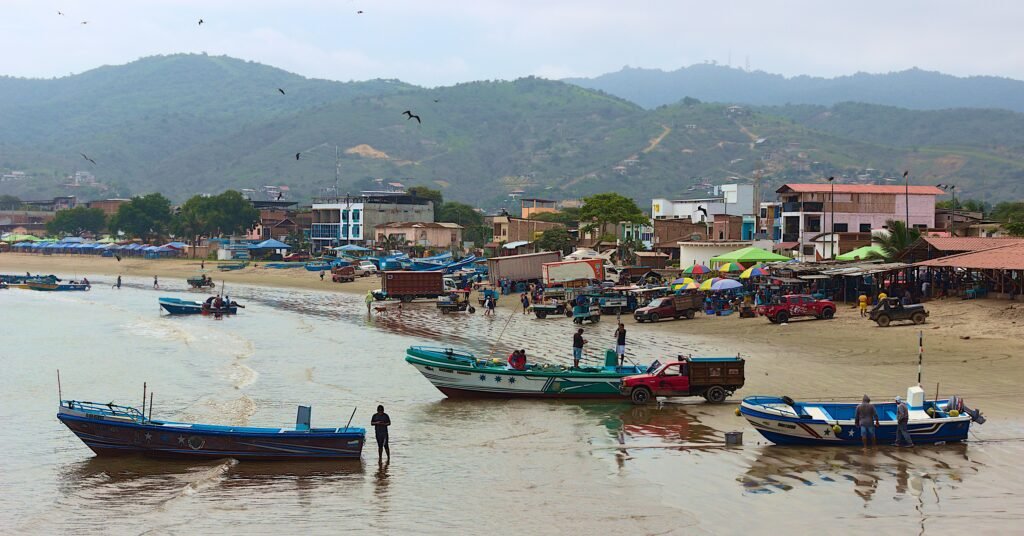
Navigating the coastal corridor—frequently anchored by the famed Ruta Spondylus—means moving through varied microclimates. You might spend one morning kicking through dusty, unpaved tracks in rural Manabí, the afternoon hauling your pack onto the cramped luggage rack of a wooden chiva bus, and the evening negotiating a muddy, rain-soaked river crossing near Mompiche.
Whether you are bikepacking along dirt detours, hopping between fishing ports on local buses, or managing a self-driven 4×4 rig, independence requires absolute self-reliance. You cannot rely on finding specialised technical gear or niche replacement parts once you pass major urban transit hubs like Guayaquil or Manta. Every strap, fabric choice, and electronic seal in your kit must earn its keep against corrosion, abrasion, and tropical dampness.
This guide sets out a field-tested, pragmatic packing system built specifically for independent overland travel across Ecuador’s coastal fringe.
Essential takeaways for the Pacific corridor
Crossing Ecuador’s coastal fringe requires a total mindset shift from Andean mountain preparation to tropical survival. Here is how to keep your kit lightweight, durable, and ready for the moisture and salt air of the Ruta Spondylus.
- Luggage adaptability: Opt for a 40L–50L frameless pack or welded dry-bag panniers that can withstand abrasive bus cargo holds, roof racks, and damp boat launches
- Modular waterproofing: Divide your equipment into multiple roll-top dry bags to isolate dry clothes and sensitive electronics from high atmospheric humidity and salt spray
- Breathable apparel: Ditch cotton entirely in favour of quick-drying synthetics and UPF 50+ sun hoodies to manage equatorial heat, sweat, and evening mosquitoes
- Footwear versatility: Combine non-waterproof mesh trail runners with lugged technical sport sandals to handle muddy detours, slippery wooden piers, and ocean landings
- Power resilience: Carry a rugged 20,000 mAh power bank alongside sealed port protection to offset unpredictable rural blackouts and salt air corrosion
- Water independence: Pair a 0.1-micron micro-filter with an insulated stainless steel bottle to eliminate single-use plastics while drinking safely from municipal tap supplies
- Cash logistics: Carry small USD denominations ($1, $5, and coins), as breaking $20 notes is notoriously difficult in smaller fishing villages like Ayampe or Mompiche
The Ecuadorian Coast.
Where you’ll find the very best food
What to pack for coastal Ecuador
| Category | Recommended item | Key specification / Primary purpose |
| Luggage | 40L–50L Frameless pack or waterproof dry panniers | Abrasion resistance; easy stowage in bus cargo holds |
| Dry Storage | Roll-top dry bags (5L, 10L, 15L) | IPX6 waterproofing against salt spray and tropical downpours |
| Apparel | Synthetic UV long-sleeve shirts (UPF 50+) | Sun protection without trapping body heat |
| Apparel | Lightweight quick-dry shorts / boardshorts | Nylon/elastane blend; quick-drying after ocean landings |
| Outerwear | Ultralight ventilated rain shell | High breathability (20,000+ g/m²) or pit-zips to handle humid rain |
| Footwear | Breathable trail runners + technical sport sandals | Grippy rubber soles for wet rocks, mud, and unpaved tracks |
| Electronics | 20,000 mAh rugged power bank | Dual USB-C fast charging for off-grid bus journeys |
| Electronics | Rechargeable headlamp (200+ lumens) | Red-light mode; essential for unlit village roads and blackouts |
| Water Filter | Hollow-fibre membrane micro-filter | 0.1-micron filtration to safely drink municipal tap water |
| Sun / Bugs | Picaridin repellent + zinc reef-safe sunscreen | Long-lasting insect defence without dissolving gear plastics |
| Currency | Small USD bills ($1, $5, $10) plus coins | Essential for rural transit, market stalls, and small hostals |
Luggage, dry storage, and modular carrying systems

Overland travel along the Ecuadorian coast puts immense physical stress on luggage. Your bags will be tossed onto dirt-encrusted bus floors, strapped down tightly on roof racks under pounding tropical sun, or wedged alongside heavy sacks of produce in regional transport vans. Rigid suitcases or oversized 70-litre internal frame packs with dangling straps are liability points in this environment.
Primary luggage options
If travelling on foot and using public buses, opt for a frameless or light-frame backpack between 40 and 50 litres. Choose durable nylon fabrics (400D to 600D Cordura) featuring stowable harness systems. Being able to zip away shoulder straps prevents them from snapping in bus luggage compartments or getting snagged on boat cleats during marine transfers.
For cyclists and bikepackers, heavy-duty welded dry-bag panniers or custom frame bags constructed from Dimension-Polyant X-Pac or TPU-coated nylon are ideal. Saltwater corrosion quickly ruins exposed metal zips; welded seams with roll-top closures outperform zippered compartments every time along the sea line.
Modular dry bags
Humidity along the coast is relentless. Clothes stored inside standard backpack fabric will absorb ambient moisture and feel damp within 48 hours, even without direct rain exposure.
Divide all your internal gear into lightweight, roll-top dry bags:
- 15L Dry Bag: Dedicated to clean clothes and dry sleepwear
- 10L Dry Bag: Dedicated to sleeping liner, lightweight travel towel, and spare footwear
- 5L Dry Bag: Electronics, cables, and power banks
- 2L Heavy-duty Dry Bag: First aid kit, passport, and primary cash reserve
Always pack two spare 10-litre dry bags. They serve multiple purposes on coastal routes: keeping wet, sandy gear isolated from dry items, acting as dry storage during unexpected boat trips around Isla de la Plata, or functioning as an improvised washing tub in remote hostal rooms.
Packable daypack
A 15-to-20-litre packable daypack made from ripstop silnylon gives you a light, daily carry option once your main luggage is stowed at a base. Ensure it features deep side-mesh pockets capable of holding 1-litre water bottles and a secure internal zip pocket for day-to-day cash.
The Ecuadorian Sierra.
Get lost in the hills
Apparel strategy for humidity, equatorial sun, and coastal microclimates
The key to staying comfortable while moving through coastal Ecuador is temperature regulation and rapid moisture management. Cotton is your enemy here; once soaked with sweat, high humidity prevents cotton from drying, leading to skin chafing, fungal irritation, and persistent discomfort.
Upper body layers
- Synthetic UV long-sleeve shirts (2 items): Look for UPF 50+ rated trail shirts or hooded sun hoodies made from lightweight polyester or nylon blends. Long sleeves eliminate the need to constantly reapply sticky sunscreen when riding or trekking, while relaxed cuts allow cooling airflow
- Quick-dry short-sleeve T-shirts (3 items): High-gauge polyester or technical merino-synthetic blends (80/20 ratio). Merino wool provides excellent natural odour control during long travel days, but pure merino dries too slowly in coastal air—stick to synthetic blends
- Lightweight button-up camp shirt (1 item): A quick-drying, woven nylon shirt offers a presentable option for evenings in towns like Puerto López or Bahía de Caráquez, while keeping insects off your arms
Lower body layers
- Technical boardshorts or quick-dry shorts (2 items): Choose shorts made from 4-way stretch fabric with flat seams to prevent chafing. An 8-inch inseam strikes a good balance between mobility and sun protection
- Lightweight travel trousers (1 item): A pair of loose-fitting, breathable nylon trousers is indispensable. They provide protection against sandflies (manta blancas) at dusk in places like Olón or Canoa, and serve as respectful attire when dealing with official administrative tasks or visiting regional transit offices
- Moisture-wicking underwear (4 pairs): Seamless synthetic boxer briefs or briefs engineered for running. Avoid cotton completely to prevent severe friction chafing during long, hot rides or hikes
Outerwear and rain protection
Do not pack heavy, multi-layer waterproof jackets designed for mountain downpours. The intense ambient temperature along the coast makes non-breathable rain jackets feel like personal saunas, causing you to get just as wet from internal sweat as from external rain.
Pack an ultralight, single-layer rain shell with mechanical ventilation features such as deep pit-zips or mesh-lined core vents. Alternatively, a heavy-duty nylon travel poncho provides exceptional coverage over both your body and your daypack, allowing maximum airflow from beneath while shielding you from sudden tropical downpours.
Footwear for rough transit, mud, and wet landings

Footwear along the Ecuadorian coast must deal with dynamic shifts in terrain. You will encounter slippery boat ramps, muddy village lanes after rain, sharp volcanic rocks, and fine ocean sand—often all in a single afternoon.
Breathable trail runners
A dedicated pair of trail running shoes with aggressive lugged soles provides the versatility needed for coastal exploration.
- Avoid Gore-Tex or waterproof membranes: Waterproof linings trap moisture inside the shoe when water enters over the ankle collar or through heavy sweat. Once wet, a Gore-Tex shoe takes days to dry in high humidity
- Select open-mesh uppers: Choose shoes with highly permeable mesh uppers that drain water instantly and dry within a few hours of sun exposure
Technical sport sandals
A secure, open-toed sport sandal with adjustable webbing straps (such as Teva, Chaco, or Bedrock) is an essential footwear option for coastal Ecuador. They are ideal for wet boat launches in places like Puerto López, walking through shallow estuaries, or navigating muddy tracks in Esmeraldas. Ensure the outsole features sticky, lugged rubber rather than smooth foam to maintain traction on wet wooden piers and algae-covered stones.
Shower flip-flops
A basic, lightweight pair of all-rubber or EVA flip-flops is essential strictly for hygiene purposes—protecting your feet in shared hostal showers and providing comfortable wear around camp after a long day in trail shoes.
The Ecuadorian Amazon.
The most biodiverse place in the world
Power, electronics, and moisture defence
Unpredictable power grids and high humidity make electronics management a critical operational concern for independent overlanders in coastal Ecuador. Salt air rapidly oxidises exposed charging ports, while dust from rural dirt roads clogs sensitive ports.
Portable power reserves
Power cuts can occur in smaller coastal settlements, and long bus journeys between regional terminals often lack functioning onboard charging ports.
- Power Bank: Carry a rugged, minimum 20,000 mAh power bank equipped with USB-C Power Delivery (PD). This ensures you can recharge a smartphone four to five times, or keep a GPS unit operational during extended off-grid stretches
- Wall Charger: A multi-port USB-C/USB-A wall charger (45W or higher) allows you to quickly top up all your devices simultaneously whenever you find a stable wall outlet
Protecting electronics from salt and humidity
- Silica Gel Packets: Keep two or three 50-gram rechargeable silica gel canisters or packets inside your primary electronics dry bag. They actively pull ambient moisture out of camera lenses, phone housings, and battery compartments
- Silicone Port Plugs: Insert small silicone dust plugs into the charging ports of your phone, headlamp, and power bank when not in use. This simple measure prevents airborne salt dust and fine beach sand from settling inside electronic contacts
- Heavy-Duty Braided Cables: Standard plastic-sheathed charging cables quickly degrade under intense UV exposure and high temperatures. Use nylon-braided cables with reinforced stress-relief collars
Hands-free illumination
A reliable headlamp is non-negotiable. Street lighting in smaller coastal villages like Ayampe, Mompiche, or Olón is sparse, and navigating dark unpaved streets with potholes or free-roaming dogs requires dependable lighting. Select a headlamp offering at least 200 lumens output, a red-light mode (to preserve night vision and avoid attracting insects), and IPX8 water resistance. A USB-rechargeable unit eliminates the need to source speciality disposable batteries in rural areas.
Health, water purification, and hydration logistics

Staying healthy along the coast requires a proactive approach to water safety, sun protection, and insect vector management. Tropical conditions accelerate dehydration and skin damage if ignored.
Water purification and storage
Tap water across the coastal provinces of Ecuador is not safe for direct consumption. Purchasing endless 1-litre single-use plastic bottles creates huge environmental waste and isn’t dependable in tiny coastal hamlets.
- Primary Filter: Carry a micro-filtration system such as a Sawyer Squeeze or Katadyn BeFree. These 0.1-micron hollow-fibre membrane filters remove 99.999% of bacteria (such as E. coli) and protozoa (such as Giardia), allowing you to safely filter tap water from hostals or municipal taps
- Storage Vessels: Pair your filter with a flexible 2-litre TPU water reservoir for bulk storage, plus a 1-litre double-wall insulated stainless steel bottle. An insulated bottle keeps filtered water cold for hours despite soaring ambient temperatures, providing a major comfort boost during long transit days
Sun and insect defense
- Reef-Safe Zinc Sunscreen: Conventional chemical sunscreens contain compounds that harm delicate marine ecosystems along the coast. Choose non-nano zinc oxide formulations (SPF 30+). Zinc oxide acts as a physical barrier that stays effective longer when you are sweating heavily or swimming.
- Picaridin Insect Repellent: Dengue fever and Oropouche virus are present in tropical lowlands, making effective insect protection critical. Opt for a 20% Picaridin-based repellent over high-concentration DEET. Picaridin is equally effective against mosquitoes and biting midges (manta blancas), but unlike DEET, it will not melt technical synthetic fabrics, watch faces, or waterproof bag coatings.
Tactical medical kit
Pharmacies (farmacias) are common in towns like Montañita, Manta, or Libertad, but rural coastal tracks are often hours away from medical supplies. Assemble a lightweight kit packed in a waterproof pouch:
- Oral Rehydration Salts (ORS): Pack at least 8–10 electrolyte packets. High temperatures combined with physical exertion lead to rapid sodium loss
- Gastrointestinal Support: Loperamide (for acute diarrhoea control during travel), Bismuth subsalicylate tablets, and a course of broad-spectrum oral antibiotics (prescribed by a travel clinic prior to departure)
- Wound Management: Antiseptic wipes, medical tape, sterile gauze pads, hydrocolloid blister plasters, and topical antibiotic ointment. Small cuts and scrapes infect rapidly in warm, humid salt environments—treat every abrasion immediately
- Basic Pharmacy: Ibuprofen, antihistamines (cetirizine or loratadine for insect bites), and motion sickness medication (dimenhydrinate) for bumpy bus rides or choppy marine transfers
The Galápagos.
Ecuador’s Enchanted Isles
Cash management, document security, and transit logistics

Managing money and documentation on the coast requires local awareness. The formal banking infrastructure present in major cities degrades quickly once you venture onto secondary coastal roads.
Cash distribution and small bills
Ecuador uses the United States dollar ($). While credit and debit cards are widely accepted at major hotel chains in Guayaquil or Manta, small coastal businesses, local transport operators, and beachside food stalls operate strictly on cash.
Crucially, breaking a $20 note in a small coastal village can be nearly impossible. A vendor selling a $2.50 plate of encocado de pescado or a bus conductor charging $1.50 for a trip between Olón and López will rarely have change for large bills.
- Carry Small Denominations: Maintain a supply of $1, $5, and $10 bills, alongside a stash of $0.25 and $0.50 coins
- Break Large Bills Early: Whenever you visit a large supermarket (such as Supermaxi or Mi Comisariato) in cities like Guayaquil, Manta, or Portoviejo, pay with $20 or $50 bills to stock up on small change for rural areas
- ATM Strategy: Withdraw cash at major bank ATMs (Banco Pichincha, Banco Guayaquil) before heading out along the Ruta Spondylus. ATMs in smaller tourist hubs like Montañita frequently run out of cash on weekends or during national holidays
Document protection and security
High humidity and sudden rainfall can ruin paper documents within minutes.
- Waterproof Document Pouch: Store your original passport, physical vaccination records, printed travel insurance policies, and backup credit cards in a heavy-duty, submersible zip pouch
- Digital Backups: Store encrypted digital copies of your passport data page, driver’s licence, insurance policy, and critical contact numbers on a cloud drive accessible offline via your smartphone
- Transit Luggage Locks: Secure your main luggage compartments with lightweight flexible steel cable locks. When travelling on long-distance interprovincial buses, keep your primary daypack containing valuables on your lap or between your feet—never place high-value electronics or passports in the overhead luggage racks or unmonitored floor spaces
Comprehensive pre-departure gear checklist
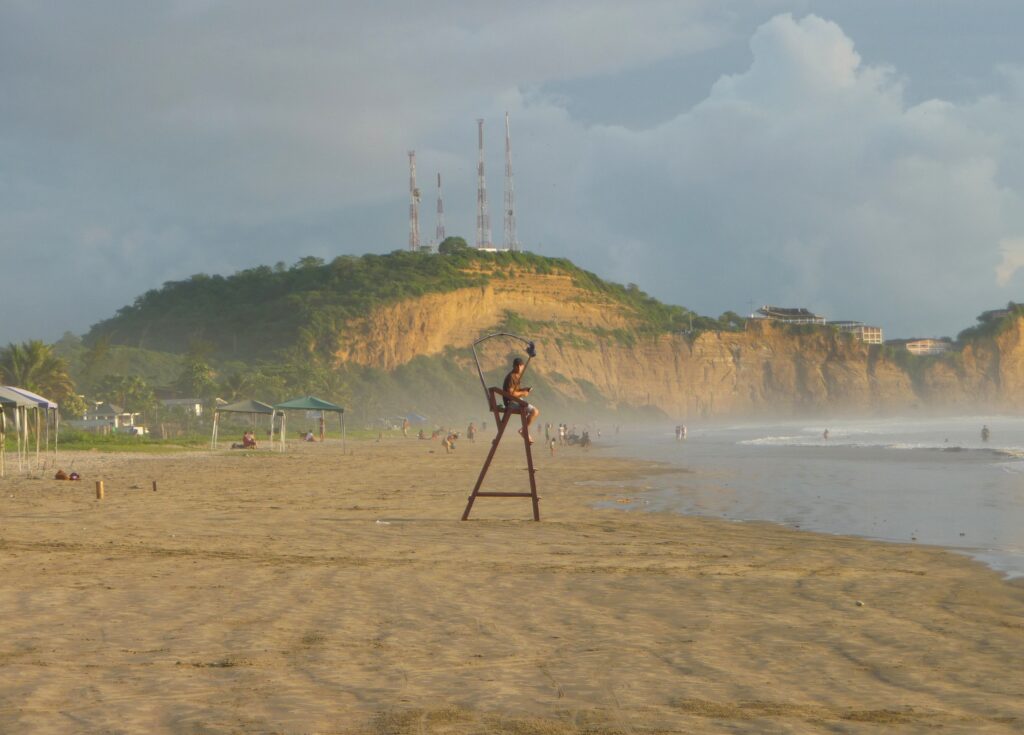
Before zipping your bag and stepping onto the bus or saddling your bike, run through this final checklist to ensure your kit is fully balanced for the coast:
Carrying & waterproofing
- 40L–50L frameless travel pack or waterproof bikepacking panniers
- 15L–20L packable silnylon daypack
- 15L dry bag (clothing)
- 10L dry bag (sleeping gear / towel)
- 5L dry bag (electronics)
- 2L heavy-duty dry bag (documents & emergency cash)
- 2x Combination cable locks
Apparel & footwear
- 2x Synthetic long-sleeve UV shirts (UPF 50+)
- 3x Quick-dry short-sleeve technical shirts
- 1x Lightweight woven long-sleeve camp shirt
- 2x Quick-dry stretch shorts / boardshorts
- 1x Lightweight nylon travel trousers
- 4x Moisture-wicking synthetic underwear
- 3x Synthetic or merino-blend socks
- 1x Breathable mesh trail running shoes (non-Gore-Tex)
- 1x Technical sport sandals with sticky rubber soles
- 1x Lightweight rubber shower flip-flops
- 1x Ultralight ventilated rain shell or travel poncho
- 1x Polarised sunglasses (UV400 protection) with retaining strap
Electronics & hardware
- 20,000 mAh rugged power bank (USB-C PD)
- Multi-port 45W USB wall charger
- 2x Heavy-duty braided charging cables
- Silicone port plugs for devices
- 2x 50g silica gel canisters/packets
- USB-rechargeable headlamp (200+ lumens, IPX8 rated)
- Unlocked smartphone with offline map apps (Organic Maps / OsmAnd)
Health, sanitation & hygiene
- 0.1-micron hollow-fibre water micro-filter
- 1L Insulated double-wall stainless steel bottle
- 2L Flexible TPU water reservoir
- Non-nano zinc oxide reef-safe sunscreen (SPF 30+)
- 20% Picaridin insect repellent spray
- Compact microfibre quick-dry towel
- Biodegradable multi-use soap (CampSuds or Dr Bronner’s)
- Tactical medical kit (ORS packets, Loperamide, antiseptic, bandages)
Financial & documents
- Passport (valid for at least 6 months beyond entry)
- Waterproof document pouch
- $150–$200 in small USD bills ($1, $5, $10) and coins
- 2x Debit/Credit cards from different issuing banks
- Printed emergency travel insurance details
Respect the rhythm of the coastal route
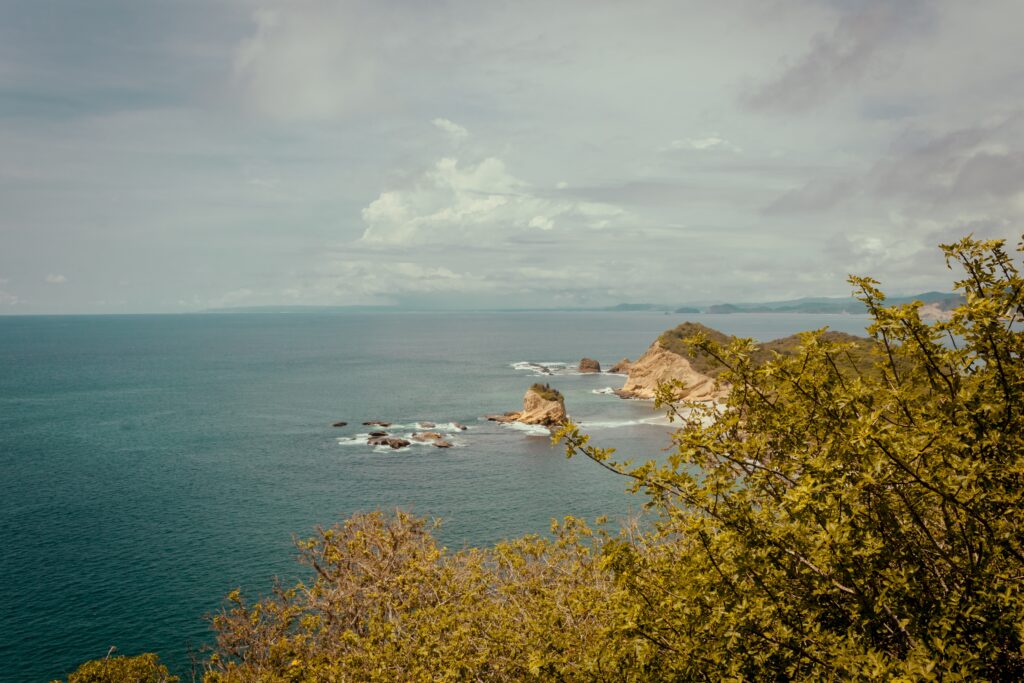
Travelling overland across Ecuador’s Pacific coast is not about rushing between beach towns; it is about adapting to the rhythm of the landscape. From the dusty secondary tracks of Manabí to the mangrove waterways of Esmeraldas, the Ruta Spondylus rewards travellers who move deliberately and pack with complete self-reliance in mind. When you travel by local bus, bicycle, or on foot, your gear is your primary safety net.
The tropical climate along the Pacific line will test every piece of equipment you carry. Moisture, fine dust, and equatorial heat are relentless forces, but with modular waterproofing, breathable layers, and a reliable power setup, you can navigate remote coastal routes without being weighed down by unnecessary weight. Keeping your load light allows you to pivot easily when local transport schedules shift or an unexpected dirt-track detour beckons.
Above all, self-reliant travel in this region relies on an appreciation for local conditions and coastal communities. Supporting small hostals, dining at roadside stalls in villages like Olón or Puerto López, and minimising single-use plastic waste ensures your journey leaves a positive footprint. Pack thoughtfully, respect the elements, and embrace the slow, unpredictable magic of the coastal road.
Affiliate Disclaimer: Some of the links on Wheely Tyred are affiliate links. If you click through and make a booking or purchase, we may earn a small commission at no extra cost to you. We only recommend gear, tours, stays, and services we genuinely use, trust, and stand behind — our editorial independence always comes first. These commissions help keep our independent cycling guides and travel stories free to read. Thanks for supporting the ride!
Frequently asked questions about what to pack for the Ecuadorian Coast
High humidity means clothing takes significantly longer to air-dry. Most hostals in larger hubs like Puerto López or Montañita offer low-cost wash-and-fold services with commercial dryers. If washing garments by hand in remote villages like Mompiche, stick strictly to thin synthetic fabrics and hang them in direct sunlight or well-ventilated breeze corridors.
Yes, local and interprovincial buses are the primary lifeline of coastal transit, though vigilance is required. Store your main pack in the under-bus luggage hold and insist on receiving a claim ticket where available. Keep your small daypack containing your passport, cash, electronics, and water on your lap or securely between your feet—never in the overhead racks.
Biting midges (manta blancas) and mosquitoes are most active around dawn and dusk, particularly near river mouths and mangroves. Apply a 20% Picaridin repellent, which protects your skin without degrading technical synthetic clothing or plastic gear. Wearing lightweight, loose-fitting long trousers and a UPF long-sleeve shirt during twilight hours provides the most reliable barrier.
ATMs are readily available in major urban centres such as Guayaquil, Manta, Portoviejo, and Santa Elena. However, cash machines in smaller tourist towns like Montañita often run out of money during weekends or national holidays. Withdraw sufficient cash before heading into rural coastal stretches, and break $20 notes into $1 and $5 bills at larger supermarkets.
Waterproof membranes like Gore-Tex trap heat and sweat in hot, humid climates. If water enters over the ankle collar during a wet boat landing or heavy downpour, it cannot drain out, leaving your footwear wet for days. Breathable, non-waterproof mesh trail runners drain instantly and dry within hours in the sun.
Ecuador.
Pure wonder on the equator.


