A first-timer’s guide to Puerto López, Ecuador / Local slow travel tips
Essential Puerto López travel tips for independent travellers exploring Ecuador’s coast without a group tour
Where the Pacific mist meets the raw rhythm of coastal life
BEN FINCH
The temptation when planning a trip along the Pacific coast of Ecuador is to look for a postcard-perfect resort town where the sunshine is guaranteed and the itinerary is laid out for you. Many travellers end up on the high-rise boardwalks of Salinas or the loud, backpacker-clogged streets of Montañita. But if you are the kind of traveller who wants to experience a coastal landscape that still belongs to its residents, you pack a bag, look for the local bus, and head north to Puerto López.
Set along a vast, crescent-shaped bay in the Manabí province, Puerto López is primarily a working fishing town. It does not put on a performance for visitors. The roads off the main highway are mostly unpaved earth, the morning air smells of salt and fresh catch, and the daily rhythm is dictated by the tides rather than tour group schedules. It serves as the ultimate base for exploring Machalilla National Park, yet remains largely unhurried. For the independent traveller, navigating this beautifully raw destination requires a bit of local insight to unlock its true charm.
The raw pulse of the Manabí coast
For the independent traveller willing to swap manicured resorts for the honest rhythms of a working fishing port, Puerto López reveals a coast deeply connected to the sea. Navigating its misty microclimates and untamed trails requires a slower pace, but the rewards are entirely authentic.
- The Garúa Mystique: Between June and September, a thick Antarctic fog rolls in, dropping temperatures to a comfortable range for hiking and welcoming migrating humpback whales to the bay
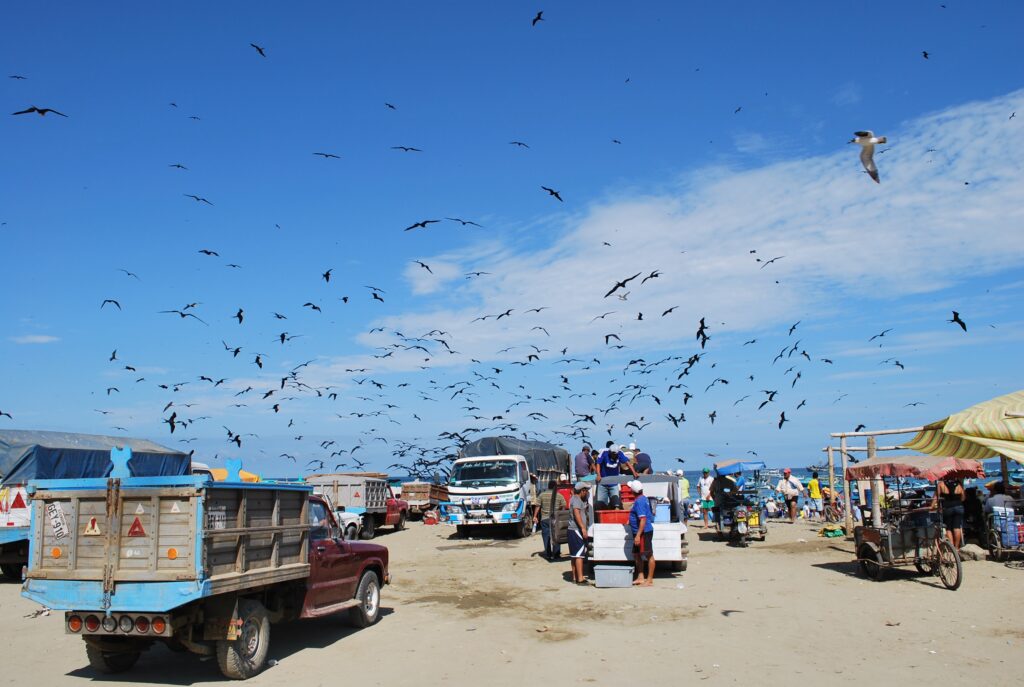
- Dawn at the Shoreline: The northern beach transforms at daybreak into a visceral open-air fish market where artisanal fleets land their catch amidst swirling frigatebirds and pelicans
- Independent Coastal Trekking: Skipping the rigid minibus tours allows you to hike the dry-forest Sendero Bosque Seco, discovering volcanic black-sand beaches before reaching the calm waters of Los Frailes
- Three-Wheeled Local Transit: Navigating the unpaved streets is best done via breezy, open-air mototaxis, providing a cheap and practical alternative to overpriced private cabs
- Authentic Manabí Flavours: Venturing blocks away from the tourist strip unlocks traditional culinary heavyweights like peanut-infused viche stew and restorative morning encebollado
- The Ayampe Sanctuary: If the industrial edge of a working port proves too intense, the quiet surf village of Ayampe sits just fifteen kilometres south, offering a peaceful alternative base
Puerto López.
Home to the humpback whale
The garúa quirk / Decoding the coastal microclimates
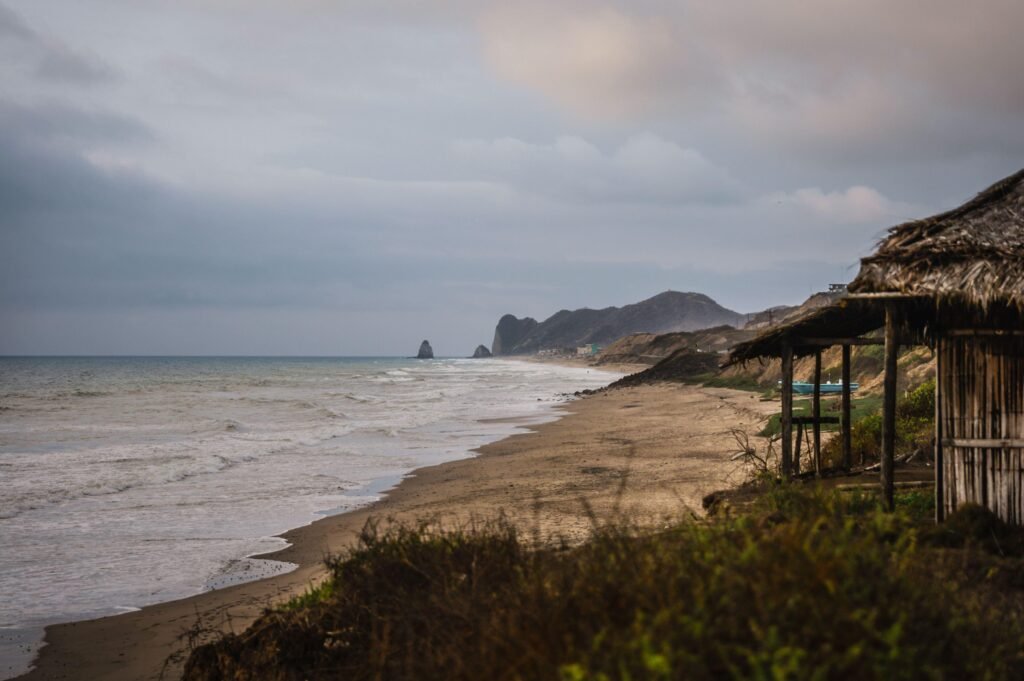
The first mistake most newcomers make is assuming that the equator guarantees perpetual blue skies. The Ecuadorian coastline is governed by complex oceanic systems, and arriving without understanding the local microclimates can catch you entirely off guard.
From June to September, the cold Humboldt Current sweeps up from Antarctica, bringing a dramatic shift to the weather. A thick, low-lying maritime fog known locally as the garúa settles over Puerto López. The sky turns a stubborn, muted grey, and temperatures hover around a cool 20 to 24 degrees Celsius. To the average resort-seeking tourist, this looks like a disappointment. To the independent traveller, it is prime time.
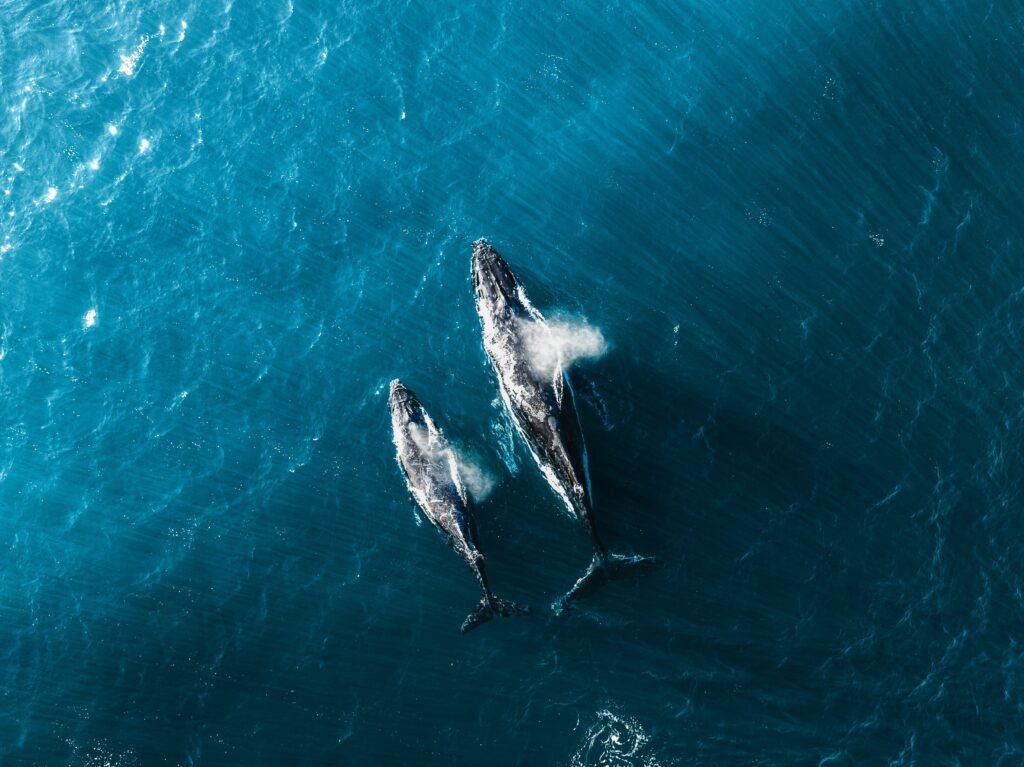
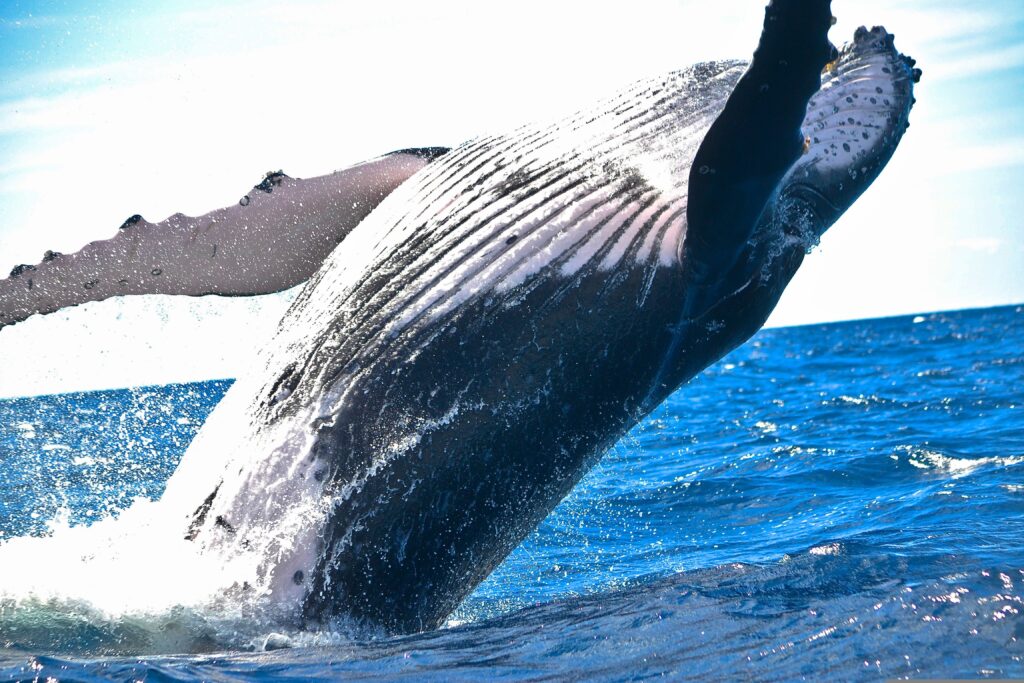
The garúa brings the annual humpback whale migration, as hundreds of whales gather in the sheltered, shallow waters around the bay to breed and raise their calves. The cooler, misty weather is also absolute perfection for hiking through the coastal dry forests without facing the oppressive, energy-sapping heat of the sun.
If you travel between December and April, you will find the classic tropical climate. Temperatures regularly soar past 30 degrees Celsius, the sky is a brilliant blue, and the ocean is warm. However, this is also the wet season. You must plan your days around torrential, yet brief, downpours that typically arrive in the late afternoon or evening, leaving the mornings clear for exploration.
The Ecuadorian Coast.
Where you’ll find the very best food
Navigating the route / Arriving by bus and mototaxis
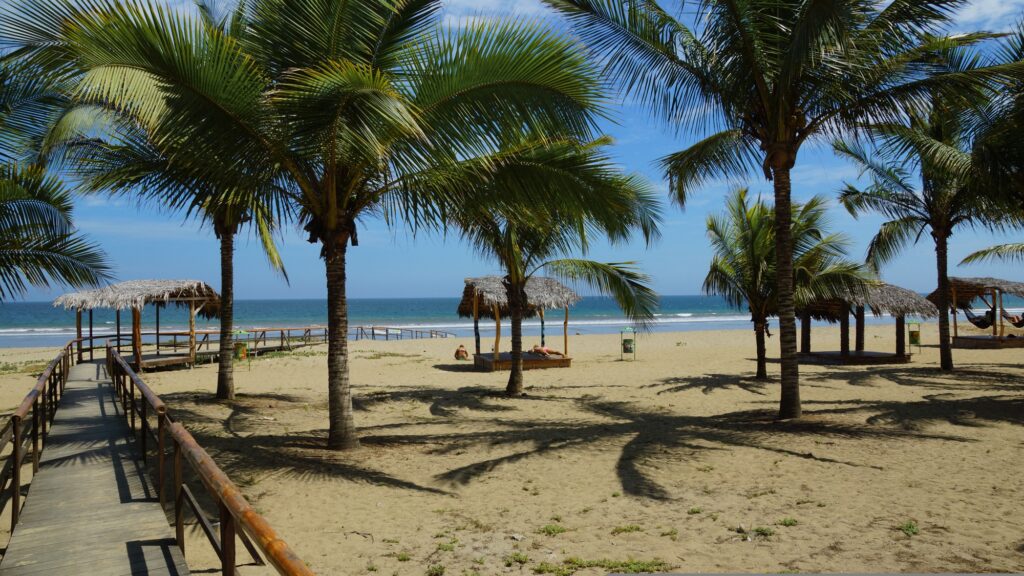
Reaching Puerto López independently is incredibly straightforward if you embrace the local transport network. The town sits directly on the E15 highway, famously known as the Ruta del Spondylus.
If you are coming from Guayaquil, the cleanest route is to head to the main terminal terrestre and board a direct Libertad Peninsular bus. The journey takes roughly four hours, costs less than ten dollars, and treats you to a transition from inland agricultural flats to rugged coastal hills. From Manta, local buses operated by Turismo Manta run almost every hour, winding south along the cliffs for about three hours.
Once the bus drops you off at the modest terminal in Puerto López, ignore any aggressive taxi drivers offering expensive private rides. The town is highly compact and entirely walkable, but if you have heavy bags, the local way to travel is by mototaxi.
These are small, open-air, three-wheeled passenger carts attached to motorbikes. A ride anywhere within the town limits shouldn’t cost more than two dollars. It is a loud, breezy, and thoroughly authentic way to get your bearings. Just ensure you carry small bills; attempting to pay a mototaxi driver with a twenty-dollar note is a surefire way to cause a logistical headache.
The Galápagos.
Ecuador’s Enchanted Isles
The morning ritual / The fish market on the Malecón
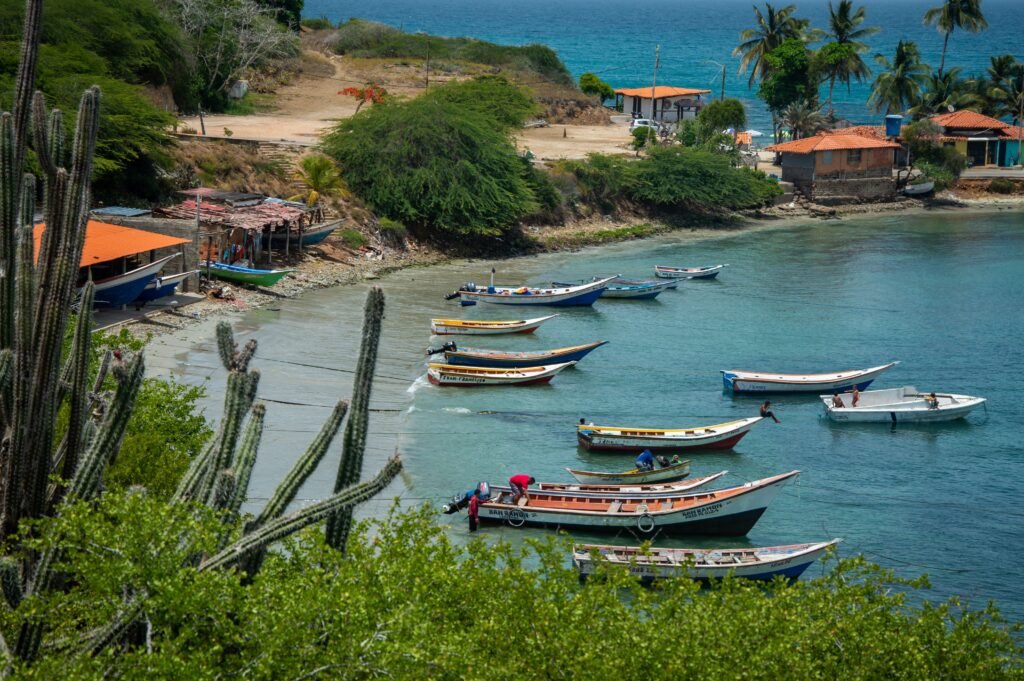
To understand the soul of Puerto López, you must wake up early. Long before any tour agencies open their doors, the northern end of the beach transforms into a chaotic, mesmerising open-air theatre. This is where the artisanal fishing fleet returns to shore at daybreak.
Walk down the malecón—the seaside boardwalk—around seven in the morning. Watch as heavy wooden boats ride the surf onto the sand. Teams of locals rush into the water to haul massive tunas, wahoo, and hammerhead sharks up the beach. The air is thick with shouts, the bargaining of local restaurant owners, and the flapping of wings. Hundreds of pelicans and magnificent frigatebirds circle overhead, swooping down with astonishing precision to snatch stray scraps from the wooden gutting tables.
It is loud, visceral, and completely unpolished. Grab a cup of local coffee from a nearby street cart, find a low concrete wall to sit on, and just watch the morning unfold. This is not a tourist attraction; it is the economic heartbeat of the community, and observing it offers a deep respect for the hard, maritime labour that sustains the region.
Ditching the tour groups at Los Frailes
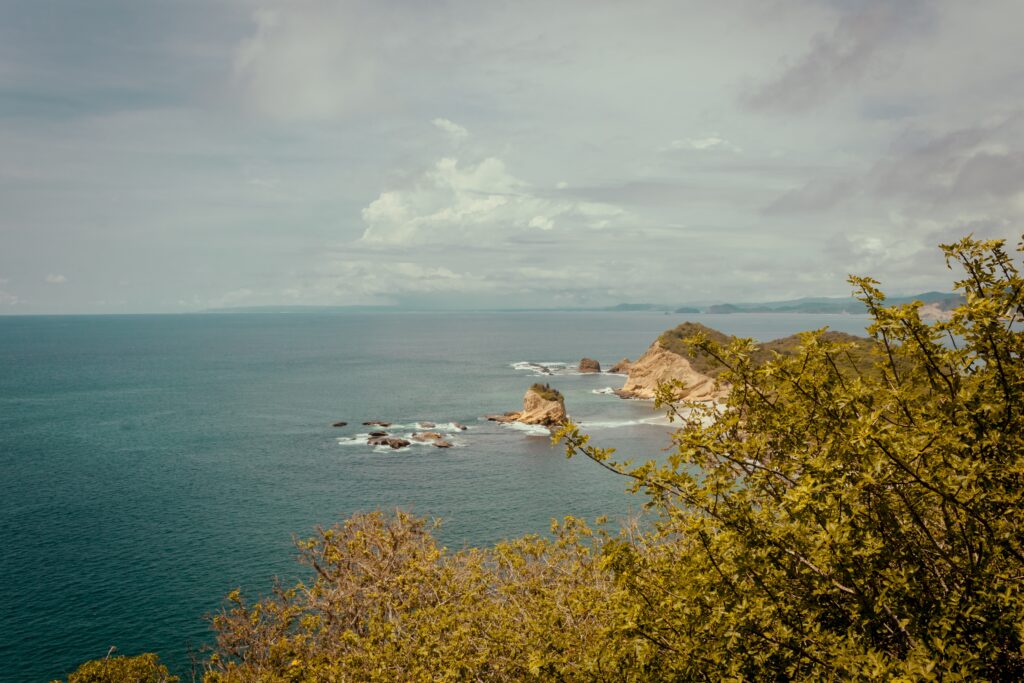
Most visitors book a structured day excursion to visit Los Frailes, a collection of three pristine beaches tucked inside the protected borders of Machalilla National Park. These tours often crowd you into a minivan, give you a strict two-hour window on the sand, and rush you away. You can do this entirely on your own terms for a fraction of the cost.
Walk to the main highway in Puerto López and flag down any green and white bus heading north toward Manta. Tell the driver you are heading to Los Frailes. Within fifteen minutes, you will be dropped off directly at the park entrance gate. Entry to the national park is entirely free, though you will need to register your passport details with the rangers.
From the gate, most people wait for a mototaxi to drive them down the paved access road straight to the main beach. Avoid this. Instead, look to the right for the clearly marked nature trail, the Sendero Bosque Seco. This loop trail takes around two hours to walk, guiding you through a rare ecosystem of ancient, twisting trees that drop their leaves to conserve water.
The trail rewards your effort by taking you first to Playita Negra, a volcanic beach with shimmering black sand, and then to Playa La Tortuguita, where the water is a brilliant turquoise. Continue climbing up to the Mirador Las Coronas, a clifftop viewpoint offering panoramic vistas of the jagged coastline and crashing surf. Finally, the trail drops you right onto the main beach of Los Frailes—a wide, crescent bay protected by high cliffs, making the water calm, clear, and perfect for swimming.
Because you arrived on your own schedule, you can spend the entire afternoon resting under the sea grape trees, waiting out the crowds until the park closes at four in the afternoon.
The Ecuadorian Sierra.
Get lost in the hills
Coastal gastronomy / Beyond the tourist strip
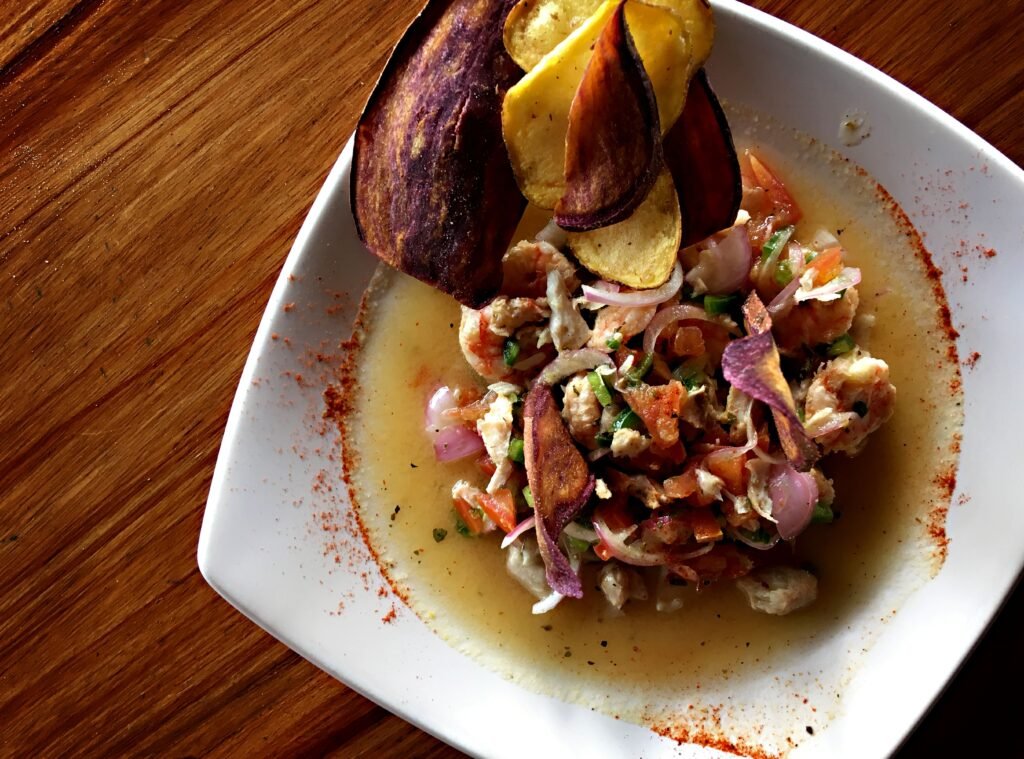
The beachfront boardwalk is lined with bamboo cabanas flashing signs for international cocktails and standard fried fish plates. While convenient for a sunset drink, these spots are often overpriced and lack local culinary depth. To eat like a Manabita, you must venture a few blocks inland.
Manabí is widely regarded as having the finest regional cuisine in Ecuador, celebrated for its complex use of green plantains, peanuts, and incredibly fresh seafood. Seek out a local, no-frills eatery to try encebollado. Often considered the national dish, this is a rich, restorative fish soup made with fresh tuna, yucca, pickled red onions, and a deeply savoury broth spiced with cumin and coriander. It is traditionally served with a side of plantain chips or popcorn and a squeeze of lime. It is the ultimate local breakfast.
For lunch or dinner, track down a restaurant serving viche. This is a heavy, comforting coastal stew that combines multiple types of seafood with a rich peanut broth, sweet corn on the cob, yucca, and unripe plantains. It is slow food at its absolute finest, taking hours of preparation to balance the earthy richness of the peanut paste with the freshness of the ocean.
Where to base yourself / Finding solitude or connection
Choosing where to lay your head in Puerto López depends entirely on what kind of energy you want to return to at the end of the day.
The centre of town, particularly along the southern end of the malecón, is lively. If you enjoy the sounds of salsa music drifting from open-air beach bars and want immediate access to tour operators for excursions to Isla de la Plata, look for a guesthouse here. It is convenient, bustling, and highly social.
However, if you crave the peace that matches an independent travel philosophy, look toward the extreme northern end of the beach. Here, the guesthouses are set back into the coastal vegetation, offering quiet gardens where the only sound at night is the breaking of the Pacific surf.
Alternatively, if the town of Puerto López feels too industrial, consider basing yourself fifteen kilometres south in the tiny village of Ayampe. Connected by the same coastal buses, Ayampe is a sleepy, unpaved paradise dedicated entirely to surfing, yoga, and slow living. It allows you to dip into the wildlife adventures of Puerto López by day and retreat to an organic, quiet sanctuary by night.
Puerto López is not a destination that reveals its beauty through a polished resort experience. It requires a willingness to walk the dirt paths, to ride in the back of a breezy mototaxi, and to accept the grey morning mists of the garúa as a cue for a wilderness hike rather than a disruption to a sunbathing schedule. By slowing down and stepping away from the crowds, you discover a corner of South America that remains wonderfully, stubbornly authentic.
The Ecuadorian Amazon.
The most biodiverse place in the world
Frequently asked questions about visiting Puerto López
Direct buses run from the main terminal terrestre in Guayaquil via the Libertad Peninsular line, taking roughly four hours. Alternatively, Turismo Manta operates hourly coastal buses from Manta that wind south along the cliffs for approximately three hours.
The town centre is highly compact and entirely walkable on foot. For longer distances or when moving heavy bags, catch an open-air, three-wheeled mototaxi. A ride anywhere within the town limits should cost no more than two dollars.
Yes, and it is highly recommended for a slower pace. You can flag down any green and white northbound bus on the main highway in Puerto López heading toward Manta. Ask the driver to drop you at the Los Frailes park entrance, where entry is free after a quick passport registration with the rangers.
From June to September, the cold Humboldt Current introduces the garúa, a low-lying maritime fog. The sky remains grey and temperatures hover between 20 and 24 degrees Celsius, making it ideal for active exploration and whale watching rather than sunbathing.
Steer clear of the bamboo cabanas on the beachfront malecón and head a few blocks inland. Look for no-frills eateries serving local Manabí specialities such as encebollado, a savoury tuna and yucca breakfast soup, or viche, a complex seafood and peanut stew.
While the southern end of the boardwalk is lively and social, independent travellers seeking solitude should look for guesthouses tucked into the coastal greenery at the extreme northern end of the beach. For total isolation, the nearby surf village of Ayampe is an excellent alternative base.
Ecuador.
Pure wonder on the equator.