
Yasuní National Park
Things to do in Yasuní.
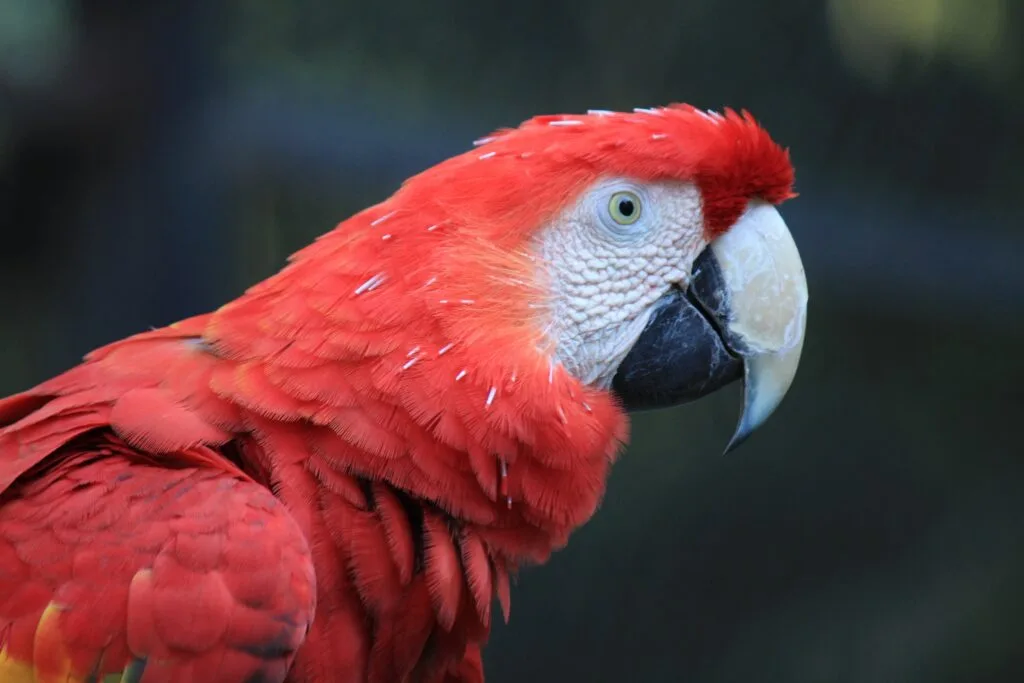
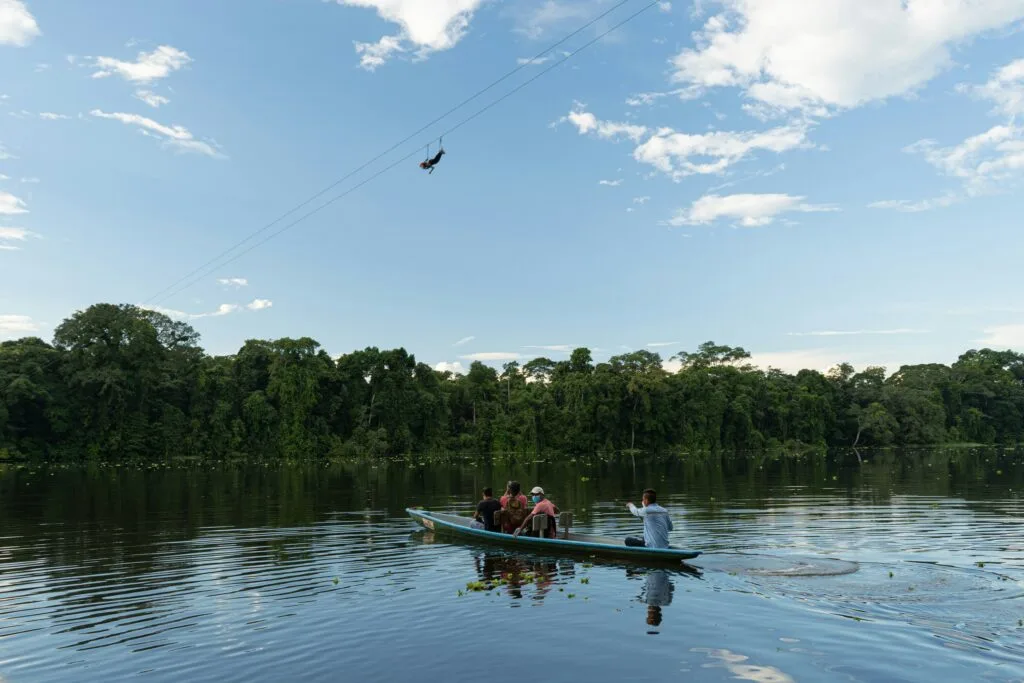
Yasuní demands a complete surrender to the rhythm of the rainforest floor rather than a checklist of pre-packaged excursions. True engagement here means navigating the blackwater channels by paddle power, tracking the low-frequency hum of the canopy, and waking before dawn to watch clay licks flash with macaws. The landscape does not perform for you; it requires patience, quiet boots, and a willingness to let the sheer density of the Amazon basin reveal itself on its own timeline
First-timer tips for visiting Yasuní National Park / An independent traveller’s guide
How to navigate the world’s most biodiverse rainforest on your own terms
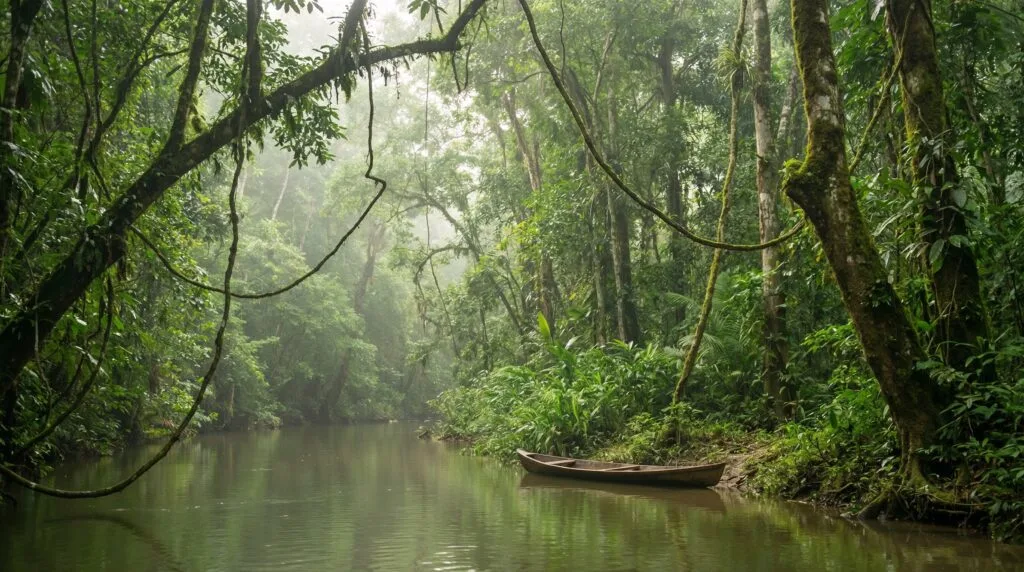
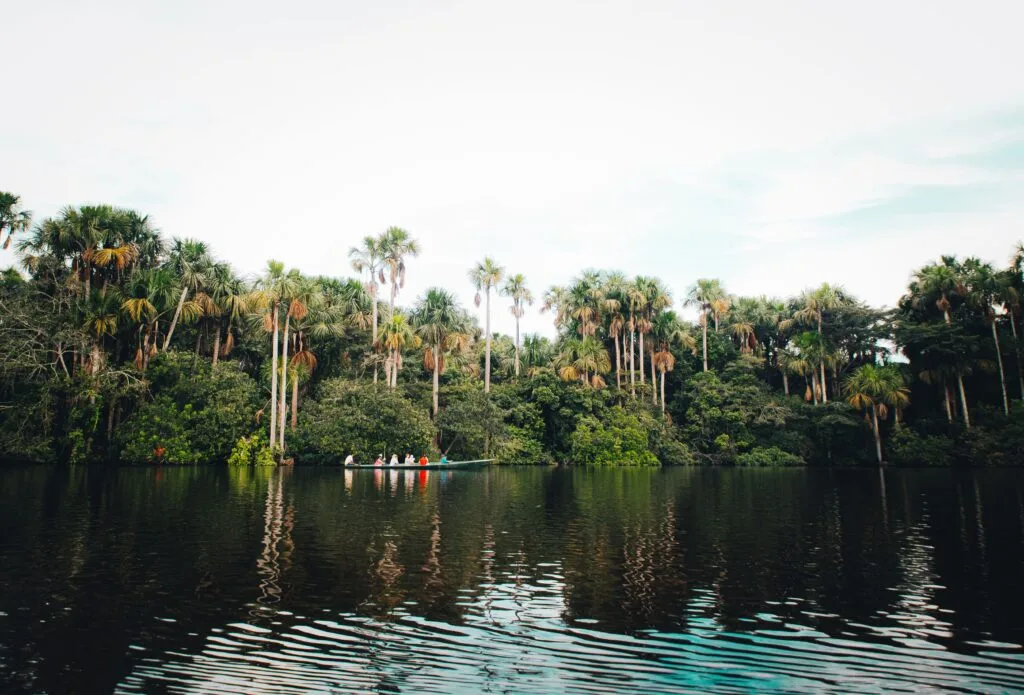
The deep green frontier / Things to do in Yasuní National Park
Trails into the heart of the living Amazon
The best expeditions into Yasuní National Park / Amazon jungle journeys
Slow overland and river adventures in Ecuador’s Amazon

More things to do near Yasuní.
If the deep isolation of the park leaves you craving a different pace, the surrounding regions offer distinct entry points into the Oriente. Tena serves as the wet, wild capital of Ecuadorian whitewater, where independent kayakers swap stories over strong coffee before tackling the Napo. Further afield, Puyo offers a slower, slightly chaotic base edge defined by local botanical gardens, while Cuyabeno turns the focus toward flooded igapó forests best navigated by small, self-directed boat teams
Tena
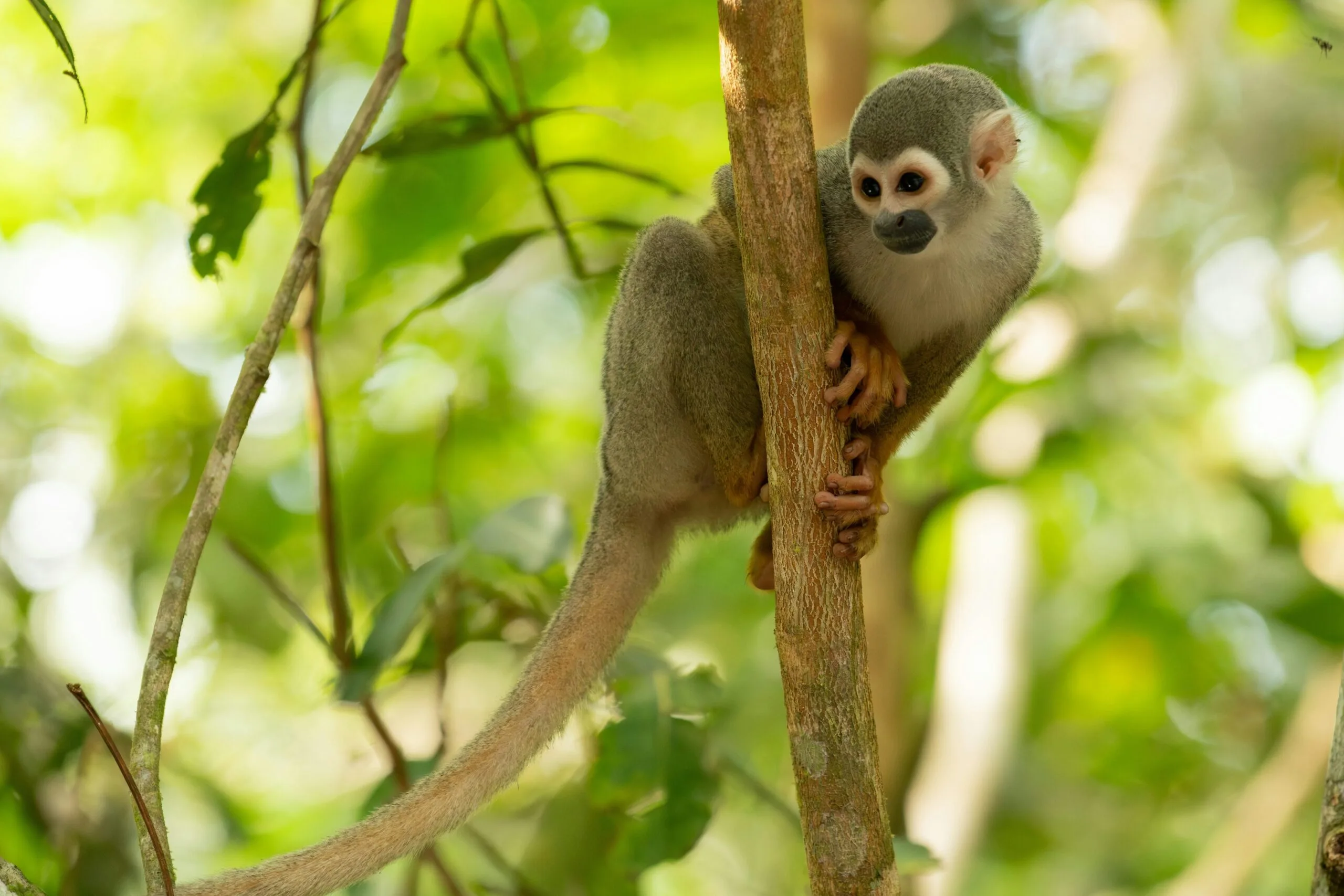
Life revolves around the rivers
Cuyabeno
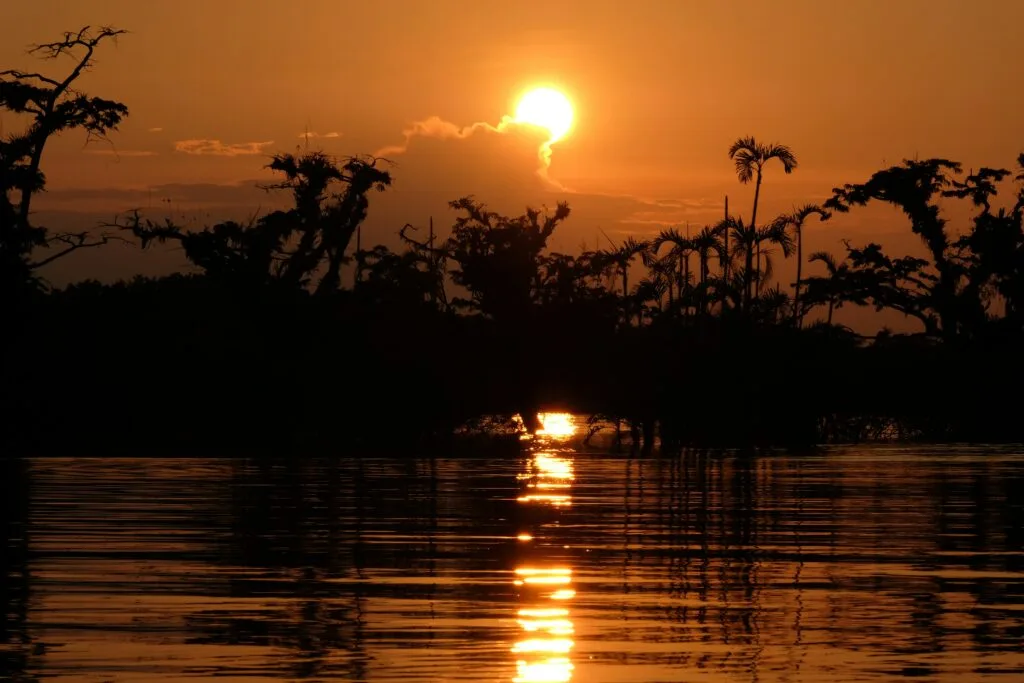
The flooded forest
Puyo
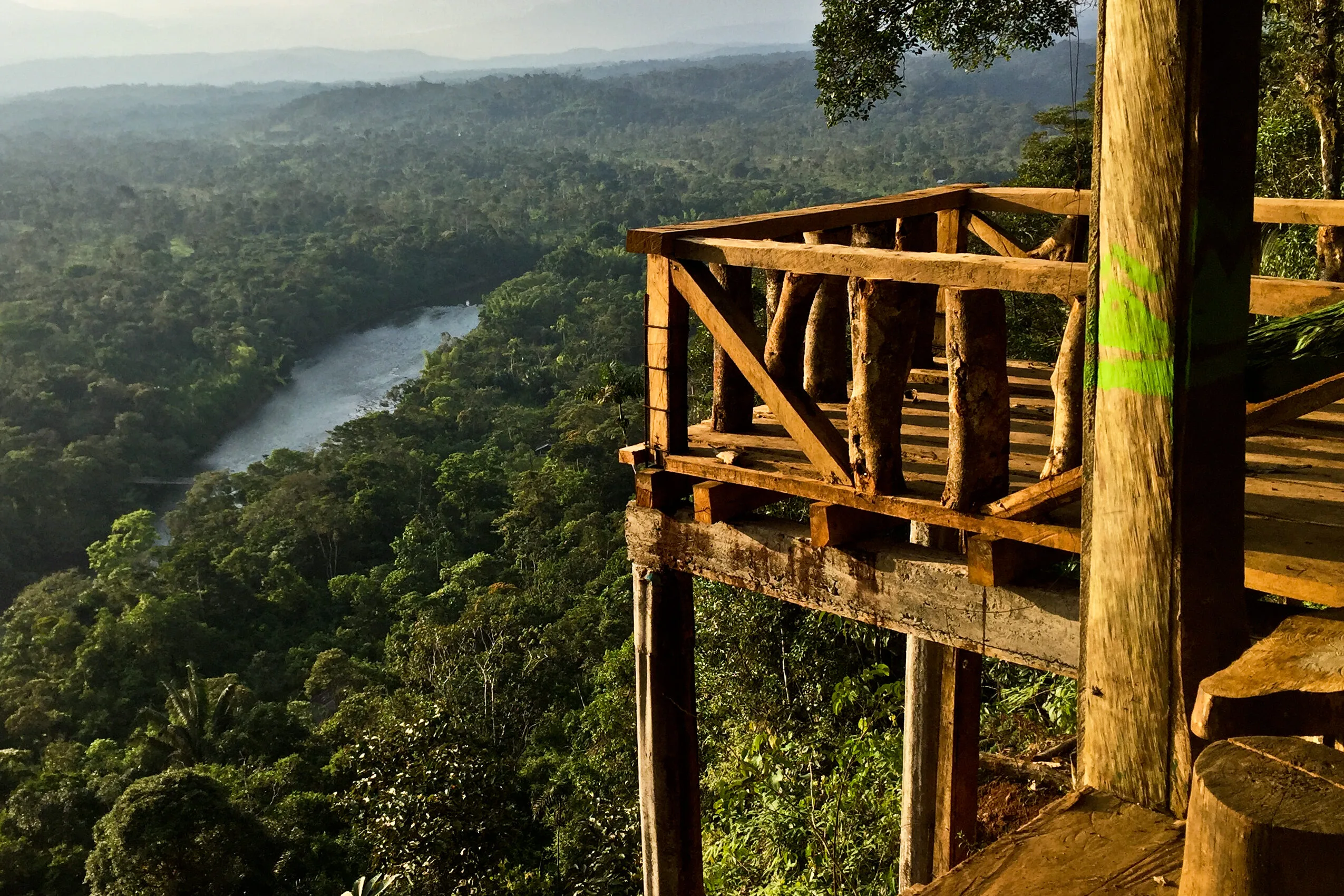
The gateway to the Amazon
Where to stay in Yasuní.
Lodging deep within this biosocial reserve is an exercise in choosing between low-impact canopy platforms and community-run eco-lodges that refuse to insulate you from the environment. Forget manicured resorts with infinity pools; the best setups here feature timber architecture that breathes with the humidity and relies on solar arrays. You are paying for unmatched proximity to the primary forest and the expertise of local guides who can identify a creature by a single rustle in the undergrowth
The independent guide to staying in Yasuní National Park
Best places to stay in Yasuní National Park / Sustainable lodges for independent travellers
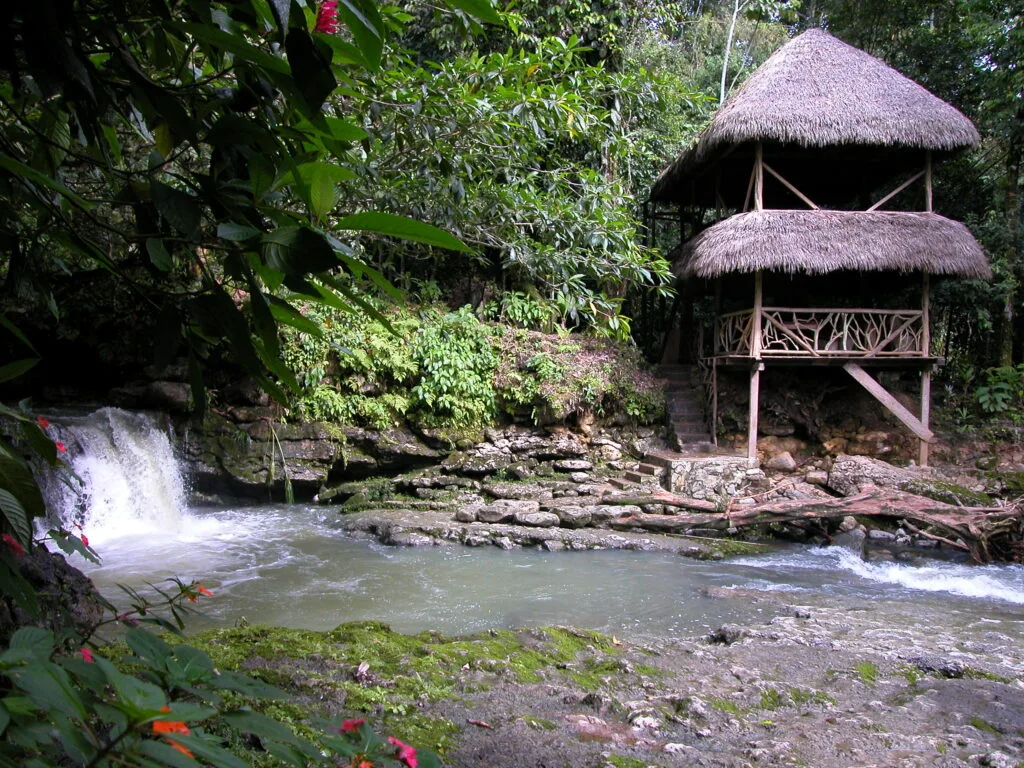
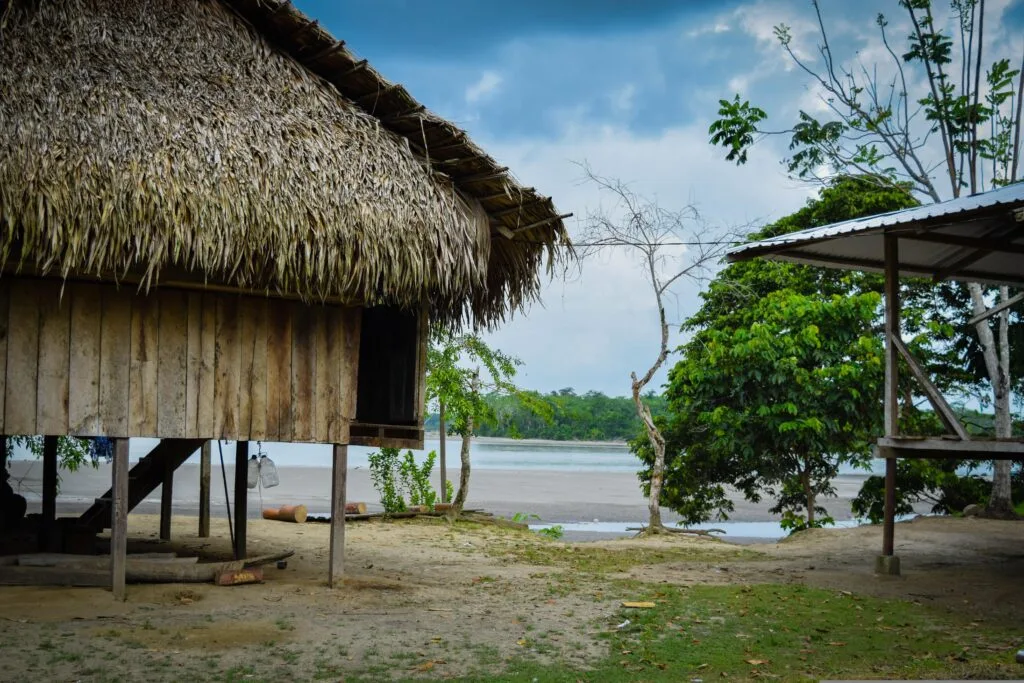
Into the green abyss / The ultimate guide to wilderness camping in Yasuní National Park
Trading the tour bus for the timeless rhythms of the Ecuadorian Amazon
Essential Ecuadorian Amazon logistics.
SIM cards
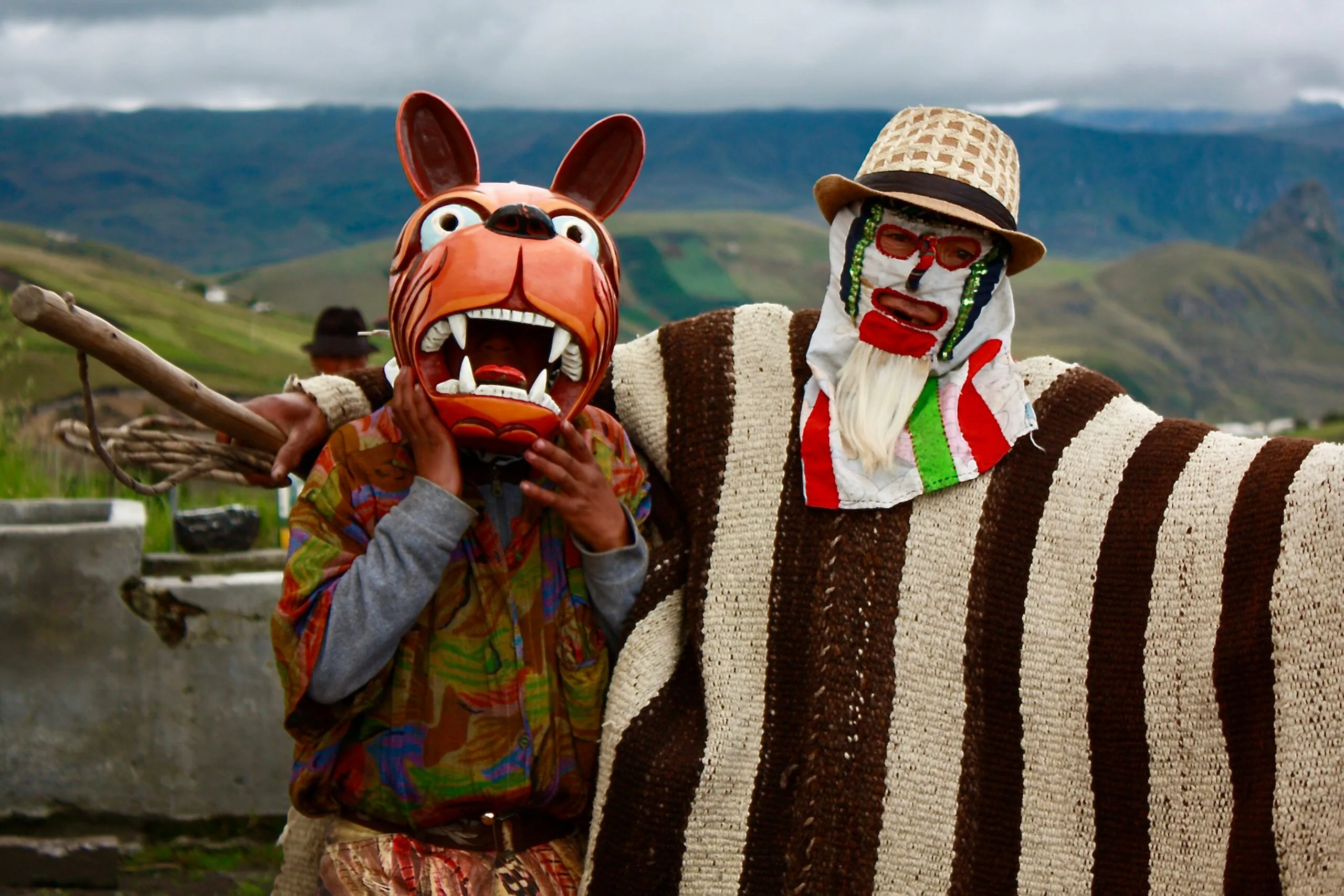
Packing
Insurance
Overlanding
Where to eat and drink in Yasuní.
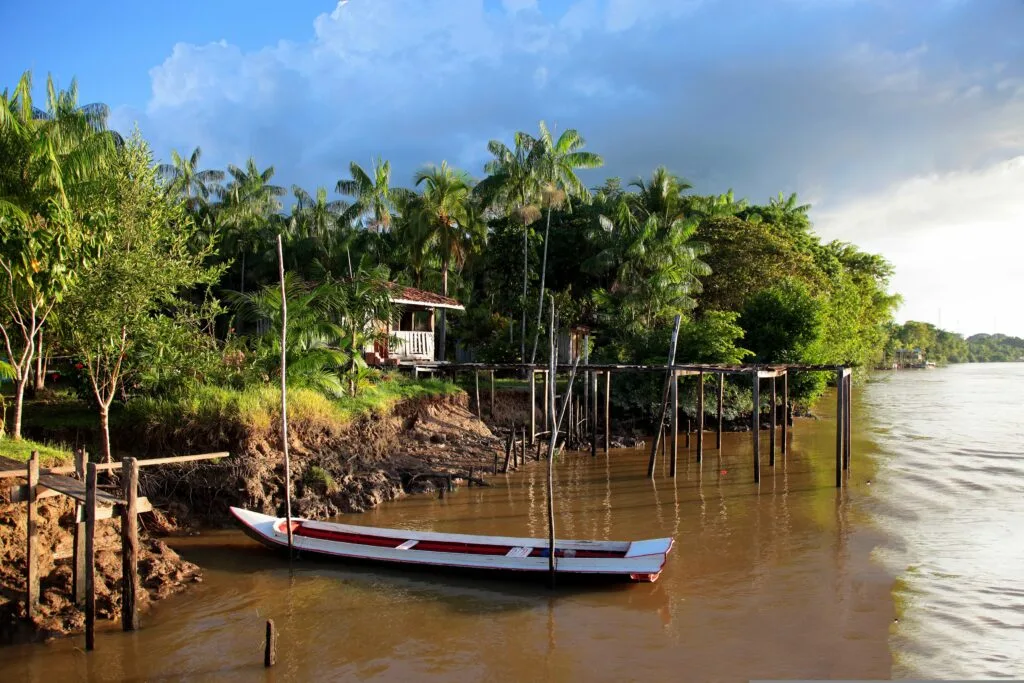
Dining in the deeper reaches of the park relies strictly on what the immediate terrain and river networks provide. Meals centre on river fish steamed in maito leaves, charred plantains, and nutrient-dense yuca prepared with minimal fuss but incredible freshness. To drink, there is no artisanal cocktail bar; instead, you adapt to chicha or hot cups of guayusa poured early in the morning to sharpen your senses before heading out into the humidity
Ancestral flavours of the Amazon / Foods to try in Yasuní National Park
How to savour the true culinary soul of the Ecuadorian rainforest
When to visit Yasuní.
The Amazon basin operates on its own meteorological terms, meaning rain is a permanent structural feature rather than an occasional inconvenience. The months between December and February present a slightly drier window, dropping water levels to expose river beaches and concentrate wildlife along the remaining banks. Conversely, the high-water season from April to July fills the flooded forests, allowing small canoes to glide effortlessly between the upper branches of submerged trees
The pulse of the jungle / When to visit the Ecuadorian Amazon
Finding the rhythm of the rainforest
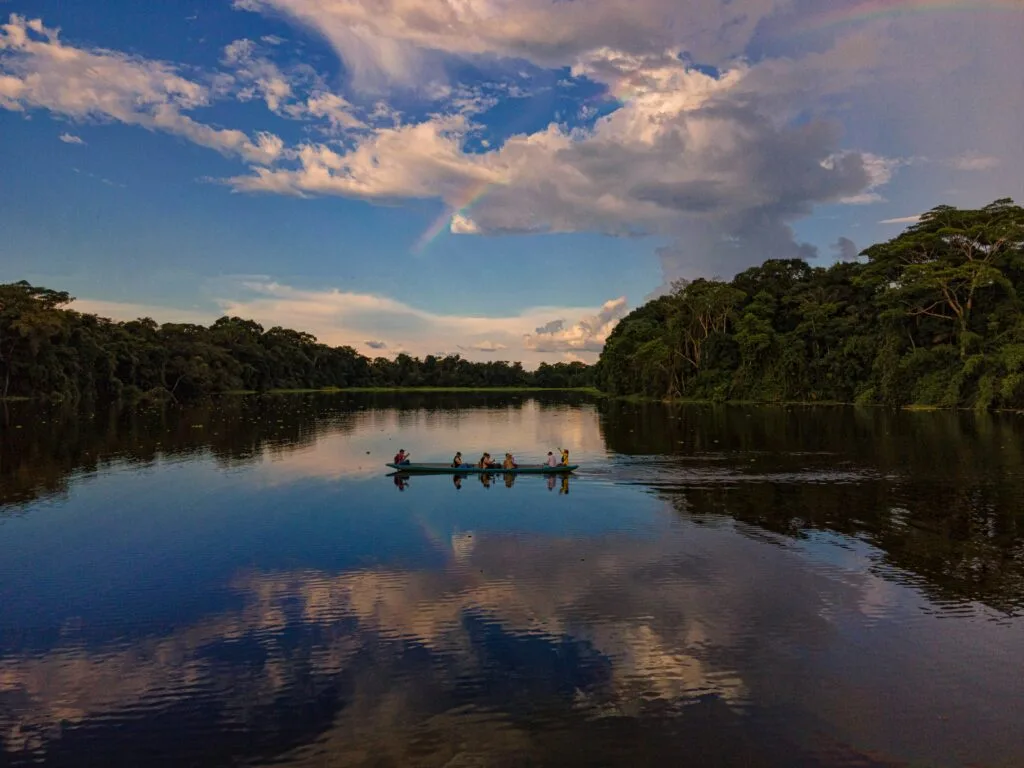
Is Yasuní safe?
Navigating one of the most biodiverse zones on Earth requires a distinct form of practical awareness rather than urban anxiety. The primary challenges are environmental — aggressive insects, sudden river swells, and the absolute ease of getting disoriented without an experienced local guide. Respecting local indigenous territories, packing proper terrain gear, and securing reliable wilderness logistics are the only real prerequisites for an incident-free expedition
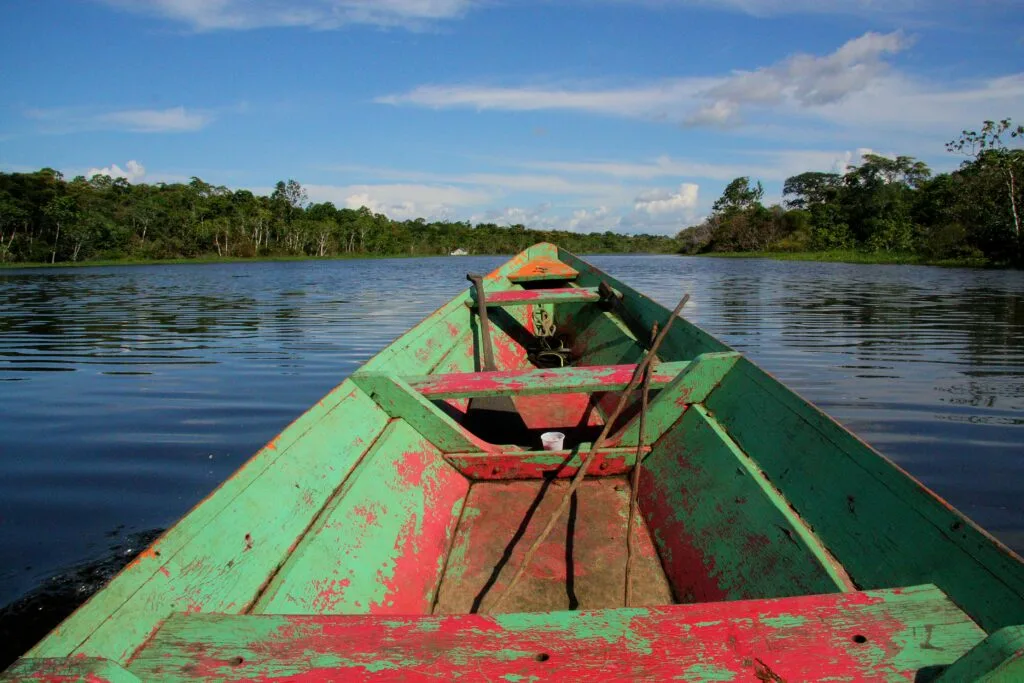
Staying safe in the deep Amazon / A guide to Yasuní National Park
Navigate the heart of the rainforest with confidence
The history of Yasuní.
Yasuní has long been a complex frontier where ancient indigenous sovereignty intersects with modern extraction pressures. Designated a UNESCO Biosphere Reserve in 1989, these lands are the ancestral home of the Waorani, as well as the Tagaeri and Taromenane groups, who maintain voluntary isolation. The recent historic shifts towards leaving oil deposits untouched beneath the forest floor mark a rare, deliberate victory for global conservation and territorial autonomy
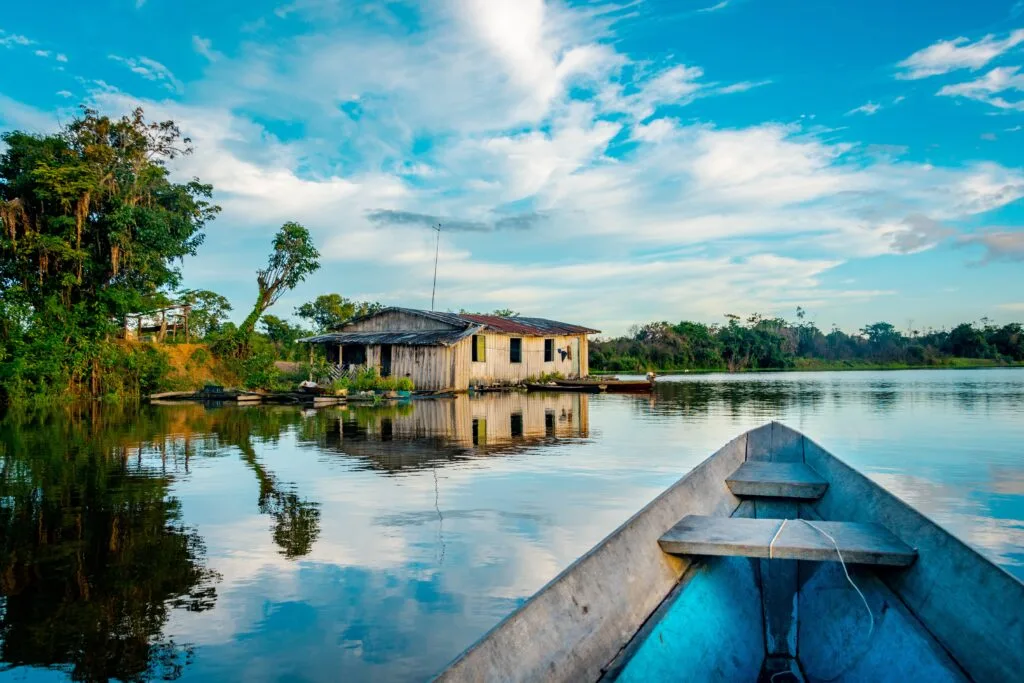
The deep history of Yasuní National Park / Ecuador’s frontline of climate democracy and biodiversity
Why the history of conservation and oil extraction in Yasuní National Park shapes independent travel in the Ecuadorian Amazon
Ecuadorian cycling culture.
Transitioning from the Amazonian lowlands to the Andean spine reveals an incredibly fierce, quiet pride in Ecuadorian cycling. The regional landscape is defined by brutal, unpaved switchbacks and massive altitude gains that have forged world-class climbers accustomed to thin air. Do not expect polished cycling lanes; instead, you will find a culture of profound resilience where local riders share the mountain roads with rural buses, fueled by plates of locro de papa at high-altitude mountain passes
Epic cycling in Ecuador
The ultimate guide to cycling in Ecuador / Routes, culture, and infrastructure
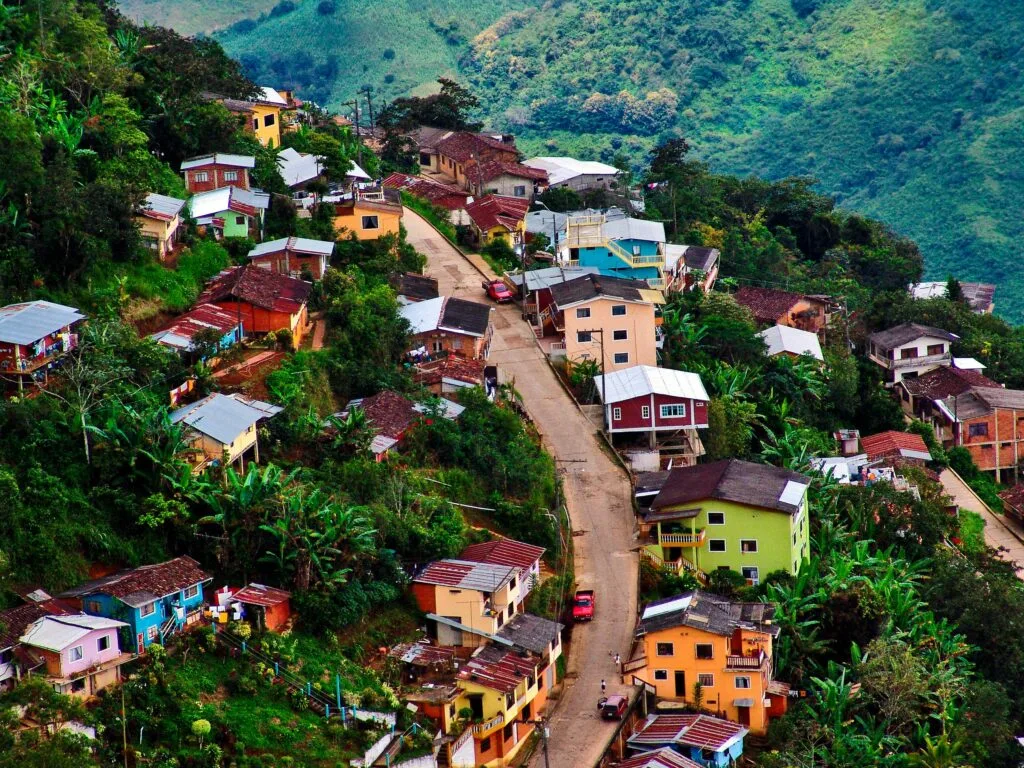
Driving culture and road safety

Driver attitudes, road traffic statistics, and road safety laws for cyclists
Cycling laws in Ecuador

Everything you need to know about cycling laws and regulations in Ecuador
Ecuador’s cycling history
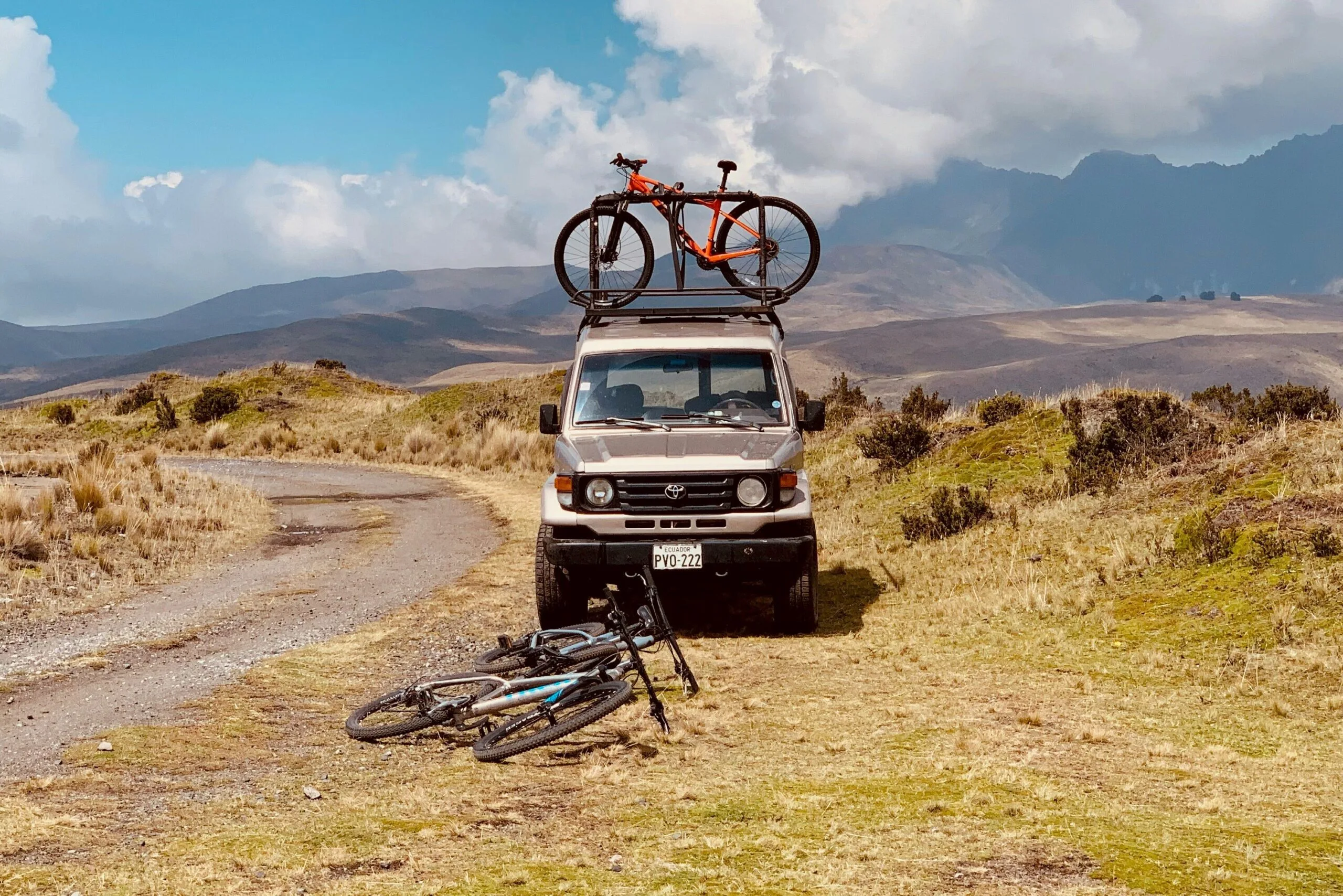
A guide to the cycling history, bicycle culture, and bike routes
Everything we’ve written about Yasuní.
Best Yasuní National Park multi-day tours
First-timer tips for visiting Yasuní National Park | Independent guide
Foods to try in Yasuní National Park: An independent traveller’s guide to Amazonian gastronomy
Understanding the history of Yasuní National Park: Oil, biodiversity, and slow travel in Ecuador
Best places to stay in Yasuní National Park: Ultimate eco-lodges
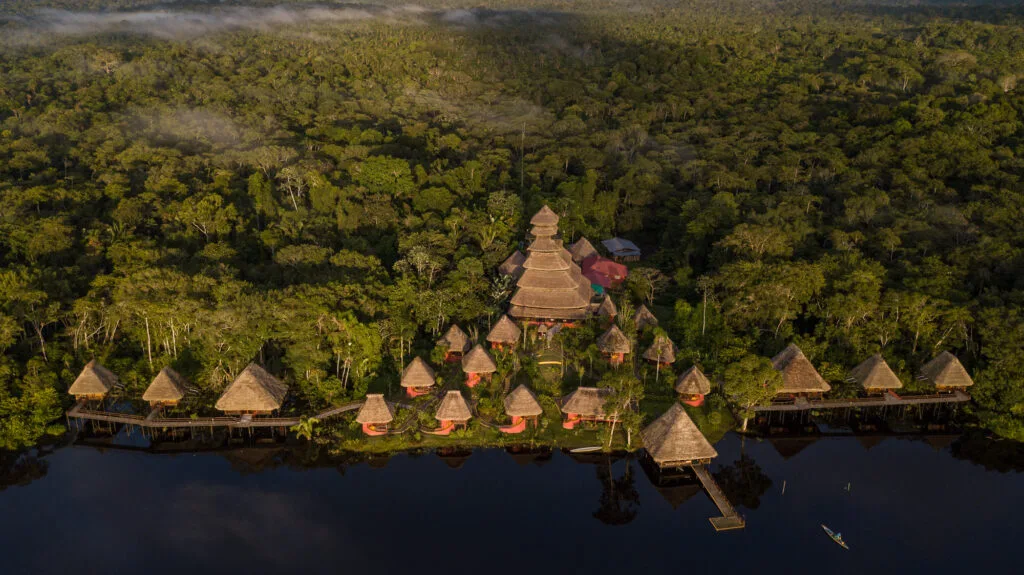
Best places to camp in Yasuní National Park: Independent wilderness guide
Is Yasuní National Park safe? Ultimate Ecuador travel safety guide
An independent guide to Yasuní National Park
Top attractions in Yasuní National Park, Ecuador
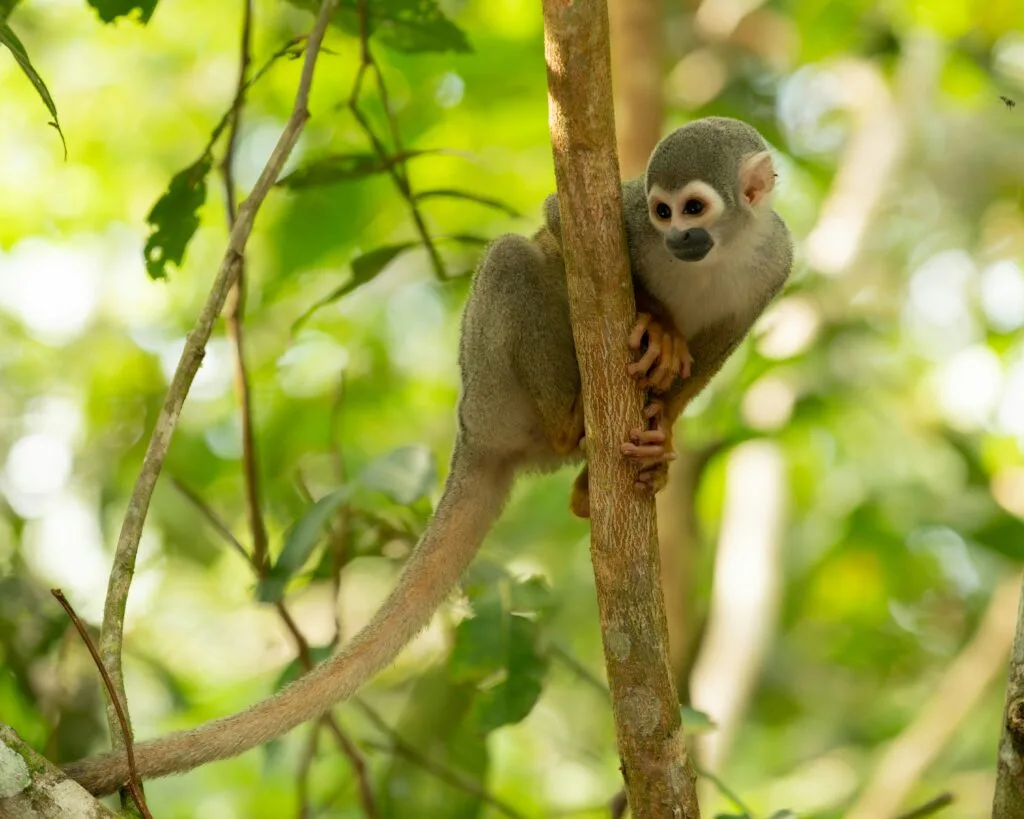
Ecuador.
Pure wonder on the equator.