Staying safe in the deep Amazon / A guide to Yasuní National Park
The definitive Yasuní National Park travel safety guide for independent adventurers seeking secure Amazon exploration
Navigate the heart of the rainforest with confidence
BEN FINCH
Exploring the pristine depths of the Amazon rainforest is the ultimate dream for those who champion independent, slow travel. As one of the most biodiverse corners of our planet, Parque Nacional Yasuní offers an unparalleled encounter with primary jungle, winding waterways, and extraordinary wildlife. However, planning a journey into this remote ecological reserve requires a clear, level-headed understanding of the current security and logistical landscape in Ecuador.
At Wheely Tyred, we believe that true travel autonomy relies on robust preparation and local knowledge. While headlines often paint a complex picture of security challenges across the nation, the reality on the ground in the Amazon interior is distinct. By understanding the specific regional factors, transit vulnerabilities, and environmental dynamics, you can experience this ancient landscape safely, securely, and sustainably.
Unlock the pristine wilderness safely
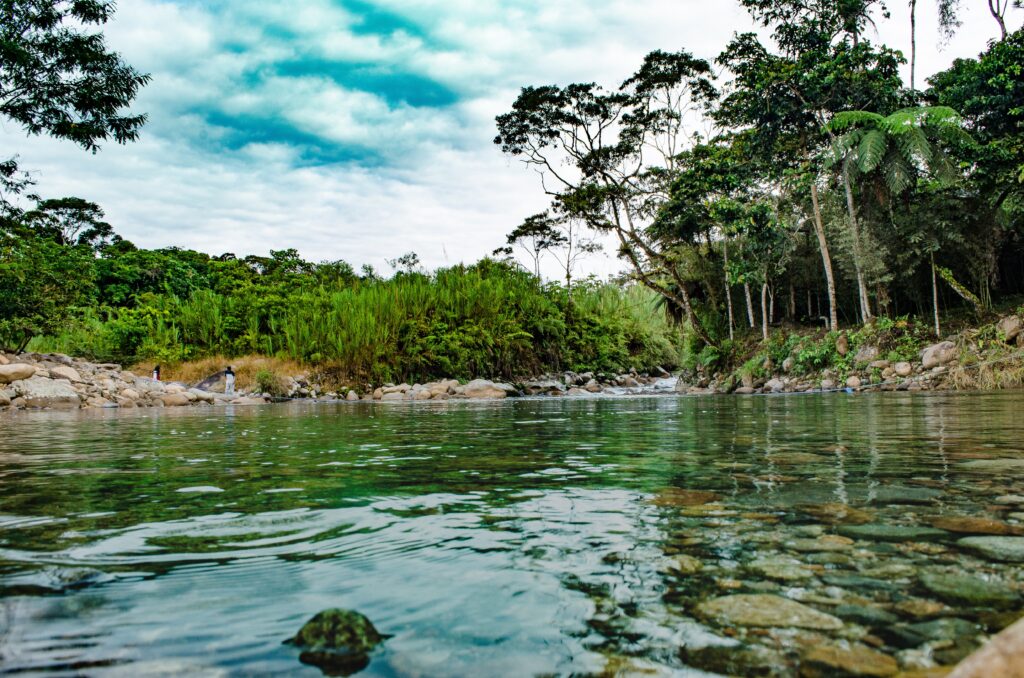
Navigating the deepest recesses of the Ecuadorian Amazon requires a deliberate blend of sharp logistical awareness and profound environmental respect. For the independent adventurer, unlocking this pristine wilderness safely relies entirely on grounding your journey in local knowledge and robust preparation.
- Regional Security Divergence: While mainland Ecuador navigates complex security challenges, these are heavily concentrated within coastal maritime trafficking hubs; the eastern Amazonian provinces remain peaceful, isolated biospheres far removed from western urban unrest
- The Coca Gateway: As the primary overland and air hub, the town of Coca is entirely functional for daytime transit and securing supplies, though travellers must maintain strict vigilance against opportunistic petty crime around transport terminals
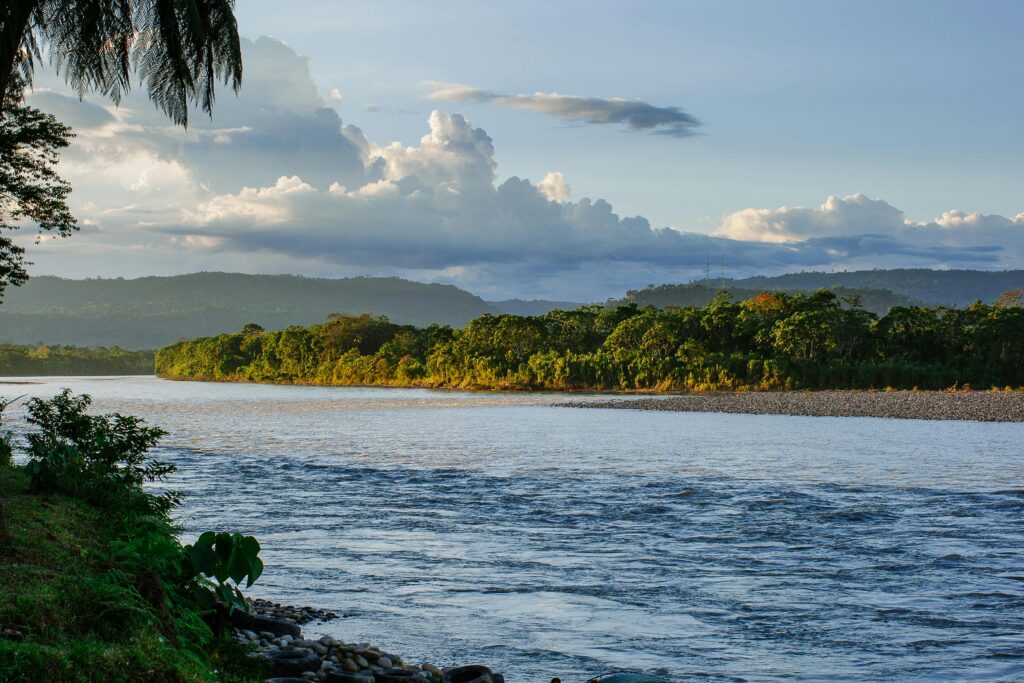
- River Highway Integrity: Deep jungle transit along the Río Napo relies on motorised dugout canoes; independent travellers should strictly avoid informal, unregistered vessels and ensure all water travel is arranged through accredited operators and completed by daylight
- Environmental Resilience: The primary hazards within the park are environmental rather than criminal, demanding rigorous hydration, a specialist-approved regime for insect-borne illnesses, and a comprehensive personal first-aid kit due to extreme medical isolation
- Territorial Sovereignty: Yasuní is home to indigenous communities living in voluntary isolation; respecting the designated untouchable zones and staying strictly on permitted trails with certified local guides is both a legal mandate and a critical safety measure
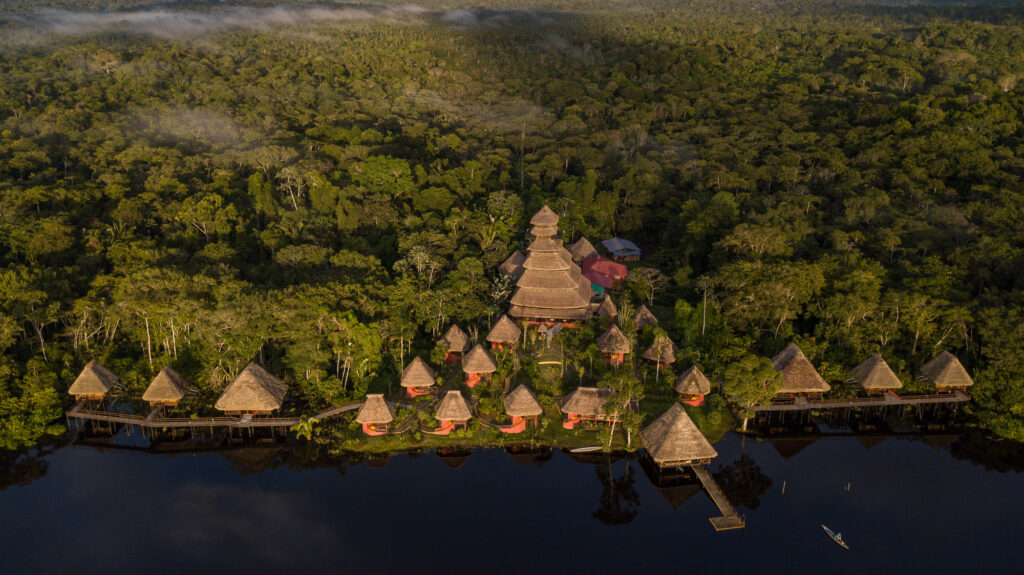
Yasuní National Park.
Home to the black water
The national picture / Navigating Ecuador’s security landscape
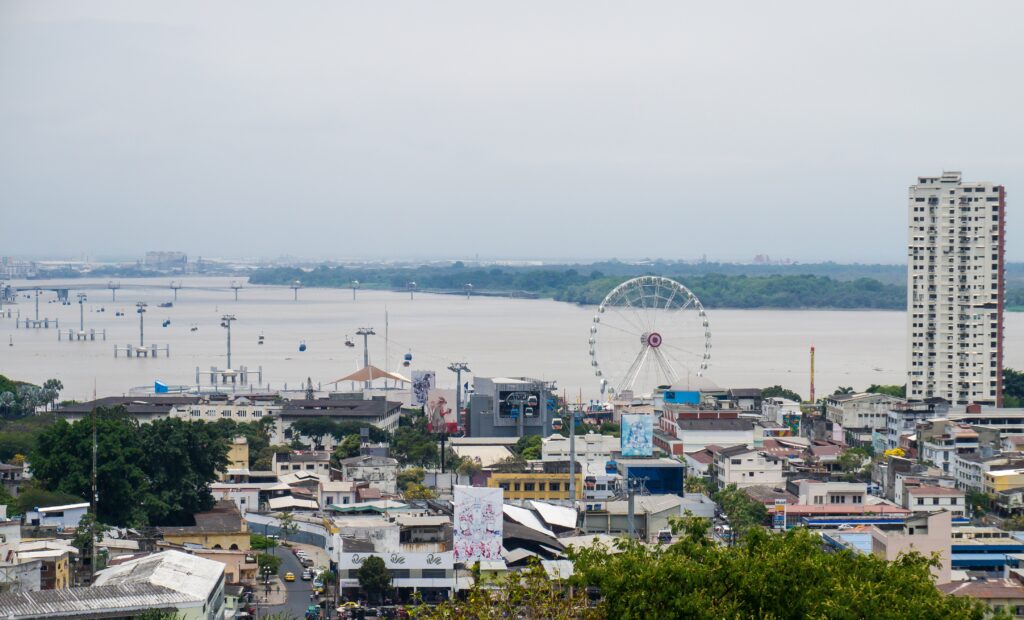
To understand safety in the Amazon, one must first look at the broader national context of Ecuador. The country has experienced an evolving security situation, with a nationwide state of emergency renewed to manage civil unrest and combat organised crime groups.
It is vital for independent travellers to recognise that these violent incidents are heavily concentrated in specific geographical zones, particularly within the coastal provinces such as Guayas, Esmeraldas, and Manabí. These coastal urban centres are hubs for maritime trafficking routes, making them prone to localised gang rivalries that rarely intersect with the tourism infrastructure.
In stark contrast, the eastern Amazonian provinces, known locally as the Oriente, remain far removed from these coastal flashpoints. Yasuní itself is a sprawling, isolated biosphere reserve where the primary challenges are defined by geography and nature rather than urban crime.
Security forces maintain an active presence at major transit points across the country, meaning travellers will encounter military checkpoints on highways and at regional airports. These checks are standard, efficient, and designed to maintain public safety; carrying a high-quality colour photocopy of your passport and your official immigration entry stamp at all times is a legal requirement that keeps you moving smoothly through these inspections.
The Ecuadorian Amazon.
The most biodiverse place in the world
The journey in / Security from Coca to the wilderness
The primary gateway for any expedition into the park is the port city of Coca, officially known as Puerto Francisco de Orellana. Located at the confluence of the Coca and Napo rivers, this bustling hub is an essential logistical stop. While the town itself is generally functional for daytime arrivals, supply gathering, and banking, the southern districts of Sucumbíos and parts of Orellana province have recorded higher rates of opportunistic petty crime, such as bag snatching and pickpocketing around bus terminals and public markets.
When transiting through the city, avoid wearing conspicuous jewellery or displaying high-value electronics. Keep your rucksack worn on the front of your body in crowded spaces, and use only official, registered yellow taxis booked directly from your accommodation or terminal.
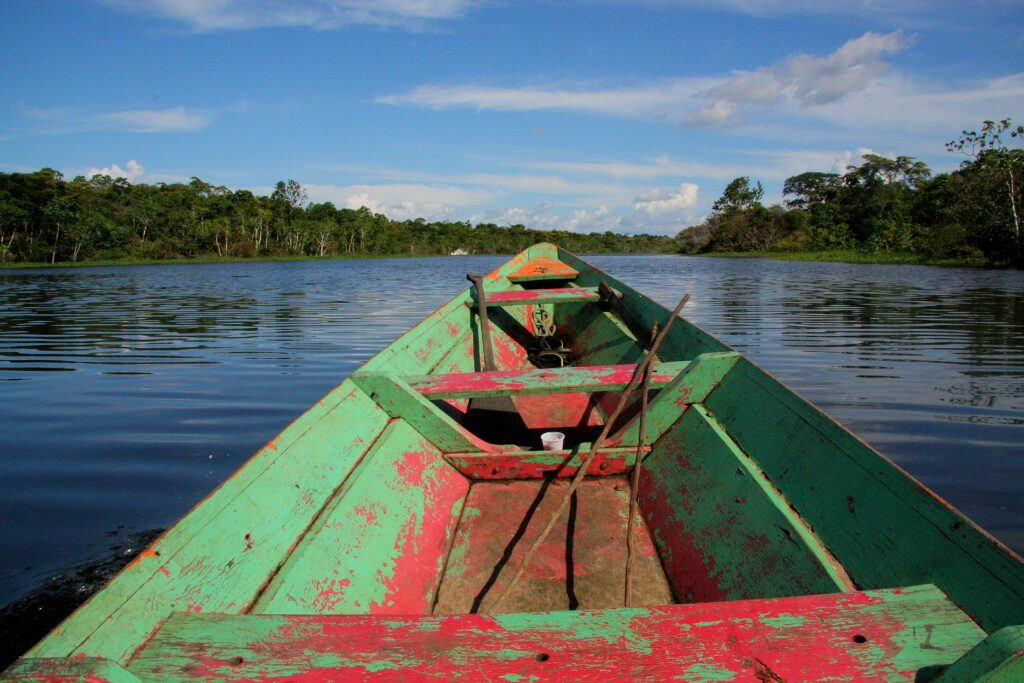
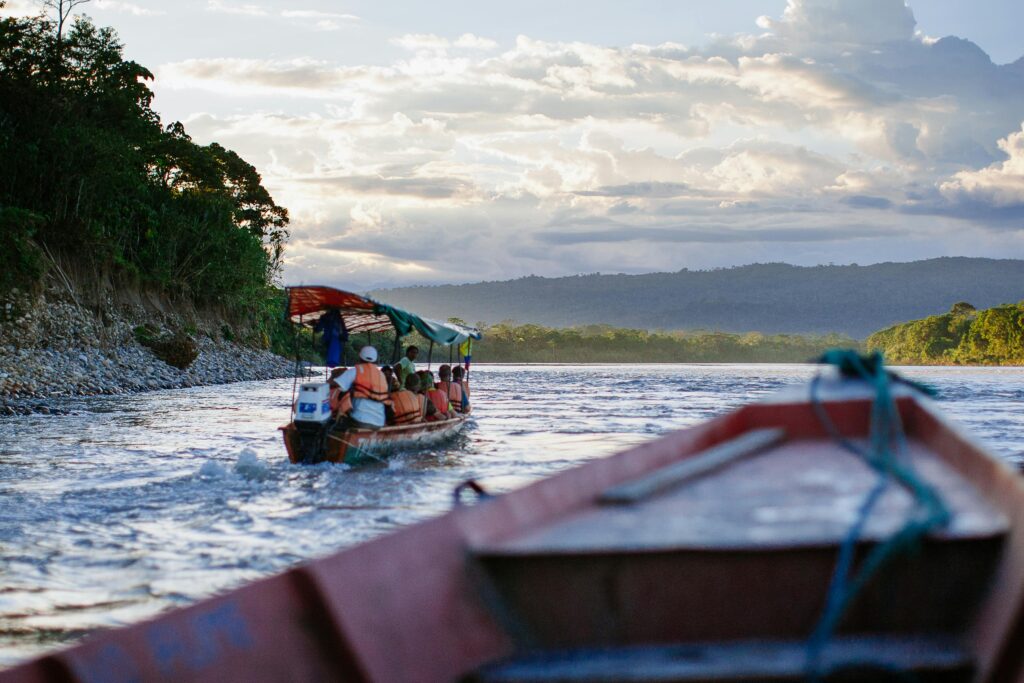
The true transition to the park happens on the water. Travel down the Río Napo is conducted via motorised dugout canoes. This river highway is a highly monitored route utilised by indigenous communities, park rangers, and eco-lodges.
To ensure total safety on the water, Wheely Tyred strongly advises against accepting unsolicited offers of cheap, unregistered boat transport from independent operators at the docks. Always arrange your river transfer through a reputable, licensed tour provider or an established eco-lodge.
These registered vessels carry mandatory safety equipment, use highly experienced river pilots who understand the shifting sandbanks, and coordinate directly with maritime authorities along the riverway. Furthermore, ensure all river transit is completed entirely during daylight hours, as navigating the complex currents after dark introduces unnecessary risks.
The Ecuadorian Sierra.
Get lost in the hills
Inclusivity and safety / Solo travellers, women, and minorities
For solo adventurers, women, and minority travellers, the Amazon offers a welcoming but highly traditional environment. In the communities surrounding the park, hospitality is deeply ingrained, and overt hostility towards foreigners is exceptionally rare. However, solo travellers should always employ an enhanced level of situational awareness, particularly when staying in urban gateway towns before entering the reserve.
For women travelling alone, local cultural norms can occasionally result in unwanted verbal attention or persistent conversation from men in urban areas. This behaviour is typically harmless if ignored, but setting firm boundaries calmly and clearly is the most effective approach.
When staying in mainland towns, avoid walking alone through poorly lit or quiet streets after dark. Instead, utilise trusted transport or dine within your guest house. Once inside the national park boundaries, the environment changes completely; you are almost always within a structured group or accompanied by certified local guides, making the wilderness itself an exceptionally secure space from a personal safety standpoint.
Minority travellers will find that indigenous and local mestizo communities in the Amazon are generally curious and respectful. While awareness of global diversity concepts can vary in remote rural settlements, discrimination targeting tourists is practically non-existent. To foster seamless interactions, aligning your style with local norms by dressing modestly when visiting indigenous villages is a simple sign of respect that is always appreciated.
Environmental realities / Wilderness health and jungle survival

In the heart of the rainforest, the most immediate safety considerations shift from human elements to environmental hazards. The climate is intensely hot and humid, demanding rigorous hydration and sun protection. Dehydration and heat exhaustion can manifest rapidly under the thick canopy, so carrying a reliable, reusable water filtration system or relying on the purified water provided by accredited lodges is a fundamental rule of slow travel.
Biting insects are a constant presence and present the primary health risk in the region. While malaria risks are low within the core park areas, insect-borne illnesses such as dengue fever and yellow fever exist within the wider Amazon basin. Independent travellers should consult a travel medicine specialist at least six weeks before departure to secure the necessary vaccinations; a yellow fever vaccination certificate is frequently requested by authorities prior to entering certain remote regions.
Prevent bites day and night by applying a high-concentration insect repellent and wearing lightweight, long-sleeved clothing in light colours, which helps spot any ticks or insects before they reach the skin.
The sheer isolation of the park means that you are far from major medical facilities. The nearest well-equipped hospitals are located in Quito, requiring an overland journey or a domestic flight from the gateway towns. Therefore, pack a comprehensive personal first-aid kit containing specific personal medications, broad-spectrum antibiotics, antihistamines, and antiseptic treatments. Always inform your lodge management or your guide of any pre-existing medical conditions before setting off into the jungle.
The Galápagos.
Ecuador’s Enchanted Isles
Cultural respect / Understanding voluntary isolation
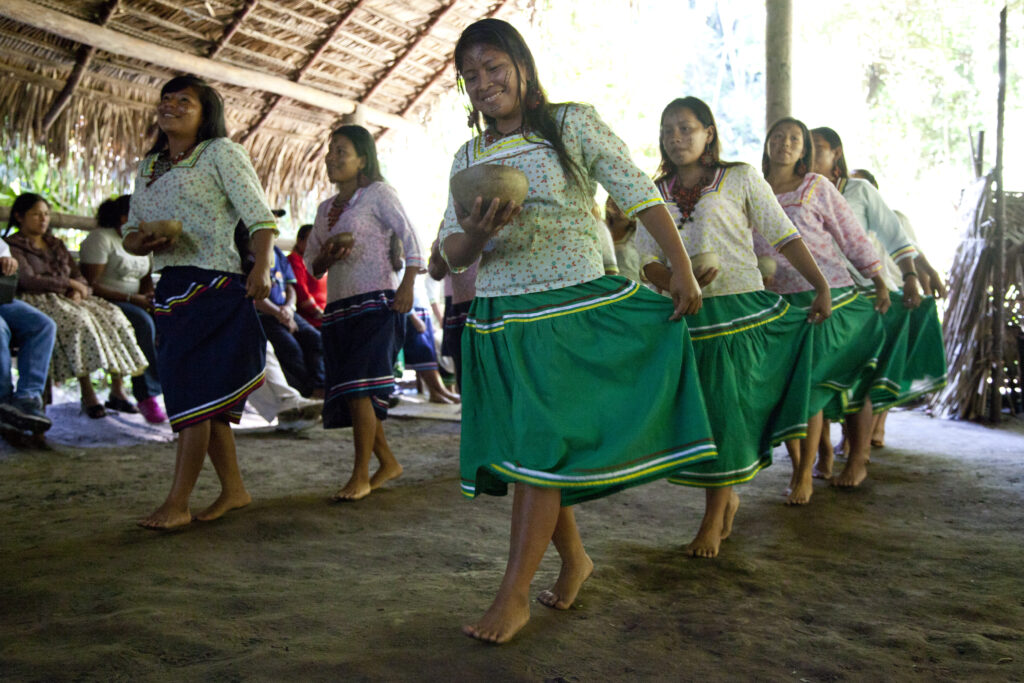
Yasuní is not merely an ecological marvel; it is also the ancestral home of several indigenous groups, including the Waorani, as well as communities living in voluntary isolation, specifically the Tagaeri and Taromenane. These groups have explicitly chosen to remain cut off from modern global civilisation to preserve their traditional way of life deep within the designated untouchable zones of the park.
Respecting these territorial boundaries is a matter of critical safety and human rights. Encroaching into these restricted sectors or attempting to seek out uncontacted communities is strictly illegal and presents severe physical dangers. Unwanted encounters can trigger defensive reactions from communities protecting their sovereignty. Furthermore, introducing common global illnesses to isolated peoples can have catastrophic health consequences for their communities.
When exploring the park, always remain on established, permitted trails and strictly follow the directions of your certified local guide. These professionals possess a profound, generations-deep understanding of the forest layout, wildlife behaviours, and community boundaries, ensuring your presence supports conservation without disrupting local autonomy.
Actionable advice for the conscious adventurer
- Choose Accredited Operators: Verify that your jungle guide or eco-lodge holds official certification from the Ecuadorian Ministry of Tourism
- Secure Travel Insurance: Ensure your policy specifically covers remote wilderness exploration, medical evacuation from isolated regions, and travel disruptions related to regional security states
- Travel by Day: Schedule all road and river connections exclusively during daylight hours to avoid transport hazards
- Protect Your Identity: Keep your original passport secured in your lodge safe or a waterproof money belt, and carry a laminated colour copy during daily excursions
The Ecuadorian Coast.
Where you’ll find the very best food
Embarking on your Amazonian adventure
Read this far?
Yasuní National Park remains one of the final frontiers for genuine slow travel, offering an immersion into the natural world that is increasingly rare. While the broader security discussions across Ecuador require careful attention and planning, the reality within the borders of this pristine biosphere is heavily weighted toward environmental awareness rather than urban risk.
By aligning your journey with registered operators, respecting local indigenous territories, and preparing for the unique climate of the rainforest, you can navigate this incredible region with total peace of mind.
True travel autonomy does not mean travelling without guidance; rather, it means making informed choices that protect both yourself and the delicate ecosystems you come to explore.
Embracing the pace of the river and the wisdom of local guides ensures that your footprint remains positive and your experience remains profoundly secure. Yasuní is ready to welcome those who approach its canopy with respect, curiosity, and the right preparation.
Affiliate Disclaimer: Some of the links on Wheely Tyred are affiliate links. If you click through and make a booking or purchase, we may earn a small commission at no extra cost to you. We only recommend gear, tours, stays, and services we genuinely use, trust, and stand behind — our editorial independence always comes first. These commissions help keep our independent cycling guides and travel stories free to read. You can also buy me a coffee here — thanks for supporting the ride!
Frequently asked questions about travel safety in Yasuní National Park
Yes, Coca is the standard, functional gateway for regular expeditions entering the park. While it is perfectly secure for daytime transit, bank runs, and gathering provisions, the areas surrounding bus terminals and public markets experience higher rates of petty opportunistic theft. Independent travellers should keep valuables out of sight, wear rucksacks on the front in crowded spaces, and use only official, registered yellow taxis.
Ecuador’s high-profile security challenges and states of emergency are overwhelmingly tied to localised gang rivalries along coastal maritime smuggling routes, such as in Guayas or Esmeraldas. The eastern Amazonian provinces, known as the Oriente, are geographically and socially isolated from these flashpoints. Travellers will encounter routine military checkpoints on highways and at regional airports, which are efficient and designed to maintain public stability.
The Río Napo is a massive, highly monitored aquatic highway, but its fast currents and shifting sandbanks require immense maritime skill. The primary risk stems from choosing informal, unregistered independent boat operators at the docks. Independent travellers should always coordinate transfers through a licensed tour provider or an established eco-lodge using certified river pilots, ensuring all river journeys take place entirely during daylight hours.
Because Yasuní is intensely isolated from advanced medical infrastructure, preparation is vital. Independent travellers should consult a travel clinic six weeks before departure regarding yellow fever vaccinations and dengue precautions. On the ground, dehydration and heat exhaustion are rapid threats that require strict hydration strategies, while high-concentration insect repellent and lightweight, long-sleeved clothing are necessary to mitigate insect-borne illnesses.
The interior of the national park is exceptionally secure for solo women, as exploration is almost exclusively conducted in structured groups alongside certified local guides. In mainland gateway towns, women may occasionally encounter persistent verbal attention or curiosity from local men; setting calm, firm boundaries is highly effective. Standard independent travel practices, such as avoiding unlit streets alone at night, should be maintained in urban areas.
Yasuní protects sectors designated as untouchable zones to preserve the isolation of indigenous groups like the Tagaeri and Taromenane, who have chosen complete separation from the modern world. Encroaching on these boundaries or attempting to track uncontacted communities is strictly illegal, deeply disrespectful, and physically dangerous. Independent travellers must always remain on permitted trails under the strict supervision of a certified guide who understands these territorial boundaries.
Ecuador.
Pure wonder on the equator.