Ancestral flavours of the Amazon / Foods to try in Yasuní National Park
A comprehensive guide to the traditional foods to try in Yasuní National Park and the best independent local eateries in the gateway hub
How to savour the true culinary soul of the Ecuadorian rainforest
BEN FINCH
For the independent traveller, crossing the threshold into the Amazon basin is a profound shift in rhythm. As the mechanical hum of the highlands fades, replaced by the deep, resonant drone of the rainforest, the way we consume the world must change, too. Yasuní National Park, a staggering wilderness of unparalleled biodiversity, is not merely a destination for the eyes; it is an ancient culinary landscape shaped by the rivers, the canopy, and the ancestral wisdom of the Kichwa and Shuar communities.
At Wheely Tyred, we believe that understanding a place requires slow, deliberate immersion. It means stepping away from the tightly scheduled tour buses, bypassing the insulated luxury eco-lodge buffets, and seeking out the flavours that have sustained the inhabitants of this wilderness for millennia. Whether you are arriving by a long-distance bus from Quito, navigating the waterways by public motorised canoe, or arriving at the edge of the wilderness on two wheels, the food of the Oriente provides a direct connection to the soil and water of the jungle.
The edible wilderness of the Napo Basin
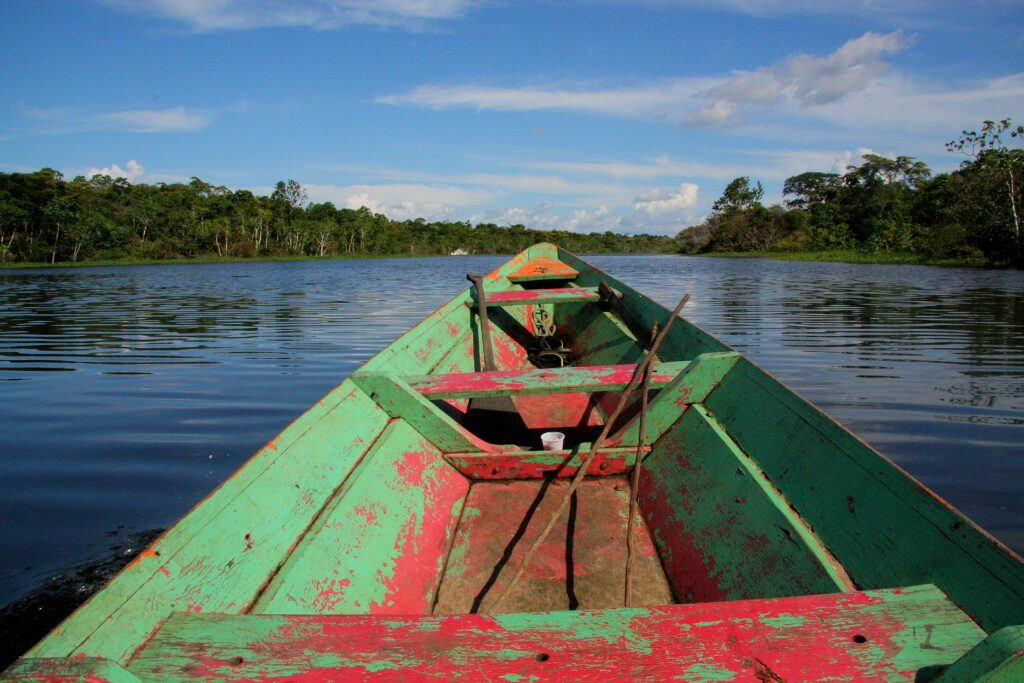
Exploring the culinary landscape surrounding Yasuní National Park requires stepping away from curated tour itineraries to discover the ancient fire-cooked traditions of the Ecuadorian Amazon. For the independent traveller, this journey reveals how ancestral Kichwa and Shuar techniques turn raw jungle ingredients into an extraordinary, sustainable gastronomy.
- Ancestral Cooking Techniques: Maito represents the pinnacle of rainforest cuisine, featuring fresh river fish seasoned with wild herbs, wrapped tightly in bijao leaves, and slow-roasted over open embers
- Essential Foundations: Cassava, known locally as yuca, serves as the primary carbohydrate anchor of the regional diet, prepared boiled, fried, or baked into thin casabe flatbreads
- Foraged Insect Traditions: Chontacuro larvae, harvested carefully from fallen chonta palms, are skewered and grilled until the outer skin turns golden and crisp while the inside remains rich and buttery
- Gateway Culinary Hubs: The bustling port city of El Coca acts as the vital base camp where independent kitchens prepare authentic regional dishes for self-guided travellers
- Vibrant Plant-Based Refreshment: Heart of palm ceviche offers a cooling, lime-marinated alternative to heavier wood-fired dishes, perfectly suited for the intense tropical humidity
- Ritual Hydration Elements: Traditional beverages like antioxidant-rich guayusa tea and naturally fermented chicha de yuca play essential roles in daily stamina and local hospitality
- Sustainable Travel Footprint: Prioritising independent, family-run eateries ensures that travel capital directly supports local communities and keeps ancient food heritages alive
Yasuní National Park.
Home to the black water
The wilderness kitchen / Amazonian ingredients and techniques
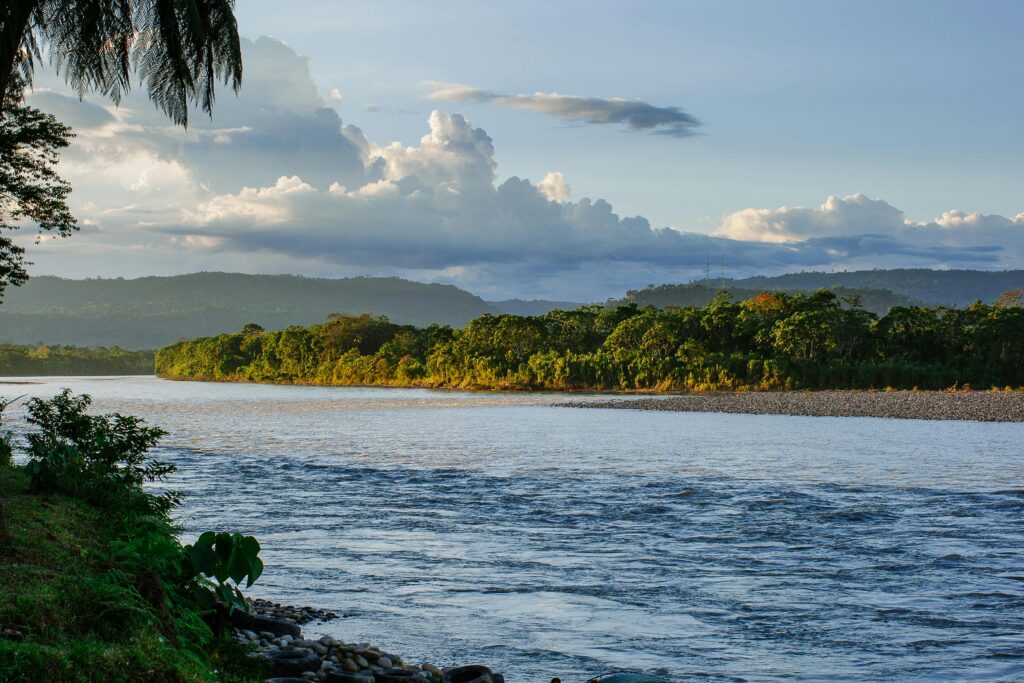
Rainforest gastronomy relies on absolute freshness and a deep reverence for seasonal availability. In a climate defined by intense humidity and heat, traditional preservation and cooking methods are beautifully minimalist. There is little reliance on heavy oils or complex fats; instead, wood fires, steam, and natural leaf wrappers are used to lock in the clean, vibrant profiles of river fish, wild roots, and jungle fruits.
To fully appreciate the culinary landscape, one must understand the foundational elements that appear across almost every regional table.
Maito / The art of the leaf wrapper
Maito is the quintessential dish of the Ecuadorian Amazon, an ancestral preparation technique that transforms a simple river catch into a masterclass in texture and aroma. The process begins with fresh fish—historically the colossal, prehistoric paiche or local catfish, though sustainably farmed red tilapia is now common. The fish is lightly salted and seasoned with wild herbs, then meticulously wrapped in multiple layers of bijao or banana leaves.
The tightly bound parcel is placed directly over the glowing embers of a wood fire. As the outer leaves char, the inner layers create a pressurised steaming chamber, cooking the fish in its own juices while absorbing a smoky, earthy green tint from the bijao itself. The result is exceptionally tender, flaking apart at the touch of a fork, completely unburdening the palate with heavy oils. It is traditionally presented still wrapped in its smoky green envelope, accompanied by a side of boiled cassava.
The Ecuadorian Amazon.
The most biodiverse place in the world
Cassava / The starch of life
Known locally as yuca in Spanish and lumu in Kichwa, cassava is the undisputed anchor of the Amazonian diet. This hardy root vegetable thrives in the tropical soil and replaces the potatoes of the high Andes. Its preparation is incredibly versatile. It can be boiled until it achieves a soft, starchy texture reminiscent of a dense potato, fried into crisp wedges, or ground to create casabe—a thin, unleavened flatbread crafted by Kichwa women using freshly grated root that is pressed to extract the bitter juices before being baked on clay griddles.
Ceviche de palmito / Tropical refreshment
While Ecuador’s coastal regions are justly famous for seafood ceviche, the Amazon offers an ingenious plant-based counterpart designed to combat the afternoon humidity. Heart of palm, harvested from native palm trees, serves as the crisp, tender foundation. The ivory-coloured stalks are sliced finely and marinated in fresh lime juice, tossed with red onion, ripe tomatoes, wild coriander, and a touch of local chilli. It provides a sharp, cooling contrast to the smoky, warm dishes cooked over the embers.
Chontacuro / The ultimate jungle snack
For the adventurous independent traveller looking to connect with authentic indigenous traditions, chontacuro is a culinary rite of passage. These are the large, thumb-sized larvae of the chonta palm weevil, harvested from fallen, decaying palm trunks. Considered a dense source of protein and healthy fats, they are a staple snack at local market stalls.
Typically skewered and grilled over charcoal, the outer skin turns crisp and golden, while the interior becomes rich and buttery, with a flavour profile often compared to roasted bacon or nuts. Eaten warm alongside a piece of fried plantain, it represents the ultimate expression of foraging culture.
Liquid vitality / Guayusa and chicha
Hydration in the jungle carries ritual significance. Long before dawn, Kichwa families gather around the fire to brew guayusa, an infusion made from the leaves of a native holly tree. Packed with antioxidants and a smooth, sustained release of caffeine, a warm gourd of guayusa sharpens the senses without the jittery edge of coffee.
Conversely, chicha de yuca is the communal drink of celebration and daily sustenance. Prepared by boiling cassava root and allowing it to ferment naturally, it has a slightly sour, milky, and incredibly refreshing quality. It is a gesture of hospitality; to accept a bowl of chicha from a local host is to be welcomed into the fabric of the community.
The Ecuadorian Sierra.
Get lost in the hills
Where to eat / The best local eateries in the gateway hub
Because Yasuní National Park itself is a strictly protected reserve accessible primarily by water, independent travellers will use the bustling port town of Puerto Francisco de Orellana, universally known as El Coca, as their culinary base camp. It is here, where the Napo, Coca, and Payamino rivers collide, that the finest local kitchens can be found.
Following strict filtering criteria to ensure absolute quality, we have mapped out the premier independent restaurants and a singular bar in El Coca.
Monarca Restaurant
Situated within the central grid of El Coca, this highly regarded establishment offers a welcoming refuge where independent travellers can experience classic regional cooking handled with care. The kitchen prioritises seasonal ingredients sourced directly from small-scale producers in the Orellana province, translating into remarkably clean, vibrant flavours.
- Signature Stews: The kitchen excels at traditional stews, particularly the slow-simmered seco de gallina, which features tender chicken infused with local herbs and a rich, golden sauce
- Grounded Atmosphere: The dining space is unpretentious and deeply popular with local families, providing an authentic slice of town life far removed from tourist bubbles
- Hearty Portions: Perfect for refuelling after a long day of walking or cycling along the river roads, with every plate accompanied by expertly prepared cassava and yellow rice
Restaurant El Caracol
Positioned on Avenida Alejandro Labaka, Restaurant El Caracol is an artisanal kitchen and a celebrated fixture for those seeking authentic comfort food. It operates with a quiet, efficient charm, drawing in a steady stream of residents who know exactly where to find the best wood-fired profiles in the city.
- Artisanal Heritage: The preparation methods here mirror home-cooking traditions, ensuring that local stews and grilled items retain their historical character
- Exceptional Broths: Their robust chicken and fish broths are deeply restorative, packed with wild cilantro, scallions, and perfectly tender root vegetables
- Strategic Location: An ideal spot to secure a nourishing, high-carbohydrate breakfast or lunch before heading down to the docks to catch a public boat into the deeper Amazon tributaries
The Rooftop Coca
For a completely different perspective on the gateway city, The Rooftop is an elevated dining spot that provides a sophisticated yet thoroughly casual setting overlooking the urban landscape and the shifting currents of the great rivers nearby. It takes regional ingredients and reframes them through a slightly modern lens.
- Panoramic Views: The open-air terrace offers sweeping views of the canopy edge and the river confluence, making it a spectacular spot to watch the sunset
- Fresh Fusions: The menu features excellent seafood and prawn options prepared with a light, tropical touch, alongside exceptionally crisp plantain sides
- Relaxed Elegance: While the setting feels upscale, the vibe remains welcoming to the dust-covered independent traveller looking for a slow, unhurried evening meal
Las Luces Restaurante
Tucked near the intersection of Taracoa and 12 de Febrero, Las Luces is an atmospheric evening restaurant that comes alive as the fierce daytime heat begins to lift from the asphalt. It is highly praised for its dedication to perfectly seared meats and regional combinations.
- Evening Ambience: The thoughtful use of outdoor lighting creates an intimate, peaceful dining environment that feels like a quiet sanctuary within the city
- Sizzling Platters: Known for generous sharing platters featuring local cuts of meat grilled to perfection over open flames, paired with traditional sides
- Local Popularity: It maintains an excellent reputation for consistent quality, ensuring that your meal is crafted alongside the discerning standards of local food lovers
Coqueños Resto Bar
Operating as our single designated bar selection, this lively and authentic social hub is the perfect spot to transition from a day of exploration into a relaxed evening of conversation and regional drink appreciation.
- Chilled Regional Beers: The absolute best spot in town to find ice-cold local lagers and craft options designed to cut through the heavy jungle humidity
- Tropical Infusions: The bar serves a variety of refreshing beverages utilising native fruits like naranjilla and passion fruit, capturing the tart, sweet profiles of the forest
- Traveller Social Scene: A fantastic space to rub shoulders with river captains, conservationists, and fellow independent travellers who are plotting their next slow journeys down the Napo River
The Galápagos.
Ecuador’s Enchanted Isles
The slow food philosophy in Yasuní
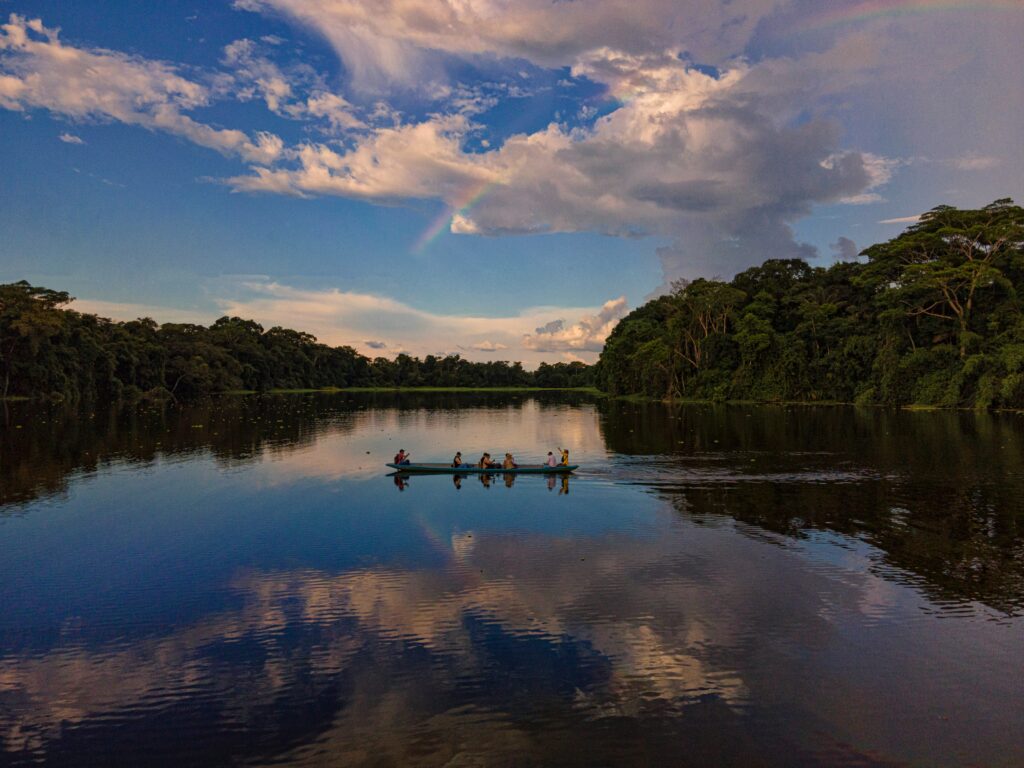
Navigating the food scene around Yasuní National Park as an independent traveller requires patience and an open mind. When you sit down at a local market stall or a family-run restaurant in El Coca, you are participating in a food system that is inextricably linked to the survival of the rainforest. By choosing independent, locally owned eateries over national chains or corporate all-inclusive packages, your travel capital goes directly into the hands of the people who protect these culinary traditions.
Savour the smoky depth of the maito, appreciate the crisp sharpness of the palm heart, and let the slow, deliberate pace of Amazonian dining reshape your understanding of what it means to travel well.
The Ecuadorian Coast.
Where you’ll find the very best food
Frequently asked questions about foods to try in Yasuní
Because Yasuní itself is a strictly protected wilderness reserve accessible mostly by water, travellers use the gateway port town of Puerto Francisco de Orellana, widely known as El Coca, as their culinary base. The town is easily reachable via long-distance buses from Quito, independent cycling routes, or foot travel, making it the perfect starting point before navigating the river tributaries.
Maito relies entirely on natural leaf wrappers, usually bijao or banana leaves, to cook fresh river fish over a wood fire. The layers of leaves create a sealed, pressurised, steaming environment that cooks the fish thoroughly in its own natural juices while infusing it with a delicate, smoky green aroma without any need for cooking oils.
Chontacuro refers to the large larvae of the chonta palm weevil, which are traditionally foraged from fallen, decaying palm trunks. They are a highly nutritious, protein-dense staple of the Amazonian diet. Local market stalls typically prepare them by skewering and grilling them over charcoal until the outer skin turns golden and crisp, creating a rich, savoury flavour akin to roasted bacon.
The two most significant local beverages are guayusa and chicha de yuca. Guayusa is a clean, stimulating herbal infusion brewed from the leaves of a native holly tree, consumed early in the day for sustained energy. Chicha de yuca is a traditional communal drink made from boiled, naturally fermented cassava root, offering a mildly sour and highly refreshing profile to combat jungle heat.
While coastal Ecuador is famous for seafood-based ceviches, the jungle version utilises freshly harvested stalks of native palm trees. The crisp, ivory-coloured heart of palm is finely sliced and marinated in fresh lime juice with onions, tomatoes, and wild coriander, providing a sharp, cooling contrast to the hot, smoky dishes cooked over embers.
Choosing independent, family-run restaurants and local market stalls over corporate all-inclusive packages ensures your money directly supports the local economy. This deliberate choice aligns with the slow travel mission of Wheely Tyred, fostering authentic cultural exchanges and helping to preserve indigenous culinary knowledge.
Ecuador.
Pure wonder on the equator.