
The best travel insurance for the Ecuadorian Amazon / A complete guide
What cover do you need for Yasuní, Cuyabeno, and the Ecuadorian Amazon?
The wild reality of Ecuador’s eastern frontiers

BEN FINCH
Ecuador’s eastern territory, known locally as El Oriente, contains some of the most biodiverse, beautiful, and fundamentally isolated tropical rainforest on Earth.
Spanning vast ecosystems like Yasuní National Park and the flooded forests of Cuyabeno Wildlife Reserve, this region draws adventurous travellers seeking pristine wilderness, indigenous culture, and extraordinary wildlife.
However, step off the plane in gateway towns like Puerto Francisco de Orellana (El Coca) or Lago Agrio, and the familiar safety nets of modern travel immediately dissolve.
Navigating the tributaries of the Río Napo or the Río Aguarico in a motorised canoe is a far cry from strolling the cobblestone streets of Quito or Cuenca.
Standard urban travel insurance policies are rarely designed to address the operational and logistical hurdles of deep-jungle travel. In El Oriente, a minor medical complication—such as a deep laceration, a severe gastrointestinal infection, or a viper bite—can swiftly transform into a complex, multi-stage evacuation.
Transporting an injured traveller from a jungle lodge near the Tiputini River to an advanced hospital in Quito requires motorised canoes, rough overland transit, and specialised air ambulance services over the Andes Mountains.
Selecting the best travel insurance for the Ecuadorian Amazon requires understanding emergency medical evacuation caps, active leisure exclusions, deductible structures, and policy claims processes.
Leading insurance marketplaces like VisitorsCoverage and Insubuy provide specialised, high-limit international policies designed specifically to meet these demanding expedition conditions. This guide explains how to protect your health, gear, and finances when travelling through Ecuador’s rainforest.
Jungle preparedness / Key takeaways for El Oriente
Venturing into the deep rainforests of Ecuador demands far more than basic emergency cover and a sturdy pair of boots. From multi-leg river extractions to policy fine print, these essential facts will keep your health—and finances—intact.
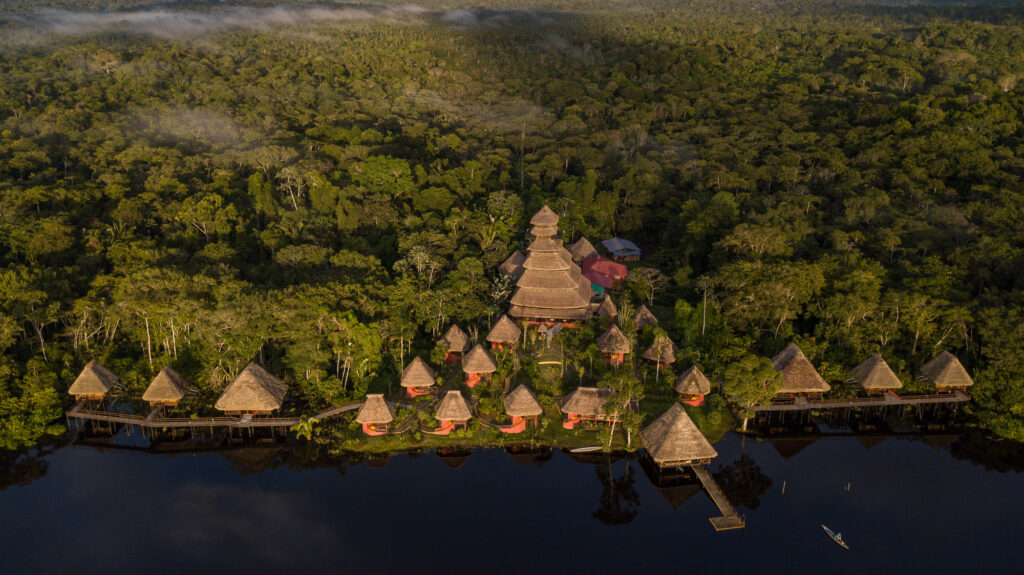
- Yasuní and Cuyabeno isolation: Remote eco-lodges along the Río Napo and Río Aguarico lie hours from road networks, making rapid hospital care entirely dependent on river transport
- The medevac priority: High-limit emergency medical evacuation ($100,000–$500,000 USD) is non-negotiable to cover private fixed-wing air ambulance transfers from El Coca or Lago Agrio to Quito
- Zero-deductible advantage: Selecting a policy without deductibles or coinsurance traps avoids paying steep out-of-pocket fees before regional clinics or hospitals begin treatment
- Active leisure inclusions: Standard urban policies frequently exclude jungle treks, night walks, and river canoeing unless active leisure or extreme sports options are enabled
- Marketplace comparison: Dedicated comparison platforms like VisitorsCoverage and Insubuy offer instant digital policy delivery, high evacuation caps, and permit purchases even after you have arrived in Ecuador
- Document preparation: Carrying offline digital PDFs and printed physical copies of your insurance policy gives local lodge managers the vital details needed to launch an extraction
The Ecuadorian Amazon.
The most biodiverse place in the world
Why El Oriente demands specialised insurance coverage
To understand why generic travel insurance fails in the Amazon, one must evaluate the geographical and medical realities of the region. El Oriente accounts for nearly half of Ecuador’s landmass, yet it contains a fraction of its infrastructure. Major medical facilities capable of handling complex surgical interventions, intensive care, or advanced diagnostic imaging are concentrated almost exclusively in highland cities like Quito or coastal hubs like Guayaquil.
Primary rainforest health hazards
- Venomous Snakebites: e.g. Bothrops atrox / Fer-de-lance
- Waterborne Pathogens: Amoebic dysentery, Giardiasis
- Physical Trauma: Canopy walkway falls, machete cuts, wet trail slips
- Extreme Dehydration & Heat Exhaustion
Geographical remoteness and evacuation logistics
When an emergency occurs in Yasuní National Park or Cuyabeno Wildlife Reserve, access to immediate medical care is restricted by terrain. Most eco-lodges and research stations are located hours away from tarmac roads. The primary mode of transport is the river.
A typical medical evacuation follows a rigorous pipeline:
- Initial Stabilisation: On-site first aid administered by lodge staff or community medics
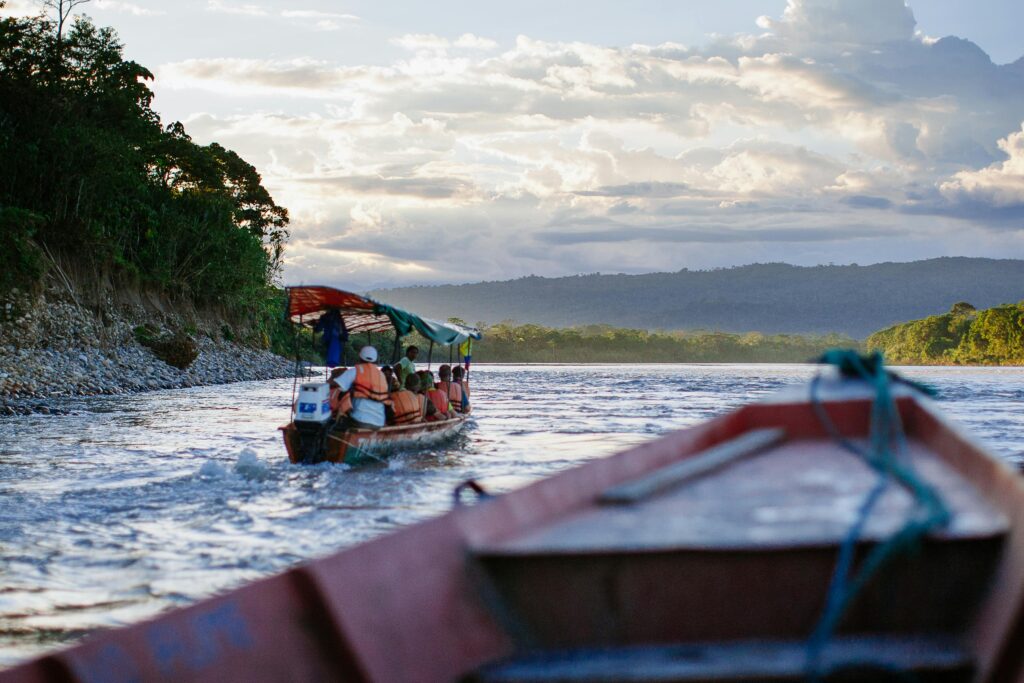
- River Transport: A two- to five-hour journey upstream via open motorised dugout canoe down the Río Napo or Río Aguarico to the nearest river port
- Overland Transit: Transfer to an ambulance or local vehicle for transport along unpaved logging roads to regional medical clinics in El Coca or Lago Agrio
- Air Medical Evacuation: Commercial airlines operating out of regional airstrips frequently refuse acute or bedridden medical patients. Consequently, severe cases require a dedicated fixed-wing air ambulance flight over the Eastern Cordillera of the Andes to Quito
The financial cost of a private fixed-wing air ambulance flight within Ecuador easily ranges between $15,000 and $40,000 USD. Without a policy that includes high-limit emergency medical evacuation, travellers must pay these sums upfront before an aircraft is scrambled.
Regional health hazards and environmental risks
The Amazonian environment presents distinct health hazards that differ significantly from urban or coastal travel. While major lodges enforce strict safety protocols, travellers remain exposed to several core risks:
- Venomous Fauna: The region is home to venomous snakes, most notably the Bothrops atrox (fer-de-lance), alongside stingrays, bullet ants, and venomous caterpillars. While antivenom is stocked at primary health centres in El Coca, Lago Agrio, and Tena, severe envenomation requires intensive monitoring for systemic toxicity
- Tropical and Mosquito-Borne Diseases: Dengue fever, chikungunya, oropouche virus, and yellow fever are present in rainforest regions. Severe dengue (dengue haemorrhagic fever) demands immediate fluid management and inpatient hospitalisation
- Bacterial and Parasitic Infections: Exposure to contaminated river water or unsterilised food sources can cause acute amoebic dysentery, giardiasis, or systemic bacterial infections that cause severe dehydration
- Physical Trauma: Jungle trekking involves navigating slippery root networks, steep mud banks, and elevated canopy walkways. Dislocated joints, fractures, deep soft-tissue cuts, and head injuries sustained on remote trails require professional orthopaedic care
Non-negotiable policy features for Amazonian expeditions
Before purchasing a travel insurance policy for Ecuador, travellers must carefully read the policy wording to confirm that specific clauses are included. A low-cost policy that excludes off-trail trekking or limits emergency transport guarantees heavy out-of-pocket expenses during a crisis.
Non-negotiable policy checklist
- Emergency Medical Evacuation Limit: Minimum $100,000–$500,000 USD
- Direct Billing / Hospital Guarantees for Private Facilities
- Unrestricted Active Leisure & Trekking: Up to 3,000m / Off-Trail
- Zero or Low Deductibles: Avoid 25%+ co-insurance traps
- Trip Interruption & Remote Transport Delay Coverage
- High Humidity & Water-Damage Baggage Protection
1. High-limit emergency medical evacuation / Medevac
Emergency medical evacuation coverage is the single most critical component of a rainforest insurance policy. This benefit covers the cost of transporting a patient from a remote location to the nearest suitable hospital, as well as medically supervised repatriation to their home country if necessary.
For the Ecuadorian Amazon, look for a policy providing a minimum of $100,000 USD in medevac coverage, though a limit of $500,000 USD is far safer. Ensure the policy explicitly covers charter air transport, river ambulance services, and search-and-rescue operations.
2. Inpatient and outpatient hospitalisation with direct billing
Private hospitals in Quito, such as Hospital Metropolitano or Clínica Novaclínica, offer world-class care, but they require direct guarantees of payment prior to admission or procedure execution. A quality insurer must maintain a 24/7 emergency assistance centre capable of issuing formal payment guarantees directly to hospital billing departments, preventing you from having to clear thousands of dollars on personal credit cards.
3. Coverage for active leisure and adventure activities
Standard travel insurance policies often classify jungle trekking, night hikes, piranha fishing, kayaking, and canopy walks as high-risk or extreme activities, excluding them from basic coverage.
When evaluating policies, verify that the following activities are explicitly covered:
- Trekking or hiking through rainforest trails (verify elevation limits, particularly when crossing high-altitude páramo passes en route to the Amazon basin)
- Non-motorised water sports, including canoeing, kayaking, and raft transits on rivers rated up to Class III
- Excursions involving native wildlife observation, night walks, and canopy walkway access
4. Zero or low deductibles
A deductible (or excess) is the amount you must pay out-of-pocket before the insurer begins covering expenses. In a remote emergency, having to pay a $250 or $500 deductible before receiving assistance creates unnecessary friction.
Worse still are percentage-based co-insurance requirements (e.g., the policyholder pays 25 per cent of all medical costs). Always select policies offering a 0 per cent deductible or a low fixed fee for medical claims.
5. Trip interruption and transport delay cover
Reaching Amazonian lodges often involves connecting flights from Quito to El Coca or Lago Agrio, followed by scheduled boat departures. Severe tropical rainstorms regularly ground regional aircraft or cause river levels to surge, making canoe transit impossible.
Trip interruption and delay coverage reimburses non-refundable lodge bookings, missed domestic flights, and emergency accommodation if weather delays interrupt your itinerary.
The Ecuadorian Sierra.
Get lost in the hills
Primary market solutions / VisitorsCoverage & Insubuy

Finding a policy tailored to remote expedition travel requires access to comprehensive international coverage options. VisitorsCoverage and Insubuy serve as industry-leading platforms that allow travellers to compare, customise, and secure high-limit travel health insurance specifically underwritten for remote international environments.
Specialised insurance platforms
| VisitorsCoverage | INSUBUY |
| Global Marketplace Aggregator | Specialist High-Limit Broker |
| Instant Side-by-Side Comparison | Deep Medical Evacuation Expertise |
| High Medevac & Extreme Sports Riders | Zero-Deductible Customisation |
| Instant Online Purchasing & PDFs | Direct Advocacy During Claims |
VisitorsCoverage / Flexible comparison and comprehensive plans
VisitorsCoverage is one of the world’s largest travel insurance marketplaces, enabling independent travellers to compare policies from top global underwriters (such as WorldTrips, Seven Corners, and IMG) in a single digital interface.
Key features for Amazonian travellers
- Tailored Plan Comparison: Allows users to filter specifically for high medical caps ($250,000 to $2,000,000 USD) and robust emergency medical evacuation provisions
- Hazardous Sports Riders: Simplifies adding extreme sports and adventure activity coverage (covering jungle trekking, canopy walking, and whitewater canoeing) during checkout
- Instant Digital Issuance: Policies are issued immediately online and sent directly via email, providing valid proof of insurance required by eco-lodges and tour operators in El Coca and Cuyabeno
- Flexible Purchasing: Permits travellers to buy policies while abroad or en route, ideal for independent travellers making last-minute adjustments in Quito
Recommended plan options via VisitorsCoverage
- Safe Travels Explorer / Outbound: Comprehensive plans offering robust emergency medical evacuation ($500,000 USD+), trip interruption protection, and customizable adventure sports add-ons
- Atlas International: Excellent international coverage with flexible medical limits, low deductible options, and round-the-clock emergency assistance for remote extractions
Insubuy / Specialised high-limit brokerage and advocacy
Insubuy is a premier specialist travel insurance broker renowned for its focus on international travel medical insurance, transparent policy breakdowns, and hands-on client advocacy during emergency claims.
Key features for Amazonian travellers
- High Evacuation Limits: Insubuy specialises in plans providing comprehensive air ambulance and repatriation cover, crucial for multi-leg extractions out of El Oriente
- Transparent Wording and Filtering: Provides side-by-side policy comparisons that clearly highlight exclusions, deductible structures, and altitude/activity limits before purchase
- Dedicated Claims Advocacy: In the event of an emergency in remote Ecuador, Insubuy acts as an independent advocate between the policyholder, the assistance company, and hospital billing departments to ensure payment guarantees are processed efficiently
- Zero-Deductible Customisation: Most plans offered through Insubuy allow policyholders to select a $0 deductible option, eliminating out-of-pocket delays at regional clinics
Recommended plan options via Insubuy
- Patriot International Lite / Plus: Underwritten by IMG, these plans provide up to $2,000,000 USD in maximum medical coverage, high emergency medical evacuation limits, and optional Adventure Sports Riders covering off-trail rainforest hiking and river canoeing
- Diplomat America / International: Exceptional high-limit medical plans featuring zero-deductible options and direct payment arrangements with major private hospitals in South America
Comparing alternative travel insurance providers
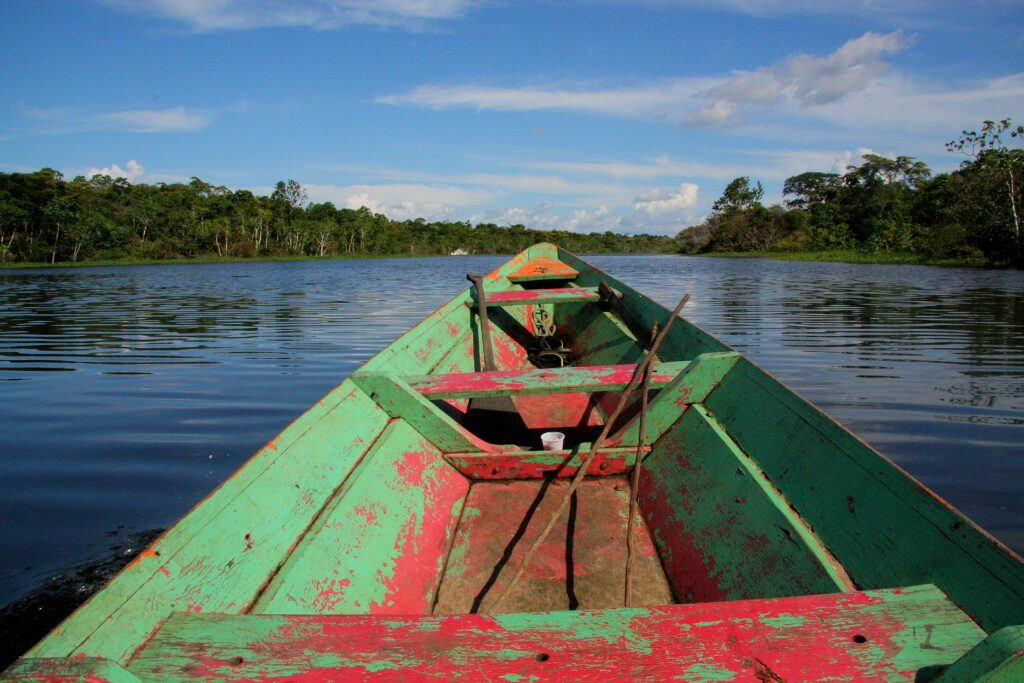
While specialized marketplaces such as VisitorsCoverage and Insubuy offer the highest degree of policy customization for remote travel, other established direct providers cater to international travellers. Evaluating these options helps ensure your choice matches your specific itinerary, budget, and activity level.
Alternative providers at a glance
- World Nomads: High adventure limits, premium price point ($6-$10/day)
- SafetyWing: Flexible subscription ($1.50/day), $100k medevac limit
- Heymondo: Excellent app integration, customisable limits ($3.50-$6/day)
World Nomads (Standard vs. Explorer Plans)
World Nomads is a well-known brand in adventure travel insurance, built specifically for backpackers and sports enthusiasts.
- Pros: The Explorer Plan offers extensive coverage for over 150 extreme sports and activities, including white-water rafting, off-trail jungle trekking, and high-altitude hiking. Emergency medical evacuation coverage is substantial, often exceeding $300,000 USD
- Cons: Daily premiums are significantly higher than competitors, often ranging from $6.00 to $10.00 USD per day. Their policies also feature fixed deductibles ($100 USD per claim) and complex claims procedures that require detailed documentation from local authorities or clinics
- Best For: Travellers planning extreme multi-sport itineraries across Ecuador (e.g., climbing Cotopaxi combined with deep Amazon packrafting)
SafetyWing (Nomad Insurance)
SafetyWing was built primarily for digital nomads, remote workers, and long-term travellers seeking flexible, subscription-based health coverage.
- Pros: Highly affordable, with rates starting around $1.50 USD per day. Operates on a recurring 28-day subscription model that can be cancelled at any time, making it convenient for open-ended travel through South America
- Cons: SafetyWing’s default emergency medical evacuation cap is limited to $100,000 USD, which can be restrictive if a complex air ambulance extraction from deep inside Yasuní is required. Standard plans include a $250 USD default deductible, and adventure sports require an additional paid add-on tier
- Best For: Long-term nomads spending extended periods working in gateway towns like Tena, where medical risks are moderate and long-term policy flexibility is essential
Heymondo
Heymondo is a modern European travel insurance provider known for its user-friendly smartphone app and customisable policy options.
- Pros: The Heymondo app allows policyholders to make free emergency medical calls over Wi-Fi/data, consult with medical staff 24/7 via chat, and manage claims directly. Medical coverage limits are high (up to $500,000 USD on top-tier plans), and zero-deductible options are available
- Cons: Premium pricing sits in the mid-to-high range ($3.50 to $6.00 USD per day). App functionality requires an internet connection, which is unavailable deep inside rainforest reserves unless your lodge provides satellite Wi-Fi
- Best For: Travellers who prefer app-managed claims and intend to stay at established eco-lodges with Wi-Fi access
The Galápagos.
Ecuador’s Enchanted Isles
Insurance comparison / Evaluating policy limits and costs

Selecting the right policy requires balancing cost against coverage limits. The comparison matrix below outlines key features across major providers for a typical 14-day trip to Ecuador.
| Insurance Provider | Average Daily Cost | Medical Expense Limit | Emergency Evacuation Limit | Deductible / Excess | Jungle Trekking & Water Sports | Instant Purchase While Abroad |
| VisitorsCoverage (Safe Travels / Atlas) | $2.00–4.50 USD | $250,000–2,000,000 USD | $500,000 USD+ | $0 to $500 options | Covered (via Adventure Rider) | Yes |
| Insubuy (Patriot / Diplomat) | $2.00–4.50 USD | $500,000–2,000,000 USD | $500,000 USD+ | 0% Deductible available | Covered (via Hazardous Rider) | Yes |
| World Nomads (Explorer) | $6.00–10.00 USD | $100,000 USD+ | Up to $300,000 USD | $100 USD fixed | Covered (150+ activities) | Yes (3-day waiting period) |
| SafetyWing (Nomad) | $1.50–2.50 USD | $250,000 USD | $100,000 USD limit | $250 USD default | Requires paid add-on tier | Yes |
| Heymondo (Top Tier) | $3.50–6.00 USD | Up to $500,000 USD | Included (Full evacuation) | 0% Deductible available | Covered | Yes |
Real-world emergency scenario / Evacuation from Yasuní to Quito
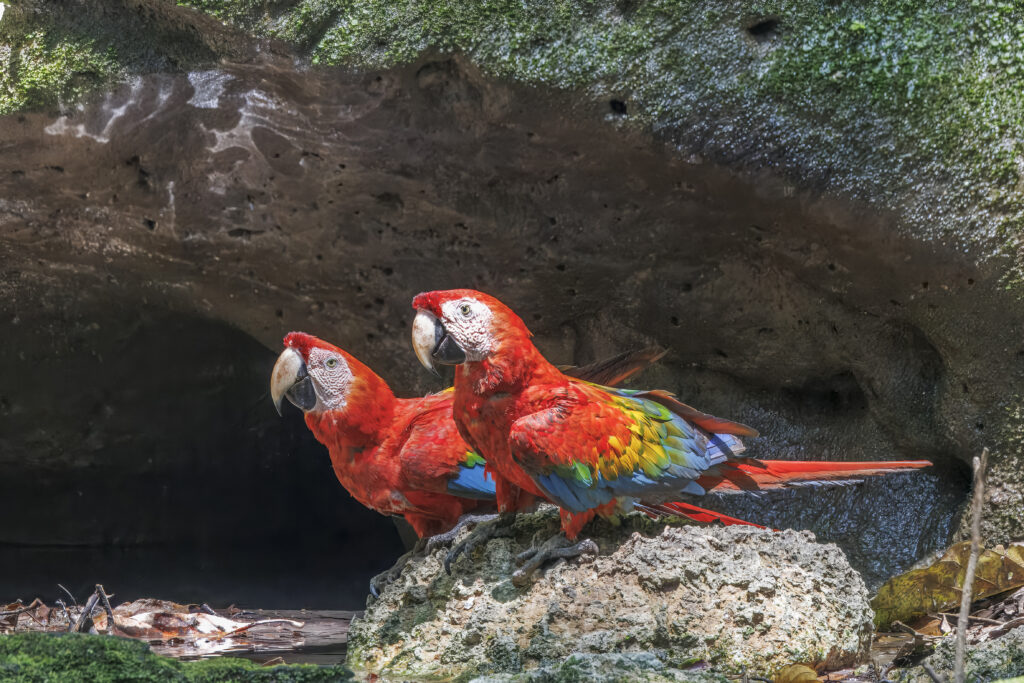
To understand how travel insurance operates during a rainforest emergency, consider this realistic step-by-step extraction scenario:
- Hour 00:00: Accident occurs at remote eco-lodge along the Río Napo
- Hour 01:00: Lodge staff contact insurer’s 24/7 hotline via satellite phone
- Hour 02:30: Patient loaded into motorised canoe; 3-hour river transit
- Hour 05:30: Arrival at Puerto Francisco de Orellana (El Coca) river port
- Hour 06:00: Local clinic stabilisation; insurer approves air medevac
- Hour 08:30: Fixed-wing air ambulance departs El Coca for Quito
- Hour 09:45: Touchdown in Quito; transfer to Hospital Metropolitano
- Hour 10:30: Direct billing guarantee processed; specialist surgery begins
Hour 00:00 / Incident at the lodge
While on a guided night walk near the Shiripuno River in Yasuní National Park, a traveller slips on a muddy embankment, sustaining a compound open fracture to the lower leg. The guide administers emergency splinting, stabilises the wound, and returns the traveller to the main lodge.
Hour 01:00 / Emergency contact and logistics planning
The lodge manager uses a satellite phone to contact the 24/7 emergency hotline of the traveller’s insurer. The assistance coordinator records the traveller’s policy details, logs the GPS coordinates, and initiates an emergency case file. Simultaneously, the lodge prepares a covered motorised dugout canoe for river transport.
Hour 02:30 to 05:30 / River evacuation
The patient is secured in the canoe and transported three hours upstream along the Río Napo toward the port town of El Coca. During transit, the insurer’s medical team stays in contact with the lodge staff to monitor the patient’s condition and prepare ground transportation at the port.
Hour 06:00 / Local clinic stabilisation and medevac authorisation
Upon arrival in El Coca, an ambulance transfers the patient to a regional clinic for initial wound dressing, pain management, and X-rays. The local doctor determines that complex orthopaedic surgery is required to prevent infection and repair bone displacement—care unavailable locally. The insurer authorises an air medical evacuation to Quito.
Hour 08:30 to 10:30 / Air ambulance transfer and Quito admission
A private fixed-wing medical aircraft arrives at El Coca airport, picks up the patient, and flies across the Andes to Aeropuerto Internacional Mariscal Sucre in Quito. An ambulance meets the aircraft on the tarmac and transports the patient to Hospital Metropolitano.
Because the traveller holds a high-limit policy with direct hospital billing guarantees, the insurer settles the $28,000 USD evacuation and surgical invoice directly with the hospital. The traveller pays $0 out-of-pocket for covered emergency services.
Essential pre-departure checklist for rainforest travellers
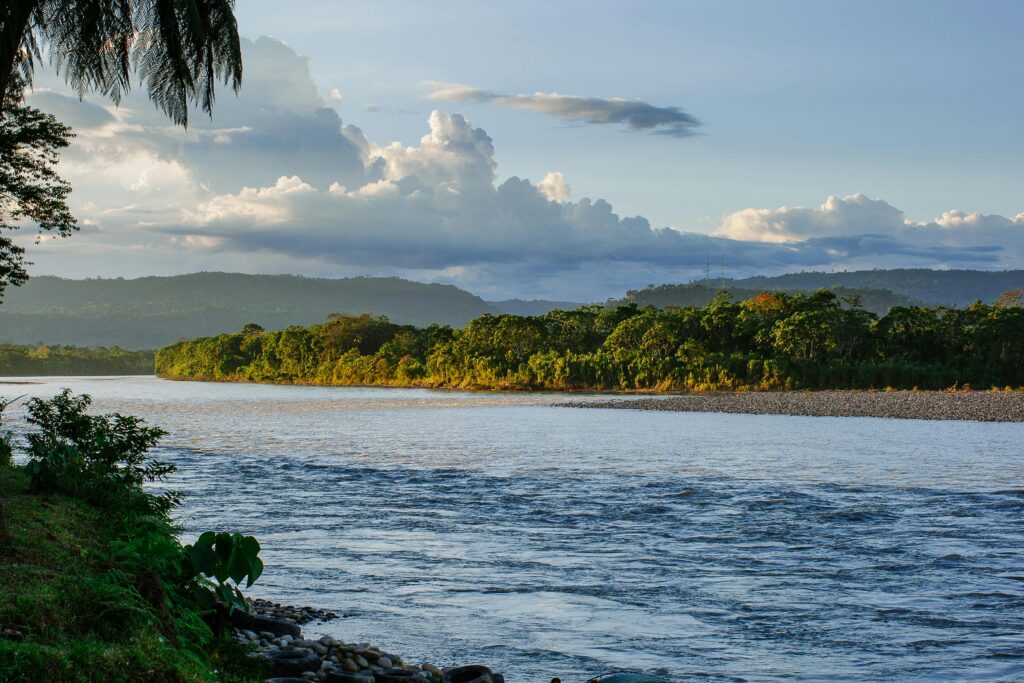
Before boarding your flight to Quito or embarking on the long overland journey to El Oriente, complete these administrative steps to ensure your insurance policy functions smoothly if needed:
- Purchase a policy BEFORE entering remote zones without internet access
- Download offline PDF copies of your insurance policy certificate
- Store 24/7 emergency assistance phone/WhatsApp numbers in your phone
- Provide policy details to your lodge, tour operator, or river guide
- Verify Yellow Fever vaccination card is packed alongside insurance docs
- Fully declare pre-existing conditions to avoid claim invalidation
1. Secure coverage prior to entering off-grid zones
Mobile phone coverage terminates rapidly once you travel past El Coca, Lago Agrio, or Tena. Always purchase your policy and verify that your confirmation email has arrived before leaving major urban centres. Using platforms such as VisitorsCoverage or Insubuy allows you to complete the purchase online in minutes from your hotel room in Quito.
2. Store physical and offline digital copies
Do not rely on cloud storage or active internet access to pull up your policy details in an emergency. Save PDF copies of your policy certificate, terms and conditions, and emergency contact numbers directly to your phone’s internal memory. Print at least two physical copies: keep one in your waterproof daypack and leave one with your lodge manager upon check-in.
3. Share emergency details with your tour operator
Ecuadorian eco-lodges and licensed wilderness guides are trained to handle emergency evacuations, but they require your insurer’s details to initiate the process. Provide your guide or lodge coordinator with your policy number, insurer name, and 24/7 emergency hotline number during your arrival safety briefing.
4. Verify medical disclosures and vaccinations
Ensure all pre-existing medical conditions are declared during the application process. Failure to disclose relevant medical history can invalidate a claim if a complication arises in the field. Additionally, verify that your routine immunisations are up to date and carry your official International Certificate of Vaccination (Yellow Card) for Yellow Fever, as certain transport providers and regional health authorities require proof of vaccination for entry into Amazonian provinces.
The Ecuadorian Coast.
Where you’ll find the very best food
Secure your passage into the rainforest
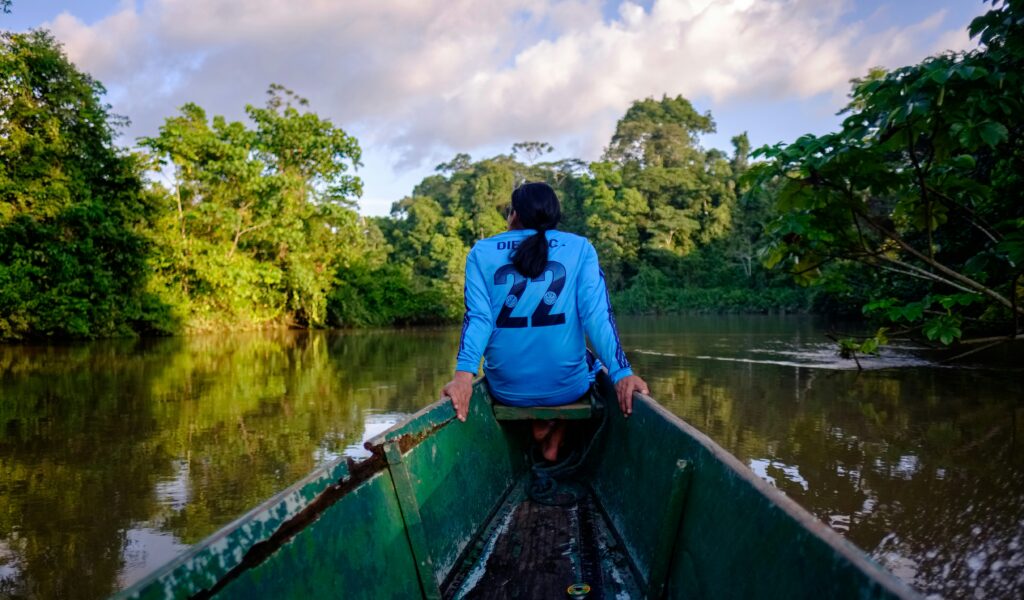
Heading into the Amazon basin is one of South America’s most rewarding journeys, whether you are arriving in El Coca via a long-distance night bus from Quito or tracking wildlife along the tributaries of the Río Napo. But true independence on the road comes from thorough preparation rather than recklessness. Respecting the sheer scale and isolation of El Oriente means establishing a proper safety net before you lose mobile signal and step aboard a motorised dugout canoe.
A sudden tropical fever, an awkward slip on a muddy root trail, or river surges caused by torrential rain can happen to the most experienced travellers. Having a robust policy backing you up means you can focus on the canopy, the wildlife, and the rhythm of the river without quietly worrying about the astronomical logistics of a medical extraction.
Pack your dry bags, double-check your immunisation records, save your policy details offline, and step into the rainforest with complete peace of mind. The wild contours of Yasuní and Cuyabeno are waiting.
Affiliate Disclaimer: Some of the links on Wheely Tyred are affiliate links. If you click through and make a booking or purchase, we may earn a small commission at no extra cost to you. We only recommend gear, tours, stays, and services we genuinely use, trust, and stand behind — our editorial independence always comes first. These commissions help keep our independent cycling guides and travel stories free to read. Thanks for supporting the ride!
Frequently asked questions about travel insurance in the Ecuadorian Amazon
Yes. Standard travel insurance policies typically cap medical evacuation or exclude river-based transport and off-grid trekking altogether. Because deep-jungle lodges are located hours from paved roads, any medical emergency requires motorised canoes and fixed-wing air ambulances that basic city policies will not cover.
Lodge staff will first stabilise you and arrange a motorised dugout canoe transfer upstream along rivers like the Río Napo or Río Aguarico. From river ports such as El Coca or Lago Agrio, a fixed-wing air ambulance coordinates with your insurer’s 24/7 assistance team to fly you over the Andes to advanced trauma facilities in Quito.
Yes. Many plans available through VisitorsCoverage and Insubuy permit on-the-road purchases, issuing policy documents instantly to your email so you can secure coverage while preparing in Quito or gateway towns like Tena.
While entry requirements vary, a Yellow Fever vaccination is strongly recommended for El Oriente, and proof of vaccination may be requested by transport operators or regional health authorities. It is also wise to ensure routine tetanus, hepatitis A, and typhoid immunisations are up to date.
Severe rainstorms frequently ground small aircraft in El Coca or cause river levels to surge, preventing boat transfers to lodges. Comprehensive policies with trip interruption and travel delay benefits will reimburse non-refundable lodge bookings and emergency accommodation expenses caused by weather disruptions.
Ecuador.
Pure wonder on the equator.


