
Summit Chimborazo / The ultimate multi-day high-altitude expeditions in Ecuador
Top-rated guided summit climbs, acclimatisation expeditions, and multi-day mountain itineraries for Chimborazo
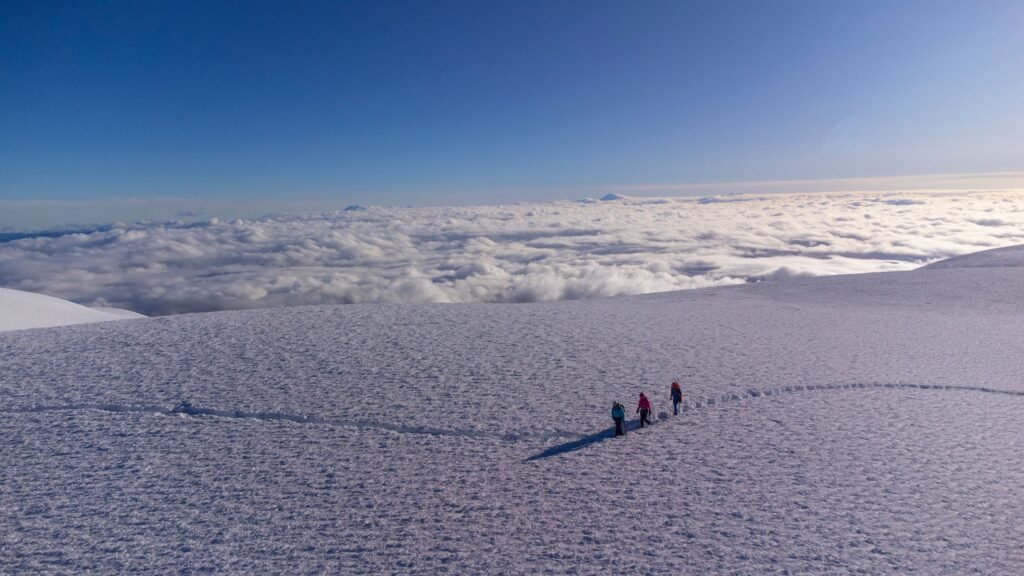
Conquer Ecuador’s highest peak and its sister volcano

BEN FINCH
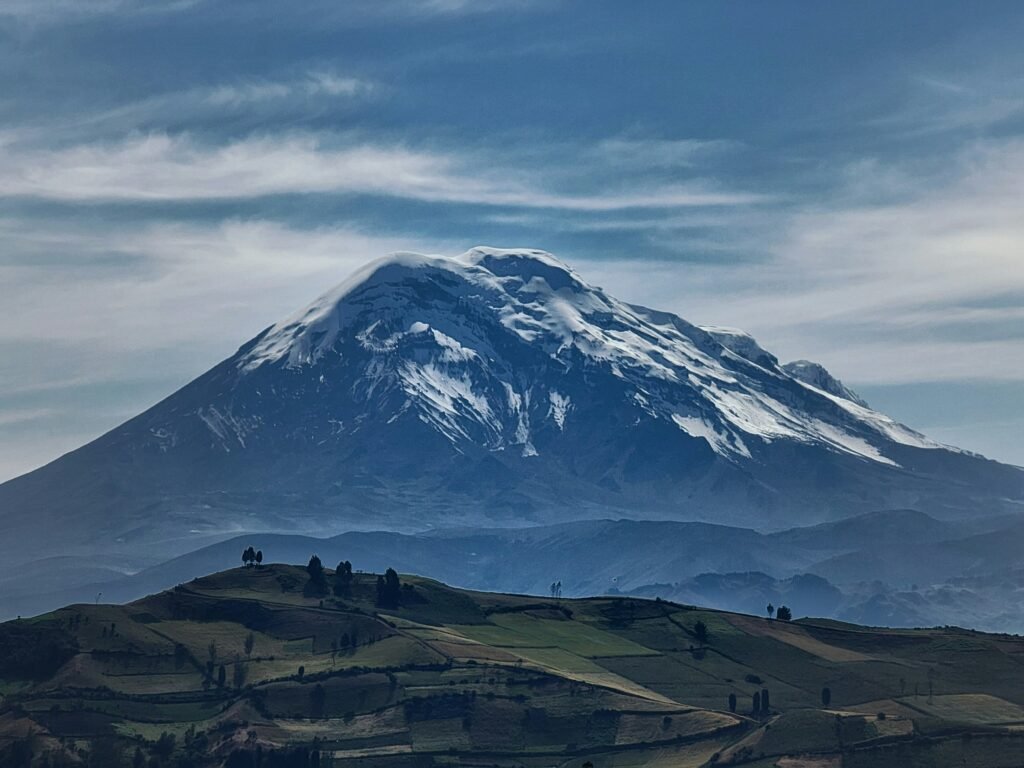
Standing atop the glaciated dome of Volcán Chimborazo at 6,268 metres is an experience like no other on Earth. Due to the equatorial bulge of our planet, the summit of this massive inactive stratovolcano is the furthest point on the planet’s surface from the Earth’s centre—making it, in astronomical terms, the closest you can physically stand to the sun.
For mountaineers and ambitious endurance travellers, Chimborazo represents the ultimate high-altitude prize in the Northern Andes. However, ascending into the thin air above 6,000 metres is neither a casual weekend hike nor an endeavour to be rushed on a whim. The high-altitude páramo grasslands and wind-swept ice caps of Ecuador’s Cordillera Occidental demand meticulous logistical planning, specialised technical equipment, and, above all, respect for proper physiological acclimatisation.
At Wheely Tyred, our travel philosophy is anchored in slow, deliberate, and respectful movement. We strongly advise against rushed, whistle-stop commercial tours that push climbers up extreme elevations without adequate preparation.
To safely summit Chimborazo, high-altitude expedition planning requires a progressive multi-day strategy. This involves establishing proper base camps, acclimatising on neighbouring 5,000-metre giants such as Volcán Cotopaxi (5,897 m) and Volcán Carihuairazo (5,018 m), and relying on certified local mountain guides registered with ASEGUIM (Asociación Ecuatoriana de Guías de Montaña).
Booking a structured, multi-day mountain expedition resolves complex highland logistics: private 4×4 high-mountain transport, high-altitude refuge bookings at Refugio Hermanos Carrel or Refugio José F. Rivas, technical ice equipment rental, and essential 1:1 or 1:2 guide-to-climber ratios on the glacier.
Below, we have curated the finest bookable multi-day summit itineraries across Volcán Chimborazo and its essential sister acclimatisation peak, ensuring you hit the glacier fully prepared for a successful summit push.
Essential takeaways for your Ecuadorian high-Andean journey
Conquering Ecuador’s majestic volcanic peaks demands a harmonious blend of physical endurance, meticulous logistical preparation, and profound respect for the high-altitude páramo ecosystems. Here are the core insights from our multi-day climbing curation:
- Chimborazo Summit Access: Reaching the 6,268-metre summit of Volcán Chimborazo requires a structured multi-day private or small-group push from Refugio Hermanos Carrel, with certified ASEGUIM guides for technical safety
- The Acclimatisation Ladder: Never rush an ascent above 5,000 metres; always build physiological red blood cells progressively by scheduling prior climbs on peaks like Rucu Pichincha, Carihuairazo, or Cotopaxi
- Cotopaxi Technical Preparation: Volcán Cotopaxi serves as the ultimate prerequisite training ground, offering invaluable afternoon glacier clinics and high-altitude hut overnights at Refugio José F. Rivas
- Carihuairazo’s Quiet Slopes: Volcán Carihuairazo (5,018 m) provides an exceptional, crowd-free alternative for high-altitude conditioning right next door to Chimborazo
- Strict Guide Ratios: National regulations in Ecuador mandate a maximum 1:2 guide-to-climber ratio on glaciated peaks; always verify ASEGUIM or UIAGM certifications before lacing up your crampons
- Thermal Gear Discipline: Temperatures near the equator’s highest ridges drop below -10°C with severe wind chill; reliable merino layers, heavy down jackets, and internal water management are non-negotiable
- Páramo Conservation: The delicate high-altitude sponge wetlands supply vital regional meltwater; leave no trace, pack out all waste, and tread lightly across fragile mountain trails
Volcán Chimborazo.
Stand at the furthest point from the centre of the Earth
The ultimate private summit push from the capital
Rating & reviews
(New activity on GetYourGuide)
Why this tour stands out
Operated by Mauna Expeditions, this two-day private expedition is engineered specifically for acclimatised climbers seeking a seamless, high-end private ascent from Quito directly to the snowfields of Volcán Chimborazo. The journey begins with private 4×4 transport from Quito, driving south along the majestic Avenida de los Volcanes into the Reserva de Producción de Fauna Chimborazo.
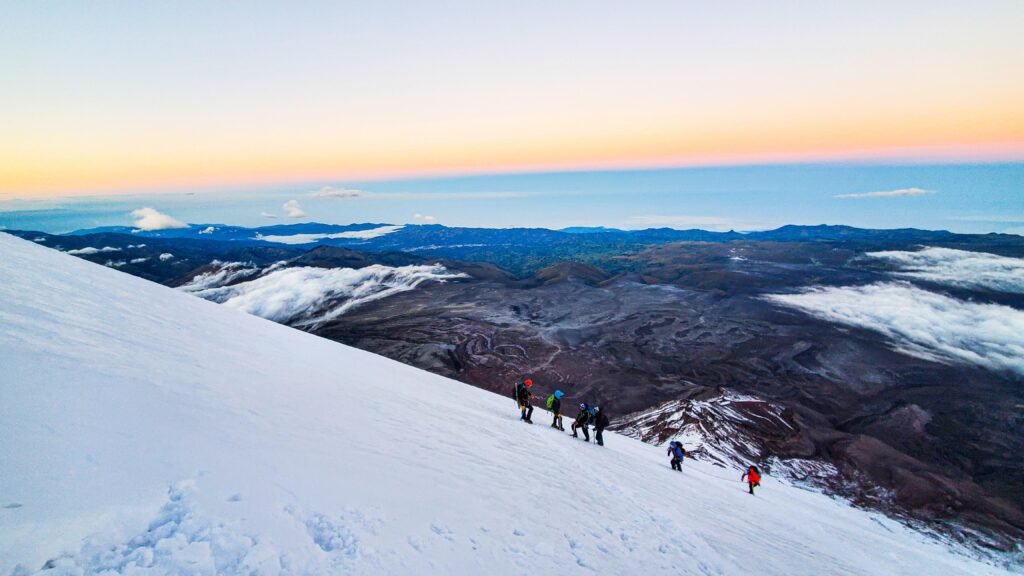
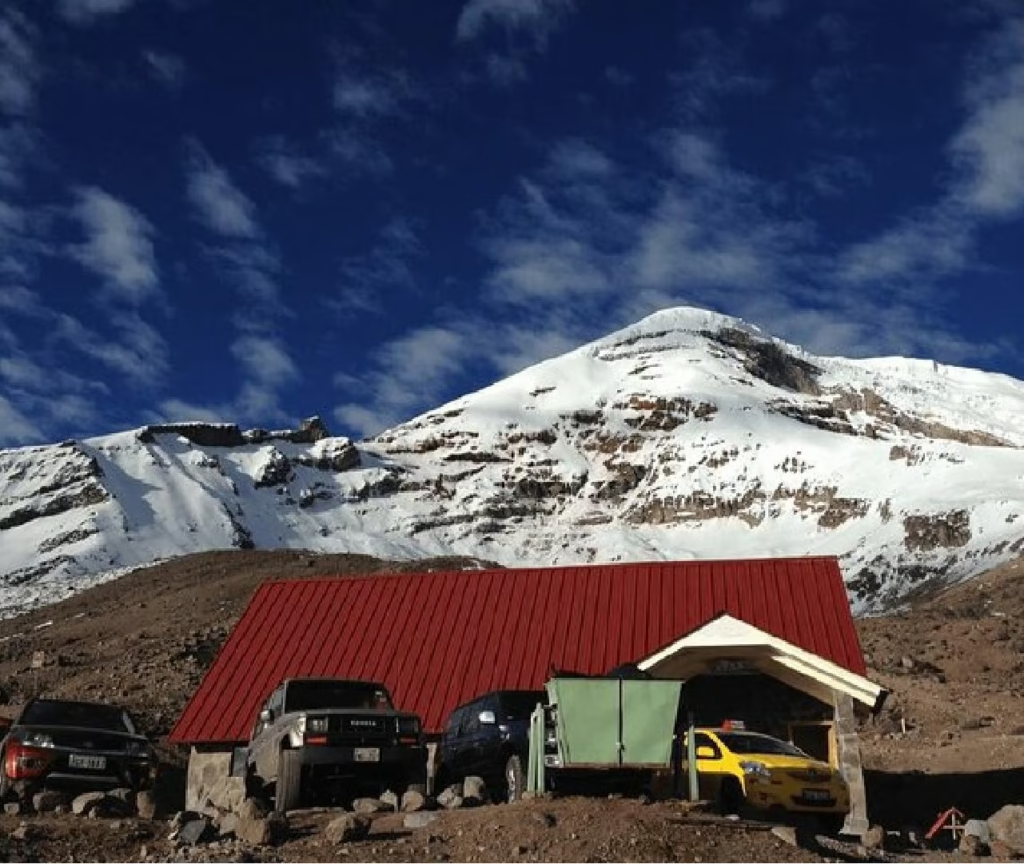
On Day 1, you ascend to Refugio Hermanos Carrel at 4,800 metres, where your guide conducts a thorough equipment check and safety briefing before you settle in for early evening rest. The summit push commences around midnight, navigating the steep, glaciated flanks along the Whymper Route under a blanket of high-Andean stars.
With strict 1:1 or 1:2 guide ratios led by ASEGUIM-certified professionals, this tour balances personal safety, tailored pacing, and peak technical support on the icy slopes leading to Veintimilla (6,230 m) and Whymper (6,268 m) summits.
Key highlights
- Private round-trip door-to-door 4×4 transport from your accommodation in Quito
- Midnight alpine summit attempt via the classic Whymper or Castle route
- Low guide-to-client ratio (maximum 1:2) with fully licensed ASEGUIM mountain guides
- Full technical gear package included (plastic/mountaineering boots, crampons, ice axe, harness, and helmet)
- Overnight accommodation at mountain refuge with warm meals and thermal hydration included
Ideal for
Experienced high-altitude trekkers and fit endurance athletes who have already completed acclimatisation climbs around Quito or Cotopaxi and desire a dedicated, private summit effort with zero logistical stress.
Local insight
Do not underestimate the altitude jump. Even with private door-to-door transport, starting a 6,268-metre summit push without prior acclimatisation days above 4,500 metres significantly increases the risk of Acute Mountain Sickness (AMS). Ensure your itinerary includes at least 4–5 acclimatisation days in Ecuador prior to Day 1 of this climb.
The Ecuadorian Sierra.
Get lost in the hills
The deep-páramo expedition to Ecuador’s highest peak
Rating & reviews
(New activity on GetYourGuide)
Why this tour stands out
For travellers already exploring central Ecuador—or those basing themselves in Riobamba or Baños de Agua Santa—this dedicated two-day expedition provides direct regional access to the mountain. Operated by local high-altitude outfitters, this tour immerses you immediately into the wild páramo ecosystem of the Chimborazo Reserve.
After meeting your lead guide, you travel directly up the mountain roads, spotting herds of wild vicuñas grazing across the high wind-swept plains. The itinerary emphasises proper alpine rest and nutrition at Refugio Hermanos Carrel or High Camp before launching the midnight assault on the glacier.
The route demands sustained crampon work on snow slopes reaching 35 to 45 degrees, requiring deliberate footwork and steady breathing as you push past the famous El Castillo rock formation towards the summit ridge.
Key highlights
- Direct departure from the Chimborazo/Riobamba regional hub
- Wildlife viewings of native vicuñas, caracaras, and Andean foxes in the high páramo reserve
- Overnight lodging at high-altitude mountain refuges with nutritious alpine dinners
- Comprehensive technical mountaineering equipment and glacier safety harness fittings
- Experienced bilingual mountain guides with deep local knowledge of Chimborazo’s shifting glacier conditions
Ideal for
Independent travellers, overland adventurers, and climbers already in central Ecuador who want a direct, regional mountain operation rooted in the local climbing community.
Local insight
Thermal regulation is critical on Chimborazo. Temperatures near the summit routinely drop below -10°C, compounded by fierce equatorial ridge winds. Wear high-quality merino base layers, a heavy down jacket, and windproof outer shells. Ensure your water bottles are kept inside your pack in insulated sleeves; exposed hydration hoses freeze solid within an hour above 5,200 metres.
The Galápagos.
Ecuador’s Enchanted Isles
Technical warm-up on Volcán Carihuairazo
Rating & reviews
(New activity on GetYourGuide)
Why this tour stands out
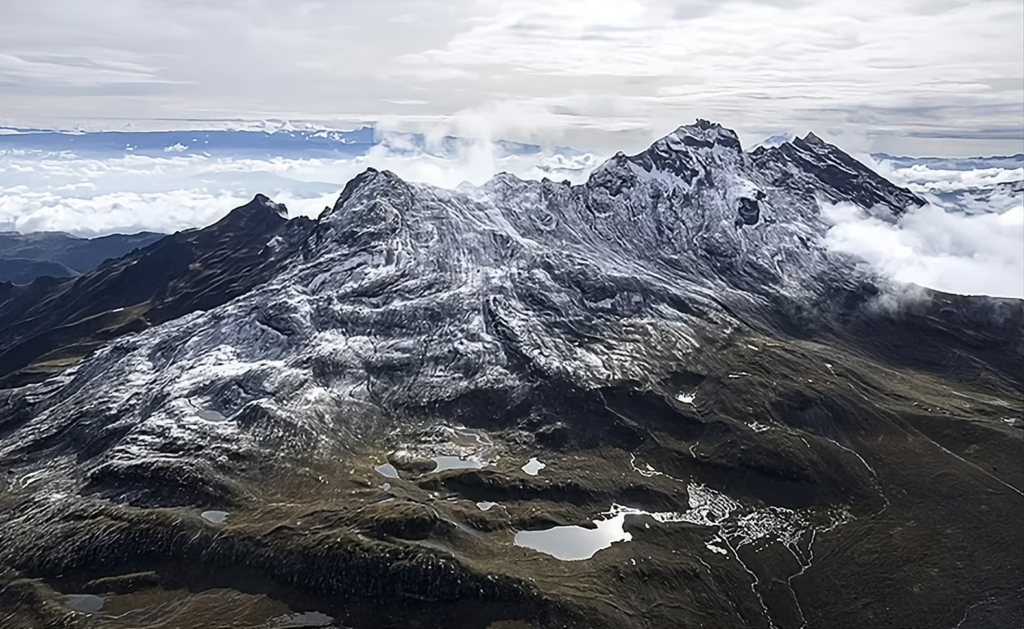
Standing directly adjacent to Volcán Chimborazo in the Cordillera Occidental, Volcán Carihuairazo (5,018 m) is the hidden gem of Ecuador’s mountaineering circuit. Operated by Responsible Travel South America, this two-day summit experience offers an authentic, crowd-free alternative for high-altitude conditioning right in Chimborazo’s backyard.
Carihuairazo’s caldera and glaciated peak offer diverse alpine terrain, including high-altitude wetlands (bofedales), rocky scrambles, and snowfields. Day 1 involves scenic transport through rural Andean communities to high basecamp or refuge lodging, followed by a morning summit push on Day 2 across mixed snow and rock ridges.
Climbing Carihuairazo gives you exposure above 5,000 metres while offering panoramic views of Chimborazo’s north face—allowing you to inspect your main target from across the valley.
Key highlights
- Summit an impressive 5,000+ metre peak located right next to Volcán Chimborazo
- Off-the-beaten-track climbing experience far away from crowded tourist routes
- Spectacular views of Chimborazo’s massive ice cap from the summit ridge
- Full guide services, private transport, and technical equipment rental included
- Immersion in pristine páramo ecosystems and remote high-Andean landscapes
Ideal for
Adventurous travellers and climbers seeking an off-the-beaten-path 5,000-metre warm-up peak to build red blood cell counts and test gear in close proximity to Chimborazo.
Local insight
Carihuairazo is an exceptional choice for testing your gear layering system under real high-altitude conditions. Because it sits at 5,018 metres, you can refine your boot fit, sock combinations, and shell layering without the intense exhaustion associated with higher peaks.
The Ecuadorian Amazon.
The most biodiverse place in the world
Our practical Chimborazo multi-day expedition planning guide
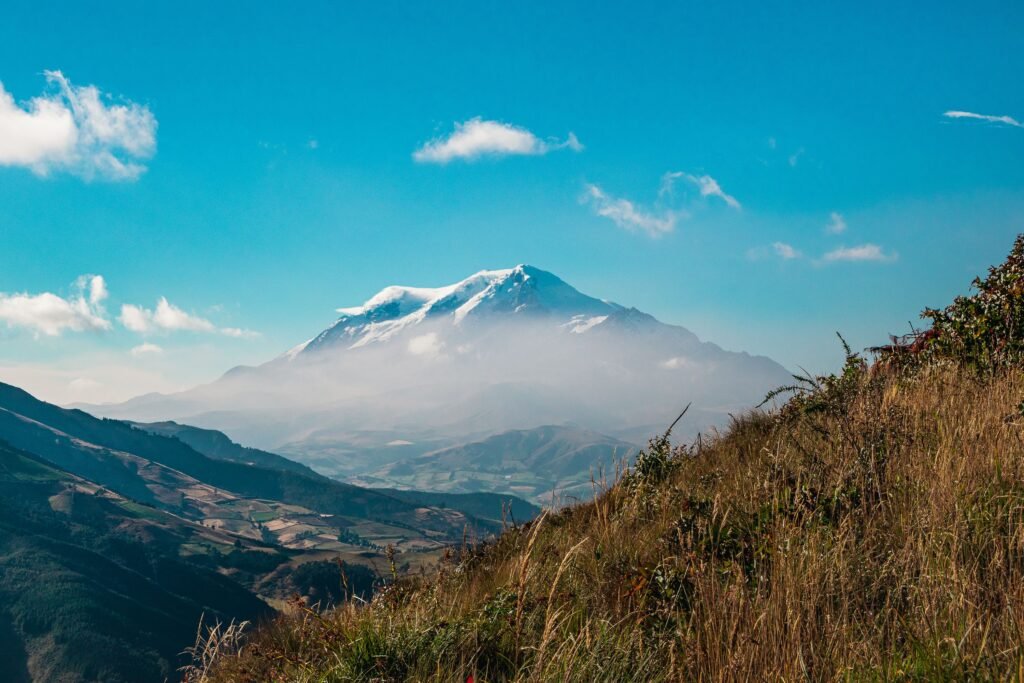
Scaling the glaciated peaks of the Ecuadorian Andes requires careful physical, technical, and logistical preparation. To ensure your multi-day expedition is safe, memorable, and environmentally responsible, keep these core practical guidelines in mind:
1. Adopt a progressive acclimatisation ladder
Never attempt Chimborazo as your first high-altitude climb in Ecuador. High-altitude adaptation is cumulative. A proven acclimatisation schedule looks like this:
- Days 1–2: Rest and light walking in Quito (2,850 m)
- Day 3: Day hike to Volcán Rucu Pichincha (4,696 m) via the Telefériqo
- Days 4–5: Multi-day summit climb of Volcán Carihuairazo (5,018 m) or Volcán Cotopaxi (5,897 m)
- Day 6: Active recovery and hydration day in Baños de Agua Santa or Riobamba
- Days 7–8: Multi-day summit expedition on Volcán Chimborazo (6,268 m)
2. Confirm ASEGUIM accreditation and guide ratios
Glacier conditions on Chimborazo feature crevasses, ice walls, and stonefall risks near El Castillo. Always verify that your mountain tour operator uses guides certified by ASEGUIM (Asociación Ecuatoriana de Guías de Montaña) or UIAGM / IFMGA (International Federation of Mountain Guides Associations).
On peaks above 5,000 metres in Ecuador, national regulations mandate a maximum guide-to-client ratio of 1:2. Never accept a group setup with 1 guide for 3 or 4 climbers on a glaciated peak.
3. Secure comprehensive high-altitude insurance
Standard travel insurance policies strictly exclude mountaineering activities that involve technical equipment (crampons, ice axes, ropes) or elevations above 4,500 metres.
Before departing, purchase a specialised high-altitude travel insurance policy (such as Global Rescue, World Nomads Explorer, or Alpine Club insurance) that specifically covers search and rescue, helicopter evacuation, and medical cover up to 6,500 metres.
4. Master gear fitting and layering
While quality multi-day tour operators include technical gear hire (plastic or double mountaineering boots, crampons, ice axe, harness, and helmet), bring your own personal clothing layers. Your clothing setup should feature:
- Synthetic or merino wool thermal base layers (top and bottom)
- Insulating mid-layers (fleece or grid fleece)
- Heavy down jacket rated to -15°C
- Waterproof and windproof outer shell jacket and pants (Gore-Tex or similar)
- Heavy mountaineering gloves/mittens plus lightweight inner gloves
- High-altitude sunglasses (Category 3 or 4 UV protection) and ski goggles for windy summit conditions
5. Respect the páramo and mountain refuges
The high páramo ecosystem surrounding Chimborazo and Cotopaxi is a delicate, sponge-like wetland that collects mountain meltwater and supplies fresh water to regional communities downstream.
- Stick strictly to designated trails to avoid trampling sensitive high-altitude vegetation
- Carry out all trash, including organic waste, food wrappers, and gel packets
- Conserve water and electricity at high refuges like Refugio Hermanos Carrel and Refugio José F. Rivas, as these facilities operate under harsh environmental conditions with limited resources
- Tip local refuge staff and mountain drivers generously—they work tirelessly behind the scenes to make high-altitude expeditions possible
The Ecuadorian Coast.
Where you’ll find the very best food
Earn every metre above the clouds
Read this far?
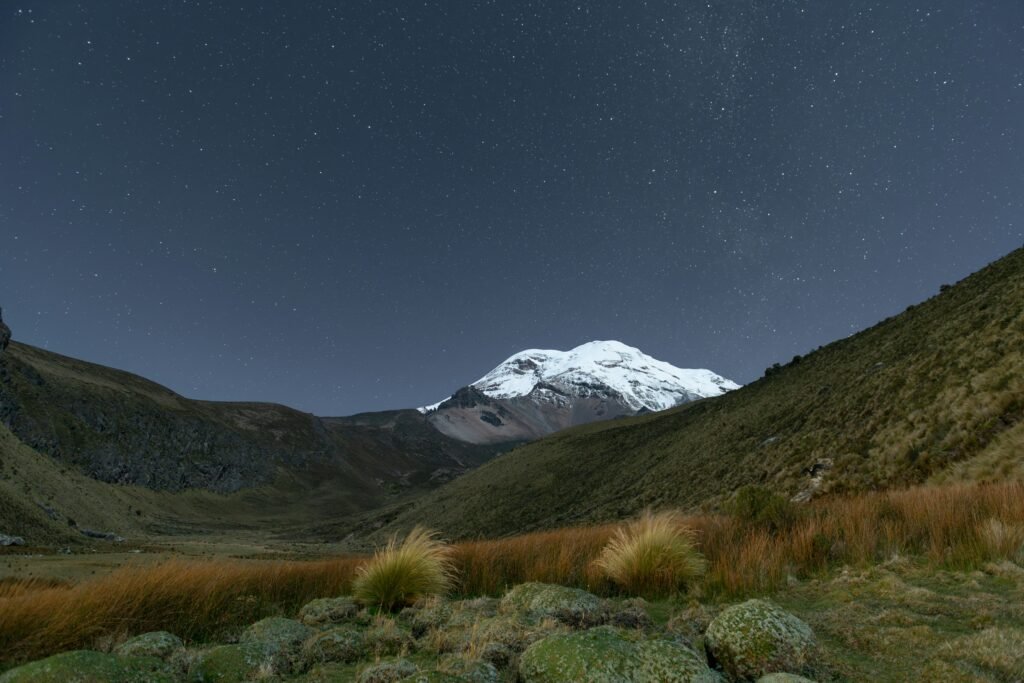
There is a profound, quiet shift that happens inside you when you trade the bustling warmth of the Andean valleys for the biting, thin air of the high-altitude ice caps. Standing on the frozen flanks of Ecuador’s volcanic giants is not about ticking boxes or chasing quick adrenaline spikes; it is an exercise in patience, rhythmic breathing, and deep humility.
When you move deliberately—step by slow step—the mountains reward you with sweeping sunrises that burn away the cloud sea below, revealing a landscape carved by fire and ice.
At Wheely Tyred, we believe that the most meaningful journeys are those that challenge your limits while respecting the local communities and mountain guides who call these heights home.
By choosing well-paced, professionally guided multi-day expeditions rather than rushed whistle-stop bus tours, you ensure your safety, support expert local professionals, and forge a genuine connection with the land.
So take your time, acclimatise with care, respect the páramo, and let the rhythm of the paso andino carry you toward the closest point to the sun. The summit will be waiting when you get there.
Affiliate Disclaimer: Some of the links on Wheely Tyred are affiliate links. If you click through and make a booking or purchase, we may earn a small commission at no extra cost to you. We only recommend gear, tours, stays, and services we genuinely use, trust, and stand behind — our editorial independence always comes first. These commissions help keep our independent cycling guides and travel stories free to read. You can also buy me a coffee here — thanks for supporting the ride!
Frequently asked questions about summiting Chimborazo
While some introductory multi-day tours include basic glacier training clinics on neighbouring peaks like Cotopaxi, attempting Chimborazo’s 6,268-metre summit requires solid physical fitness, basic familiarity with crampons and ice axes, and prior high-altitude trekking experience. Absolute beginners should start with acclimatisation hikes around Quito before tackling a 5,000-metre peak like Carihuairazo or Cotopaxi.
Altitude sickness (Acute Mountain Sickness or AMS) can affect anyone, regardless of physical fitness. Ascending rapidly above 4,500 metres without giving your body time to produce extra red blood cells can lead to severe headaches, nausea, dizziness, and pulmonary or cerebral oedema. A progressive multi-day itinerary ensures your body adapts safely to decreasing oxygen levels.
By Ecuadorian law, all commercial guides leading clients onto glaciated mountains must be certified by ASEGUIM (Asociación Ecuatoriana de Guías de Montaña) or hold international UIAGM / IFMGA credentials. Always confirm your guide’s credentials and ensure a strict guide-to-climber ratio of 1:1 or 1:2 for glacier climbs.
Ecuador’s high-altitude volcanoes can be climbed year-round due to the country’s equatorial location, but the optimal climbing seasons generally run from December to January and June to September. These months typically offer clearer morning weather windows and more stable snow conditions on the upper glaciers, though mountain weather remains famously unpredictable.
Most reputable multi-day tour operators on GetYourGuide and TourRadar include essential technical gear rentals in their package pricing—such as double mountaineering boots, crampons, ice axes, harnesses, and helmets. However, you must provide your own technical clothing layers, high-altitude sunglasses, gloves, and personal thermal wear.
Dehydration occurs rapidly at high altitudes due to dry air and heavy breathing. Drink fluids consistently during rest stops, but keep your water bottles inside your insulated pack or jacket to prevent them from freezing solid. For nutrition, rely on high-energy, easily digestible snacks such as energy gels, chocolate, nuts, and dried fruit that will not freeze hard in sub-zero temperatures.
Ecuador.
Pure wonder on the equator.


