The independent guide to the Galápagos’ hidden gems
Discover the best Galápagos hidden gems and secret spots for independent travel
Uncovering the quiet magic of the archipelago, far from the tour guide’s umbrella
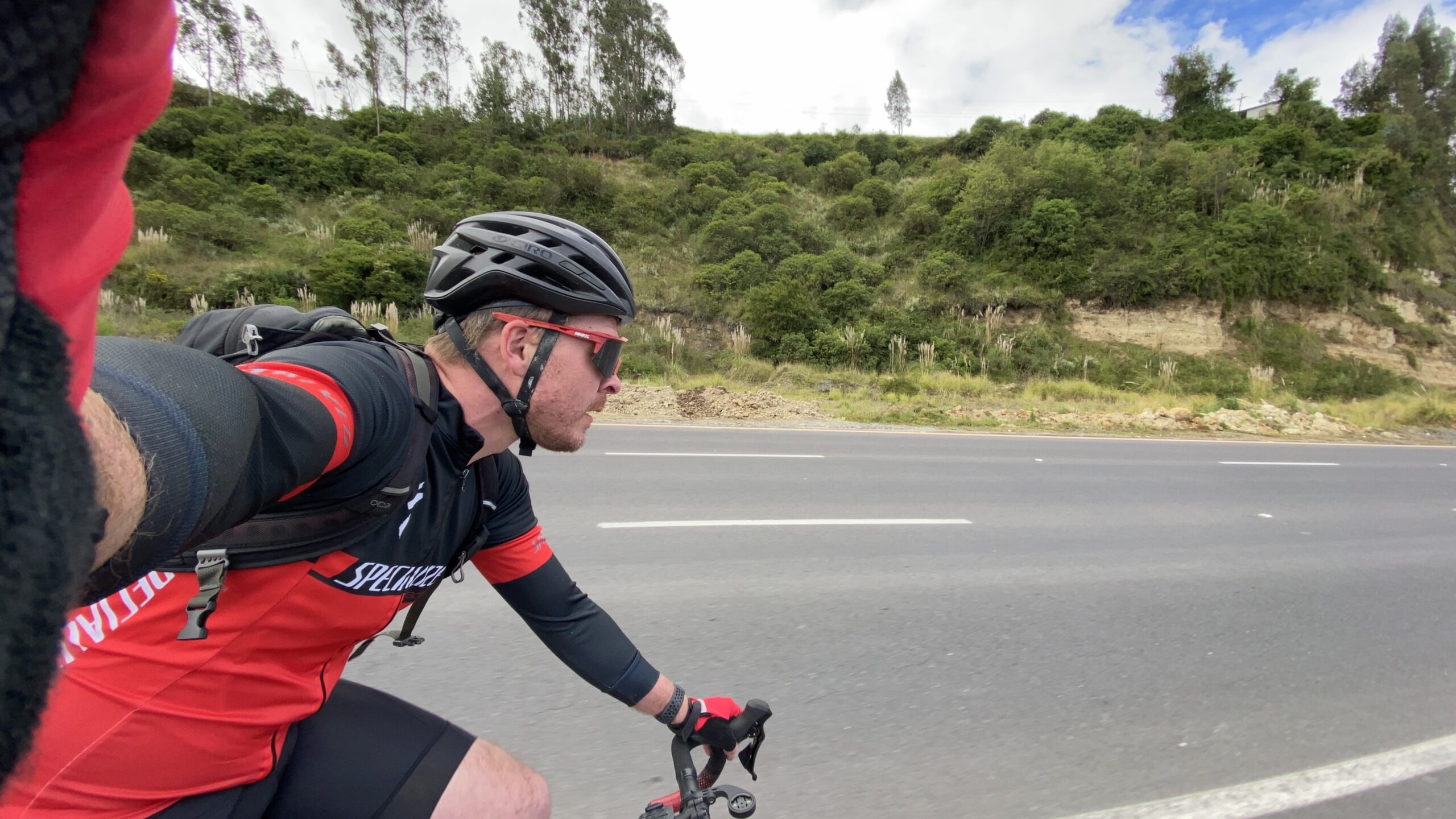
BEN FINCH
The Galápagos Islands are often portrayed as a destination that is only accessible via expensive, high-end cruises. While those boats certainly offer a specific kind of luxury, they often miss the true heart of the islands. For the independent traveller—the one who prefers to move at their own pace, following their curiosity rather than a schedule—the archipelago reveals a much more intimate character. By staying on the islands of Santa Cruz, Isabela, or Floreana, you gain the freedom to explore at dawn or dusk, when the wildlife is most active and the crowds have returned to their ships.
At Wheely Tyred, we believe that travel should be about depth of knowledge and personal connection. Here is our curated selection of the most compelling hidden gems in the Galápagos, chosen for their cultural significance, natural beauty, and appeal to those who value their autonomy.
The archipelago unbound / Exploring the Galápagos shadows
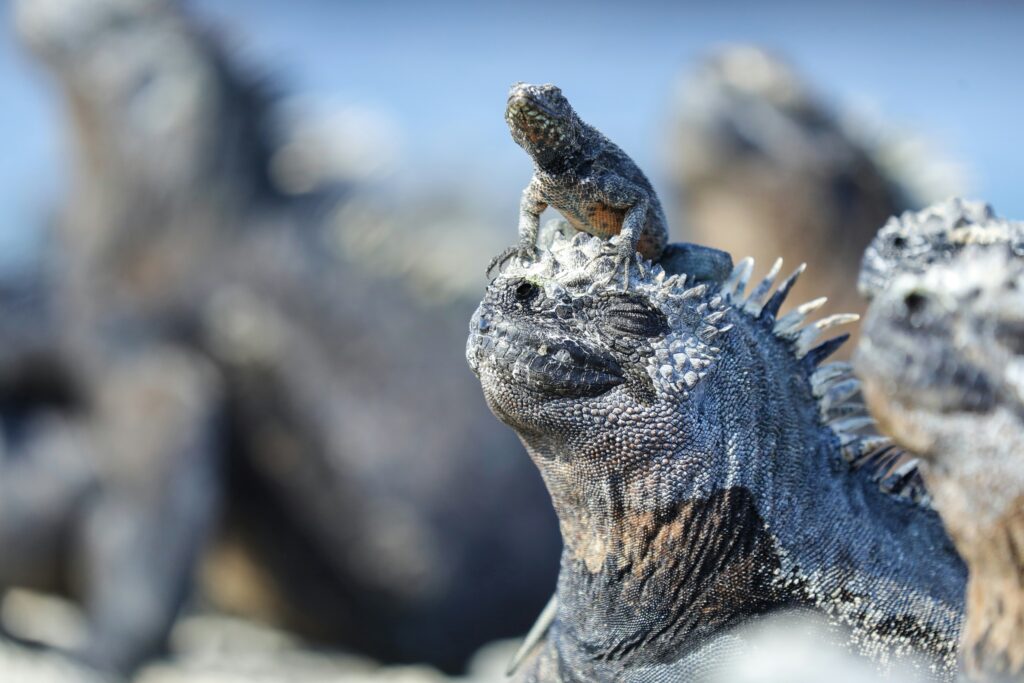
Forget the rigid schedules of cruise liners and the glare of group tours. This is the Galápagos revealed to those who move by pedal and pulse, seeking the quiet corners where nature and history breathe undisturbed.
- Playa El Garrapatero: A secluded, white-coral sanctuary on Santa Cruz that rewards the self-sufficient traveller with flamingo-dotted lagoons and a profound sense of coastal isolation
- The Wall of Tears: A towering stone monument on Isabela Island that serves as a poignant reminder of the archipelago’s penal colony history, accessible via a stunning wilderness trail
- Laguna las Ninfas: A hidden mangrove oasis tucked away in Puerto Ayora, providing a silent, boardwalk-lined retreat for watching baby sharks and rays in clear tidal waters
- Asilo de la Paz: A highland escape on Floreana where pirate caves and freshwater springs tell the gritty story of the islands’ earliest human pioneers
- Los Gemelos: Two spectacular volcanic sinkholes on Santa Cruz, set within a rare Scalesia forest that feels like a prehistoric world draped in highland mist
- Concha de Perla: A natural, rock-shielded swimming hole on Isabela that offers world-class snorkelling alongside sea lions and penguins without the need for a boat or guide
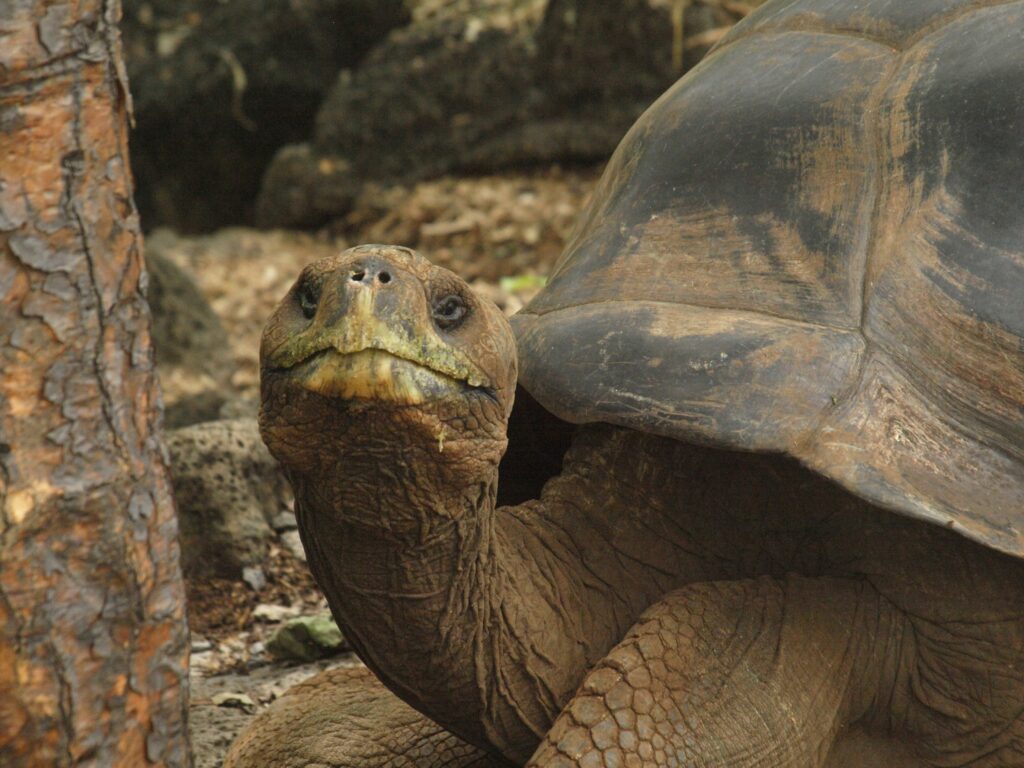
- The Highland Ascent: A rewarding 20-kilometre cycle from the coast of Santa Cruz into the lush interior, offering a glimpse of giant tortoises in their natural agricultural habitat
The Galápagos.
Ecuador’s Enchanted Isles
Playa El Garrapatero / The remote sanctuary
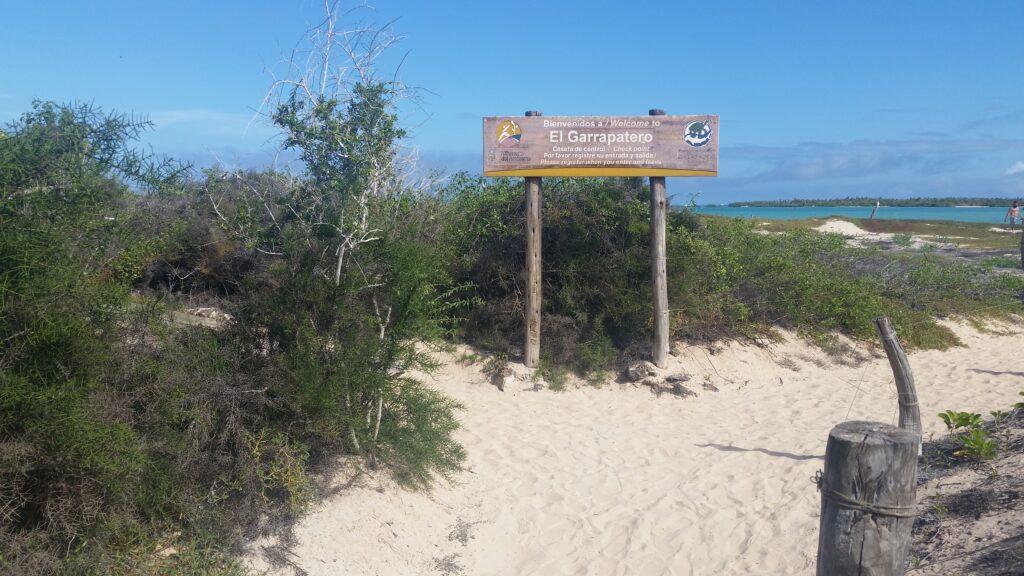
While many visitors spend their time at Tortuga Bay on Santa Cruz Island, those in the know head in the opposite direction to Playa El Garrapatero. This is a stunning, white-sand beach located about 20 kilometres from the main hub of Puerto Ayora. Because it requires a bit more effort to reach, it remains one of the most tranquil spots on the island.
The beach is framed by a dense forest of mangroves and manchineel trees, leading to a pristine shoreline where the water is a brilliant turquoise. Just behind the beach lies a small, brackish lagoon where you can often spot wild flamingos wading through the water. The silence here is a stark contrast to the bustling docks of town. It is the perfect place to sit quietly and watch Darwin’s finches flit through the shrubs or observe marine iguanas blending perfectly into the black volcanic rocks. There are no vendors here, so it is essential to bring your own water and supplies, maintaining the true spirit of self-sufficient exploration.
The Wall of Tears / A monument to resilience
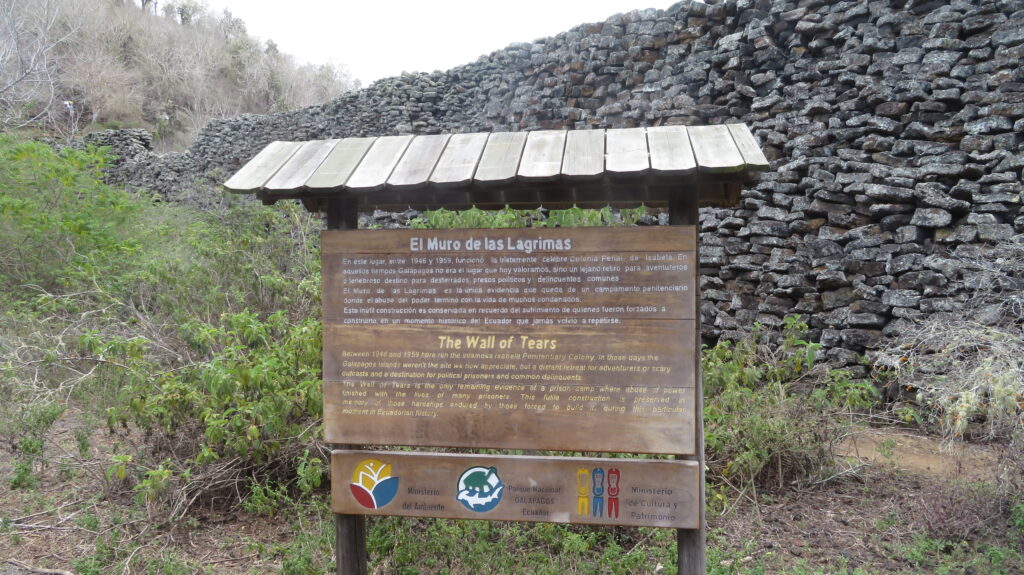
On the island of Isabela, a long, sandy track leads away from the village of Puerto Villamil toward a site known as El Muro de las Lágrimas, or the Wall of Tears. This is not a natural wonder, but a powerful historical landmark. Between 1945 and 1959, Isabela was home to a penal colony. Prisoners were forced to build this massive wall, stone by stone, under the blistering equatorial sun. The wall served no architectural purpose; it was designed purely as a method of psychological and physical punishment.
Visiting this site provides a necessary perspective on the human history of the Galápagos, which is often overshadowed by its biology. The walk or ride to the wall is an experience in itself, passing through a variety of ecosystems. You will move through wetlands filled with lagoons where flamingos congregate, and past sandy coves where sea lions nap in the shade. It is common to encounter giant tortoises roaming freely across the path, reminding you that here, the wildlife truly has the right of way. The view from the top of the hill near the wall offers a panoramic sweep of the island and the Pacific Ocean, a poignant place for reflection on the island’s darker past.
The Ecuadorian Sierra.
Get lost in the hills
Laguna las Ninfas / The hidden oasis
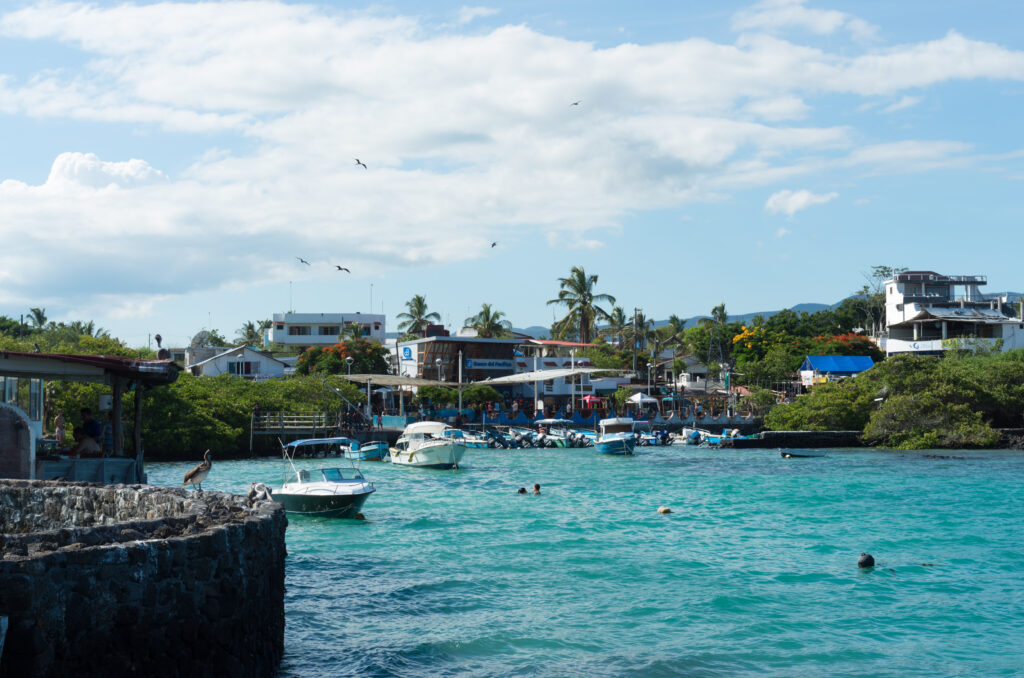
Tucked away just a few blocks from the main pier in Puerto Ayora is Laguna las Ninfas. It is a place that many travellers walk past without ever realising it exists. This tidal lagoon is a sanctuary of calm, completely enclosed by four different species of mangroves: Red, White, Black, and Button mangroves. A wooden boardwalk winds its way around the perimeter, offering a shaded, peaceful retreat from the heat of the town.
The water is remarkably clear and calm, acting as a natural nursery for marine life. If you look closely from the boardwalk, you can often see baby reef sharks, small rays, and sea turtles gliding silently through the roots of the trees. Because it is a designated quiet zone, it is one of the few places in Puerto Ayora where you can truly hear the sounds of the islands—the rustle of the wind through the leaves and the distant call of sea birds. It requires no guide and no entrance fee, making it an essential stop for the independent wanderer looking for a moment of zen.
Asilo de la Paz / The pirate’s highland retreat
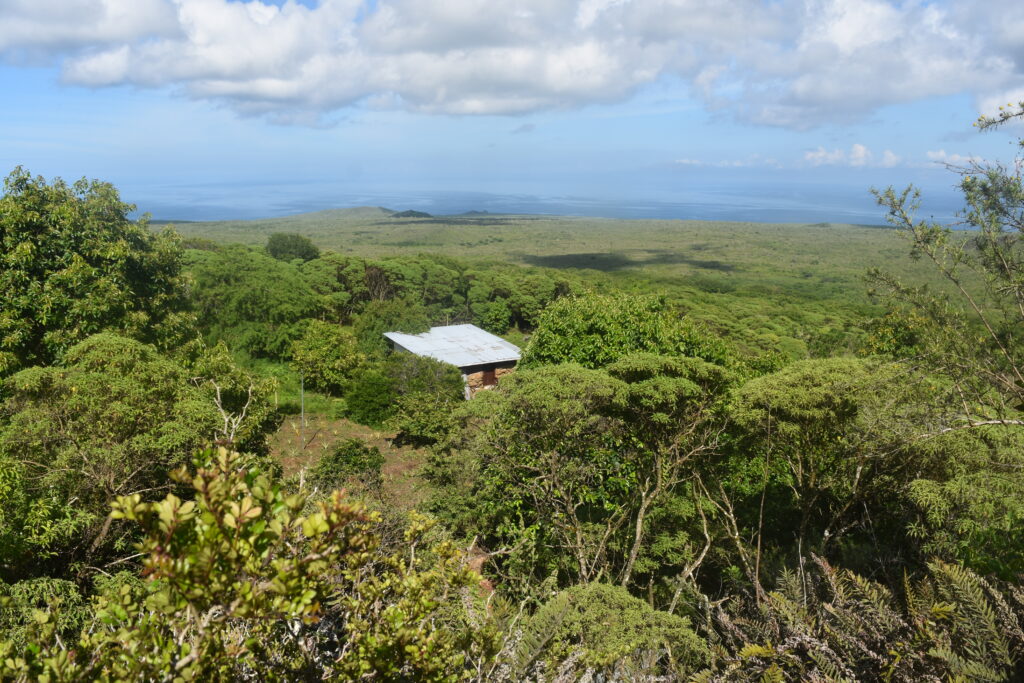
For those who venture to Floreana, the least populated of the four inhabited islands, Asilo de la Paz is a must-see. Located in the lush highlands, this site is steeped in the eccentric and sometimes mysterious history of the island’s first human inhabitants. The area features a natural freshwater spring, which was the lifeblood for pirates and whalers long before permanent settlers arrived.
The site includes a series of caves that were carved out and used as homes by early settlers, including the famous Wittmer family, who arrived in the 1930s. Exploring these caves gives you a visceral sense of the hardship and determination required to live in such an isolated location. The surrounding landscape is strikingly different from the coastal areas, with rich volcanic soil and dense greenery. It is also home to a tortoise enclosure where you can see several different species up close. The air in the highlands is cooler and often misty, providing a completely different sensory experience of the Galápagos.
The Ecuadorian Amazon.
The most biodiverse place in the world
Los Gemelos / The highland sinkholes
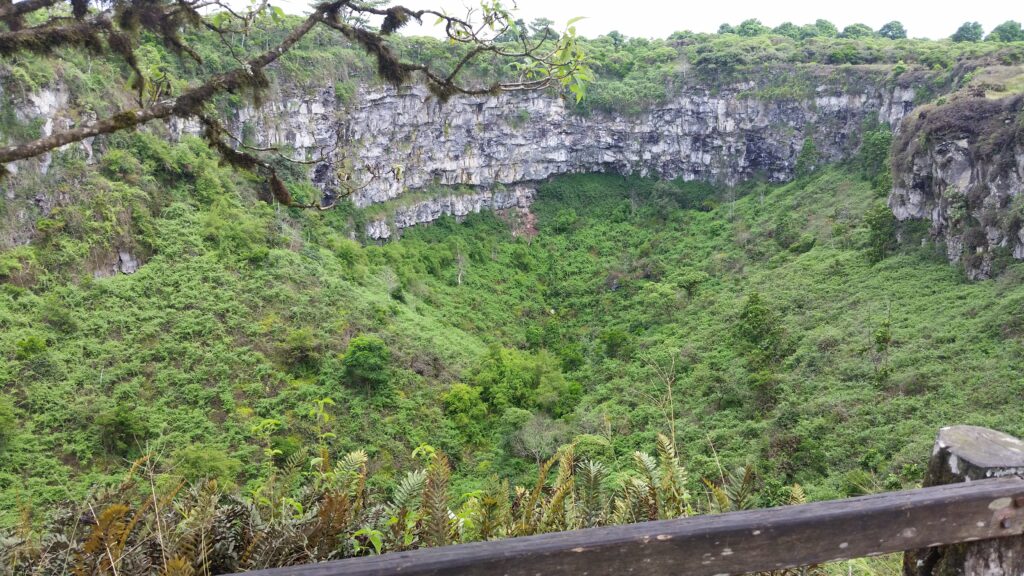
High in the centre of Santa Cruz Island, you will find Los Gemelos, or The Twins. These are two enormous, dramatic sinkholes that sit on either side of the main road. While they are often called craters, they were actually formed by the collapse of underground magma chambers. They are a testament to the violent volcanic origins of the archipelago.
What makes Los Gemelos particularly special is the surrounding Scalesia forest. Scalesia is often described as the giant daisy of the Galápagos, and this area is one of the few places where you can see these endemic trees in such density. The forest is vibrant with birdlife; it is one of the best locations to spot the bright red Vermilion Flycatcher or the elusive Short-eared Owl. Several walking trails loop around the rims of the sinkholes, allowing you to peer deep into the lush, fern-covered depths. The atmosphere here is often ethereal, with clouds drifting through the trees, making it feel like a world away from the sun-drenched beaches below.
Concha de Perla / The people’s aquarium
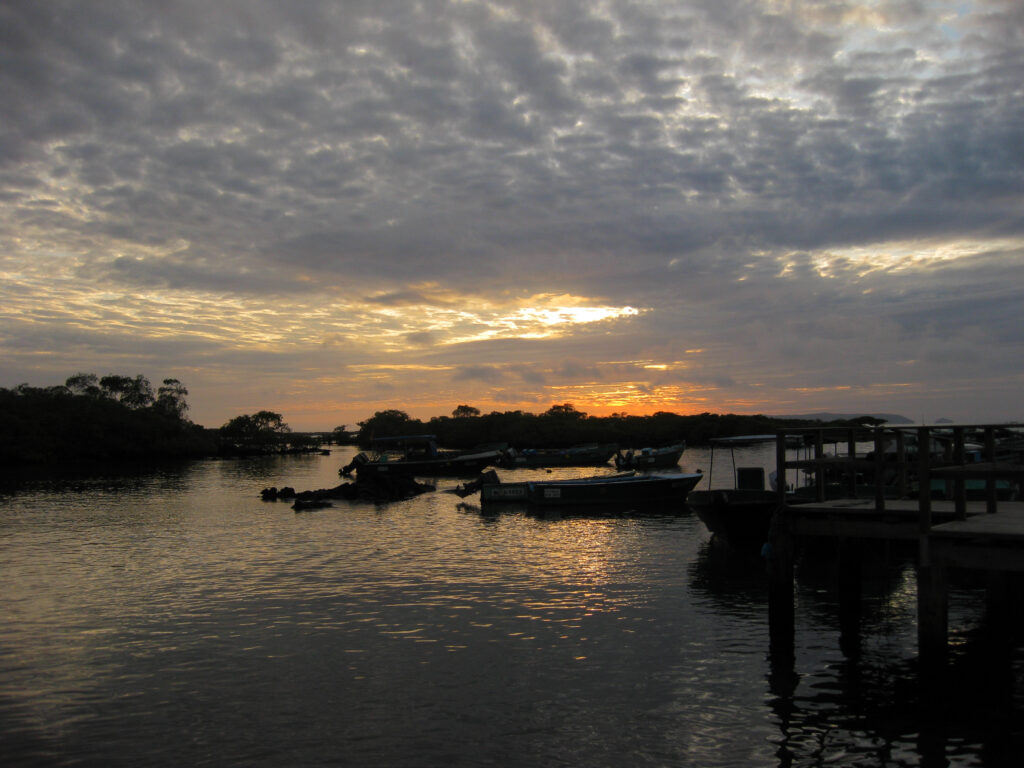
On Isabela Island, right next to the main dock in Puerto Villamil, lies Concha de Perla. This is a natural, shallow bay protected by a reef of volcanic rock, creating a calm pool that is perfect for snorkelling. Access is via a charming wooden boardwalk that snakes through the mangroves, where you will almost certainly have to step over a few sleeping sea lions who consider the path their personal lounge.
Because it is accessible at any time without a boat or a guide, Concha de Perla is the ultimate hidden gem for the independent traveller. The water is teeming with life; you can swim alongside schools of tropical fish, sea turtles, and even the occasional Galápagos penguin. If you are lucky, a young sea lion might decide to join you for a swim, spinning and diving with incredible agility. It is a fantastic spot to practice your snorkelling skills or simply enjoy the underwater beauty of the islands at your own pace, without the pressure of a group tour.
The Ecuadorian Coast.
Where you’ll find the very best food
Discovering the archipelago from the saddle
The Galápagos Islands offer a unique landscape for those who enjoy exploring on two wheels. While the National Park protects the majority of the land, the inhabited areas and their surrounding zones provide some exceptional cycling opportunities that allow you to cover more ground than walking while remaining fully immersed in the environment.
On Santa Cruz, a brilliant day trip involves taking your bike from Puerto Ayora and heading north into the highlands. Within 20 kilometres, you can reach the villages of Bellavista and Santa Rosa. These areas are far less touristy and offer a glimpse into the local agricultural life of the islands. You can visit several independently owned tortoise ranches where these prehistoric giants roam through open pastures. The ride back to town is a long, exhilarating descent that offers spectacular views of the coastline.
On Isabela, the flat coastal tracks are perfect for a relaxed afternoon. The ride to the Wall of Tears, mentioned earlier, is roughly a 12-kilometre round trip and is one of the most scenic paths in the islands. You can also detour to the Arnaldo Tupiza Tortoise Breeding Centre, which is within easy cycling distance of Puerto Villamil.
For those looking for a longer local day trip, consider cycling to the various wetlands and Mirador de Orchilla for a bird’s-eye view of the island. These routes allow you to experience the Galápagos with the wind in your face and the freedom to stop whenever a giant tortoise or a strange bird catches your eye.
Travel by bike allows you to be a participant in the landscape rather than a mere observer from a bus window. It aligns perfectly with the independent spirit of the islands, giving you the autonomy to find your own hidden gems and create a journey that is uniquely yours.
Frequently asked questions about the Galápagos Islands’ hidden gems
Absolutely. While the National Park areas are strictly protected, the inhabited islands of Santa Cruz and Isabela have excellent routes. Cycling allows you to reach spots like the Wall of Tears or the highland tortoise farms at your own pace, covering more ground than walking while staying far more connected to the environment than you would in a taxi or bus.
The beauty of the locations mentioned—such as Concha de Perla and Laguna las Ninfas—is that they are situated within the open zones of the islands. This means you can visit them independently without the mandatory National Park guide required for more sensitive or remote offshore sites.
In the Galápagos, animals have the right of way. At spots like Concha de Perla, sea lions frequently nap on the boardwalks. The rule is simple: maintain a respectful distance (usually two metres), move slowly, and if a path is blocked, wait or carefully step around them without causing a disturbance.
Generally, no. Spots like Playa El Garrapatero are prized for being undeveloped. Independent travellers should pack sufficient water, sun protection, and snacks. Always follow the pack it in, pack it out philosophy to protect these delicate ecosystems.
Because you aren’t tied to a cruise itinerary, aim for the golden hours. Visiting Laguna las Ninfas in the early morning or heading to the Wall of Tears in the late afternoon not only provides better light for photography but also ensures you miss the small windows when day-trip groups might cycle through.
The ride from Puerto Ayora to the highlands of Santa Cruz is a steady 20-kilometre climb. It requires a decent level of fitness, but the reward is a cooling change in temperature and a thrilling, downhill freewheel on the return journey. For those seeking something flatter, the coastal tracks on Isabela are much more relaxed.
Ecuador.
Pure wonder on the equator.