Navigating El Oriente / Essential Amazon tips for first-time travellers
Ecuadorian Amazon tips and practical logistics for independent travellers visiting El Oriente for the first time
Embrace the slow, unpredictable rhythm of the deep rainforest
BEN FINCH
The Amazon basin is a landscape that completely defies standard travel formulas. In Ecuador, this immense wilderness is known locally as El Oriente, stretching from the eastern slopes of the Andes down into the deep lowland rainforest. For the self-reliant explorer who prefers navigating via public buses, long-distance riverboats and local footpaths, the region offers unparalleled opportunities for raw, slow-paced exploration.
However, venturing into one of the most biodiverse environments on earth for the first time requires casting aside conventional holiday planning. It demands an appreciation for fluid schedules, an understanding of complex ecosystems and an independent spirit that values deep local knowledge over rigid checklists.
This guide provides the practical, boots-on-the-ground insights required to navigate the Ecuadorian Amazon successfully on your own terms. We cover everything from choosing the right entry gateway to managing local economic realities, ensuring your first foray into the rainforest is immersive, respectful and entirely self-determined.
The untamed heart of El Oriente
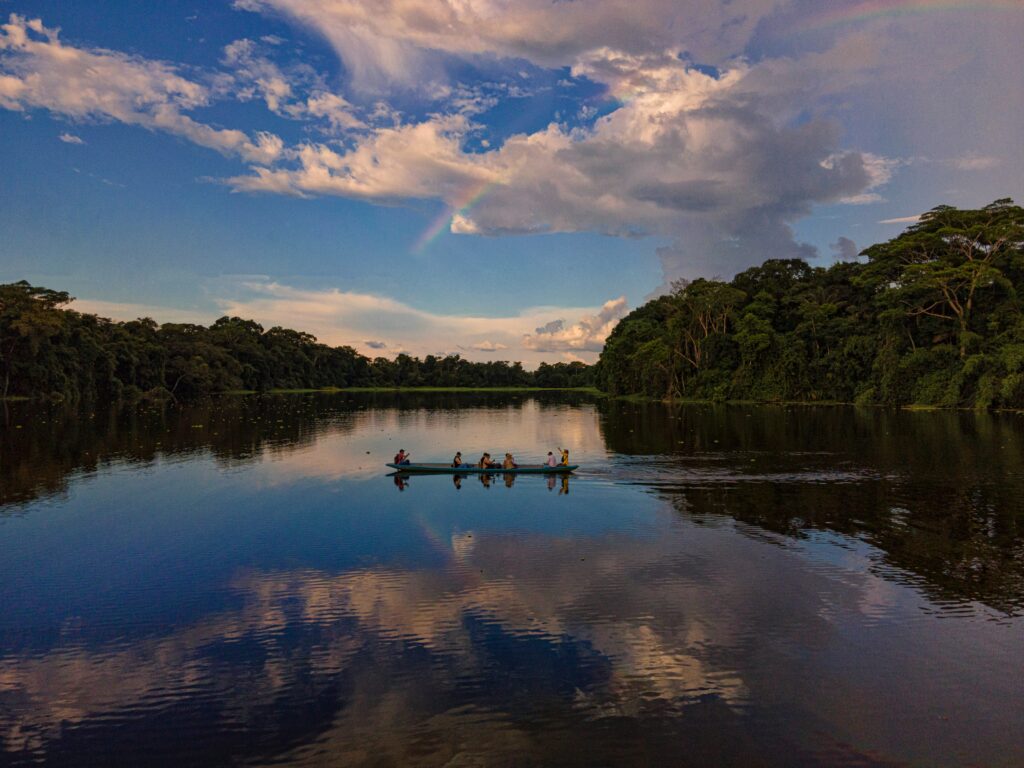
Navigating the immense waterways and dense canopies of the Ecuadorian Amazon independently requires discarding conventional holiday itineraries. We’ll distil the core environmental logistics, cultural nuances, and regional realities essential for self-reliant exploration.
- Cuyabeno Flooded Networks: A pristine reserve of blackwater lagoons and flooded forest systems accessed via Lago Agrio, offering high-density wildlife viewing closely bound to winding waterways
- Yasuní Pristine Wilderness: A colossal UNESCO Biosphere Reserve, reached from El Coca, ideal for deep-forest trekking and supporting community-owned indigenous conservation initiatives
- Tena Adventure Fringe: A swift four-hour bus ride from Quito into the Andean foothills, celebrated for spectacular whitewater rafting, cave networks, and secondary forest trails
- Hydrological Seasons: Choosing between the drier trail trekking of July to November and the high-water flooded canopy navigation of December to June completely reshapes local transit
- Fractional Cash Economy: The absolute necessity of carrying low-denomination currency banknotes, as remote communities and local transport operators cannot provide change for larger bills
- Synthetic Fabric Strategy: Banishing cotton items in favour of lightweight, quick-drying, long-sleeved technical synthetics to shield against intense humidity and relentless forest insects
- Culinary Heritage: Experiencing genuine regional gastronomy by tracking down independent local venues serving maito, which is fresh river fish smoked slowly over charcoal inside bijao leaves
The Ecuadorian Amazon.
The most biodiverse place in the world
Choosing your gateway / The three hubs
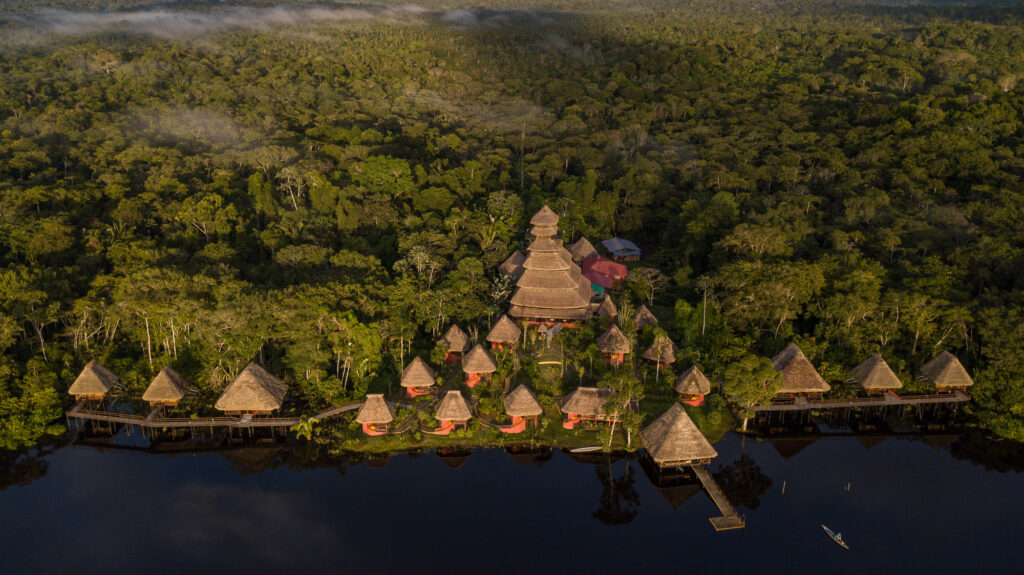
Independent travellers heading into the Ecuadorian rainforest generally choose between three main geographic launchpads. Each offers a fundamentally different style of transit, budget reality and environmental experience.
Cuyabeno Wildlife Reserve via Lago Agrio
Situated in the north-eastern corner of Ecuador, the Cuyabeno Wildlife Reserve is an intricate network of pristine blackwater rivers, dense standing forest and permanent lakes. To reach this area independently, you can take a local long-distance bus from the main terminal in Quito to the oil hub of Lago Agrio – a journey that winds through dramatic Andean contours over roughly seven hours. From Lago Agrio, public or shared shuttle transport takes you to El Puente de Cuyabeno, the literal bridge where the road stops and the river takes over.
Cuyabeno is highly regarded by independent explorers because its specific geography – characterised by flooded forest systems known as igapó – forces wildlife closer to the waterways. This makes it exceptionally rewarding for spotting pink river dolphins, caimans, hoatzins and multiple species of primates without needing to trek deep inland on foot. Because the logistics here are well-established, it remains one of the most cost-effective options for a profound wilderness experience.
Yasuní National Park via El Coca
Further south sits Yasuní National Park, a colossal UNESCO Biosphere Reserve widely recognised as one of the most biologically dense pockets of land on the planet. The gateway to Yasuní is Puerto Francisco de Orellana, universally referred to by locals simply as El Coca. You can access El Coca via a direct, reliable public bus route from Quito, crossing the outer ridges of the Andes before descending into the warm lowlands.
Yasuní is best suited for travellers seeking an expansive, ancient forest ecosystem. Exploration here typically involves navigating the massive, silt-heavy waters of the Napo River by public motorised canoe before branching off into smaller, quieter tributaries. Outstanding community-owned tourism initiatives operate within the park boundaries. These projects allow self-reliant travellers to support local land stewardship directly, keeping tourism revenues within ancestral territories rather than diverting them to international travel corporations.
Tena and Misahuallí / The foothill access
For travellers operating on a strict schedule or a modest budget, the towns of Tena and Puerto Misahuallí offer immediate, friction-free access to the Amazonian fringe. Located in the Andean foothills, Tena is an easy four-hour bus ride from Quito, making it an excellent stopover for those moving independently across the country.
While the surrounding forest here consists mostly of secondary growth and lacks the raw wildlife density of the deep eastern reserves like Yasuní, the region compensates with magnificent terrain. Tena is widely celebrated as the adventure capital of the Ecuadorian rainforest, offering spectacular whitewater rafting, kayaking and extensive cave networks. Nearby Misahuallí, located at the junction of the Misahuallí and Napo rivers, retains a rustic charm where local capuchin monkeys roam the sandy beach areas alongside independent backpackers.
The Ecuadorian Sierra.
Get lost in the hills
Amazonian gateways at a glance
| Gateway Region | Primary Access Town | Key Environmental Feature | Ideal Traveller Profile |
| Cuyabeno Reserve | Lago Agrio | Flooded blackwater forests and permanent lagoons | Wildlife enthusiasts seeking high-density sightings on a budget |
| Yasuní National Park | El Coca | Massive river tributaries and primary, ancient rainforest | Deep-wilderness explorers focused on conservation and biodiversity |
| Tena & Misahuallí | Tena | Andean foothill rivers and extensive cave networks | Active travellers seeking whitewater sports and fast transport links |
Weather quirks and seasonal microclimates
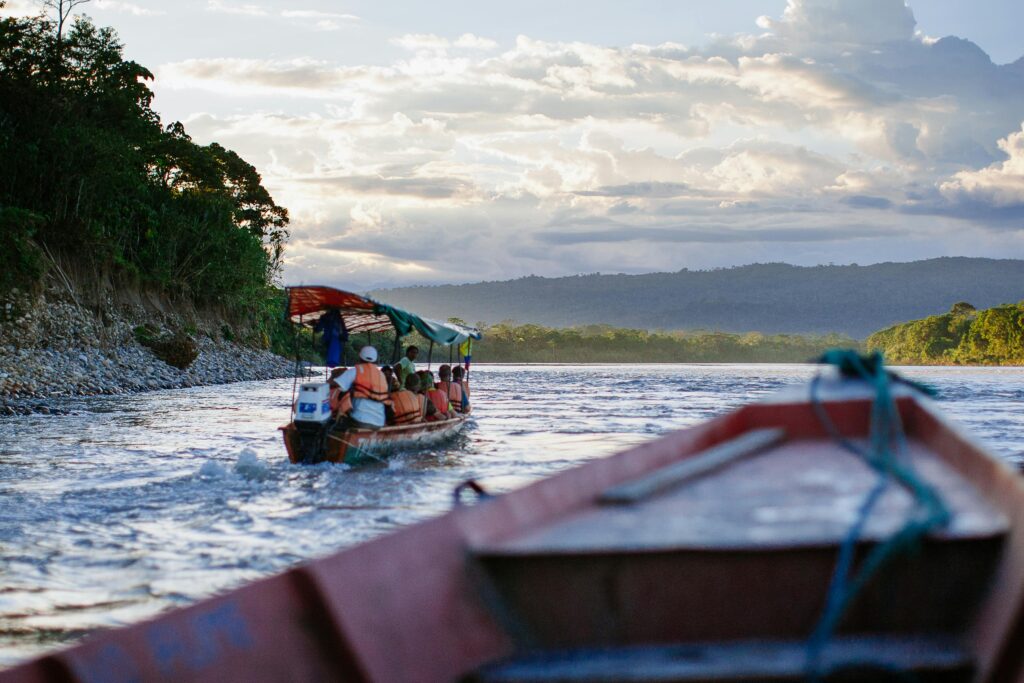
One of the most frequent mistakes a first-time visitor makes is applying traditional tropical seasonal logic to El Oriente. Rainforest weather is inherently volatile, and the equator ensures that rain is a constant feature throughout the calendar year. However, the region undergoes two distinct hydrological phases that drastically alter how you move through the landscape.
The drier months / July to November
While it still rains frequently, this period sees a noticeable reduction in total precipitation. For the independent trekker, the advantages are obvious: forest trails are less swampy, mud is more manageable and foot exploration deep into the primary forest is vastly easier. However, lower rainfall means river levels drop significantly. Navigating narrow channels via motorised canoe becomes challenging, and some remote lagoons can dry up completely, limiting water-based wildlife viewing.
The wet season / December to June
This period brings powerful, daily afternoon downpours that can temporarily halt transport. Yet, for many seasoned naturalists, this is the prime time to visit. The rising rivers flood the surrounding forest floors, creating vast aquatic pathways. This allows low-impact paddle canoes to glide silently through the upper canopy level, bringing you eye-to-eye with sloths, iguanas and nesting birds that are completely unreachable from the ground during the dry months.
Furthermore, travellers should note that the Andean foothills around Tena behave differently from the deep lowlands. The proximity to the mountains creates cool, breezy nighttime microclimates. First-timers who expect a relentless, suffocating heatwave are often caught off guard by the brisk evening air, making a lightweight jacket or fleece an essential item in an independent packing list.
The Galápagos.
Ecuador’s Enchanted Isles
The realities of independent logistics
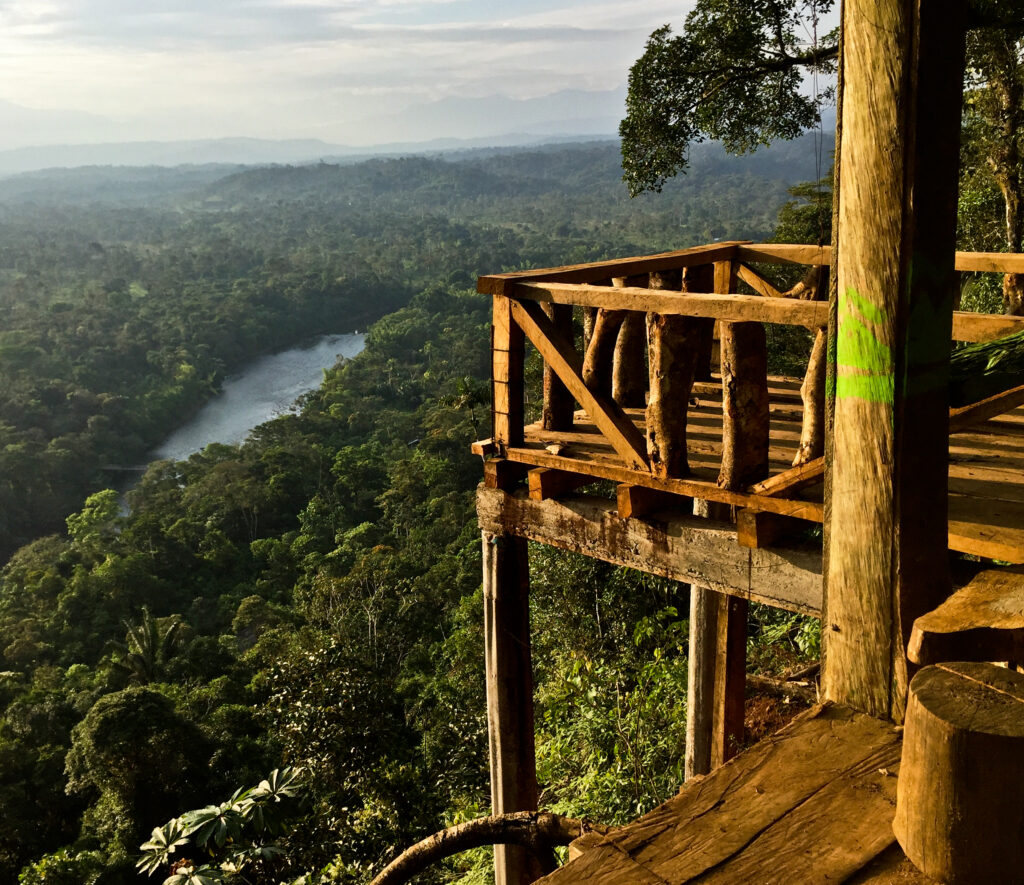
True independence in travel requires anticipating structural friction before it compromises your journey. When entering El Oriente, three distinct logistical elements demand meticulous preparation.
The cash economy and small denominations
Ecuador utilises the United States dollar as its official currency. While credit cards are widely accepted in major metropolitan hubs like Quito or Cuenca, the Amazon basin runs almost exclusively on cash. Once you pass the primary gateway towns of Lago Agrio, El Coca, or Tena, digital payment systems disappear completely.
More importantly, local community guides, small family-run diners and independent canoe operators simply cannot provide change for large banknotes. If you attempt to pay for a river crossing or a local meal with a 50- or 100-dollar bill, you will cause significant logistical stress. Before departing your main city base, visit a banking centre to break your funds down into five, 10 and 20-dollar notes. Keep this cash protected in a waterproof pouch close to your person.
The cotton pitfall
The extreme humidity of the lowlands means that traditional travel fabrics fail spectacularly. Cotton is an absolute liability in the rainforest; it absorbs environmental moisture and perspiration rapidly, takes days to dry in the humid air and inevitably leads to painful skin chafing.
Your packing strategy must prioritise lightweight, synthetic, moisture-wicking fabrics. Long-sleeved shirts and technical trousers are mandatory, not just for moisture management, but to provide a mechanical barrier against biting insects like chiggers and mosquitoes. Always pack multiple pairs of synthetic socks, and ensure your footwear is breathable. Many independent eco-lodges provide heavy rubber boots for trail walking, so your primary footwear should focus on quick-drying camp shoes for the evenings.
The hidden transit times
A common miscalculation among first-timers is treating the gateway towns as the final destination. Reaching the true heart of the Amazon involves a multi-tiered transport sequence that can consume an entire day of travel.
For example, arriving at a remote lodge or community camp in Cuyabeno means coordinating a bus to Lago Agrio, a subsequent overland shuttle to the river station and a final two-hour journey downriver in a narrow motorised canoe. Independent travellers must factor these extended transit times into their itineraries, ensuring they do not plan onward travel on the same day they emerge from the deep forest.
Regional gastronomy / Beyond the standard fare
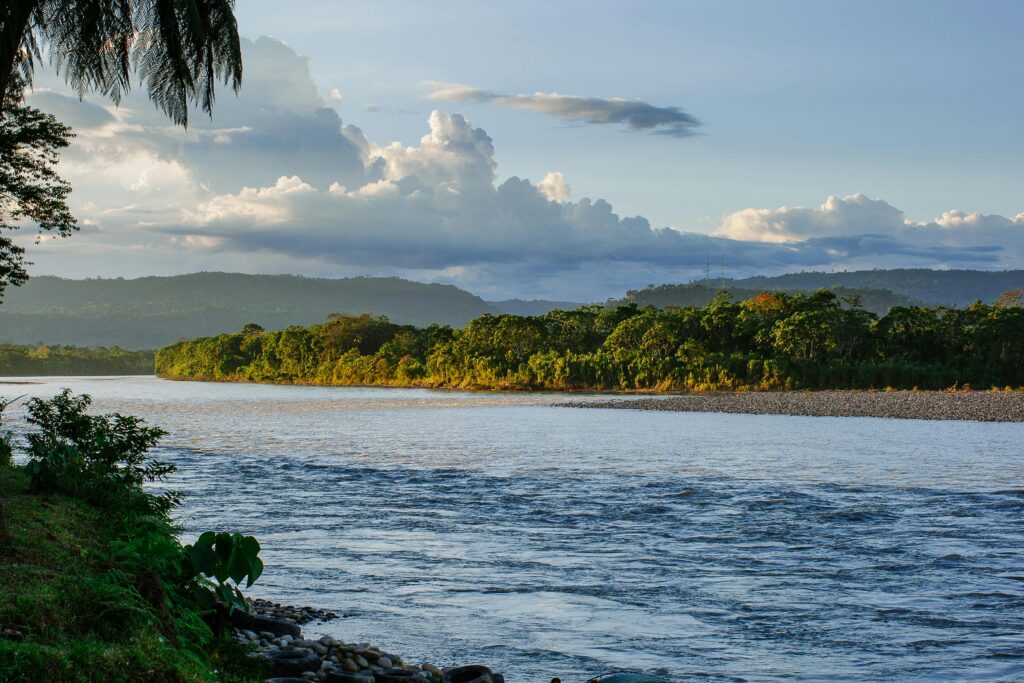
Exploring El Oriente independently opens up access to traditional Amazonian culinary practices that rarely make it to the menus of major city restaurants. Rather than seeking out familiar international chains, look for small, independent spots in the gateway hubs that serve genuine regional dishes.
One of the most celebrated local traditions is the maito. This dish consists of fresh river fish, typically tilapia or catfish, seasoned with local herbs, wrapped tightly in bijao leaves and grilled slowly over open charcoal fires. The leaf seals in the moisture and imparts a delicate, smoky, earthy flavour. In Tena, visiting an independent local venue like La Fogata provides an authentic taste of this preparation alongside traditional sides like boiled yuca and fried plantains.
For the adventurous independent traveller, local markets often feature chontacuros – nutritious palm grubs that are skewered and roasted until the skin becomes crispy. Pair these dishes with chicha de yuca, a traditional fermented beverage that serves as a staple of hospitality across Amazonian communities. Experiencing these unique flavours is a fundamental part of gaining a deep, unvarnished knowledge of the region.
The Ecuadorian Coast.
Where you’ll find the very best food
Cultural etiquette and indigenous territories
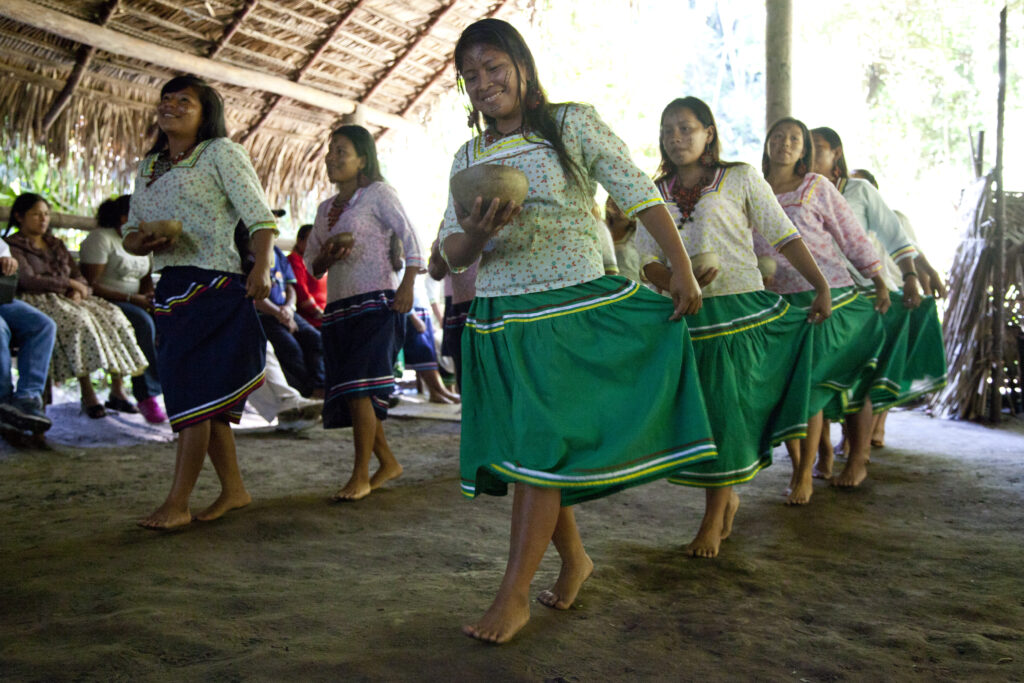
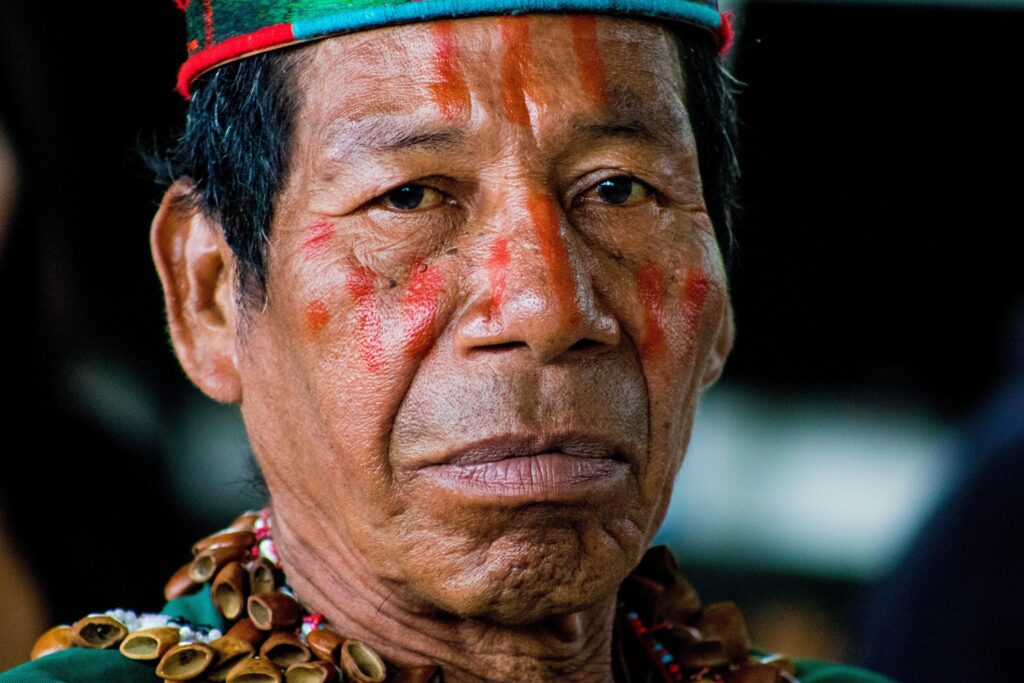
The Ecuadorian Amazon is not an unpeopled wilderness; it is the ancestral homeland of several distinct indigenous nations, including the Kichwa, Waorani, Shuar, Secoya and Siona. Many of the most rewarding areas for independent exploration sit squarely within communal territories.
When interacting with local communities, respect must form the foundation of every encounter. Always secure explicit verbal permission before photographing community members, particularly children. It is vital to recognise that local guides are not merely service workers; they are highly skilled environmental technicians possessing centuries of generational knowledge about the forest ecosystem. Listening closely to their instructions regarding trail safety and wildlife boundaries is paramount.
By choosing to stay at community-run eco-lodges or hiring independent local guides directly at the river hubs, you ensure that your financial footprint directly supports indigenous self-determination and forest conservation. This approach completely bypasses large corporate tour operators, aligning perfectly with the ethos of mindful, autonomous travel.
Frequently asked questions about the Ecuadorian Amazon
Autonomous transit relies on a multi-tiered journey. Travellers first take long-distance public buses from Quito across the Andes down to gateway hubs like Lago Agrio or El Coca. From these outposts, you board motorised public canoes to travel hours down major river tributaries before moving to smaller paddle canoes to reach remote eco-lodges or community camps.
Tena and the nearby riverside village of Puerto Misahuallí are the most accessible entry points, requiring a straightforward four-hour bus journey from the capital. While the surrounding secondary forest lacks the raw, high-density wildlife of the remote eastern reserves, the area provides excellent low-cost opportunities for caves, whitewater rafting, and forest trekking.
The extreme humidity of the Amazon lowlands ensures that cotton fabrics absorb ambient moisture and sweat without ever drying out. Wearing damp cotton garments for extended periods leads to severe skin chafing and general discomfort, making lightweight, moisture-wicking synthetic clothing an absolute necessity.
The entire Amazon basin operates almost exclusively on a cash economy using the US dollar. Digital payment systems do not exist past the primary gateway towns. Furthermore, independent operators, local diners, and riverboatmen cannot change large notes, meaning travellers must stock up on five, ten, and twenty-dollar bills before leaving major municipal hubs.
A maito is a signature Amazonian culinary dish consisting of fresh river fish, usually catfish or tilapia, seasoned with native herbs and wrapped tightly within bijao leaves before being grilled slowly over open charcoal. Independent explorers can experience this authentic dish at small, locally owned restaurants in primary transport hubs like Tena.
A vast portion of the protected rainforest sits within the ancestral territories of nations such as the Kichwa, Waorani, and Siona. Travellers should treat local guides as highly skilled environmental experts, strictly follow safety instructions on the trails, and always secure explicit verbal permission before taking photographs of community members.
Ecuador.
Pure wonder on the equator.