The pulse of the Pacific / A comprehensive safety guide to the Ecuadorian Coast
Comprehensive safety advice, crime statistics, and travel tips for the Ecuadorian coastal region in 2026
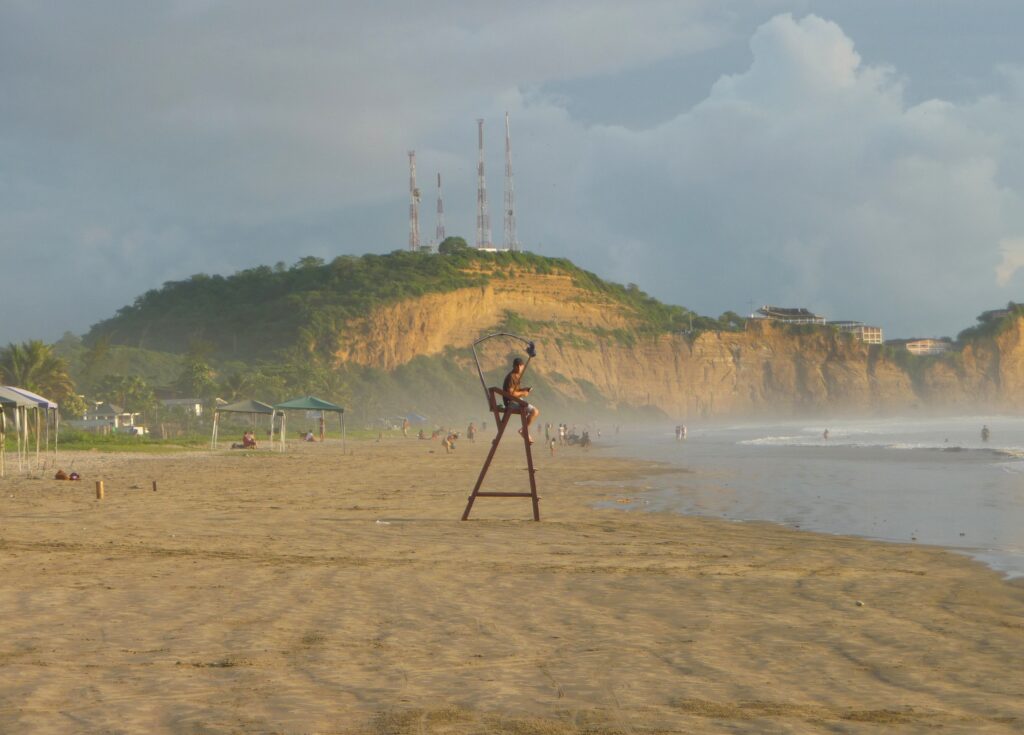
Sunshine, salt air, and the security savvy you need for the coast
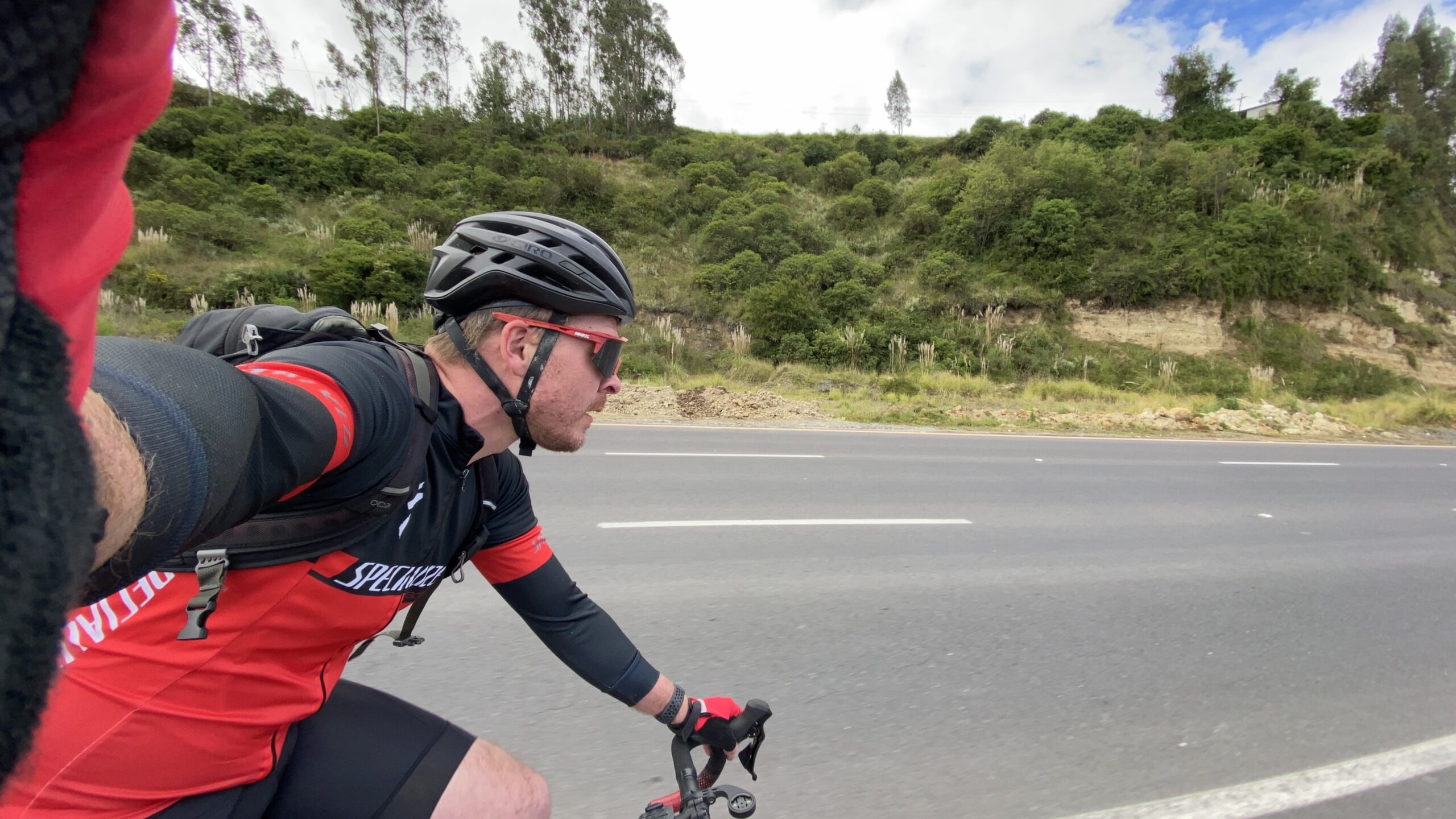
BEN FINCH
The Ecuadorian Coast is a region of stark contrasts. On one hand, you have the rhythmic pulse of the Pacific, world-class surf breaks, and some of the finest seafood in South America. On the other hand, the region is currently navigating a complex security landscape that demands respect and preparation.
As of early 2026, the Ecuadorian government has maintained a state of emergency across several coastal provinces to combat internal armed conflict linked to organised crime.
At Wheely Tyred, we believe that the best journeys start with a clear understanding of the terrain—both the physical roads and the social environment. This guide provides the essential intelligence needed to navigate the coast with confidence.
The pulse of the Pacific / Grit and grace
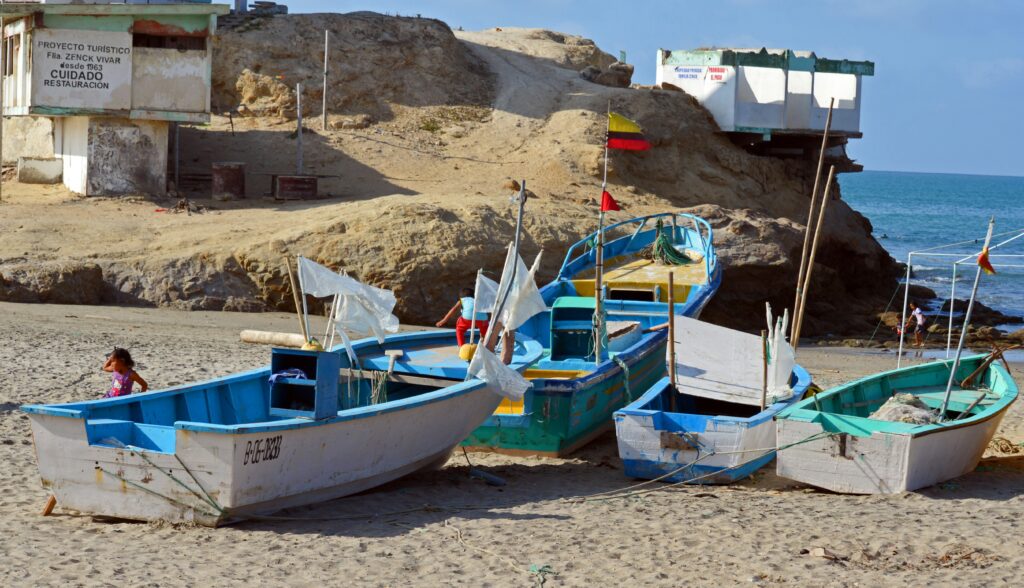
The Ecuadorian coastline is a landscape of profound depth, where world-class swells meet a complex social reality. For the independent traveller, success lies in the details—knowing when to push forward and when to seek the safety of a local tienda.
- State of Play: Recognising that while a state of emergency exists in coastal provinces, the increased military presence is a strategic effort to stabilise key transit hubs and tourist zones
- The Spondylus Circuit: Navigating the iconic coastal highway requires a daylight-first rule, ensuring cyclists reach their destination well before the 3 pm safety window begins to close
- Guayaquil Navigation: Moving through the nation’s commercial heart by sticking to secure pockets like Puerto Santa Ana and strictly avoiding street-hailed taxis in favour of tracked apps
- The Decoy Strategy: Carrying a secondary, lower-value phone for public navigation while keeping primary devices and sensitive data tucked away in internal pockets
- Coastal Micro-Climates: Staying alert to regional differences, from the vibrant but high-risk border zones of Esmeraldas to the surf-centric but opportunistic atmosphere of Montañita
- Vigilant Transit: Protecting gear on long-distance buses by keeping daypacks on one’s lap, a simple but effective defence against common terminal-based bag-slashing
- Seismic Awareness: Understanding the physical landscape by identifying green tsunami evacuation signs and respecting the intensity of the equatorial sun
The Ecuadorian Coast.
Where you’ll find the very best food
Ecuador’s current security climate: An overview
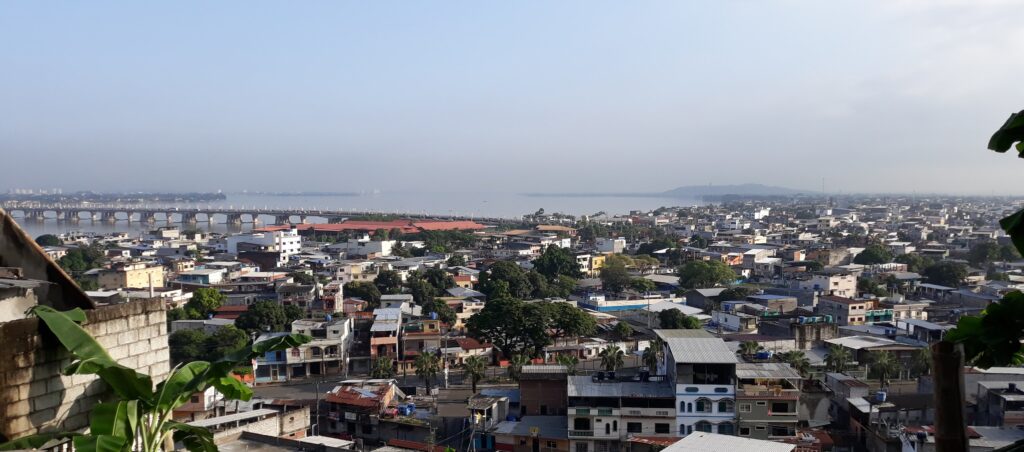
To understand safety on the coast today, one must acknowledge the shift in Ecuador’s security profile over the last few years. The country, once considered a peaceful oasis between Colombia and Peru, has seen a rise in violent crime primarily driven by its strategic importance as a transit point for international trade. The deep-water ports along the coast, particularly in Guayaquil, Manta, and Esmeraldas, are central to this dynamic.
In April 2026, the Foreign, Commonwealth & Development Office (FCDO) and other international bodies continue to advise against all but essential travel to most coastal provinces, including Esmeraldas, Manabí, Santa Elena, Guayas, El Oro, and Los Ríos. This is due to a sustained increase in homicide rates and incidents of violent crime. For instance, the city of Babahoyo in Los Ríos province recorded staggering figures in 2025, with approximately 166 homicides per 100,000 inhabitants. Guayaquil remains in the top ten most violent cities globally.
However, for those whose travel is essential or for experienced adventurers who choose to visit specific tourist hubs, the reality on the ground often involves a heavy but reassuring military and police presence. The state of emergency means that security forces have broader powers, and while this may involve occasional checkpoints or curfews, it is designed to stabilise the very areas travellers wish to visit.
Regional breakdown / Where to exercise maximum caution
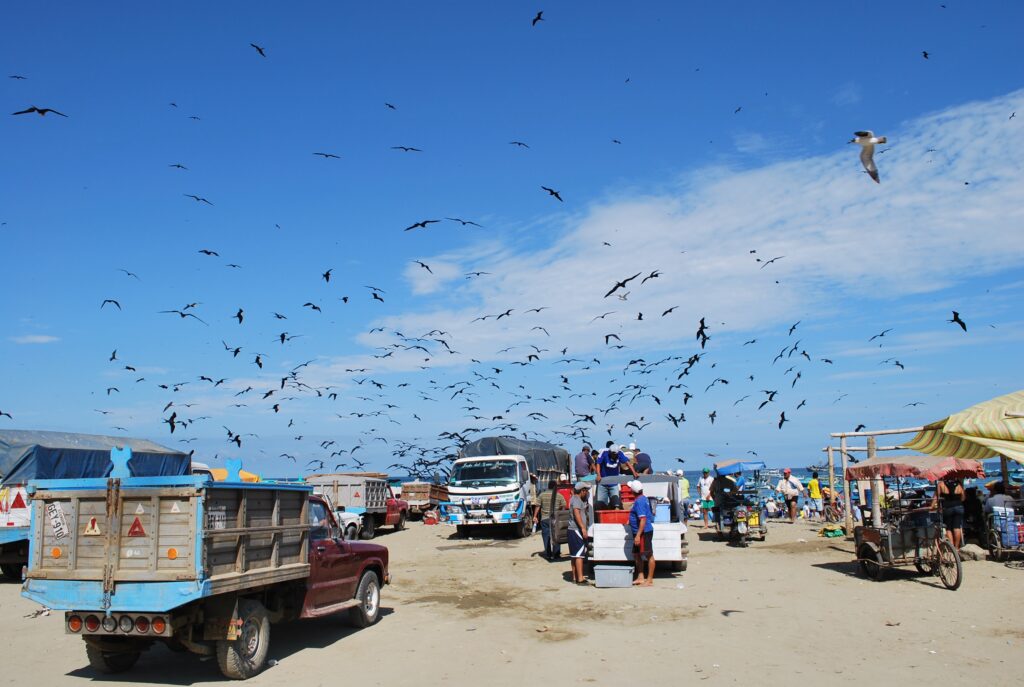
Safety is not uniform across the coast. It is highly localised, often varying from one neighbourhood to the next.
Guayaquil and Guayas
Guayaquil is the commercial heart of the country and the primary gateway to the Galápagos. While most travellers only transit through the airport, those staying in the city should stick to the Samborondón or Puerto Santa Ana districts. Areas like the southern port zones and the hills of Durán are currently considered high-risk due to gang activity. It is vital to use pre-booked transfers or reputable ride-hailing apps like Cabify or Uber rather than hailing taxis on the street.
Esmeraldas
The northernmost coastal province, Esmeraldas, shares a border with Colombia and remains the most sensitive region. The FCDO advises against all travel within 20km of the border. While the Afro-Ecuadorian culture here is vibrant and the beaches are stunning, the province has been significantly affected by the spillover of drug-related violence. For most travellers, this region is currently best avoided until the security situation stabilises further.
Manabí and Santa Elena
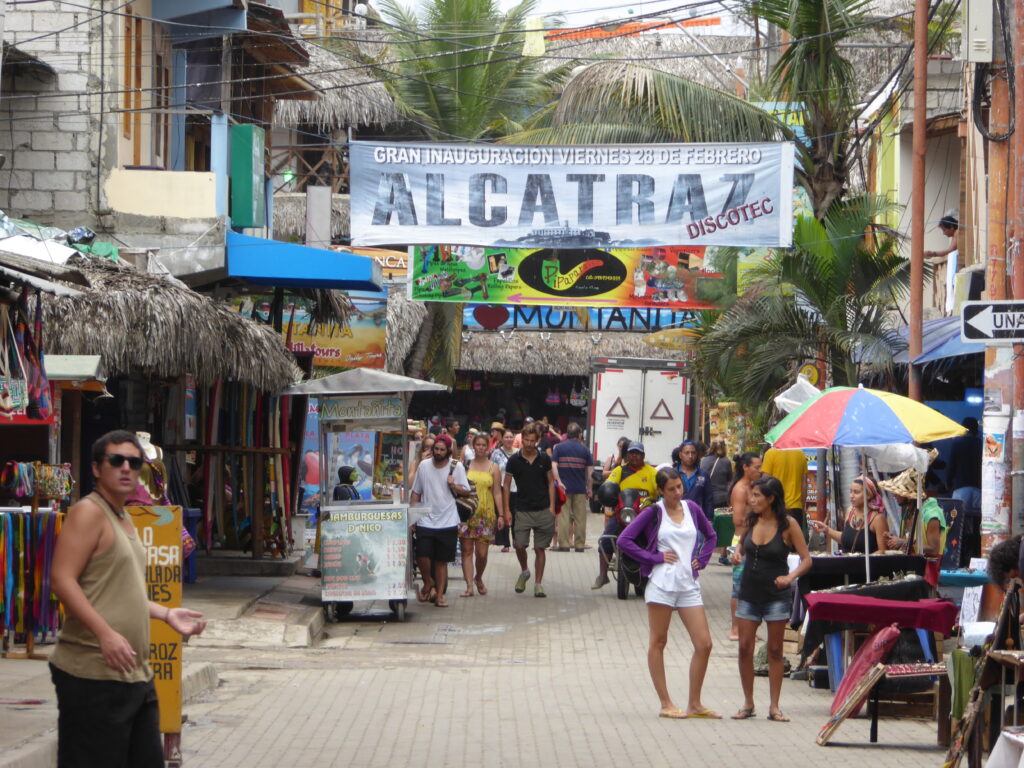
These provinces host popular destinations like Manta, Montañita, and Puerto López. In 2025 and 2026, these areas have seen a rise in crime, but they remain functional for tourism. Montañita, famous for its surfing and nightlife, requires standard street smarts—watch your drink, avoid walking on the beach alone at night, and keep valuables in a hotel safe. Manta, being a major port, has seen higher rates of targeted violence, but the main tourist thoroughfares remain relatively safe during daylight hours.
The Galápagos.
Ecuador’s Enchanted Isles
Safety for solo travellers, women, and minorities
Inclusive travel requires an honest look at social nuances. Ecuador is a diverse country, but the coastal regions have distinct social dynamics.
Solo travellers
The greatest risk for solo travellers is isolation. When you are alone, you are a more tempting target for opportunistic theft. We recommend staying in reputable hostels where you can find travel partners for day trips. If you are cycling the Spondylus Route alone, always ensure your GPS tracker is shared with someone back home and aim to reach your destination well before sunset.
Women travellers
Women travelling the coast will likely encounter machismo, which often manifests as catcalling or unwanted attention in busier towns. While usually not physically threatening, it can be draining.
In 2025, data from the Ministry of Women and Human Rights indicated that while serious crimes against female tourists are statistically low, street harassment remains common. Wearing sunglasses and moving with purpose can often deter unsolicited interactions. It is also wise to avoid the beaches at night, as the lighting is often poor.
While crimes against female tourists are low, violence against Ecuadorian women and girls is high and normalised.
Minority and LGBTQ+ travellers
The coast is home to a large Afro-Ecuadorian population, and generally, travellers of colour find the region welcoming. However, systemic inequalities do exist, and certain areas with high crime rates also happen to be lower-income minority districts.
LGBTQ+ travellers will find that while homosexuality is legal and the coastal cities are becoming more progressive, public displays of affection may still draw unwanted stares in more conservative or rural fishing villages. Discretion is often the best policy in smaller towns.
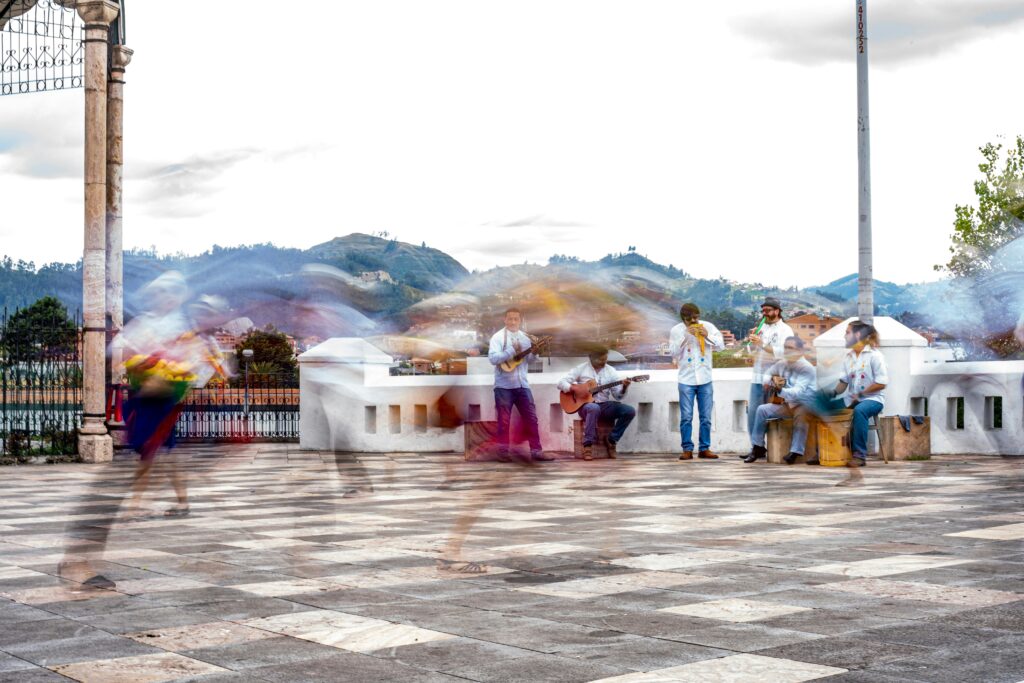
The Ecuadorian Sierra.
Get lost in the hills
The cyclist’s perspective / Riding the Spondylus route
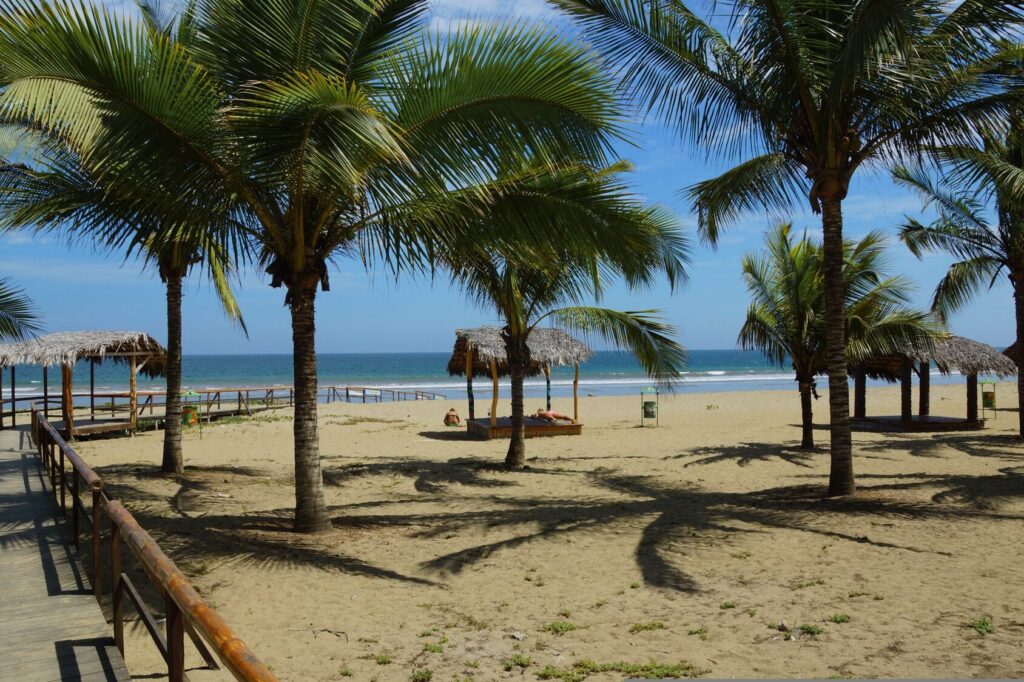
For the Wheely Tyred community, the coastal highway—known as the Ruta del Spondylus—is the primary draw. This road stretches from the northern border down to Peru, offering incredible views of the Pacific.
Safety on two wheels involves two main factors: traffic and security. Coastal drivers can be aggressive, and the hard shoulder is often used by motorbikes or parked vehicles. Always use high-visibility gear and a rear-view mirror. From a security standpoint, the main risk for cyclists is robbery of high-end equipment. If you are riding a bike that looks expensive, you are more visible.
We recommend avoiding the stretches of road between major towns after 3 pm. Most incidents of highway robbery occur during the transition to dusk. If you are approached by someone acting suspiciously, do not hesitate to cycle towards the nearest gas station or tienda (small shop), where people are present.
Practical precautions / Street smarts and logistics

- The Two-Phone Strategy: Carry a decoy phone—a cheaper, older model—for use in public for navigation. Keep your primary smartphone tucked away in a secure, internal pocket
- ATM Safety: Only use ATMs located inside banks or shopping centres during daylight hours. Avoid street-side machines where skimmers or onlookers may be present
- Transport Vigilance: On long-distance buses, never put your valuables in the overhead bins or the hold. Keep your daypack on your lap with your arm through the strap. Bag-slashing is a common tactic in crowded terminals
- Local Intelligence: Talk to your hotel or hostel staff every morning. They will know if there has been a recent surge in activity or if a particular road is blocked due to a paro (strike) or security operation
The Ecuadorian Amazon.
The most biodiverse place in the world
Health and natural hazards
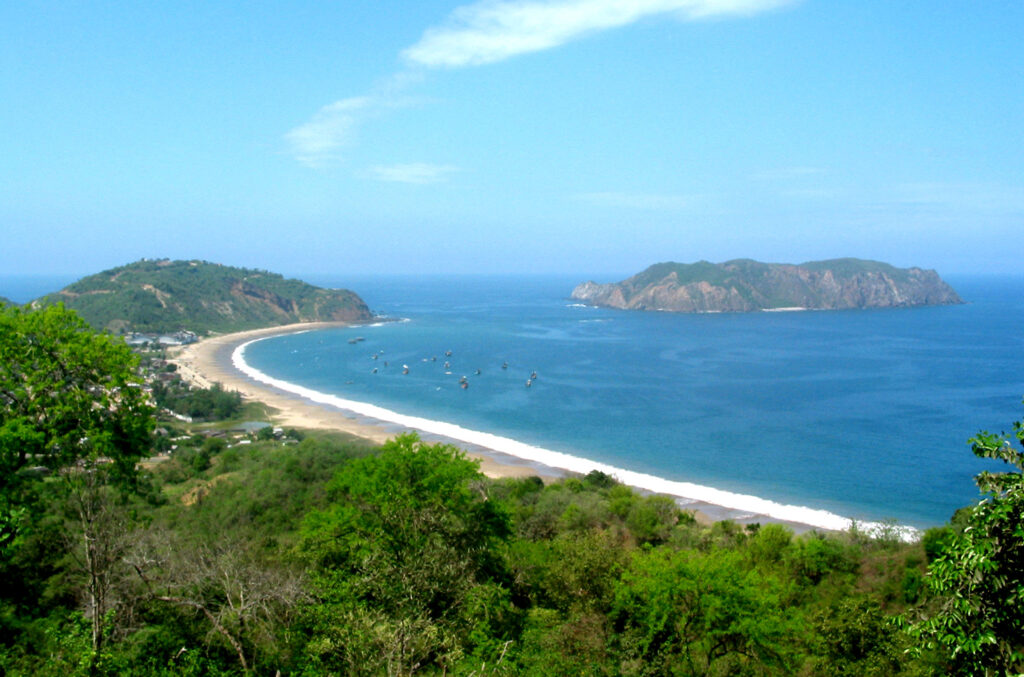
Safety isn’t just about crime. The Ecuadorian coast is a seismic zone. Earthquakes are a reality, and coastal areas carry a risk of tsunamis. Familiarise yourself with the evacuation signs—usually a green sign with an arrow pointing to high ground—whenever you check into a beachside hotel.
Furthermore, the equatorial sun is brutal. Heatstroke and severe sunburn can end a trip faster than a pickpocket. High-SPF sunscreen and constant hydration are non-negotiable. During the rainy season (December to May), the coast can experience heavy downpours leading to landslides on coastal bluffs, which can impact road safety for cyclists.
Travel the coast with eyes wide open

The Ecuadorian Coast remains a destination of profound beauty and cultural richness. However, in 2026, it is a region that requires a high degree of situational awareness and a willingness to adapt plans based on the current security climate.
By staying informed, choosing your locations carefully, and following the lead of the locals, you can still experience the magic of the Pacific Pulse while keeping your safety as the top priority.
Travel safe, and keep those wheels turning.
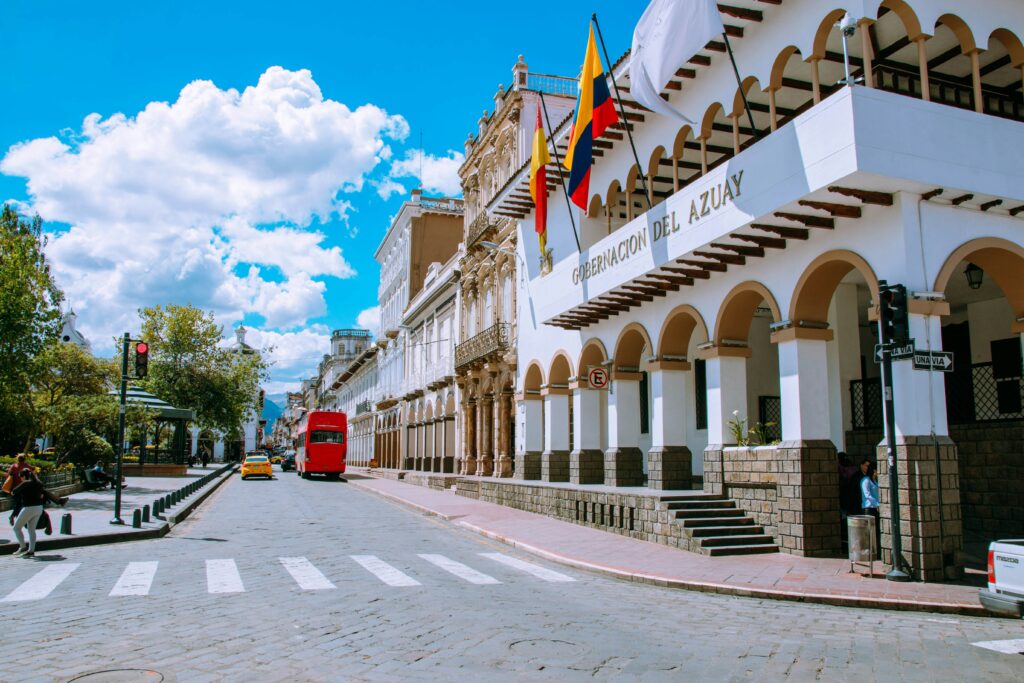
Cuenca.
The Athens of Ecuador
Frequently asked questions about safety on the Ecuadorian Coast
It is possible, but it requires heightened discipline. The primary risk is the theft of high-end equipment. We recommend riding with a GPS tracker shared with a contact back home, wearing high-visibility gear to combat aggressive traffic, and ending your ride by mid-afternoon to avoid the increased risks associated with dusk.
This is a practical tip for urban areas. You carry a cheap, older decoy phone for checking maps or messages in public. Your actual smartphone, which contains your banking apps and personal data, stays hidden in a secure, internal pocket or a hotel safe, reducing your profile as a high-value target.
Avoid street-side ATMs entirely. Only withdraw cash from machines located inside bank branches or secure shopping centres during daylight hours. Always be aware of your surroundings when exiting, as onlookers may target travellers leaving known withdrawal points.
As of early 2026, the northern province of Esmeraldas, particularly within 20km of the Colombian border, remains a high-risk zone due to organised crime. Additionally, certain districts in Guayaquil, such as the southern port zones and Durán, should be avoided by independent travellers.
While serious crime against female tourists is statistically low, you are likely to encounter machismo, often in the form of catcalling. It is best to move with purpose, wear sunglasses to avoid unwanted eye contact, and avoid walking on beaches or in poorly lit areas alone after dark.
For most travellers, it means seeing more military and police checkpoints on major roads. While this might feel intense, it is designed to provide security. You should always carry your passport (or a high-quality colour copy) and be prepared to comply with any temporary curfews that may be enacted in specific municipalities.
Ecuador.
Pure wonder on the equator.