The best things to do in Cuyabeno / A guide to Ecuador’s flooded forest
Discover the top tourist attractions and wildlife hotspots in the Cuyabeno Wildlife Reserve
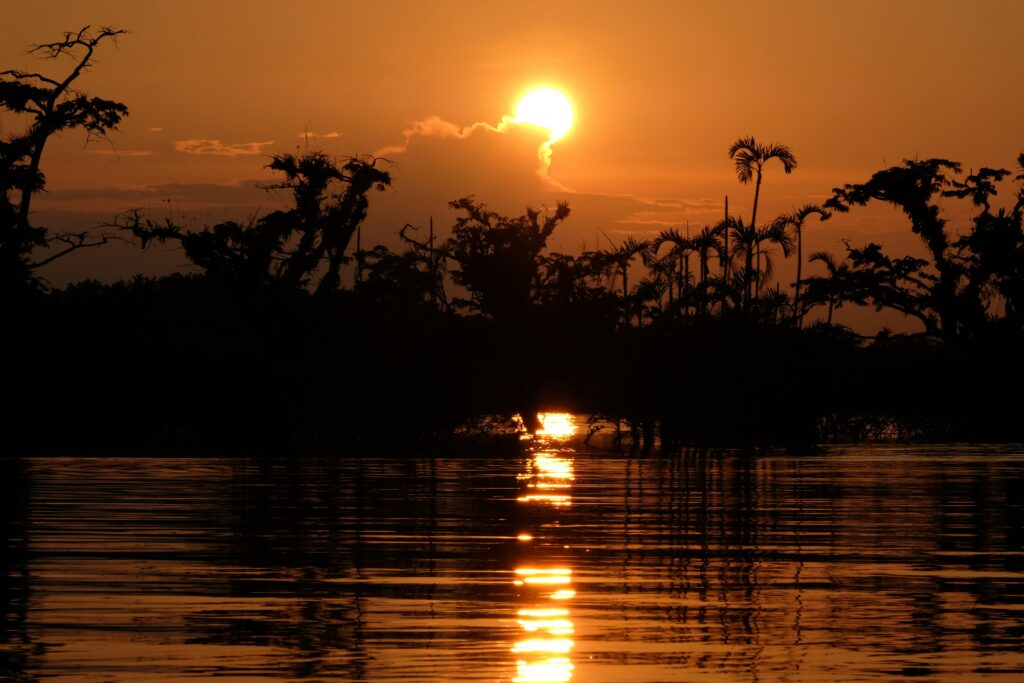
Navigate the tea-coloured waters and ancient canopy of the Amazon’s most enchanting wetland
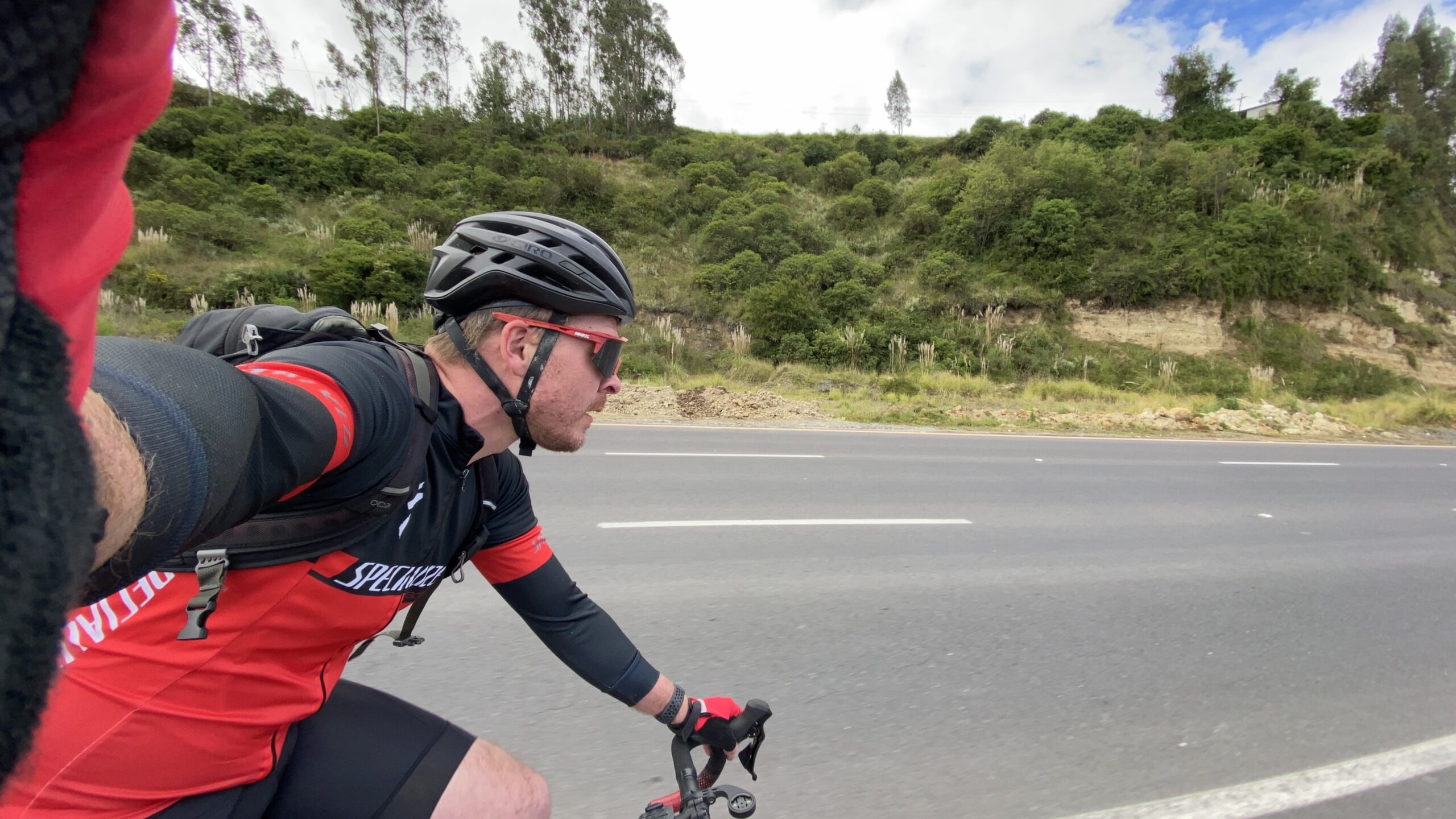
BEN FINCH
At Wheely Tyred, we believe that the best way to understand a landscape is to move through it at your own pace. While the flooded forests of the Cuyabeno Wildlife Reserve are one of the few places where a bicycle might be replaced by a dugout canoe, the spirit of independent exploration remains exactly the same.
Cuyabeno is not your typical Amazonian experience. Unlike the drier terra firme forests found elsewhere in the basin, this is a world defined by water—a sprawling network of blackwater rivers, shimmering lagoons, and trees that spend half the year submerged to their waists.
For the traveller who shuns the follow-the-umbrella group tours and seeks a deeper connection with the environment, Cuyabeno offers a masterclass in biodiversity. Spanning over 600,000 hectares, the reserve is a sanctuary for everything from the prehistoric hoatzin bird to the elusive jaguar.
To help you navigate this complex ecosystem, we have identified the top sights and experiences that define the Cuyabeno experience, ensuring your journey into the heart of the Ecuadorian Oriente is as rich as the soil beneath the canopy.
The flooded mirror of the Amazon
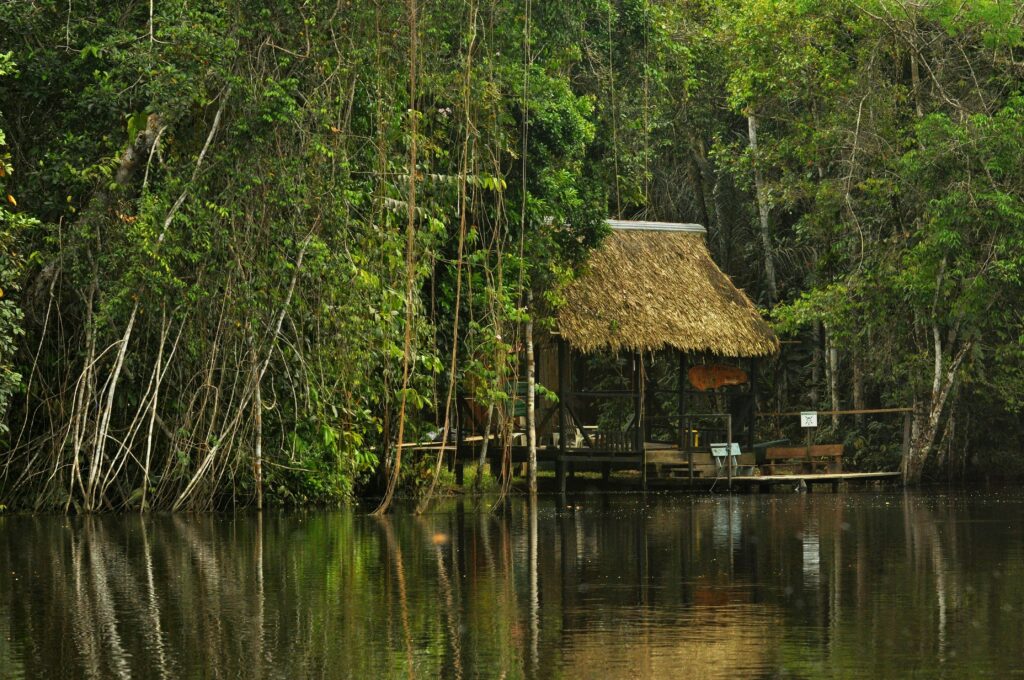
The Cuyabeno Wildlife Reserve is a world where the distinction between land and water dissolves, offering a raw encounter with one of the most biodiverse corners of the planet. It is a destination that demands patience and rewards the observant with a kaleidoscope of prehistoric birds, elusive river mammals, and deep-rooted indigenous traditions.
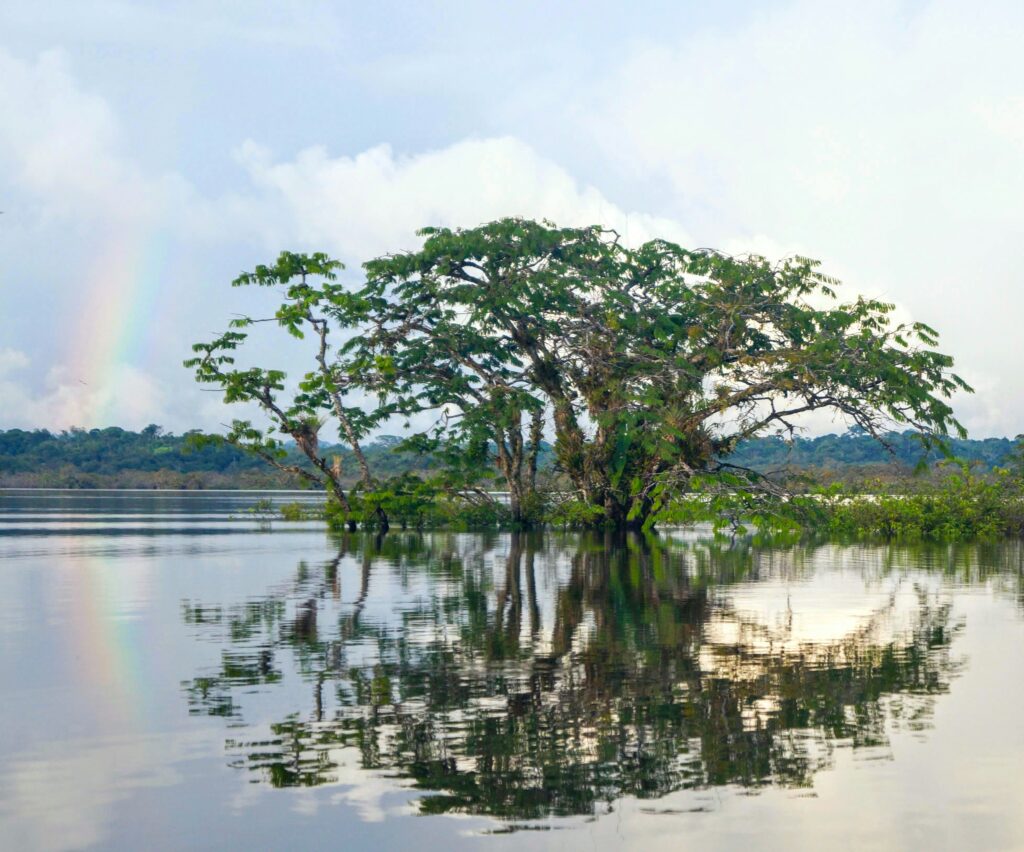
- Laguna Grande: The reserve’s shimmering centrepiece, where ancient macrolobium trees rise from tea-coloured waters, creating a surreal landscape best viewed as the sun dips below the horizon
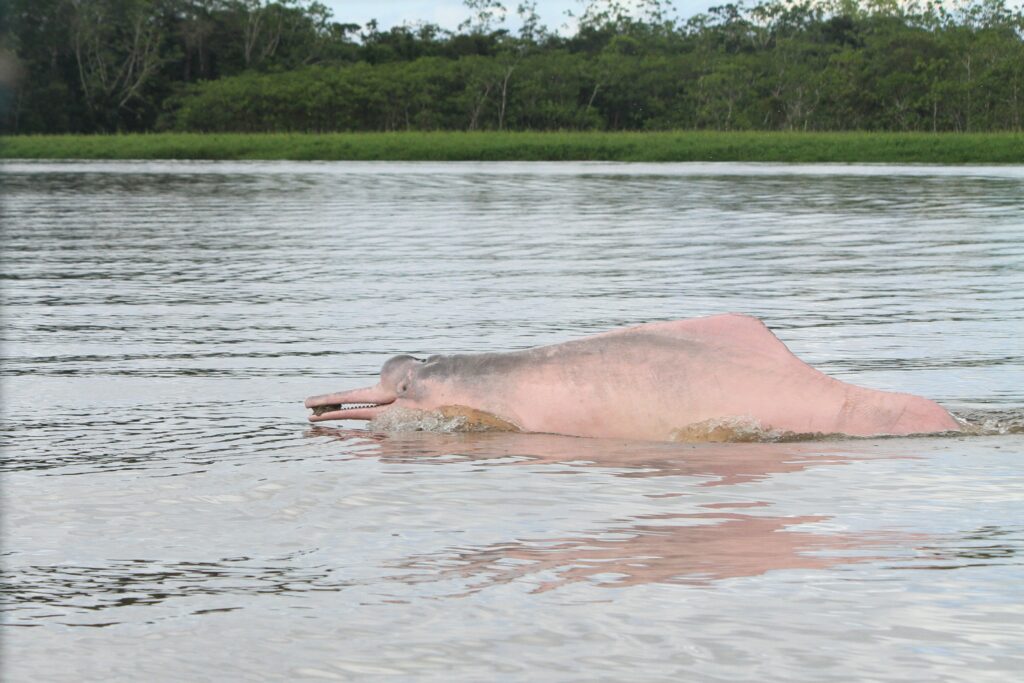
- Pink River Dolphins: These rare, flexible-necked freshwater cetaceans navigate the submerged roots of the Igapó, offering a magical sight for those quiet enough to spot them breaking the surface
- The Siona Community: An authentic gateway to ancestral knowledge, where the preparation of traditional casabe bread offers a grounded lesson in Amazonian survival and culinary heritage
- Canopy Observation Towers: Rising thirty metres above the forest floor, these structures provide a bird’s-eye perspective on the frantic life of the upper canopy, from macaws to harpy eagles
- Nocturnal Expeditions: A sensory shift into the dark, where headlamps reveal the glowing eyes of caimans and the intricate world of the jungle’s most secretive nocturnal hunters
- The Igapó Canals: Labyrinthine waterways that offer a meditative paddle through permanently flooded forests, home to the strange, leaf-eating hoatzin bird
- Gateway Cycling: The urban fringes of Nueva Loja provide a final taste of the Oriente on two wheels, through rehabilitated jungle parks and lakeside trails before the road ends
Cuyabeno Wildlife Reserve.
Explore the Amazon’s flooded forest
1. Sunset at Laguna Grande
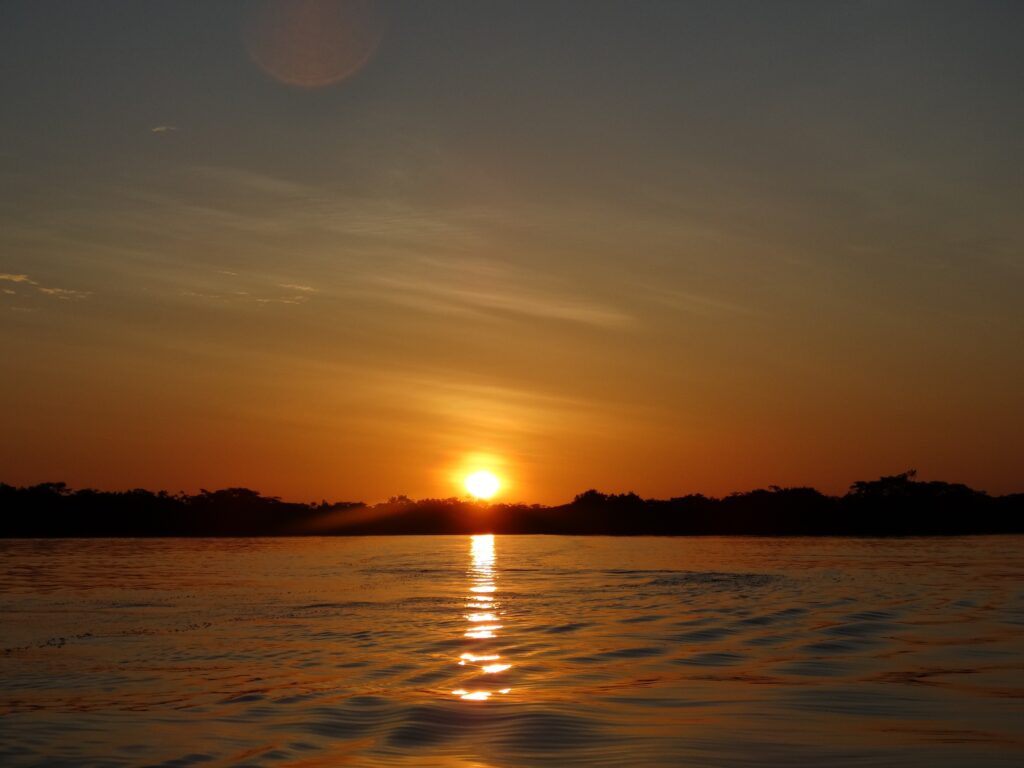
If there is one image that defines Cuyabeno, it is the sunset over Laguna Grande. This vast, mirror-like body of water is the largest of the reserve’s fourteen lagoons and serves as the central hub for most explorations. What makes Laguna Grande truly iconic are the macrolobium trees—ancient, gnarled giants that grow directly out of the water, their branches draped in bromeliads and orchids.
During the rainy season, the water level rises significantly, allowing canoes to glide between the trunks of these flooded forests. As evening approaches, the sky transforms into a palette of bruised purples and fiery oranges, reflected perfectly on the still, tannin-rich surface of the water. It is a moment of profound stillness that captures the sheer scale and beauty of the Amazon. For the independent spirit, it is the perfect spot to sit back and observe the transition from the day’s bird calls to the nocturnal symphony of the jungle.
2. Wildlife spotting on the Cuyabeno River
The journey into the reserve typically begins with a two-hour canoe trip down the Cuyabeno River from the main bridge. For many, this is not just a transfer but one of the primary attractions. Because the river is relatively narrow, wildlife is often visible on both banks simultaneously.
Keep your binoculars ready for the Big Five of the river: monkeys, sloths, toucans, macaws, and the extraordinary pink river dolphins. Unlike their marine cousins, these freshwater dolphins have a flexible neck that allows them to navigate through the submerged roots of the flooded forest. Spotting a flash of rose-pink amidst the dark water is a highlight for any visitor. You are also likely to see various primate species, including the boisterous howler monkeys and the tiny, inquisitive squirrel monkeys, leaping through the riverside vegetation.
The Ecuadorian Amazon.
The most biodiverse place in the world
3. Cultural immersion with the Siona community
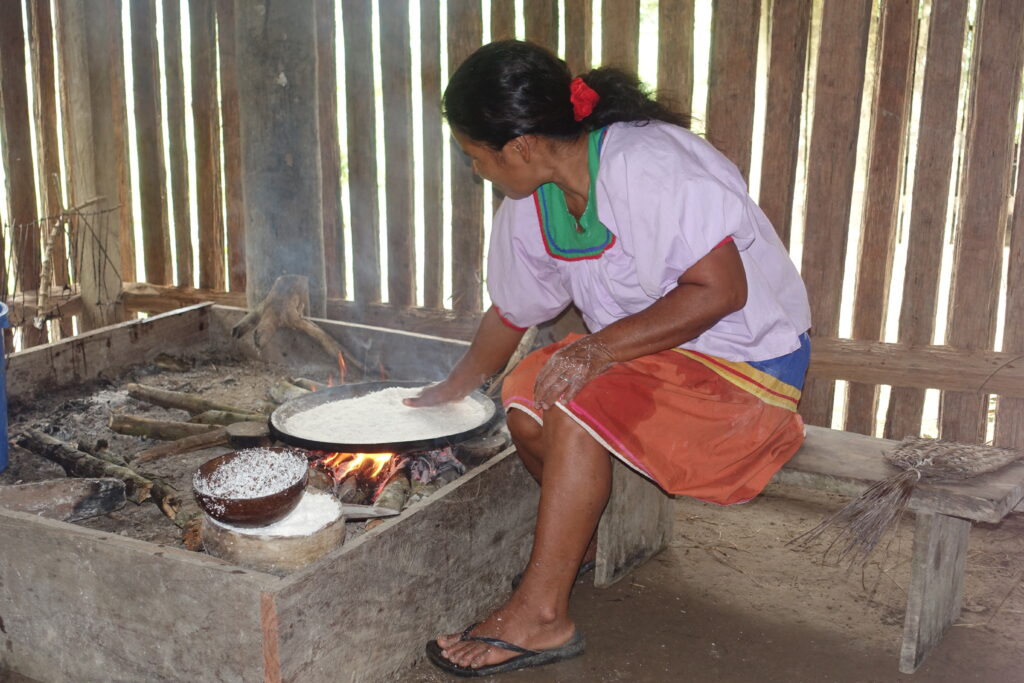
Cuyabeno is not just a wilderness; it is a home. The reserve is ancestral territory for several indigenous groups, including the Siona, Secoya, and Cofán. A visit to a Siona community, such as Puerto Bolívar, provides an essential perspective on how humans have lived in harmony with this environment for centuries.
These visits are far from the staged cultural shows found in more commercialised regions. Instead, you might spend the morning learning how to harvest yuca (cassava) to make casabe, a traditional flatbread. Watching the process—from peeling and grating the tubers to squeezing out the toxic juices using a hand-woven shinkiri—is a fascinating lesson in jungle survival and culinary tradition. If you are fortunate, you may also have the opportunity to meet a local Shaman, who can explain the medicinal properties of the forest’s flora and the spiritual significance of the sacred Ayahuasca vine.
4. The canopy observation towers
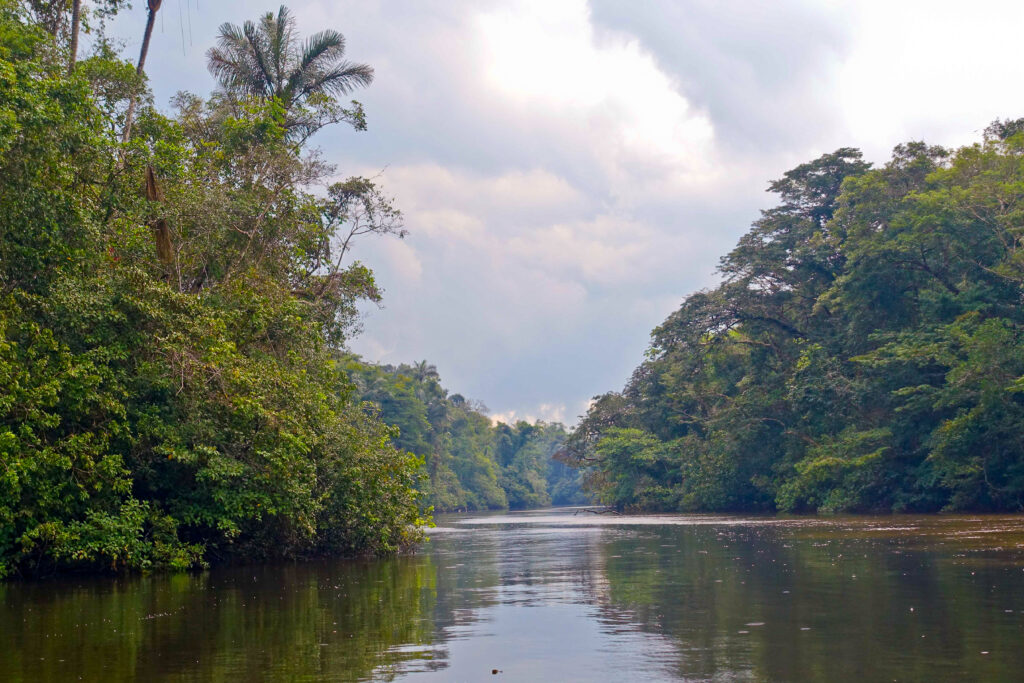
To truly appreciate the vertical complexity of the Amazon, you need to leave the forest floor. Several eco-lodges within the reserve have constructed observation towers that rise above the canopy, providing a bird’s-eye view of the green sea.
From thirty metres up, the perspective changes entirely. You are no longer looking up through a tangle of branches; you are looking across at the primary forest’s flowering crowns. This is the realm of the harpy eagle, the many-banded aracari, and the blue-and-yellow macaw. The towers are particularly magical at dawn, as the mist rises off the rivers and the forest begins to wake. It is a place for the patient observer to witness the sheer density of life that thrives in the upper reaches of the rainforest.
The Ecuadorian Sierra.
Get lost in the hills
5. Night rainforest expeditions
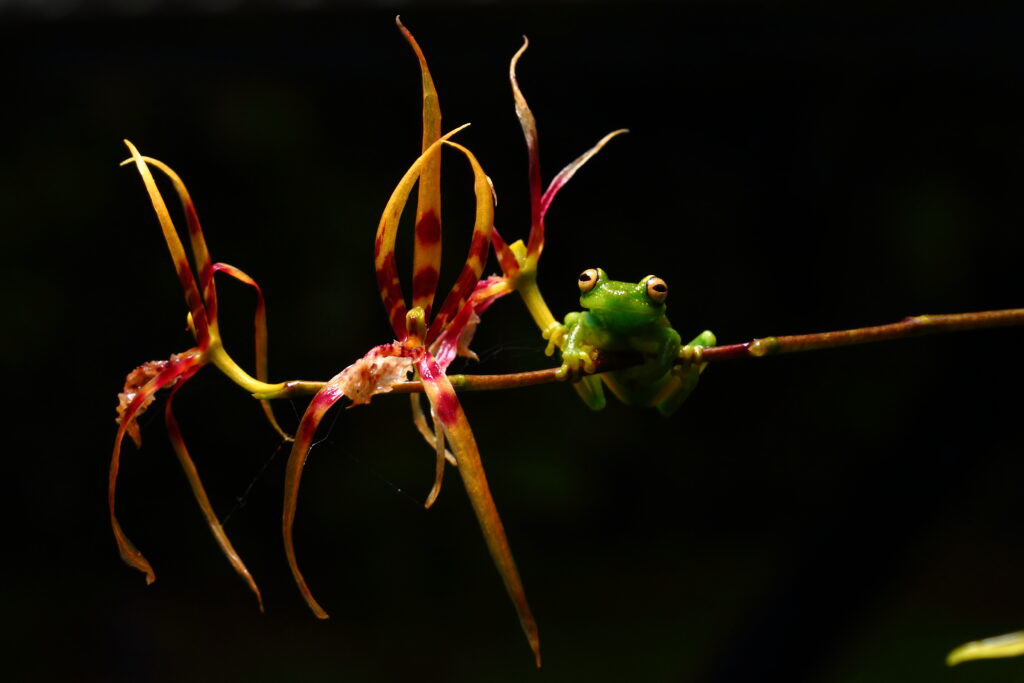
When the sun sets, a different cast of characters emerges. Night walks and nocturnal canoe trips offer a glimpse into the secretive world of the Amazon after dark. Armed with a headlamp, you can spot the glowing red eyes of black caimans lurking along the riverbanks or find tarantulas waiting at the entrance of their silk-lined burrows.
The forest floor at night is a hive of activity. You might encounter translucent glass frogs, giant colourful grasshoppers, or the strange, whip-like limbs of an amblypygid. The sounds of the jungle also intensify; the rhythmic chirping of insects and the deep croaks of bullfrogs create a wall of sound that is both haunting and exhilarating. It is an experience that reminds you that in the Amazon, life never truly sleeps.
6. Navigating the Igapó / Flooded forest
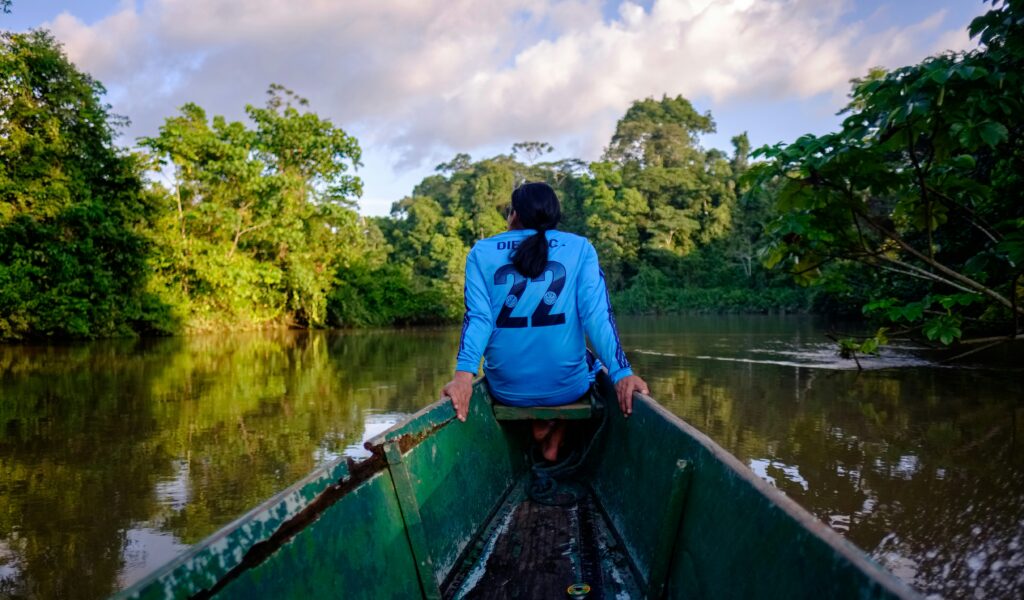
While Laguna Grande is the most famous part of the reserve, the smaller canals and Igapó forests offer a more intimate experience. These are areas where the forest is permanently or seasonally flooded by blackwater rivers.
Paddling a canoe through these narrow, winding passages feels like entering a cathedral of wood and water. The lack of current makes the water appear like black glass, creating perfect reflections of the overhanging vines and epiphytes. It is an incredibly quiet and meditative environment, perfect for spotting the prehistoric-looking hoatzin—a bird that digests leaves like a cow and possesses claws on its wings when young. Navigating these labyrinthine waterways is a testament to the skill of the local guides and a must for anyone wanting to see the Amazon’s most unique habitat up close.
The Galápagos.
Ecuador’s Enchanted Isles
Exploring the gateway / Cycling around Lago Agrio
Read this far?
For those of us who prefer two wheels to a dugout canoe, the adventure begins and ends in the springboard city of Nueva Loja, also known as Lago Agrio. While the reserve itself is a water-bound wilderness, the surrounding area offers several excellent opportunities for a local ride.
Parque Turístico Nueva Loja is a fantastic green lung within the city, featuring paved and gravel paths that wind through rehabilitated jungle, perfect for a quick afternoon spin. For a more central experience, Laguna Julio Marín offers a pleasant circular route that is popular with local cyclists and provides a refreshing break from the urban heat.
If you are looking for a longer day trip, the road heading north towards General Farfán offers roughly 20 kilometres of relatively flat riding through agricultural landscapes and small settlements, giving you a taste of the local life in the Sucumbíos province before you head deep into the jungle.
Affiliate Disclaimer: Some of the links on Wheely Tyred are affiliate links. If you click through and make a booking or purchase, we may earn a small commission at no extra cost to you. We only recommend gear, tours, stays, and services we genuinely use, trust, and stand behind — our editorial independence always comes first. These commissions help keep our independent cycling guides and travel stories free to read. You can also buy me a coffee here — thanks for supporting the ride!
The Ecuadorian Coast.
Where you’ll find the very best food
Frequently asked questions about the best things to do in Cuyabeno
Access is strictly by water. Most travellers arrive at El Puente (The Bridge) via a bus or private transfer from Nueva Loja. From there, you board a motorised dugout canoe for a two-hour journey down the Cuyabeno River to reach the lodges located deeper within the protected area.
Cuyabeno is a flooded forest, so the experience changes with the water levels. The rainy season (March to August) is spectacular as the lagoons are full, allowing canoes to glide deep into the forest. The dry season (September to February) offers better opportunities for jungle treks on foot, though some navigation may be restricted.
It is a traditional, unleavened flatbread made from the flour of the bitter yuca (cassava) root. The Siona people have a complex process to remove the natural cyanide from the root before grating and baking it on a clay griddle. It is a staple of the Amazonian diet and surprisingly hearty.
Surprisingly, the black water of Cuyabeno—tannin-rich and acidic—is not a friendly breeding ground for many insects, including mosquitoes. While you will certainly encounter bugs in the jungle, it is often less buggy than the white-water regions of the Amazon.
Strictly speaking, no. The terrain is a mix of swamp, flooded forest, and dense primary jungle with no roads. However, the nearby city of Nueva Loja (Lago Agrio) serves as an excellent base for local rides through jungle parks like Parque Turístico before you swap your bike for a canoe.
Often called the stinkbird or punk-rock bird due to its spiky crest, the hoatzin is a prehistoric-looking avian that is unique for being an obligate leaf-eater. They have a digestive system similar to a cow’s and are commonly seen clumsily hopping through the trees overhanging the water.
Ecuador.
Pure wonder on the equator.