Into the green / The 6 most iconic attractions in the Ecuadorian Amazon
A guide to Yasuní, Cuyabeno, and Tena for independent travellers
Navigating the soul of the Oriente on your own terms
BEN FINCH
The Ecuadorian Amazon, or El Oriente as it is known locally, is not merely a forest; it is a sprawling, breathing masterpiece of evolutionary design. For those of us who prefer to travel without the constraints of a rigid group itinerary or the glare of a tour guide’s umbrella, the Amazon presents the ultimate challenge and the ultimate reward. While many associate the jungle with impenetrable thickets, the accessible gateways of the Ecuadorian Amazon offer a blend of wild biodiversity and cultural depth that rewards the curious, self-reliant traveller.
At Wheely Tyred, we believe that the best way to understand a landscape is to immerse yourself in its rhythm. Whether you are navigating the Napo River by canoe or base-camping in a town like Tena to explore on your own terms, these are the six sights that define the region.
Deep into El Oriente
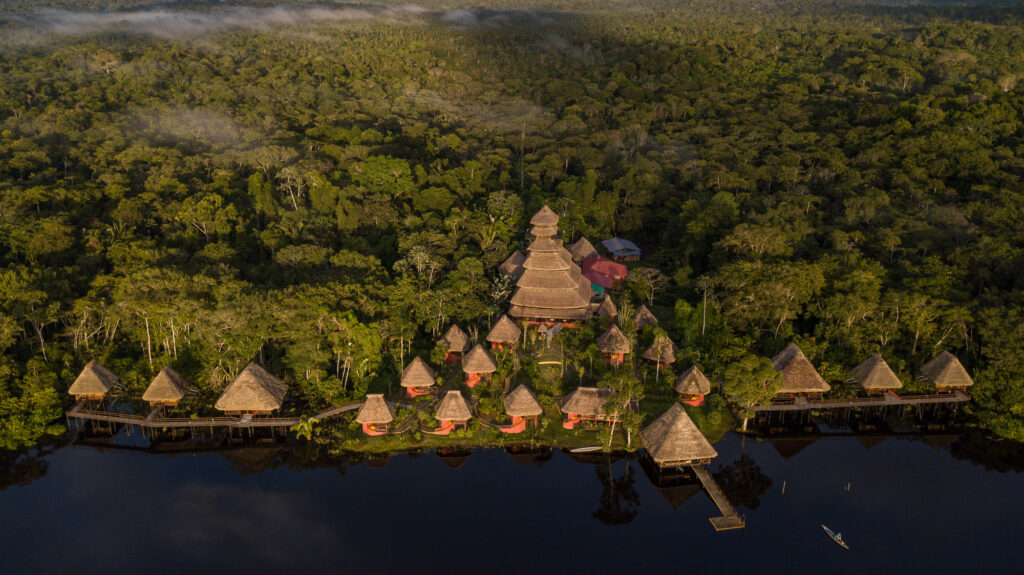
The Ecuadorian Amazon is a vast, living tapestry of biodiversity that rewards those who travel with curiosity and patience. It is a region where the rhythm of the river and the depth of the forest dictate the pace of discovery for the independent explorer.
- Yasuní National Park: A global benchmark for biodiversity where canopy towers offer a rare glimpse into the world’s densest concentration of avian and mammalian life
- Cuyabeno Wildlife Reserve: A hauntingly beautiful network of flooded forests and blackwater lagoons, best explored by the silent, rhythmic dip of a canoe paddle
- Puerto Misahuallí: A charismatic river port known for its mischievous capuchin monkeys and its authentic, laid-back atmosphere at the confluence of the Napo
- Tena & Jumandy Caves: The region’s adventure hub, featuring sprawling subterranean limestone caverns that tell the stories of indigenous resistance
- AmaZOOnico Sanctuary: A dedicated rehabilitation centre that offers a sobering and educational perspective on the conservation of Amazonian wildlife
- Omaere Ethnobotanical Park: An essential stop in Puyo to understand the living pharmacy and the sophisticated medicinal knowledge of the Shuar and Achuar peoples
- The Ruta de las Cascadas: A spectacular 60-kilometre cycling descent from the Andes into the jungle, perfect for those who prefer two wheels to a tour bus
The Ecuadorian Amazon.
The most biodiverse place in the world
1. Yasuní National Park / The biodiversity world record holder
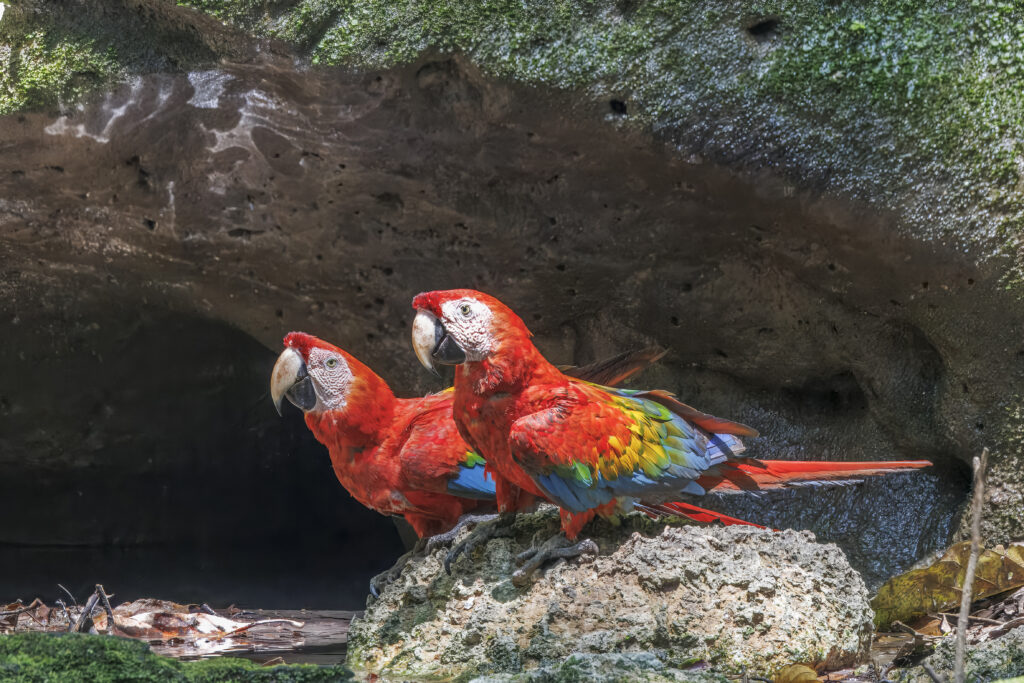
If there is a holy grail for nature enthusiasts, it is Yasuní. This UNESCO Biosphere Reserve is widely considered the most biodiverse place on the planet. To put it in perspective, a single hectare in Yasuní contains more tree species than the entire United States and Canada combined.
For the independent traveller, Yasuní represents the deep jungle. It is home to the Waorani people and two nomadic tribes living in voluntary isolation. While you cannot simply wander in solo for safety and conservation reasons, the experience here is about depth rather than breadth. You will find yourself at the Napo Wildlife Centre or similar eco-lodges, climbing 36-metre canopy towers to look out over a sea of green that stretches to the horizon. It is a place where you wait for the forest to speak, spotting harpy eagles, spider monkeys, and the elusive jaguar if the stars align.
2. Cuyabeno Wildlife Reserve / The flooded forest
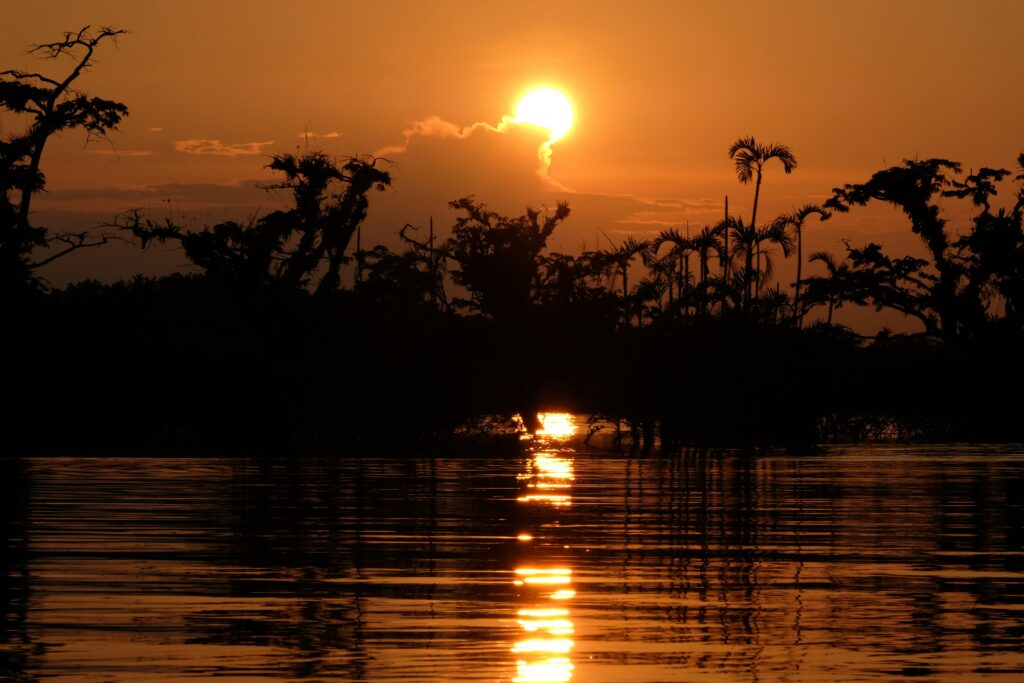
While Yasuní is about the vast upland forest, Cuyabeno is a water world. This reserve is famous for its flooded forests (igapó), where the trees grow directly out of the blackwater lagoons. Because the wildlife is concentrated around these waterways, sightings here are often more frequent than in the denser parts of Yasuní.
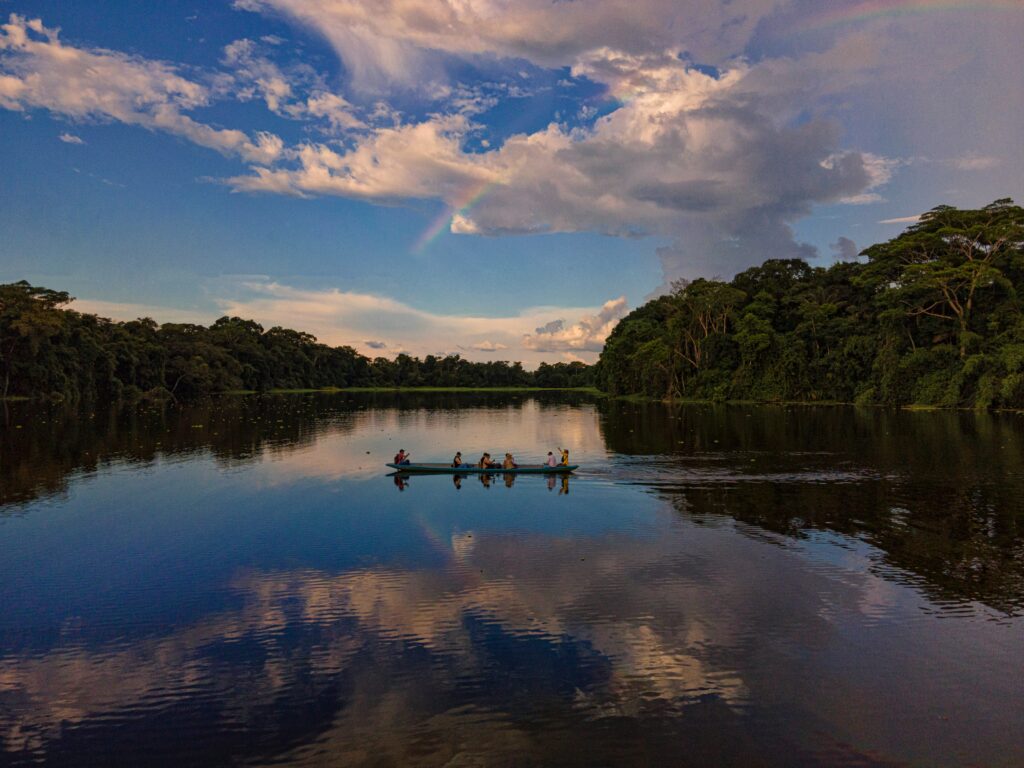
Navigating the narrow channels of Cuyabeno by canoe is a masterclass in slow travel. Without the roar of an engine, you can hear the splash of a pink river dolphin breaking the surface or the rustle of a hoatzin — a prehistoric-looking bird — in the brush. For the traveller who values peace and a lack of crowds, Cuyabeno’s network of lagoons offers a sense of prehistoric stillness that is hard to find elsewhere.
The Ecuadorian Sierra.
Get lost in the hills
3. Puerto Misahuallí / The gateway and the monkeys
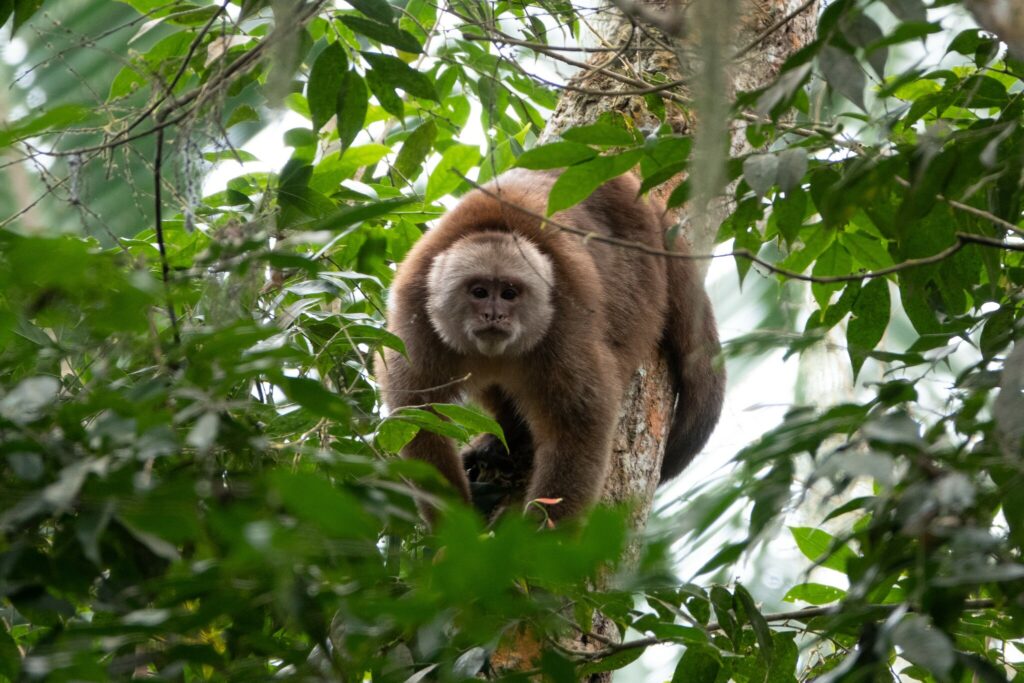
Puerto Misahuallí is the oldest port in the Ecuadorian Amazon and serves as a vital junction between the Andean foothills and the deep jungle. It is perhaps most famous for its resident population of Capuchin monkeys that roam the central plaza and the white sand beach.
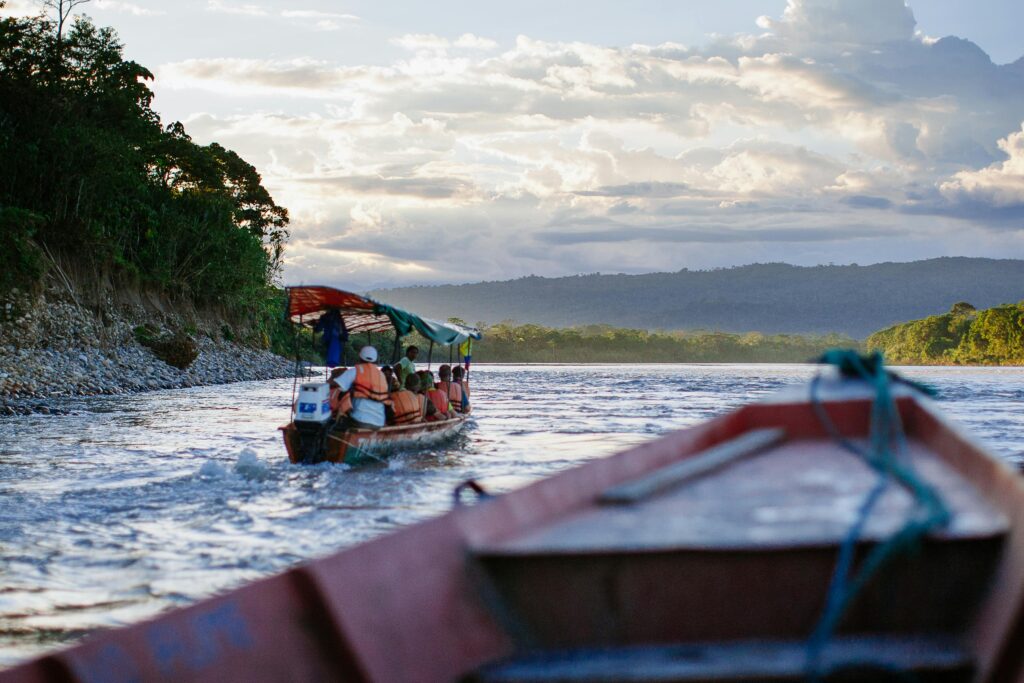
Beyond the cheeky primates, Misahuallí is the best place for an independent traveller to get their bearings. The beach at the junction of the Napo and Misahuallí rivers is a perfect spot to watch the river traffic — long motorised canoes laden with supplies and locals. It is a bustling, authentic slice of Amazonian life. From here, you can easily arrange day trips to local Kichwa communities or hike to the nearby Latas Waterfall without being tethered to a multi-day lodge package.
4. Tena / The adventure hub
If you prefer your travel with a side of adrenaline, Tena is the undisputed capital of whitewater rafting and kayaking in Ecuador. Nestled in the foothills where the mountains meet the jungle, the rivers here — such as the Jatunyacu and the Hollín — offer world-class rapids ranging from Class II to Class IV.
Tena is a favourite for the Wheely Tyred style of traveller because it offers the infrastructure to be independent. You can stay in the town, enjoy the local markets, and hire a local guide for a specific day of rafting or caving at the Jumandy Caves. It is a town that feels lived-in, not just built for tourists, providing a grounded perspective on how the modern world interacts with the jungle’s edge.
The Galápagos.
Ecuador’s Enchanted Isles
5. Puyo and the Omaere Ethnobotanical Park
Further south lies Puyo, a town that often flies under the radar but offers some of the most profound cultural insights in the region. The Omaere Ethnobotanical Park is a must-visit for anyone who wants to understand the relationship between the indigenous peoples and the flora of the Amazon.
Founded by a Shuar woman and a French ethnobotanist, the park is a living pharmacy. Walking through the trails, you learn how specific vines are used for everything from treating snakebites to natural dyes. It is a quiet, contemplative experience that focuses on the knowledge systems of the Shuar and Kichwa people. Puyo also serves as a gateway to the Indichuris viewpoint, where you can swing over the edge of the forest with a panoramic view of the Pastaza River.
6. The Napo River / The liquid highway
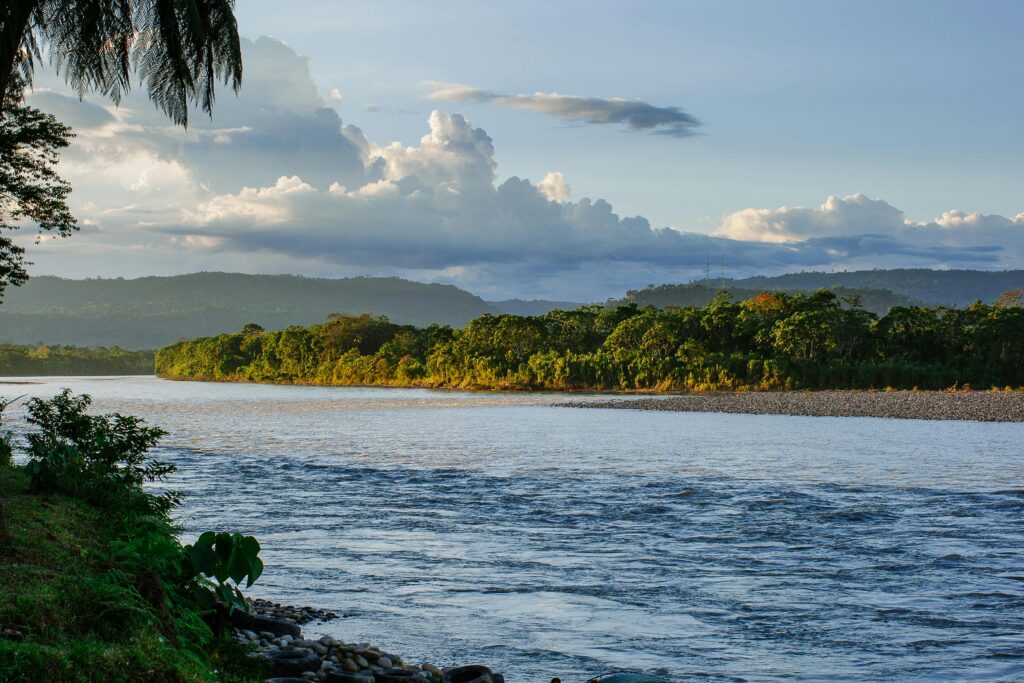
The Napo River is the lifeblood of the northern Ecuadorian Amazon. A major tributary of the Amazon River itself, the Napo has been the primary transport route for centuries. While many travellers only see the river from the window of a plane or a fast boat to a lodge, taking the time to understand its scale is essential.
Travelling along the Napo allows you to see the true complexity of the region. You will pass parrot clay licks where hundreds of colourful birds gather at dawn, small family farms (fincas) growing cacao and yuca, and large-scale conservation projects. It is the thread that connects the various indigenous territories and the modern ports, representing the bridge between the ancient forest and the 21st century.
The Ecuadorian Coast.
Where you’ll find the very best food
The independent way forward
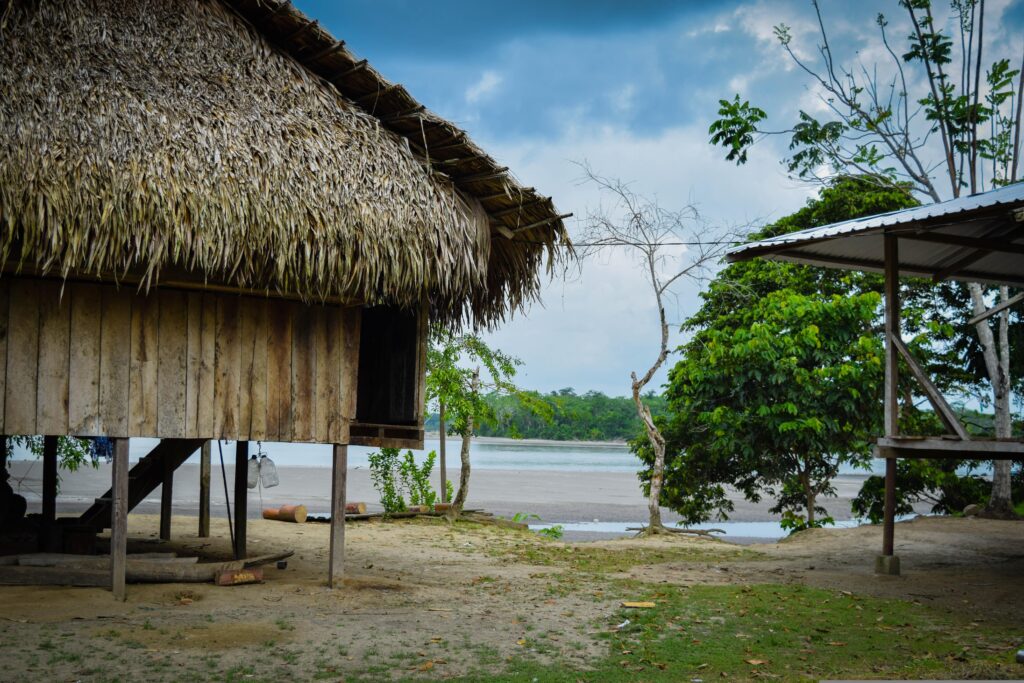
The Ecuadorian Amazon rewards those who do not rush. It is a destination that demands you slow down, look closer, and respect the local expertise. While the deep jungle requires guides for navigation and safety, the gateway towns like Tena and Puyo allow you to maintain your autonomy while soaking in the atmosphere of the world’s greatest wilderness.
For the cyclists among us, the transition from the Andes to the Amazon offers some of the most dramatic descents on the continent. If you are based in Tena, there are several fantastic routes within 20 kilometres of the town centre that take you through secondary rainforest and past local river beaches.
The road toward Archidona or the quieter tracks leading to the Misahuallí port are excellent for a day of exploring on two wheels, offering paved sections with manageable gradients and plenty of places to stop for a maito de pescado (steamed fish) along the way.
For a more substantial day trip, the route from Baños down to Puyo — known as the Route of the Waterfalls — is a legendary descent that drops thousands of metres through the cloud forest into the Amazon basin, providing a literal and figurative shift in perspective that no bus window could ever capture.
Affiliate Disclaimer: Some of the links on Wheely Tyred are affiliate links. If you click through and make a booking or purchase, we may earn a small commission at no extra cost to you. We only recommend gear, tours, stays, and services we genuinely use, trust, and stand behind — our editorial independence always comes first. These commissions help keep our independent cycling guides and travel stories free to read. Thanks for supporting the ride!
Frequently asked questions about the most iconic attractions in the Ecuadorian Amazon
Most travellers start by taking a long-distance bus from Quito to gateway towns like Tena, Puyo, or El Coca. From these hubs, you can navigate further into the basin using motorised river canoes—the taxis of the Amazon—which operate on regular schedules to various riverside communities and lodges.
While the deep jungle lacks roads, the eyebrow of the jungle (the transition zone from the Andes) is fantastic for cycling. The paved route from Baños to Puyo is a world-class descent. Around Tena, roads are generally well-maintained and offer manageable day trips to places like Archidona or Misahuallí, provided you start early to beat the midday heat.
Expect a tactile, damp experience. This is not a sanitised tourist walkway; you will be wading through knee-to-waist-deep water and occasionally swimming through subterranean pools. A headlamp and sturdy water shoes are essential for navigating the limestone formations safely.
Unlike a traditional garden, Omaere focuses on ethnobotany. Guides explain how indigenous cultures use specific rainforest plants for everything from treating snakebites to creating natural dyes and building materials. It is a masterclass in how the forest provides for every human need when managed with respect.
The white-fronted capuchins are wild animals and highly habituated to humans. While not typically aggressive, they are opportunistic thieves. It is wise to keep your bags zipped and avoid carrying food openly in the town square or on the beach to ensure a peaceful encounter.
Prioritise visits to community-owned eco-lodges and rehabilitation centres like AmaZOOnico. By choosing these over large-scale commercial operations, your travel spend directly supports local indigenous economies and the protection of the forest against extractive industries.
Ecuador.
Pure wonder on the equator.