Stay safe in Parque Nacional Cajas / The complete high-altitude travel guide
Parque Nacional Cajas, Ecuador, safety advice, high-altitude trail guidelines, bus and taxi transit safety from Cuenca, and safety tips for solo travellers
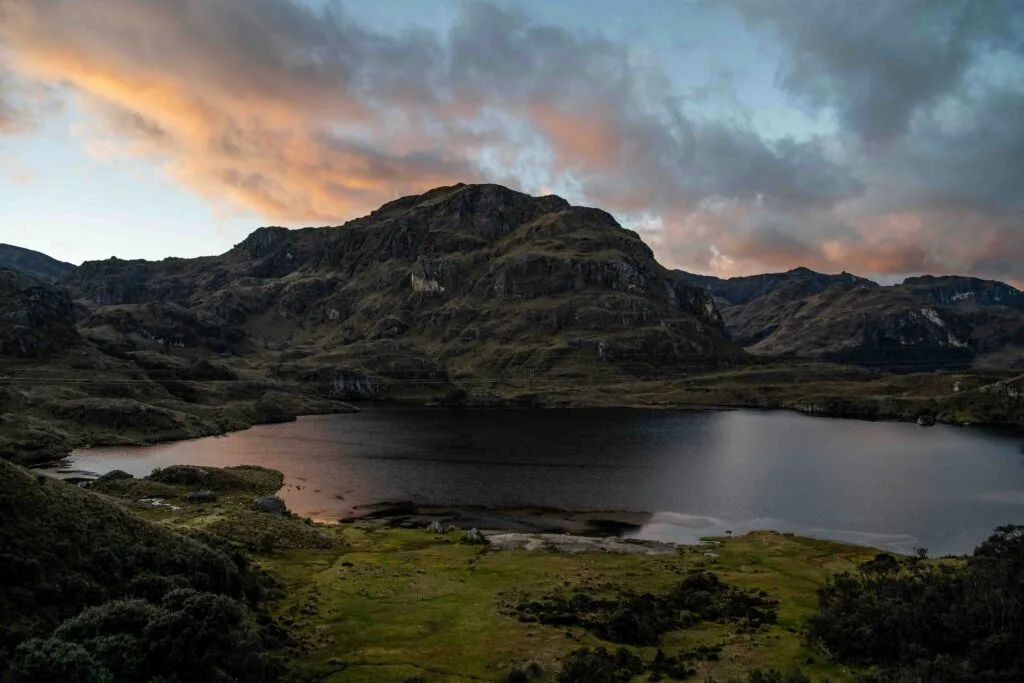
High-altitude páramo and wild terrain
BEN FINCH
Situated roughly 30 km west of the historic city of Cuenca in Azuay Province, Parque Nacional Cajas is one of the most ecologically distinct protected areas in Ecuador. Spanning more than 28,000 hectares, this high-altitude sanctuary ranges in elevation from 3,100 metres to over 4,450 metres above sea level. The park is famous for its glacial valleys, polylepis forests, and a network of over 700 bodies of water, including nearly 250 distinct lagoons and lakes.
For hikers, trail runners, and active travellers, Parque Nacional Cajas offers an extraordinary landscape shaped by tundra-like vegetation known as the páramo. However, the very qualities that make Cajas so visually arresting also present unique physical challenges. Unlike well-manicured national parks with paved infrastructure, Cajas is a raw mountain environment.
At Wheely Tyred, thorough preparation is considered the foundation of successful independent travel. Understanding environmental hazards, local regulations, and transport logistics ensures your journey into this magnificent Andean wilderness remains rewarding and safe.
High-altitude wilderness / Key takeaways to explore Parque Nacional Cajas
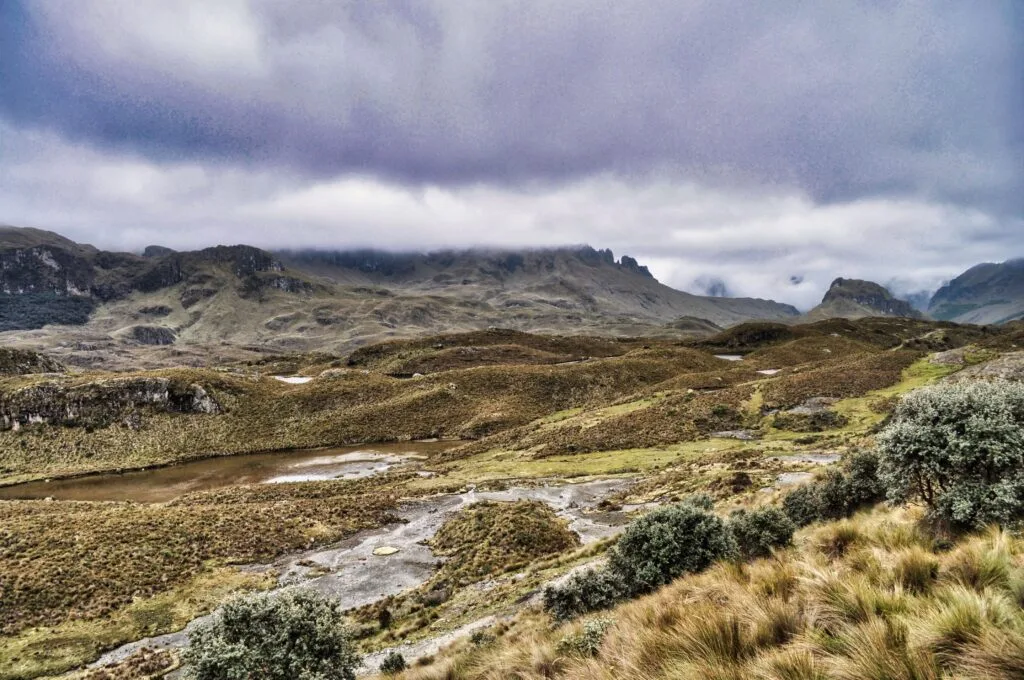
Navigating the dramatic, sponge-like páramo of Cajas requires respect for mountain hazards and careful logistical planning. Here is everything you need to know to experience this wild Andean landscape safely and independently.
- High-altitude preparation: Situated between 3,100 and 4,450 metres above sea level, Cajas demands two to three days of prior acclimatisation in Cuenca to prevent soroche (altitude sickness) before tackling the trails
- Volatile páramo weather: Rapid shifts from bright sunshine to freezing rain or dense mist (neblina) mean three-layer technical clothing and waterproof footwear are non-negotiable
- Mandatory ETAPA registration: Hikers must register for free at official ranger stations, such as La Toreadora, ensuring park authorities can track route plans for search and rescue safety
- Navigation vigilance: Disorientation in thick fog is the park’s biggest hazard; downloading offline GPS maps before departure is essential due to non-existent mobile coverage
- Public transit connections: Regular Cooperativa Occidental buses run directly from Cuenca’s Terminal Terrestre, offering a straightforward and affordable way to reach the trailheads
- Low crime, high security: While coastal regions face security alerts, violent crime in Cajas is exceptionally rare, though basic precautions against opportunistic theft remain wise
- Trail curfews and timing: Starting hikes after 14:00 is strongly discouraged by rangers, as afternoon cloud cover drastically increases navigation risks before dark
Cajas National Park.
The most beautiful national park
Primary health and weather risks / Altitude sickness and hypothermia
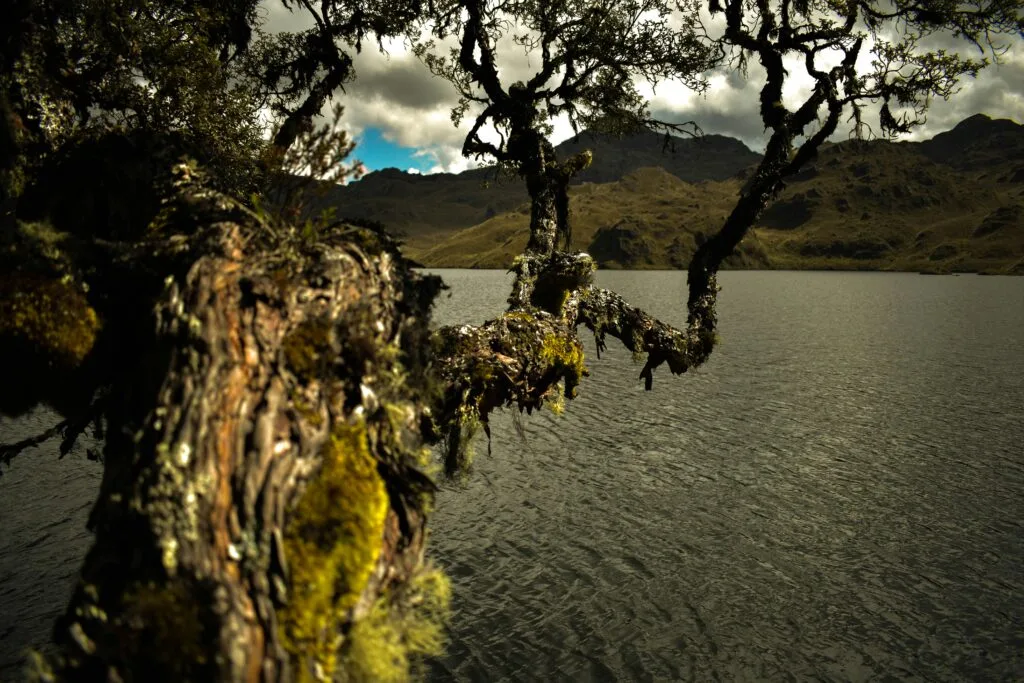
The primary hazards in Parque Nacional Cajas are environmental rather than human. Because the park lies entirely above 3,100 metres, altitude sickness—known locally as soroche—is a frequent issue for unprepared visitors. Symptoms include headaches, nausea, dizziness, fatigue, and shortness of breath.
To minimise risk, spend at least two to three days acclimatising in Cuenca, which rests at a more manageable 2,560 metres, before attempting demanding hikes at higher elevations in the park. Stay well hydrated, avoid heavy meals and alcohol prior to your trek, and carry light, carbohydrate-rich snacks. If severe dizziness or shortness of breath occurs, descend immediately to a lower altitude.
Weather in the páramo is notoriously volatile. Bright sunshine can transform into freezing rain, dense fog, or driving hail in less than 15 minutes. Temperatures regularly hover around 10 degrees Celsius during the day but can plummet to freezing or below, particularly when wind chill factor is accounted for. Hypothermia is a genuine risk if clothing becomes wet.
To stay safe, wear a three-layer clothing system regardless of how clear the morning sky appears:
- Base layer: Moisture-wicking synthetic or merino wool tops and bottoms. Avoid cotton entirely, as it retains moisture and accelerates cooling
- Insulating layer: A warm fleece jacket or lightweight down pullover
- Outer layer: A fully waterproof and windproof jacket with taped seams, alongside water-resistant trousers
Sturdy, waterproof hiking boots with deep tread are essential. The páramo ground is sponge-like and saturated with water, making waterproof footwear necessary to keep feet dry and warm.
Trail navigation and registration / Mandatory ETAPA protocols and fog risks
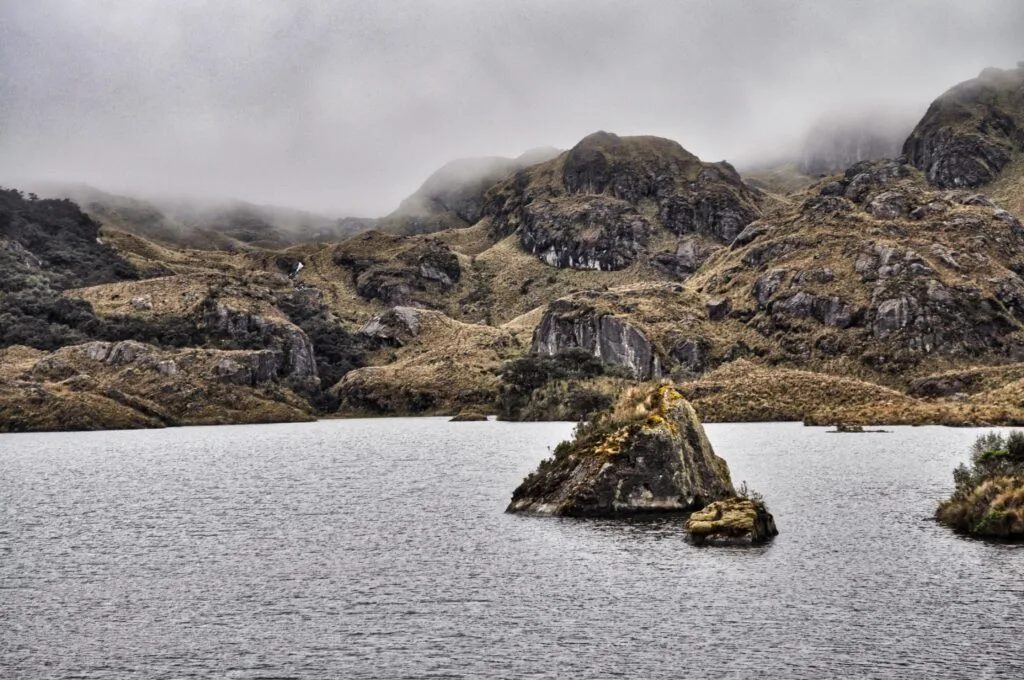
Parque Nacional Cajas is managed by ETAPA, the public utility and environmental authority of Cuenca. To protect visitors and preserve the delicate ecosystem, ETAPA enforces mandatory check-in procedures.
All visitors must register at official entry points, such as the Toreadora Ranger Station or the Llaviucu entrance, before stepping onto the trails. Registration is free, but recording your details, planned route, and contact information is vital for search and rescue operations.
Disorientation is the single greatest hazard on the trails. Dense mountain mist, known locally as neblina, can roll across the plateau in minutes, reducing visibility to less than five metres. The landscape of rolling grasslands and repeated glacial tarns lacks prominent landmarks, making it easy to wander off track. Over 10 hikers require assistance or rescue in Cajas each year after straying from established routes.
To navigate safely:
- Stick to marked trails: Do not shortcut or wander off designated paths. Route 1 around Laguna Toreadora is ideal for beginners, while longer routes like Route 2 or Route 3 require strong navigation skills
- Download offline maps: Mobile signal inside the park is weak or non-existent. Download topographic maps on offline applications such as maps.me or AllTrails prior to leaving Cuenca
- Respect trail curfews: Rangers strongly advise against starting new hikes after 14:00. Clouds settle heavily in the late afternoon, drastically increasing the risk of getting lost before dusk
The Ecuadorian Sierra.
Get lost in the hills
Transport safety / Bus and taxi logistics from Cuenca
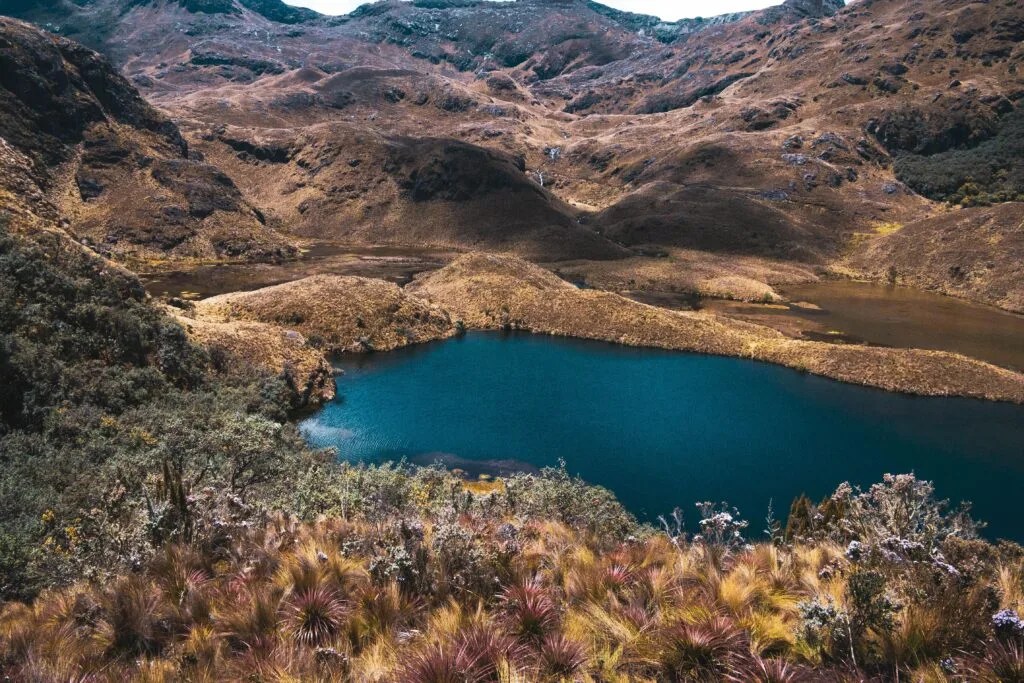
Reaching Parque Nacional Cajas from Cuenca is straightforward, but taking smart transit precautions is recommended.
The most economical option is the public bus operated by Cooperativa Occidental, departing regularly from Cuenca’s main bus station, Terminal Terrestre. The journey takes roughly 45 to 60 minutes along the scenic route toward Molleturo and Guayaquil.
When using public transport:
- Secure personal belongings: Keep daypacks on your lap or between your feet. Do not place valuables in overhead luggage racks or under seats where distraction theft can occur
- Verify registered taxis: If hiring a private taxi from Cuenca, use radio-dispatched taxis or official rideshare applications. Ensure the taxi features yellow paint, official registration decals on the doors, orange licence plates, and an active meter
- Plan your return journey: Return buses pass the main highway near the Toreadora Ranger Station throughout the afternoon. Position yourself at the roadside well before the final scheduled bus, as standing alongside a remote high-altitude highway after dark exposes you to severe cold and reduced visibility for oncoming traffic
Crime rates and practical risk assessment for travellers
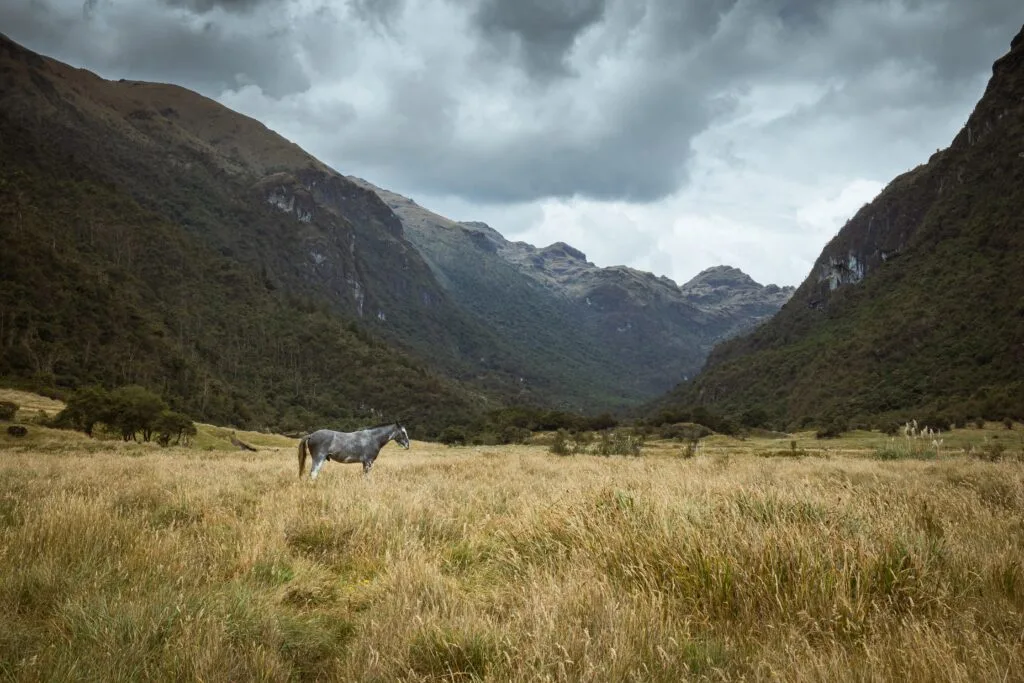
Ecuador has experienced heightened national security alerts and regional travel warnings due to gang activity in specific coastal areas and border regions. However, Azuay Province and the city of Cuenca consistently record some of the lowest violent crime rates in the country.
Inside Parque Nacional Cajas itself, violent crime against tourists is extraordinarily rare. The primary security concerns relate to opportunistic theft around parking lots or unattended campsites.
To safeguard your possessions:
- Do not leave visible bags, electronics, or outdoor gear inside parked vehicles at trailheads
- Lock tent zippers if camping at designated sites near Toreadora, and keep high-value items like passports and bank cards in a concealed body pouch
- Carry small cash denominations in United States dollars (the official currency of Ecuador) for transport and minor purchases, avoiding large wads of cash
While global government advisories suggest exercising increased caution across Ecuador, visitors to Cajas who observe basic personal safety habits will find the park environment peaceful and welcoming.
The Galápagos.
Ecuador’s Enchanted Isles
Safety considerations for solo travellers, female hikers, and minorities
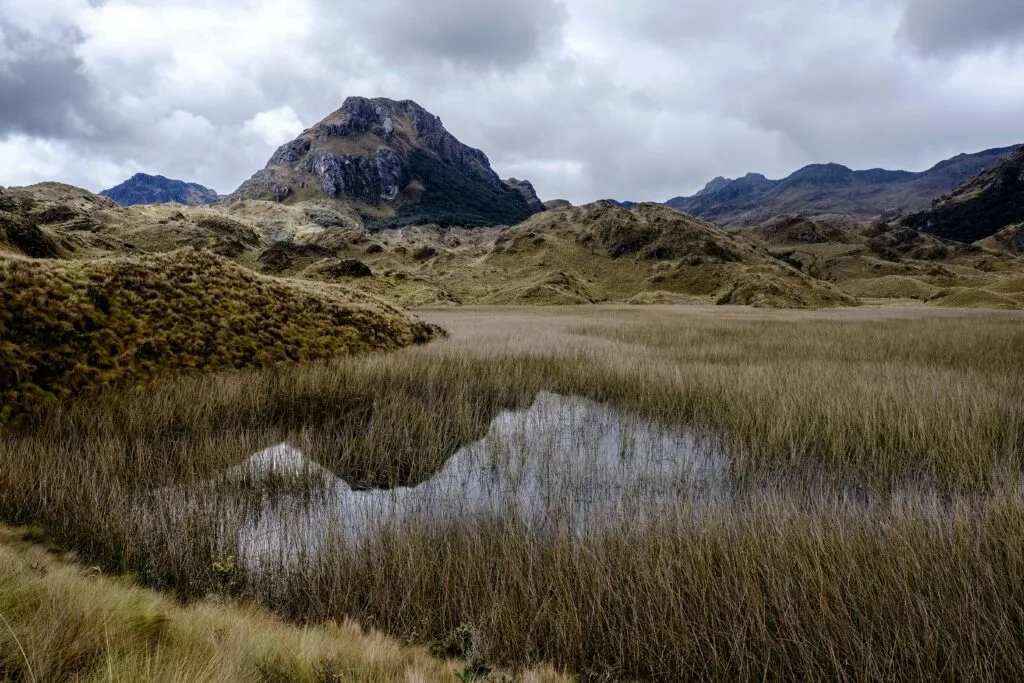
Solo travellers
Hiking alone in high-altitude environments carries inherent risk. An ankle sprain or sudden onset of hypothermia can quickly escalate if you are unable to move. Solo hikers should choose well-trafficked routes, such as the loop around Laguna Toreadora, rather than remote multi-day routes across the páramo. Always inform your hotel or host in Cuenca of your precise route and expected return time.
Female travellers
Ecuador is generally hospitable for female travellers, and Cuenca is widely regarded as one of the country’s safest urban centres. In Cajas, female hikers rarely encounter issues, as interaction is mostly limited to park rangers and fellow nature lovers.
On public transit or around busy bus terminals in Cuenca, unwanted verbal attention can occasionally happen. Wearing headphones, ignoring unsolicited comments, and projecting confidence are effective strategies. Joining a small guided group or pairing up with fellow travellers from your accommodation adds an extra layer of comfort on isolated trails.
Minorities and LGBTQ+ travellers
Ecuador is culturally conservative in rural regions, though Cuenca possesses a vibrant, progressive community. Ethnic and LGBTQ+ travellers will find park rangers and local guides professional and helpful. Outdoor spaces in Ecuador focus heavily on environmental stewardship, making Parque Nacional Cajas an inclusive destination for all respectful adventurers.
The Ecuadorian Amazon.
The most biodiverse place in the world
Practical safety checklist and emergency protocols
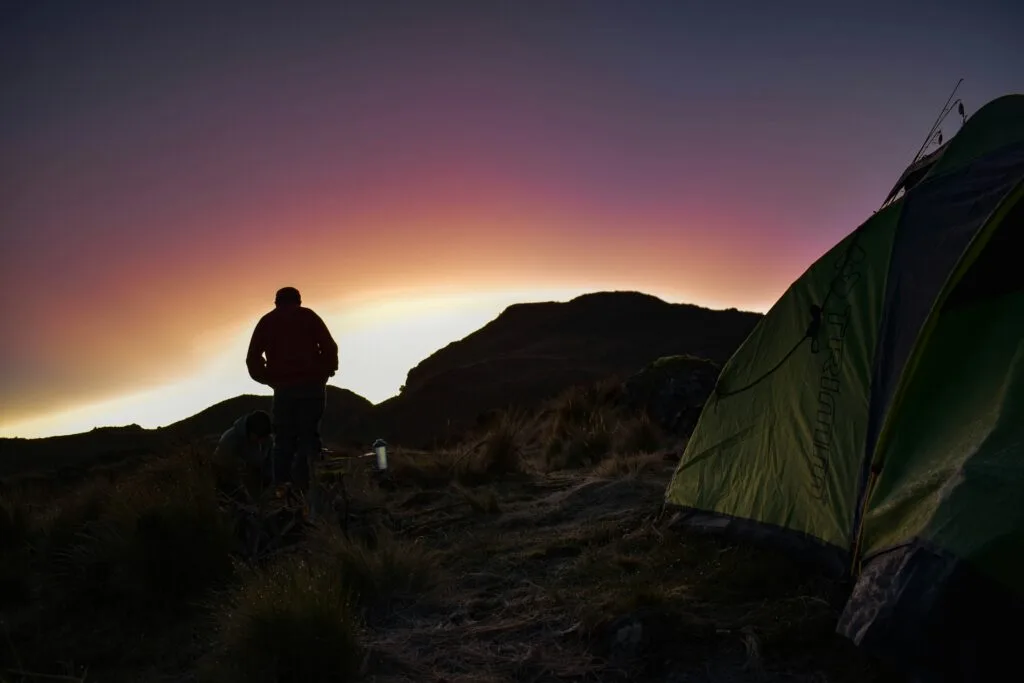
Before setting out for Parque Nacional Cajas, run through this essential packing and safety checklist:
- Layered outerwear: Waterproof, windproof jacket and trousers, plus fleece and thermal base layers
- Footwear: Waterproof hiking boots with good ankle support
- Sun protection: High SPF sunscreen, lip balm with UV filter, brimmed hat, and polarised sunglasses (UV radiation is intense at 4,000 metres)
- Hydration and food: Minimum 1.5 to 2 litres of water per person, plus energy bars, nuts, and high-calorie snacks
- Navigation kit: Fully charged mobile phone, portable power bank, offline GPS maps, and a whistle
- First aid: Blister plasters, ibuprofen, altitude sickness medication if prescribed, and personal medication
- Emergency gear: A lightweight foil space blanket and a small headtorch with extra batteries
Emergency contacts
In the event of an emergency inside the park:
- Ecuador National Emergency Line: Dial 911
- Park Authority: Seek assistance directly at the Toreadora Ranger Station or contact ETAPA park rangers
The Ecuadorian Coast.
Where you’ll find the very best food
Your safe adventure in Parque Nacional Cajas
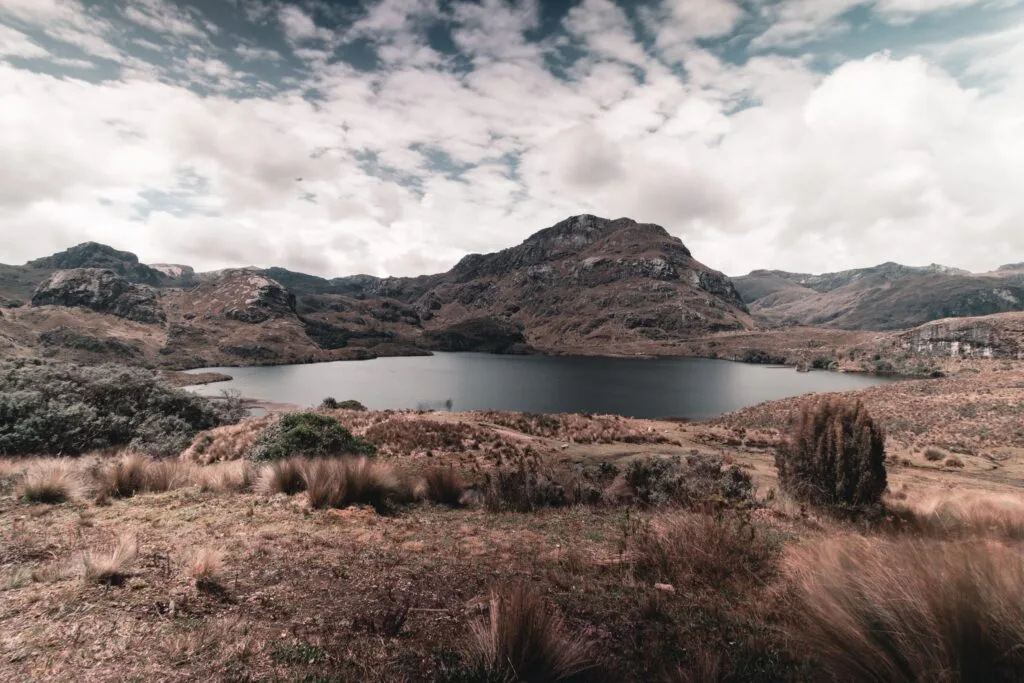
Exploring Parque Nacional Cajas is one of the most memorable high-altitude experiences South America has to offer. The combination of serene glacial lakes, ancient polylepis forests, and sweeping páramo vistas makes every step worthwhile.
However, as with any high-altitude mountain wilderness, the key to a successful journey lies entirely in preparation, respect for nature, and adherence to proven safety protocols.
By taking time to acclimatise in Cuenca, packing suitable waterproof layers, registering with ETAPA rangers, and keeping to marked trails, you turn potential hazards into manageable routine details. Wheely Tyred is dedicated to helping independent travellers navigate the world safely, whether on two wheels or on foot.
Affiliate Disclaimer: Some of the links on Wheely Tyred are affiliate links. If you click through and make a booking or purchase, we may earn a small commission at no extra cost to you. We only recommend gear, tours, stays, and services we genuinely use, trust, and stand behind — our editorial independence always comes first. These commissions help keep our independent cycling guides and travel stories free to read. Thanks for supporting the ride!
Frequently asked questions about Cajas National Park safety
Buses operated by Cooperativa Occidental depart regularly from Cuenca’s main Terminal Terrestre towards Molleturo and Guayaquil. The journey takes roughly 45 to 60 minutes and drops passengers directly alongside the main highway near the La Toreadora Ranger Station.
Entrance to Parque Nacional Cajas is free, though mandatory check-in with ETAPA park rangers is required at official entry points. While hiring a local guide is recommended for complex multi-day treks, experienced hikers can comfortably navigate well-marked day trails independently using offline maps.
Base yourself in Cuenca (2,560 metres) for at least two to three days prior to visiting Cajas to acclimatise. Drink plenty of water, avoid alcohol and heavy meals before hiking, carry high-energy carbohydrate snacks, and descend immediately to a lower elevation if you experience severe headaches, nausea, or dizziness.
Pack a moisture-wicking base layer, a warm fleece or down jacket, and a fully waterproof outer jacket with water-resistant trousers. Sturdy waterproof hiking boots are vital for the saturated ground, along with high-factor sunscreen, sunglasses, a power bank, offline maps, and at least 1.5 litres of water per person.
Yes, Cajas is considered very safe regarding personal security. Solo and female travellers generally experience a peaceful, welcoming environment. However, solo hikers should stick to popular routes like Laguna La Toreadora and inform their accommodation in Cuenca of their route, as physical hazards like sudden fog or twisted ankles pose the primary risk.
Start as early in the morning as possible. Weather conditions are typically clearest before midday. ETAPA rangers strongly advise against embarking on new trails after 14:00 due to heavy afternoon cloud cover and rapidly dropping temperatures.
Ecuador.
Pure wonder on the equator.