The best campsites near Cajas National Park
The complete guide to campsites, glamping, and backcountry grounds near Parque Nacional Cajas, Ecuador
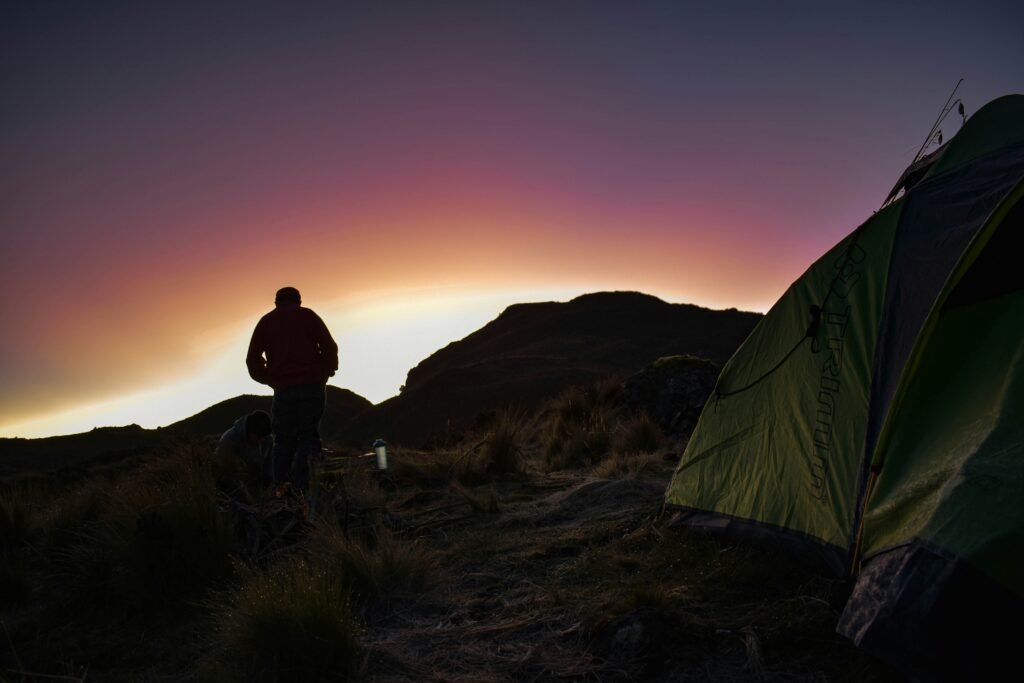
High-altitude páramo, glacial tarns, and rustic mountain refuges
BEN FINCH
High in the southern Ecuadorian Andes, Parque Nacional Cajas feels like a landscape carved from myth. Here, vast undulating páramo grasslands fold into deep glacial valleys, sheltering over 700 interconnected lakes, misty Polylepis paper-tree forests, and ancient Incan trails.
Rising between 3,100 metres and 4,450 metres above sea level, the park is raw, unpredictable, and breathtakingly peaceful. For independent travellers who prefer the rustle of a tent flap over the drone of a tour group bus, camping in or around Cajas offers an unparalleled connection to nature.
Navigating this high-altitude wilderness requires careful planning, especially when it comes to nightfall. Mountain weather in the páramo can shift from bright equatorial sunshine to freezing rain within minutes. Finding the right campsite ensures you stay warm, dry, and rested after a day tackling rugged trails like the Laguna Toreadora loop or the ancient Qhapaq Ñan.
Wheely Tyred has selected six outstanding campsites and rustic retreats around Cajas that offer autonomy, character, and exceptional hospitality. Whether you are pitching an ultralight tent in a sheltered valley or resting in a heated dome, these spots guarantee you will sleep well before your next summit walk.
High-altitude havens / Key highlights for camping in Cajas
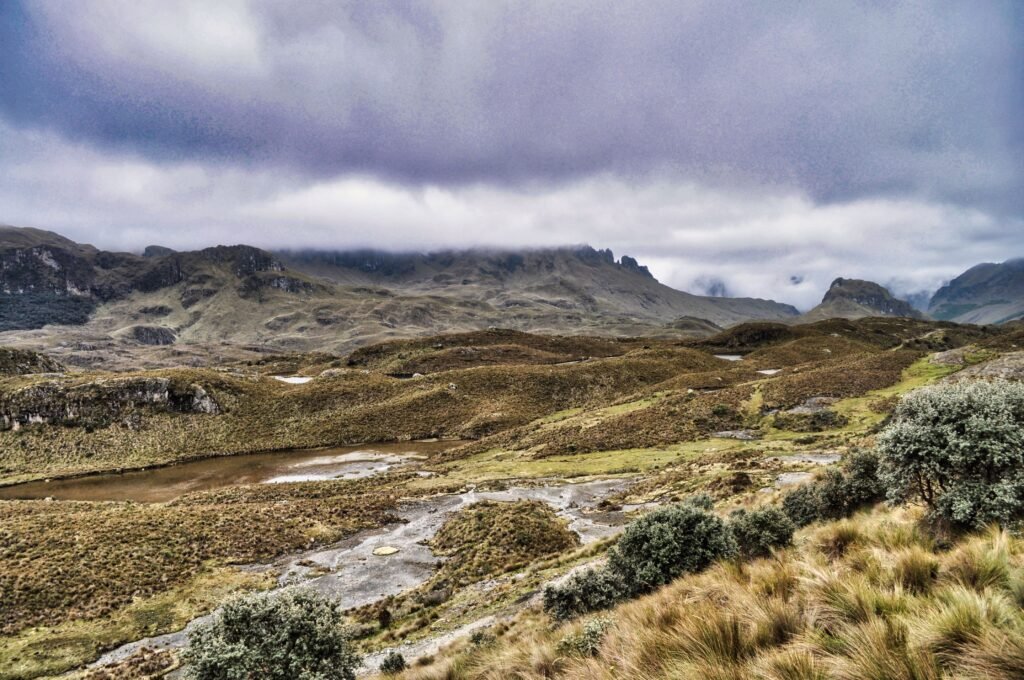
From rugged backcountry pitches in misty paper-tree forests to cosy riverfront basecamps near Cuenca, camping around Parque Nacional Cajas caters to every independent traveller. Here is a summary of where to stay, how to prepare, and how to sleep well in the High Andes.
- Wilderness Páramo: Pitching inside the national park delivers total immersion amongst glacial lakes and ancient Polylepis paper-tree forests for self-sufficient hikers
- Riverside Cloud Forest: Molino del Puente offers a lower-altitude basecamp beside a rushing trout stream, shielding campers from severe overnight frosts
- Geodesic Glamping: Nómada Glamping 593 combines panoramic Andean views with wood-burning stoves and insulated domes for deep physical restoration
- Volcanic Crags & History: Cojitambo Camping provides grassy terraces at the foot of historic cliffs, giving climbers and culture lovers direct access to pre-Inca Cañari ruins
- Urban Overland Hub: Tu Parada en Cuenca serves as a secure, friendly staging post in central Cuenca for cyclists, campervans, and long-term road travellers
- Alpine Gateway: Hosteria Dos Chorreras sits right at kilometre 21, offering sheltered riverbank pitches, crackling stone fireplaces, and fresh mountain trout
- Acclimatisation & Gear: Spending two days in Cuenca beforehand and packing a four-season tent and sub-zero sleeping bag ensures you stay safe and sleep well
Cajas National Park.
The most beautiful national park
1. Backcountry wilderness inside Parque Nacional Cajas
- Facilities: Basic composting toilets at ranger stations, pure freshwater streams (boiling or filtration required), and designated flat turf pitches
- Ambience: Raw, silent, and wild páramo ecosystem surrounded by ancient paper trees
- Logistics: Mandatory registration at the Laguna Toreadora ranger station; no entrance fee, but camping permits must be logged in person
- Best For: Self-sufficient hikers and backpackers seeking complete off-grid solitude
For purists seeking absolute immersion, wilderness camping inside Parque Nacional Cajas is an unforgettable mountain experience. Designated camping zones, particularly in the Burines Valley beyond Laguna Toreadora and near Laguna Llaviucu, place you directly under the vast southern sky. Waking up as the morning mist rolls over glacial lakes while Andean condors circle overhead is well worth the crisp air.
The park administration requires all overnight campers to register at the Toreadora Interpretation Centre, ensuring visitor numbers remain sustainable and safety protocols are strictly observed.
Pitching inside the park demands self-reliance and proper cold-weather preparation. High-altitude frost is standard overnight, but equipped with a four-season sleeping bag and a sturdy ground mattress, you will sleep well despite the sub-zero temperatures outside.
2. Molino del Puente
- Facilities: Hot showers, clean plumbed restrooms, riverfront tent pitches, on-site country kitchen serving fresh mountain trout, and fire pits
- Ambience: Tranquil riverside cloud forest with the soothing sound of running water and rich birdlife
- Logistics: Accessible directly via public buses running between Cuenca and Guayaquil (ask the driver for the Molino del Puente drop-off point)
- Best For: Hikers looking for a comfortable basecamp close to the park entrance
Located just off the main Cuenca–Molleturo highway, only two kilometres from the lower entrance to Cajas National Park, Molino del Puente bridges the gap between rugged camping and relaxed country comfort. Set alongside a rushing trout stream in a lush cloud-forest canyon, this historic property offers level green lawns for pitching tents alongside rustic lodge facilities.
It serves as an ideal base for travellers who want to spend their days exploring the high-altitude tarns of Cajas without having to endure freezing overnight temperatures inside the park proper.
The microclimate here, nestled at around 2,800 metres, is considerably milder than the high páramo above. After a gruelling hike across rocky mountain passes, sitting by a crackling campfire beside the river is the ultimate recovery, giving you peace of mind and the physical rest needed to sleep well before another day on the trails.
The Ecuadorian Sierra.
Get lost in the hills
3. Nómada Glamping 593
- Facilities: Insulated geodesic domes, private en-suite bathrooms with continuous hot water, wood stoves, communal campfire area, and high-speed Wi-Fi
- Ambience: Cosy, elevated, and romantic with panoramic views of mountain ridge lines
- Logistics: Located 15 minutes from Cuenca; easily reached by local taxi or regional bus lines
- Best For: Couples and long-term travellers seeking comfort and weather protection without losing the outdoor setting
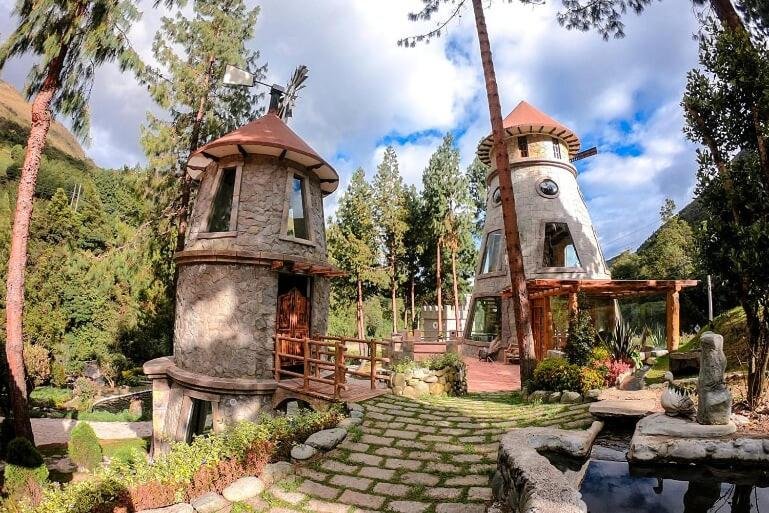
If you want the sensory magic of sleeping under the stars without sacrificing warmth, Nómada Glamping 593 provides a sophisticated mountain retreat on the eastern slopes of Cuenca.
Positioned on a scenic hillside with expansive views across the valley, this low-impact glamping site features well-engineered geodesic domes equipped with wood-burning stoves and plush bedding. It is tailored for independent travellers who have spent days on the road and require a night of deep physical restoration.
The site is designed to harmonise with its surrounding native vegetation and small mountain streams. Spending an evening watching the sunset over the Andean ridges from inside a heated dome, hot coffee in hand, provides a memorable contrast to the rugged wilderness higher up the mountain.
4. Cojitambo Camping
- Facilities: Covered cooking shelter, clean toilets, hot showers, level grassy pitches, secure gear storage, and climbing guide connections
- Ambience: Atmospheric, historical, and adventurous, set beneath sheer volcanic crags
- Logistics: Accessible by public bus from Cuenca’s Terminal Terrestre to the village of Cojitambo, followed by a short walk to the crag base
- Best For: Climbers, history enthusiasts, and budget-conscious campers seeking a unique cultural backdrop
Situated on the opposite side of Cuenca, northeast on the historic approach to Cajas, Cojitambo Camping sits directly at the base of the majestic Cojitambo volcanic rock complex.
Famous among traditional climbers and culture lovers, this site offers grass terracing with sweeping views across the Azuay valley and immediate access to pre-Inca Cañari stone ruins. The local community has developed the campground to support independent travellers, creating a welcoming and secure environment.
While lower in elevation than Cajas itself, Cojitambo offers dramatic high-altitude vistas without the relentless wind of the open páramo. The night sky here is extraordinarily clear, and the quiet rural surroundings ensure you sleep well under the shadow of ancient stone cliffs.
The Galápagos.
Ecuador’s Enchanted Isles
5. Tu Parada en Cuenca – Casa de Huéspedes
- Facilities: Secure gated vehicle parking, grassy tent yard, workshop spaces, communal kitchen, reliable Wi-Fi, laundry facilities, and hot showers
- Ambience: Communal, practical, and friendly; an authentic gathering spot for independent global road travellers
- Logistics: Located in central Cuenca, walkable from historic plazas and a short drive to the main highway west to Cajas
- Best For: Overlanders, bikepackers, and campervan travellers needing a secure urban staging post
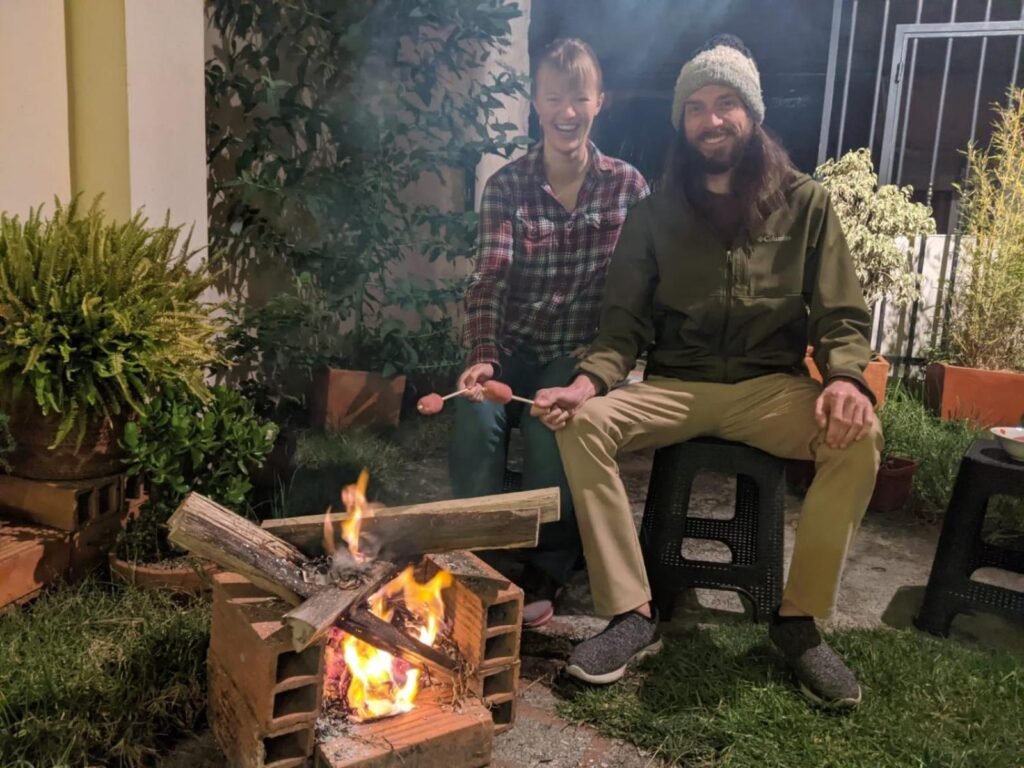
For overland travellers, campervan drivers, and cyclists making their way toward Cajas, Tu Parada en Cuenca – Casa de Huéspedes is a famous sanctuary right in the heart of Cuenca’s heritage perimeter.
While technically an urban guest spot, it provides dedicated, gated courtyard space where travellers can pitch tents, park rig setups, or service camping equipment before venturing up into the high mountains. The welcoming hosts have built a global reputation for helping visitors plan routes, secure fuel, and navigate local logistics.
Using Tu Parada as an urban staging post lets you acclimatise to Cuenca’s 2,560-metre altitude in full security while retaining complete autonomy over your schedule. Having access to a fully equipped kitchen, workshop tools, and warm communal spaces ensures you sleep well and prepare thoroughly for multi-day expeditions in Cajas National Park.
6. Hosteria Dos Chorreras
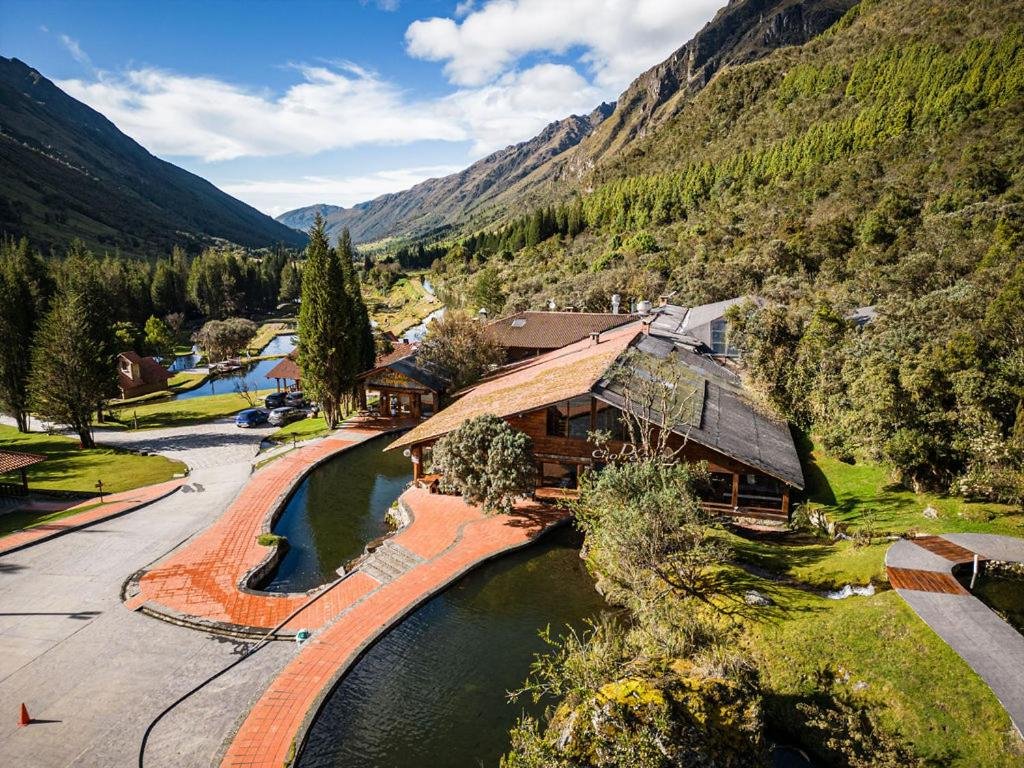
- Facilities: Sheltered tent sites, private glamping cabins, stone fire pits, traditional restaurant serving local trout, hot showers, and guided hiking services
- Ambience: Alpine, rustic, and cosy, surrounded by running streams and native pine woods
- Logistics: Located directly on the main Cuenca–Molleturo road; reachable by any interprovincial bus running from Cuenca toward the coast
- Best For: Travellers wanting immediate access to Cajas trails with rustic mountain amenities nearby
Positioned at kilometre 21 on the main road ascending into the national park, Hosteria Dos Chorreras is a traditional mountain property situated at the edge of the high wilderness.
Known for its rustic wooden architecture and alpine trout ponds, the estate includes sheltered camping grounds and rustic shepherd-style glamping cabins along its private riverbanks. It offers instant access to high-altitude trailheads while providing a wind-protected sanctuary on the valley floor.
The altitude here (around 3,200 metres) gives campers a genuine mountain experience, complete with crisp air and starry nights. Knowing you have access to hearty mountain meals, stone fireplaces, and warm communal lounges nearby means you can embrace the outdoor chill while knowing you will sleep well when night falls.
The Ecuadorian Amazon.
The most biodiverse place in the world
Essential practicalities for camping in Cajas National Park
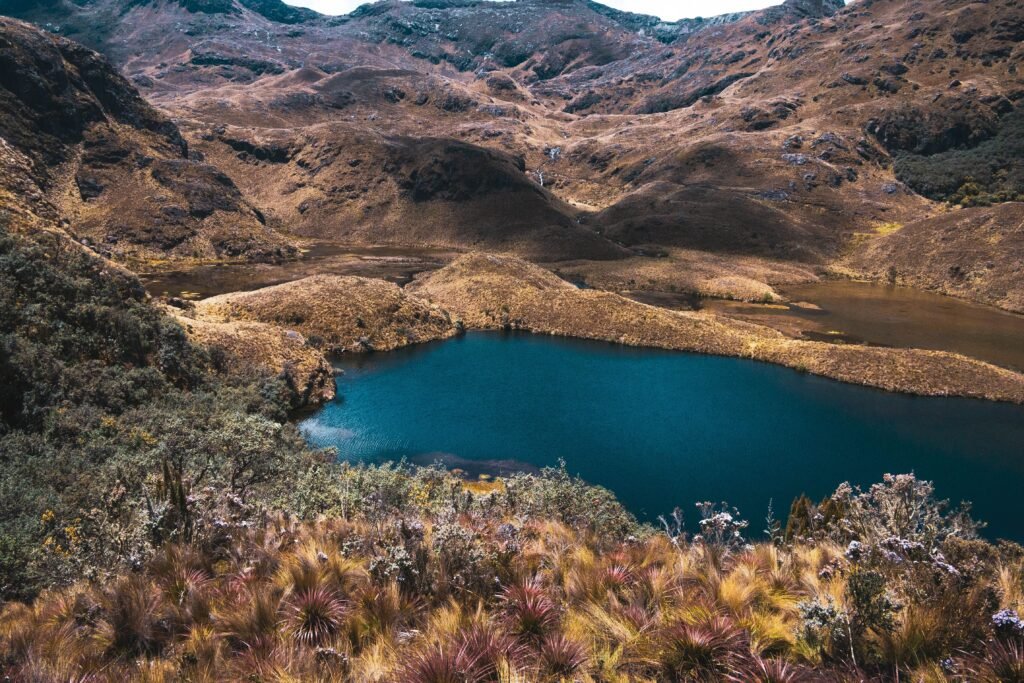
Altitude and acclimatisation
Cajas National Park sits at altitudes where acute mountain sickness (AMS) can affect anyone. Spend at least two days in Cuenca (2,560 metres) before camping above 3,500 metres. Drink plenty of water, carry coca tea or local herbal infusions, and keep physical exertion steady on your first few days.
Packing for páramo weather
The weather in Cajas is notoriously changeable. Radiant sun can turn into freezing rain, fog, or hail within an hour.
- Tent: Must be four-season rated with double-wall construction and high waterproof ratings
- Sleeping Gear: A sleeping bag rated down to -5°C (23°F) and an insulated sleeping pad are crucial
- Clothing: Layering is essential. Waterproof outer shells, thermal merino wool baselayers, and sturdy waterproof boots are mandatory
Leave no trace and park rules
Parque Nacional Cajas is a protected RAMSAR wetland site that supplies drinking water to Cuenca.
- Pack out all rubbish and food waste
- Wash dishes away from lakes using biodegradable soap
- Stick strictly to marked trails to protect delicate spongy páramo soil
- Open campfires are strictly prohibited inside the park boundaries; use portable camping stoves only
The Ecuadorian Coast.
Where you’ll find the very best food
Rest, recharge, and explore Cajas at your own pace
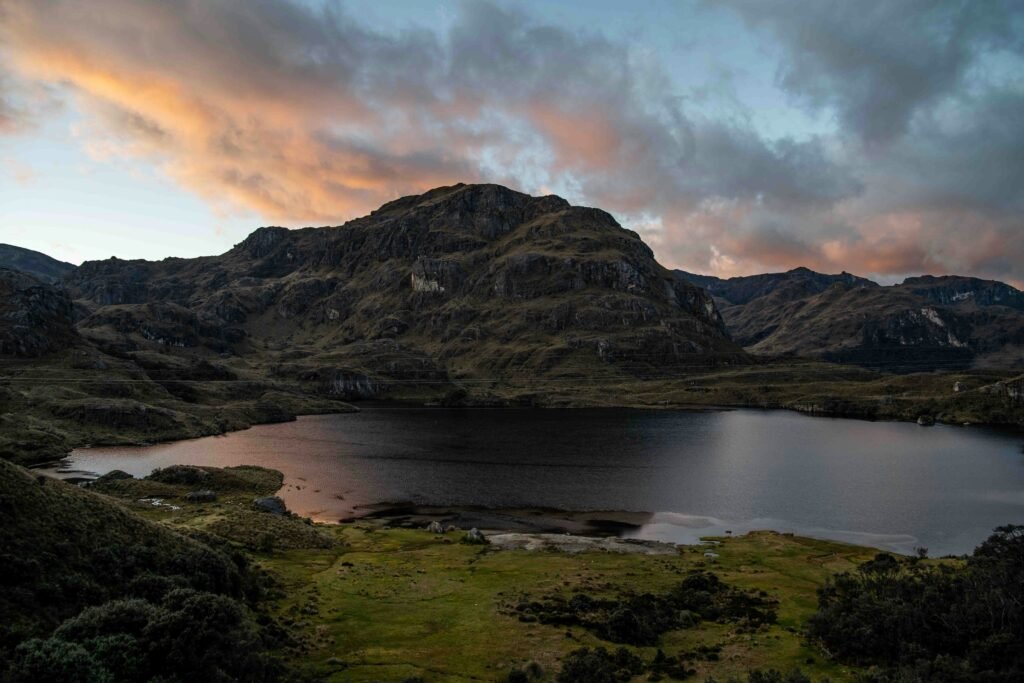
Exploring Parque Nacional Cajas on your own terms is one of the most rewarding outdoor experiences in Ecuador. The combination of dramatic Andean topography, ancient cultural routes, and quiet wilderness makes it a true haven for independent travellers. By choosing a campsite that fits your style—whether that means pitching an ultralight tent deep in the páramo or resting in a heated dome after a long day on the trail—you set the foundation for a safe, unforgettable journey.
Proper preparation, respectful low-impact camping, and choosing the right spot to pitch your tent mean you can focus on what truly matters: watching the morning light break across glacial tarns and taking in the quiet majesty of the High Andes. Pack thoughtfully, take time to acclimatise, and enjoy every step of the trail knowing a good night’s rest awaits.
Affiliate Disclaimer: Some of the links on Wheely Tyred are affiliate links. If you click through and make a booking or purchase, we may earn a small commission at no extra cost to you. We only recommend gear, tours, stays, and services we genuinely use, trust, and stand behind — our editorial independence always comes first. These commissions help keep our independent cycling guides and travel stories free to read. Thanks for supporting the ride!
Frequently asked questions about the best campsites near Cajas National Park
Reaching Cajas without a private vehicle is straightforward. Regular interprovincial buses depart daily from Cuenca’s Terminal Terrestre towards Guayaquil via the main Cuenca–Molleturo highway. Simply ask the driver to drop you off at the Laguna Toreadora visitor centre, the Llaviucu entrance, or your chosen roadside basecamp along the route.
Camping is permitted inside the park, but only within designated zones such as the Burines Valley or near Laguna Llaviucu. To protect the delicate páramo ecosystem, all overnight visitors must register in person at the Laguna Toreadora ranger station before heading out on the trail.
Cajas ranges between 3,100 metres and 4,450 metres above sea level, making altitude sickness a real concern. Spending at least two full days acclimatising in Cuenca (2,560 metres) before camping at higher elevations is strongly advised. Stay hydrated, walk at a steady pace, and carry local herbal infusions such as coca tea.
High-altitude mountain weather changes rapidly, bringing sub-zero overnight frosts and freezing rain. You will need a sturdy four-season double-walled tent, an insulated sleeping mat, and a sleeping bag rated down to at least -5°C. Layering with thermal merino wool base layers and a high-quality waterproof outer shell is essential.
Parque Nacional Cajas is a protected RAMSAR wetland site supplying drinking water to Cuenca. Open campfires are strictly forbidden within park boundaries; you must use a portable gas camping stove. Always wash dishes well away from lakes using biodegradable soap, and pack out every piece of rubbish you bring in.
While basic meals and fresh trout are served at roadside lodges like Molino del Puente and Hosteria Dos Chorreras, options inside the core park area are extremely limited. Independent travellers should stock up on all groceries, stove fuel, and personal supplies in Cuenca before ascending the mountain.
Ecuador.
Pure wonder on the equator.