Navigating Guayaquil / The best boat tours, river cruises, and mangrove safaris in Ecuador’s Pearl of the Pacific
Guayaquil boat tours / Best river cruises & coastal water excursions
Trade urban hustle for tides, estuaries, and wild Pacific waterways
BEN FINCH
To truly comprehend Guayaquil, one must view it from the water. Long before roads crisscrossed Ecuador’s bustling economic capital, the mighty Río Guayas served as the lifeblood of the coastal lowlands, carrying timber, cacao, and sea traders from the Gulf of Guayaquil into the interior.
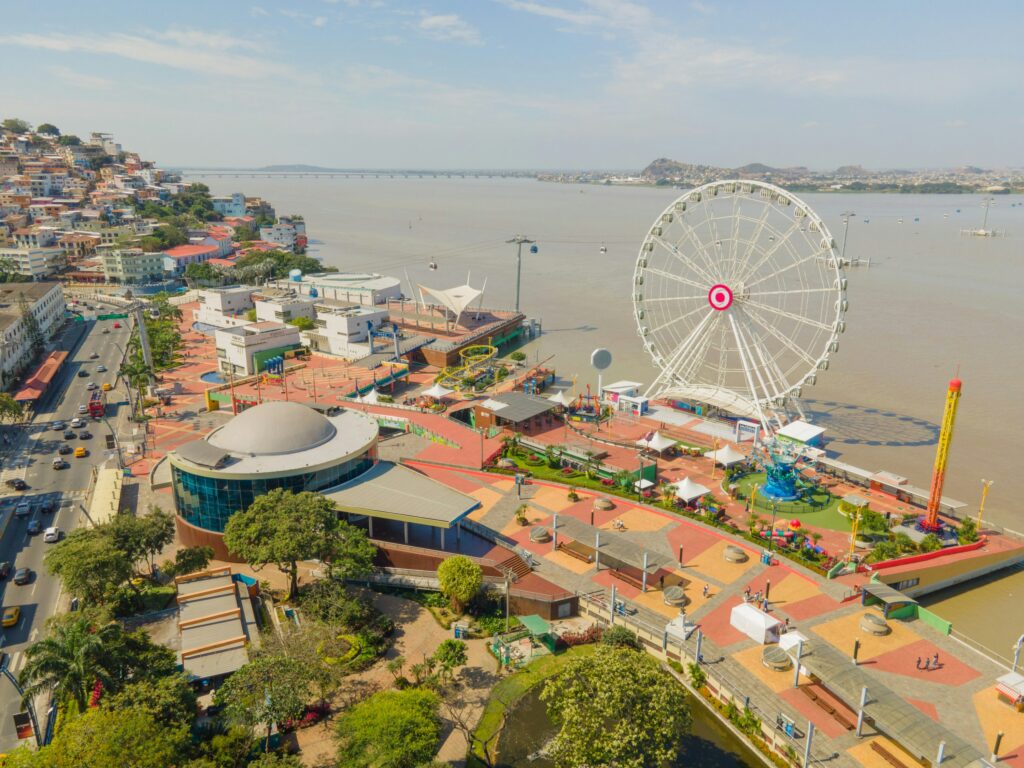
Flowing past the iconic waterfront promenades of Malecón 2000 and the colourful, stepped hillsides of Las Peñas, this majestic river meets a vast network of saltwater estuaries, marine channels, and red mangrove swamps that harbour some of South America’s richest biodiversity.
At Wheely Tyred, our travel philosophy centres on slow, intentional exploration. While many visitors experience Guayaquil solely through its land-based thoroughfares, taking to the water reveals a dramatically different city: gentle river breezes replacing humid asphalt, wild bottlenose dolphins (bufeos) breaking the surface of estuarine channels, and quiet canoe journeys beneath dense mangrove canopy arches where howler monkeys call from the tree line.
To help you skip generic tourist traps and cattle-class ferries, we have vetted six outstanding, highly rated, bookable boat tours in and around Guayaquil. Whether you wish to glide past floodlit city skylines at sunset, navigate protected bird sanctuaries, or embark on a day trip to pristine offshore islands, these water-based excursions offer an authentic taste of Ecuador’s vibrant maritime culture.
Guayaquil by water / Essential takeaways
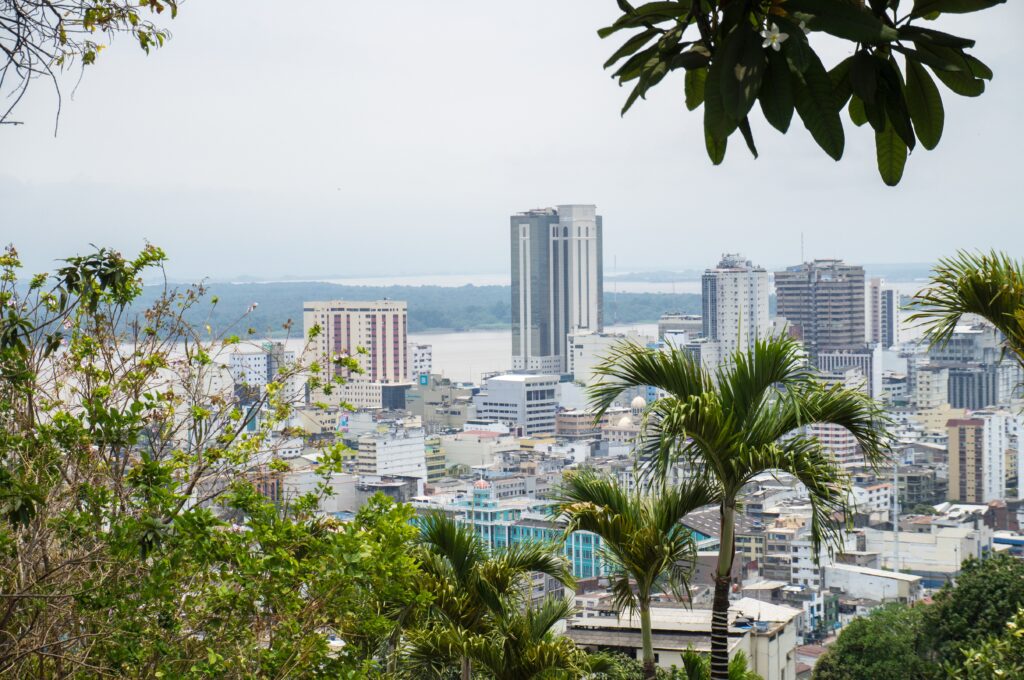
Step off the sun-baked pavements of Ecuador’s largest city and into its true lifeblood: a vast web of equatorial rivers, mangrove channels, and Pacific sanctuaries.
Here are the key takeaways to help you plan an unforgettable water-based journey through Guayaquil and the Guayas province:
- Río Guayas urban cruises: Glide past Malecón 2000, Puerto Santa Ana, and the colourful slopes of Cerro Santa Ana on stable catamarans or historic timber replica vessels like the Morgan
- Puerto El Morro’s wild dolphins: Venture southwest into protected tidal channels where resident bufeos (wild bottlenose dolphins) play in the bow waves of small-footprint eco-boats
- Churute’s silent mangrove tunnels: Trade engine noise for wooden paddles in the Manglares Churute Ecological Reserve, home to howler monkeys, roosting bats, and over 300 bird species
- Isla de la Plata day trips: Experience a mini-Galápagos offshore expedition from Puerto López to hike amongst blue-footed booby colonies and snorkel alongside sea turtles
- Playa Varadero coastal retreats: Combine tidal birding through the Canal del Morro with fresh, locally caught seafood served at shaded beachside cabañas
- Sun protection and water gear: Equatorial UV rays double on the water; pack long-sleeved UV shirts, non-slip footwear, dry bags, and reef-safe bug spray for the mangrove canopy
Guayaquil.
The Pearl of the Pacific
1. Cruise the historic ribbon of the Río Guayas
Rating & reviews
(New activity on GetYourGuide)
Why this tour stands out
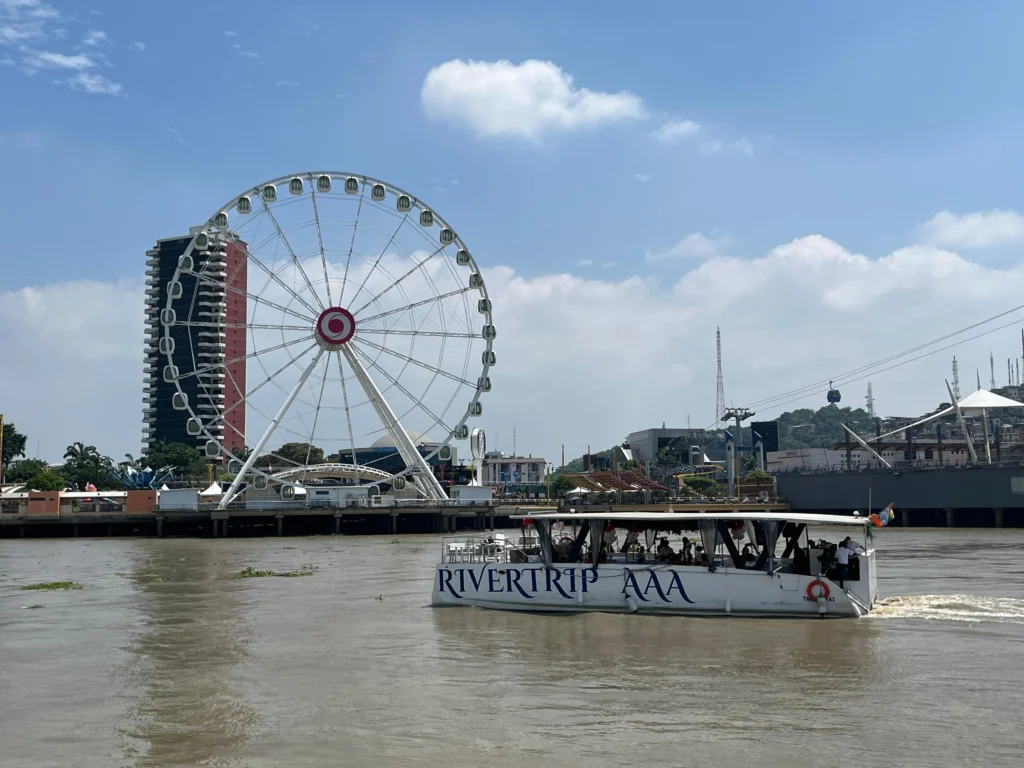
Boarded at the Muelle Tomás Martínez along the lively Malecón 2000, this vessel offers a stable, twin-hulled luxury catamaran experience designed specifically to showcase Guayaquil’s historic skyline from open deck angles.
Rather than crowded commuter vessels, this cruise provides broad panoramic viewing decks, comfortable seating, and an insightful local guide highlighting the architectural evolution of the city.
As the catamaran glides smoothly along the tidal currents of the Río Guayas, travellers enjoy a relaxed atmosphere complete with ambient music, onboard bar service, and ample space for unobstructed urban photography.
Key highlights
- Panoramic views of Malecón 2000, La Perla giant observation wheel, and historic Puerto Santa Ana
- Expert historical commentary on Guayaquil’s river trade, naval defences, and urban renewal
- Onboard refreshments, soft drinks, and local cocktail service. Evening sailings featuring lit views of Cerro Santa Ana and the city waterfront
Ideal for
Slow-travel enthusiasts, couples, and photography lovers seeking an effortless, atmospheric introduction to Guayaquil’s riverine geometry.
Local insight
The breeze along the open river water offers welcome relief from Guayaquil’s heat, but temperatures drop surprisingly fast after dusk. Bring a light cotton scarf or windbreaker, and secure a seat on the starboard side during departure for prime photos of the historic Las Peñas neighbourhood.
The Ecuadorian Coast.
Where you’ll find the very best food
2. Track wild bottlenose dolphins in Gulf estuaries
Rating & reviews
(24+ verified reviews on Viator)
Why this tour stands out
Journeys southwest from Guayaquil to the small artisanal fishing village of Puerto El Morro unlock access to the Gulf of Guayaquil’s most celebrated coastal wildlife sanctuary.
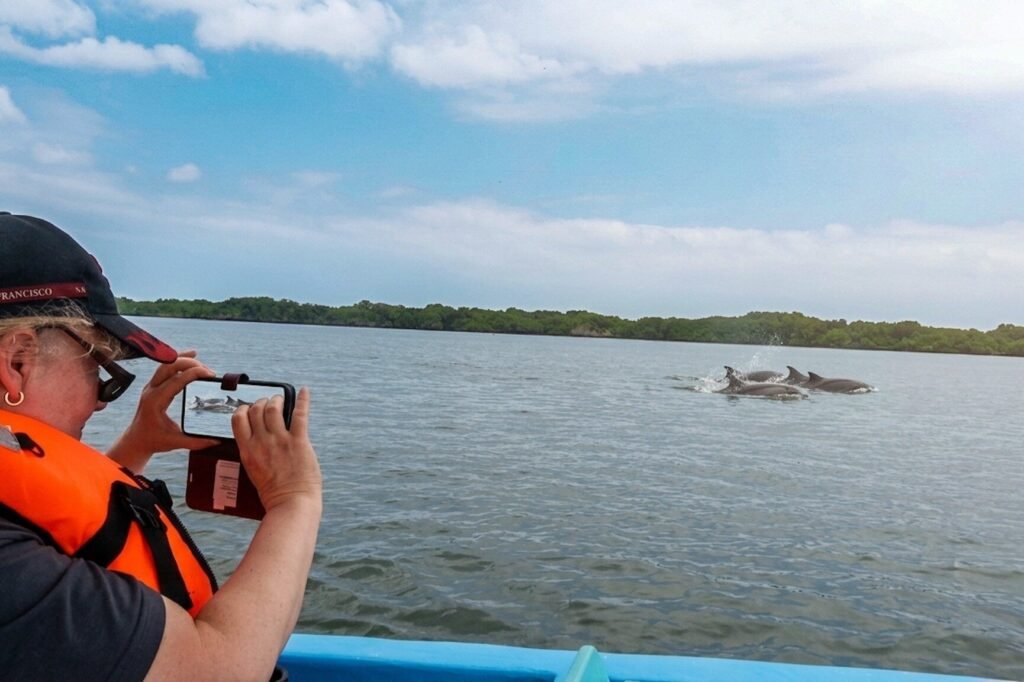
Here, local skippers operate small-footprint motorboats through the winding tidal creeks. This tour stands out for its deep alignment with community-based conservation: local boat captains understand the exact tidal movements of the resident population of wild bottlenose dolphins (bufeos).
The small boat size ensures minimal sound pollution, allowing natural, respectful close encounters as dolphins play alongside the bow wave.
Key highlights
- Small-group boat navigation through protected estuarine channels
- Guaranteed sightings of resident wild bottlenose dolphins (bufeos) in their natural habitat
- Excursion to Isla de los Pájaros to observe thousands of nesting frigatebirds, pelicans, and blue-footed boobies
- Authentic seafood lunch in a local coastal village featuring fresh catch and plantains
Ideal for
Wildlife enthusiasts, eco-conscious travellers, and birdwatchers wanting an immersive marine ecosystem experience without long offshore passages.
Local insight
Tidal changes in the Gulf of Guayaquil alter bird and dolphin activity significantly. Opt for morning departures, bring high-magnification binoculars, and wear polarised sunglasses to slice through surface water glare when spotting dolphins below the waterline.
The Galápagos.
Ecuador’s Enchanted Isles
3. Silent canoe safaris through protected mangrove canopies
Rating & reviews
(26+ verified reviews on Viator)
Why this tour stands out
The Reserva Ecológica Manglares Churute protects over 35,000 hectares of red, black, and white mangroves—one of the last grand wilderness corridors on the coast of Ecuador.
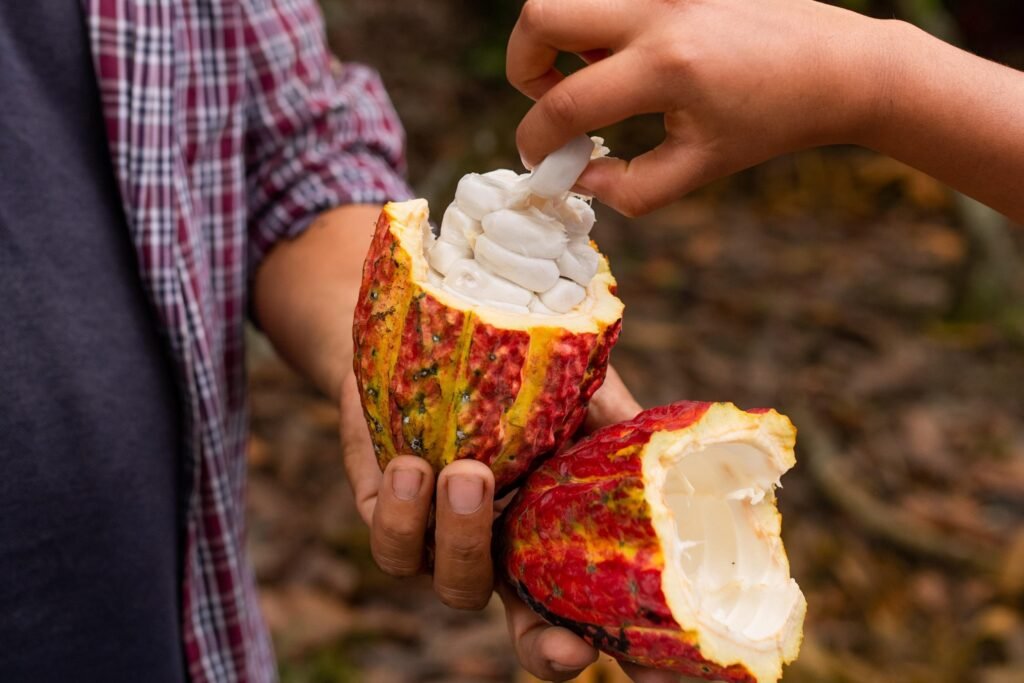
This private/small-group expedition trades noisy engines for hand-paddled wooden canoes and low-emission boats to explore the reserve’s interior channels. Accompanied by a certified naturalist guide, you paddle beneath giant mangrove prop roots where human noise vanishes, replaced by the calls of mantle howler monkeys, ibis, herons, and fiddler crabs.
The journey concludes at a family-run heritage cocoa estate for a farm-to-table lunch.
Key highlights
- Hand-paddled canoe navigation through untouched red mangrove tunnels
- Expert-guided wildlife spotting for howler monkeys, roosting bats, and over 300 bird species
- Deep dive into the critical ecological role mangroves play in coastal flood defence and carbon capture
- Visit to a historic heritage cacao hacienda for artisanal chocolate making and fresh farm lunch
Ideal for
Nature purists, birding enthusiasts, and travellers seeking absolute tranquil immersion in pristine coastal wetlands.
Local insight
Mangrove ecosystems are teeming with life, including biting midges (manta blanca). Apply reef-safe insect repellent and wear lightweight, long-sleeved linen or quick-dry garments. Closed-toe water shoes with gripping soles are essential for stepping in and out of canoes safely.
4. Track wild bottlenose dolphins through the mangrove channels of Puerto El Morro
Rating & reviews
(7+ verified reviews on GetYourGuide)
Why this tour stands out
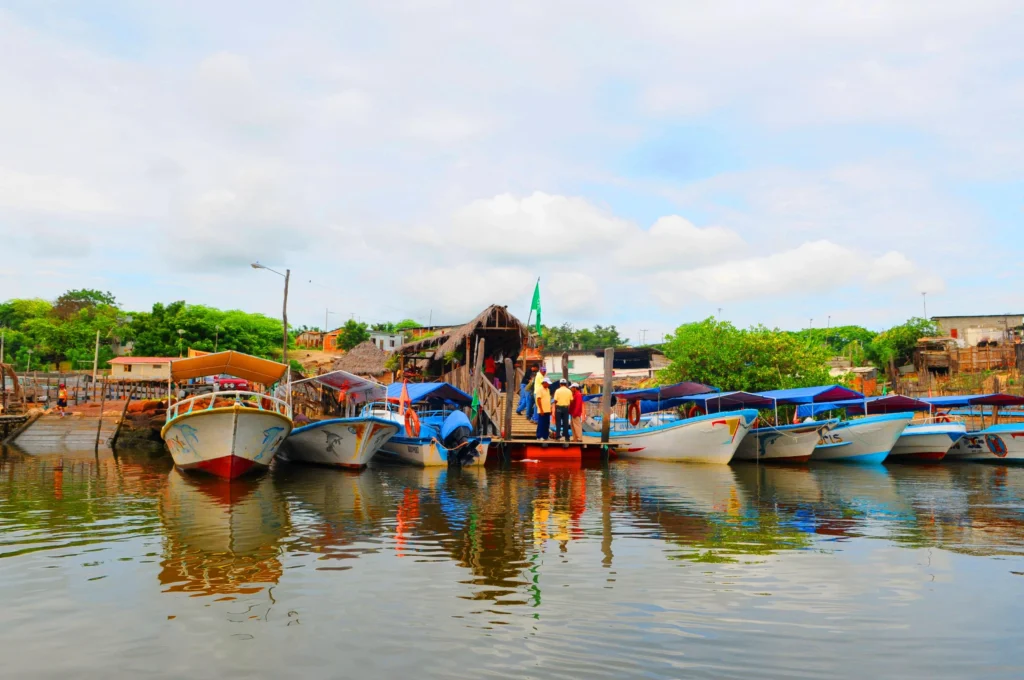
Operating as an intimate, small-group excursion (capped at a maximum of 15 travellers), this day tour trades commercial cattle-class vessels for private, low-impact motor launches operated in partnership with local artisanal boat captains from Puerto El Morro.
Departing early from Guayaquil with comfortable, air-conditioned hotel pickup, the journey takes you 1 hour and 45 minutes southwest into rural coastal landscapes. Once at the pier, you board an open-air boat specifically designed for navigating shallow tidal channels. The local skippers possess generations of experience reading tidal movements, ensuring an exceptionally high probability of respectful, close-up encounters with the resident pod of wild bottlenose dolphins.
Unlike noisy motorboat racing, the captains cut the engines to a gentle drift when dolphins approach, allowing you to observe these intelligent marine mammals playing in their natural habitat without disruption.
The trip also navigates deep into pristine red mangrove tunnels to spot roosting pelicans, herons, and blue-footed boobies, before concluding with a fresh, traditional seafood lunch at a local coastal eatery in nearby General Villamil Playas.
Key highlights
- Small-group, personalised boat navigation through the protected tidal channels of the Golfo de Guayaquil
- Exceptional wildlife viewing featuring resident wild bottlenose dolphins (bufeos) surfacing alongside the vessel
- Guided eco-exploration of red, black, and white mangrove systems, highlighting coastal bird colonies such as frigatebirds and egrets
- Door-to-door round-trip transportation from your Guayaquil hotel with an informative, multilingual local guide
- Authentic coastal seafood lunch included at a local restaurant, sampling fresh Pacific catches and fried plantains
Ideal for
Eco-conscious travellers, wildlife enthusiasts, photographers, and small groups seeking a tranquil, authentic maritime escape from Guayaquil’s urban core.
Local insight
Tidal shifts significantly influence dolphin activity and visibility in the estuarine creeks. The morning departure time ensures optimal water conditions before afternoon winds pick up. Bring a pair of polarised sunglasses to eliminate water surface reflection—this allows you to spot the dark silhouettes of dolphins gliding beneath the bow moments before they break the surface to breathe.
The Ecuadorian Sierra.
Get lost in the hills
5. Offshore voyage to Ecuador’s sacred Pacific sanctuary
Rating & reviews
(18+ verified reviews on Viator)
Why this tour stands out
For travellers without the time or budget for a full Galápagos cruise, this full-day maritime expedition from Guayaquil to Machalilla National Park delivers an extraordinary offshore experience.
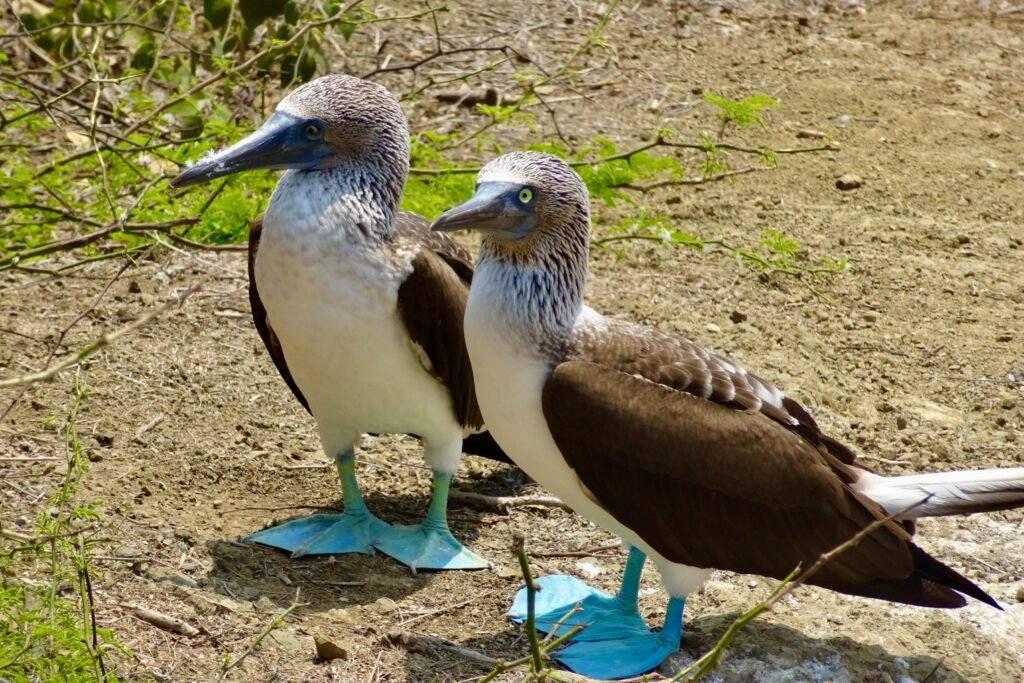
Departing by boat from Puerto López, you make a 40-kilometre Pacific passage to Isla de la Plata (Silver Island). Led by certified naturalist guides, this tour features offshore wildlife watching, island trekking among blue-footed booby colonies, and guided snorkelling over Pacific coral reefs alongside sea turtles and tropical fish.
Key highlights
- High-speed offshore boat crossing through Machalilla Marine Park
- Guided trekking to observe blue-footed boobies, Nazca boobies, and frigatebird nesting sites
- Snorkelling in turquoise island coves with sea turtles, manta rays, and tropical reef fish
- Seasonal humpback whale watching during their Antarctic migration (June to October)
Ideal for
Serious eco-travellers, snorkellers, and marine life enthusiasts seeking a true open-ocean expedition.
Local insight
The 90-minute open-ocean passage to Isla de la Plata can encounter choppy Pacific swells. If you are prone to motion sickness, take a natural ginger tablet or anti-seasickness medication 40 minutes before boarding at Puerto López, and sit toward the stern of the boat where pitch movement is minimal.
Our practical Guayaquil boat tour & water safety guide
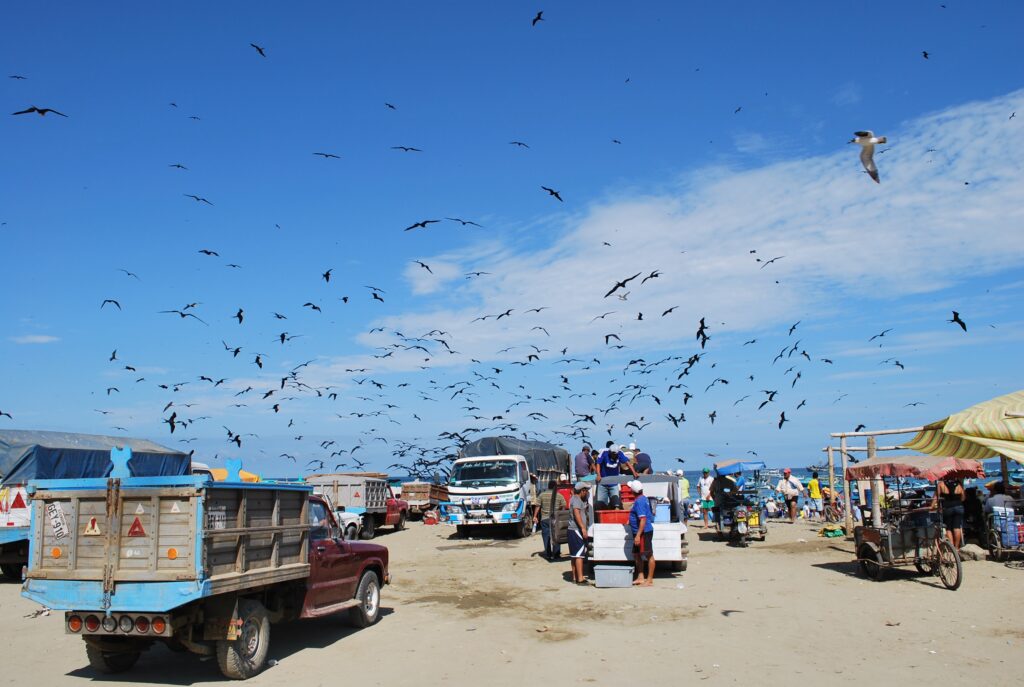
Navigating Ecuador’s coastal waterways and tropical river systems requires simple, practical preparation. To ensure your time on the water is safe, comfortable, and ecologically responsible, keep these five local guidelines in mind:
Dress for tropical wind chill and solar reflection
While Guayaquil is warm and tropical, wind chill on open water and long river stretches can surprise unpolished travellers. Furthermore, UV rays reflect intensely off equatorial waters. Always wear a lightweight, long-sleeved UV-protective shirt, a wide-brimmed hat with a chin strap (to prevent losing it to gusty river winds), and polarised sunglasses. Carry a light windbreaker jacket for evening river sailings.
Respect marine conservation and wildlife distance rules
Whether watching wild bottlenose dolphins (bufeos) in Puerto El Morro or nesting frigatebirds in mangrove sanctuaries, insist that your boat captain maintains a respectful distance. Responsible boat operators will never chase marine mammals or cut off their pod’s trajectory. Never throw food or plastic into river currents or estuary waters.
Manage seasickness proactively on estuarine & offshore routes
The Río Guayas and inner mangrove channels are calm and sheltered, but trips venturing into the Gulf of Guayaquil or open Pacific Ocean passages (such as Isla de la Plata) encounter ocean swells. Keep your eyes on the horizon, maintain hydration with fresh water rather than sugary sodas, and sit amidships or near the stern deck where vessel pitching is least pronounced.
Wear non-slip, non-marking deck footwear
Wooden boat decks, wet fibreglass launches, and muddy mangrove boarding docks can be slick. Leave smooth-soled leather shoes and flip-flops at your hotel. Choose water shoes with rubber grips, secure sandals with ankle straps, or boat shoes that provide firm traction on wet surfaces.
Acknowledge local skippers and maritime crew etiquette
Local boat captains and naturalist guides in coastal Guayas province possess generations of intimate local knowledge regarding tides, weather patterns, and wildlife habits. Expressing gratitude through modest gratuities (typically $5–$10 USD per person for day tours) directly supports coastal fishing communities and incentivises eco-friendly boat operations over destructive commercial fishing.
The Ecuadorian Amazon.
The most biodiverse place in the world
Chart a slower course through coastal Ecuador
Read this far?
Guayaquil is far too often dismissed as a mere transit hub—a brief urban layover before taking flight to the Galápagos Islands or catching a bus into the Andean highlands. Yet, to overlook its maritime waterways is to miss the beating heart of coastal Ecuador. By taking to the tidal currents of the Río Guayas or navigating the silent mangrove corridors of Churute, you connect directly with an environment that has sustained coastal communities, trade, and extraordinary marine life for centuries.
Choosing small-boat excursions and local eco-guides does more than just shield you from generic, overcrowded tourist routes; it directly funds community-led marine conservation and incentivises the preservation of fragile mangrove ecosystems. Whether you find yourself watching wild bottlenose dolphins surf estuarine waves or sipping an evening drink as the lights of Las Peñas twinkle along the waterfront, travelling by water offers a rare, tranquil perspective on a city defined by its relationship with the tide.
At Wheely Tyred, we firmly believe that the best journeys occur when we slow down and allow the natural rhythm of a landscape to dictate our pace. So, step away from the bustling thoroughfares, board a boat, and let the rivers and Pacific estuaries of Guayaquil reveal their quiet, ancient magic.
Pack your binoculars, secure your dry bag, and prepare to see Ecuador from a fresh angle. Smooth waters and fair breezes await.
Affiliate Disclaimer: Some of the links on Wheely Tyred are affiliate links. If you click through and make a booking or purchase, we may earn a small commission at no extra cost to you. We only recommend gear, tours, stays, and services we genuinely use, trust, and stand behind — our editorial independence always comes first. These commissions help keep our independent cycling guides and travel stories free to read. You can also buy me a coffee here — thanks for supporting the ride!
Frequently asked questions about the best Guayaquil boat tours
Guayaquil is a year-round destination, but the dry season (June to December) offers cooler temperatures, lower humidity, and pleasant river breezes. If you are hoping to spot migratory humpback whales on offshore trips to Isla de la Plata, plan your visit between June and October.
Yes. The Río Guayas is a wide, sheltered tidal river with very gentle waters, making sunset catamarans and historic boat sails virtually roll-free. However, if you are venturing onto the open ocean towards Isla de la Plata or outer coastal passages, taking anti-seasickness medication beforehand is recommended.
Wear lightweight, quick-drying trousers and long-sleeved shirts to protect against solar glare and biting insects (manta blanca). Choose secure water shoes or sandals with non-slip rubber soles, and bring a wide-brim hat with a chin strap so it does not blow away on open water.
Yes! A short day trip southwest to Puerto El Morro places you right in the heart of a protected estuarine sanctuary inhabited by a resident pod of wild bottlenose dolphins (bufeos). Local skippers guide small, quiet motorboats through the channels to observe them safely without disturbing their natural behaviour.
While river catamarans along Malecón 2000 can often be booked a day or two in advance during weekdays, specialised eco-tours—such as small-group canoe safaris in Churute or offshore trips to Isla de la Plata—have strict capacity limits to protect wildlife. We strongly recommend booking those at least 1 to 2 weeks in advance.
Yes, official river cruises departing from licensed docks along Malecón 2000 (such as Muelle Tomás Martínez or Puerto Santa Ana) operate in well-monitored, secure maritime areas. They offer a safe, relaxing, and beautifully lit perspective of the city’s waterfront skyline at night.
Ecuador.
Pure wonder on the equator.