Unlock Guayaquil / Top bookable attractions, historic monuments, and cultural experiences
Guayaquil attraction tickets, museum passes, and guided tours
Skip the queue heritage and tropical exploration of the Pacific port
BEN FINCH
Stretching along the western bank of the mighty Río Guayas, Guayaquil—affectionately known as the Pearl of the Pacific—is Ecuador’s largest metropolis and its vibrant commercial heartbeat. For far too long, travellers treating the city purely as a transit node for the Galápagos Islands have overlooked a metropolis teeming with architectural reinvention, rich maritime history, lush tropical sanctuaries, and deep-rooted cacao heritage.
From the colourful nineteenth-century wooden estates clinging to Cerro Santa Ana to the modern aerial cable cars soaring high above the urban riverbanks, Guayaquil offers an exhilarating fusion of equatorial ecology and civic pride.
At Wheely Tyred, our guiding travel ethos centres on independent, autonomous exploration grounded in seamless logistics. In a rapidly evolving coastal hub where peak-hour tropical heat and unpredictable queueing times can devour valuable travel hours, pre-booking timed-entry passes, secured admission tickets, and small-group hosted experiences is vital. Bypassing crowded ticket kiosks and securing guaranteed admission in advance transforms a potentially hectic layover into an unhurried, deeply rewarding cultural dive.
Whether you are seeking to glide quietly above the river traffic on the transit system, strolling amongst wild iguanas in historic squares, or venturing into coastal mangrove estuaries where howling monkeys roam, securing your venue access in advance ensures that every moment in Guayaquil is spent immersing yourself in local art, architecture, and biodiversity. Here is our expert curation of the top ticketed attractions and curated cultural experiences across Guayaquil.
Essential Guayaquil takeaways
Guayaquil rewards the curious traveller who trades rushed airport transfers for deliberate, independent exploration of its riverbanks, historical quarters, and coastal reserves. Here are the core highlights defining an immersive journey through Ecuador’s largest port city:
- Aerial Perspective: Gliding silently above the Río Guayas on the Aerovía cable car provides an unbeatable orientation of the city’s urban layout and historic skyline
- Living Architectural Heritage: The Parque Histórico de Guayaquil preserves dismantled nineteenth-century timber manors that recall the prosperous Gran Cacao boom era
- Bean-to-Bar Cacao Roots: Working agricultural estates invite visitors to harvest heirloom Arriba beans and craft custom chocolate using traditional grinding techniques
- Authentic Craft Traditions: Guided visits to workshops like Ecua-Andino reveal that the world-famous Panamá hat is an intricate indigenous Ecuadorian art form
- Estuarine Wilderness: The Churute Mangroves Ecological Reserve offers quiet canoe excursions through dense red mangrove tunnels and jungle treks to spot howler monkeys
- Logistical Independence: Pre-booking timed-entry passes and small-group hosted excursions shields autonomous travellers from peak tropical heat and afternoon ticket queues
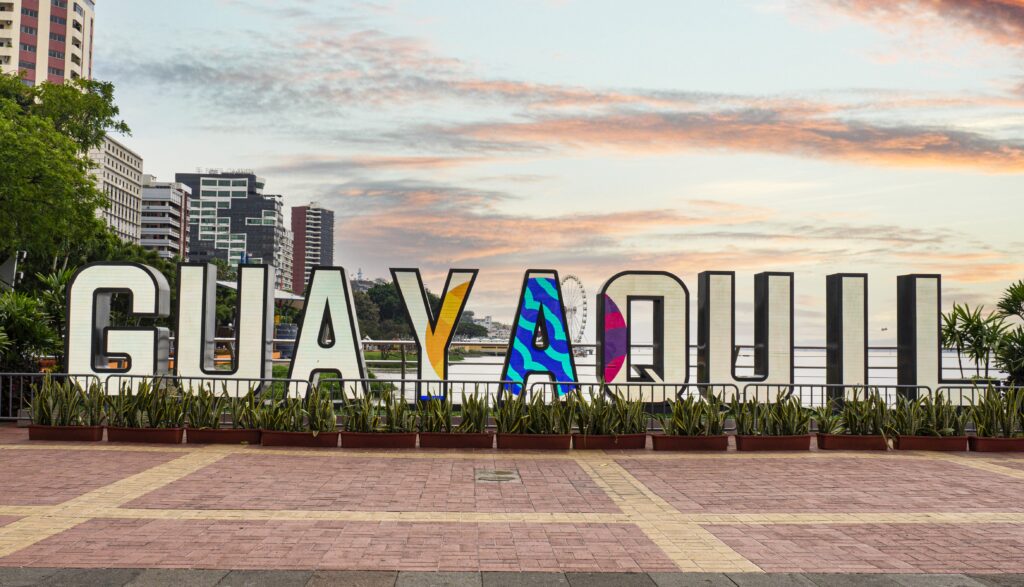
Guayaquil.
The Pearl of the Pacific
Skyline perspectives over the Guayas
Rating & reviews
(49+ verified reviews on GetYourGuide)
Why this attraction stands out
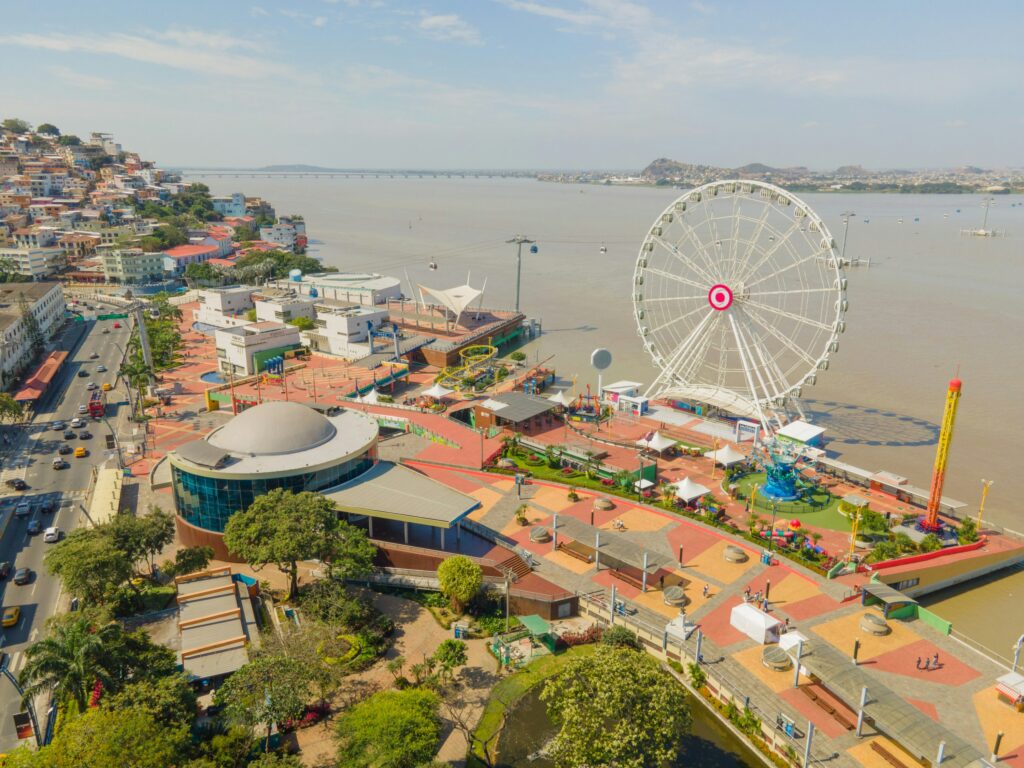
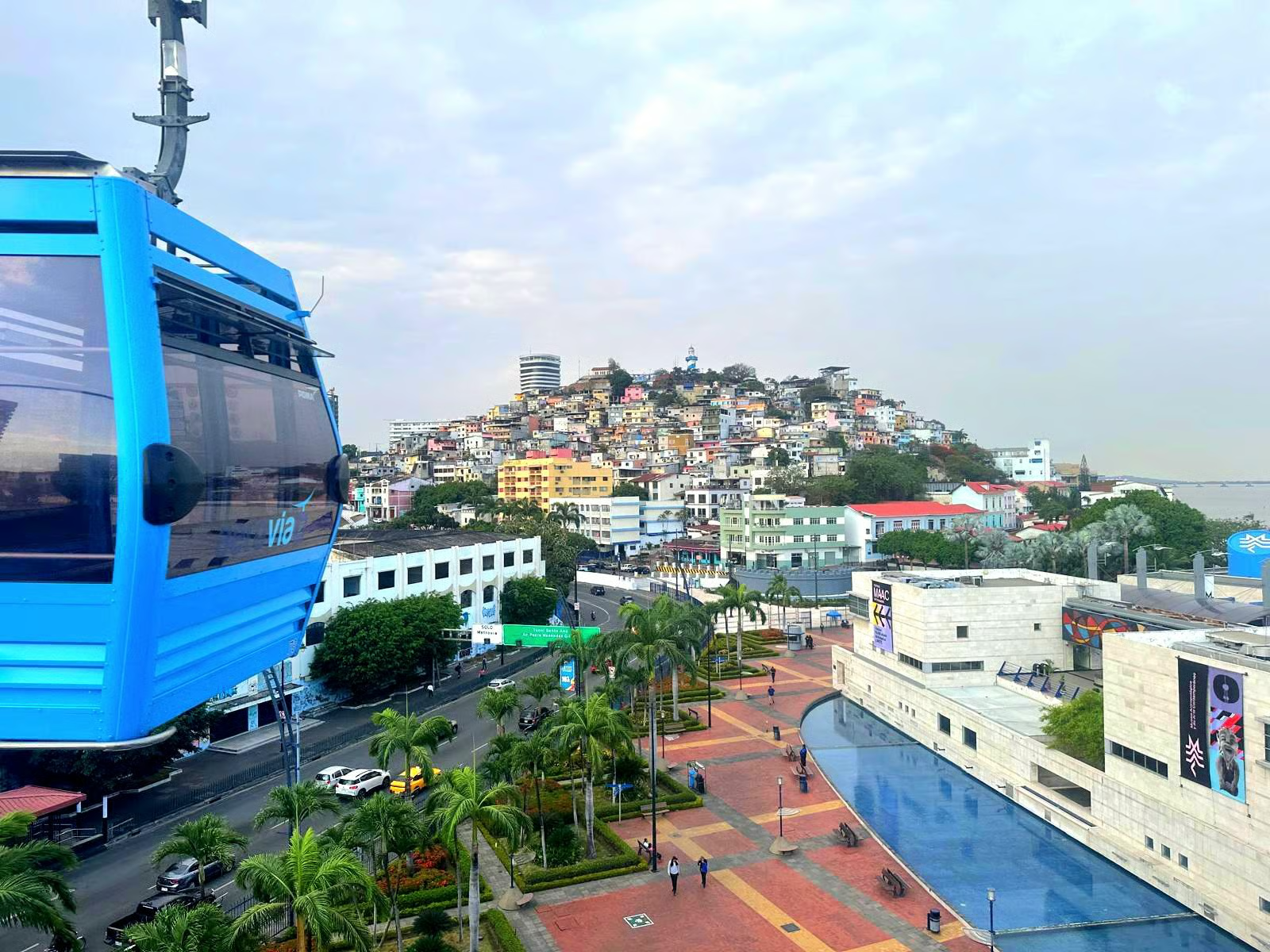
To truly grasp the dramatic urban geography of Guayaquil, one must observe it from both the riverfront and the sky. This small-group experience combines prioritised access across the city’s key historical monuments with a pre-arranged flight on the Aerovía de Guayaquil, the city’s cutting-edge aerial cable car system.
Rather than navigating transit ticket machines independently or waiting in long public purchase lines during peak hours, this ticketed hosted entry seamlessly connects you from the urban promenades to an elevated cabin gliding silently over the expansive waters of the Río Guayas.
The journey links the foundational monuments of the historic downtown area with panoramic aerial vistas, offering an unmatched perspective on how the river shapes coastal Ecuadorian life. Traversing the waterfront on foot alongside an expert local historian before boarding the cable car provides the ideal context for understanding Guayaquil’s urban transformation from a colonial port to a modern maritime capital.
Key highlights
- Aerovía de Guayaquil Flight: Aerial transit offering sweeping 360-degree views of the skyline, river traffic, and the iconic lighthouse atop Cerro Santa Ana
- Malecón 2000 Promenade: Guided walkthrough of the famed 2.5-kilometre riverside parkland, detailing its architectural restoration and civic monuments
- Parque Seminario (Iguana Park): Direct access to the historic plaza where hundreds of land iguanas roam freely amidst ornamental botanical gardens
- Barrio Las Peñas: Explore the cobblestone alleyways, art galleries, and restored wooden architecture of Guayaquil’s oldest district
Ideal for
First-time visitors, urban photography enthusiasts, and cultural travellers seeking an efficient, high-level orientation of the city’s geography and primary historic landmarks.
Local insight
The midday sun along the equatorial coast can be formidable. Selecting a morning departure slot for this ticketed experience ensures you complete the walking portions along the Malecón 2000 before the afternoon heat peaks, leaving you to enjoy the air-conditioned cabin of the Aerovía de Guayaquil during the warmest hours.
The Ecuadorian Coast.
Where you’ll find the very best food
Living heritage & wildlife immersion
Rating & reviews
(10+ verified reviews on Viator)
Why this attraction stands out
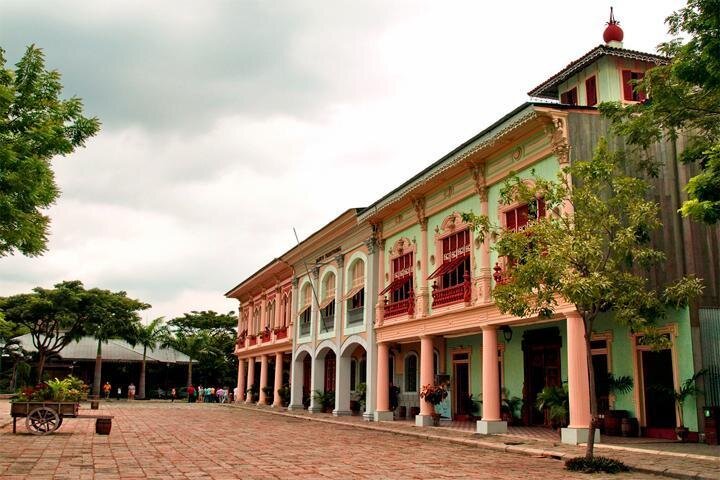
The Parque Histórico de Guayaquil, located in the tranquil Samborondón district, stands as one of South America’s most remarkable living museums. Spanning eight hectares, this venue is ingeniously divided into three distinct zones: Wildlife, Urban Architecture, and Traditions.
Managing private transport and timed entry to this expansive venue on your own can prove cumbersome; this comprehensive package solves all transit logistics by providing dedicated private transport, pre-paid park entry, and hosted narrative commentary.
What makes this experience exceptionally valuable is the rare opportunity to inspect authentic nineteenth-century heritage buildings—such as the restored Bank of Ecuador and Casa Julián Coronel—which were painstakingly dismantled from downtown Guayaquil, transported upriver, and reconstructed piece by piece inside the park grounds.
Combined with an ecological sanctuary harbouring native spectacled caimans, tapirs, and spider monkeys, it offers an immersive window into Ecuador’s coastal golden era of cacao production.
Key highlights
- Architectural Zone Admission: Walk amongst fully restored 19th-century timber manors that illustrate the wealthy Gran Cacao boom era
- Wildlife Sanctuary Trail: Elevated boardwalks passing through natural mangrove wetlands populated by native coastal fauna
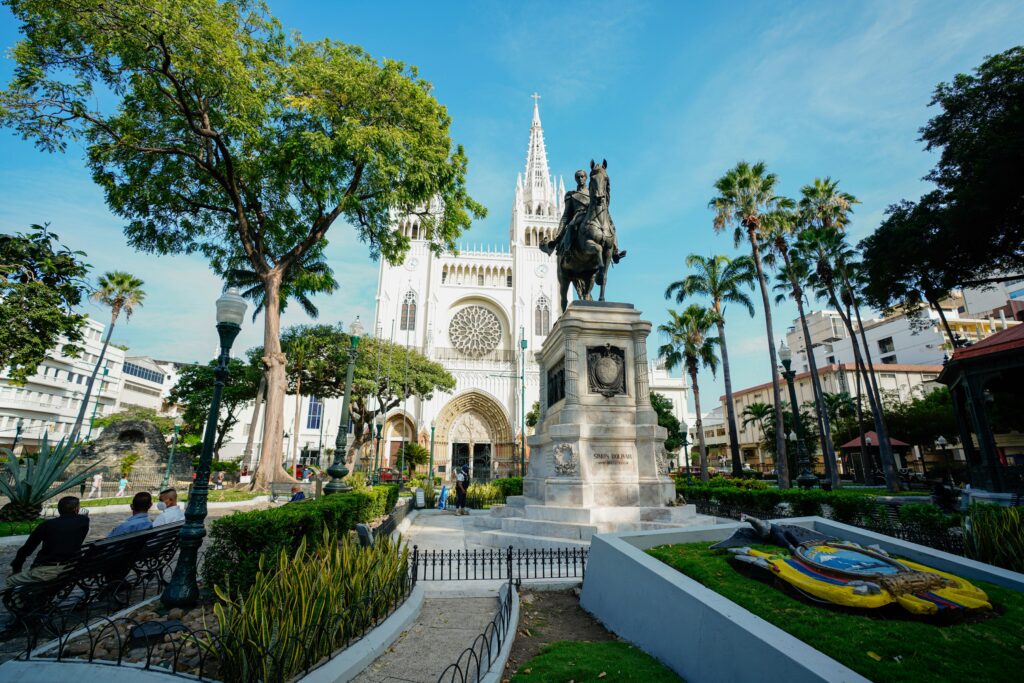
- Catedral Metropolitana Visit: Direct access to the imposing neo-Gothic cathedral in central Guayaquil
- Traditions Zone Demonstration: Interactive showcase detailing rural Montubio coastal farm culture, traditional herbalism, and early agricultural machinery
Ideal for
History buffs, architectural preservationists, families, and nature enthusiasts looking for a tranquil, highly educational sanctuary experience away from the bustling city centre.
Local insight
Large cameras and professional photography gear require a clear display at the venue entrance. Carrying a lightweight daypack with sealable water bottles is highly recommended, as the open-air heritage boardwalks inside the Parque Histórico de Guayaquil offer limited shaded vendor stalls between major exhibition zones.
The Galápagos.
Ecuador’s Enchanted Isles
Botanical to bean / Cacao heritage
Rating & reviews
(6+ verified reviews on GetYourGuide)
Why this attraction stands out
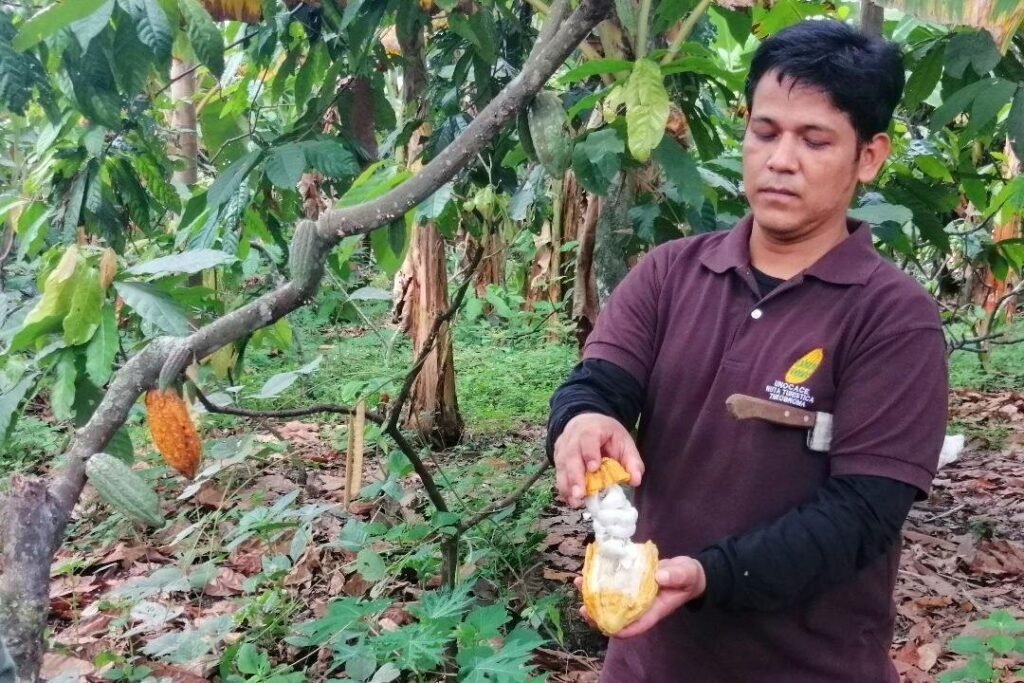
Ecuador is world-renowned as the spiritual home of Sombra de Fine Aroma (Cacao Arriba), the highly prized heirloom cacao bean celebrated for its complex floral notes. Understanding Guayaquil’s economic and cultural identity requires tracing this valuable crop back to its roots.
This dedicated ticketed excursion transfers travellers from the urban centre into the lush agricultural hinterlands for a private, hands-on workshop at an active, family-run cacao hacienda.
Unlike generic food tasting tours, this experience grants direct access to working plantations. Guests walk beneath ancient cacao trees, harvest mature pods under the guidance of master growers, and participate directly in the traditional post-harvest fermentation and sun-drying processes.
The journey culminates in an artisanal bean-to-bar workshop where you roast and grind your own chocolate paste using century-old techniques, followed by a traditional farm-to-table lunch prepared with estate-grown ingredients.
Key highlights
- Guided Orchard Walk: Hands-on exploration of organic cacao groves, learning the botanical distinctions of native Ecuadorian bean varieties
- Artisanal Processing Workshop: Active participation in pod cracking, seed fermentation inspection, pan-roasting, and manual grinding
- Custom Chocolate Crafting: Create your own bespoke chocolate blend using pure cacao paste, natural cane sugar, and local spices
- Gastronomic Lunch: Authentic three-course rural Ecuadorian meal served on the veranda of a historic plantation house
Ideal for
Culinary travellers, slow-food advocates, agricultural historians, and anyone keen to explore the origins of Ecuador’s most famous export.
Local insight
Because this ticketed experience visits an active agricultural estate, closed-toe footwear with sturdy tread is essential. Rural trails can be damp from morning dew or tropical showers. Bringing insect repellent and a lightweight linen shirt will ensure comfortable exploration through the lush orchard canopy.
Civic monuments & craftsmanship
Rating & reviews
(63+ verified reviews on GetYourGuide)
Why this attraction stands out
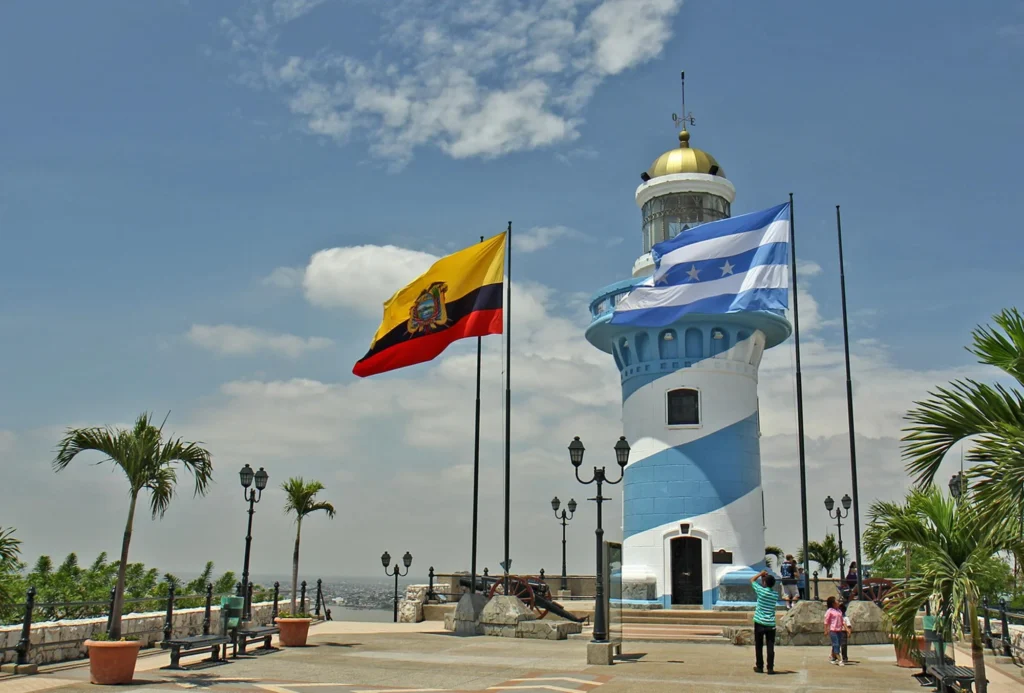
For travellers seeking a curated deep-dive into Guayaquil’s civic monuments, political history, and world-renowned artisanal craft traditions, this structured city tour delivers exceptional value.
Operating with flexible morning and afternoon departure slots, the tour combines seamless hotel transfers with dedicated access to major urban landmarks, including a rare behind-the-scenes visit to an authentic Panamá hat manufacturing workshop.
While many visitors assume the iconic hand-woven straw hat originates in Panamá, it is, in fact, an indigenous Ecuadorian craft from the provinces of Manabí and Azuay. This tour includes an exclusive guided stop at the historic Ecua-Andino workshop, where guests observe skilled artisans finishing, blocking, and grading fine Toquilla straw hats.
Coupled with expert commentary at the Hemiciclo de La Rotonda—the monumental site commemorating the historic 1822 meeting between South American liberators Simón Bolívar and José de San Martín—this pass covers the full spectrum of coastal identity.
Key highlights
- Ecua-Andino Factory Access: Guided demonstration of the intricate art of weaving, shaping, and grading genuine Ecuadorian Toquilla straw hats
- Hemiciclo de La Rotonda: Detailed narrative on the geopolitical history of South American independence at the city’s grandest marble monument
- Puerto Santa Ana: Exploration of the redeveloped historic brewery district, now a modern cultural and dining hub along the river
- Monumental Civic Centre: Stops at the neoclassical Palacio Municipal and the century-old Torre Morisca (Moorish Clock Tower)
Ideal for
Culture enthusiasts, craft appreciators, independent couples, and transit travellers wanting to combine high-level history with local artisanal shopping.
Local insight
When visiting active workshop spaces like the Ecua-Andino facility, video recording may be restricted in certain delicate hand-finishing areas. Always confirm with your guide prior to photographing artisans at work. The workshop is an ideal place to purchase an authentic, rollable Panamá hat complete with a protective travel tube.
The Ecuadorian Sierra.
Get lost in the hills
Ecological sanctuary exploration
Rating & reviews
(12+ verified reviews on Viator)
Why this attraction stands out
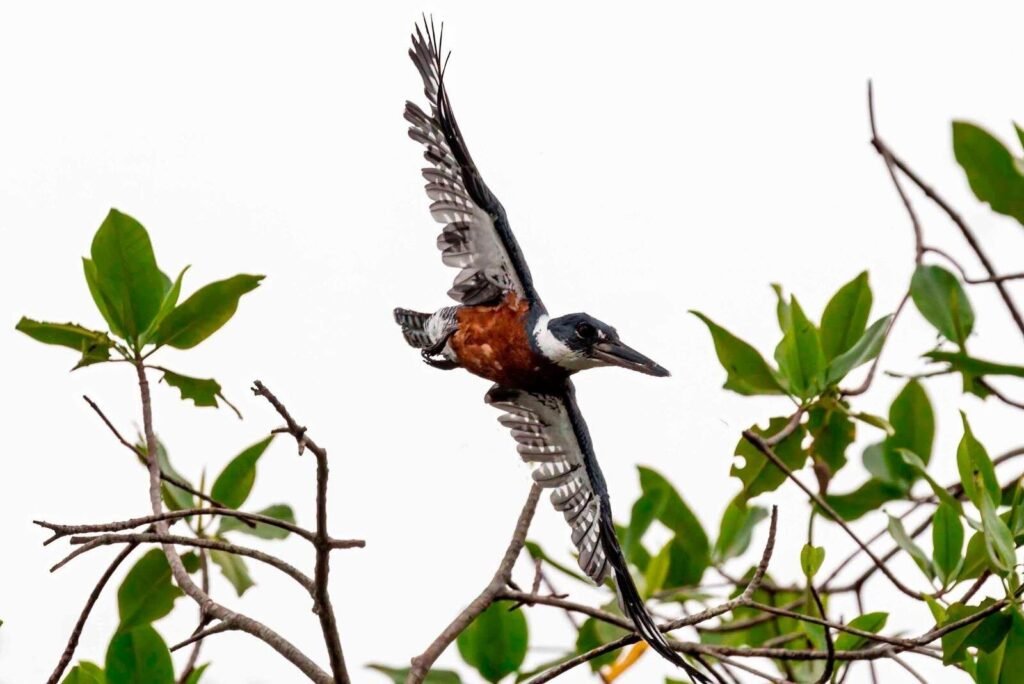
Just 45 minutes south of Guayaquil lies one of the most ecologically vital ecosystems along the South American Pacific coastline: the Reserva Ecológica Manglar Churute. Encompassing over 35,000 hectares of protected red mangroves, tropical dry forests, and estuarine channels, this RAMSAR-designated wetland is home to over 300 bird species, coastal crocodiles, and wild troops of mantled howler monkeys.
Accessing this reserve requires official park permits, local naturalist guides, and specialised river craft.
This small-group day excursion eliminates all logistical hurdles by securing all official reserve entry documentation, private boat chartering, and expert ecological guiding. The journey blends a peaceful canoe navigation through dense mangrove tunnels—watching local crab fishermen (cangrejeros) work the mud flats using traditional methods—with a gentle jungle trek through the tropical dry forest canopy to locate wild primate troops.
Key highlights
- Estuary Canoe Expedition: Silent paddling along red mangrove channels to spot roseate spoonbills, herons, ospreys, and aquatic wildlife
- Howler Monkey Trail Trek: Guided forest hike beneath giant cotton silk trees (ceibas) to observe wild troops of mantled howler monkeys (Alouatta palliata)
- Traditional Crab Fishery Culture: Cultural encounters demonstrating how local coastal communities sustainably harvest red mangrove crabs
- Full Permitted Entry & Transport: Includes all official national park permits, private air-conditioned vehicle transfers, and an authentic regional seafood lunch
Ideal for
Eco-travellers, birdwatchers, outdoor photographers, and natural history lovers seeking an authentic wilderness escape within easy reach of the city.
Local insight
Tidal cycles govern mangrove canoe navigation in the Reserva Ecológica Manglar Churute. Departure times for this ticketed excursion are carefully scheduled around local high tides to ensure smooth passage through narrow estuarine creeks. Be sure to reconfirm pick-up times with the tour operator 24 hours prior to departure, and pack high-concentration insect repellent and dry bags for electronics.
Our practical Guayaquil attraction booking & visiting guide
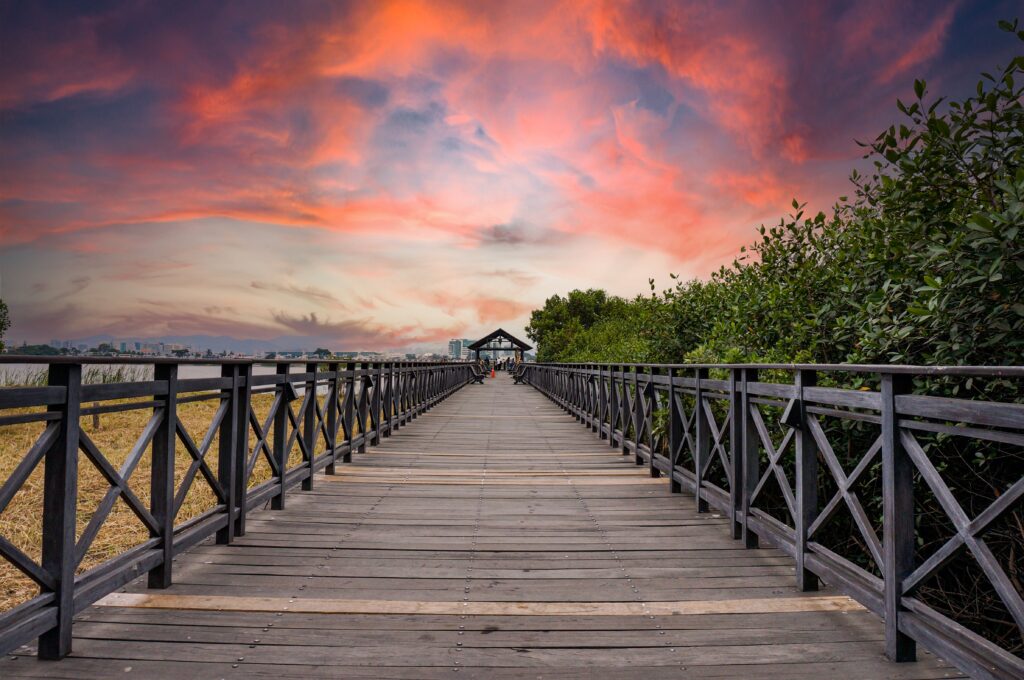
To ensure a seamless, stress-free cultural journey through Guayaquil, keep these essential local booking rules in mind:
Pre-book timed entries for peak seasons
Guayaquil experiences high domestic and international visitor traffic during the dry season (July to December) and around major national holidays like the Foundation of Guayaquil (25 July) and Independence Day (9 October). Securing advanced venue tickets for experiences like the Parque Histórico de Guayaquil or rural cacao haciendas at least 7 to 14 days in advance guarantees preferred time slots and private transit vehicles.
Coordinate around tidal and heat patterns
Guayaquil’s coastal tropical climate requires strategic itinerary planning. Schedule outdoor walking tours—such as climbing the 444 steps of Cerro Santa Ana or walking the Malecón 2000—for early morning (08:00–10:30) or late afternoon. Reserve indoor museum visits or air-conditioned cable car rides on the Aerovía de Guayaquil for the intense midday hours (12:00–15:00).
Carry mobile vouchers and identification
Most major tour platforms like GetYourGuide and Viator issue instant digital vouchers with QR codes. Save these offline to your mobile device prior to leaving your hotel. Additionally, carry a physical photocopy or clear digital photo of your passport, as national parks like the Reserva Ecológica Manglar Churute require official ID matching your permit details.
Prepare for venue security checks
Premier cultural sites along the waterfront and in major civic plazas enforce bag inspections and metal detector screenings. Keep your daypack lightweight and free of restricted items (such as large pocket knives, tripods, or drone equipment, which require special municipal permits along the Malecón 2000).
Pack smart for coastal climate and sacred sites
While Guayaquil is warm year-round, visiting active places of worship like the Catedral Metropolitana requires respectful attire (covered shoulders and knees). Always bring breathable linen clothing, dark sunglasses, reef-safe sunscreen, a reusable water bottle, and a compact umbrella during the wet season (January to April).
The Ecuadorian Amazon.
The most biodiverse place in the world
Chart your own course along the Guayas
Read this far?
Guayaquil is a city that defies lazy transit-hub stereotypes for those willing to engage with its rhythm on foot, by cable car, and through its rich agricultural hinterlands. By trading rushed itineraries for a deliberate pace, independent travellers discover a vibrant coastal metropolis where historic wooden architecture coexists with forward-thinking urban regeneration and biodiverse estuarine sanctuaries.
Navigating this equatorial port requires a healthy respect for the regional climate—scheduling strenuous walks and wildlife treks for the cool morning hours while reserving shaded river breezes or indoor heritage zones for the midday peak. Whether you are unravelling the complex floral notes of heirloom cacao or listening to wild howler monkeys echo through the mangrove canopy, the city offers profound rewards for those who plan with intention.
Ultimately, experiencing Guayaquil through the Wheely Tyred philosophy means owning your journey. With pre-arranged tickets securing your access to premier cultural sites and natural reserves, you are free to wander the cobblestone alleyways of Las Peñas and trace the footsteps of South American liberators on your own terms. Pack lightly, respect local heritage, and let the Pearl of the Pacific reveal its multifaceted soul.
Affiliate Disclaimer: Some of the links on Wheely Tyred are affiliate links. If you click through and make a booking or purchase, we may earn a small commission at no extra cost to you. We only recommend gear, tours, stays, and services we genuinely use, trust, and stand behind — our editorial independence always comes first. These commissions help keep our independent cycling guides and travel stories free to read. You can also buy me a coffee here — thanks for supporting the ride!
Frequently asked questions about the best Guayaquil attractions
The dry season between July and December offers the most pleasant weather for outdoor exploration, lower humidity, and vibrant festival calendars, including the city’s foundational anniversary celebrations in July. The wet season (January to April) brings intermittent tropical downpours and lush landscapes, requiring a compact umbrella and flexible daily planning.
Yes, independent exploration is entirely feasible when using official public transit systems like the Aerovía, licensed taxis, and pre-booked private transfers for rural day trips. Sticking to well-trafficked cultural districts such as the Malecón 2000, Las Peñas, and Samborondón during daylight hours ensures a straightforward and rewarding visit.
Pre-booking timed-entry passes is strongly recommended, particularly during the peak dry season and national holidays. Securing your entry in advance guarantees your preferred time slot, bypasses chaotic public ticket lines, and ensures seamless transport logistics for venues located outside the urban centre.
Despite their name, genuine Panamá hats are hand-woven from Toquilla straw in Ecuador, primarily within the provinces of Manabí and Azuay. Historically, the hats gained their global moniker because nineteenth-century international gold rush travellers purchased them in Panamánian transit ports before the headwear reached North American and European markets.
For urban walks along the Malecón, breathable linen clothing, sunglasses, and comfortable walking shoes are ideal. If you are venturing into rural cacao estates or the muddy estuarine trails of the Churute Mangroves, pack sturdy closed-toe shoes with good grip, high-concentration insect repellent, and lightweight long sleeves.
Ecuador.
Pure wonder on the equator.