
Pitch under the Ecuadorian stars / The best campsites near Volcán Chimborazo
A complete guide to the best campsites near Chimborazo, Ecuador, for independent travellers
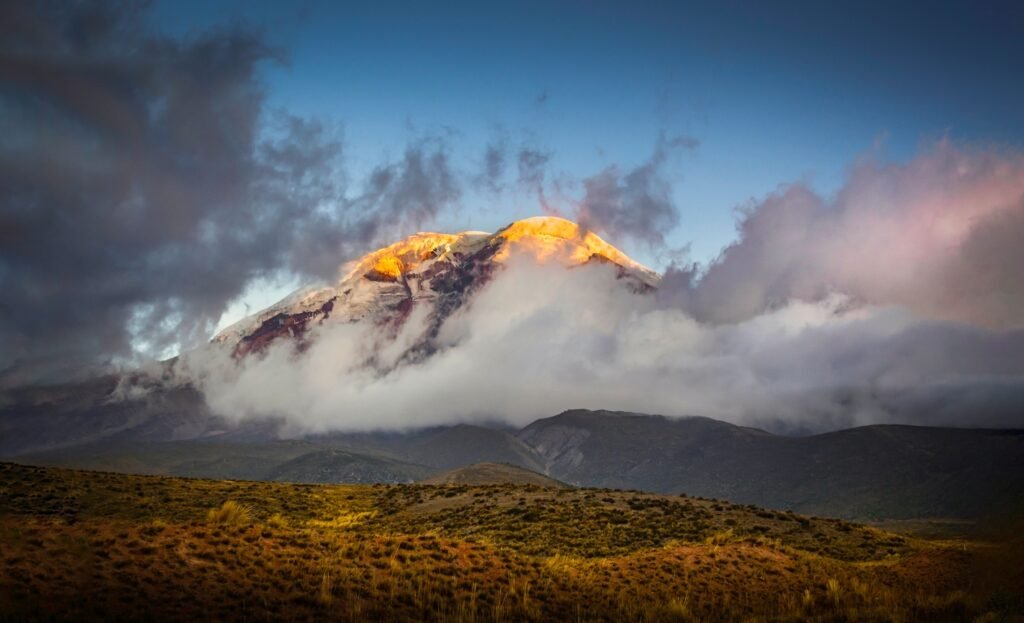
High-altitude wild pitches, community warmth, and unfiltered views

BEN FINCH
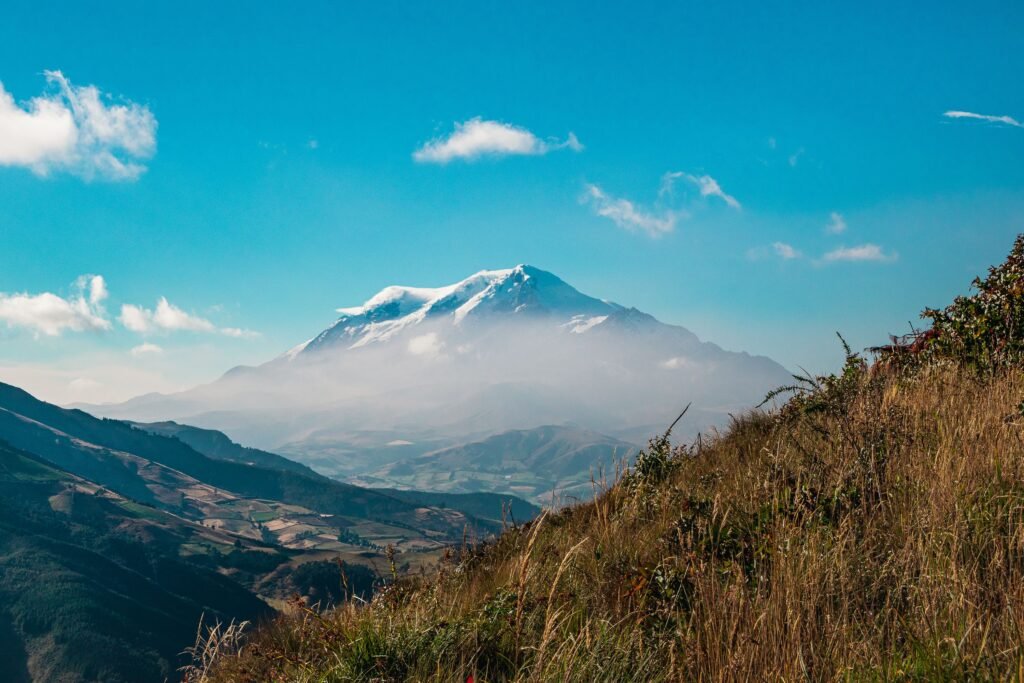
Camping on the flanks of Volcán Chimborazo is unlike pitching a tent anywhere else on Earth. Because of the planet’s equatorial bulge, standing on the slopes of this majestic, snow-capped stratovolcano places you closer to the sun than if you were on the summit of Mount Everest.
For independent travellers moving through the central highlands of Ecuador by local bus, bicycle, or foot, camping here offers an invigorating, atmospheric connection to the high-altitude páramo ecosystem.
At Wheely Tyred, we believe that how and where you rest shapes your entire journey. You do not need an overpriced tour bus or a crowded group itinerary to experience this legendary landscape.
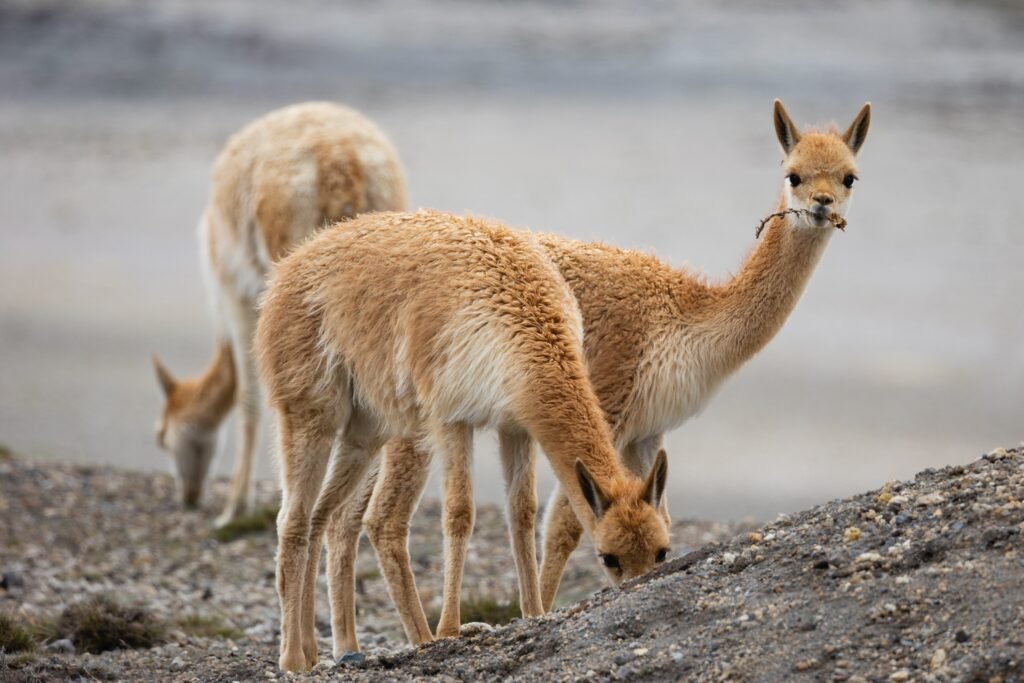
By choosing independent campsites, you retain complete freedom over your time: wake up when the morning light hits the glacier, brew your coffee as wild vicuñas graze nearby, and sleep well knowing you are supporting local communities directly.
The lower slopes and surrounding valleys of Chimborazo host several distinctive, highly rated campsites. Whether you are looking for a rustic tent pitch outside a community lodge, a sheltered canyon pitch near world-class climbing cliffs, or a wild high-altitude basecamp inside the nature reserve, here are six standout campsite stays near Chimborazo.
High-altitude pitches / Chimborazo at a glance
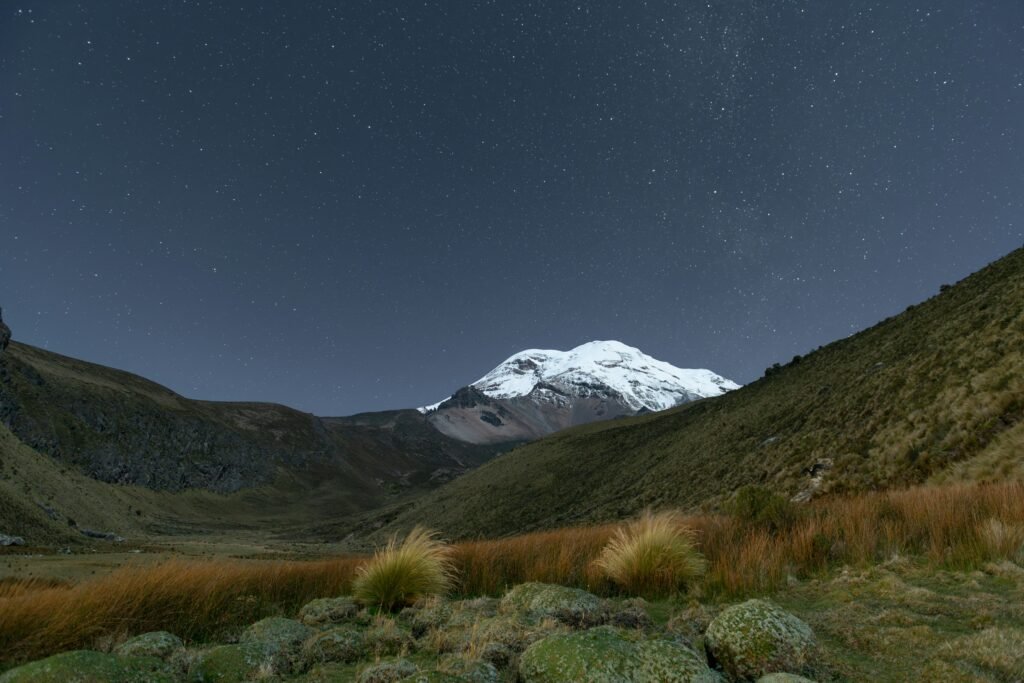
Pitching a tent across the slopes of Ecuador’s highest peak brings you face-to-face with stark páramo beauty and rich highland traditions. Here is a concise overview of the key campsite locations, practical considerations, and local highlights covered in this guide.
- San Juan basecamp: A wind-protected alpine pitch at 3,900 metres offering direct summit views, hot showers, and seamless access via local buses from Riobamba
- Puruhá community immersion: Authentic, indigenous-led accommodation at Centro Turístico Comunitario Casa Cóndor in Pulingui, directly funding local agricultural projects and wildlife conservation
- High-alpine exposure: Wild gravel pitches adjacent to Refugio Hermanos Carrel at 4,845 metres, placing seasoned trekkers directly at the upper trailheads
- Canyon shelter: A secluded bouldering and rock-climbing spot nestled beneath the towering basalt walls of La Chorrera and Peña Brava
- Railway heritage: Historic camping on the high páramo near Urbina and Refugio Urkuwasi, featuring wide views across both Chimborazo and Carihuirazo volcanoes
- Sub-zero preparation: Vital gear requirements emphasising four-season sleeping bags, R-value insulated sleeping mats, and structured altitude acclimatisation
Volcán Chimborazo.
Stand at the furthest point from the centre of the Earth
1. Chimborazo Basecamp / San Juan
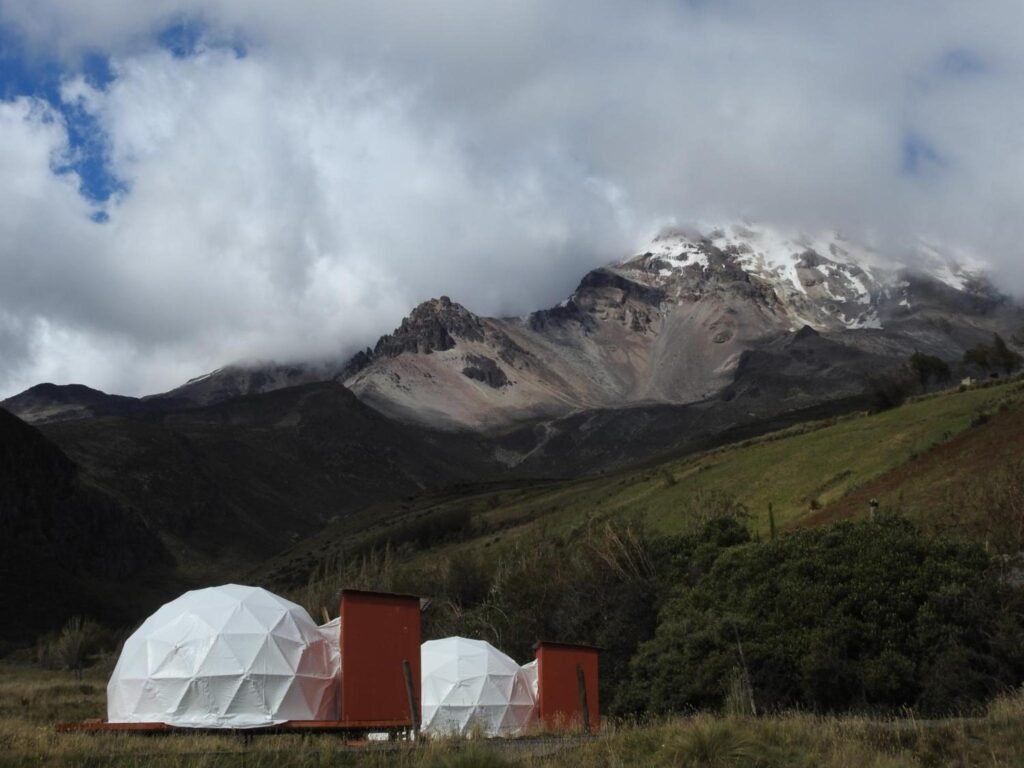
- Facilities: Hot showers, communal kitchen shelter, wood-burning fire pits, secure equipment storage, and freshly prepared highland breakfasts
- Atmosphere: Relaxed, welcoming, and distinctly alpine. Evening campfires bring together independent hikers and mountain enthusiasts
- Why it suits independent travellers: It sits directly on the local bus route running between Riobamba and Guaranda, making access straightforward without requiring private transport
Located in the quiet rural parish of San Juan along the primary mountain road from Riobamba, Chimborazo Basecamp offers an ideal balance between rugged alpine wilderness and practical comforts.
Positioned at roughly 3,900 metres above sea level, this independently run retreat caters specifically to travellers seeking direct, unimpeded views of Chimborazo’s icy summit without the extreme exposure of the upper slopes.
The grounds feature dedicated grassy pitches designed for mountain tents, alongside weatherproof glamping domes for those who want a warmer shelter option. The site is arranged to shield campers from the biting high-altitude winds that sweep down the valley every afternoon.
2. Centro Turístico Comunitario Casa Cóndor / Pulingui
- Facilities: Clean communal bathrooms, hot water, traditional dining room serving hearty Andean meals, local guides, and artisanal craft workshops
- Atmosphere: Deeply authentic, peaceful, and culturally rich. The hospitality reflects true highland traditions
- Why it suits independent travellers: You gain direct access to local knowledge, off-the-beaten-path hiking routes through Polylepis forests, and flexible stay durations without middleman commissions
For travellers who wish to immerse themselves in indigenous Puruhá culture, Casa Cóndor in Pulingui Centro provides an exceptional community-managed camping experience.
Set at 3,800 metres near the main entrance corridor to the Reserva de Producción de Fauna Chimborazo, this initiative is collectively owned and run by nearly 50 local families.
Campers can pitch their tents on flat, secure meadow plots surrounding the traditional stone-and-thatch lodge. Staying here directly funds local conservation initiatives, community agricultural projects, and alpaca textiles. The surrounding fields are frequently visited by herds of wild vicuñas that roam freely down from the reserve boundaries.
The Ecuadorian Sierra.
Get lost in the hills
3. Refugio Hermanos Carrel designated campsite / Chimborazo Reserve (under construction)
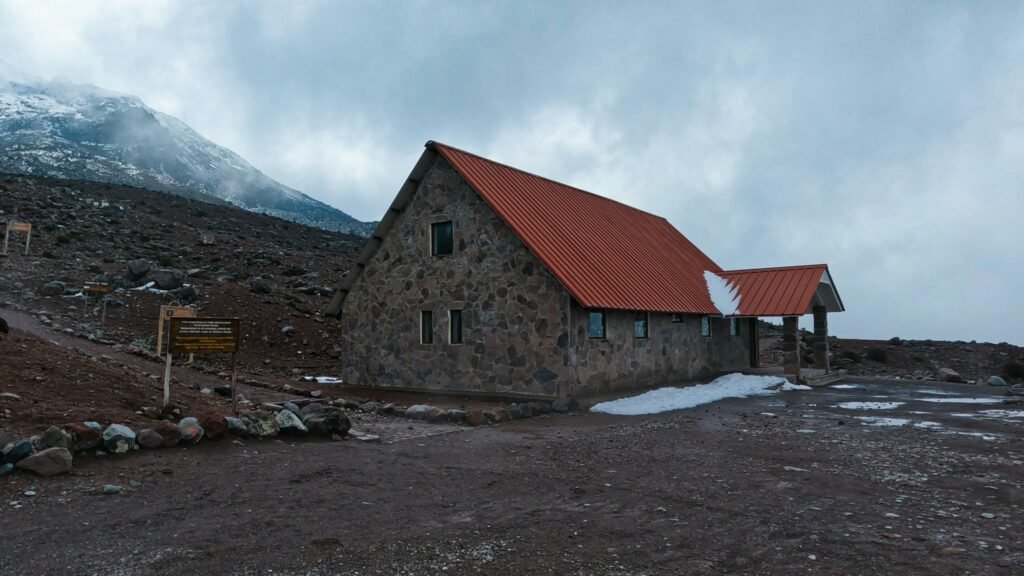
- Facilities: Basic restrooms inside the main refuge during operational hours, park ranger information desk, small cafeteria, and registered parking space
- Atmosphere: Raw, high-alpine wilderness. Cold, clear nights reveal an incredible view of the Milky Way across the equatorial sky
- Why it will suit independent travellers: This camp will allow ambitious trekkers to acclimatise on their own schedule without being forced into rigid, commercial summit tour groups
If your goal is to camp at extreme altitude right on the mountain itself, the designated camping area adjacent to Refugio Hermanos Carrel will be unmatched. However, it’s not open yet.
Perched at an incredible 4,845 metres above sea level inside the Reserva de Producción de Fauna Chimborazo, this pitch sits amidst stark, volcanic gravel beds and sweeping cloudscapes.
Camping at Carrel requires proper acclimatisation, a high-grade four-season tent, and prior registration with park authorities. It places you right at the trailhead for hikes up to Refugio Whymper (5,000 metres) and the vibrant alpine waters of Laguna Cóndor Cocha (5,100 metres).
4. La Chorrera and Peña Brava Campsites / San Juan Canyon
- Facilities: Basic open-air camp pitches, fire rings, rustic shelter amenities, and trailheads leading directly into the canyon
- Atmosphere: Secluded, adventurous, and scenic. A favourite spot for independent Ecuadorian outdoors enthusiasts
- Why it suits independent travellers: It offers total quiet, far removed from standard tour routes, allowing you to set your own rhythm and explore the canyon floor at leisure
Situated in a dramatic canyon carved into the basaltic foothills near San Juan, the camping area around La Chorrera and Peña Brava is famous among rock climbers and wild campers alike. Surrounded by vertical rock walls that stretch over 100 metres high, this location provides natural protection against the harsh highland winds that buffet open plains.
The campsite pitches are situated near natural freshwater streams and ancient boulder fields. It is an extraordinary spot to set up camp if you enjoy bouldering, trail trekking, or simply watching Andean raptors soar past towering rock faces.
The Galápagos.
Ecuador’s Enchanted Isles
5. Refugio Urkuwasi and Urbina Páramo campsite
- Facilities: Rustic shelter facilities, access to hot herbal teas and basic meals at the refuge, indoor fireplace lounge, and marked hiking paths
- Atmosphere: Historic, tranquil, and expansive. The wide páramo landscape offers solitude and stillness
- Why it suits independent travellers: Easily accessible via public buses along the Pan-American highway (E35), making it a low-cost, high-reward camping hub
Urbina occupies a unique place in Ecuadorian history as the highest point along the historic Trans-Ecuadorian Railway, sitting at 3,600 metres above sea level.
From the old station area, a scenic trail leads into the Urbina páramo toward Refugio Urkuwasi at 4,100 metres, where travellers can pitch tents with sweeping views across to both Chimborazo and Carihuirazo volcanoes.
This region is famous for its historical ties to the ice harvesters of Chimborazo, a tradition immortalised by Baltazar Ushca. Camping here puts you in touch with living history while providing vast open space for peaceful high-altitude trekking.
6. Chimborazo Lodge Grounds / Km 23 Vía al Chimborazo
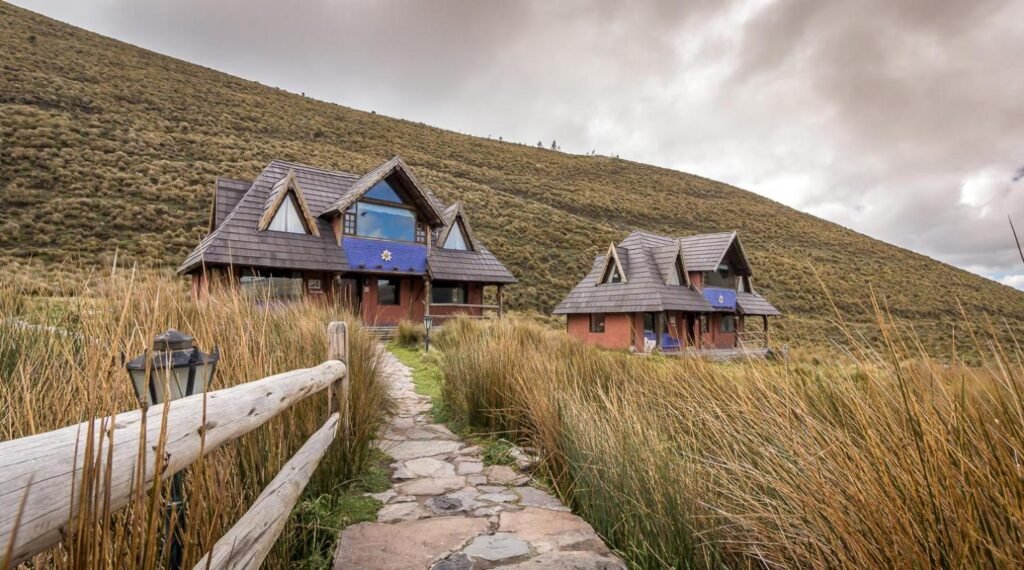
- Facilities: Access to hot showers, an exceptional on-site restaurant serving hearty highland dinners, a warm common lounge with open fireplaces, and private parking
- Atmosphere: Classic mountaineering heritage combined with quiet comfort
- Why it suits independent travellers: Ideal for campers who want a secure, quiet environment to sleep well after long days of independent high-altitude hiking, without sacrificing basic comforts
Founded by legendary Ecuadorian mountaineer Marco Cruz, Chimborazo Lodge sits in a private highland valley at 4,000 metres, directly facing the mountain’s southern face.
While the main lodge offers private rooms, the expansive estate includes sheltered camping pitches for self-sufficient, independent travellers who want a secure base with reliable amenities nearby.
Pitching a tent on the lodge grounds grants access to stunning private trails that wind through native tussock grass, where llama herds graze against the backdrop of glaciated peaks.
The Ecuadorian Amazon.
The most biodiverse place in the world
Essential practical advice for camping near Chimborazo
Camping in the Ecuadorian high Andes demands respect for the environment and careful preparation. To ensure you sleep well and stay safe, keep the following practical tips in mind:
1. Temperature and gear
Nighttime temperatures across the Chimborazo páramo routinely drop below freezing (0°C to -5°C). Ensure you carry a genuine four-season sleeping bag rated to at least -5°C, a high-R-value sleeping pad to insulate against cold ground temperatures, and a sturdy, wind-resistant tent.
2. Acclimatisation
Do not attempt high-altitude camping immediately after arriving from coastal areas or low elevations. Spend at least two days in Quito (2,850 metres), Cuenca (2,500 metres), or Riobamba (2,750 metres) before camping above 3,800 metres to avoid altitude sickness.
3. Transportation and autonomy
You do not need expensive private transfers to visit Chimborazo. Regular public buses run throughout the day from Riobamba’s Terminal Terrestre toward Guaranda or Ambato. Simply ask the driver to drop you at San Juan, Pulingui, or the entrance to the Chimborazo Reserve. Hitchhiking with friendly local transport is also common along the primary park access road.
4. Environmental responsibility
The páramo is a fragile sponge-like ecosystem that provides water to surrounding valleys. Always pack out all waste, use established camp pitches, avoid lighting open fires outside designated stone rings, and respect protected wildlife like vicuñas and Andean condors.
The Ecuadorian Coast.
Where you’ll find the very best food
Sleep well at the closest point to the sun
Read this far?
Camping across the lower flanks and rocky canyons of Volcán Chimborazo offers an experience far removed from standard, hurried tourist circuits. When you travel under your own steam — stepping off a local bus in San Juan, riding up through Pulingui, or trekking into the high páramo on foot — you set a pace that respects both the mountain and your own journey.
The reward for braving the cold highland nights is immediate. Waking up to crisp alpine air, watching wild vicuñas move across frost-dusted tussock grass, and seeing the morning sun illuminate the glaciated summit of Chimborazo is something no window seat on a tour bus can ever match.
Choosing community-run sites like Casa Cóndor ensures your travel footprint directly sustains local families, preserving the delicate ecological and cultural balance of the central Andes.
With the right cold-weather gear, steady acclimatisation, and a flexible spirit, camping near Chimborazo is accessible, deeply rewarding, and exceptionally memorable. Whether you pitch your tent in a protected basalt canyon or brave the thin air near the upper refuges, the quiet grandeur of the Ecuadorian highlands stays with you long after you descend.
Affiliate Disclaimer: Some of the links on Wheely Tyred are affiliate links. If you click through and make a booking or purchase, we may earn a small commission at no extra cost to you. We only recommend gear, tours, stays, and services we genuinely use, trust, and stand behind — our editorial independence always comes first. These commissions help keep our independent cycling guides and travel stories free to read. You can also buy me a coffee here — thanks for supporting the ride!
Frequently asked questions about the best campsites near Chimborazo
Regular local buses depart throughout the day from the main Terminal Terrestre in Riobamba towards Guaranda or Ambato. Ask the driver to set you down at key junctions such as San Juan, Pulingui, or the main entrance gate for the Reserva de Producción de Fauna Chimborazo. Shared pickups and local trucks are also easily flagged down along the main Vía al Chimborazo road.
Because of the high altitude, temperatures regularly drop below freezing (0°C to -5°C) overnight, even during the drier months. High winds across the exposed páramo can make conditions feel significantly colder, so a genuine four-season tent, a sleeping bag rated to at least -5°C, and a thermal sleeping pad are strictly essential.
While lower community sites like Casa Cóndor and private basecamps do not require formal park permits, pitching at the high-altitude site near Refugio Hermanos Carrel requires registering with park rangers at the main entrance gate. It is best to check in at the ranger station upon arrival to confirm current trail and weather conditions.
To prevent acute mountain sickness (AMS), spend at least two to three days at intermediate elevations such as Quito (2,850 metres), Cuenca (2,500 metres), or Riobamba (2,750 metres) before attempting to sleep above 3,800 metres. Drink plenty of water, avoid heavy physical exertion on your first day, and listen closely to your body.
Stock up on fresh food, dried goods, and supplies in Riobamba before heading up the mountain. While community stays like Casa Cóndor offer cooked highland meals, wild and basic campsite pitches require you to bring your own stove and fuel. Threaded gas canisters can generally be bought at outdoor shops in Quito or Riobamba.
Open campfires are strictly prohibited across the fragile páramo environment within the nature reserve to protect native tussock grasses and soil structure. Use designated stone fire rings where explicitly provided at established base camps, or rely entirely on a portable camping stove for cooking and warm drinks.
Ecuador.
Pure wonder on the equator.


