The ultimate guide to Amazon Ecuador food tours & jungle gastronomy
Best Amazon Ecuador food tours / Kichwa forest-to-table cooking, fine cacao workshops, and street food walks
A slow food exploration of the Ecuadorian Rainforest
BEN FINCH
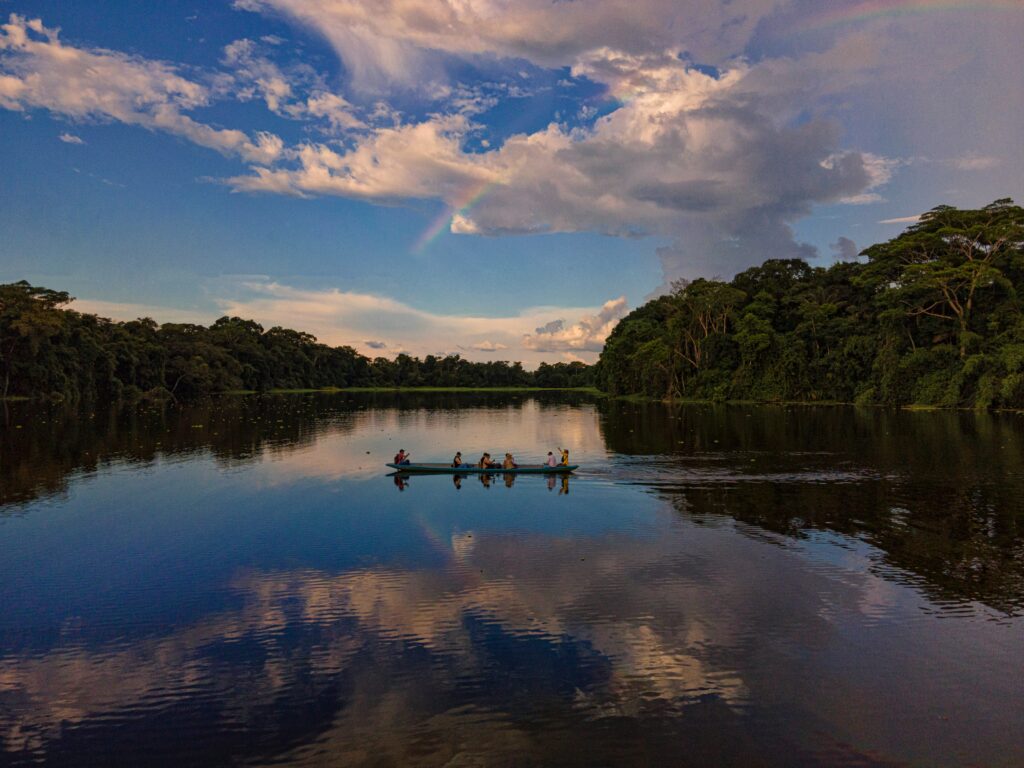
When travellers picture the Ecuadorian Amazon, their minds naturally drift to towering Ceibo trees, river otters, and dense emerald canopies. Yet, tucked beneath this biological wonderland lies one of South America’s most complex, underrated, and deeply sustainable culinary traditions. Amazonian gastronomy is not merely about sustenance; it is a living archive of biodiversity, ancestral wisdom, and eco-conscious foraging that has nourished indigenous communities for millennia.
At Wheely Tyred, our core philosophy has always been rooted in slow exploration. We believe that the true pulse of any destination is found in its local markets, street food stalls, and family kitchens—far away from sanitised, tourist-trap buffets. In the rainforest basins of Napo and Pastaza, dining is an intimate encounter with nature.
Here, wild river fish like tilapia and paiche are seasoned with native jungle peppers and wrapped in fresh bijao leaves before being charred over open flames (maito). Earthy cassava (yuca) is transformed into hearty flatbreads or fermented into refreshing chicha. Before dawn, Kichwa families gather to brew guayusa, an energising herbal tea that fuels the day’s work.
Moreover, the Ecuadorian Amazon is the ancestral cradle of Cacao Nacional—the world’s most prized Fine Aroma cacao. Long before European chocolatiers refined the bar, rainforest communities were cultivating native cacao trees in biodiverse forest gardens known as chacras.
Whether you are navigating the energetic market stalls of Tena, venturing into a Kichwa village along the Puyo River, or sampling high-concept Amazonian cuisine in Quito, booking a guided culinary tour ensures your money goes directly to indigenous hosts and local agroforestry cooperatives. Below, we have curated the six absolute best bookable food tours and workshops in and around the Ecuadorian Amazon for 2026.
The rainforest larder / Essential Amazonian culinary takeaways
Beyond the emerald canopy lies an ancient, living gastronomy shaped by centuries of indigenous harmony with the jungle. Here are the core culinary experiences, ingredients, and slow-food principles that define the Ecuadorian Amazon.
- Ancestral Agroforestry: Kichwa chacras showcase sustainable polyculture, growing Cacao Nacional, cassava, and medicinal plants beneath the rainforest canopy without artificial inputs
- The Art of Maito: Freshwater fish like tilapia or wild heart of palm are seasoned with jungle herbs, wrapped tightly in wild bijao leaves, and charcoal-grilled to tender, smoky perfection
- Fine Aroma Cacao: Tena stands as the cradle of single-origin Arriba cacao, where hands-on bean-to-bar workshops reveal complex floral and berry tasting notes
- Sacred Guayusa Rituals: Pre-dawn tea ceremonies with guayusa leaves offer natural energy, mental clarity, and an authentic glimpse into Kichwa family traditions
- Fermented Cassava & Chicha: Nutrient-dense yuca is processed into paper-thin flatbreads or pounded and fermented into chicha, the cornerstone social beverage of the Amazon basin
- Adventurous Jungle Delicacies: Grubs like chontacuro harvested from fallen palms offer protein-rich, buttery flavours when grilled over hot embers
- Capital Synthesis: High-concept restaurants in Quito bridge the geographical gap, translating wild rainforest ingredients into avant-garde, multi-course tasting menus
The Ecuadorian Amazon.
The most biodiverse place in the world
1. Hands-on Kichwa agroforestry & forest-to-table cooking
Rating & reviews
(2+ verified reviews on Viator)
Why this specific tour stands out
This is far from a demonstration-style cooking class inside a hotel kitchen. Co-created directly with a local Kichwa family on their ancestral land in Napo, this 6-hour immersive journey invites you to harvest seasonal ingredients directly from a traditional chakra—a species-rich indigenous agroforestry system.
Rather than simply watching, you forage for wild vegetables, learn traditional leaf-wrapping techniques, and prepare ancestral dishes over an open fire alongside your hosts. Tourism income from this tour directly supports local livelihoods and cultural preservation.
Key highlights
- Chakra Foraging: Walk through native agroforestry plots with a Kichwa host to harvest fresh cassava (yuca), wild heart of palm (palmito), and jungle herbs
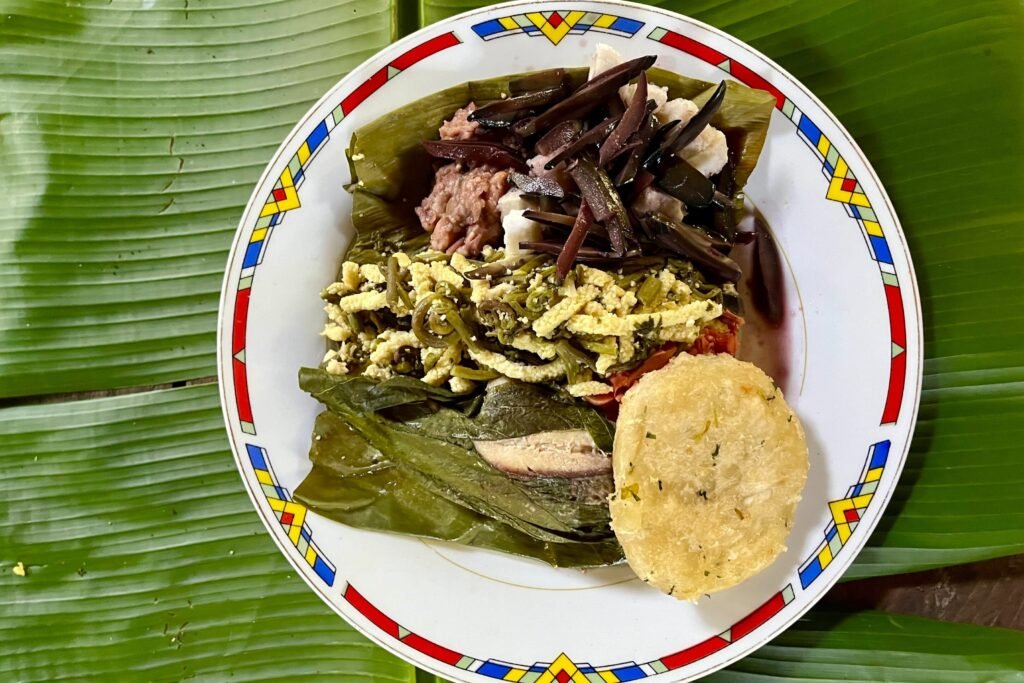
- Ancestral Maito Preparation: Wrap freshly caught fish or wild mushrooms in native bijao leaves, securing them with plant vines before roasting them over glowing wood embers
- Cassava Bread & Beverage Crafts: Grate and press fresh cassava root to bake paper-thin tortillas de yuca, and sample traditional homemade chicha or artisanal fruit wines
- Family Meal & Storytelling: Sit down with your host family to share the feast you co-created while learning about living Kichwa food traditions
Ideal for
Culinary explorers, slow travellers, and culture buffs who want an authentic, multi-hour immersion into indigenous foodways without commercial shortcuts.
Local culinary insight
In Kichwa culture, a chakra is not a cleared farm field, but a living forest garden that mimics natural rainforest ecology. Crops like cassava, cacao, bananas, and medicinal herbs grow together without chemical inputs, preserving the surrounding ecosystem.
2. Fine aroma cacao workshop in Napo
Rating & reviews
(New activity on GetYourGuide)
Why this specific tour stands out
Tena is widely recognised as the beating heart of Ecuador’s indigenous cacao trade. Rather than a passive tasting session inside a tourist shop, this intimate 2.5-hour workshop drops you straight into an artisanal chocolate studio.
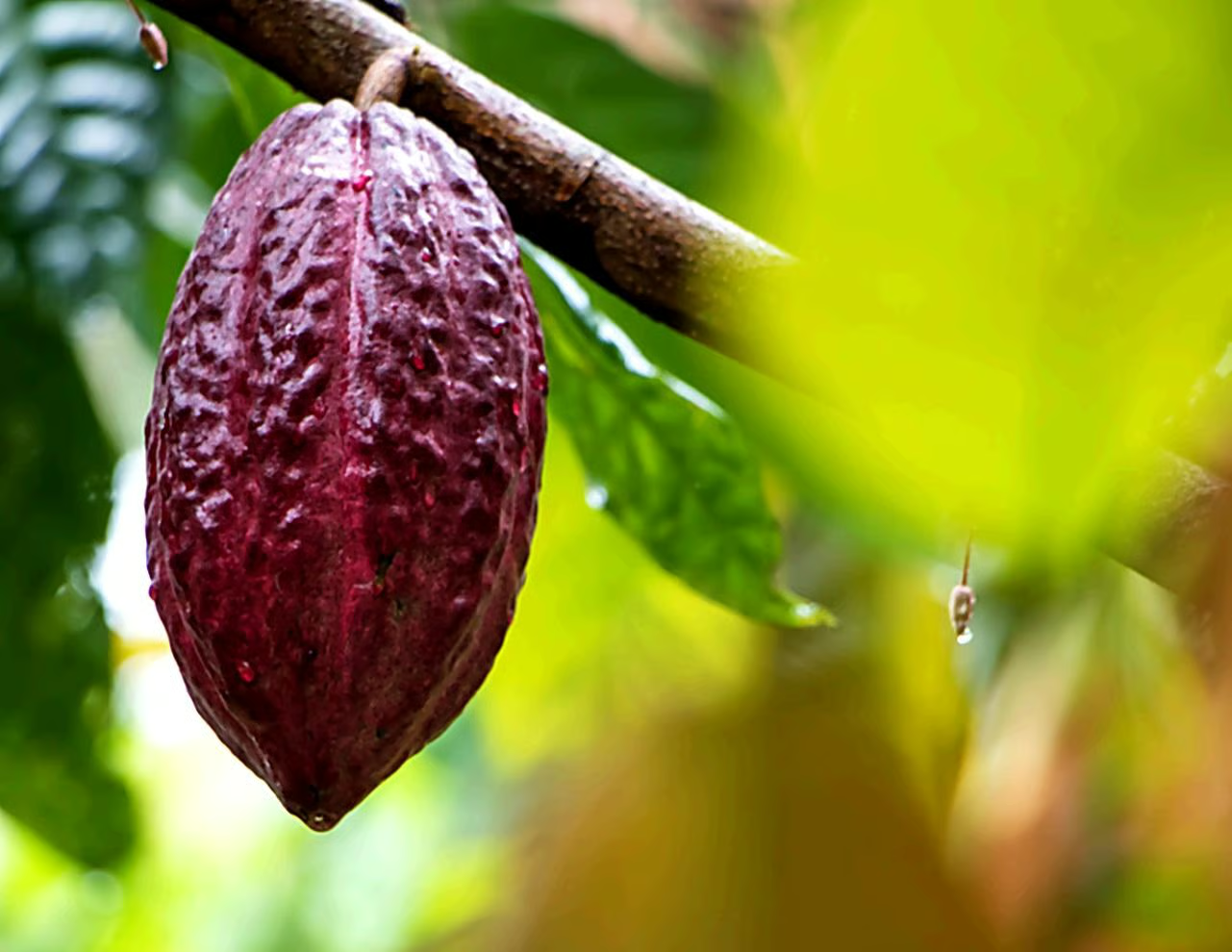
Guided by local experts, you will handle raw, freshly harvested Cacao Nacional pods, observe natural box fermentation, and perform every step of bean-to-bar chocolate making by hand.
Key highlights
- Raw Mucilage Tasting: Slice open fresh cacao pods to sample the sweet, citrusy white pulp (mucilage) surrounding the raw seeds
- Clay Skillet Roasting: Toast raw cacao beans over open flames in heavy clay skillets, learning to gauge readiness by crackle and aroma
- Manual Stone Grinding: Shell roasted beans by hand and run them through hand-cranked mills or stone mortars to release dark, aromatic cacao liquor
- Personalised Chocolate Bar: Customise your handcrafted chocolate bar with wild spices, local honey, or salt, and take your finished creation home
Ideal for
Chocolate lovers, families, couples, and independent travellers staying in Tena who want a hands-on masterclass in native chocolate production.
Local culinary insight
Cacao Nacional (often called Arriba cacao) possesses floral, woody, and berry-like tasting notes completely absent in high-yield industrial hybrids. In Napo, Kichwa families grow cacao inside organic chacras, protecting the delicate soil ecosystem.
The Galápagos.
Ecuador’s Enchanted Isles
3. Puyo River expedition & Kichwa gastronomy excursion
Rating & reviews
(86+ verified reviews on Viator)
Why this specific tour stands out
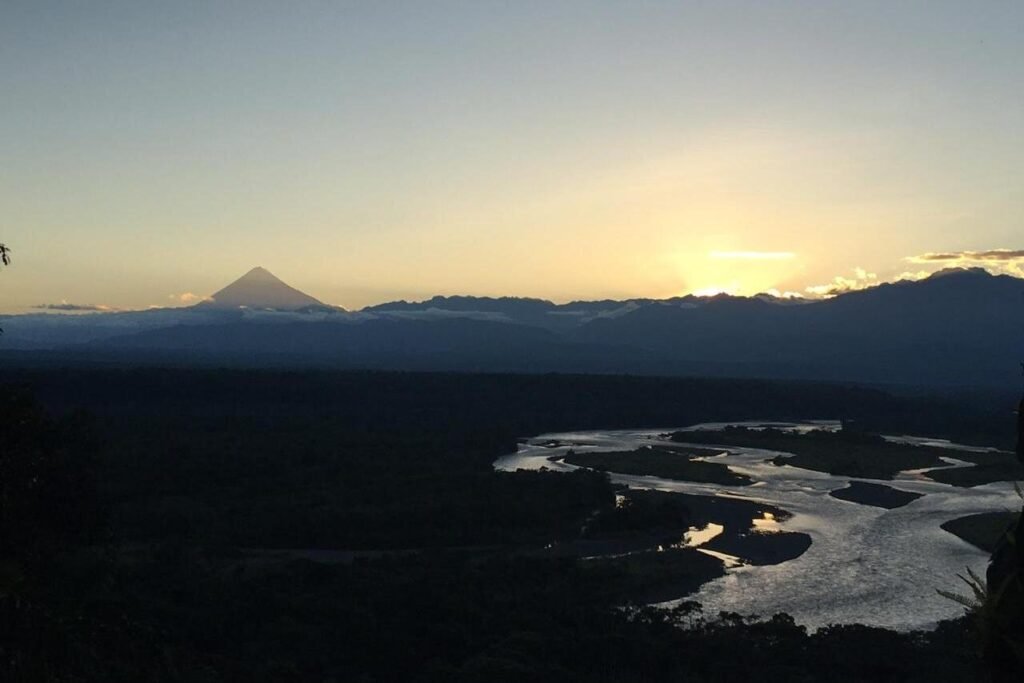
For travellers based in the mountain gateway of Baños de Agua Santa, this full-day expedition into the Pastaza basin offers a seamless bridge between wilderness exploration and indigenous food culture.
Led by local naturalists, the itinerary combines a visit to the Wayuri Kichwa community with canoe navigation on the Puyo River and a traditional Amazonian lunch prepared over open flames.
Key highlights
- Wood-Fired Maito Lunch: Savour a freshly cooked maito de tilapia—river fish seasoned with native salt and jungle peppers, wrapped tightly in wild bijao leaves, and charcoal-grilled over hot embers
- Ancestral Guayusa Ceremony: Taste freshly brewed guayusa tea while learning about the spiritual and social role this caffeinated leaf plays in daily rainforest life
- Kichwa Village Hospitality: Observe cassava bread processing, achiote face painting, and traditional blowpipe demonstrations in the community
- Artisan Cacao Demo: Stop at a family-run rainforest chocolate facility to observe organic, small-batch roasting
Ideal for
Travellers seeking a comprehensive day-long journey from Baños that combines river canoeing, rainforest trails, and traditional Kichwa gastronomy into one balanced itinerary.
Local culinary insight
The secret to a perfect maito lies in the bijao leaf (a relative of the ginger family). When placed on hot coals, the leaf infuses the fish with a delicate, tea-like smokiness while locking in every drop of moisture without requiring any added cooking oil.
4. Community-led Tena market walk & jungle expedition
Rating & reviews
(2+ verified reviews on GetYourGuide)
Why this specific tour stands out
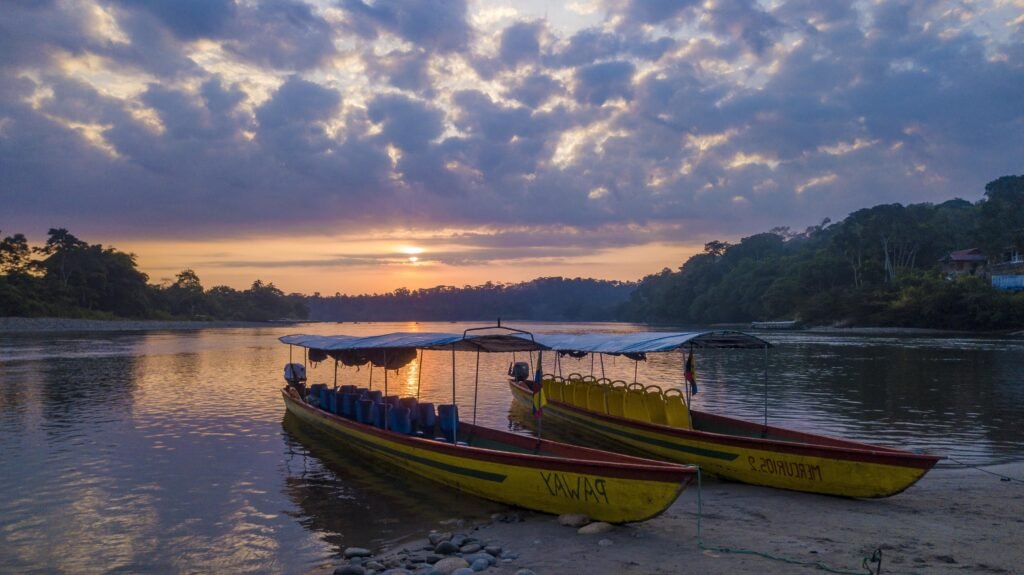
Designed specifically for independent travellers already in Tena, this 3-day community-backed experience skips long transit times to focus on the immediate region’s street markets, riverfront dining, and indigenous trails. Led by native Kichwa guides, you will explore local fruit stalls, swim beneath waterfalls, and enjoy traditional village meals cooked over wood fires.
Key highlights
- Tena Produce Market Tour: Begin with an orientation walk through Tena’s bustling central markets to sample exotic Amazonian fruits like arazá, copoazú, and chonta
- Riverside Jungle Feast: Enjoy traditional riverbank lunches featuring grilled river fish, steamed plantains, and fresh heart of palm salads
- Cassava Flatbread Masterclass: Learn to grate, squeeze, and bake wild cassava on scorching clay plates to produce paper-thin tortillas de yuca
- Chontacuro Tasting (Optional): Adventurous foodies can sample chontacuro—the nutrient-rich palm weevil larva harvested from fallen chonta palm trees
Ideal for
Backpackers, independent slow travellers, and adventurous eaters who are based in Tena and want a community-run tour that directly supports Kichwa hosts.
Local culinary insight
Chontacuro larvae are a cherished staple across the Amazon. When grilled on wooden skewers over open flames, the outer skin turns golden and crispy, giving way to a rich, buttery interior that tastes remarkably like bacon or smoky pork crackling.
The Ecuadorian Sierra.
Get lost in the hills
5. Multi-day eco-lodge gastronomy in the Napo Basin
Rating & reviews
(63+ verified reviews on Viator)
Why this specific tour stands out
If you have time to venture deeper into the Napo River basin, this three-day expedition elevates rainforest ingredients through thoughtful lodge dining and community visits.
Based at an eco-lodge surrounded by primary rainforest, all meals feature organic, locally harvested produce, fresh river fish, and tropical fruits, paired with cultural cooking sessions.
Key highlights
- Full Eco-Lodge Meal Plan: Savour daily breakfasts, lunches, and dinners highlighting wild heart of palm (palmito), cassava, river fish, and exotic fruit reductions
- Anaconda Island Community Visit: Travel by motorised canoe to an indigenous village on Anaconda Island to participate in cassava harvesting and traditional chicha making
- Jungle Chocolate Route: Walk through agroforestry trails with a Kichwa guide to pick ripe cacao pods before making organic chocolate bars over an open hearth
- Dawn Guayusada Ritual: Join host elders before sunrise for a traditional guayusada tea ritual and dream interpretation gathering
Ideal for
Eco-conscious travellers, families, and slow food enthusiasts who want a comfortable jungle lodge stay where every meal reflects the local ecosystem.
Local culinary insight
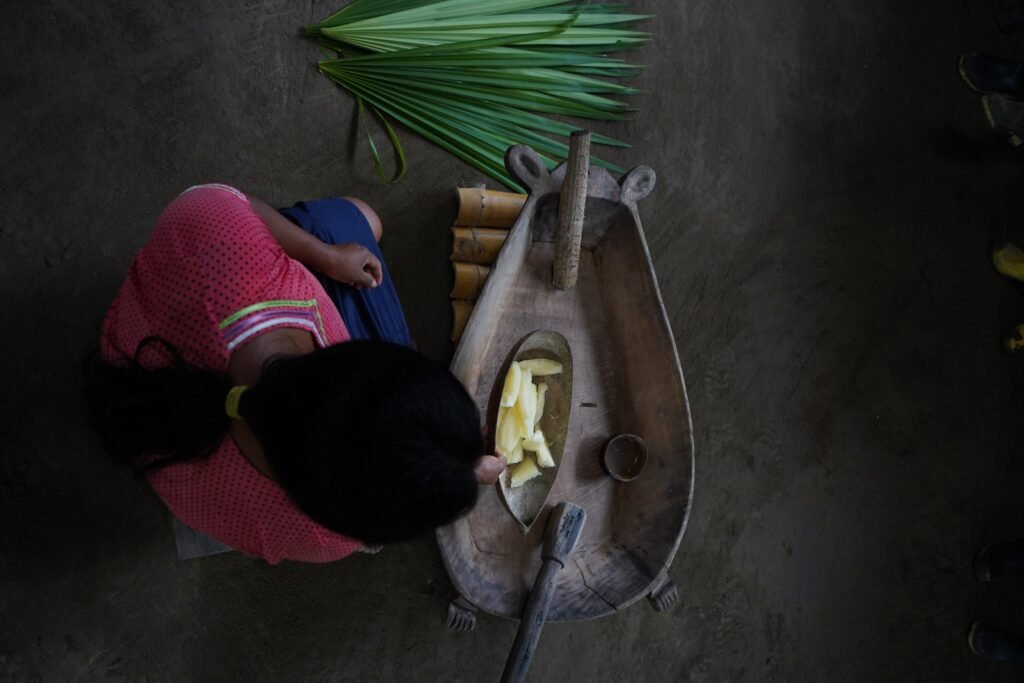
Chicha de Yuca is the cornerstone of Kichwa social life. Boiled cassava roots are pounded into a smooth, thick mash using heavy wooden pestles. Naturally fermented, this refreshing beverage provides crucial energy, hydration, and natural probiotics for daily life in the tropical rainforest.
6. Avant-garde Amazonian fine dining in Quito
Rating & reviews
(22+ verified reviews on Viator)
Why this specific tour stands out
If your travel schedule prevents you from taking a multi-day trip deep into the jungle, or if you want to see how top chefs interpret Amazonian ingredients, this high-concept tasting menu is exceptional.
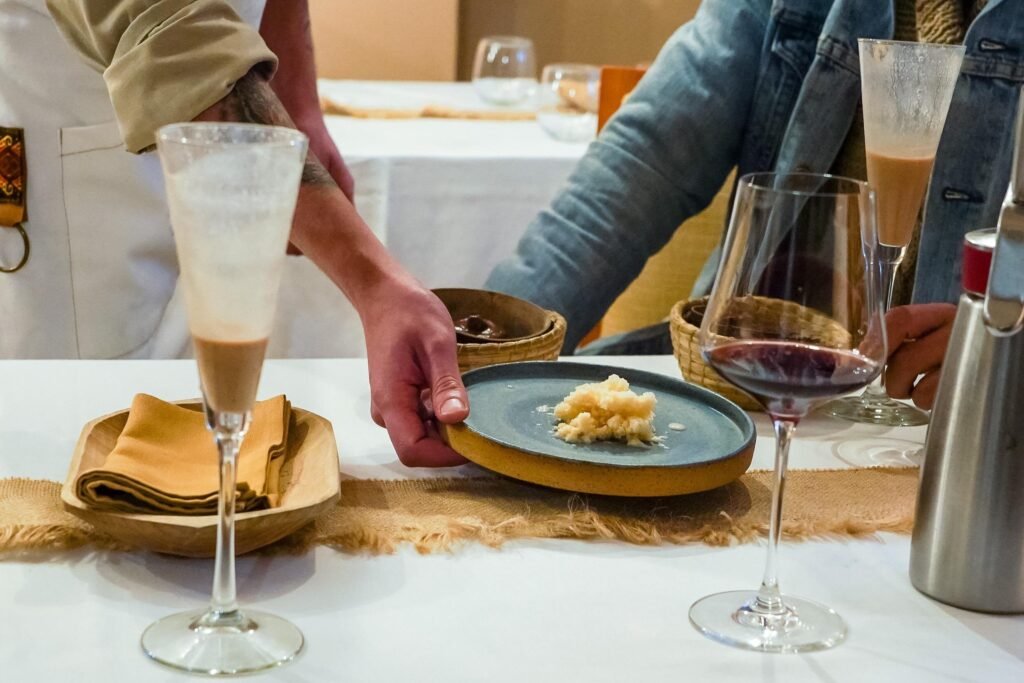
Held at the acclaimed QUITU Identidad Culinaria in Quito, this guided dining experience celebrates native Amazonian cacao and wild rainforest ingredients across a multi-course menu.
Key highlights
- 5 to 6 Course Tasting Menu: Sample a chef-curated menu where every course incorporates various elements of the native cacao plant—including raw mucilage, roasted nibs, cacao husk tea, and dark chocolate reductions
- Wild Rainforest Produce: Taste wild Amazonian river fish (paiche), jungle mushrooms, fermented cassava, and native fruits like copoazú and naranjilla
- Ethical Sourcing Storytelling: Hear directly from culinary team members about the specific Kichwa farmer cooperatives in Napo and Pastaza where each ingredient was ethically sourced
- Artisanal Beverage Pairings: Complement your meal with curated local wines, craft beers, or native fruit infusions
Ideal for
Fine-dining enthusiasts, culinary researchers, and urban travellers looking for an avant-garde celebration of Amazonian food heritage before flying home.
Local culinary insight
Contemporary chefs in Ecuador are leading a food movement by sourcing directly from smallholder indigenous growers. By incorporating neglected ingredients like cacao mucilage into high-end glazes and dressings, they help create sustainable economic incentives that protect native forests.
The Ecuadorian Coast.
Where you’ll find the very best food
Our practical Amazon food tour & dining guide
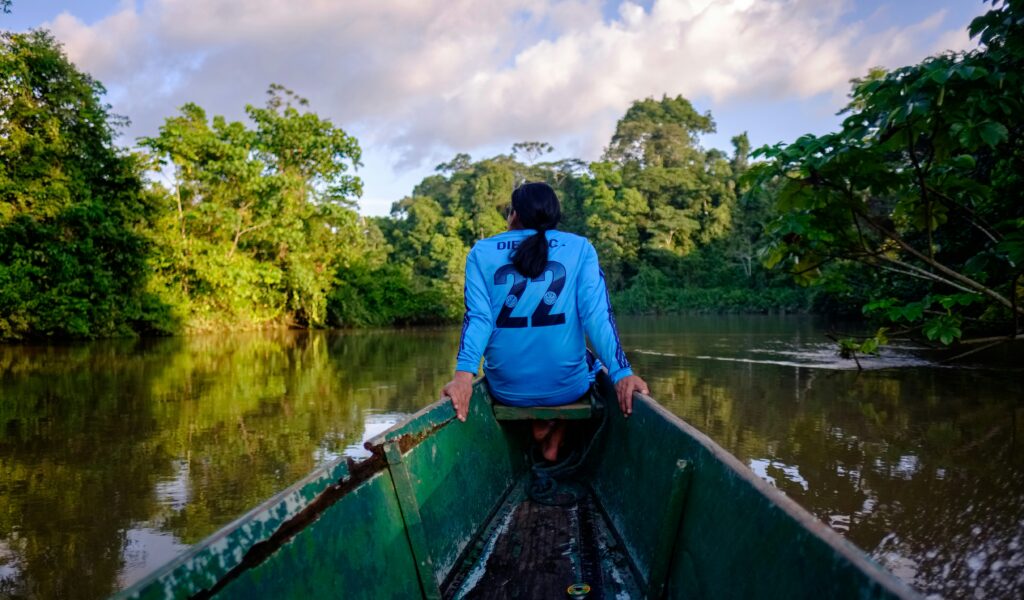
Navigating the street markets, village kitchens, and rainforest trails of the Ecuadorian Amazon is an immensely rewarding experience. Here is our essential practical advice for eating well, staying healthy, and respecting local traditions:
Navigating local markets in Tena & Puyo
Visit the Mercado Central de Tena or Mercado de Puyo early in the morning (around 7:00 AM). Head to the food stalls (comedores) operated by indigenous women to enjoy the freshest maito de tilapia, served alongside steamed yuca and a hot cup of guayusa tea for just a few dollars.
Respecting Kichwa village etiquette
When visiting an indigenous community, receiving food or drink—such as guayusa or chicha—is a gesture of welcome. Always accept with both hands, take a polite sip, and say thank you (yupaychani in Kichwa).
Dietary advice for vegetarians & vegans
While grilled fish (tilapia) is central to many traditional menus, indigenous Amazonian cuisine relies heavily on plant staples. Cassava (yuca), sweet potatoes (camote), wild heart of palm (palmito), green plantains, and tropical fruits are widely available. Request a maito de palmito (heart of palm wrapped and grilled in bijao leaves) for an authentic, naturally vegan dish.
Hydration & food safety
Stick to filtered or boiled water throughout your stay in the rainforest. When enjoying street food, choose stalls with high turnover where dishes like maito or chontacuro are cooked hot to order over live charcoal.
Cash vs digital payments
Credit cards are accepted in established eco-lodges and Quito restaurants, but market vendors, small workshops, and village hosts operating in Tena or Puyo deal strictly in cash. Carry small US dollar bills ($1, $5, and $10) as change for large notes is rarely available in rural areas.
Savour the slow rhythm of the rainforest
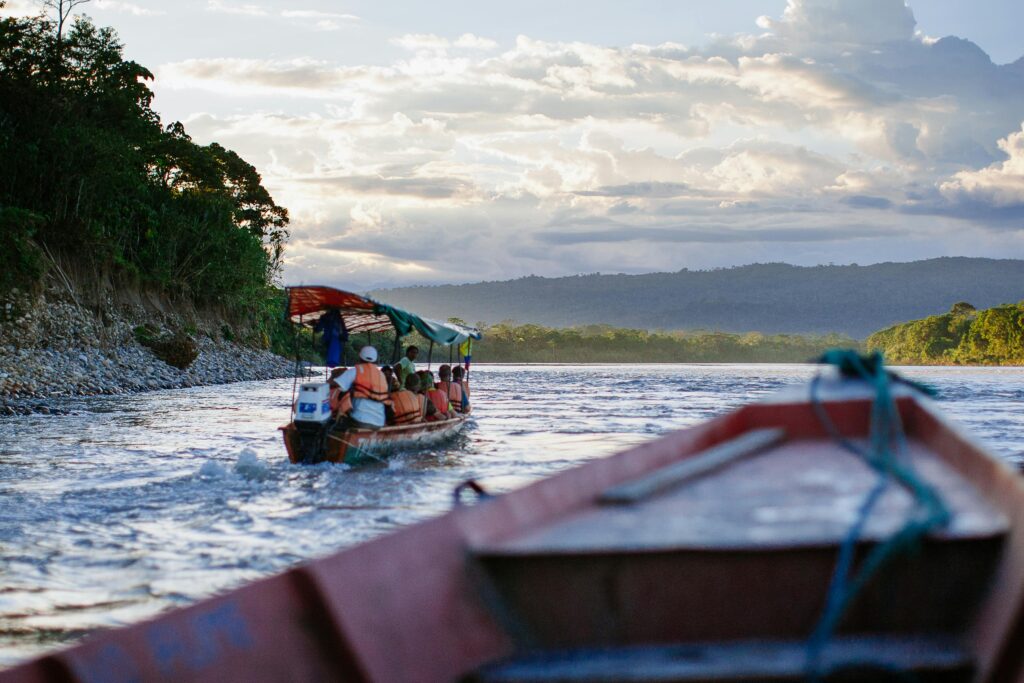
Journeying through the Ecuadorian Amazon with an open palate reveals far more than the distinct flavours of wild herbs, smoked river fish, and single-origin chocolate. It offers a direct connection to the Kichwa families who have acted as stewards of this complex ecosystem for generations. When you choose small-group, community-backed culinary experiences, every dollar spent reinforces the value of keeping these ancestral chacras and forest gardens standing.
Whether you find yourself sitting around a crackling wood fire on the banks of the Napo River, grinding warm roasted cacao beans on a heavy granite stone in Tena, or sampling high-concept jungle gastronomy in a Quito dining room, slow travel turns every meal into a lesson in biodiversity. It invites us to slow our pace, listen to the stories behind each ingredient, and step away from the commercial tourist trail.
For the independent traveller, the Amazon is not simply a wilderness to be crossed or observed from a distance—it is a living kitchen waiting to be understood. Pack your curiosity, leave room for unexpected flavours, and let the authentic culinary traditions of Pastaza and Napo guide your journey through Ecuador.
Affiliate Disclaimer: Some of the links on Wheely Tyred are affiliate links. If you click through and make a booking or purchase, we may earn a small commission at no extra cost to you. We only recommend gear, tours, stays, and services we genuinely use, trust, and stand behind — our editorial independence always comes first. These commissions help keep our independent cycling guides and travel stories free to read. Thanks for supporting the ride!
Frequently asked questions about the best Amazon Ecuador food tours
Both Tena and Puyo are easily accessible via public buses departing daily from Quito’s Terminal Terrestre Quitumbe. The bus journey takes roughly 4 to 5 hours to Tena and around 5 hours to Puyo along well-paved mountain roads that descend through the cloud forest. For maximum flexibility and autonomy, shared shuttle vans (busetas) or private transfers are also widely available.
Yes, market stalls (comedores) in Tena and Puyo adhere to excellent local cooking practices, particularly when dishes are prepared fresh to order over high heat. Stick to busy stalls frequented by local families, ensure your maito is served piping hot straight off the embers, and drink bottled or filtered water rather than untreated tap water.
Guayusa is an herbal infusion brewed from the leaves of an Amazonian holly tree native to the Ecuadorian rainforest. Unlike green tea or yerba mate, it is naturally smooth, unbitter, and low in astringent tannins. It provides a clean, sustained energy boost rich in antioxidants and caffeine without the jittery crash often associated with coffee.
Answering dietary needs in the rainforest is simpler than it seems. Although river fish features prominently on standard menus, staple Amazonian ingredients are overwhelmingly plant-based. You can easily request a maito de palmito (fresh heart of palm wrapped in bijao leaves and charcoal-grilled), served alongside steamed yuca, fried plantains, and exotic jungle fruits.
Chontacuro is the larva of the palm weevil, harvested from the decaying trunks of fallen chonta palms. It is a prized traditional delicacy rich in healthy fats and protein. While local hosts take great pride in sharing it with adventurous guests—typically roasted on wooden skewers until golden—sampling it is entirely optional and never forced upon travellers.
Yes, carrying small US dollar denominations ($1, $5, and $10 notes) is essential. While major eco-lodges and Quito restaurants accept credit cards, smallholder Kichwa farmers, market vendors, and village workshop hosts operating around Tena or Puyo deal exclusively in cash and rarely have change for $20 or $50 notes.
Ecuador.
Pure wonder on the equator.