Navigate the lowland wilderness / The very best Ecuador Amazon boat tours & river excursions
An independent traveller’s guide to exploring the headwaters of the Amazon Basin by water
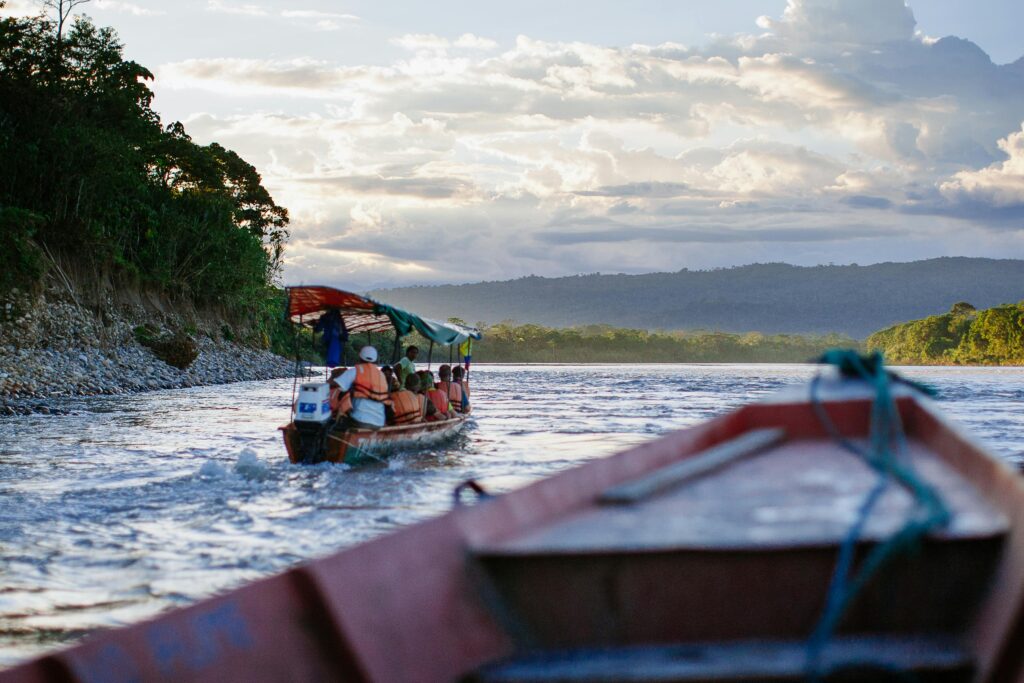
Slow river journeys, traditional canoes, and unspoiled aquatic wildlife excursions
BEN FINCH
There is a singular, quiet enchantment that takes hold the moment your wooden dugout canoe pushes off from the muddy banks of an Amazonian tributary. As the roar of civilisation fades behind you, replaced by the rhythmic dip of wooden paddles and the distant, reverberating calls of red howler monkeys, you quickly realise that the river is the true highway of the rainforest.
Here in the Ecuadorian Amazon — where snowmelt from the towering Andes surges eastward to form mighty arteries like the Río Napo, Río Pastaza, and Río Aguarico — the terrestrial world is dense, humid, and frequently impassable. Attempting to explore this vast wilderness purely on foot limits you to a tiny fraction of its beauty.
On the water, however, the canopy opens up to the sky. From the vantage point of a low-slung canoe or a small motorised river boat, you gain an unobstructed front-row seat to one of the most biodiverse ecosystems on Earth.
At Wheely Tyred, we have always championed slow, autonomous travel that respects both local ecosystems and indigenous heritage. We actively steer clear of high-impact, noisy motorised speedboats and overcrowded commercial tourist loops.
Instead, we advocate for intimate, small-group river journeys guided by local Kichwa, Siona, and native river dwellers who have navigated these currents for generations.
Whether you are looking to glide silently through blackwater lagoons in search of freshwater pink dolphins, drift down winding tributaries to indigenous riverside communities, or embark on a multi-day river cruise through Yasuní National Park, this guide highlights six exceptional, highly-rated, bookable boat tours across Ecuador’s Amazonian provinces.
Ecuador’s wild waterways at a glance
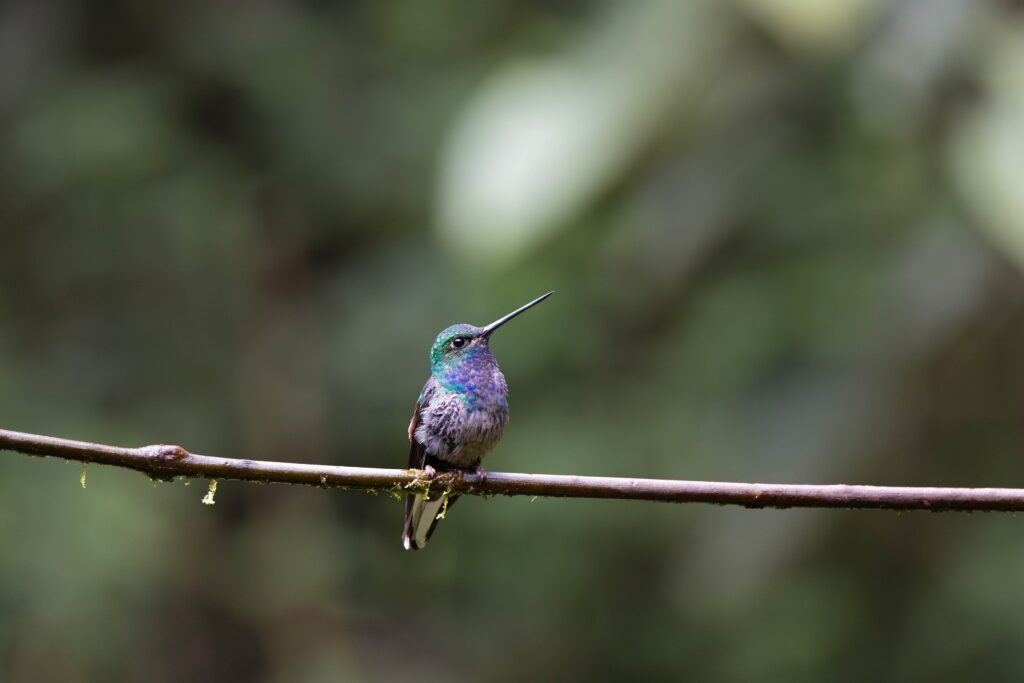
Navigating the rivers of the Ecuadorian Amazon provides an intimate window into one of the most biodiverse regions on Earth. Here are the essential takeaways for planning your riverborne expedition through the lowland rainforests of the Oriente.
- Puyo River Canoeing: A manageable gateway day trip from Baños, combining traditional wooden canoe paddles with waterfall treks and wildlife rescue visits
- Upper Napo Explorations: The historic trade artery accessible from Tena and Puerto Misahuallí, perfect for longtail canoe safaris, river tubing along the Arajuno, and visiting the amaZOOnico sanctuary
- Cuyabeno Blackwater Lagoons: Multi-day eco-lodge stays deep in northern Ecuador where silent paddled canoes offer rare glimpses of pink river dolphins and caimans on Laguna Grande
- Paiche and Arapaima Spotting: Unique aquatic encounters in the upper basin around the Anzu and Arajuno Rivers, home to the prehistoric giant freshwater fish
- Indigenous River Culture: Immersive cultural exchanges with Kichwa and Siona communities, sharing traditions from cassava breadmaking to artisanal cacao preparation
- Essential Waterproofing Gear: Heavy-duty 15–20-litre roll-top dry bags and double-lined ziplock pouches are mandatory to protect cameras and electronics from sudden equatorial downpours
- Eco-Conscious Navigation: Respecting local water rights, opting for low-impact paddling over noisy speedboats, and wearing reef-safe sun cream preserve delicate aquatic habitats
The Ecuadorian Amazon.
The most biodiverse place in the world
1. Navigate the tributaries of Pastaza
Rating & reviews
(86+ verified user reviews on Viator)
Tour information
- Duration: 8 hours 45 minutes
- Departure Location: Baños de Agua Santa / Puyo
- Primary Vessel: Traditional wooden canoe
Why this specific tour stands out
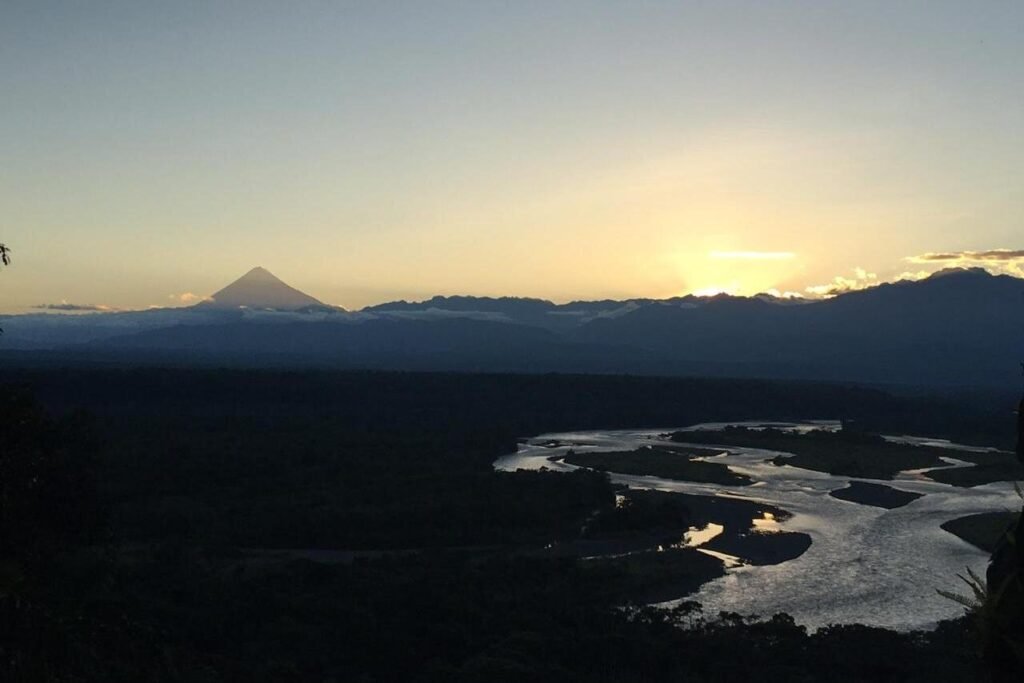
For travellers based in the Andean adventure hub of Baños de Agua Santa, accessing the deep Amazon can feel logistically daunting. This full-day excursion bridges the gap seamlessly, descending from the high cloud forests into Pastaza province — known as the gateway to the Amazon basin.
The highlight of the trip is a tranquil paddle trip aboard a traditional wooden canoe along the gentle currents of the Puyo River. Guided by knowledgeable naturalists, this water journey provides a peaceful contrast to the high-adrenaline land activities common in the region, offering clear views of riverside flora and canopy birdlife.
Key highlights
- Wooden canoe navigation along the scenic Puyo River under the guidance of native rivermen
- Guided rainforest trek to the spectacular Cascada Hola Vida waterfall for a refreshing swim
- Visits to an animal rescue refuge to observe rescued caimans, monkeys, and native species
- Authentic cultural interaction with an indigenous Kichwa community, including traditional cacao preparations
Ideal for
Day-trippers, solo travellers, and families staying in Baños who want a comprehensive, single-day introduction to Amazonian river culture without committing to a multi-day lodge stay.
Local insight
The Puyo River can experience sudden water-level shifts following Andean rainfall. Traditional wooden canoes sit very low in the water, which provides fantastic eye-level perspectives for wildlife photography, but requires you to pack all sensitive electronics in a heavy-duty dry bag before stepping aboard.
2. The complete Napo & Arajuno water expedition
Rating & reviews
(5+ verified user reviews on GetYourGuide)
Tour information
- Duration: 7 hours
- Departure Location: Tena / Puerto Misahuallí
- Primary Vessel: Motorised longtail river canoe & river tubes
Why this specific tour stands out
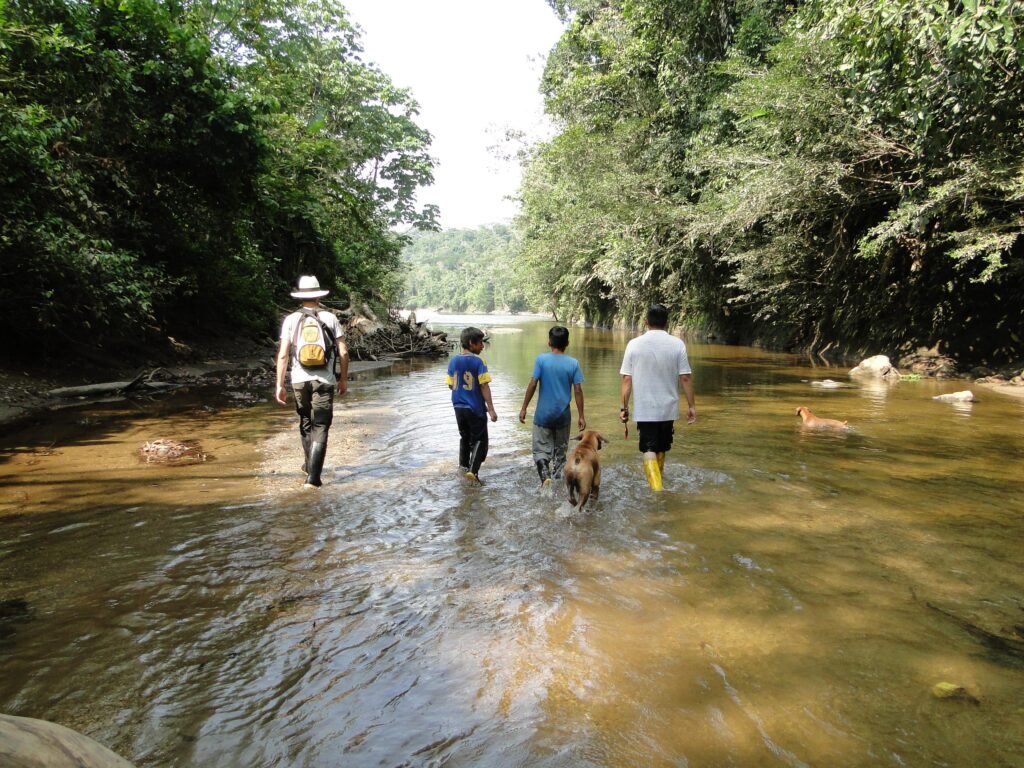
Operating out of Tena and the historic river port of Puerto Misahuallí, this comprehensive full-day water safari is designed around the hydrographic beauty of the Upper Napo region. Combining motorised river canoe transport with peaceful river tubing down the pristine Arajuno River, it offers an immersive look at how water shapes daily life in the high Amazon.
You will navigate downriver to visit the renowned amaZOOnico wildlife rescue centre, explore Isla de la Anaconda, and observe rare waterbirds like the prehistoric hoatzin in their native swamp habitats.
Key highlights
- Dual water experiences combining longtail river canoe travel with relaxing river tubing along the Arajuno River
- Guided stop at the amaZOOnico sanctuary to support the rehabilitation of trafficked Amazonian wildlife
- River landing on Isla de la Anaconda for cultural encounters with local Kichwa families
- Spotting wildlife along marshy inlets, including spectacled caimans and hoatzin birds
Ideal for
Active travellers and eco-conscious explorers who want a dynamic mix of river navigation, wildlife conservation, and gentle water sports.
Local insight
Keep your eyes peeled along the riverbanks near Puerto Misahuallí. The local capuchin monkeys are notoriously curious around landing crafts. While photogenic, maintain a respectful distance and avoid feeding them to ensure these habituated animals remain healthy and wild.
The Galápagos.
Ecuador’s Enchanted Isles
3. Deep wilderness waterways
Rating & reviews
(1+ verified user reviews on Viator)
Tour information
- Duration: 5 days / 4 nights
- Departure Location: Quito / Lago Agrio (El Puente)
- Primary Vessel: Paddled paddling canoe & covered river launch
Why this specific tour stands out
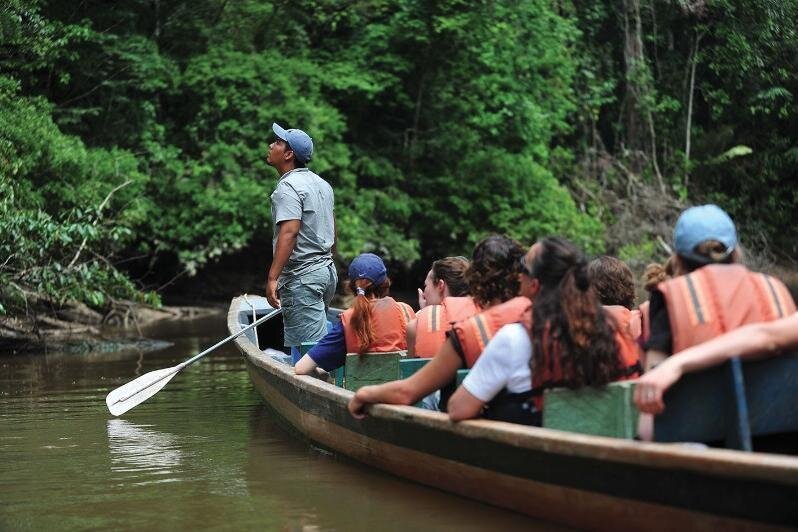
For those seeking an authentic, remote water wilderness, the Cuyabeno Wildlife Reserve in northeastern Ecuador is second to none. This five-day expedition begins at El Puente with a thrilling two-hour motorised canoe journey deep into the flooded forests along the Cuyabeno River.
Base yourself at Jamu Lodge, where daily excursions utilise silent paddled canoes to explore the tranquil blackwaters of Laguna Grande. Free from engine noise, you can drift within metres of roosting toucans, tree boas, and freshwater pink river dolphins.
Key highlights
- Extended river navigation down the narrow, winding waterways of the Cuyabeno Wildlife Reserve
- Sunset canoe excursions across the mirror-like blackwater of Laguna Grande
- Nighttime canoe safaris equipped with searchlights to spot caimans, fishing bats, and nocturnal river life
- In-depth cultural exchange with the indigenous Siona community at Tarapuy, including traditional cassava breadmaking
Ideal for
Wildlife enthusiasts, birdwatchers, and slow travellers looking for an immersive, multi-day water journey into a protected primary rainforest.
Local insight
Blackwater rivers like the Cuyabeno are rich in tannins dissolved from decaying forest leaves. This organic acidity prevents mosquito larvae from thriving, meaning you will face far fewer biting insects on the water here than along clearwater rivers. However, a good dry bag and high-powered headlamp are absolute necessities for the evening canoe safaris.
4. The high Napo cultural cruise
Rating & reviews
(2+ verified reviews on GetYourGuide)
Tour information
- Duration: 3 days / 2 nights
- Departure Location: Tena
- Primary Vessel: Traditional motorised Napo River launch
Why this specific tour stands out
Focusing on the historical headwaters of the Napo River, this multi-day adventure offers a perfect balance between water-based exploration, jungle trekking, and indigenous cultural immersion.
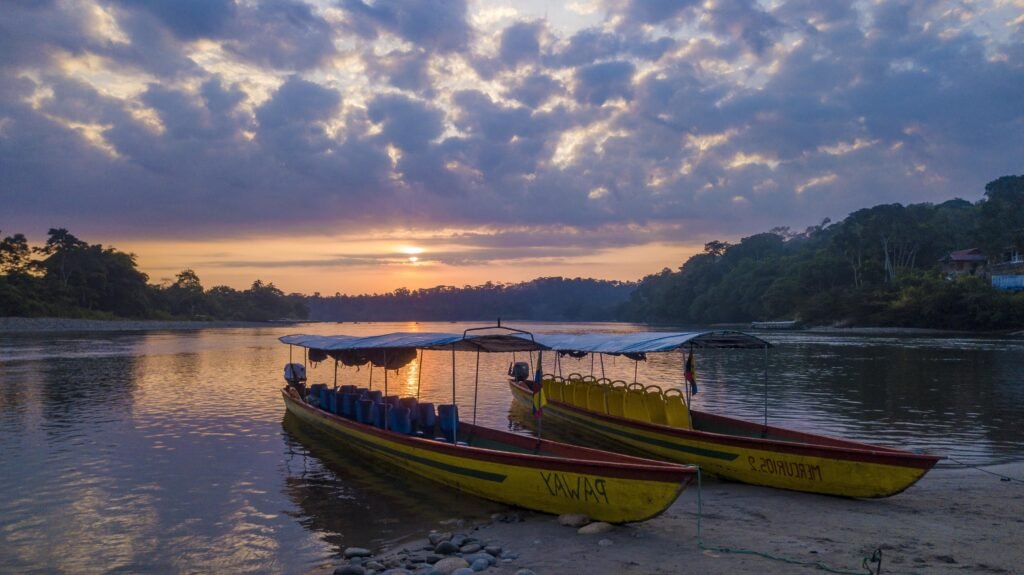
Departing directly from Tena, you will board traditional long wooden riverboats to navigate the wide, gravel-banked stretches of the Napo. The itinerary pairs water journeys to Caiman Lake and the amaZOOnico rescue centre with tranquil river-beach stops and hikes to ancient Ceibo trees along the Gran Cacique route.
Key highlights
- Scenic boat journeys along the historic Napo River, the primary trade highway of the upper Amazon
- Guided wildlife viewing by boat at Caiman Lake, famous for aquatic bird species and reptiles
- River beach relaxation and optional tubing along calm stretches of the river
- Hands-on cultural experiences with local Quichua communities, featuring traditional music, dance, and artisan crafts
Ideal for
Culture-focused travellers and couples looking for an accessible, highly rated multi-day Amazon experience starting directly from Tena.
Local insight
The Napo River is broad and exposed to the equatorial sun. Unlike shaded narrow creeks, open river travel on the Napo can generate significant glare and heat. Always wear a wide-brimmed hat anchored with a chin strap (river breezes can easily snatch loose headwear) and apply reef-safe sun cream liberally before boarding.
The Ecuadorian Sierra.
Get lost in the hills
5. The upper basin eco-expedition
Rating & reviews
(10+ verified user reviews on GetYourGuide)
Tour information
- Duration: 3 days / 2 nights
- Departure Location: Tena / Grand Selva Lodge
- Primary Vessel: River kayak, river tube & motorised canoe
Why this specific tour stands out
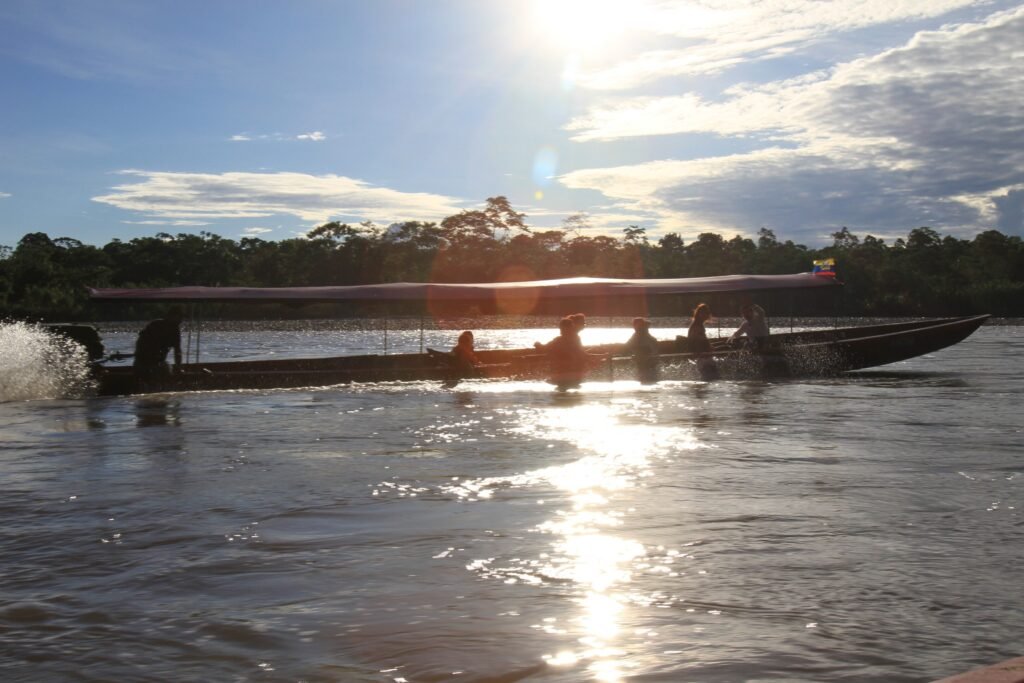
Operating along the crystal-clear upper reaches of the Anzu and Arajuno Rivers, this three-day expedition caters to travellers who want to experience Amazonian waters in multiple ways. From paddling or tubing down gentle river rapids to boarding motorised canoes for visits to distant lagoons, the water itinerary is diverse and dynamic.
A standout feature is the visit to the Paiche Arapaima lagoon, where you can observe one of the largest freshwater fish species in the world in its natural habitat.
Key highlights
- Multi-vessel water exploration featuring kayaks, river tubes, and traditional motorised canoes
- Excursion to the Paiche Arapaima lagoon to observe prehistoric giant Amazonian fish
- Guided visits to indigenous communities to sample chicha and learn ancient blowpipe techniques
- Atmospheric night walks along forest streams to observe nocturnal amphibians, reptiles, and bioluminescent flora
Ideal for
Active, adventurous travellers who prefer a varied aquatic itinerary combining self-paddled craft with motorised river cruises.
Local insight
The upper river tributaries around Tena are fed directly by Andean rainfall, making water clarity exceptional compared to the silt-laden main stem of the Amazon downriver. Bring a pair of sturdy water shoes or strapped sandals (like Tevas or Chacos) for wet canoe landings and river tubing sections — rubber boots provided by lodges are great for mud, but water sandals are vastly superior on river craft.
Our practical Amazon boat tour & water safety guide
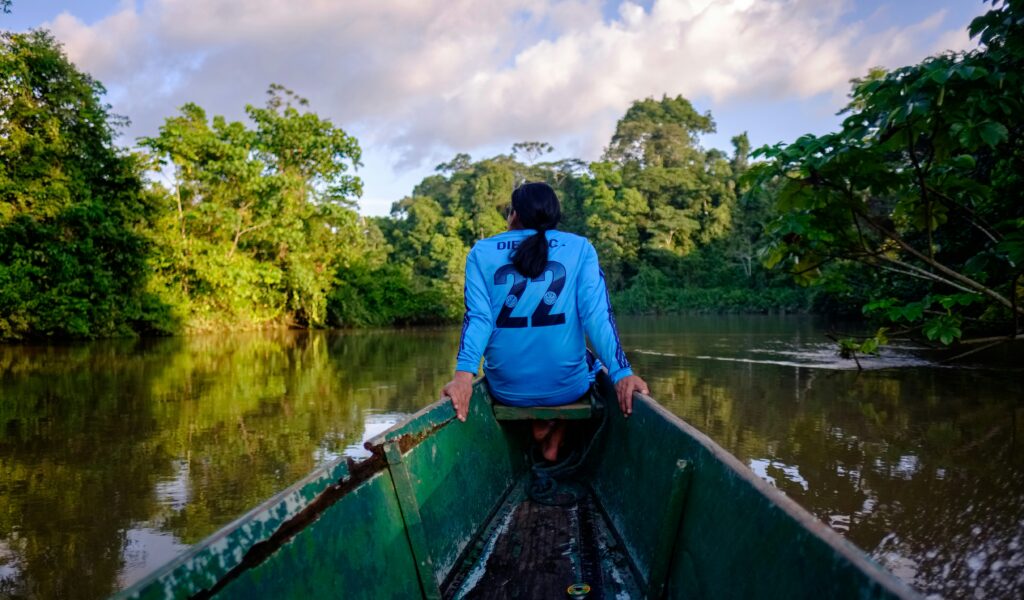
Navigating the Amazonian waterways of Ecuador is an unforgettable adventure, but the tropical river environment requires careful preparation. To ensure your time on the water is safe, comfortable, and ecologically responsible, keep these essential guidelines in mind:
1. Waterproofing & gear protection
Amazonian rainstorms can materialise within minutes. Standard backpacks will quickly soak through in a tropical downpour or during river splashback.
- Invest in a Dry Bag: Pack a 15–20 litre heavy-duty dry bag with a roll-top closure for your camera, mobile phone, passport, and extra dry clothing
- Double-Bag Electronics: Place delicate electronics inside Ziploc bags before putting them in your dry bag for an extra layer of moisture defence
2. Mindful sun & insect protection
The reflection of the tropical sun off open river waters significantly accelerates sunburn.
- Clothing First: Wear lightweight, quick-drying long-sleeved shirts and trousers with UPF protection rather than relying solely on sun cream
- Eco-Friendly Repellent: Choose eco-conscious insect repellents (such as lemon eucalyptus or Picaridin) when embarking on boat trips, as chemical runoff from DEET can harm delicate aquatic ecosystems during swimming stops
3. River navigation etiquette & safety
- Always Wear Your Life Jacket: Native canoe operators are incredibly skilled, but jungle rivers feature hidden logs, whirlpools, and sudden currents. Keep your life jacket secured whenever the boat is underway
- Keep a Low Centre of Gravity: Traditional wooden dugout canoes (canoas) are remarkably stable when seated, but can tip easily if passengers stand up abruptly to take photos. Signal your guide before shifting positions
4. Supporting local aquatic communities
- Respect Indigenous Water Rights: The rivers of the Amazon are home and sustenance to Kichwa, Siona, and Waorani communities. Always ask permission before photographing people at river washing stations or landing sites
- Leave No Trace: Carry all rubbish — including organic food scraps — back to your lodge or transport vehicle. Never toss plastic bottles or wrappers into the river
The Ecuadorian Coast.
Where you’ll find the very best food
The current beckons / Set sail for the Ecuadorian headwaters
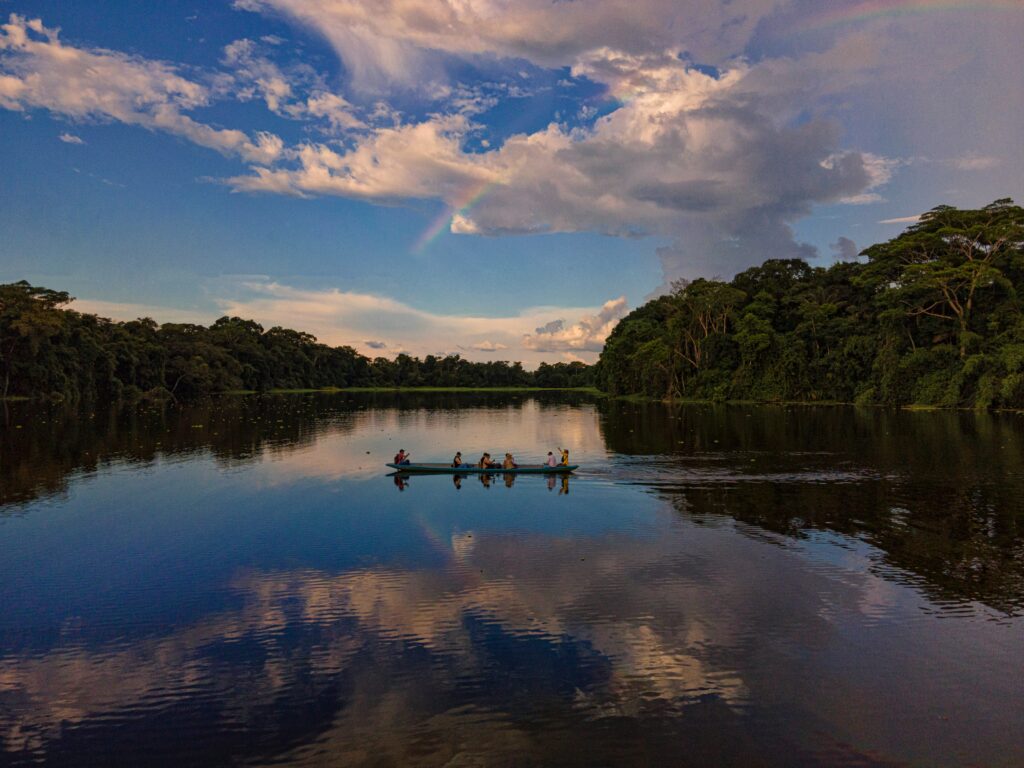
To travel the waterways of the Ecuadorian Amazon is to step away from the artificial tempo of modern transport and align oneself with the natural pulse of the rainforest. The rivers here are not merely scenic barriers to cross; they are living, breathing highways that have sustained indigenous communities and guided naturalists for centuries. Whether you are drifting past blackwater lagoons under a blanket of stars or navigating gentle river bends in a hand-hewn dugout, the perspective gained from the water remains wholly unmatched by land routes.
At Wheely Tyred, our commitment to slow, independent travel means seeking out excursions that honour these delicate ecological balances. Choosing native-led, small-group boat tours ensures that your travel footprint stays light while your financial contribution directly supports local river conservation and indigenous livelihoods.
The memories you bring back—the soft rhythm of paddles dipping into tannin-stained waters, the call of howler monkeys across the canopy, and the warmth of a riverside Kichwa welcome—will linger long after your dry bags are unpacked.
As you map out your Ecuadorian itinerary, leave ample room for flexibility. Water levels fluctuate with Andean rains, river schedules adapt to nature’s timing, and the finest wildlife sightings often happen when you least expect them during a quiet drift downstream. Equip yourself with sturdy dry gear, keep your eyes tuned to the riverbanks, and prepare to immerse yourself in one of South America’s most rewarding maritime landscapes.
Affiliate Disclaimer: Some of the links on Wheely Tyred are affiliate links. If you click through and make a booking or purchase, we may earn a small commission at no extra cost to you. We only recommend gear, tours, stays, and services we genuinely use, trust, and stand behind — our editorial independence always comes first. These commissions help keep our independent cycling guides and travel stories free to read. Thanks for supporting the ride!
Frequently asked questions about the best Amazon boat tours in Ecuador
The Amazon basin experiences rainfall year-round, but the months between December and March generally bring slightly drier weather in parts of the Oriente. However, the high-water season (typically April to July) opens up flooded forest channels and makes canoeing into narrow blackwater lagoons much easier for wildlife observation.
Tena and Puerto Misahuallí are easily reached via direct public buses from Quito (around 4 to 5 hours) or Baños (3 to 4 hours). For Cuyabeno tours starting at Lago Agrio (El Puente), travellers can take an overnight long-distance bus from Quito’s Quitumbe terminal or take a short domestic flight to Coca or Lago Agrio, followed by organised lodge transport.
Insect levels vary depending on the water chemistry. Blackwater rivers like the Cuyabeno contain acidic leaf tannins that suppress mosquito larvae, making insect encounters surprisingly low on open water. Clearwater and whitewater near Tena can have more midges and mosquitoes, so lightweight, quick-drying long trousers and long-sleeved shirts are essential.
River meals feature fresh, locally sourced ingredients such as tilápia, trout, plantains, yucca, and seasonal tropical fruits like maracuyá and granadilla. During indigenous community visits, you may be invited to sample chicha (a traditional fermented cassava drink) or hot cacao brewed from local fine-aroma beans.
Yes. While eco-lodges almost always provide rubber knee boots (botas de caucho) for muddy jungle hikes, river travel requires lightweight, secure water sandals or neoprene water shoes (such as Tevas or Chacos) with anti-slip soles for getting in and out of wet wooden canoes safely.
Reputable river operators provide mandatory USCG-approved personal flotation devices (life jackets) for all passengers, including dedicated child sizes. Gentle river trips around Tena and Puyo take place on calm, flat water, though non-swimmers should always inform their guide before embarking.
Ecuador.
Pure wonder on the equator.