The ultimate guide to Amazon day tours in Ecuador / Wild rivers, rainforest treks, and indigenous heritage
Best Amazon day tours & jungle excursions in Tena & Puyo, Ecuador
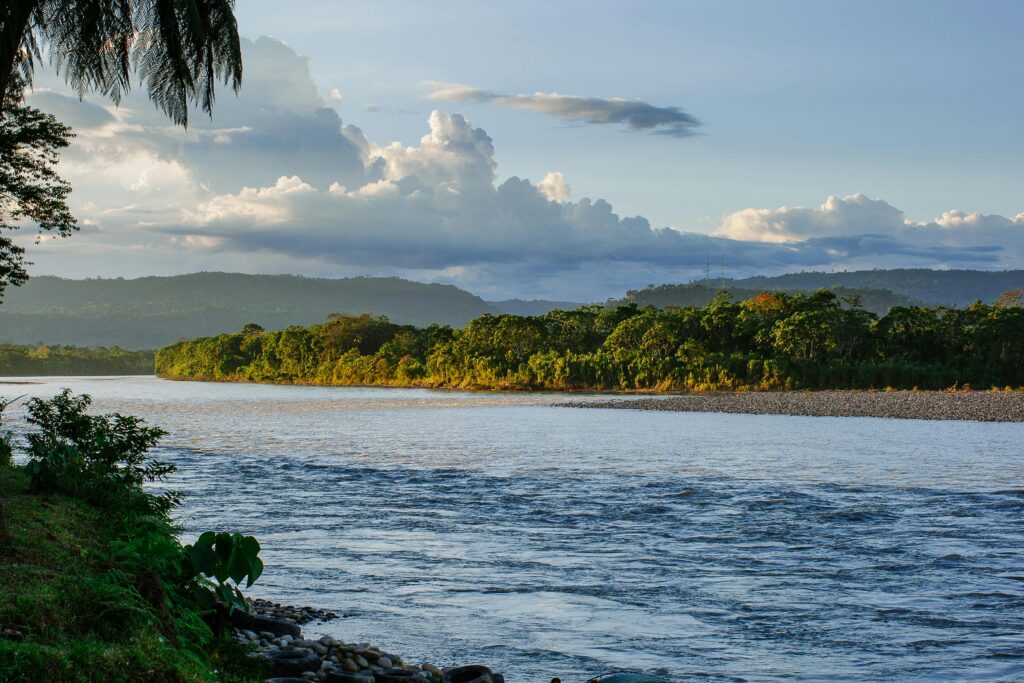
Deep jungle immersion, wild waters, and genuine indigenous hospitality
BEN FINCH
The Ecuadorian Amazon is one of the most biodiverse places on the planet, yet it remains remarkably accessible for independent travellers. While multi-day deep-jungle lodges in Yasuní or Cuyabeno get much of the spotlight, you do not need to commit to a five-day expedition to experience the beating heart of the Amazon basin.
Clustered around the gateway towns of Tena and Puyo — just a four-to-five-hour journey from Quito or Baños — a thriving network of Indigenous-led enterprises and seasoned local river guides offers exceptional single-day excursions. Whether you are navigating Class III whitewater down rainforest rivers, harvesting native crops in a family chakra (agroforestry plot), or hiking beneath ancient Ceibo trees, a well-chosen day tour provides profound cultural and natural immersion without compromising your travel autonomy.
Rainforest essentials
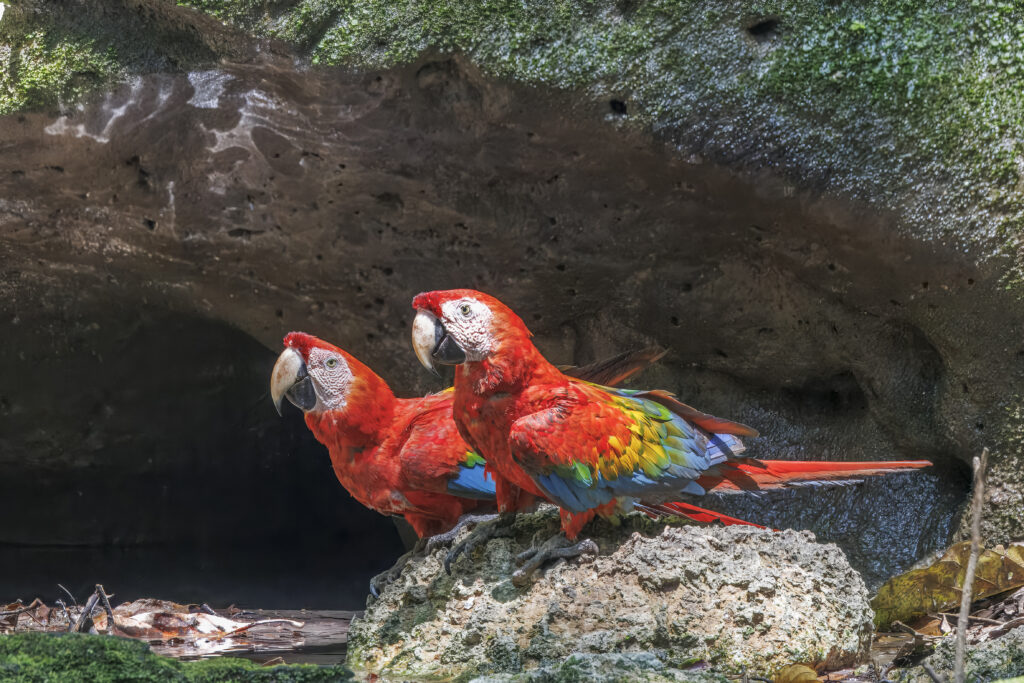
Navigating the upper Amazon basin does not require weeks spent in deep-jungle lodges or rigid overland itineraries. Below are the core takeaways, key locations, and practical insights for taking on Ecuador’s rainforest on your own terms.
- Gateway Hubs: Base yourself in Tena or Puyo for effortless access to primary forests, clean river systems, and Indigenous reserves without sacrificing your travel independence
- Wild River Rapids: Experience world-class whitewater, ranging from forgiving Class III waves on the Jatun Yaku to technical Class IV canyon drops down the Jondachi and Hollín
- Ancestral Gastronomy: Discover the chakra agroforestry system and learn to slow-roast maito (leaf-wrapped river fish) alongside local Kichwa families
- Ecological Sanctuaries: Support non-profit wildlife rehabilitation at centres like amaZOOnico while paddling motorised wooden canoes along the Napo River corridor
- Rainforest Hydration & Footwear: Ditch cotton for quick-drying synthetics, embrace high-top rubber boots (botas de caucho) for clay trails, and stay energised with chilled guayusa tea
- Direct Community Impact: Direct your travel spend straight to native hosts by booking Indigenous-led tours and purchasing artisan palm-fibre crafts in cash
The Ecuadorian Amazon.
The most biodiverse place in the world
1. Class III thrills on the Amazon’s tributaries
Rating & reviews
(82+ verified reviews on Viator)
Why this specific tour stands out
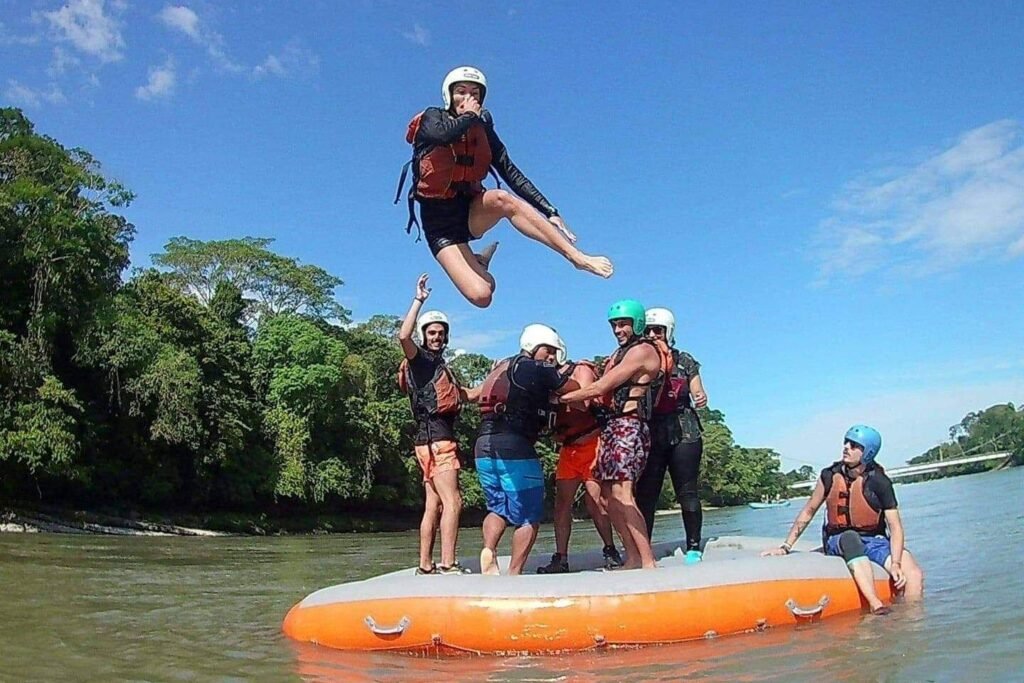
The Jatun Yaku River (Kichwa for Big Water) originates on the snow-capped slopes of Cotopaxi Volcano before tumbling down into the Amazon basin. It is widely considered one of South America’s finest single-day whitewater runs. Raft Amazonia, a highly regarded local outfit based in Tena, runs a seamless 27-kilometre descent that combines thrilling wave trains with breathtaking rainforest scenery.
Unlike commercial operators that rush guests through safety briefings, Raft Amazonia places top priority on river orientation and international safety standards. The rapids are rated Class III, making them exhilarating for beginners and experienced paddlers alike, with calm pools interspersed between rapids to allow for swimming in pristine jungle waters. Halfway through the journey, the team sets up an impressive fresh beach lunch on an isolated riverbank.
Key highlights
- 27 km of continuous Class III whitewater on the Jatun Yaku River
- Professional bilingual safety kayak support and guide crew
- Riverside beach buffet lunch featuring fresh local fruits and salads
- Swimming stops at calm river bends and the scenic Iluculín River confluence
- Full round-trip transport from central Tena included
Ideal for
Active travellers, families with teenagers, and adventure seekers wanting a world-class river run through untouched jungle landscapes.
Local insight
Bring long-sleeved synthetic sun shirts (rash guards) and secure water shoes rather than flip-flops. The equatorial sun on the open river is intense, even on overcast days, and quick-drying layers keep you comfortable throughout the seven-hour trip.
2. Complete ecosystem & cultural overview
Rating & reviews
(1+ verified review on Viator)
Why this specific tour stands out
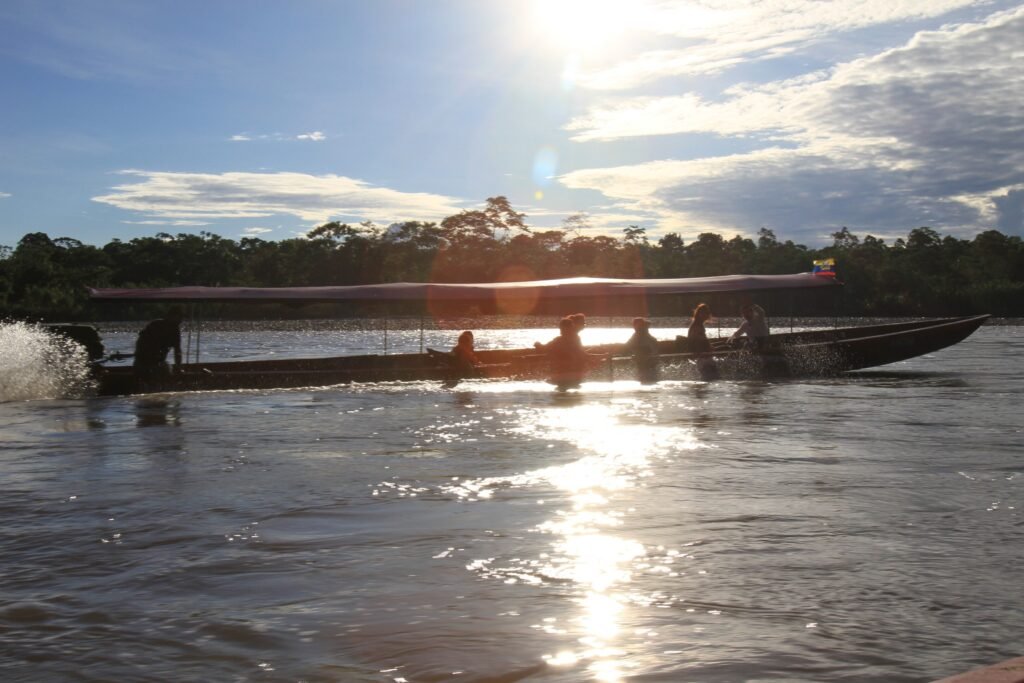
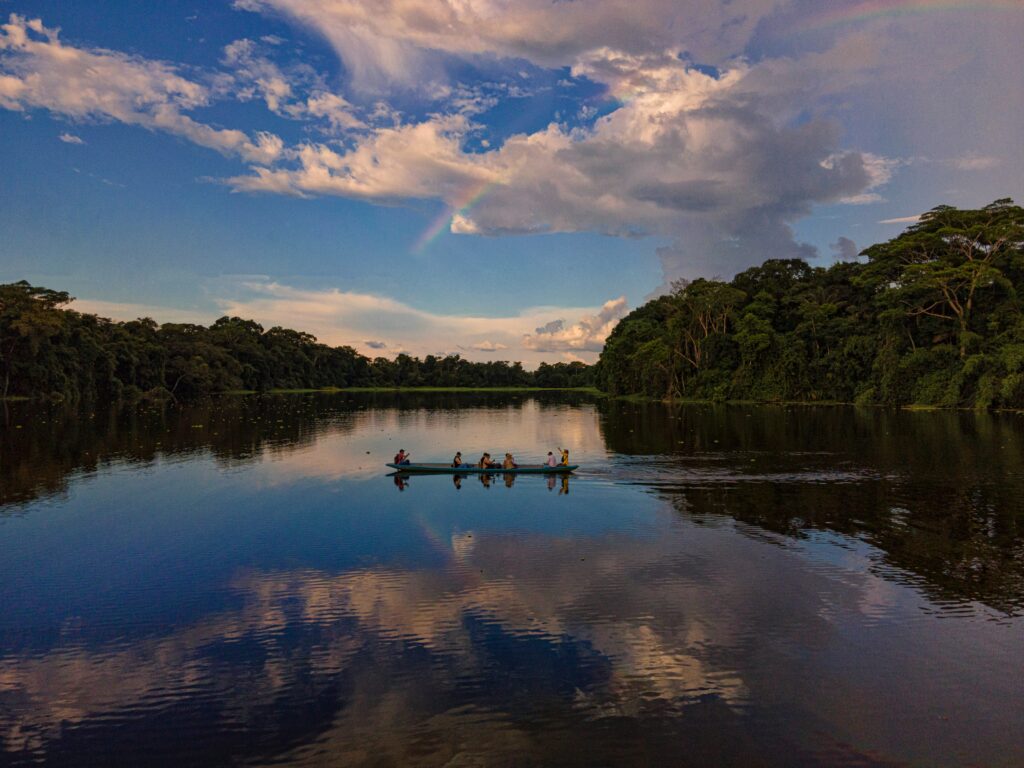
For travellers wanting to sample the full spectrum of Amazonian ecology and culture in a single, seamless day, this seven-hour expedition departing from Tena delivers maximum variety without feeling hurried. Combining river navigation, wildlife conservation, and relaxed aquatic adventure, the tour utilises motorised wooden canoes along the Napo and Arajuno rivers.
The itinerary balances key ecological and community stops: a guided tour through the amaZOOnico Animal Rescue Centre (a dedicated sanctuary rehabilitating wild animals rescued from illegal trade), an interactive cultural session with an Amazonian Kichwa family, and a river-tubing float down gentle stretches of the Arajuno River. Because the operator works directly with local native hosts, your participation directly supports regional conservation and Indigenous livelihoods.
Key highlights
- Scenic wooden canoe navigation along the Napo and Arajuno river corridors
- Educational tour of the amaZOOnico Animal Rescue Centre to observe rescued native fauna
- Hands-on Kichwa cultural session featuring traditional blowgun demonstrations and chicha tasting
- Peaceful river tubing float down the calm waters of the Arajuno River (kayaking option available upon request)
- Private land transportation and fresh local lunch included
Ideal for
First-time Amazon visitors, wildlife lovers, and active families who want a well-rounded mix of animal welfare, river transport, and cultural interaction.
Local insight
Carry small US dollar bills ($1 and $5 notes). When visiting community stops along the river, purchasing handmade woven artisan goods made from natural chambira palm fibres directly benefits female artisans in the Napo Valley.
The Ecuadorian Sierra.
Get lost in the hills
3. Ancestral flavours and forest-to-table gastronomy
Rating & reviews
(2+ verified reviews on Viator)
Why this specific tour stands out
Moving well beyond standard cooking demonstrations, this immersive six-hour culinary experience takes place inside an authentic Kichwa family homestead near Tena and Archidona. The experience centres on the chakra — an ancestral Indigenous agroforestry system where food crops, medicinal plants, and timber trees grow together in harmony with the surrounding canopy.
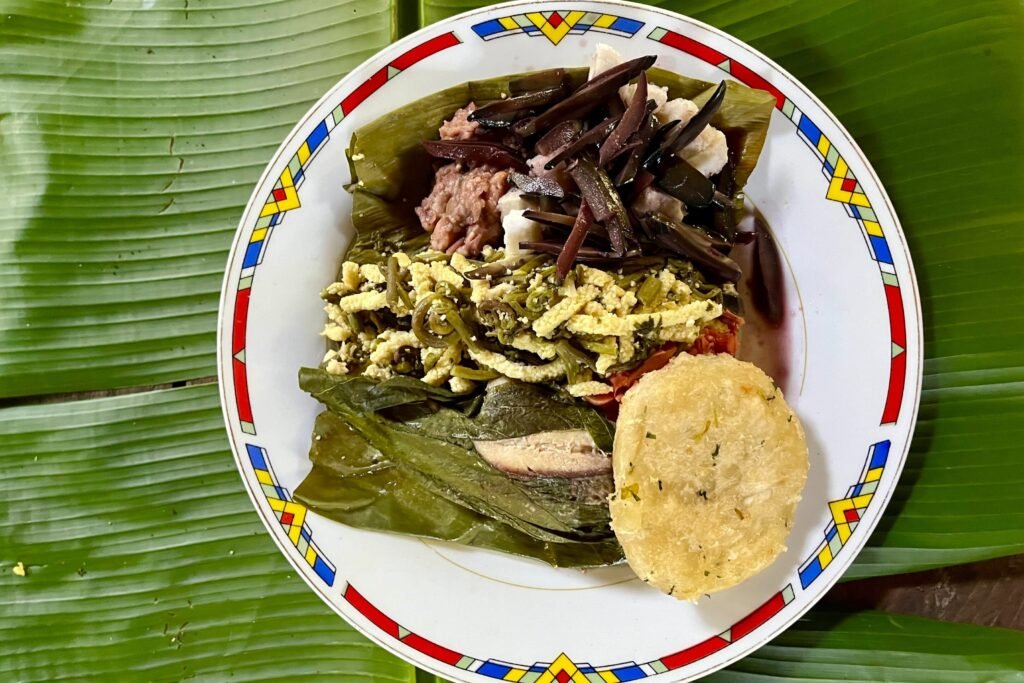
Accompanied by your Kichwa hosts, you walk through the chakra to forage for seasonal ingredients, learning how Indigenous families cultivate cassava, hearts of palm, jungle peppers, and native herbs. Back at the homestead, you learn ancestral Amazonian culinary techniques, including assembling and slow-roasting maitos (fresh river fish or vegetables wrapped tightly in bijao leaves) over open hardwood coals, making artisanal chocolate from raw cacao, and tasting homemade jungle teas.
Key highlights
- Guided forage walk through a biodiverse ancestral chakra (Indigenous agroforestry plot)
- Hands-on preparation of traditional maito cooked over open wood embers
- Artisanal bean-to-bar chocolate making using locally harvested Amazonian cacao
- Tasting of traditional fermented beverages and hot infusions made from guayusa leaves
- Shared meal and intimate cultural storytelling session with your host family
Ideal for
Food lovers, cultural purists, and slow travellers eager to connect with living Indigenous food traditions and ecological farming practices.
Local insight
Working over open wood fires in the tropics is warm work. Wear lightweight, breathable clothing and sip chilled guayusa tea — a naturally caffeinated local leaf infusion — throughout the morning to stay cool and energised.
4. Cascades, canoes, and canopy views in Pastaza
Rating & reviews
(23+ verified reviews on Viator)
Why this specific tour stands out
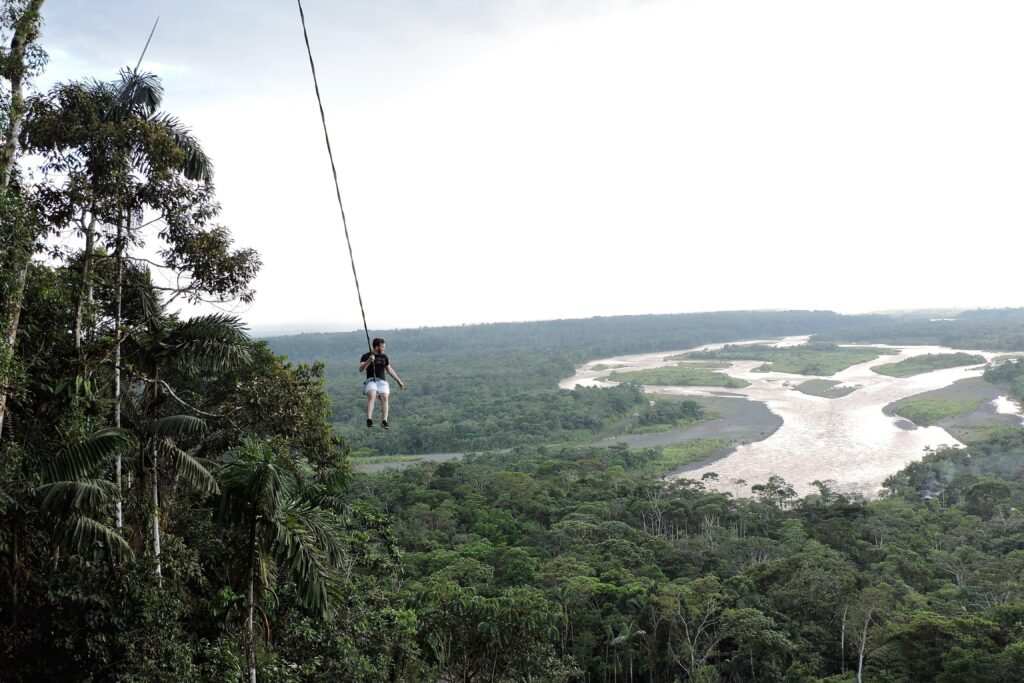
Puyo, located in Pastaza province south of Tena, serves as the eastern doorway where the Andes plunge dramatically into the lowland jungle. Operating out of Baños or Puyo, this comprehensive excursion operated by Ivagatours targets the lush Hola Vida Ecological Reserve.
The tour blends gentle adventure with pristine scenery: a 30-minute forest trek along clear mountain streams leads to the hidden Hola Vida Waterfall, where you can swim in a deep, cool natural pool. Afterwards, guests navigate wooden canoes along the Puyo River, visit the Wayuri Kichwa community, and finish with breathtaking panoramic views over the endless forest canopy from the Indichuris viewpoint.
Key highlights
- Trek through primary rainforest to swim under the Hola Vida Waterfall
- Paddling in traditional wooden canoes along the Puyo River
- Cultural visit to the Wayuri community with blowgun target practice and pottery making
- Panoramic cliffside views of the Pastaza River valley from the Indichuris lookout
- Rubber boots and protective rain ponchos provided for all guests
Ideal for
Hikers, photographers, and independent travellers based in Baños or Puyo who want a diverse single-day taste of the cloud forest and upper Amazon.
Local insight
The clay soil around Hola Vida can be slick after heavy tropical rains. Use the provided high-top rubber boots (botas de caucho) rather than personal hiking boots, as rubber grips the clay far better and keeps mud out of your gear.
The Galápagos.
Ecuador’s Enchanted Isles
5. Technical white-water canyon navigation
Rating & reviews
(6+ verified reviews on Viator)
Why this specific tour stands out
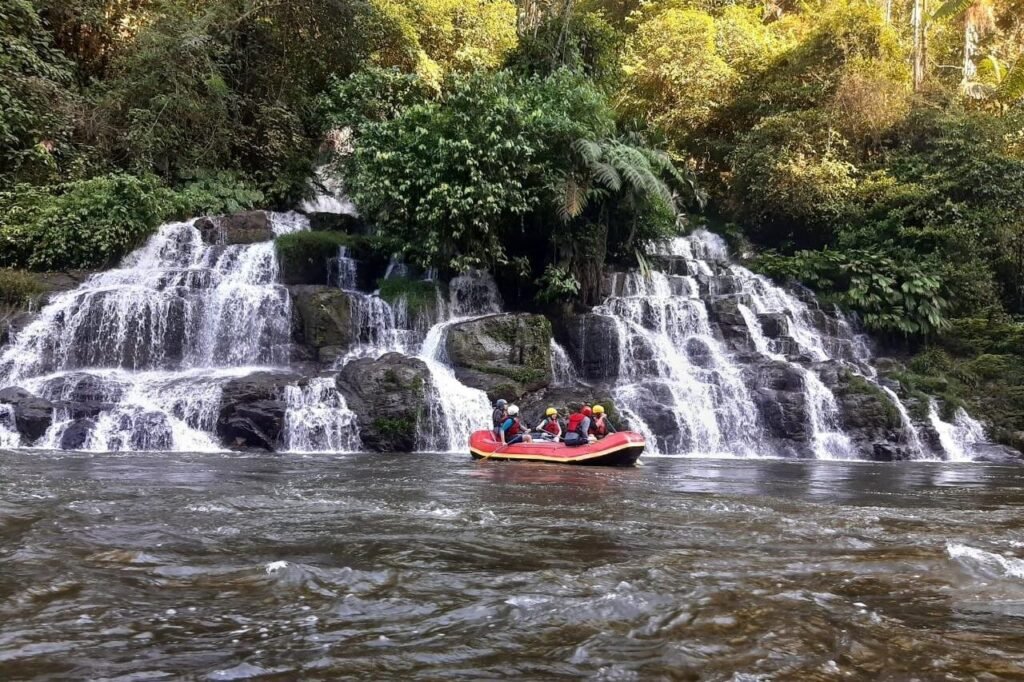
For thrill-seekers and experienced paddlers wanting high-adrenaline whitewater through pristine granite canyons, this full-day expedition on the Jondachi and Hollín rivers is the undisputed crown jewel of Amazonian rafting. Operated by River People, one of Tena’s most respected river outfits, this run navigates technical Class IV rapids encased within steep, emerald jungle walls.
The Jondachi River offers tight, technical drops and continuous pool-drop rapids before merging into the larger, more powerful Hollín River canyon. Safety protocols on this trip are paramount: every raft is accompanied by dedicated safety kayakers, professional guides certified in swiftwater rescue, and state-of-the-art safety gear. Midway through the canyon, the team pulls onto a secluded gravel beach to serve a fresh picnic lunch surrounded by pristine rainforest.
Key highlights
- Intense Class IV technical whitewater rafting down the pristine Jondachi and Hollín river canyons
- Expert river guides and dedicated professional safety kayaker escort on every run
- Complete high-grade safety gear provided (helmets, life jackets, paddles)
- Fresh riverbank picnic lunch served deep within the canyon corridor
- Private round-trip transport from Tena included
Ideal for
Adrenaline junkies, athletic travellers, and experienced paddlers looking for an uncrowded, technical whitewater challenge in a wilderness setting.
Local insight
Because the Jondachi Canyon involves technical drops, wear secure neoprene booties or water sandals with strong ankle straps. Leave all non-waterproof items at your hotel in Tena; the outfit provides professional dry bags for small necessities on the water.
Our practical Amazon excursion planning guide
1. Navigating climate and humidity
The Amazonian slopes experience high humidity and sudden tropical downpours year-round. Cotton clothing holds moisture and causes chafing; pack lightweight, quick-drying synthetic shirts and trousers. Always store electronics, passports, and dry clothing in heavy-duty roll-top dry bags before setting out on river trips.
2. Insect protection and health
Avoid DEET-heavy sprays on river trips, as the chemicals harm fragile aquatic ecosystems and damage raft rubber. Opt for natural, citronella- or eucalyptus-based repellents, and rely primarily on loose, long-sleeved clothing for coverage during morning and evening walks. Yellow fever vaccinations are recommended for the Amazon basin in Ecuador.
3. Respecting indigenous protocol
When visiting Kichwa or Waorani communities, always wait for your guide to introduce your group to community leaders before taking photos. Purchase handicrafts directly from local weavers or carvers rather than third-party resellers in town to ensure 100% of the financial benefit stays within the village.
4. Currency and tipping
Small-town Amazonian businesses and rural guides rarely accept credit cards. Carry small US dollar bills ($1, $5, and $10) in clean condition. Tipping river guides and indigenous hosts ($5 to $10 per person per day) is standard practice and greatly appreciated for exceptional service.
The Ecuadorian Coast.
Where you’ll find the very best food
Find your rhythm in the Napo Basin
The Ecuadorian Amazon has a unique way of reframing how we move through the world. Down here, where the eastern slopes of the Andes dissolve into a dense emerald canopy, time is governed not by timetables or tour schedules, but by river currents, rain squalls, and the subtle shifts of the forest floor.
Choosing to explore this region through vetted, community-led day tours gives you the best of both worlds: the unvarnished expertise of native guides who have walked these trails for generations, paired with the absolute freedom to return to your own base camp at dusk.
By skipping generic, mass-market itineraries in favour of small-group excursions, you ensure that your presence actively contributes to environmental stewardship and Indigenous economic sovereignty.
Whether you are leaning into the rhythm of a paddle through technical Class IV rapids or sitting around a wood fire learning the quiet wisdom of a Kichwa chakra, these single-day journeys offer profound connections without forcing you into rigid overland bubbles.
As autonomous travellers, we know that the most memorable journeys are those where we retain control over our direction while remaining open to local wisdom. Pack light, leave space for spontaneity, and respect the delicate balance of the forest. The Amazon basin is waiting — wild, welcoming, and best experienced at your own deliberate pace.
Affiliate Disclaimer: Some of the links on Wheely Tyred are affiliate links. If you click through and make a booking or purchase, we may earn a small commission at no extra cost to you. We only recommend gear, tours, stays, and services we genuinely use, trust, and stand behind — our editorial independence always comes first. These commissions help keep our independent cycling guides and travel stories free to read. Thanks for supporting the ride!
Frequently asked questions about the best Amazon day tours in Ecuador
Both Tena and Puyo are easily reached via public bus or shared taxi. Regular buses depart from Quito’s Quitumbe terminal (taking roughly four to five hours) or from the main bus station in Baños (taking around three to four hours to Tena, or just 90 minutes to Puyo). The roads are fully paved and exceptionally scenic, winding down the eastern Andean slopes directly into the Amazon basin.
Maito is a traditional Amazonian dish where fresh river fish (or vegetables, mushrooms, and heart of palm) is wrapped tightly in wild bijao leaves and slow-roasted over hardwood embers. Because it relies on natural steam and herbal seasoning without added gluten, oils, or dairy, it is inherently healthy and easily adapted for vegetarian or vegan diets upon request.
While Tena and Puyo are located in the upper Amazon foothills where health risks are lower than in deep lowland reserves like Yasuní, the Ecuadorian Ministry of Public Health recommends the Yellow Fever vaccine for all travel east of the Andes. It is best to consult your local travel clinic at least ten days prior to departure.
Amazonian rain can convert forest trails into deep, slick clay within minutes. Standard leather hiking boots quickly get clogged with mud, saturate through the seams, and take days to dry in high humidity. High-top rubber boots, which are provided on most guided treks, keep your feet completely dry, bite into wet clay for superior grip, and can be easily washed down at the end of the trail.
Cash is essential across rural Amazonía. While your main tour booking is completed online, you should carry $20–$40 USD per day in small, undamaged notes ($1, $5, and $10 bills). Credit cards are rarely accepted in river villages, and small notes are vital for buying handmade crafts, tipping guides, or purchasing cold drinks at family homesteads.
Class III runs (such as the Jatun Yaku River) feature rolling wave trains, wide passages, and forgiving pools, making them ideal for adventurous beginners and active families. Class IV runs (such as the Jondachi and Hollín rivers) navigate steep, technical granite canyons with tight drops and continuous rapid sequences that require active, synchronised paddling and higher physical fitness.
Ecuador.
Pure wonder on the equator.