Is Yasuní National Park safe in 2027? The complete travel safety guide
Crime statistics, El Coca transit protocols, and jungle eco-lodge security
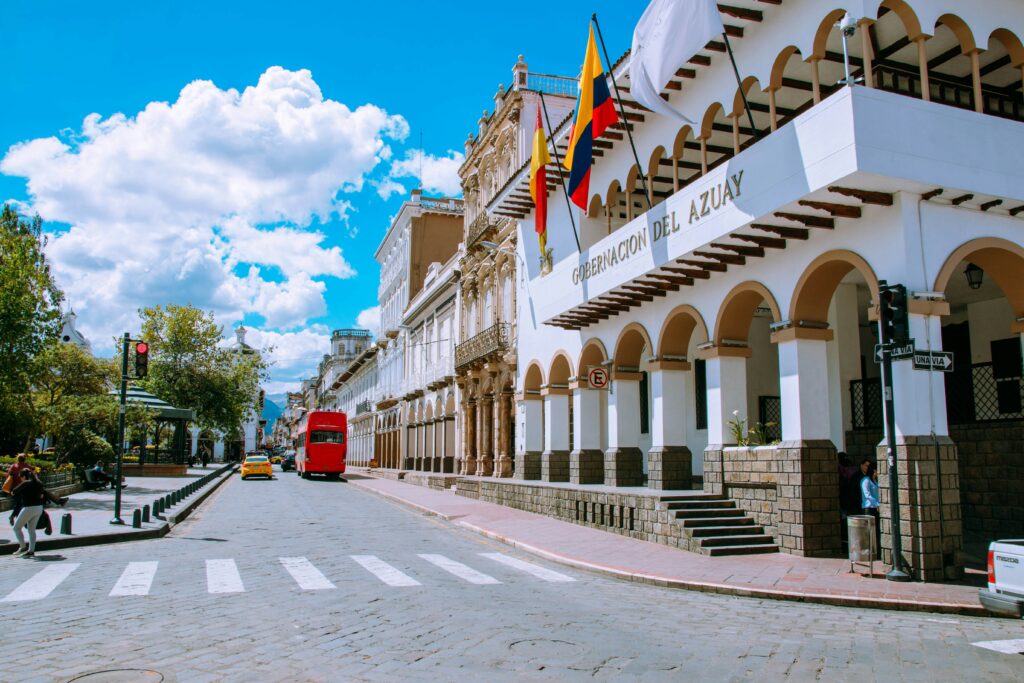
Explore the world’s most biodiverse rainforest
BEN FINCH
Ecuador’s Amazon basin remains one of the most remarkable ecosystems on the planet, and Yasuní National Park sits at the very heart of it. Holding more species of trees in a single hectare than exist across all of North America, this remote expanse of primary rainforest offers an unforgettable window into nature.
However, as national security dynamics across mainland Ecuador have evolved over recent years, travellers planning a journey for 2027 are right to ask: is Yasuní National Park safe to visit?
Building directly upon our previous 2026 Yasuní safety analysis, this updated 2027 edition breaks down the current security situation in the region. The takeaway is straightforward: while urban transit hubs require careful navigation, the interior of Yasuní National Park remains a secure, strictly managed sanctuary for international visitors.
By understanding the transit routes, choosing accredited lodges, and respecting environmental protocols, you can explore this ecological masterpiece with complete peace of mind.
The heart of the Amazon is open and secure
Adventuring into the heart of the Amazon is safer than you might think if you stay on top of a few basic precautions.
- El Coca Gateways: Treat Puerto Francisco de Orellana as a standard commercial transit hub by arranging verified lodge transfers and avoiding unlit riverfront areas after dark
- River Navigation Standards: Always wear high-flotation life jackets on motorised canoes and pack sensitive gear in waterproof dry bags to protect against sudden downpours
- Community Stewardship: Rely on accredited, Kichwa-managed eco-lodges that act as active environmental guardians and provide built-in security within the reserve
- Environmental Preparedness: Prioritise practical health defences over crime concerns by securing Yellow Fever vaccinations, using insect repellent, and staying hydrated
- Solo and Independent Travel: Recognise that independent backpacking through primary jungle zones is prohibited; book structured lodge packages for guaranteed logistics and expert guidance
- Cultural Boundaries: Respect the sovereignty of the Intangible Zone and the voluntary isolation of the Tagaeri and Taromenane by strictly following authorised routes
Yasuní National Park.
Home to the black water
Understand the regional security landscape in 2027
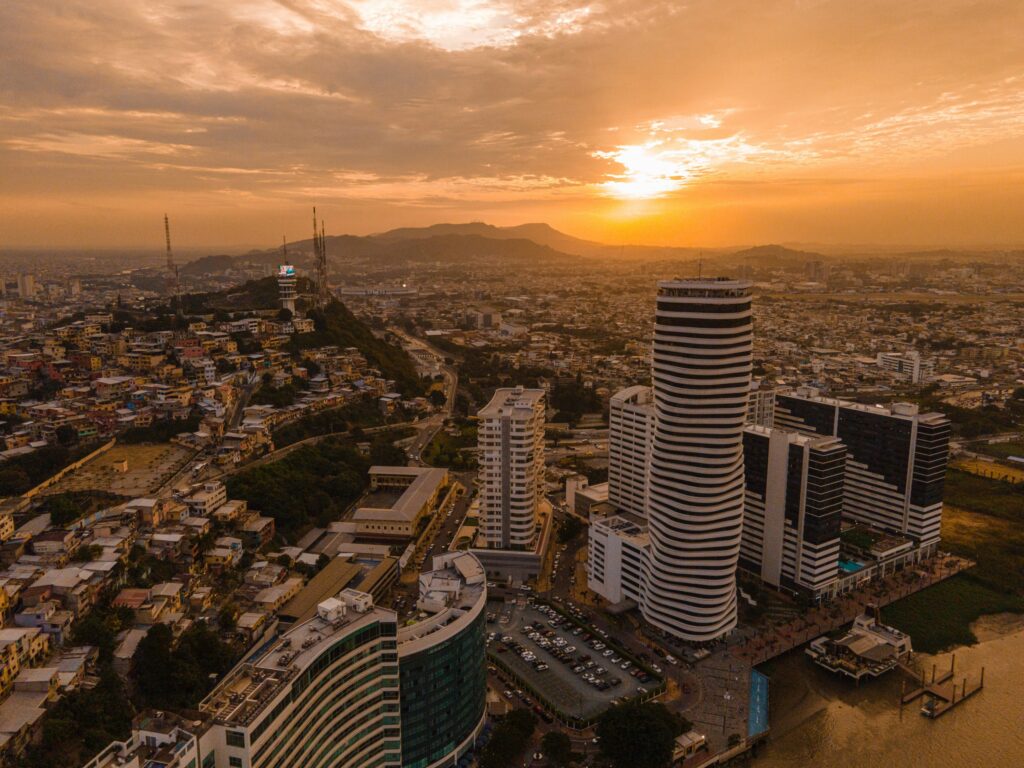
To evaluate safety in Yasuní, you must separate the national security headlines from the reality on the ground in the Amazon. While coastal regions and major logistics ports in western Ecuador have experienced elevated security measures due to criminal activity, the eastern Amazonian provinces—specifically Napo and Orellana—operate under entirely different local dynamics.
Yasuní National Park is defined by extreme geographical isolation. Access is strictly controlled via riverways monitored by the Ecuadorian Ministry of Environment, the military, and local Indigenous guard units.
There are no open access roads winding through the primary tourist zones of the park. This natural barrier keeps the deep jungle shielded from the urban crime issues affecting other areas of the country.
Within the boundaries of the park, tourist-targeted crime is virtually non-existent. The safety risks in Yasuní are almost entirely operational, environmental, or related to logistics along the transit corridor leading into the park.
The critical transit corridor / Navigate El Coca safely
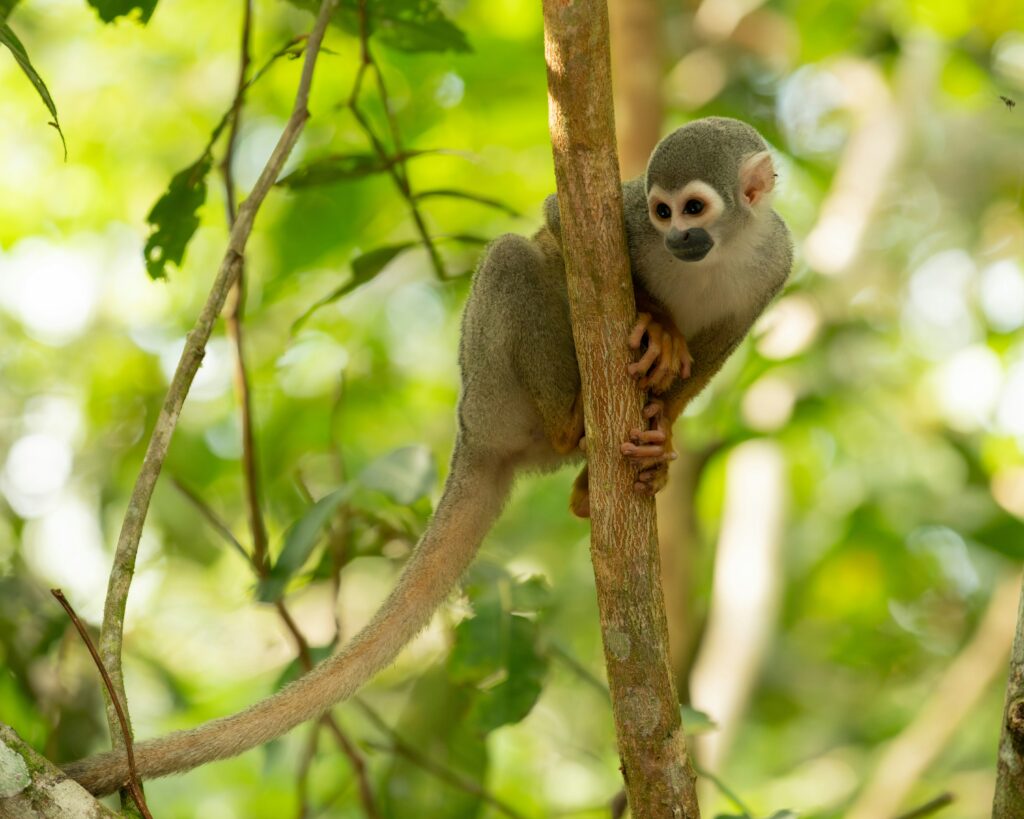
The journey to Yasuní almost always flows through Puerto Francisco de Orellana, universally known as El Coca. Situated at the confluence of the Napo and Payamino Rivers, El Coca is the primary gateway town where flights land and motorised riverboats depart for Amazon lodges.
El Coca is a busy commercial hub driven by agriculture, petroleum logistics, and eco-tourism. Unlike the peaceful lodges hours downriver, El Coca requires standard urban safety precautions.
Transit security at a glance / El Coca
- Airport Transfers: Arrange accredited lodge transport directly from Francisco de Orellana Airport (OCC)
- Bus Terminal Caution: Keep luggage secured; use registered taxis between the terminal and the river docks
- Cash Management: Use ATMs inside secure bank branches along Calle Napo rather than outdoor street terminals
- Overnight Layovers: Stay in verified central hotels; avoid walking along unlit riverfront areas late at night
If your itinerary requires an overnight stay in El Coca before catching an early morning canoe down the Napo River, stay in well-reviewed central accommodations. Ensure your lodge representative or tour operator meets you directly at the airport or bus terminal to handle your onward transit seamlessly.
The Ecuadorian Amazon.
The most biodiverse place in the world
River logistics and waterway safety standards
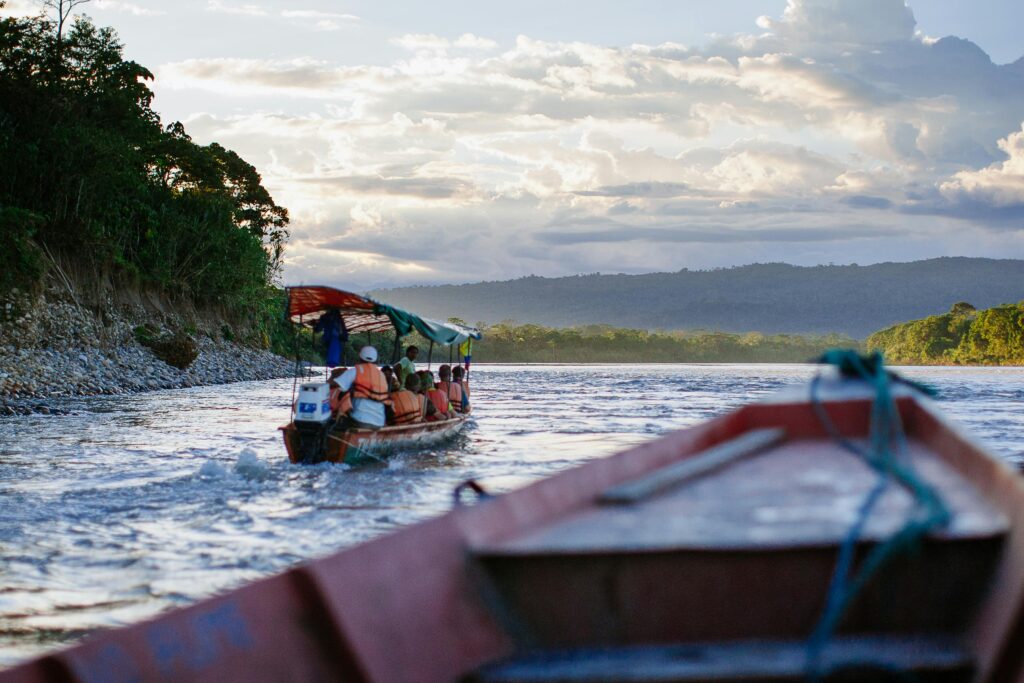
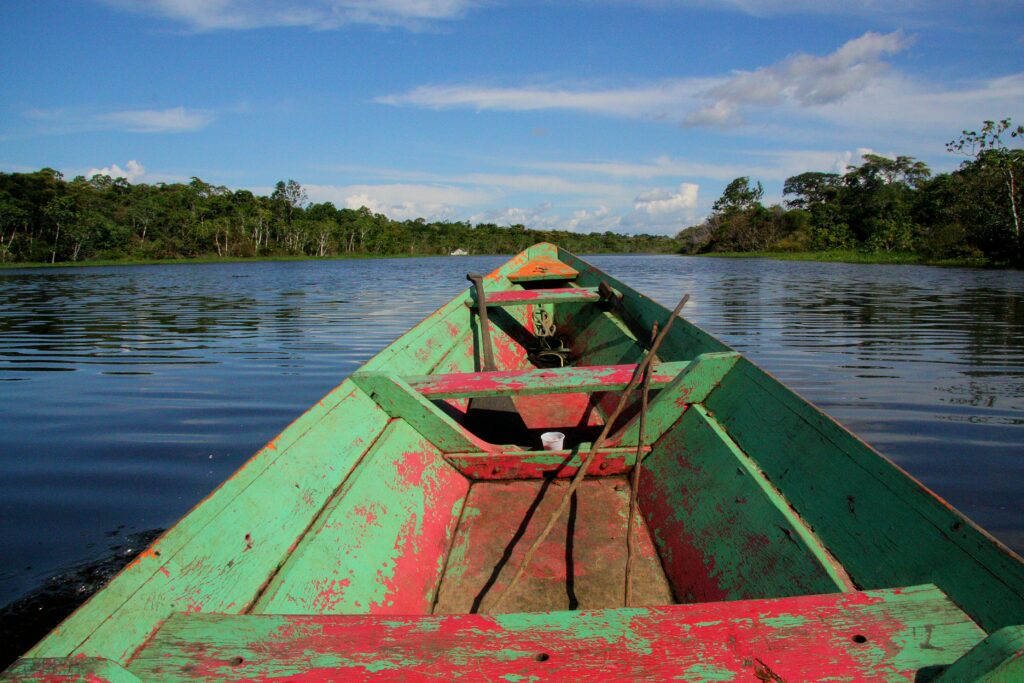
Once you leave the docks at El Coca, your primary mode of transportation for the next several days will be motorised and paddle canoes along the Napo River and its smaller tributaries. Understanding river safety is essential for a smooth expedition.
Reputable eco-lodges and certified community operators maintain strict nautical protocols. Motorised transit canoes are typically covered to protect passengers from sudden tropical downpours and intense equatorial sun.
Essential river safety protocols
- Mandatory Life Vests: Always wear supplied, high-flotation life jackets during all motorised transit on major rivers such as the Napo
- Waterproof Protection: Pack dry bags for sensitive electronics, passports, and gear. Sudden river swells or heavy rain can saturate standard daypacks
- Licensed Captains: Ensure your trip uses licensed local boat captains (motoristas) who understand the shifting sandbars and currents of the Napo River basin
Eco-lodge security and community-led protection
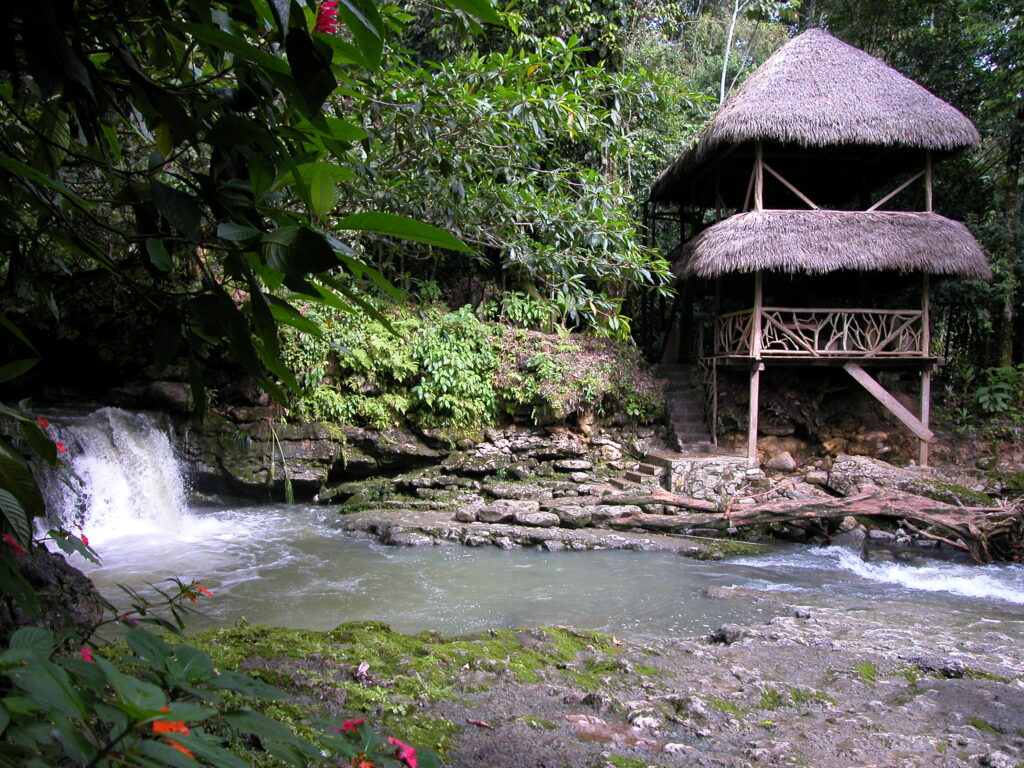
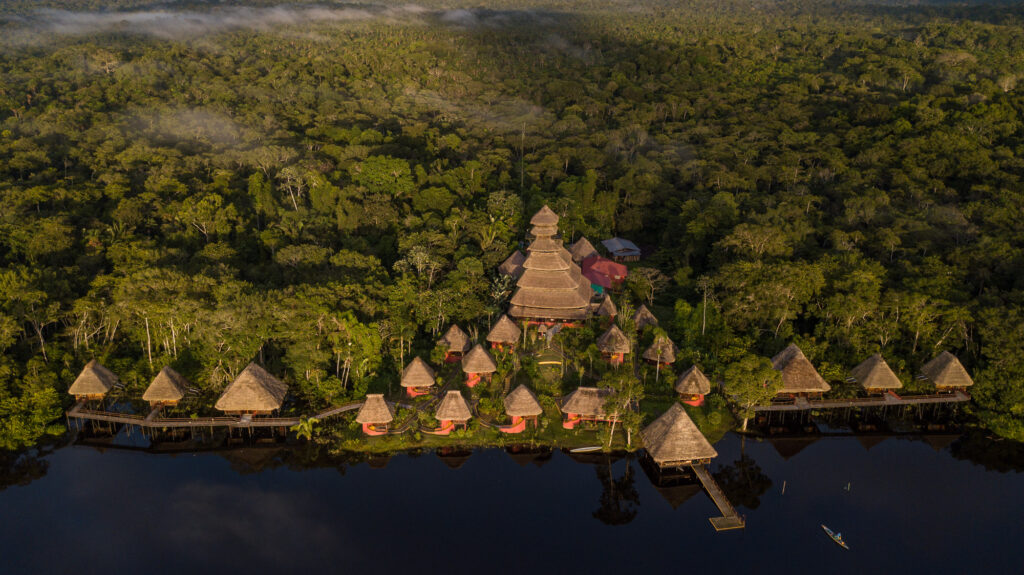
One of the most secure aspects of visiting Yasuní National Park is the lodge structure itself. Accommodations deep in the reserve—such as the award-winning Napo Wildlife Centre, Sacha Lodge, or Mandari Panga—operate as self-contained sanctuaries.
Many of the top eco-lodges are owned and managed by local Indigenous communities, such as the Kichwa Añangu community. These communities act as dedicated stewards of their ancestral territory. Their presence provides an effective, organic security barrier that deters unauthorised visitors or illegal activity within their managed zones.
Furthermore, remote lodges maintain daily radio or satellite communications with base stations in El Coca and Quito. Emergency medical evacuation plans are established standards for all accredited operators serving the national park.
The Galápagos.
Ecuador’s Enchanted Isles
Environmental and health preparedness in the rainforest
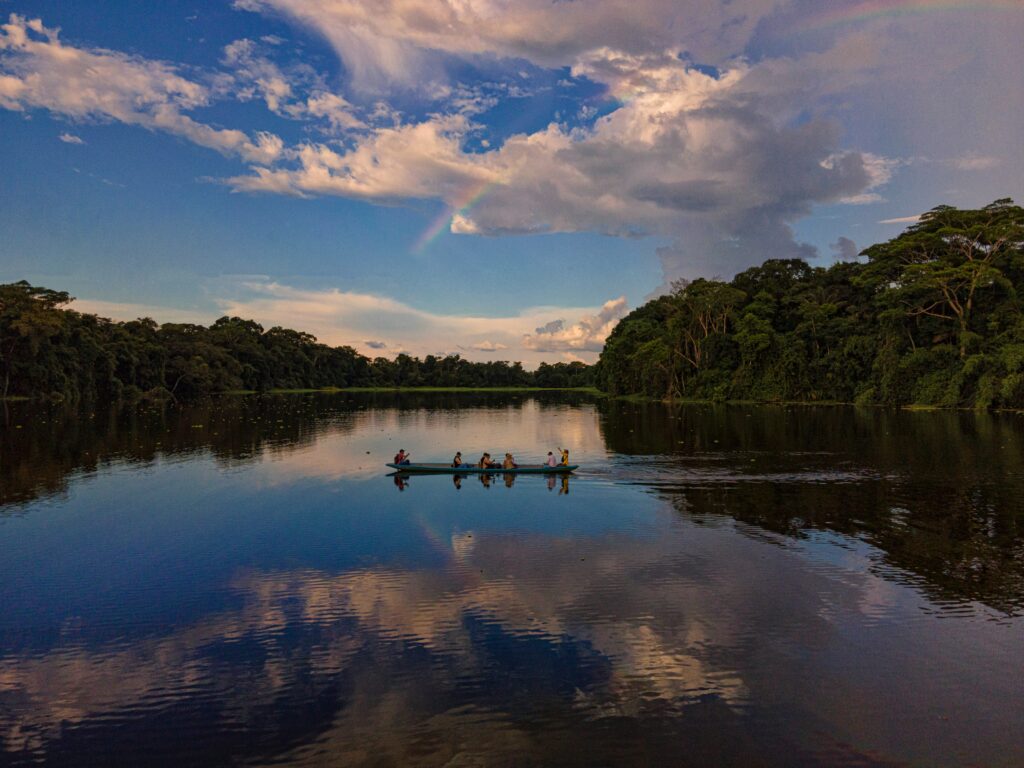
In Yasuní, environmental conditions present more daily considerations than human-driven security risks. Staying safe means properly preparing your body and equipment for the equatorial rainforest environment.
Health & preparedness checklist
- Vaccination Protocols: Yellow Fever vaccination is recommended for entry into the Amazon basin
- Insect Protection: Wear lightweight, long-sleeved clothing; apply DEET or Picaridin repellent for dusk and dawn excursions
- Hydration & Sanitation: Drink filtered or purified water provided by lodges; avoid unboiled river water
- Proper Footwear: Use high-top rubber boots (supplied by most lodges) to protect against muddy trails and underbrush
Heat exhaustion and dehydration can occur quickly under the dense canopy. Drink plenty of safe water throughout the day, and pace yourself during forest hikes, particularly during high-humidity afternoons.
Demographic safety profiles / Tailored guidance for 2027
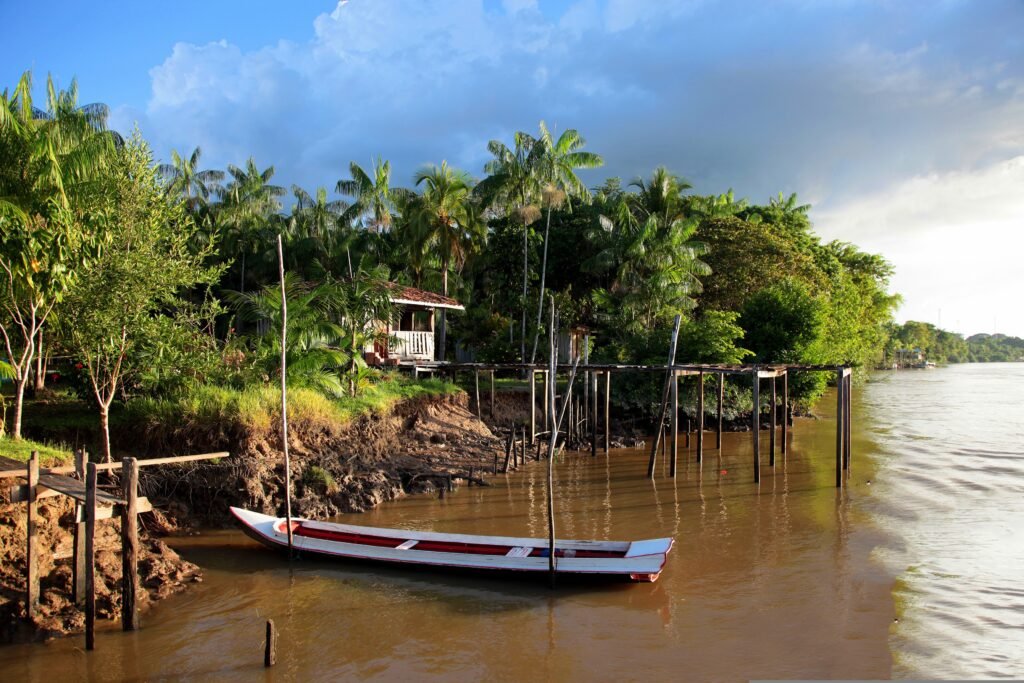
Safety conditions can feel different depending on who you are and how you travel. Here is a breakdown of what specific groups should keep in mind when travelling to Yasuní.
Solo travellers
Solo travel to Yasuní is fully viable, provided you book through an established group or eco-lodge package. Independent, unguided backpacking deep into the national park is forbidden by park regulations and physically unsafe due to the lack of infrastructure.
Joining an organised lodge itinerary ensures you have certified local guides, group transportation, and built-in security from the moment you arrive in El Coca.
Women travellers
Women travelling solo or in small groups generally experience high levels of safety and professional hospitality at Yasuní eco-lodges. Staff and local guides are trained to professional standards.
The main precaution for female solo travellers involves transit through urban areas such as Quito or El Coca during early morning or late-night hours; stick to pre-arranged private drivers or verified lodge shuttles.
LGBTQ+ travellers
Ecuador recognises marriage equality, and its constitution explicitly protects against discrimination based on sexual orientation. In tourist-focused jungle lodges, LGBTQ+ guests can expect welcoming, professional service.
However, conservative cultural norms prevail in small Amazonian communities and transit towns such as El Coca. Modest public displays of affection in public transit zones help ensure a smooth, hassle-free journey.
The Ecuadorian Sierra.
Get lost in the hills
Respect uncontacted indigenous peoples and the Intangible Zone
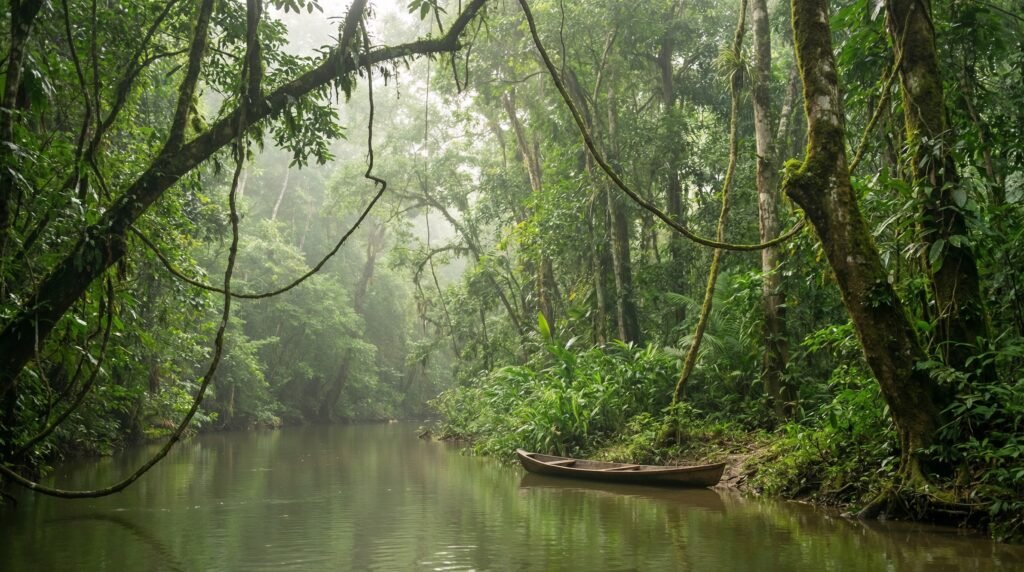
Yasuní National Park is home to the Tagaeri and Taromenane, two indigenous groups living in voluntary isolation.
To protect their health, culture, and autonomy, the Ecuadorian government established the Zona Intangible (Intangible Zone) in the southern portion of the park, where resource extraction and unauthorised entry are strictly illegal.
Key rules for responsible and safe tourism
- Stay on Designated Routes: Only travel along approved tourist waterways and trails led by certified Kichwa or Waorani guides
- Never Attempt Independent Exploration: Entering unauthorised zones violates international human rights protections for isolated groups and introduces serious physical danger
- Follow Cultural Protocols: Always seek permission before photographing members of local settled communities, such as Kichwa or Waorani hosts
Why your next Amazon expedition belongs in Yasuní
Read this far?
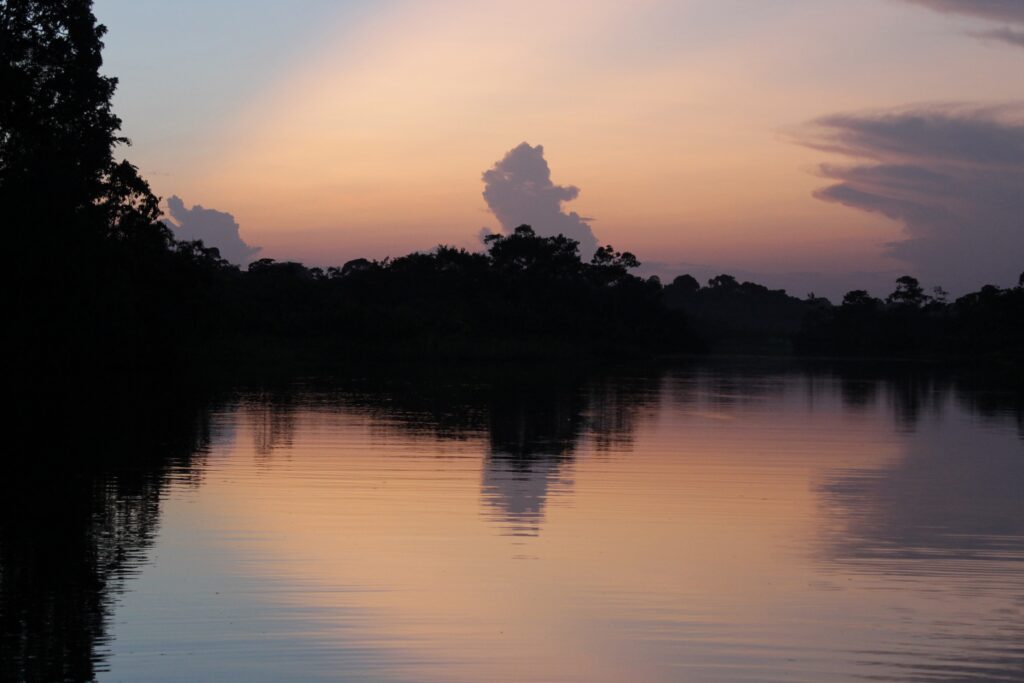
When you step off the motorised canoe and onto the wooden docks of an Amazonian eco-lodge, the frantic pace of the modern world evaporates. For the independent traveller who values deep ecological immersion over sanitised resort bubbles, Yasuní National Park offers an unparalleled frontier. It challenges our understanding of biodiversity, forces us to slow down, and rewards careful planning with sights that few human beings will ever witness.
The reality of travelling through Ecuador in 2027 requires clear-eyed situational awareness, particularly during transit phases. Yet, as our updated safety intelligence shows, the deep interior of the rainforest remains a protected sanctuary far removed from urban security challenges. By respecting local waterways, partnering with Indigenous guides who have protected these forests for generations, and maintaining sensible travel habits in gateway towns such as El Coca, you unlock a journey defined entirely by discovery rather than anxiety.
True adventure has always required preparation, humility, and respect for the local environment. Yasuní asks for little more than your attention and adherence to its timeless rhythms. Pack your dry bags, lace up your rubber boots, and step into a living masterpiece that continues to thrive against the odds.
Affiliate Disclaimer: Some of the links on Wheely Tyred are affiliate links. If you click through and make a booking or purchase, we may earn a small commission at no extra cost to you. We only recommend gear, tours, stays, and services we genuinely use, trust, and stand behind — our editorial independence always comes first. These commissions help keep our independent cycling guides and travel stories free to read. You can also buy me a coffee here — thanks for supporting the ride!
The Ecuadorian Coast.
Where you’ll find the very best food
Frequently asked questions about Yasuní National Park safety and travel logistics
Independent, unguided travel inside Yasuní National Park is strictly prohibited by Ecuadorian park authorities and is physically hazardous due to the lack of infrastructure, dense terrain, and navigational isolation. All visitors must explore the park via certified river transport and trails accompanied by licensed local guides through accredited eco-lodges or tour operators.
Puerto Francisco de Orellana, commonly known as El Coca, functions as a bustling petroleum and river transport hub. While it is not a war zone, travellers face standard urban risks such as opportunistic pickpocketing, luggage theft at bus terminals, and petty crime. Visitors should use registered taxis, secure cash at bank-branch ATMs along Calle Napo, and stay in verified central accommodations during overnight layovers.
Yes, health authorities recommend receiving a Yellow Fever vaccination at least ten to fourteen days prior to entering the Ecuadorian Amazon basin. Depending on your broader travel itinerary, routine boosters and preventative measures against insect-borne illnesses should be discussed with a travel medicine specialist well in advance of your departure.
Reputable, community-run and private eco-lodges maintain continuous satellite or radio communication channels linking the jungle reserves directly to base operations in El Coca and Quito. Established emergency evacuation plans are standard practice across all accredited operators, ensuring injured or ill travellers can be quickly transported upriver and flown to major medical centres if necessary.
High humidity, torrential tropical downpours, and dense underbrush require specific gear rather than standard travel clothing. Essential items include lightweight, long-sleeved shirts and trousers treated with insect repellent, waterproof dry bags for electronics and documents, and high-top rubber boots—typically supplied by lodges—to protect against mud, sharp roots, and pit vipers on forest trails.
The Ecuadorian government established the Zona Intangible in the southern section of Yasuní to safeguard the ancestral territories and voluntary isolation of the Tagaeri and Taromenane peoples. Unauthorised entry, resource extraction, and tourism are strictly banned within this zone. Travellers stay exclusively within approved tourism corridors managed by settled Indigenous communities such as the Kichwa and Waorani, ensuring complete separation and respect for isolated groups.
Ecuador.
Pure wonder on the equator.