Is the Ecuadorian Amazon safe in 2027? Jungle safety guide
Complete 2027 travel safety guide for Cuyabeno, Yasuní, Tena, and border zones in Ecuador
Explore the Oriente with clarity, confidence, and practical knowledge
BEN FINCH
In our 2026 guide to Ecuador’s Amazonian region, we detailed how evolving national security measures impacted travel across the Oriente. As we move through 2027, understanding the ground reality of this ecological treasure remains vital for anyone planning an expedition on two wheels, on foot, or along river waterways.
The short answer for 2027 remains positive: yes, the Ecuadorian Amazon is safe for international travellers, provided you understand where to go, how to navigate transit hubs, and which frontier zones to avoid entirely. While Ecuador continues to address complex national security challenges, the vast rainforest reserves of Cuyabeno and Yasuní, alongside established gateway towns such as Tena and Puyo, operate with high levels of safety for visitors.
However, travelling safely in 2027 requires moving past broad generalisations. Safety in the Oriente is distinctly regional. The security landscape inside a deep jungle lodge along the Napo River is fundamentally different from a crowded bus terminal in Lago Agrio or an unpaved road near the Colombian border.
This breakdown gives you the field knowledge necessary to keep your journey secure, rewarding, and smooth.
Core takeaways for navigating the Oriente
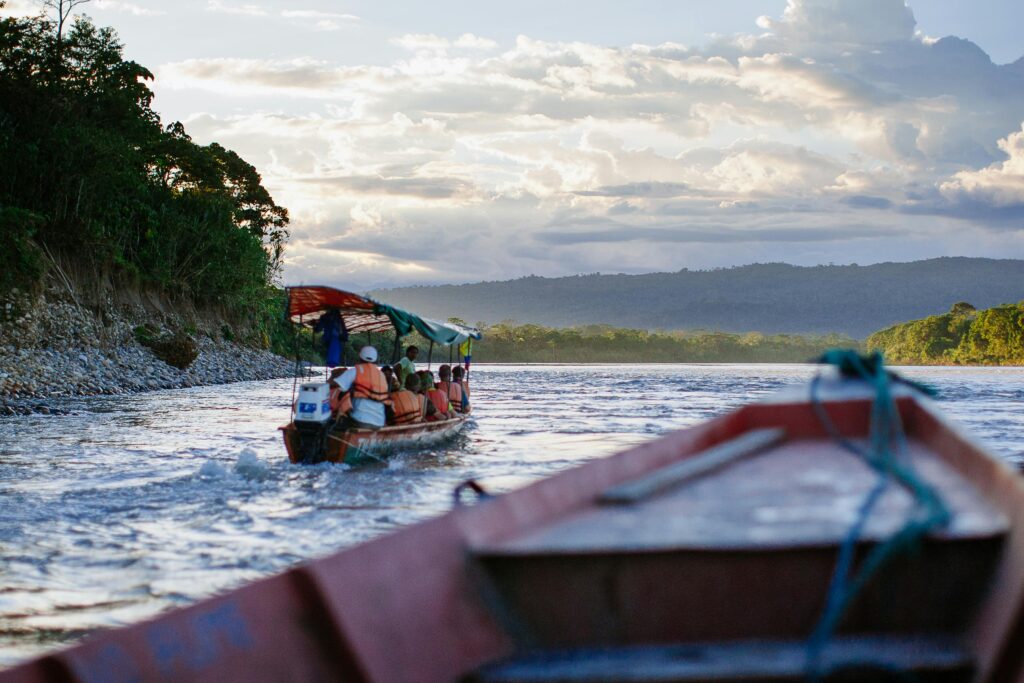
Planning an overland or river journey through Ecuador’s Amazon basin requires balancing sharp logistical discipline with an open mind. Here is what every independent traveller needs to know before heading east of the Andes.
- Gateway security: Towns such as Tena, Puyo, and Macas offer stable, welcoming bases for road cyclists, kayakers, and overlanders exploring the Andean foothills
- Protected lodge ecosystems: Visiting biodiversity hotspots such as Cuyabeno Wildlife Reserve and Yasuní National Park through licensed operators eliminates almost all personal safety risks
- Northern border caution: Avoid all independent travel within 20km of the Colombian frontier in Sucumbíos and Orellana, where illegal mining and contraband corridors operate
- Transit vigilance: Keep small daypacks on your lap inside long-distance buses and avoid pre-dawn arrivals at urban transit terminals in Lago Agrio or Coca
- Essential health prep: Secure a yellow fever vaccination card before travelling below 2,300 metres, and pack high-strength insect repellent alongside micro-filtration water purifiers
- Daylight navigation rule: Conclude all cycling, driving, and river movement by 17:30 to avoid unlit obstacles, sudden weather shifts, and evening road hazards
The Ecuadorian Amazon.
The most biodiverse place in the world
Ecuador’s national security landscape and 2027 shifts

To navigate the Amazon safely in 2027, you must first understand the security baseline of Ecuador as a whole. Security measures enacted by the Ecuadorian government over recent years have aimed to stabilise transportation corridors and urban centres affected by transnational criminal networks. These security operations remain heavily focused on coastal port cities, specific urban zones in Guayaquil, and active illegal smuggling routes along northern border regions.
For international tourists, the risk of being targeted by organised crime in established tourism sectors remains low. The primary risks encountered by travellers are indirect: transit delays, opportunistic petty theft in busy bus terminals, or accidentally straying into high-risk frontier sectors due to poor route planning.
In the deep Amazon basin, eco-lodges and community-run reserves operate far from urban security pressure points. Controlled river access, mandatory park check-ins, and close-knit indigenous communities create a natural protective buffer for visitors. The critical focus for travellers in 2027 is managing the overland journey between the Andean highlands and these Amazonian river ports safely.
Regional safety breakdown across the six Oriente provinces
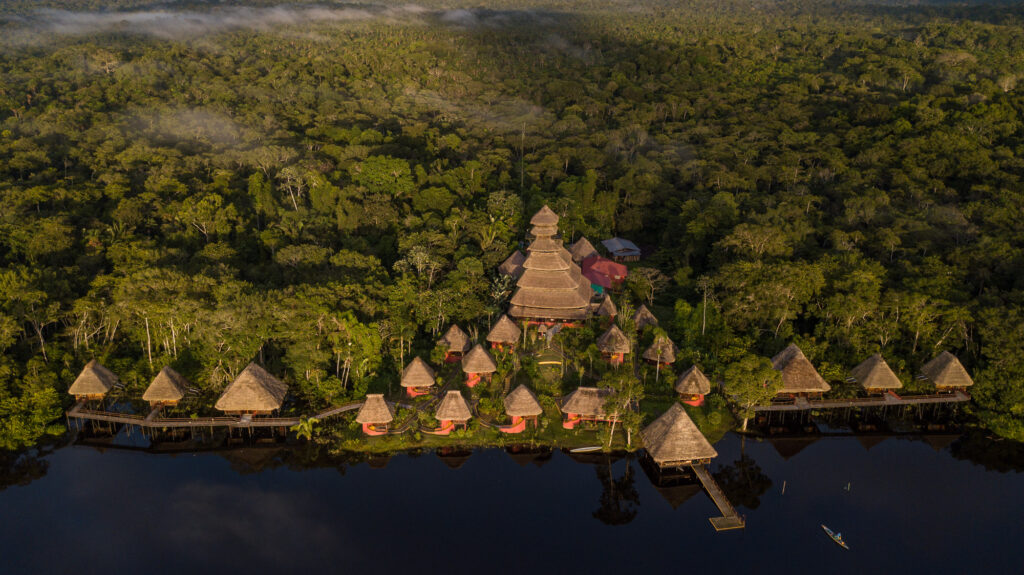
Ecuador’s Amazonian territory, known locally as the Oriente, encompasses six distinct provinces: Napo, Pastaza, Morona Santiago, Zamora Chinchipe, Sucumbíos, and Orellana. Security conditions vary markedly across these territories.
Central and southern gateways / Tena, Puyo, and Macas
For independent travellers, bikepackers, and road cyclists, the central gateway towns of Tena (Napo province), Puyo (Pastaza province), and Macas (Morona Santiago province) offer the most secure urban bases in the region.
Tena continues to serve as the primary adventure hub of the Ecuadorian Amazon. It maintains a calm atmosphere, resilient local infrastructure, and world-class access to whitewater kayaking, road cycling, and forest trekking. Violent crime targeting tourists here is exceptionally rare. Standard urban precautions against opportunistic petty theft in public plazas, markets, and nightlife establishments are sufficient.
Puyo and Macas offer similar stability. Both towns serve as excellent staging points for exploring secondary roads, waterfalls, and mountain bike trails descending from the Andean eastern slopes.
Protected wilderness reserves / Cuyabeno and Yasuní
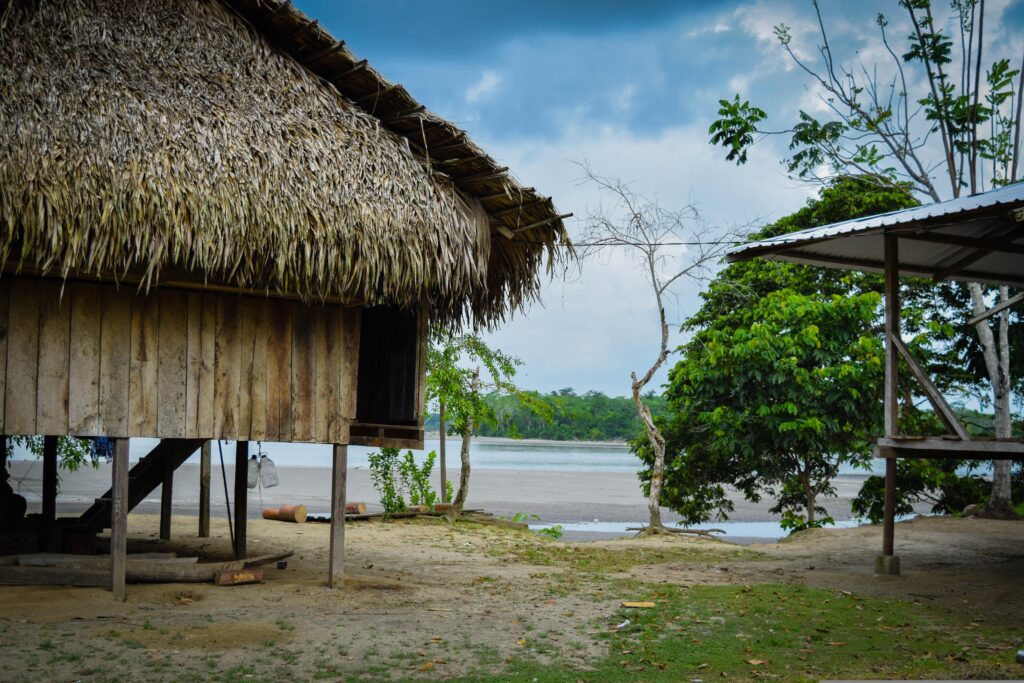
Cuyabeno Wildlife Reserve and Yasuní National Park represent two of the most biodiverse ecosystems on earth. Both reserves are remarkably safe for international visitors because tourism is strictly structured around certified lodges, registered local guides, and licensed boat captains.
Independent, unguided exploration is prohibited inside Cuyabeno and Yasuní. Access is regulated via motorised canoes departing from official river docks such as Tierras Orientales or Puerto Francisco de Orellana (commonly known as Coca). Once inside the reserve boundaries, lodge personnel and local guides manage all transport and activities, virtually eliminating traditional crime risks.
Northern frontier zones / Sucumbíos and Orellana
The northern provinces of Sucumbíos and Orellana require a higher degree of situational awareness. These areas house major petroleum infrastructure and share a direct border with Colombia.
Government travel advisories from international foreign offices explicitly advise against all travel within 20km of the Colombian border, excluding the official international highway crossing at Tulcán in the highlands. In Sucumbíos, transit hubs such as Lago Agrio (Nueva Loja) are necessary pass-through points for tours heading into Cuyabeno. However, independent wandering into rural border sectors or unguided backcountry travel north of the Aguarico River is unsafe due to active criminal networks and illegal extraction operations.
When travelling to Cuyabeno via Lago Agrio or Yasuní via Coca, arrange seamless transfers directly through your lodge operator. This ensures you are met immediately upon arrival at the airport or bus station, minimising unnecessary downtime in busy transit terminals.
The Galápagos.
Ecuador’s Enchanted Isles
Transit safety, bus terminals, and highway logistics
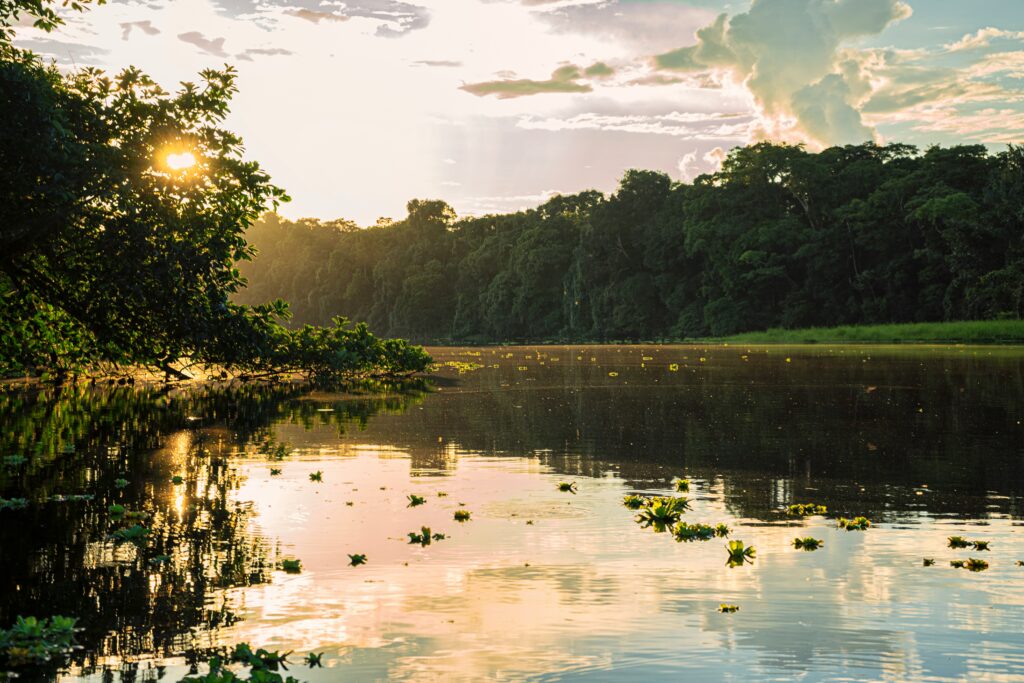
The vast majority of safety incidents reported by travellers in Ecuador occur during transit between destinations rather than at the final resort or lodge.
Bus terminal protocol in transit hubs
Major bus terminals, including Quitumbe and Carcelén in Quito, as well as regional stations in Lago Agrio, Coca, and Ambato, are prime locations for pickpocketing and bag snatching.
- Keep bags secure: Never place small daypacks containing passports, money, or electronics in overhead luggage racks or under your seat on long-distance buses. Keep your bag on your lap with the shoulder strap wrapped around your knee or arm
- Verify luggage tags: When placing larger luggage in the under-bus storage hold, ensure the conductor attaches a numbered physical claim tag and gives you the matching stub
- Avoid night arrivals: Schedule bus journeys so you arrive at regional transit hubs during daylight hours. Arriving in unfamiliar border towns at pre-dawn hours increases exposure to unlicensed taxi operators and street theft
Taxi and private transfer security
- Licensed cabs only: Use only official taxis featuring yellow paint, visible registration numbers painted on the doors, and official orange license plates. In major cities, use reputable ride-hailing applications or ask hotel staff to dispatch a vetted taxi
- Pre-arranged transfers: For travel between airports or bus terminals and river embarkation points, use pre-booked private transport arranged directly by your tour operator
Safety considerations for solo travellers, women, and minorities
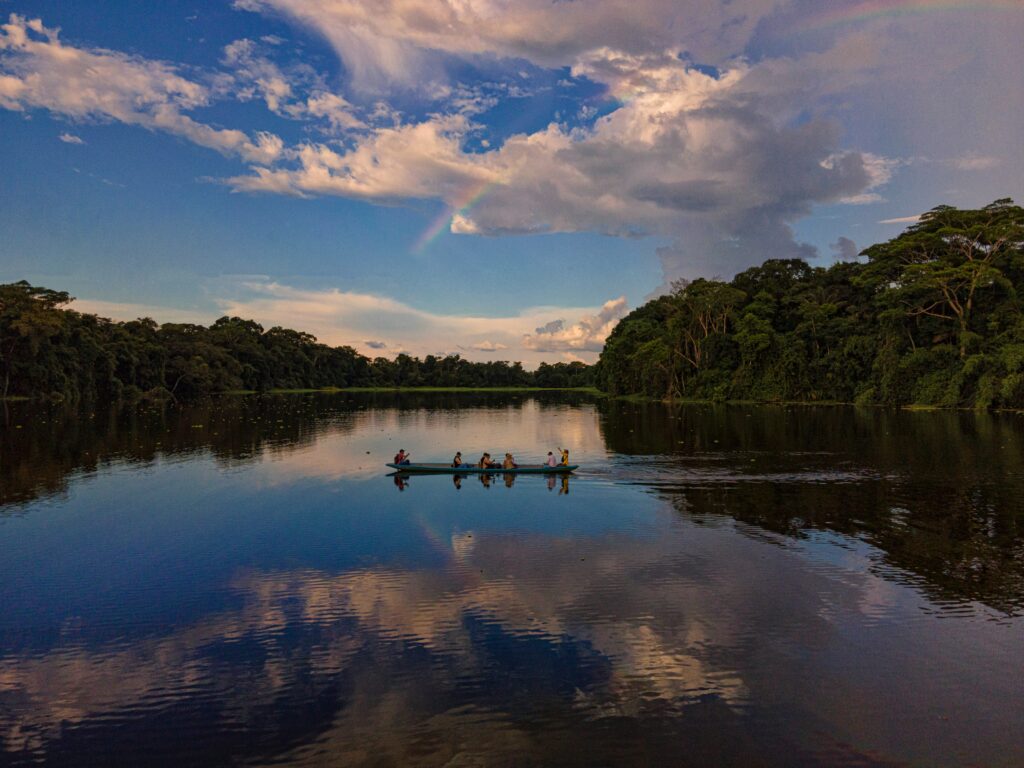
Personal identity and travel style influence your interactions on the ground. Understanding regional social dynamics allows you to navigate local communities with ease.
Solo travellers and remote overlanders
Solo travel across the main tourist corridors of the Amazon is straightforward when using organised services. For independent cyclists and overlanders, logistics require added rigour.
- Satellite telemetry: Cellular coverage vanishes rapidly upon leaving primary paved highways such as the E45. Carrying a satellite communicator, such as a Garmin inReach or Spot device, is vital for remote navigation and emergency SOS signalling
- Route communication: Establish a daily check-in routine with a family member or trusted contact. Provide them with your planned route, daily destination, and an agreed-upon grace period before initiating emergency contact protocols
Women travellers
Women travelling independently in the Amazon may encounter traditional gender attitudes and unsolicited verbal attention, particularly in rural towns and transit corridors.
- Night travel: Avoid walking alone after dark in unlit areas or around transportation hubs in towns such as Lago Agrio or Coca. Use registered taxis for all evening movements
- Accommodation choices: Opt for reputable hostels, certified eco-lodges, or established family-run guesthouses with verified guest reviews. Avoid informal or unvetted private hosting arrangements in isolated rural sectors
- Firm boundaries: Direct, calm, and firm body language is the most effective response to unwanted persistent attention
Minority and LGBTQ+ travellers
Ecuador possesses progressive national laws regarding LGBTQ+ rights, but social norms in rural Amazonian towns and traditional indigenous communities remain conservative.
- Discretion in rural communities: Maintaining discretion regarding public displays of affection in small rainforest villages helps prevent awkward interactions or unwanted scrutiny
- Indigenous territory etiquette: When visiting Kichwa, Waorani, or Shuar territories, remember that you are entering autonomous ancestral lands. Always visit as part of an invited group, follow community leadership instructions, and request permission before photographing individuals, children, or spiritual ceremonies
The Ecuadorian Sierra.
Get lost in the hills
Crime profile and risk mitigation
Understanding specific crime tactics allows travellers to implement simple, effective countermeasures.
| Risk category | Threat level | Primary location | Key prevention strategy |
| Petty theft / Pickpocketing | Moderate to high | Bus terminals, crowded markets, public plazas | Keep valuables in front pockets or money belts; never leave bags unattended |
| Luggage tampering | Moderate | Overhead racks on long-distance buses | Maintain physical contact with daypacks on your lap at all times during transit |
| Express kidnapping | Low to moderate | Unlicensed street taxis at night | Never hail unmarked cabs late at night; use ride-hailing apps or hotel dispatches |
| Border zone crime | High | Within 20km of the Colombian border | Avoid all independent travel near frontier zones north of Lago Agrio and the Aguarico River |
| Unlicensed tour scams | Moderate | Street touts around transit stations | Book excursions through operators registered with the Ministry of Tourism |
Health, climate, and environmental hazards
In the deep rainforest, natural and environmental factors present a more constant operational hazard than human-caused security threats.
Tropical health precautions and vaccinations
- Yellow fever vaccination: A yellow fever vaccination is strongly advised for all travellers visiting Amazonian provinces below 2,300 metres elevation. Carry your official International Certificate of Vaccination or Prophylaxis alongside your passport, as check-ins can occur at regional checkpoints
- Insect-borne illnesses: Mosquito-borne diseases, including dengue fever and malaria, are present at lower elevations in the Oriente. Use insect repellent containing 30 per cent DEET or Picaridin, wear light-coloured long-sleeved clothing during dawn and dusk hours, and sleep under pre-treated mosquito netting where provided
- Water purification: Tap water across the Amazon region is non-potable. Use reliable micro-filtration water bottles, UV purifiers, or boiled water to prevent gastrointestinal illness and eliminate single-use plastic waste
Weather patterns, flash flooding, and river safety
The Oriente experiences heavy tropical rainfall throughout the year, with peak precipitation often occurring between April and July.
- Sudden river rises: Heavy rains in the Andean foothills feed Amazonian tributaries such as the Napo, Pastaza, and Aguarico rivers rapidly. Water levels can rise several metres in a few hours. Always wear a properly fitted life jacket during motorised canoe transfers
- Landslides and road washouts: Rainstorms frequently trigger landslides along mountain access roads connecting the highlands to the jungle, such as the Quito–Baeza–Tena highway or the Baños–Puyo corridor. Check daily highway reports with local operators or transport cooperatives before driving or cycling. Never attempt to cross flooded road dips or swollen river crossings on foot or in a vehicle
The Ecuadorian Coast.
Where you’ll find the very best food
Field rules for road cyclists and overlanders
If you are exploring the Ecuadorian Amazon independently by bicycle, motorcycle, or expedition vehicle, adhere strictly to these core field guidelines:
- Strict daylight movement: Conclude all road riding by 17:30. Street lighting is sparse on rural routes, and unexpected road hazards, unlit heavy vehicles, and security risks increase significantly after sunset
- Indoor equipment security: Always choose accommodations that offer secure, lockable indoor storage for bicycles and expedition gear. Never leave bicycles attached to external vehicle racks unattended in urban areas overnight
- Yield property without resistance: In the unlikely event of an armed robbery, surrender material possessions immediately without confrontation. Gear can be replaced; personal safety cannot
- Leverage local ground intelligence: Speak with local shopkeepers, police posts, and hostel managers every morning. Local residents possess real-time information regarding road washouts, river levels, and regional security conditions that mapping applications cannot provide
Adventure into the green heart of Ecuador
Read this far?
The Ecuadorian Amazon remains one of the world’s most accessible yet profound wilderness areas. While headlines often fixate on national security challenges in distant coastal ports, the daily rhythm along the Napo and Pastaza rivers moves to a very different beat.
For cyclists descending from the high páramo or paddlers navigating slow tributaries, the real reward lies in connecting with communities who have stewarded these forests for generations.
Safety here is ultimately a matter of respect and preparation. By booking certified local guides for deep-reserve crossings, keeping your gear secure on long bus rides across the Andes, and honouring local protocols in Kichwa and Waorani territories, you create the conditions for an unforgettable journey. The rainforest demands patience and defensive navigation, but it returns the favour with unparalleled biodiversity and genuine hospitality.
Pack your satellite messenger, double-check your vaccination status, and map your daylight riding windows with care. The Oriente is waiting, vast and vibrant, ready for travellers who approach its roads and rivers with clear eyes and grounded common sense.
Affiliate Disclaimer: Some of the links on Wheely Tyred are affiliate links. If you click through and make a booking or purchase, we may earn a small commission at no extra cost to you. We only recommend gear, tours, stays, and services we genuinely use, trust, and stand behind — our editorial independence always comes first. These commissions help keep our independent cycling guides and travel stories free to read. You can also buy me a coffee here — thanks for supporting the ride!
Frequently asked questions about travel safety in the Ecuadorian Amazon
Yes, daylight bus routes descending from Quito to Tena or Baños to Puyo are generally safe and widely used by locals and tourists alike. Keep your daypack on your lap at all times rather than storing it in overhead bins, and ensure you receive a physical claim ticket for larger bags placed in the luggage hold.
A yellow fever vaccination is strongly advised for anyone travelling in Ecuador’s Amazonian territory below 2,300 metres elevation. Carry your official yellow International Certificate of Vaccination or Prophylaxis alongside your passport, as health officers or transport checkpoints may inspect it.
While the main paved highways connecting major towns are navigable by day, independent cycling or overlanding in rural frontier areas north of Lago Agrio or within 20km of the Colombian border is strongly discouraged. Stick to daylight hours and consider central hubs such as Tena for independent bike touring.
Motorised canoe transfers arranged by certified eco-lodges are extremely safe. Boats are captained by experienced local navigators who understand seasonal river currents. Always wear a properly fitted life jacket, keep camera gear in waterproof dry bags, and follow your guide’s instructions during river crossings.
Solo women travellers generally experience welcoming hospitality, though unwanted verbal attention can occur in busy transit hubs or rural towns. Travelling by daylight, booking registered accommodations or licensed taxis, and using firm body language help ensure a smooth, secure experience.
Tap water throughout the Oriente is non-potable and can cause gastrointestinal distress. Stick to purified water provided by lodges, or use a micro-filtration bottle with a UV purifier when travelling through gateway towns such as Tena or Puyo.
Ecuador.
Pure wonder on the equator.