Best places to stay in Cuyabeno / Immersive Amazon eco-lodges
A guide to the best eco-lodges and accommodation in the Cuyabeno Wildlife Reserve, Ecuador
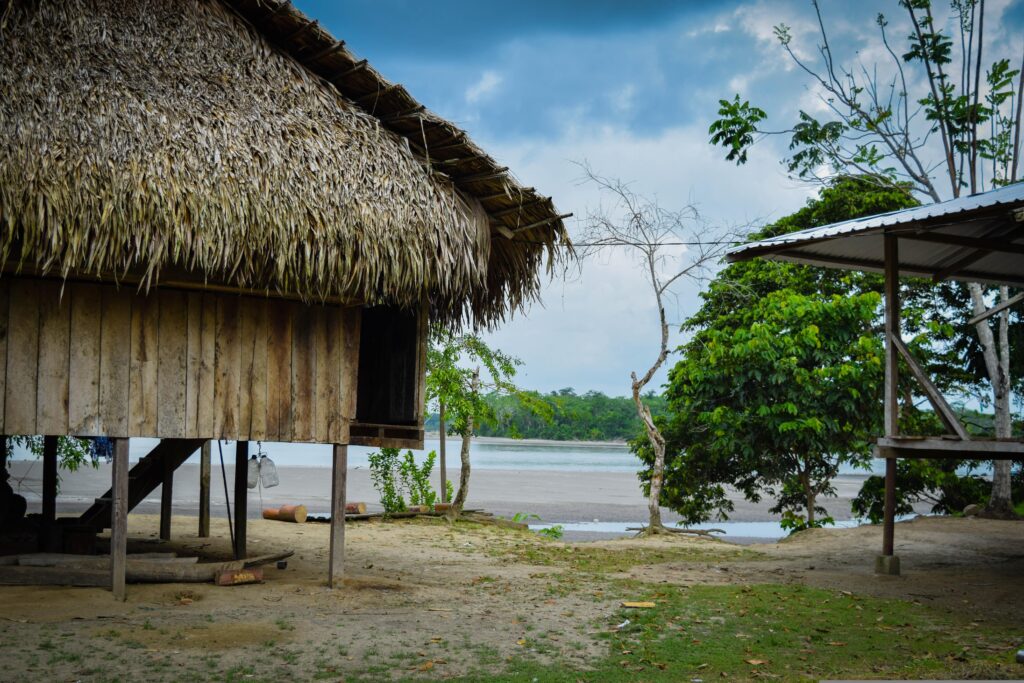
Disconnect from the modern rush and wake up to the untamed rhythm of the rainforest
BEN FINCH
Venture deep into the Ecuadorian Amazon, and the noise of the modern world rapidly fades, replaced by a complex, living symphony. The Cuyabeno Wildlife Reserve is one of the most biodiverse places on the planet, a vast network of flooded forests, winding rivers, and blackwater lagoons. For the independent traveller who moves by bus, train, or foot, reaching this remote corner of Ecuador is an adventure in itself. But once you cross the threshold of the reserve, the reward is an unparalleled closeness to nature.
At Wheely Tyred, we believe that true exploration requires a deliberate pace. You cannot appreciate the intricate ecosystem of the rainforest if you are rushing to catch a crowded tour bus or trailing behind a guide holding a neon umbrella. True travel is about lingering by the water’s edge at twilight, watching pink river dolphins break the surface, and building a genuine understanding of local conservation. Most importantly, after a day spent navigating dense jungle paths or paddling through quiet creeks, you need a sanctuary where you can truly rest. Our philosophy is simple: to explore deeply, you must sleep well.
Choosing the right base in Cuyabeno is essential. Because the reserve is highly protected, accommodation takes the form of low-impact eco-lodges. We have bypassed the massive commercial operations to bring you a curated list of five standout lodges. Each offers distinct architectural character, exceptional hospitality, high ratings, and a profound respect for the surrounding wilderness.
Discover a restorative stay deep in the Ecuadorian Amazon
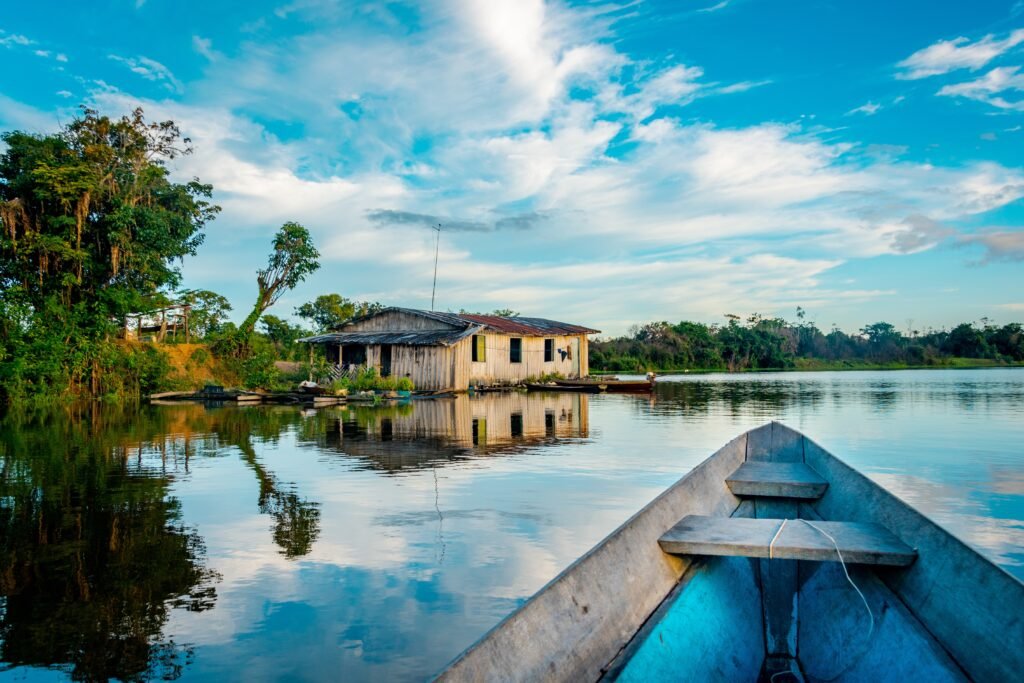
Navigating the flooded forests of the Cuyabeno Wildlife Reserve requires a willingness to slow down and listen. This summary brings together our top independent accommodation choices and essential insights for a restorative stay deep in the rainforest.
- Cuyabeno Lodge: A historic pioneer situated directly on the shores of Laguna Grande, featuring an exceptional canopy observation tower and an open, lock-free approach to living with nature
- Green Forest Eco Lodge: Deep immersion led by indigenous Siona and Cofan guides, offering stilted cabins with solar-heated showers and private hammocks for post-trek reflection
- Jamu Lodge: A masterclass in sustainable Amazonian craftsmanship, operating entirely on solar power with specialised bio-filters to preserve the surrounding river ecosystem
- Cuyabeno Dolphin Lodge: An outstanding budget-conscious boutique option positioned on a scenic stretch of river where pink dolphins frequently pass the viewing deck
- Tapir Lodge: Modern alternative energy meets unique modular towers that elevate travellers into the canopy, paired with deeply respectful, authentic community exchanges
- The Journey In: An adventure tailored for independent travel, taking a public bus from Quito to Lago Agrio, followed by an overland shuttle to El Puente, and a final two-hour canoe safari
- The Offline Reset: Total disconnection from cellular signal and Wi-Fi, allowing travellers to replace digital distractions with the therapeutic symphony of the jungle night
Cuyabeno Wildlife Reserve.
Explore the Amazon’s flooded forest
1. Cuyabeno Lodge / The historic pioneer of Laguna Grande
Positioned directly on the shores of the Laguna Grande, Cuyabeno Lodge holds the distinction of being the first eco-lodge established within the reserve. Rather than hiding from the wilderness, this property embraces it, built to blend naturally into a steep, forested ridge. Its standout feature is a dedicated observation tower that rises above the canopy, providing an exceptional vantage point for spotting toucans, sloths, and troops of monkeys moving through the trees at sunrise.
The architecture relies heavily on natural materials, utilising local wood and thatched roofing to maintain a cool ambient temperature without the need for energy-intensive air conditioning. The rooms are clean, minimalist, and deeply comfortable, offering private bathrooms and windows that look straight into the dense foliage. There are no keys and no locks on the doors here, a testament to the isolated, secure nature of the lodge community.
For the slow traveller, Cuyabeno Lodge is ideal because of its prime location. You are already at the main lagoon, meaning you can spend your evenings drifting across the water to watch the sunset without long boat journeys back to camp. When night falls, the lodge cuts its generators, allowing you to drift off to sleep to nothing but the pure, unedited sounds of the Amazonian night.
2. Green Forest Eco Lodge / Deep immersion with a community focus
Located further down the river system, Green Forest Eco Lodge is highly regarded for its exceptional commitment to sustainable tourism and community integration. The lodge works hand-in-hand with indigenous Siona and Cofan guides, ensuring that your excursions are led by professionals with an organic, lifelong knowledge of the forest.
The cabins at Green Forest are spaced out to ensure complete privacy. Built on raised stilts to accommodate the seasonal rise and fall of the river, they feature private terraces equipped with hammocks. The interiors are designed for rest, featuring comfortable orthopaedic mattresses draped in crisp mosquito netting. Despite the remote location, the lodge successfully provides consistent hot water showers powered by efficient solar heating systems—a luxury that is incredibly welcome after a humid afternoon trek.
Dining at Green Forest is a highlight, focusing heavily on fresh, locally sourced vegetables and tropical fruits, easily accommodating diverse dietary preferences. The communal lounge area features central charging stations powered by a mix of solar energy and quiet generators, keeping the sleeping quarters entirely free from electronic hums. It is an ideal spot to sit back with a hot drink and unpack the day’s wildlife sightings with fellow independent travellers.
The Ecuadorian Amazon.
The most biodiverse place in the world
3. Jamu Lodge / Sustainable comfort and traditional craftsmanship
Jamu Lodge sits in a tranquil section of the Cuyabeno River, perfectly positioned for those who want to explore the reserve at a relaxed pace. The property is a beautiful example of traditional Amazonian architecture, featuring expansive, hand-woven palm-thatch roofs and polished hardwood floors that keep the structures naturally ventilated.
The accommodation consists of spacious private cabanas and a select few beautifully designed family rooms, all featuring private, tiled bathrooms. Jamu places a massive emphasis on eco-friendly practices; all wastewater is treated through a specialised bio-filter system to protect the pristine river ecosystem, and the entire property runs on solar energy. There are no electrical outlets in the individual cabins, which encourages guests to truly unplug and wind down when evening arrives.
Sleeping at Jamu Lodge is a profoundly peaceful experience. The beds are comfortable, and the layout of the cabanas ensures that you are surrounded by the gentle rustle of leaves and the distant calls of nocturnal tree frogs. The local guides here are remarkably skilled at tailoring daily canoe trips to the pace of the guests, ensuring you never feel rushed during your encounters with caimans or ancient ceiba trees.
4. Cuyabeno Dolphin Lodge / Exceptional value on the dolphin highway
For the independent traveller keeping a close eye on their budget without wishing to sacrifice comfort or privacy, Cuyabeno Dolphin Lodge is an outstanding choice. This lodge functions as a brilliant boutique alternative to busier spots, offering an intimate, relaxed environment. It is situated on a scenic stretch of the river known for a resident pod of pink river dolphins, which can frequently be seen from the lodge’s main viewing deck.
The rooms are rustic but impeccably clean and well-maintained, featuring comfortable wooden beds, integrated shelving to unpack your gear, and essential netting. While the luxury here is understated, the hospitality is unmatched. The kitchen staff takes immense pride in preparing hearty, home-cooked Ecuadorian meals that provide plenty of fuel for long days of exploration.
Power is managed consciously here, with electricity available at the main dock and dining hall during specific daytime and evening hours before being switched off at 10:00 pm. This schedule creates a natural rhythm for the evening, guiding you away from screens and toward a deep, restorative night’s sleep.
The Ecuadorian Sierra.
Get lost in the hills
5. Tapir Lodge / Alternative energy and canopy views
Tapir Lodge was created with a vision of minimal environmental impact and maximum cultural respect. Located in a secluded pocket of the upper reserve, this lodge stands out for its unique modular tower accommodation, which gives guests the sensation of sleeping right inside the jungle canopy.
The lodge uses an advanced solar grid to power its facilities, demonstrating that eco-tourism can be both responsible and thoroughly comfortable. The rooms are elegantly simple, featuring private facilities, comfortable bedding, and large screened windows that allow the cool night air to circulate naturally.
Tapir Lodge is particularly notable for its thoughtful approach to cultural exchanges. Excursions to nearby indigenous communities are handled with the utmost respect and authenticity, focusing on shared knowledge, traditional cooking, and forest medicine rather than staged performances. Back at the lodge, the lack of ambient light and the secluded location ensure that your nights are perfectly dark and quiet, offering the ultimate environment to sleep well and recharge.
The independent traveller’s guide to Cuyabeno
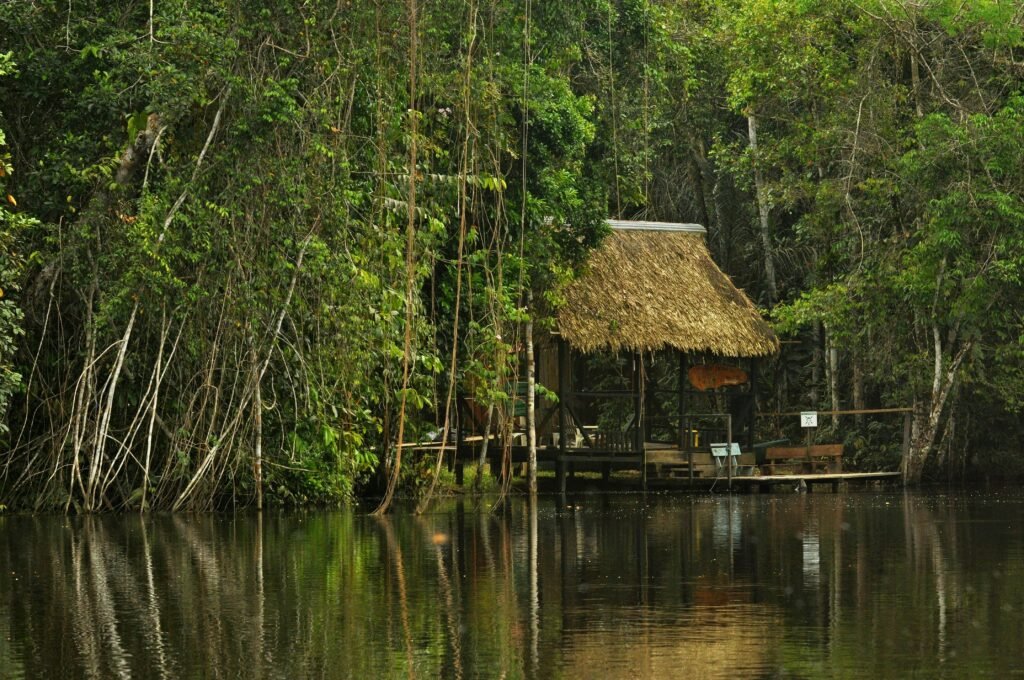
Reaching the Cuyabeno Wildlife Reserve requires a bit of planning, but the journey is a vital part of the slow travel experience. Independent travellers typically take an overnight or early morning bus from Quito to the oil port town of Lago Agrio (Nueva Loja). From Lago Agrio, your chosen lodge will arrange a shared shuttle to El Puente, the official gateway entrance to the reserve.
At El Puente, you leave wheels behind and board a motorised dugout canoe for a two-hour journey down the winding river to your lodge. This journey doubles as your first proper wildlife safari, so keep your waterproof coat handy and your binoculars ready.
The Galápagos.
Ecuador’s Enchanted Isles
Essential tips for a restful stay in Cuyabeno
- Embrace the Disconnect: Wi-Fi is virtually non-existent in the reserve, and cellular signal disappears shortly after leaving El Puente. Inform family and friends that you will be completely offline
- Managing the Humidity: The Amazon is hot and incredibly humid. Bring plenty of lightweight, quick-drying clothing. Most lodges provide rubber boots for trekking, which are essential for navigating the muddy forest floor
- Protect Your Sleep: While the sound of the jungle is incredibly therapeutic, the early mornings can be loud with bird calls. If you are a light sleeper, pack a pair of high-quality earplugs alongside your insect repellent
Cuyabeno rewards those who arrive with an open mind, a slow pace, and a desire to listen rather than just see. By choosing a dedicated, independent eco-lodge, you support vital conservation work and ensure that your time in the Amazon leaves a positive mark on both the landscape and your own spirit.
Finding your sanctuary in the flooded forest
Read this far?
The Cuyabeno Wildlife Reserve is not a destination to be ticked off a list from the window of a rushed tour bus. It is a complex, delicate ecosystem that rewards patience, quiet observation, and a willingness to adapt to the natural rhythms of the rainforest. For the independent traveller, the journey down the river is a transition from the frantic pace of modern life to a world governed by the rise and fall of blackwater rivers and the canopy’s shifting light.
Choosing a lodge that respects this environment is about more than just finding a bed; it is about choosing how you interact with the Amazon. The properties highlighted here show that sustainability does not require sacrificing comfort. Instead, they reframe luxury around space, tranquillity, and unparalleled access to the wild. By avoiding mass tourism and commercial operations, you gain a deeper, more authentic understanding of local conservation efforts and indigenous history.
Ultimately, your experience in the jungle hinges on your ability to rest. Immersive days spent tracking wildlife or paddling through narrow creeks require a peaceful sanctuary to return to when darkness falls. When the generator hum ceases and the forest symphony takes over, a deep, restorative sleep becomes the foundation for the next day’s discoveries. Invest in your rest, take your time, and let Cuyabeno reveal its secrets at its own pace.
Affiliate Disclaimer: Some of the links on Wheely Tyred are affiliate links. If you click through and make a booking or purchase, we may earn a small commission at no extra cost to you. We only recommend gear, tours, stays, and services we genuinely use, trust, and stand behind — our editorial independence always comes first. These commissions help keep our independent cycling guides and travel stories free to read. You can also buy me a coffee here — thanks for supporting the ride!
The Ecuadorian Coast.
Where you’ll find the very best food
Frequently asked questions about the best places to stay in Cuyabeno
The most authentic and reliable route is to take an overnight or early morning public bus from Quito to the oil port town of Lago Agrio. From there, your chosen eco-lodge coordinates a shared overland shuttle to El Puente, the official entrance gateway to the reserve. At the bridge, travellers leave their wheels behind and board a motorised dugout canoe for a scenic two-hour river journey down to their respective camps.
The atmosphere within the reserve is hot and incredibly humid. Lightweight, quick-drying clothing is essential for daily exploration. While almost all reputable lodges provide the necessary heavy rubber boots for navigating the muddy forest floor during treks, you must pack your own breathable layers, waterproof gear, and high-quality insect repellent.
No, digital connectivity disappears shortly after leaving El Puente. The eco-lodges operate completely off-grid to protect the wilderness environment, meaning Wi-Fi and mobile signals are virtually non-existent. Independent travellers should inform family and colleagues that they will be completely offline for the duration of their stay.
To minimise environmental impact, sustainable lodges rely on a combination of solar grids and quiet backup generators. Power is consciously managed and usually restricted to communal spaces like the dining hall during specific daytime and evening hours. In many properties, individual cabins intentionally lack electrical outlets to encourage a genuine disconnect, and all power is typically cut by 10:00 pm.
Properties located deep within the reserve, such as Cuyabeno Lodge, embrace the secure and isolated nature of the local rainforest community. Because these eco-lodges are only accessible via long, controlled boat journeys and are surrounded by dense wilderness, the environment is exceptionally safe, allowing accommodation to operate on an open system of mutual trust.
The Amazonian rainforest is a living, breathing ecosystem that never truly goes quiet. The overnight chorus of frogs and insects, combined with the spectacular pre-dawn bird calls, can catch light sleepers off guard. To guarantee a peaceful night’s sleep and maintain the core philosophy of resting well, travellers are highly encouraged to pack a pair of high-quality earplugs.
Ecuador.
Pure wonder on the equator.