Is Tena, Ecuador, safe to visit in 2027?
2027 travel safety guide to Tena, Ecuador, covering crime rates, solo travel, transport, and adventure risks
Explore the gateway to the Ecuadorian Amazon with confidence, clarity, and peace of mind
BEN FINCH
The lush green foothills of Napo province remain one of the most enticing destinations in South America for adventure seekers, white-water kayakers, and long-distance cyclists. As the capital of the Napo province, Tena acts as the primary transit point between the high Andes and the dense jungle of the upper Amazon basin.
However, with national security news across Ecuador continuing to evolve over recent years, international travellers naturally ask whether visiting Tena in 2027 is a safe choice.
The short answer is yes. Tena remains one of the safest urban centres and adventure hubs in the country. While coastal regions and certain border zones continue to grapple with severe gang-related security challenges, the eastern Amazonian slope has retained its peaceful atmosphere and tight-knit community feel.
When visitors exercise sensible precautions regarding petty crime, river hazards, and road conditions, a trip to Tena is both rewarding and secure.
This guide provides an updated assessment for 2027, expanding on our earlier findings in the Wheely Tyred 2026 Tena safety report. Whether arriving on two wheels over the mountain passes or taking interprovincial transit from Quito, here is everything needed to travel safely.
Key safety takeaways for Tena in 2027
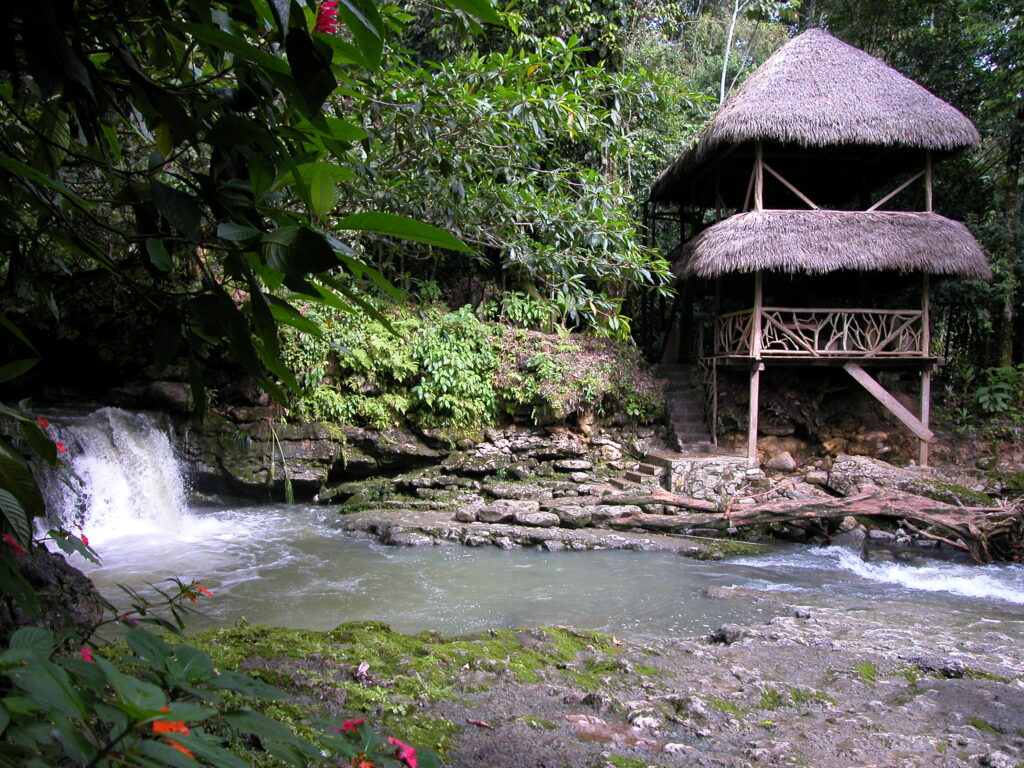
Navigating the gateway to the Ecuadorian Amazon is rewarding when backed by practical preparation and real-time awareness. Here is a swift summary of essential safety advice for independent travellers, cyclists, and river adventurers visiting Napo province.
- Atmosphere in Napo: Violent crime rates in Tena remain low compared to coastal trade corridors, with local authorities and Kichwa communities actively maintaining a secure environment for eco-tourism
- Petty crime vigilance: Keep daypacks secure at the main bus terminal, avoid unlit sections of the Malecón promenade after dark, and use indoor ATMs during business hours
- Solo and female travel: Tena is welcoming and accessible for solo visitors; using licensed yellow taxis after dark and booking certified group tours for jungle treks ensures a safe trip
- River and environmental hazards: Heavy Andean rainfall causes sudden water surges in the Río Jatunyacu and Río Napo, making certified Ministry of Tourism guides and proper safety equipment vital
- Cycling and road hazards: Riding down from Baeza or Baños de Agua Santa requires high-lumen daytime running lights, caution on wet asphalt descents, and careful hydration management
- Health and water precautions: Tap water is unsafe for direct consumption; travellers should secure a Yellow Fever vaccination, carry DEET repellent, and drink only purified or boiled water
Tena.
Enter the Amazon
The safety landscape in Tena for 2027
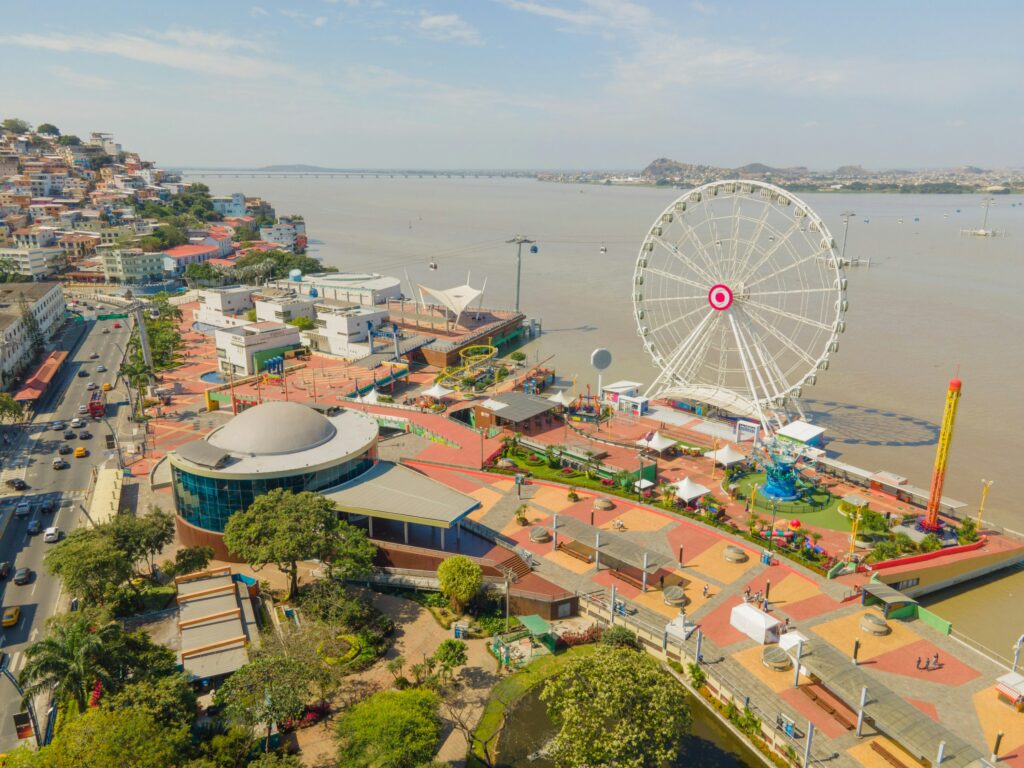
To understand safety in Tena, one must distinguish between Ecuador’s localised national security issues and the daily reality in Napo province. High-profile security updates and states of emergency declared in recent years have focused primarily on coastal trade corridors such as Guayaquil, Esmeraldas, and specific border areas affected by illicit trafficking routes.
In contrast, Napo province and the town of Tena have consistently avoided strict movement curfews and high violent crime statistics. The local economy depends heavily on eco-tourism, white-water rafting, and small-scale agriculture. As a result, local authorities and Indigenous communities actively work together to maintain order and protect visitors.
Road travel into the region features regular military and police checkpoints, particularly on routes leading down from Quito through Baeza or from Baños de Agua Santa. These checkpoints are a standard feature of modern Ecuadorian travel. Foreign travellers should view them as a reassuring presence rather than a cause for concern. Always keep physical identity documents accessible, as officials frequently check passports at provincial boundaries.
Crime rates and street safety in the Amazonian capital
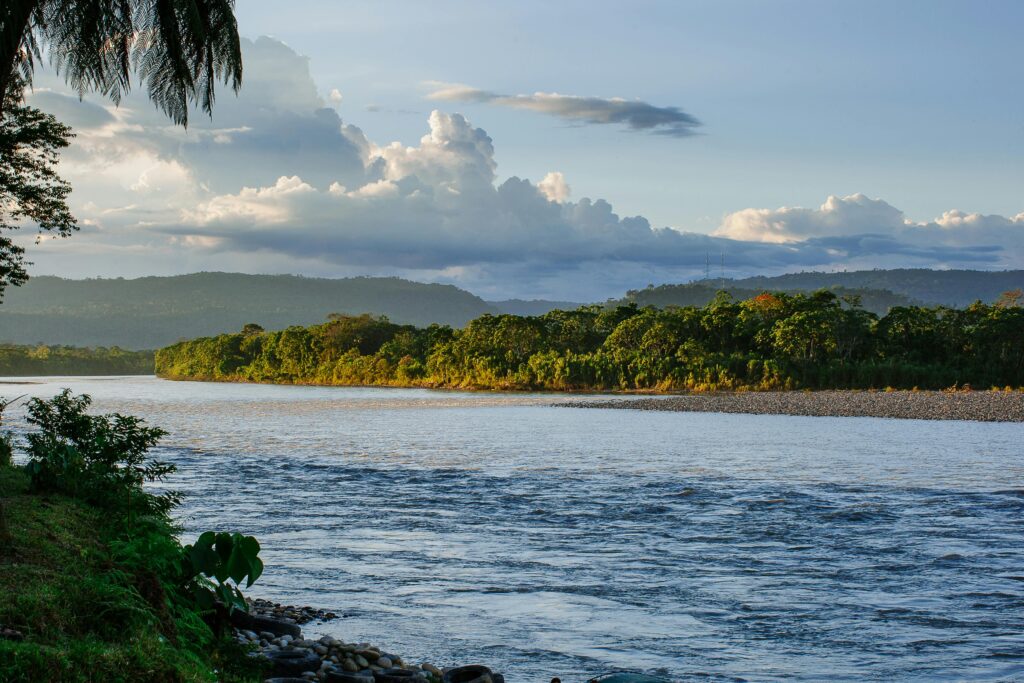
Statistically, violent crime against foreign tourists in Tena is exceptionally rare. The primary threat facing visitors remains opportunistic petty theft, such as pickpocketing and bag snatching. These incidents occur most frequently in crowded environments where travellers are distracted.
Key spots requiring heightened vigilance include:
- The main bus terminal: Bus stations across Ecuador are prime targets for opportunistic thieves. Keep daypacks in front of you and never place valuable luggage in overhead racks on long-distance buses without locking them to the frame
- The Malecón boardwalk: The riverside promenade is pleasant during daylight hours, but unlit or quiet sections along the Río Tena and Río Pano should be avoided after dark
- Automated teller machines (ATMs): Avoid using street-facing cash machines, especially at night. Use machines located inside fully lit bank branches during normal business hours to minimise the risk of card cloning or robbery
Express kidnappings—where victims are forced to withdraw funds from multiple cash points—are a serious concern in major coastal hubs and parts of Quito, but remain virtually unheard of in Tena.
Nevertheless, hailing unverified street taxis after dark carries unnecessary risk. Always request that hostals or restaurants call a licensed yellow taxi, which ensures a clear digital or telephone dispatch record.
The Ecuadorian Amazon.
The most biodiverse place in the world
Guidance for solo travellers, women, and minorities
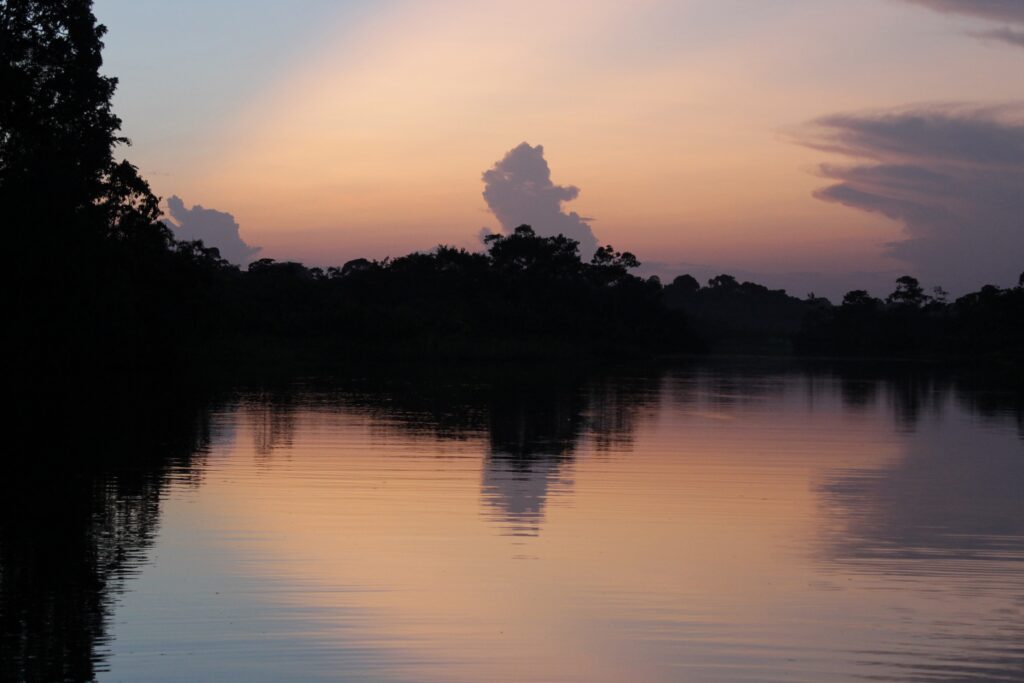
Tena is widely regarded as one of the most accessible starting points for independent exploration in the Ecuadorian Amazon. However, safety considerations vary depending on personal demographics.
Solo travellers
Navigating Tena alone is straightforward due to the compact nature of the city centre and the high concentration of fellow travellers in local hostals. The main challenge for solo visitors is undertaking jungle treks or river excursions alone.
Attempting independent navigation into dense rainforest without local support creates serious safety risks. Joining organised group tours not only reduces costs but ensures backup in the event of injury or sudden weather shifts.
Solo female travellers
Female visitors generally experience a comfortable environment in Tena, though societal norms reflect traditional South American machismo. Unwanted verbal attention or catcalling can occur near bus terminals or busy street corners. While rarely aggressive or physical, the standard approach is to ignore the comments and walk purposefully toward well-lit areas.
Walking alone late at night is not recommended, even over short distances. Using registered taxis after nine in the evening provides a reliable safeguard. Connecting with verified local female-led tour operations or booking group trips through reputable agencies adds an extra layer of security.
Minorities and LGBTQ+ visitors
Tena is a diverse, multi-ethnic municipality home to a large Kichwa population alongside mestizo residents. Visitors of all racial and ethnic backgrounds report welcoming interactions.
For LGBTQ+ travellers, same-sex activity is legal under Ecuadorian law, but smaller Amazonian towns remain socially conservative. Public displays of affection outside of private hostals or international eco-lodges may draw unwanted stares or quiet disapproval in rural communities. Discretion when travelling through smaller villages outside Tena helps ensure smooth, respectful interactions.
Adventure, river, and jungle hazards
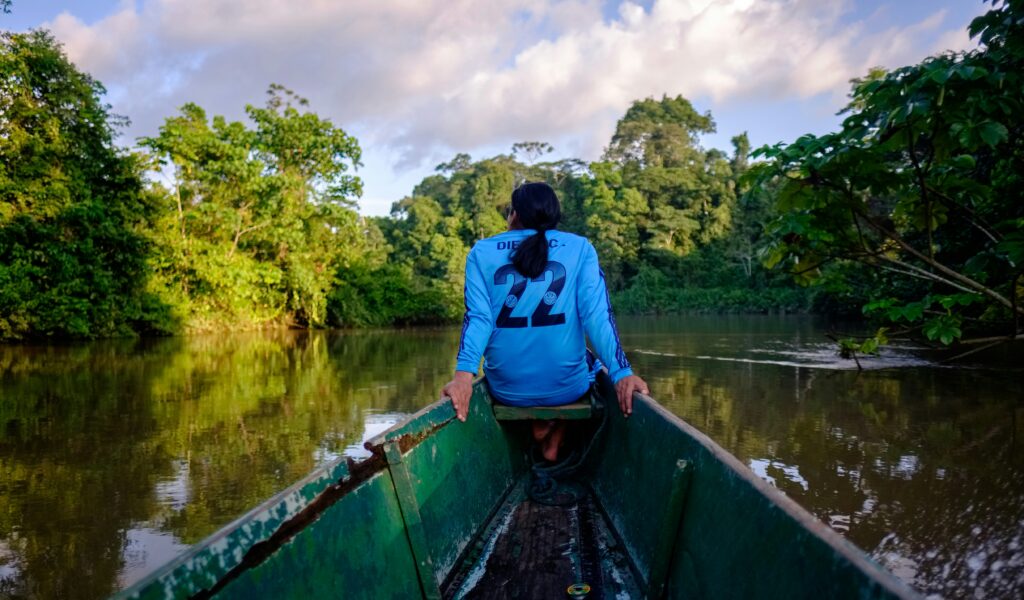
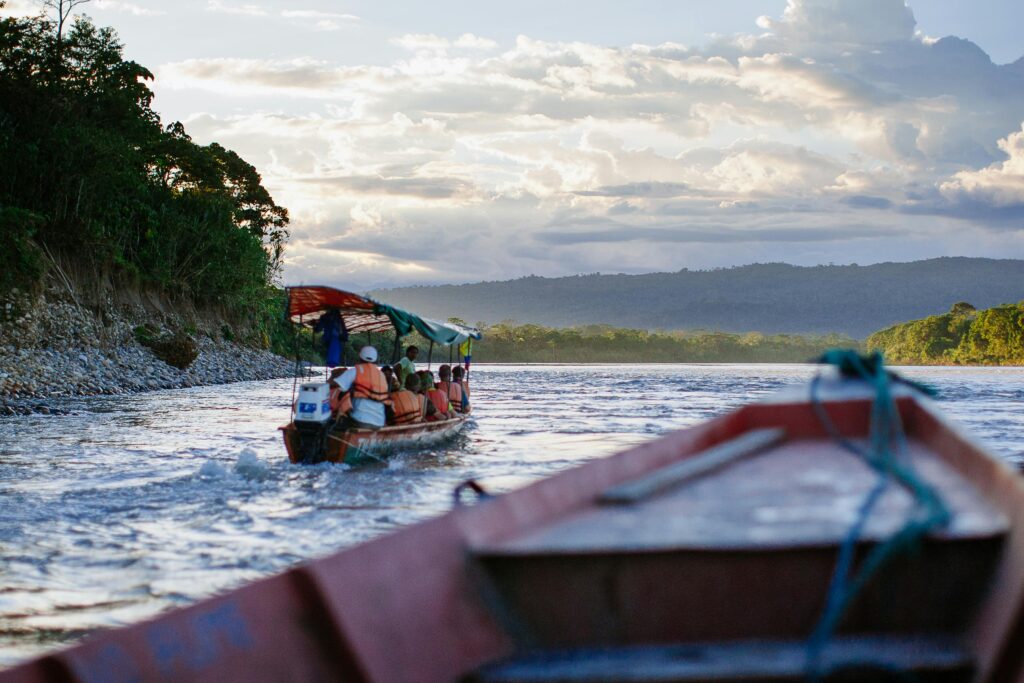
In Tena, environmental hazards and poorly managed adventure activities pose a greater risk to visitor safety than street crime. Known internationally as the kayaking and rafting capital of Ecuador, Tena’s surrounding rivers—including the Río Napo, Río Misahuallí, and Río Jatunyacu—offer world-class rapids. However, tropical water conditions demand respect.
River safety and operator selection
Heavy rainfall high in the Andean crest can cause water levels in Napo province rivers to rise by several metres in a matter of hours. Flash floods represent a real danger to swimmers, kayakers, and rafters.
To stay safe on the water:
- Only hire river guides certified by the Ecuadorian Ministry of Tourism
- Ensure all equipment, including helmets and high-buoyancy life jackets, is fitted correctly and in sound condition before entering the water
- Never swim in rivers after heavy downpours or at night
Deep jungle exploration and illegal mining
The Amazonian rainforest surrounding Tena is dense and unforgiving. Getting lost on unmarked trails is surprisingly easy, even within a few hundred metres of established lodges. Never trek deep into the jungle without an accredited Kichwa guide who knows the terrain and emergency egress routes.
Travellers should also be aware of environmental issues such as unregulated gold mining in isolated parts of the province, particularly near the Punino River basin. These operations can create localised security tensions between wildcat miners, security forces, and Indigenous territory guardians. Stick strictly to established national parks, private biological reserves, and authorised Indigenous eco-tourism initiatives.
The Galápagos.
Ecuador’s Enchanted Isles
Road safety, cycling routes, and transit into Napo
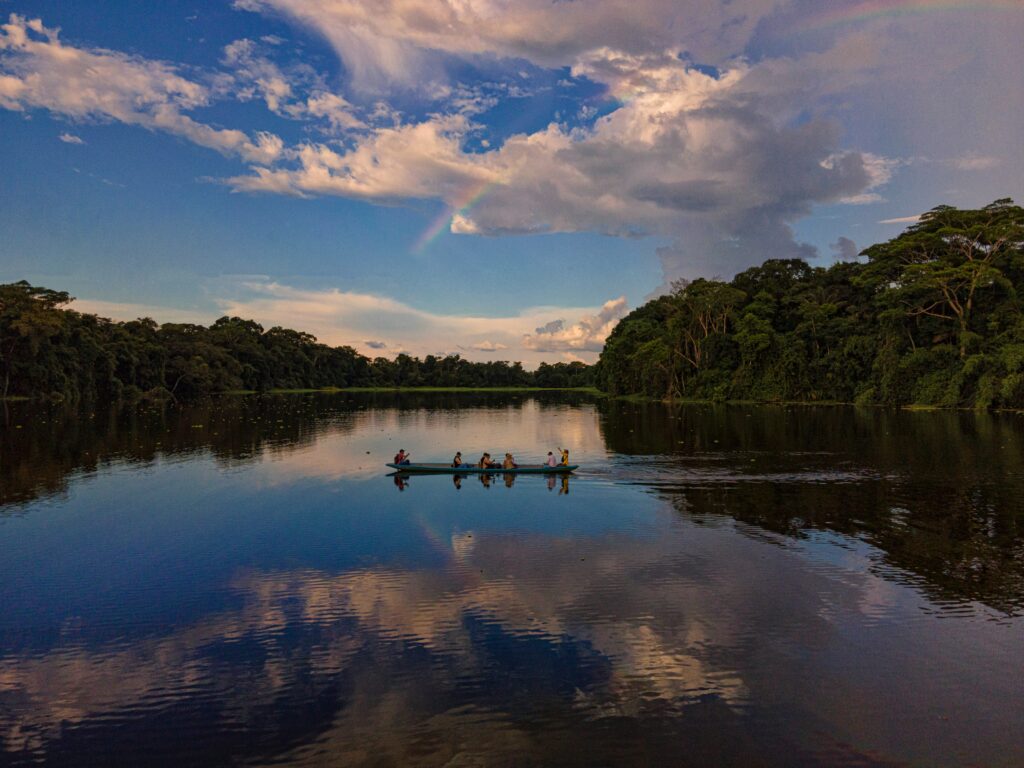
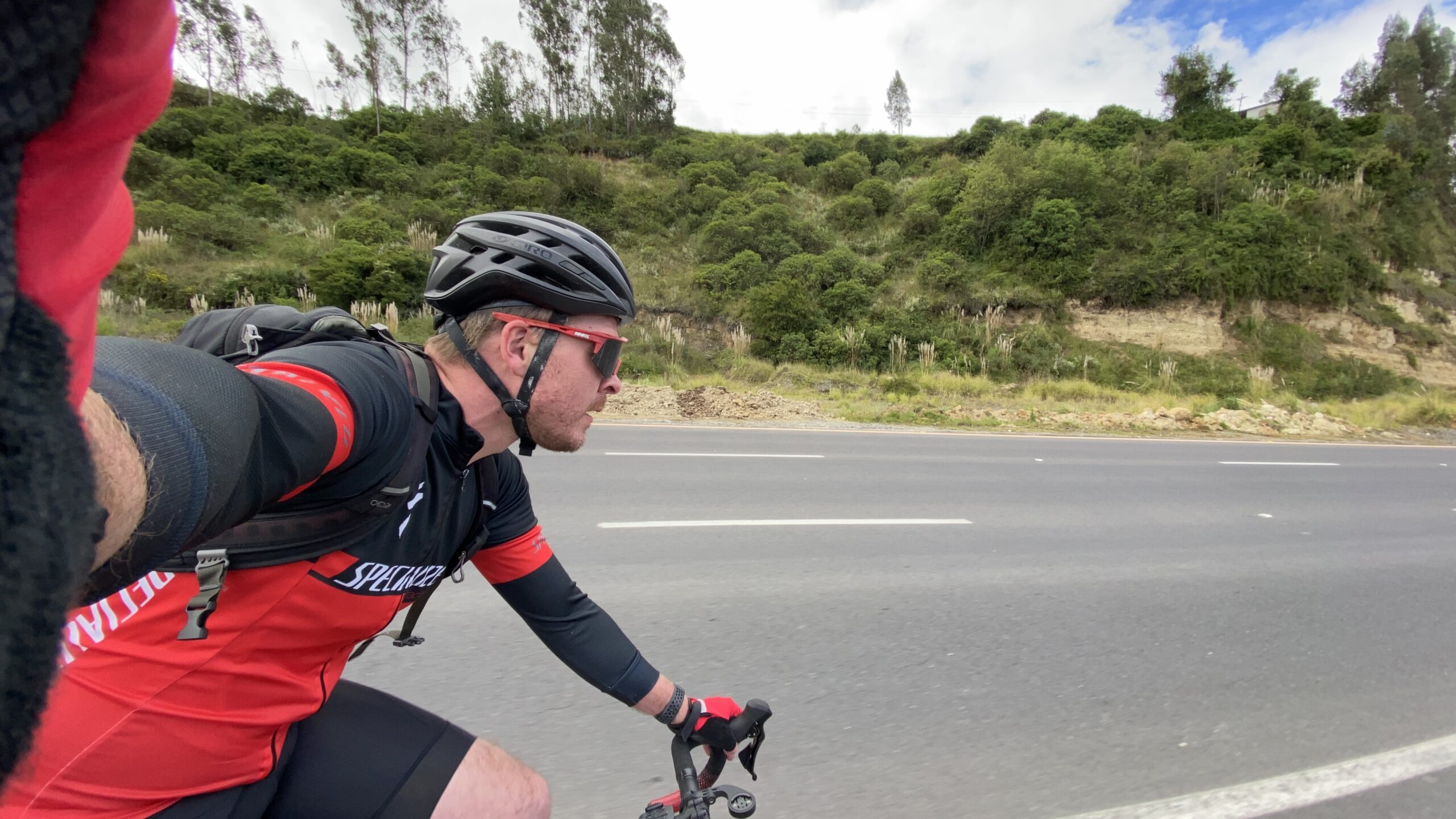
For long-distance cyclists and bikepackers, the journey into Tena offers incredible mountain-to-jungle descents, but road hazards require careful management.
Cycling down from Baeza or Baños de Agua Santa
The main tarmac routes descending from Baeza through Cosanga and Archidona to Tena feature narrow road shoulders, tight blind corners, and frequent heavy goods vehicle traffic. Rainstorms can severely reduce visibility and trigger unexpected rockfalls or mudslides on steep cut banks.
Key recommendations for cyclists:
- Visibility is non-negotiable: Mount high-lumen daytime running lights front and rear. Tropical cloud forests produce sudden heavy mist and torrential downpours
- Potholes and debris: High rainfall degrades asphalt quickly. Exercise caution on fast descents where deep potholes or slick clay deposits line the road edges
- Pacing and hydration: Leaving the high Andes means entering hot, humid conditions rapidly. Heat exhaustion can impair decision-making on long road rides. Carry adequate electrolyte solutions and water filters
Intercity bus travel
If travelling by public bus from Quito or Baños de Agua Santa, choose established transport cooperatives such as Transportes Baños or Flota Pelileo. Avoid overnight buses arriving in Tena in the early morning hours before daylight.
Keep all personal valuables, electronic devices, and travel documents in a small bag stowed directly on your lap, never in the overhead luggage bins.
Essential health and environmental preparation

Preventing illness is a major component of a safe Amazonian expedition. Simple medical precautions ensure your trip remains on track.
Water and food hygiene
Tap water in Tena is unsafe for direct consumption. Drinking unboiled or untreated tap water carries a high risk of bacterial infections and water-borne parasites. Use filtered water or boiling treatment for drinking and brushing teeth.
When dining out, select busy local eateries where food turnover is high, and ensure meat and fish dishes are served thoroughly cooked.
Vaccinations and insect protection
While malaria risk in the urban area of Tena is low, mosquito-borne illnesses such as Dengue fever are a recurring concern across the Amazon basin.
- Vaccinations: The Yellow Fever vaccine is strongly recommended for anyone travelling into Napo province. Certain destination countries require proof of Yellow Fever vaccination if arriving from the Ecuadorian Amazon. Ensure routine vaccines such as Hepatitis A and Typhoid are fully up to date
- Insect protection: Apply repellent containing at least 30 per cent DEET or Picaridin, particularly during peak mosquito feeding hours at dawn and dusk. Wear loose-fitting, light-coloured long-sleeved shirts and trousers when outdoors
The Ecuadorian Sierra.
Get lost in the hills
Practical safety protocol for your 2027 journey
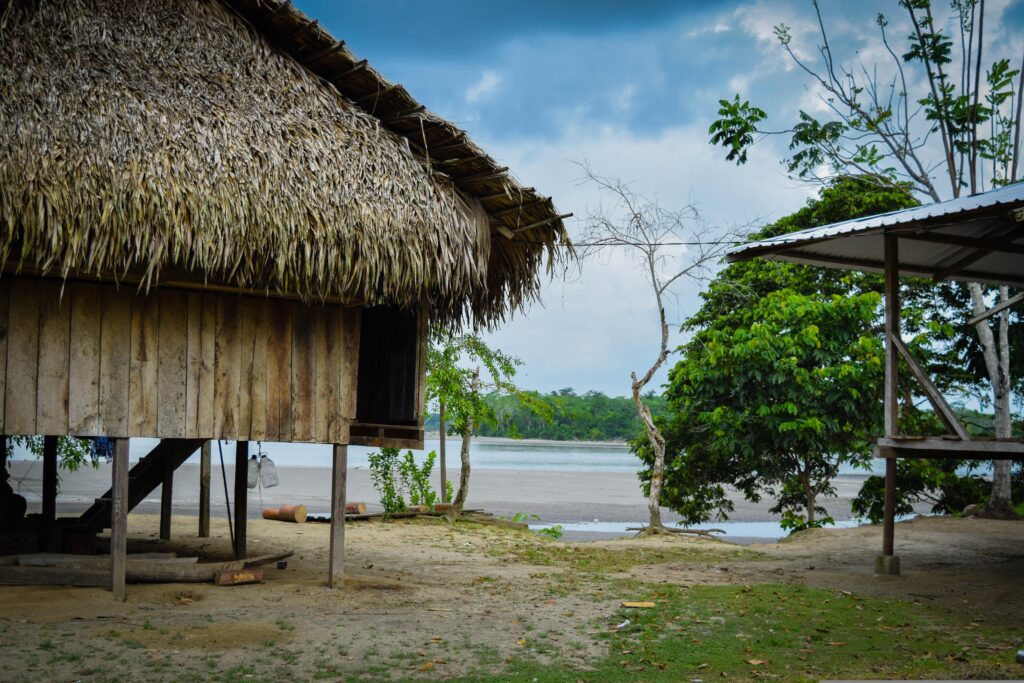
Before setting off for Tena and the Napo province, establish a basic safety routine to ensure smooth travel:
- Keep documentation physical and digital: Carry a clear paper photocopy of your passport photo page and entry stamp for daily movement in town, keeping original documents locked in your hostal safe. Note that physical passports must be produced at formal road checkpoints
- Download offline mapping applications: Cellular reception can drop quickly once leaving Tena’s city limits or descending into river canyons. Download offline map layers covering Archidona, Misahuallí, and the surrounding transit corridors
- Verify insurance coverage: Ensure your travel insurance policy explicitly covers adventure sports such as white-water rafting, kayaking, or high-altitude cycling if you plan on participating in outdoor excursions
- Save key local emergency contacts: Keep emergency numbers saved on your mobile device:
- National Emergency Line: 911
- Ecuadorian Tourist Police (Policía de Turismo): Accessible via 911
By combining real-time awareness of Ecuador’s security climate with practical common sense, visitors to Tena in 2027 can enjoy an unforgettable adventure in one of South America’s most dynamic jungle regions.
Ready to explore the gateway to the Ecuadorian Amazon?
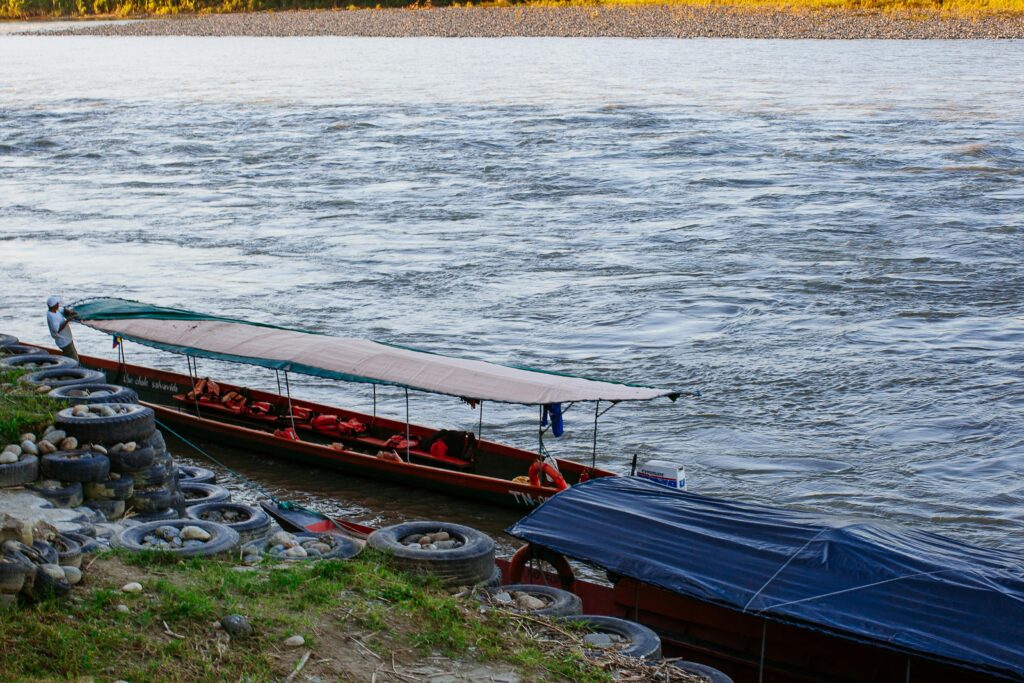
Read this far?
While national headlines regarding security in Ecuador can understandably make international travellers cautious, the everyday reality in Tena and the wider Napo province remains remarkably peaceful.
The region’s deep-rooted reliance on eco-tourism, combined with strong community-led stewardship across Kichwa territories, creates an inviting atmosphere for independent explorers seeking authentic rainforest experiences.
From world-class kayaking runs along the Río Jatunyacu to scenic cycling descents through the cloud forests of Quijos, Tena offers unparalleled outdoor adventure.
By exercising standard precautions—such as safeguarding valuables in transit hubs, staying off river waters after heavy downpours, and respecting local cultural norms—visitors can enjoy everything this vibrant Amazonian hub has to offer with complete peace of mind.
At Wheely Tyred, we believe that independent travel is rooted in thorough preparation rather than hesitation. Equipping your bike with proper lighting for mountain passes, selecting accredited local river guides, and staying informed on regional road conditions allow you to focus entirely on the ride and the journey ahead.
If you are planning an upcoming trip through Ecuador, explore our complete library of South American route breakdowns, accommodation guides, and regional transit tips. Safe travels, enjoy the ride, and keep supporting independent travel across the region.
Affiliate Disclaimer: Some of the links on Wheely Tyred are affiliate links. If you click through and make a booking or purchase, we may earn a small commission at no extra cost to you. We only recommend gear, tours, stays, and services we genuinely use, trust, and stand behind — our editorial independence always comes first. These commissions help keep our independent cycling guides and travel stories free to read. You can also buy me a coffee here — thanks for supporting the ride!
The Ecuadorian Coast.
Where you’ll find the very best food
Frequently asked questions about Tena travel safety in 2027
Yes, Tena is widely considered one of the safest and most accessible destinations in Ecuador for solo female travellers. While occasional catcalling can occur near bus terminals or busy intersections, violent crime against tourists is extremely rare. To ensure a smooth trip, use registered yellow taxis for evening travel, stay in well-reviewed hostals, and join accredited group excursions when venturing into the rainforest.
Regular interprovincial bus services operate daily from Quito’s Terminal Terrestre Quitumbe and the main bus station in Baños de Agua Santa via established cooperatives such as Transportes Baños and Flota Pelileo. Routes into Napo province pass through standard military and police checkpoints, which serve as routine safety checks. Keep your daypack with personal valuables on your lap rather than in overhead luggage bins.
No, tap water in Tena is not safe for direct consumption. Always use filtered, boiled, or bottled water for drinking and brushing teeth to avoid water-borne parasites or bacterial infections. When dining at local markets or restaurants, select busy venues with high food turnover and ensure cooked meals are served hot.
A Yellow Fever vaccination is strongly recommended for anyone travelling into Napo province and the upper Amazon basin, and proof of vaccination may be required when departing for certain international destinations. In addition, ensure routine vaccinations such as Hepatitis A, Tetanus, and Typhoid are fully up to date prior to your trip.
Cycling the paved descents from Baeza or Baños down into Tena is a spectacular experience, but road hazards require active management. Narrow road shoulders, heavy mountain mist, and sudden downpours mean high-lumen daytime running lights are essential. Exercise caution on fast descents where asphalt can deteriorate into deep potholes or slick clay, and carry adequate electrolyte solutions to manage the sudden shift to tropical heat.
Water levels in the Río Napo, Río Jatunyacu, and Río Misahuallí can rise rapidly due to heavy rainfall high in the Andean crest. Always book river trips through companies certified by the Ecuadorian Ministry of Tourism, verify that helmets and high-buoyancy life jackets fit securely, and never enter rivers after dark or during sudden flash flood warnings.
Ecuador.
Pure wonder on the equator.