
Is Loja safe to visit in 2027? Ecuador travel safety guide
Complete 2027 Loja, Ecuador, travel safety breakdown for independent travellers, solo women, and route planners
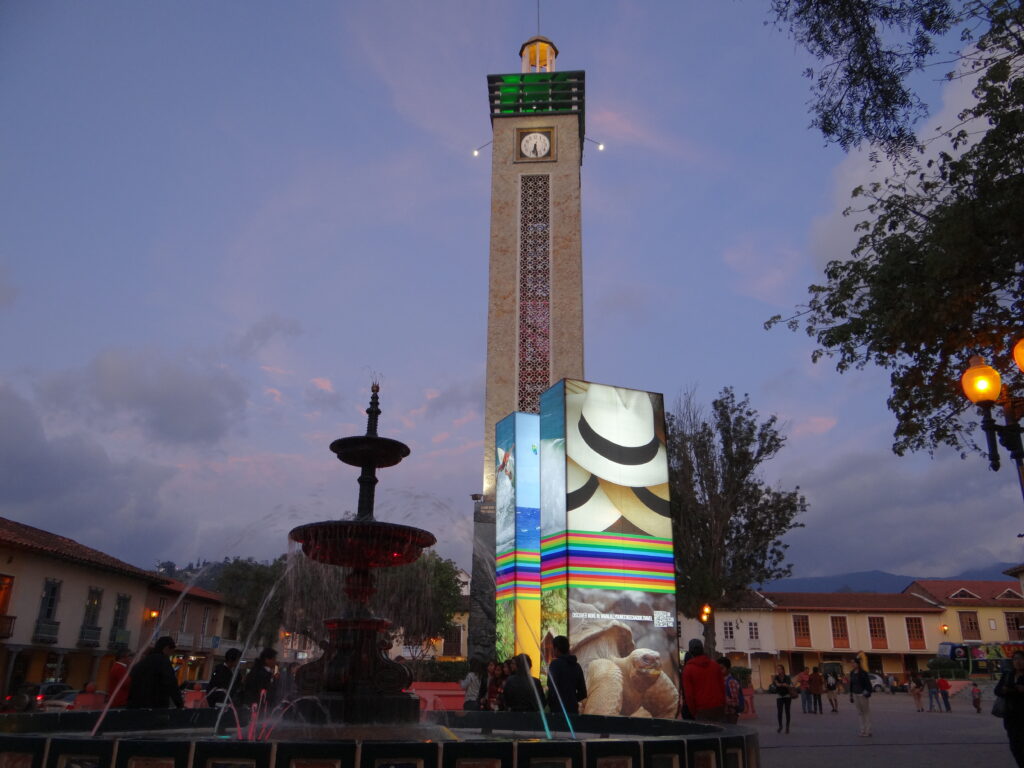
Explore Ecuador’s musical heartland with confidence

BEN FINCH
Understanding safety in Ecuador requires setting aside sweeping generalisations. International news coverage frequently focuses on national security declarations, coastal trade corridors, or port cities where gang rivalries dominate headlines.
Yet, step into the high-altitude valleys of Loja province, and the reality on the ground tells a markedly different story.
When we published our initial 2026 Loja safety evaluation, we highlighted how the city remained an oasis of civic order and cultural pride amidst broader national challenges. Entering 2027, that fundamental divide between coastal transport routes and southern highland communities remains firmly intact. Loja continues to rank among the most peaceful, orderly, and welcoming urban centres in the Ecuadorian Andes.
At Wheely Tyred, we know that successful travel relies on precise, grounded information. Whether you are planning an extended stay in the historic centre, riding the winding mountain passes toward Vilcabamba, or using the city as a gateway to Podocarpus National Park, this guide breaks down everything you need to know to stay secure throughout your trip.
Essential safety takeaways for Loja in 2027

Navigating the southern Andes requires matching your preparation to local realities rather than national headlines. Here is a quick-reference summary of the core safety insights and ground rules for exploring Loja and its surrounding mountain passes.
- Regional Security Gap: Southern Andean provinces such as Loja operate independently of coastal trade conflict zones, remaining among Ecuador’s most peaceful regions
- Primary Urban Risk: Opportunistic pickpocketing in crowded transport hubs such as Terminal Terrestre and daily markets is the main threat—keep valuables secured in front pockets
- Nighttime Movement: Stick to well-lit plazas in the historic centre after dark, avoid isolated riverside paths, and rely on official yellow municipal taxis for late trips
- Solo Travel Atmosphere: A large university presence makes Loja exceptionally welcoming and comfortable for independent visitors and solo women
- Andean Road Protocol: Mountain routes feature steep drop-offs and tight hairpin turns—cyclists and drivers must use daytime lights and anticipate heavy bus traffic
- Wilderness Preparation: Weather in nearby Podocarpus National Park changes rapidly; always register at Cajanuma ranger stations and pack waterproof gear
- Financial Security: Use indoor ATMs along main commercial avenues during daylight hours and carry small dollar bills ($1, $5, $10) for daily purchases
Loja.
Ecuador’s musical capital
Understand the security landscape in southern Ecuador
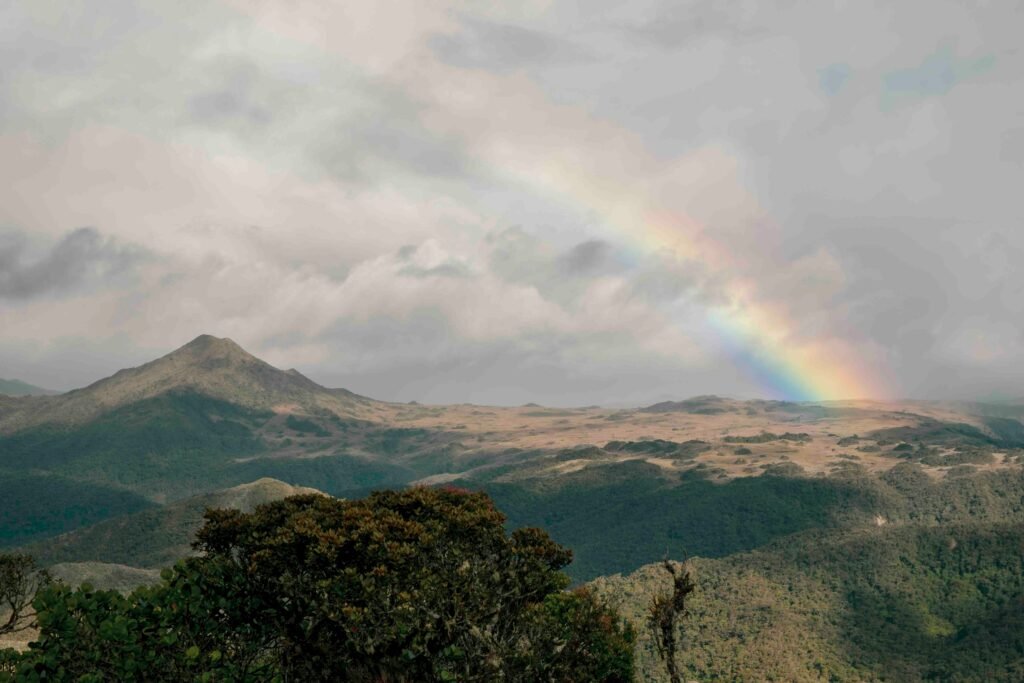
To evaluate risk accurately in 2027, travellers must recognise the sharp regional divide across the country. Heavy security operations and states of emergency enforced in coastal provinces such as Guayas or Esmeraldas reflect localised struggles over shipping ports and smuggling corridors. Southern Andean provinces such as Loja and neighbouring Azuay operate under entirely different social and economic conditions.
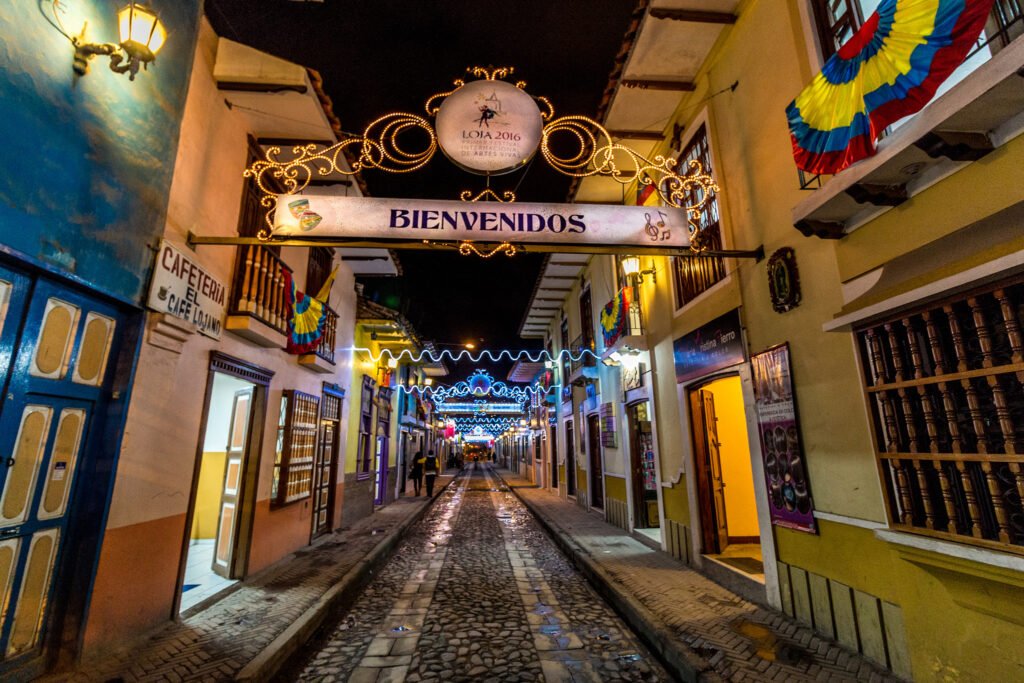
Loja sits at an elevation of 2,060 metres, surrounded by green peaks and sustained by a long tradition of academic, artistic, and musical heritage. Violent crime remains exceptionally low here compared to national statistics. Transnational organised crime networks do not have a footprint in Loja’s residential or commercial sectors.
Instead, everyday life is characterised by busy university campuses, tidy public parks, active municipal police patrols, and an ingrained culture of civic respect.
National travel advisories from foreign governments often apply broad Level 2 or Level 3 caution ratings across the entirety of Ecuador. While staying alert is necessary anywhere in South America, visiting Loja poses no greater intrinsic risk than visiting major European or North American tourist hubs, provided standard urban safety protocols are followed.
Crime breakdown / Risks travellers actually face in Loja
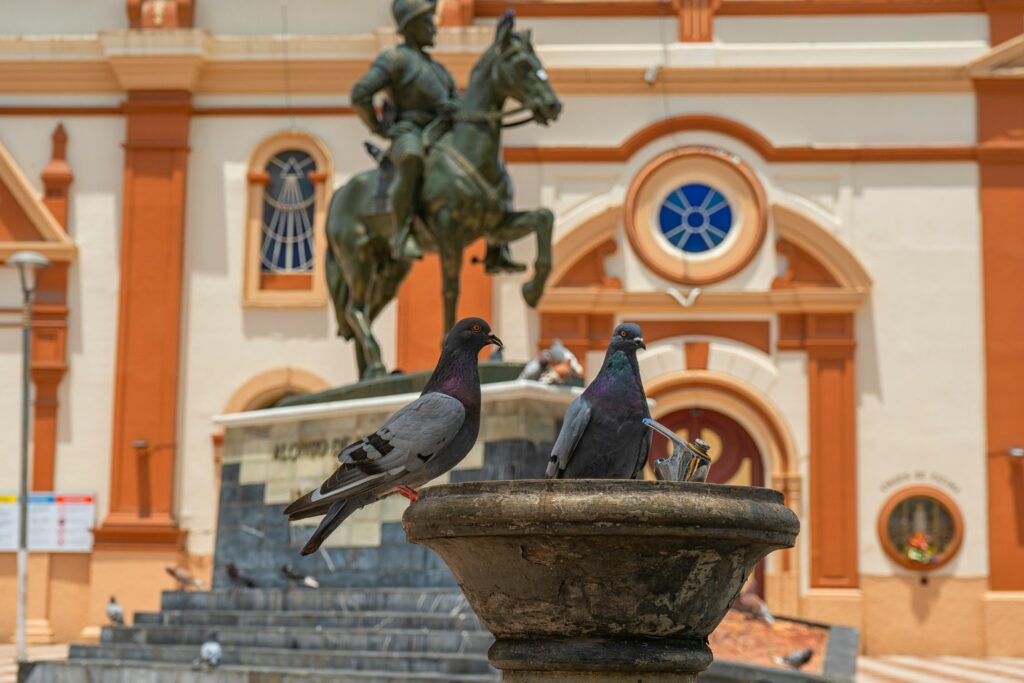
Because violent crime targeting foreign visitors is rare in Loja, security awareness focuses almost exclusively on opportunistic property crimes. Understanding how and where these incidents occur allows you to avoid them effortlessly.
Petty theft and pickpocketing
Pickpocketing and purse snatching represent the main security risks in the city. These crimes rely on distraction and crowd density rather than confrontation.
- Terminal Terrestre de Loja: The central long-distance bus station is the city’s primary hot spot for opportunistic theft. Keep your daypack on your chest while purchasing tickets, and never leave luggage unattended on floor benches
- Public Markets: Daily trading hubs such as Mercado Central and Mercado Gran Colombia experience heavy foot traffic. Secure your phone and wallet in interior pockets before browsing busy stalls
- Riverside Walkways at Night: The footpaths running alongside the Río Malacatos and Río Zamora offer scenic daytime walks. However, dimly lit sections become isolated after dark and should be avoided late at night
Scams and express kidnapping risk
Express kidnapping—where a victim is temporarily detained and forced to withdraw cash from multiple ATMs—is a recognised problem in large coastal cities. In Loja, this crime is nearly non-existent.
However, illegal or unmetered taxis can occasionally overcharge unsuspecting arrivals. Always insist that drivers switch on the taxímetro before departing, or use radio-dispatched taxi applications.
The Ecuadorian Sierra.
Get lost in the hills
Solo travellers, women, and minorities / Local dynamics and advice
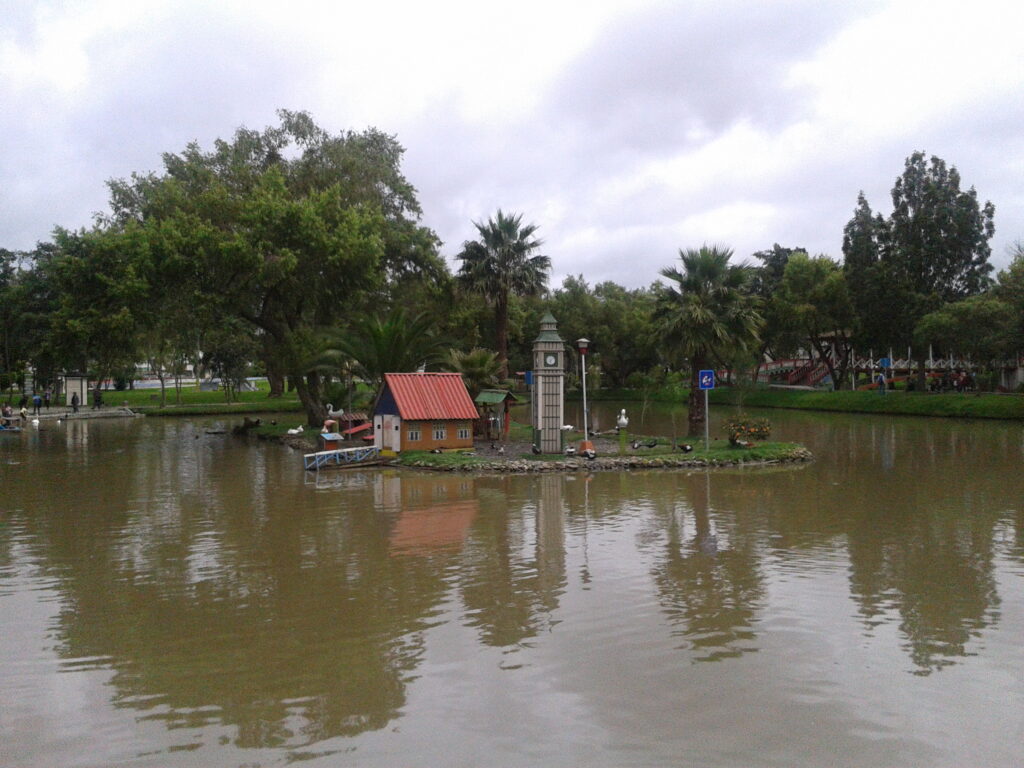
Loja provides a comfortable and relaxed environment for independent travellers. The city’s large student population creates an open, inclusive atmosphere where people walking alone are a normal part of the daily rhythm.
Solo female travellers
Female travellers consistently report feeling significantly safer in Loja than in larger metropolitan areas such as Quito or Guayaquil. Street harassment and catcalling occur far less frequently.
- Nighttime Movement: Walking alone around main thoroughfares near Parque Central or Plaza de San Francisco during early evening hours is generally safe. For late-night trips across town, order a yellow municipal taxi rather than walking through quiet side streets
- Social Interactions: Hospitality in the southern highlands is genuine. Setting clear boundaries with overly inquisitive strangers is socially accepted and effective
LGBTQ+ and minority travellers
Ecuadorian law prohibits discrimination based on race, religion, or sexual orientation. Loja is conservative in its family traditions, yet its identity as a university town creates a tolerant environment for visitors.
Public displays of affection among same-sex couples may draw curious looks in smaller rural villages outside the city, but overt hostility or targeted harassment is uncommon.
The Galápagos.
Ecuador’s Enchanted Isles
Cycling, road safety, and mountain route planning
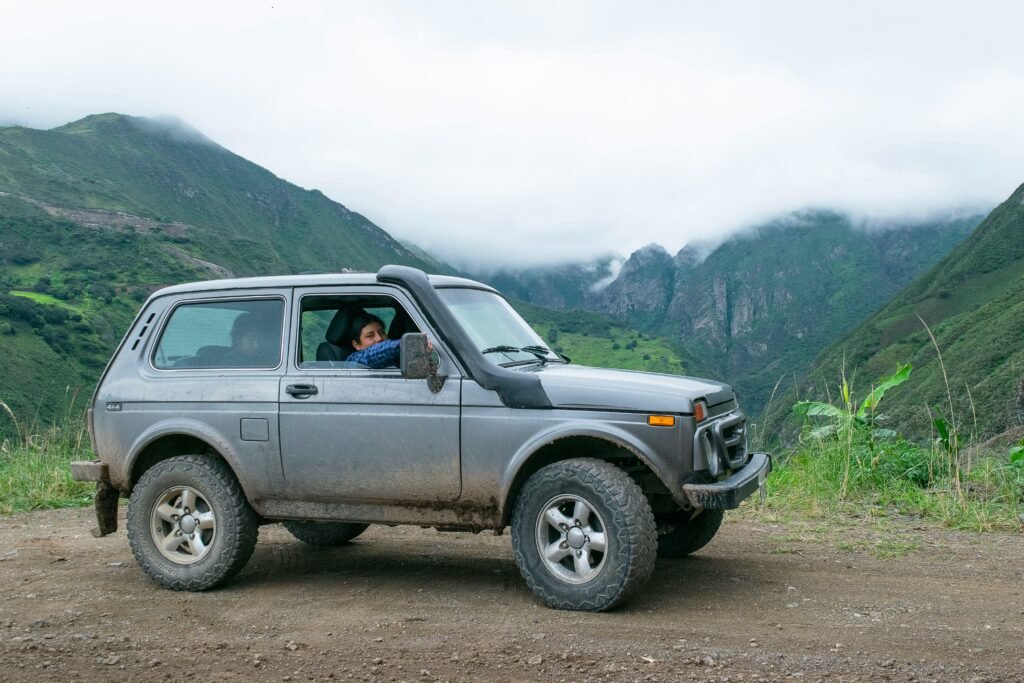
For cyclists and road trippers, physical security from crime is only one part of the safety equation. Navigating high-altitude geography and Andean traffic presents operational challenges that require careful preparation.
Traffic hazards and driver behaviour
Road transport in the Andes requires constant vigilance. Mountain highways connecting Loja to Cuenca, Saraguro, or the Peruvian border feature tight hairpin turns, limited road shoulders, and steep drop-offs.
- Heavy Vehicles: Drivers of interprovincial buses and heavy freight trucks often cross centre lines when taking sharp curves. Always ride predictably, stay as far right as safe, and use high-output daytime running lights
- Riding to Vilcabamba: The popular 40-kilometre route from Loja down to the valley of Vilcabamba involves long descents and narrow lanes. Ensure your brakes are serviced, monitor mirror placement, and start early to avoid afternoon rain squalls
High-altitude weather and topography
Weather patterns in the southern Andes shift rapidly. A clear morning can quickly turn into freezing rain or dense fog as clouds roll over the passes.
- Temperature Drops: Descending from mountain passes into sheltered valleys brings sharp temperature changes. Carry packable windproof layers and thermal gloves
- Páramo Crossing Safety: High-altitude wetlands above 3,000 metres experience sudden drops in visibility. Keep GPS devices fully charged, pack backup power banks, and carry offline mapping files on your phone
The Ecuadorian Amazon.
The most biodiverse place in the world
Outdoor Safety and Podocarpus National Park exploration
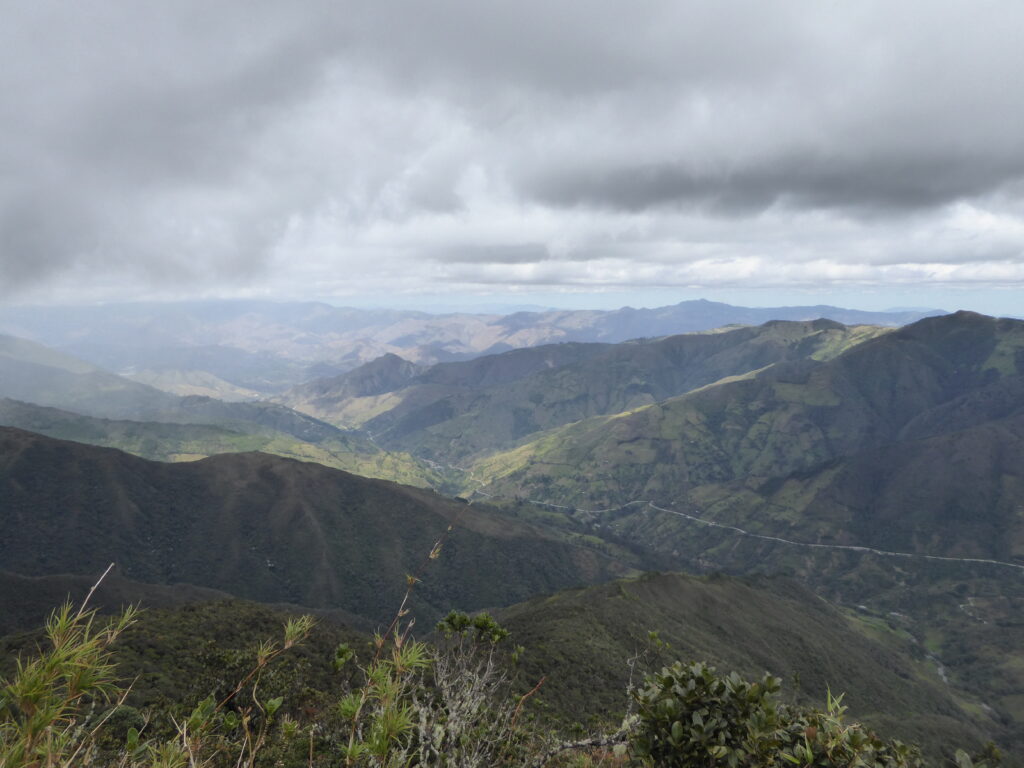
Loja serves as the primary base for exploring Podocarpus National Park, a world-renowned biodiversity hotspot spanning cloud forests and high-altitude páramo ecosystems. Exploring these wilderness areas requires basic outdoor precautions.
Park protocols and trail safety
The park entrance at Cajanuma sits just 15 minutes south of Loja, providing access to trails leading into pristine mountain habitat.
- Ranger Registration: Always register your party at the park entrance station before entering trails. Rangers track visitors to ensure everyone returns safely before nightfall
- Trail Navigation: Deep cloud forest trails can become slippery and disorienting during rainstorms. Stick firmly to designated marked routes, carry a waterproof jacket, and bring sufficient water and snacks
- Wildlife Interactions: While spectacled bears and mountain tapirs inhabit the park, they are shy and pose virtually no danger to humans. Watch out instead for wet rocks and mudslides along exposed ridges
Practical field security checklist for Loja

To streamline your trip planning, use this simple daily security routine while exploring Loja and its surrounding valleys:
- Use Official Taxis: Choose yellow municipal cabs equipped with valid registration stickers, orange license plates, and functional taxímetros
- Secure Cash Smartly: Ecuador uses the US dollar. Carry small bills ($1, $5, and $10) for market stalls, bakery stops, and bus fares, keeping $20 bills tucked away securely in a hidden belt or pouch
- Use Indoor ATMs: Withdraw cash during daylight hours from ATMs located inside secure bank branches along Calle Bolívar or Sucre, rather than street-facing machines
- Protect Documents: Leave your original passport safely locked in your hotel room. Carry a clear printed copy or digital photo on your smartphone for routine identification
- Stay Connected: Purchase a local SIM card (Claro or Movistar offer strong highland coverage) so you can access navigation tools and ride-hailing services anywhere in the urban centre
Loja remains one of Ecuador’s brightest gems for independent travellers. By keeping standard urban awareness in mind and respecting mountain weather conditions, you can enjoy the music, architecture, and natural beauty of this southern highland sanctuary with complete peace of mind.
The Ecuadorian Coast.
Where you’ll find the very best food
Secure your southern Andean journey
Read this far?
Loja continues to stand out as a sanctuary of cultural richness, civic order, and incredible mountain terrain. By understanding the distinction between coastal security headlines and highland reality, independent travellers can experience the region’s historic plazas, university energy, and cloud forest trails with complete peace of mind.
Whether you are arriving to explore the musical heritage of the historic centre, using the city as a launchpad for deep wilderness trekking in Podocarpus National Park, or cycling down the winding descent to Vilcabamba, standard urban precautions are all you need. Keep your belongings secure in busy transport hubs, respect the fast-shifting weather patterns of the high Andes, and rely on official municipal transport.
Travel safety is never about staying home out of caution—it is about having accurate, grounded information so you can move through new landscapes with confidence. Loja remains one of South America’s most rewarding destinations for those who seek authentic, independent travel off the beaten track.
Affiliate Disclaimer: Some of the links on Wheely Tyred are affiliate links. If you click through and make a booking or purchase, we may earn a small commission at no extra cost to you. We only recommend gear, tours, stays, and services we genuinely use, trust, and stand behind — our editorial independence always comes first. These commissions help keep our independent cycling guides and travel stories free to read. You can also buy me a coffee here — thanks for supporting the ride!
Frequently asked questions about travel safety in Loja
Yes, Loja is significantly safer than coastal shipping hubs such as Guayaquil or larger northern cities like Quito. Violent crime rates are extremely low, and the city maintains a peaceful, orderly environment driven by its strong university population and civic traditions.
Always use official municipal yellow taxis featuring registration decals on the doors and orange license plates. Before departing, ensure the driver activates the meter (taxímetro), or use radio-dispatched taxi phone apps to arrange rides, especially late at night.
Cycling the route to Vilcabamba is visually stunning and generally safe from crime, but it demands caution regarding mountain traffic. Drivers on narrow Andean roads can take curves widely, so wear high-visibility clothing, run bright daytime lights, and maintain well-serviced brakes for the long descents.
The main risks in Podocarpus stem from sudden mountain weather changes and slippery terrain rather than crime or wildlife. Bring sturdy waterproof hiking boots, layered thermal gear, an offline GPS navigation app, and always register your route with park rangers at the Cajanuma entrance.
Ecuador uses the US dollar. Withdraw cash from ATMs located inside secure bank branches along major streets such as Calle Bolívar or Sucre during business hours. Carry smaller bills ($1, $5, and $10) for markets and transport, keeping larger banknotes secured separately.
Solo female travellers consistently find Loja to be one of the most comfortable urban destinations in Ecuador. Street harassment is rare compared to larger cities, though standard precautions—such as using taxi apps after dark and staying in central areas—should still be followed.
Ecuador.
Pure wonder on the equator.


