Is Loja safe to visit? The complete travel safety guide to Ecuador’s southern highlands
Loja, Ecuador, travel safety guide / Crime rates, solo female travel advice, and transit safety tips
Discover how Ecuador’s tranquil cultural capital offers peace of mind
BEN FINCH
Ecuador has experienced significant international media coverage regarding security conditions in recent years, particularly along its coastal transport corridors and port cities. For independent travellers, bikepackers, and road trip enthusiasts, this often raises immediate questions: is it safe to travel to Loja, and how does the safety situation in the southern Sierra compare to the rest of the country?
The short answer is that geography dictates risk in Ecuador. While specific coastal provinces face elevated security concerns, the southern Andean highlands—anchored by the cultural capital of Loja and nearby heritage cities like Cuenca—remain among the most tranquil, welcoming, and secure destinations in South America.
Known for its music conservatories, clean urban design, and proximity to Podocarpus National Park, Loja offers a calm atmosphere for travellers who take standard, sensible precautions.
At Wheely Tyred, we believe that informed travel is safe travel. This guide breaks down everything you need to know about safety in Loja, from official crime statistics and neighbourhood dynamics to specific advice for solo travellers, female adventurers, cyclists, and outdoor enthusiasts.
Essential safety insights for Loja
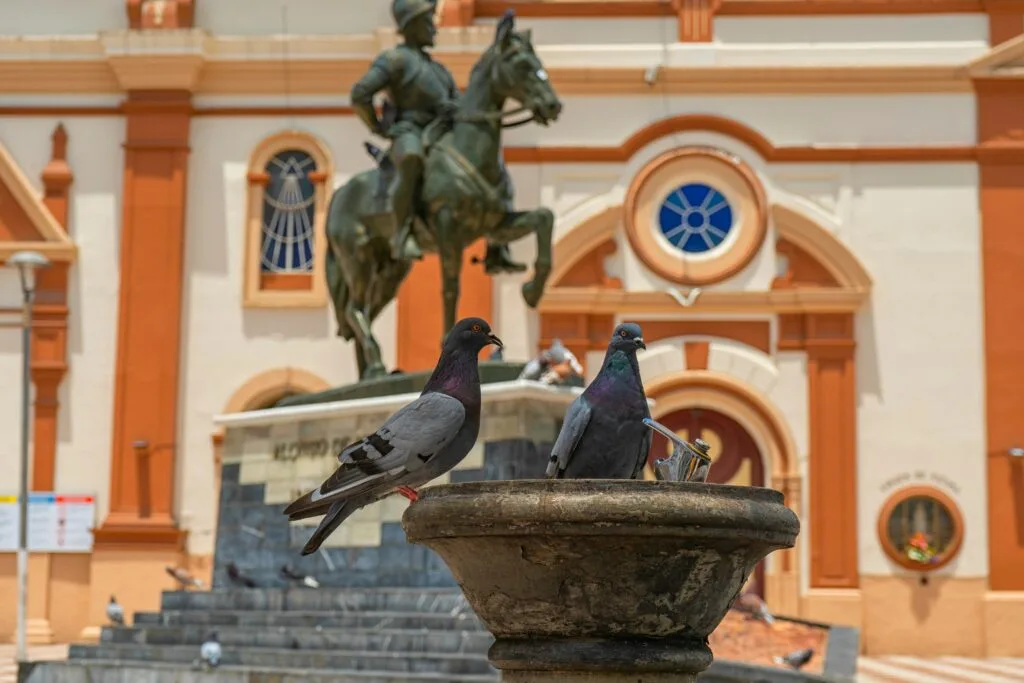
Loja stands out as one of Ecuador’s calmest and most culturally rich highland hubs, offering immense peace of mind for independent travellers. Here is a quick snapshot of the essential safety facts and logistical tips to keep in mind for your journey.
- Highland tranquil haven: Unlike coastal transport corridors, Loja experiences drastically lower crime rates and maintains a strong civic pride with a visible municipal police presence around central plazas
- Petty theft awareness: The primary security risk remains low-level pickpocketing in dense crowds, particularly around Terminal Terrestre de Loja and central produce markets
- Solo and female travel: Loja ranks among the safest urban destinations in Ecuador for solo adventurers, where respectful social norms minimise unwanted street harassment
- Transit protocols: Always choose yellow municipal taxis displaying valid door decals and calibrated meters (taxímetros), avoiding unmetered rides after dark
- High-altitude road riding: Cyclists facing mountain passes near Podocarpus National Park must prepare for narrow shoulders, sudden rain showers, and free-roaming dogs on rural approaches
- Financial precautions: Use indoor bank ATMs near Parque Central during daylight hours and carry smaller US dollar cash denominations ($1, $5, and $10) for daily purchases
Loja.
Ecuador’s musical capital
Understanding crime rates and the security picture in Loja

To assess safety in Loja accurately, one must understand the regional divide that characterises Ecuador today. The vast majority of serious security incidents in Ecuador are concentrated in coastal trade hubs such as Guayaquil and border areas in northern provinces. In contrast, the southern highland province of Loja maintains a crime profile that is drastically lower than the national average.
Violent crime targeting foreign visitors in Loja is exceptionally rare. The local community takes immense pride in civic order, and municipal authorities maintain an active police presence across key public areas, including Parque Central, Plaza de San Francisco, and the historic centre.
The most common risk travellers face in Loja is opportunistic petty theft, such as pickpocketing or bag-snatching. These incidents typically occur in crowded environments, including:
- Busy public transit hubs such as the Terminal Terrestre de Loja
- Daily fruit and artisan markets where crowds gather closely
- Dark or unlit secondary streets along the banks of the Río Malacatos or Río Zamora late at night
By keeping personal belongings secure and remaining observant during peak hours, you effectively remove the vast majority of security risks associated with a visit to Loja.
Safety for solo travellers, women, and minorities in Loja

Loja enjoys a well-earned reputation as one of the most comfortable cities in Ecuador for independent travellers, particularly those venturing out alone.
Solo female travellers
Solo female travellers frequently rate Loja as one of the safest urban experiences in Ecuador. Street harassment and catcalling do occur, as in many parts of Latin America, but it tends to be far less persistent or intrusive than in larger coastal cities. Local culture in the Sierra places a strong emphasis on politeness and community respect.
Practical safety measures for solo female travellers include:
- Using official yellow taxis or hotel-recommended drivers rather than hailing unmarked vehicles after dark
- Staying in well-lit central accommodations around Parque Central or Avenida Bolívar
- Joining small group excursions or hiring registered local guides when hiking in isolated areas like Podocarpus National Park
Minorities and LGBTQ+ travellers
Ecuador is legally progressive, having equal marriage rights protected under national law. However, highland cultural norms remain traditional and modest. In Loja, public displays of affection—regardless of orientation—are relatively uncommon outside of youthful university spaces. While overt hostility or discrimination toward minority travellers is rare, adopting a discreet and culturally sensitive approach in smaller rural villages outside the city centre ensures a smooth and pleasant experience.
The Ecuadorian Sierra.
Get lost in the hills
Navigating city transit and arrival points safely

Arriving in a new city is often the moment when travellers are most vulnerable. Knowing how local transit operates in Loja allows you to move with total confidence.
Terminal Terrestre de Loja
The main bus terminal, Terminal Terrestre de Loja, connects the city to Cuenca, Quito, Vilcabamba, and Zamora. While the terminal is orderly and well-policed, it remains a prime location for opportunistic pickpockets.
Never leave bags on the floor while purchasing tickets, and keep backpacks in front of you in waiting halls. When arriving late in the evening, proceed directly to the official taxi queue located immediately outside the main entrance.
Taxis and urban buses
Official taxis in Loja are yellow, display municipal registration stickers on the doors and windscreen, and operate with calibrated meters (taxímetros). Always ensure the driver turns on the meter when your journey begins, or agree on a fixed fare before setting off if travelling to outlying destinations like Malacatos or Vilcabamba.
Rideshare applications operate on a smaller scale in Loja compared to Quito or Guayaquil, making registered yellow taxis the most reliable transport option.
City buses run regularly during daylight hours along main avenues. While economical and safe, they can get congested during rush hours, so keep your wallet and smartphone secured in front pockets or internal coat compartments.
The Ecuadorian Amazon.
The most biodiverse place in the world
Cycling, road safety, and outdoor exploration around Loja
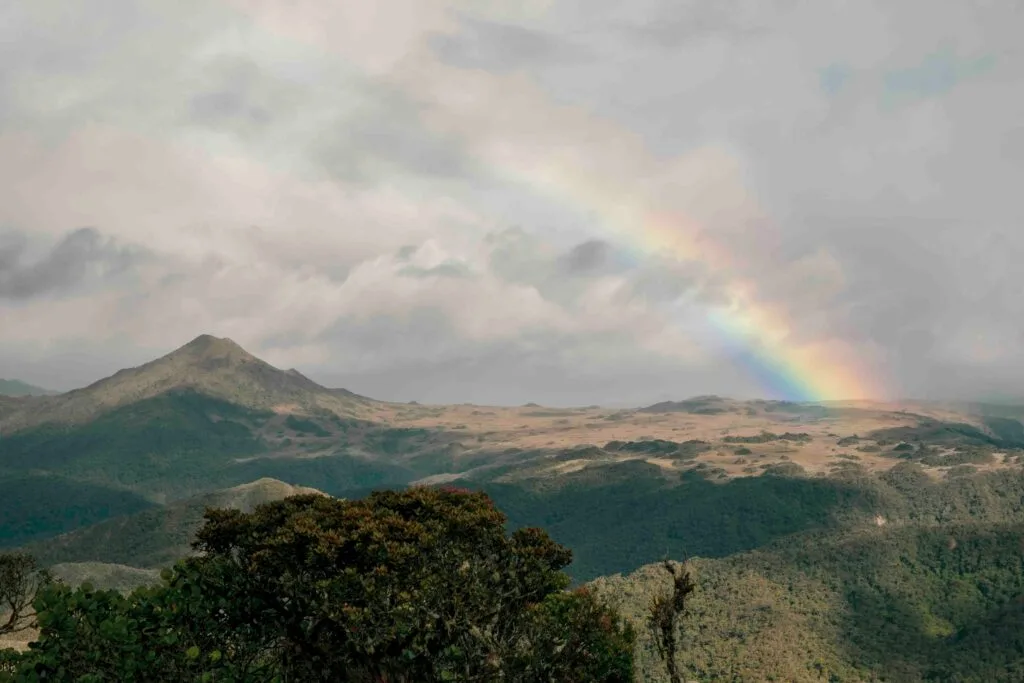
For cyclists, bikepackers, and road trippers, Loja is a breathtaking gateway to Andean passes, cloud forests, and picturesque highland valleys. However, navigating mountain roads and rural trails requires dedicated preparation.
Road conditions and traffic etiquette
Roads connecting Loja to Cuenca and Vilcabamba feature stunning mountain scenery, but mountain terrain presents distinct operational hazards:
- Narrow shoulders and tight bends: Many mountain passes lack dedicated cycle lanes. Drivers of long-distance buses and heavy freight trucks frequently take sharp corners wide. Always use daytime running lights, wear high-visibility apparel, and carry rear-view mirrors
- Weather fluctuations: High-altitude mountain weather changes quickly. Heavy downpours can cause sudden rockfalls or slippery asphalt, particularly on the descent towards Zamora or the high páramo passes
- Stray dogs: In rural valleys and small villages leading toward Podocarpus National Park, free-roaming dogs are common along road edges. Keep a bike pump, water bottle, or ultrasonic deterrent handy to keep curious canines at a safe distance
Outdoor security in Podocarpus National Park
Hiking in Podocarpus National Park offers access to remarkable biodiversity, from pristine lagoon systems to cloud forest trails. When venturing into the park:
- Always register your entry at the official ranger station
- Stick strictly to marked trails, as high-altitude fog can settle rapidly and obscure landmarks
- Carry sufficient warm layers, waterproof gear, and offline GPS maps, as mobile phone reception drops out quickly once you enter dense mountain forest
The Galápagos.
Ecuador’s Enchanted Isles
Practical checklist for staying safe in Loja
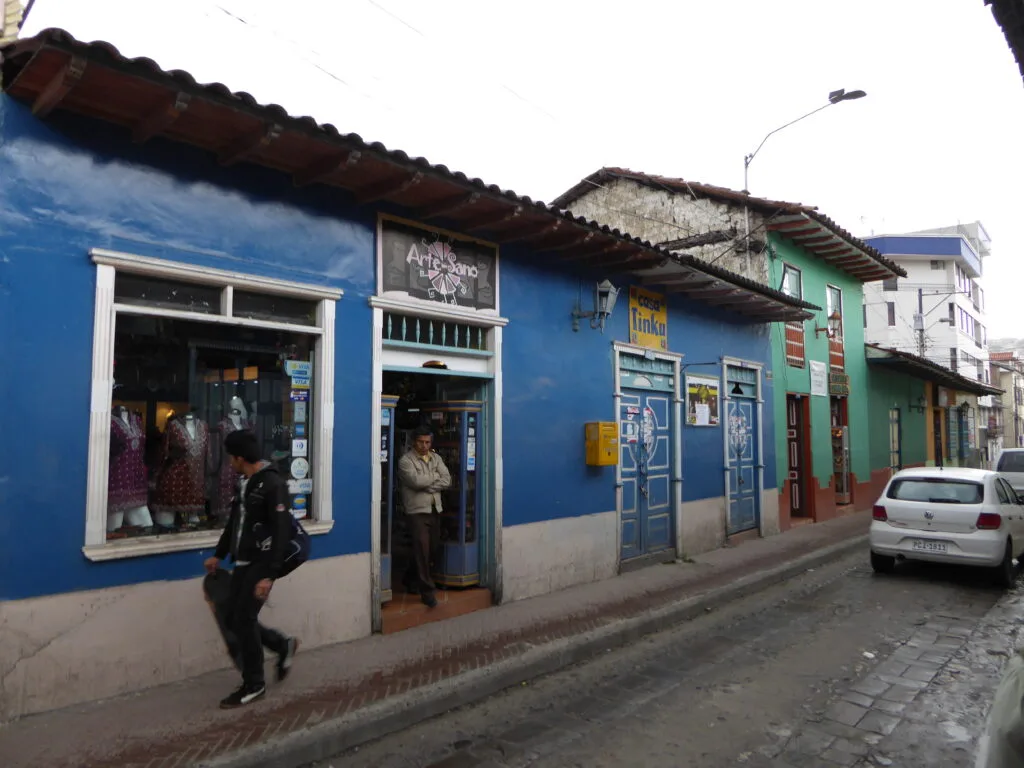
To ensure your journey to Loja is smooth and worry-free, keep this simple safety checklist in mind:
- Keep digital copies of documents: Carry a clear photo or copy of your passport on your phone and leave the original secure at your hotel
- Use bank ATMs inside buildings: Avoid street-facing cash machines. Withdraw funds during daytime hours at bank branches near Parque Central
- Carry modest cash amounts: Ecuador uses the US dollar. Keep smaller denominations ($1, $5, and $10 bills) accessible for small purchases, and store larger bills securely
- Blend in discreetly: Avoid flashing expensive cameras, laptops, or high-end smartphones in crowded markets or busy transit stops
- Drink bottled or treated water: Tap water quality varies across highland municipalities. Use bottled, boiled, or filtered water for drinking and brushing teeth
Embrace the slow pace of Ecuador’s southern highlands
Read this far?
Loja demonstrates that travel safety in Ecuador is deeply tied to geography and local culture. By stepping away from busy coastal corridors and immersing yourself in the southern Sierra, you unlock a side of the country defined by grand classical plazas, thriving music schools, and clean mountain air.
For independent cyclists and road trippers, the winding roads leading towards Vilcabamba and the pristine cloud forests of Podocarpus National Park offer an extraordinary taste of Andean scenery without intense tourist congestion. Navigating these routes requires respect for changing weather and steep mountain contours, but the rewards are immense.
Staying safe in Loja does not require hyper-vigilance—it simply asks for standard, sensible urban habits. Keep your high-value items secure, rely on official transport options, and allow yourself to slow down and connect with a community that takes genuine pride in hosting visitors.
Pack your layers, tune up your bike, and prepare to explore one of Ecuador’s most enchanting regional corners with absolute confidence.
Affiliate Disclaimer: Some of the links on Wheely Tyred are affiliate links. If you click through and make a booking or purchase, we may earn a small commission at no extra cost to you. We only recommend gear, tours, stays, and services we genuinely use, trust, and stand behind — our editorial independence always comes first. These commissions help keep our independent cycling guides and travel stories free to read. You can also buy me a coffee here — thanks for supporting the ride!
The Ecuadorian Coast.
Where you’ll find the very best food
Frequently asked questions about visiting Loja safely
Yes. Loja sits in the southern Andean highlands, far removed from coastal shipping routes where the majority of national security incidents occur. Violent crime targeting tourists is rare in Loja, making it significantly safer than major transit hubs along the coast.
When arriving at Terminal Terrestre de Loja, keep your luggage close while inside the main building. Exit directly to the official taxi queue outside and take a yellow municipal taxi. Ensure the driver turns on the calibrated meter (taxímetro) before departing.
Tap water quality varies across highland municipalities and can upset sensitive stomachs. It is best to stick to bottled, boiled, or filtered water for drinking and brushing teeth during your stay.
Highland weather near Podocarpus National Park changes rapidly. Pack high-visibility riding apparel, bright daytime front and rear lights, waterproof layers, and offline GPS maps, as mobile phone signal drops off quickly in dense mountain valleys.
Major hotels, mid-range restaurants, and supermarkets accept cards, but cash remains essential for smaller cafés, street markets, and rural taxis. Always carry small US dollar bills ($1, $5, and $10) as vendor change for $20 notes can be scarce.
While crime risks are minimal inside the park, wilderness hazards like high-altitude fog, sudden rainstorms, and steep trail drop-offs exist. Always register at the ranger station, carry offline maps, and consider hiring a registered local guide if venturing deep into trail networks.
Ecuador.
Pure wonder on the equator.