
Is Quito safe for tourists in 2027? An honest travel safety guide
2027 travel safety analysis for Quito, Ecuador, covering safe neighbourhoods, crime statistics, public transport, and advice for solo travellers
Find an understanding of where headlines meet street reality

BEN FINCH
In our 2026 Quito safety guide, we examined how Ecuador’s evolving security landscape shifted tourist dynamics across the Andean highlands. As we navigate 2027, understanding the distinction between national security headlines and the day-to-day mechanics of Quito is more critical than ever.
Quito sits at 2,850 metres above sea level, framed by volcanic peaks and steeped in centuries of history. While political shifts and coastal drug-trade violence have dominated international reporting on Ecuador, Quito functions on a distinct regional frequency.
For cyclists, route planners, and independent travellers, navigating Quito safely requires stripping away destination marketing hyperbole and replacing it with precise, actionable intelligence.
Wheely Tyred has updated this guide for 2027 to deliver a comprehensive analysis of crime rates, neighbourhood dynamics, transport mechanics, and tailored advice for solo female travellers and minorities.
Essential takeaways for navigating Quito in 2027
Navigating Ecuador’s high-altitude capital requires separating coastal headlines from highland reality. Here is the operational summary for keeping your bearings, protecting your gear, and moving smart across Quito.
- Regional security divide: Coastal drug-trade turbulence rarely translates to Pichincha province; Quito’s violent crime metrics remain significantly lower than those of many major North American cities
- Neighbourhood awareness: Stay based in northern residential quarters such as La Floresta, La Carolina, or Cumbayá, while exercising elevated caution in Centro Histórico and La Mariscal after dark
- Transit logistics: Avoid hailing unvetted yellow taxis on the street; stick to verified rideshare platforms such as Uber or hotel-dispatched cabs to prevent express kidnapping risks
- Crowd tactics on transit: The underground Metro de Quito offers secure travel, but surface BRT lines such as the Trolebús and Ecovía demand forward-facing backpacks and tucked-away electronics
- Altitude and route friction: At 2,850 metres, atmospheric oxygen drops significantly; pace your rides, keep bicycles locked with heavy-duty U-locks, and avoid the footpaths up El Panecillo
- Street scam defence: Never stop on the pavement if splashed with liquid or mustard—step directly into a secure building or shop before checking your belongings
Quito.
Explore the Middle of the World
Decouple national headlines from mountain reality
To assess Quito safety in 2027 accurately, one must first separate the capital province of Pichincha from the coastal corridors that experience the bulk of organised crime activity in Ecuador.
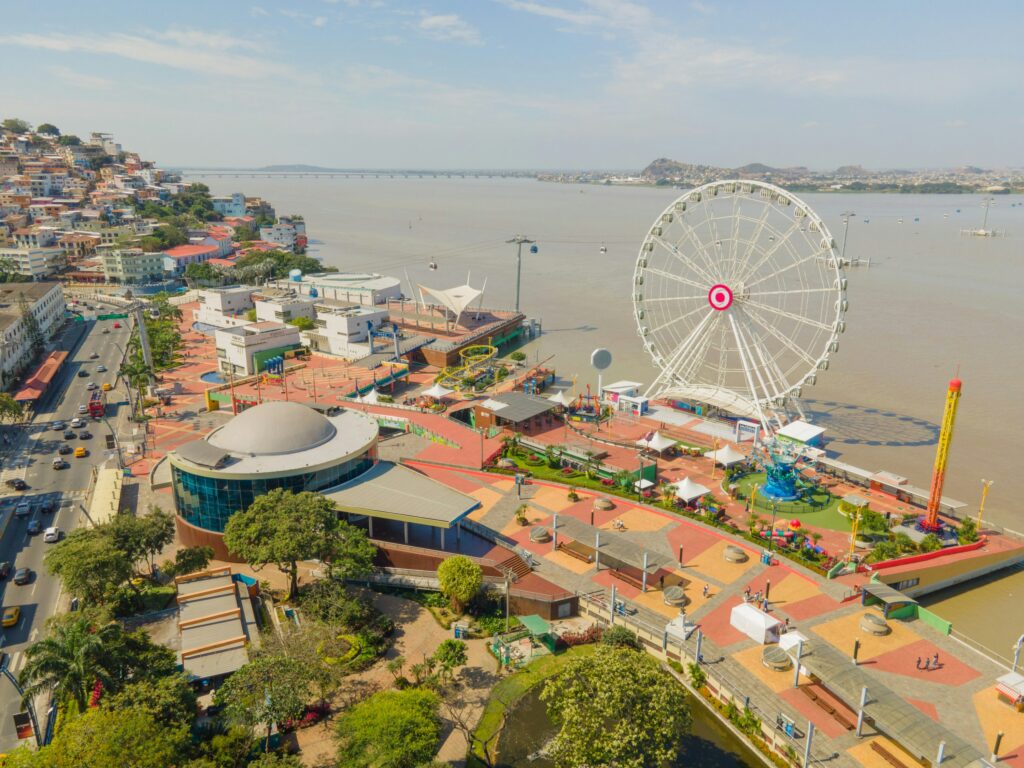
Regional security data reveals a stark divide. While coastal ports such as Guayaquil and Esmeraldas have seen homicide rates fluctuate at elevated levels due to maritime drug trafficking routes, Quito maintains a significantly lower violent crime rate, averaging around 12 homicides per 100,000 residents.
For context, this places Quito’s violent crime metrics well below major North American urban centres such as Baltimore or St. Louis, and roughly comparable to cities like Denver.
Violent crime directly targeting foreign tourists in Quito remains uncommon. The vast majority of incidents affecting visitors involve opportunistic property theft, pickpocketing, or unauthorised transport scams.
However, national state of exception measures or periodic security operations mean travellers in 2027 will notice a persistent security presence, particularly around key public infrastructure, government plazas, and transport hubs.
Armed forces and National Police checkpoints are standard protocol rather than a sign of immediate crisis. Carrying official identification or a clear physical copy at all times is mandatory under local regulations, and compliance with military instructions is non-negotiable.
Neighbourhood breakdown / Mapping risk across the capital
Quito stretches over 45 kilometres along a narrow mountain valley. Safety profiles shift dramatically from one block to the next, making location selection paramount for accommodation and exploration.
Centro Histórico
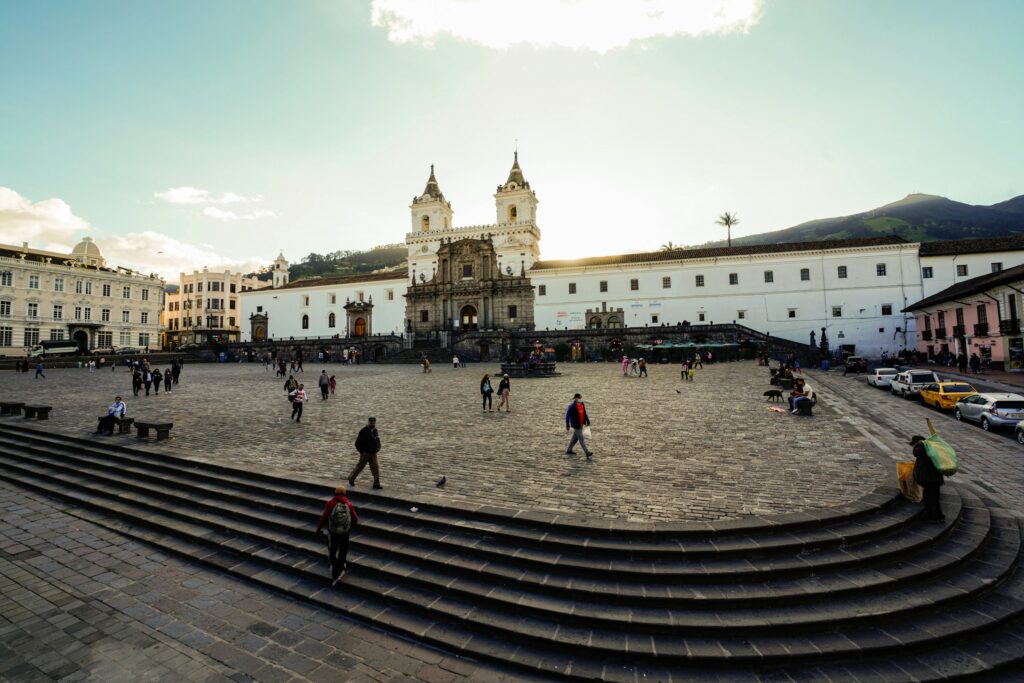
The UNESCO-listed Historic Centre remains the cultural heartbeat of the city. During daylight hours, heavy police patrols ensure that major plazas such as Plaza Grande, San Francisco, and La Compañía are generally secure for walking and photography.
However, as business hours conclude around 18:00, the streets empty rapidly. Walking through Centro Histórico after dark carries a heightened risk of mugging and pickpocketing. Visitors should rely on registered rideshare vehicles for evening transport to and from the area.
La Mariscal and Plaza Foch
Once the undisputed nightlife hub of Quito, La Mariscal continues to undergo a security transition. While bars and restaurants operate, the neighbourhood sees persistent petty crime, drink-spiking incidents, and late-night muggings.
Travellers visiting Plaza Foch after dark must maintain high situational awareness, avoid walking alone in dim side streets, and keep personal belongings secured in front pockets or cross-body bags.
La Floresta, La Carolina, and González Suárez
For accommodation, these central-northern neighbourhoods offer superior safety, walking environment, and dining options. La Floresta is known for its bohemian cafe culture, street art, and culinary scene.
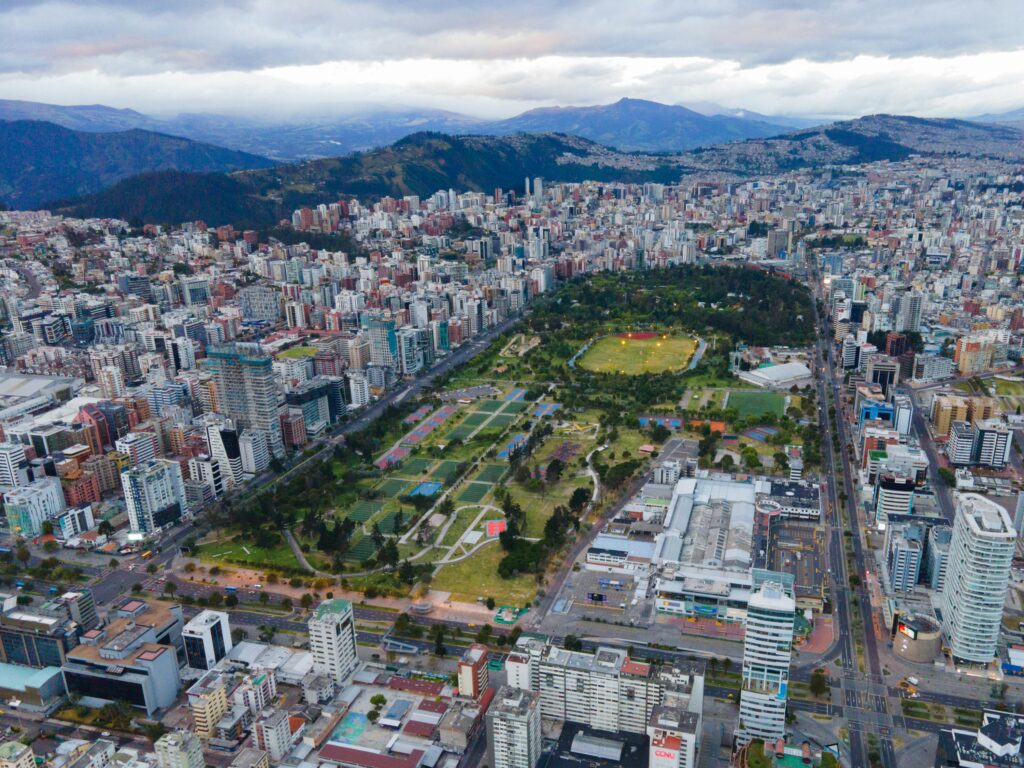
La Carolina surrounds a sprawling urban park that serves as a recreational focal point for cyclists and runners during daylight hours. González Suárez features modern high-rises, diplomatic residences, and well-lit thoroughfares, making it one of the safest districts for evening walks.
Cumbayá and Tumbaco
Located in the warmer valley east of the city centre, Cumbayá has become a favoured base for long-term stay visitors and digital nomads. Connected to central Quito via the Guayasamín Tunnel, Cumbayá offers gated communities, high-end dining, and access to the Chaquiñán rail-trail cycling path. Crime rates here are among the lowest in the metropolitan area.
El Panecillo and outskirts
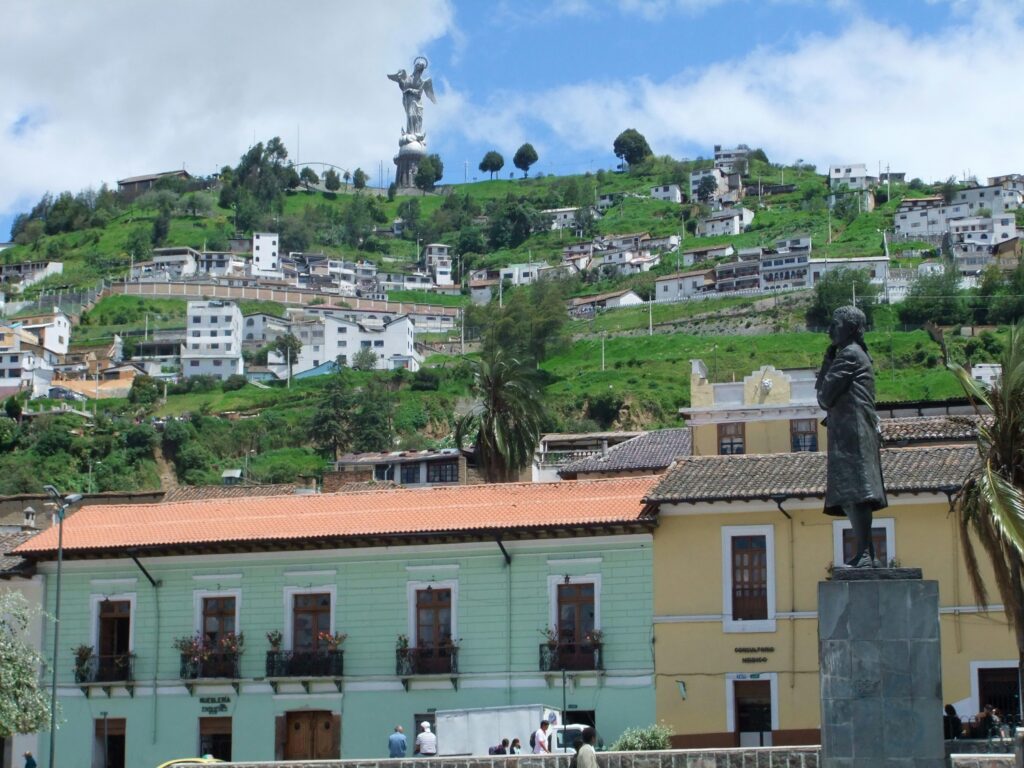
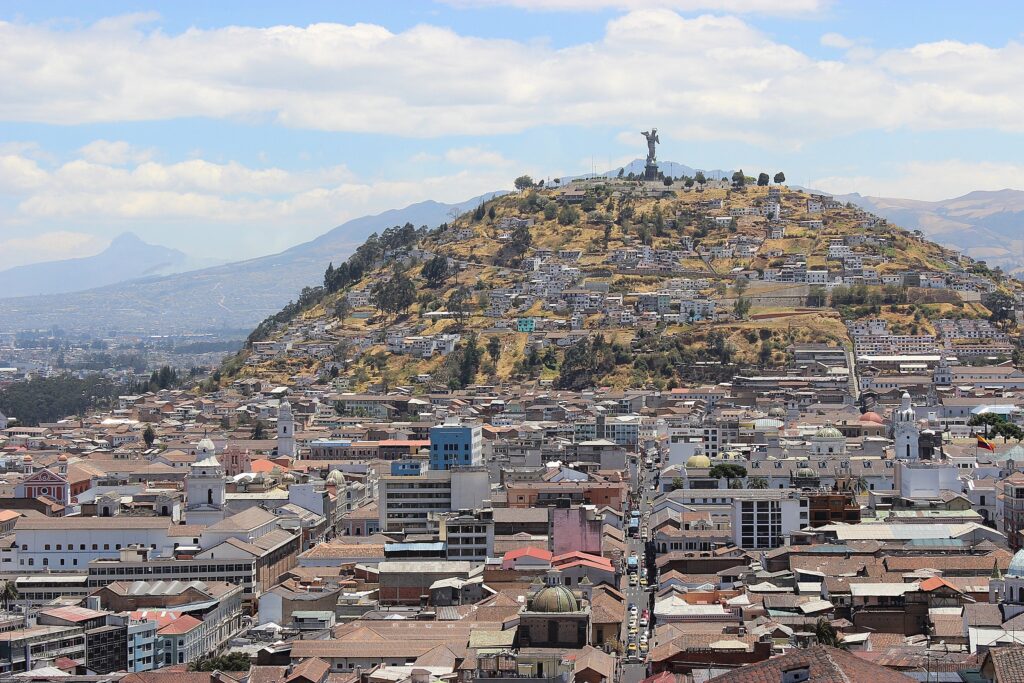
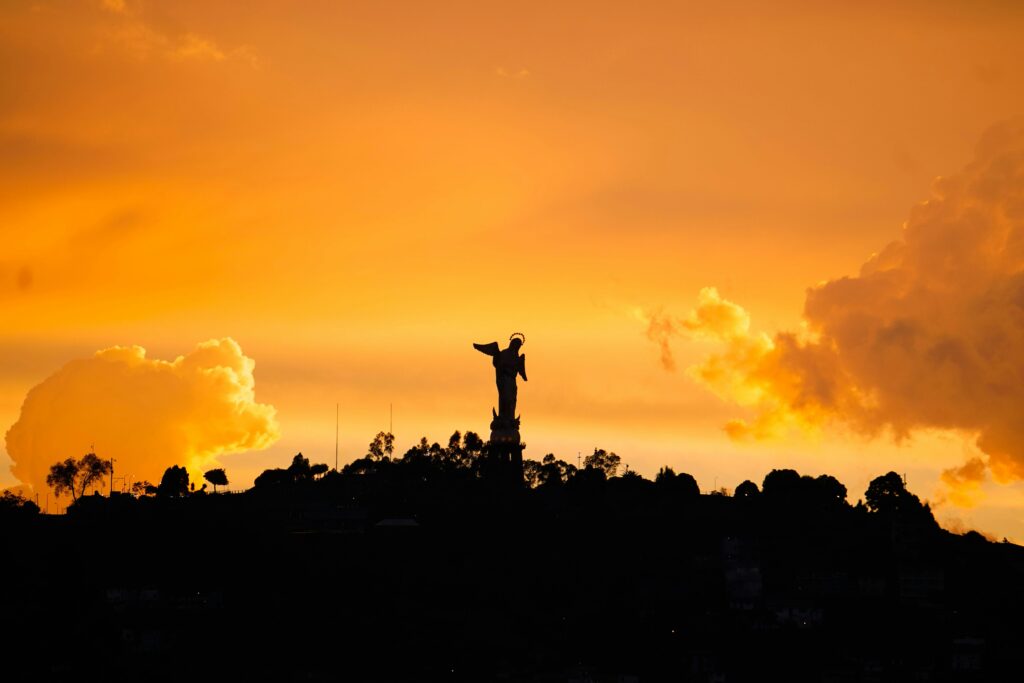
The iconic winged statue of the Virgin of El Panecillo overlooks the city, but the pedestrian trails ascending the hill are notorious for armed robberies. Visitors should access the summit exclusively via a registered taxi, tour vehicle, or Uber, avoiding the stairs altogether.
Similarly, southern residential sectors and peripheral bus terminals such as Quitumbe in the south and Carcelén in the north require extra vigilance, particularly when arriving or departing on overnight interprovincial buses.
The Ecuadorian Sierra.
Get lost in the hills
Transport mechanics / Taxis, rideshares, and public transit
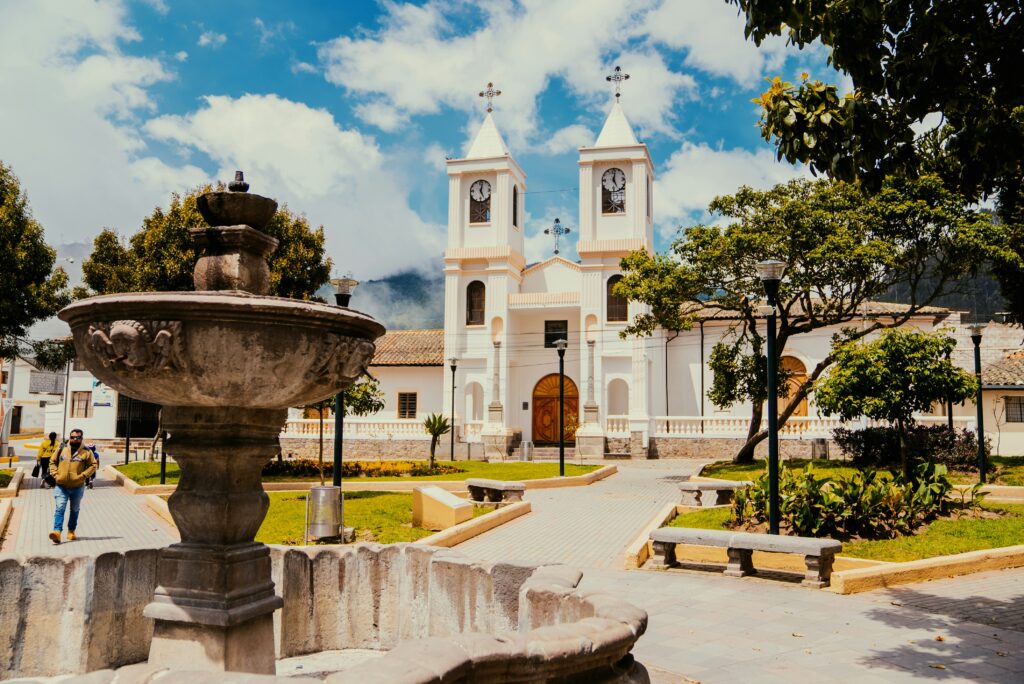
How you move through Quito directly influences your safety profile. Flawed transit decisions account for a substantial percentage of tourist safety incidents.
Unregistered taxis vs rideshare platforms
Hail-and-ride street taxis represent one of the primary vectors for express kidnapping, a crime where victims are forced to withdraw funds from multiple ATMs over several hours. In 2027, street hailing remains strongly discouraged.
Visitors should exclusively use rideshare applications such as Uber or Cabify, which track route progress and verify driver details, or request yellow cabs dispatched directly by hotel front desks.
Official yellow taxis must possess orange license plates, government registration numbers printed on the doors, and functional security cameras with panic buttons.
Public transit / Ecovía and Trolebús
Quito’s Bus Rapid Transit (BRT) systems, including the Trolebús, Ecovía, and Metro de Quito, offer rapid cross-city transit.
While the underground Metro features modern station security, surface BRT lines during peak commute hours are prime targets for professional pickpocket teams. Keep backpacks on your chest, avoid reaching into pockets for mobile phones while boarding, and secure zippers.
Cycling infrastructure and road friction
For cyclists navigating Quito, the terrain and traffic dynamics present dual challenges. The city’s elevation (2,850 metres) taxes cardiovascular capacity, while aggressive vehicular traffic demands defensive cycling tactics.
Designated bike paths such as the Ciclopaseo operate on select Sundays, closing major thoroughfares to motorised traffic. When cycling on standard roads, exercise extreme caution on steep descents, watch for unmarked speed bumps (guardas), and store gear in discreet, lockable panniers.
Never leave a bicycle unlocked in public, regardless of cable quality; use heavy-duty U-locks anchored to fixed structures.
The Galápagos.
Ecuador’s Enchanted Isles
Targeted safety considerations / Solo travellers, women, and minorities
Security risks are rarely distributed equally. Understanding demographic nuances ensures a smoother experience across the Andean region.
Solo female travellers
Solo female travellers generally navigate Quito and the broader Sierra region without severe incident, provided standard precautionary protocols are observed. Verbal street harassment or catcalling (piropos) occurs periodically, particularly near heavy transit nodes.
Firm, unengaging posture and moving directly toward public commercial venues usually defuse unwanted attention. At night, avoid walking alone regardless of district wealth. When frequenting nightlife venues in La Mariscal or La Ronda, monitor beverage preparation directly to prevent substance-induced robbery or assault.
LGBTQ+ travellers and cultural context
Ecuador’s constitution guarantees protection against discrimination based on sexual orientation, and Quito features a small, visible LGBTQ+ community with active venues in La Floresta and La Mariscal.
Public displays of affection outside established progressive districts may draw conservative stares, but violent bias incidents against foreign visitors are rare.
Minority travellers and racial dynamics
Quito is an ethnically diverse metropolis with large Mestizo, Indigenous, and Afro-Ecuadorian populations. Foreign visitors of diverse racial backgrounds generally experience courteous treatment.
Foreigners may occasionally encounter extra scrutiny at security checkpoints simply due to tourist status rather than targeted profiling. Keeping physical copies of passport bio-pages and entry stamps readily accessible streamlines interactions with police officers.
The Ecuadorian Amazon.
The most biodiverse place in the world
Ground tactics / Common scams and risk mitigation
Minimising risk in Quito comes down to adopting disciplined daily habits that deter opportunistic crime.
The distraction technique
A classic urban scam involves a stranger spraying a substance (mustard, water, or fake bird droppings) onto your clothing. While one individual offers to help clean the stain, an accomplice quietly removes your daypack or wallet.
If any substance lands on you, do not stop. Step inside a bank lobby, hotel, or pharmacy before inspecting your belongings.
ATM safety protocols
Never use standalone street ATMs or unlit cash machines at night. Conduct all banking transactions inside secure bank branches, enclosed shopping malls (such as Quicentro or Mall del Jardín), or airport terminals.
Limit daily cash withdrawals to what is necessary, and split money across internal security belts or hidden pockets rather than carrying large wads of US dollars.
Tech and electronics management
Smartphones, mirrorless cameras, and smartwatches are high-value targets for snatch-and-run theft. Refrain from walking down the street while staring at navigation apps. Step inside a shop entrance to check directions. On public buses, keep phones tucked completely out of sight rather than holding them in your lap.
Verification of authorities
Official police officers in Quito wear standardised uniforms with visible name badges and operate branded vehicles. Legitimate law enforcement will not demand to inspect your cash or inspect your wallet on the street.
If approached by individuals claiming to be undercover police requesting financial verification, politely refuse and insist on walking to the nearest official station (Unidad de Policía Comunitaria – UPC).
The Ecuadorian Coast.
Where you’ll find the very best food
Respect the altitude, understand the terrain, and ride smart
Read this far?
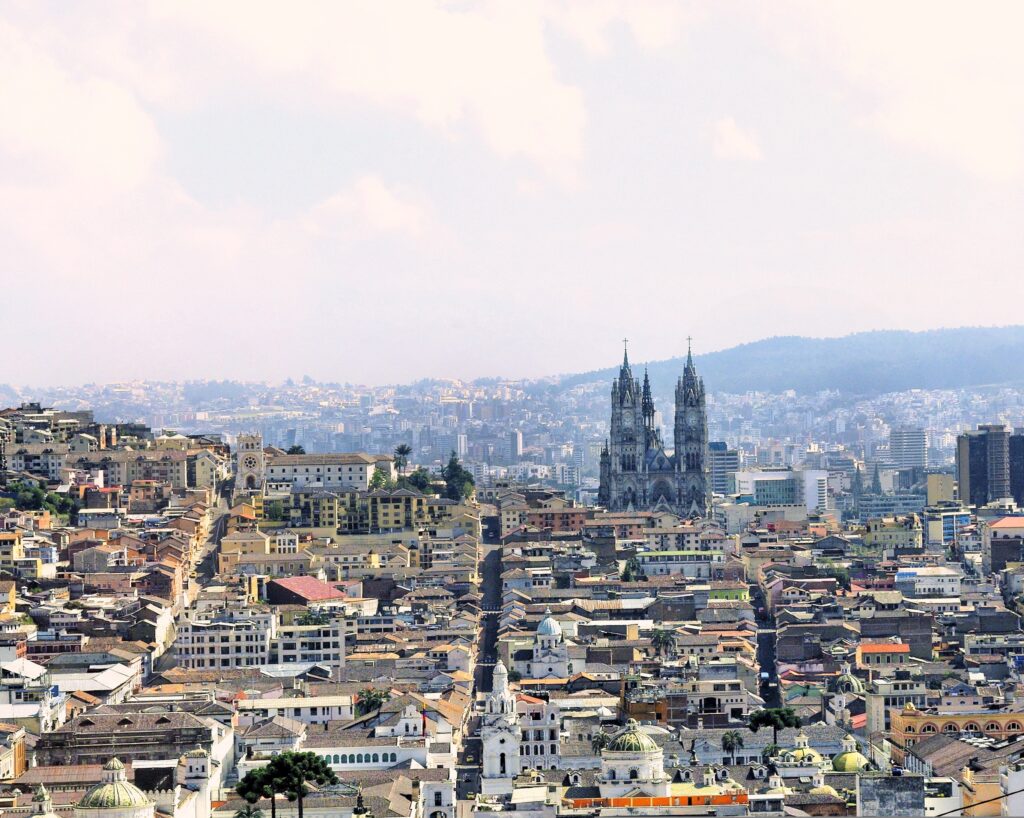
Quito is a city of remarkable contrast, where colonial stone squares sit beneath towering volcanic peaks, and modern transit corridors weave through mountain ravines. Navigating it safely does not require operating in a state of alarm, but rather developing a disciplined rhythm adapted to the high Andes.
Once you establish reliable transport protocols and secure comfortable lodgings in the city’s northern quarters, the capital transforms into an invigorating gateway for South American exploration.
For cyclists and overland travellers, the reward for careful preparation is immense. From the quiet morning miles on the Cumbayá rail-trail to the sweeping alpine passes leading into the high páramo, Pichincha province offers some of the most spectacular terrain on the continent.
The key is treating urban movement as a technical exercise: keep your gear stowed, choose your transit routes with intention, and respect the physical demands of high-altitude travel.
Ecuador continues to evolve, and so too do the dynamics on its streets. By keeping grounded safety intelligence at the core of your journey, you clear the path for authentic encounters with local food, deep Andean history, and unforgettable roads. Pack light, stay observant, and enjoy the ride.
Affiliate Disclaimer: Some of the links on Wheely Tyred are affiliate links. If you click through and make a booking or purchase, we may earn a small commission at no extra cost to you. We only recommend gear, tours, stays, and services we genuinely use, trust, and stand behind — our editorial independence always comes first. These commissions help keep our independent cycling guides and travel stories free to read. You can also buy me a coffee here — thanks for supporting the ride!
Frequently asked questions about Quito travel safety in 2027
Yes, provided you observe standard high-altitude urban precautions. Staying in well-lit northern neighbourhoods, such as La Floresta or Cumbayá, avoiding street-hailed taxis, and keeping bicycles double-locked with solid U-locks will eliminate the vast majority of risks facing independent travellers.
Avoid unregulated drivers offering rides inside the arrival hall. Use the official airport taxi counter, pre-arranged hotel transfers, or rideshare apps such as Uber. Alternatively, the Aeroservicios shuttle bus provides safe transport directly to Parque La Carolina in the city centre.
The underground Metro de Quito is heavily policed and generally very safe. However, during peak rush hours, carrying oversized bicycle bags or large luggage onto crowded trains can be difficult. On surface BRT lines such as the Trolebús and Ecovía, keep backpacks worn across your chest to prevent pickpocketing.
Security checkpoints are normal protocol under national state of exception provisions. Remain calm, follow all instructions promptly, and present a physical copy of your passport bio-page and entry stamp. Always keep your original documents stored in a secure money belt or hotel safe.
Walking the pedestrian stairs up El Panecillo is strongly discouraged due to frequent armed robberies along the secluded trail. Access the summit safely by taking an Uber, a registered yellow taxi, or a guided tour vehicle directly to the top.
Sitting at 2,850 metres above sea level, Quito’s reduced oxygen levels can cause quick physical fatigue, headaches, and dizziness. Dehydration and altitude fatigue lower situational awareness, making travellers more vulnerable to petty theft. Plan a quiet first day, drink plenty of water, and save strenuous cycling routes for after acclimatisation.
Ecuador.
Pure wonder on the equator.


