San Cristóbal, Galápagos, travel guide / Local tips for first-time visitors
An expert guide to exploring San Cristóbal Island independently, covering entry fees, local etiquette, beaches, and self-guided wildlife walks
Unpack the easternmost enclave of the Galápagos archipelago
BEN FINCH
San Cristóbal is often the welcoming threshold for travellers venturing into the Galápagos archipelago. As the easternmost island in the chain, it holds a unique place in natural history: it was the first island Charles Darwin stepped ashore on in 1835 while aboard HMS Beagle.
Unlike the busier hub of Santa Cruz, San Cristóbal retains a distinctly relaxed, community-focused feel. Its capital, Puerto Baquerizo Moreno, functions as a working coastal town where sea lions snooze on park benches, marine iguanas sunbathe along the malecon, and frigatebirds circle overhead.
For the independent traveller who prefers exploring by foot, local bus, or bicycle, San Cristóbal offers an accessible and rewarding land-based experience. You do not need to book expensive daily tour boats or join rigid group itineraries to experience world-class wildlife and scenery.
By understanding a few essential local quirks, arrival rules, and environmental customs, you can navigate the island with complete autonomy.
San Cristóbal at a glance
Unpacking the easternmost outpost of the Galápagos is easily done on your own footwork and schedule. Here are the core logistical rules and self-guided highlights every independent traveller needs before setting off.
- Biosecurity & Fees: Register for your Transit Control Card ($20 USD) at Quito or Guayaquil airport, pass the biosecurity inspection, and carry $200 USD in physical cash for the national park entry fee upon landing
- Cash Economy: Credit cards are rarely accepted beyond major waterfront hotels; stock up on small, undamaged US dollar banknotes before leaving mainland Ecuador
- Self-Guided Wildlife: Walk straight from Puerto Baquerizo Moreno to Muelle Tijeretas, Playa Punta Carola, or La Lobería for free snorkelling alongside sea lions, marine iguanas, and sea turtles
- Highland Exploration: Hire a local pickup truck taxi or ride a bicycle up to Laguna El Junco crater lake and the free-roaming giant tortoises at Galapaguera de Cerro Colorado
- Wildlife Etiquette: Strictly respect the mandatory two-metre buffer from all animals, skip flash photography, and leave personal drones at home
- Seasonal Gear: Bring or rent a 3mm wetsuit for the cooler garúa months (June to November), and pack strict reef-safe sunscreen to handle intense equatorial UV rays year-round
- Authentic Eats: Venture a block back from the main harbour strip to find family-run eateries serving fresh ceviche, local brujo fish, and budget-friendly $5 USD almuerzos ejecutivos
San Cristóbal.
Laid-back in the Galápagos
Essential arrival logistics and biosecurity rules
Travelling independently to San Cristóbal requires careful preparation before your flight takes off from mainland Ecuador. Because the ecosystem of the Galápagos is extremely fragile, environmental protections are strictly enforced by the local government and national park authorities.
The Transit Control Card and mainland security
Before checking in for your flight at either Quito or Guayaquil airport, you must obtain a Transit Control Card (TCT). This document costs 20 USD per person and tracks visitor movement across the province. It is recommended to register your details online via the official government portal prior to travel, though counters remain active at mainland departure airports.
At the mainland airport, your luggage must pass through a specialised biosecurity inspection managed by the Agency for the Regulation and Control of Biosecurity and Plant and Animal Health (ABG). Inspectors check carry-on and checked luggage for organic material, fresh agricultural produce, seeds, soil, and unsealed food items.
Introducing non-native biological matter poses a severe threat to island biodiversity. Failing to declare restricted items can lead to confiscation and heavy administrative fines.
National park fees and cash realities
Upon landing at San Cristóbal Airport (SCY), located just minutes from the centre of Puerto Baquerizo Moreno, international visitors must pay the Galápagos National Park entry fee. As of 2024, this fee is 200 USD per adult (100 USD for children under 12 years of age).
This payment must be made strictly in physical USD cash at the airport border control. Credit cards are not accepted for national park entry.
Cash is king across San Cristóbal. While higher-end establishments and larger hotels accept credit cards, local eateries, family-run bakeries, water taxis, and island transport drivers operate almost exclusively in cash.
There are only a handful of cash machines in Puerto Baquerizo Moreno, and they frequently run out of bills or experience connectivity outages during peak periods. Always carry sufficient US dollar banknotes in crisp, undamaged condition, as torn or marked bills are routinely rejected by local merchants.
Weather microclimates and seasonal packing
San Cristóbal sits directly near the equator, but its climate is strongly influenced by ocean currents rather than typical equatorial tropical weather. Understanding the two primary weather seasons will help you pack effectively and manage daily expectations.
The warm and wet season / December to May
During these months, the Panamá Current brings warm water and high ambient temperatures ranging from 26°C to 31°C. Ocean waters are comfortable for swimming and snorkelling without thick neoprene, with temperatures averaging 24°C to 26°C.
Days feature clear blue skies interrupted by sudden, heavy tropical rain showers, which quickly clear. UV radiation is exceptionally intense during this period, requiring wide-brim hats, long-sleeved UV-protective rashguards, and frequent applications of high-SPF sunscreen.
The cool and mist season / June to November
Known locally as the garúa season, this period is driven by the cold Humboldt Current flowing north from Antarctica. Temperatures drop to a comfortable range of 19°C to 24°C, accompanied by persistent overcast skies and a light mist or drizzle in the higher elevations.
Ocean temperatures drop significantly during garúa months, often dipping to 18°C or lower. Snorkelling comfortably during this season requires a 3mm shorty or full wetsuit. Renting or bringing your own wetsuit ensures you can spend extended time underwater alongside sea lions and sea turtles without getting chilled.
Environmental etiquette / Reef-safe protection
Under national park regulations, visitors are strongly urged to use reef-safe sunscreen free from oxybenzone and octinoxate, as these chemicals damage marine organisms and coral reefs. Pack reef-safe sunscreen from home, as speciality personal care products are exceedingly expensive to buy on the island.
The Galápagos.
Ecuador’s Enchanted Isles
National park regulations and local wildlife etiquette
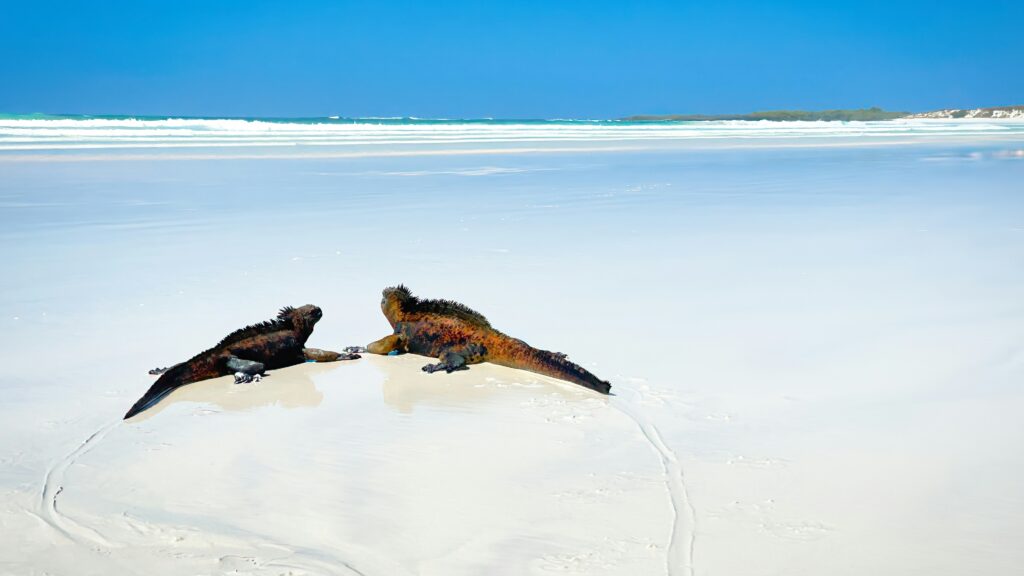
The wildlife on San Cristóbal has evolved without natural human predators, resulting in animals that show virtually no fear of people. Maintaining this wild status requires strict adherence to national park regulations.
- The Two-Metre Rule: You must maintain a minimum distance of two metres (6 feet) from all wildlife at all times. This applies to sea lions, marine iguanas, giant tortoises, and nesting birds. Even if a curious sea lion pup approaches you on the beach, step back calmly to maintain the required distance
- Never Touch or Feed Animals: Touching wildlife can transfer human bacteria or disrupt natural social structures. Feeding animals alters their natural foraging habits and is illegal
- Stay on Designated Trails: When walking outside urban zones, remain firmly on marked paths to protect nesting seabirds and sensitive flora
- No Flash Photography or Drones: Flash photography frightens wildlife and disrupts bird colonies. Drones are strictly banned across all national park areas without a specialised research or commercial permit
- Waste Management and Single-Use Plastics: San Cristóbal operates strict environmental policies to eliminate single-use plastics. Bring a durable reusable water bottle; filtered water refill stations are available at most accommodations, restaurants, and public facilities
The Ecuadorian Sierra.
Get lost in the hills
Self-guided exploration / Independent island highlights
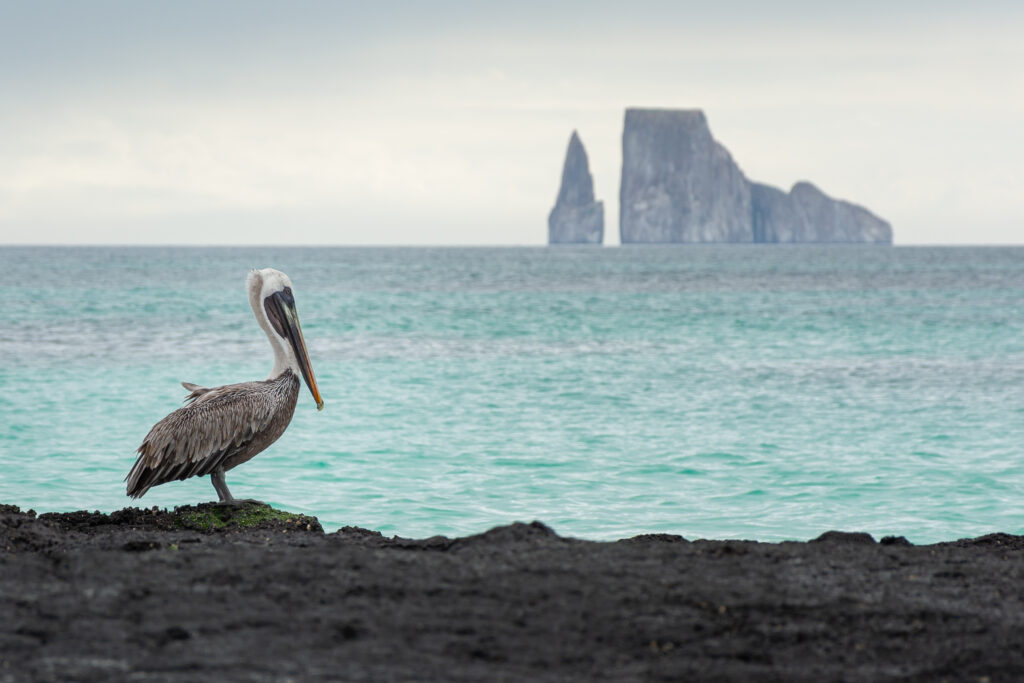
One of the greatest virtues of San Cristóbal is how much you can experience completely independently, without booking expensive day tours or hiring private guides for basic walks.
Waterfront life and Playa Mann
A short walk from the main town pier leads to Playa Mann, a small urban beach framed by white sand and calm waters. It serves as an ideal spot to adjust to island life. Sea lions regularly haul out onto the sand alongside beachgoers, offering close observations right from the shore. Small food kiosks near the beach sell fresh juices, grilled fish, and cold refreshments, making it a convenient afternoon stop.
Centro de Interpretación Ambiental Gianni Arismendy
Located on the northern edge of Puerto Baquerizo Moreno, the Gianni Arismendy Environmental Interpretation Centre provides essential background context for first-time visitors. The facility features curated exhibits detailing the volcanic formation of the archipelago, human settlement history, native flora and fauna, and ongoing conservation efforts. Admission is completely free, and the educational displays are presented in both Spanish and English.
Mirador Cerro Tijeretas and Muelle Tijeretas
Directly behind the Interpretation Centre lies the trailhead for Cerro Tijeretas (Frigatebird Hill). A well-maintained stone path meanders through arid palo santo forest before ascending to multiple panoramic lookout points. The hill takes its name from the magnificent and great frigatebirds that nest in the surrounding trees, swooping gracefully over the bay.
Below the lookout points, a wooden staircase descends to Muelle Tijeretas, a sheltered, clear-water inlet framed by volcanic rock. This is one of the best free snorkelling locations on the island. Swimming here frequently brings encounters with playful juvenile sea lions, marine iguanas feeding on underwater algae, green sea turtles, and colourful parrotfish.
Playa Punta Carola
Continuing along the coastal trail from Cerro Tijeretas brings you to Playa Punta Carola, a crescent-shaped beach backed by mangroves and marked by a distinctive red-and-white striped lighthouse. Punta Carola is renowned for its surf break and breathtaking sunset views. Marine iguanas line the rocky lava outcrops, while sea lions resting on the beach create an iconic Galápagos setting.
La Lobería
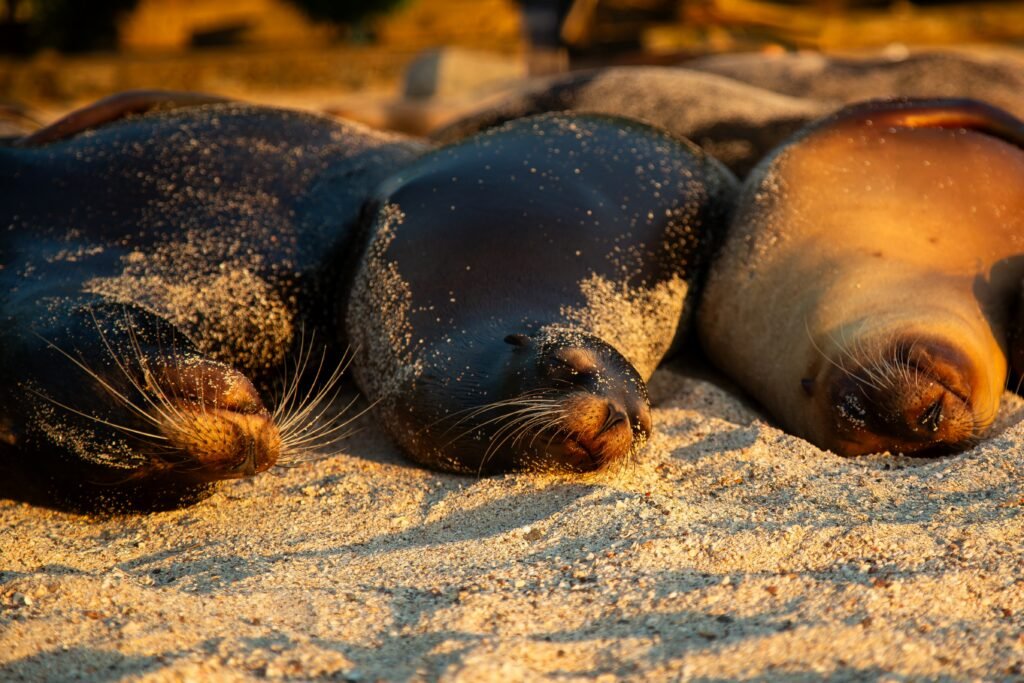
Situated roughly two kilometres southwest of the town centre, La Lobería is reachable via a pleasant thirty-minute walk or a quick five-minute taxi ride. This coral-sand cove is home to a large nursery colony of Galápagos sea lions. Visitors can watch mothers nursing pups on the shore and subadults tumbling through the surf.
Following the rocky lava trail past the main beach leads to dramatic ocean cliffs where blue-footed boobies, swallow-tailed gulls, and frigatebirds nest along the precipice. Exercise caution when walking along the uneven volcanic rocks, and wear sturdy footwear.
Explore the highlands and southeastern coast
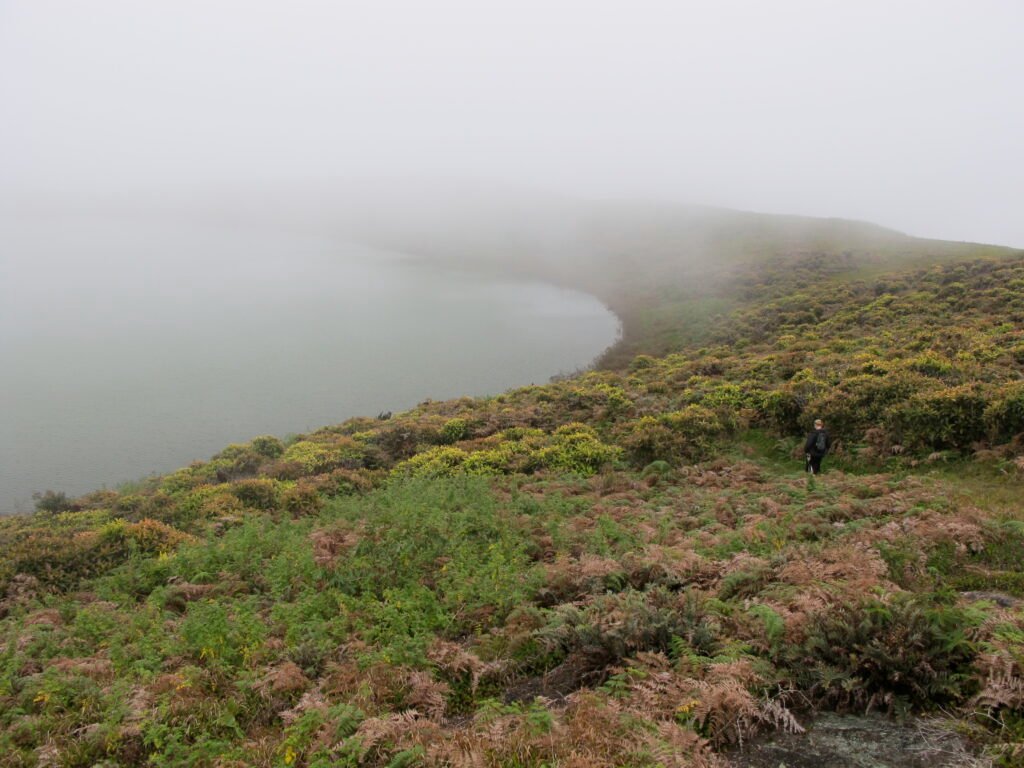
While the coastal areas of San Cristóbal feature arid brush and volcanic lava fields, the interior highlands offer lush, green landscapes and cool mountain air. Hiring a local pickup truck taxi for a half-day or renting a sturdy bicycle allows independent travellers to explore the interior at their own pace.
El Progreso
Located eight kilometres inland from the port, El Progreso is the oldest continuously inhabited agricultural settlement in the Galápagos. Founded in the late 19th century as a sugar plantation colony, it offers a glimpse into local highland agricultural life, far removed from the tourist waterfront.
Laguna El Junco
Further up into the highlands lies Laguna El Junco, a freshwater crater lake resting at an altitude of approximately 700 metres above sea level. It is one of the few permanent freshwater bodies in the entire archipelago. A wooden staircase climbs from the parking area to the crater rim, where sweeping views open up over the misty highland landscape. Frigatebirds frequently dive into the freshwater lake to rinse sea salt from their feathers.
Galapaguera de Cerro Colorado
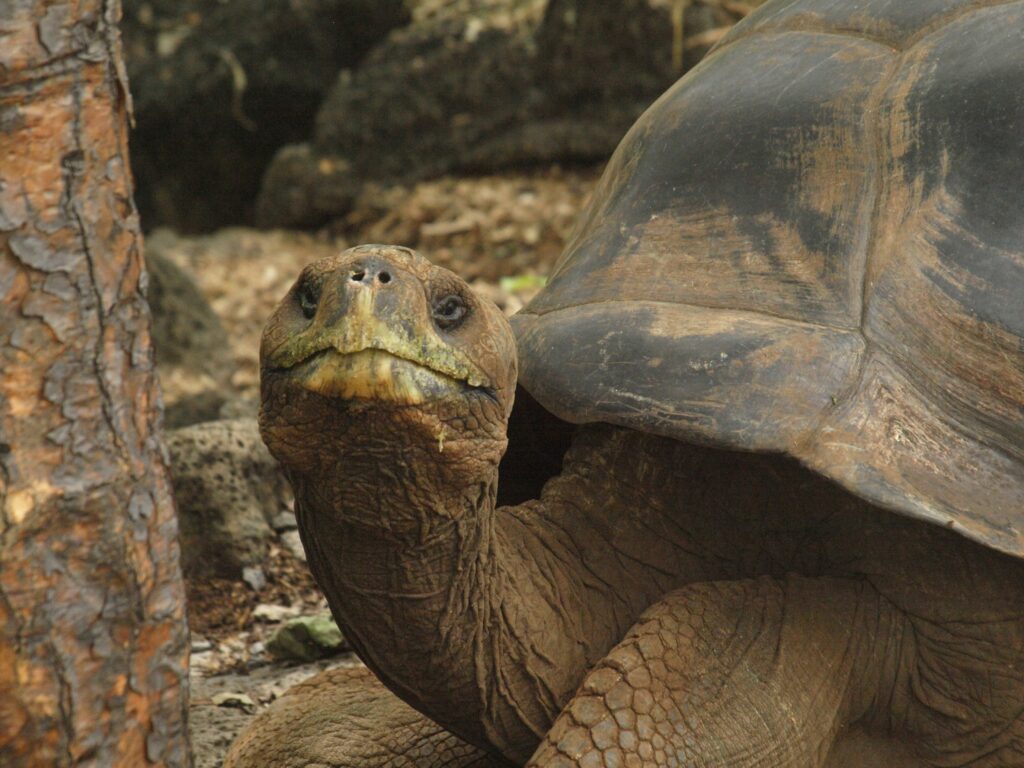
Located on the eastern side of the island road, Galapaguera de Cerro Colorado is a semi-natural breeding and habitat centre established by the Galápagos National Park to protect and restore the endemic San Cristóbal giant tortoise population.
Visitors walk along peaceful forest trails where full-grown giant tortoises roam freely through indigenous vegetation, while nursery enclosures showcase hatchlings and young tortoises being raised for wild reintroduction. Admission is free, and informative signs explain the breeding programme.
Puerto Chino
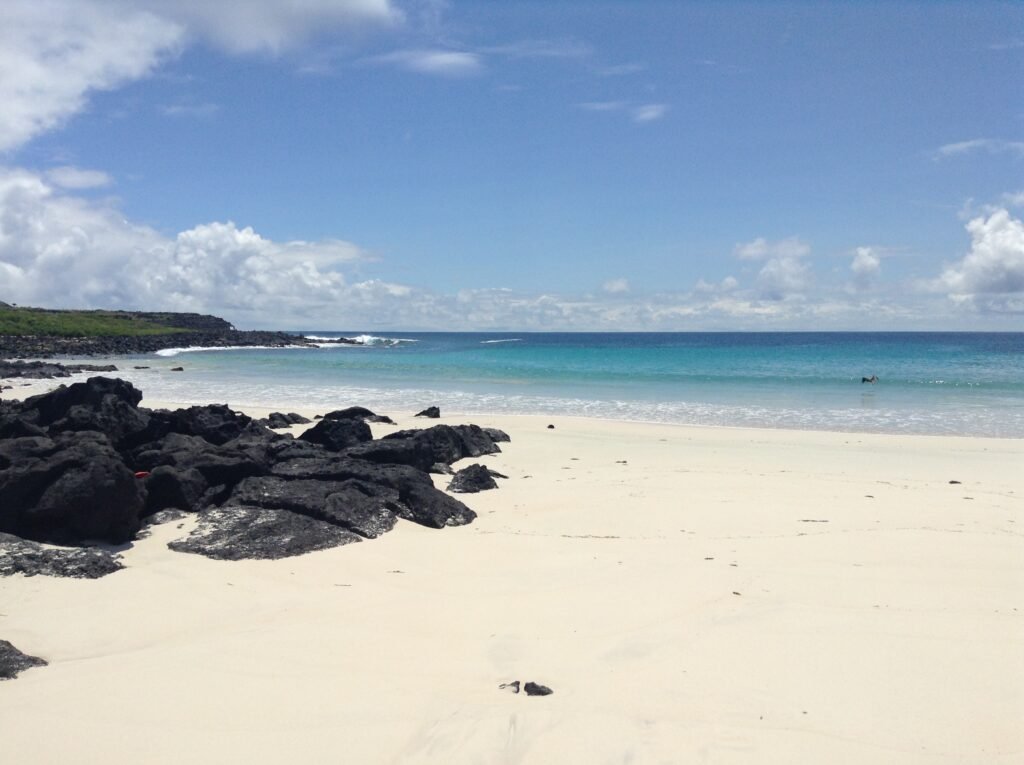
The highland road terminates at Puerto Chino, a secluded white-sand cove on the southeastern coast of the island. Reached via a fifteen-minute walk along a paved foot trail through cactus forests, Puerto Chino features gentle turquoise waves, fine sand, and quiet surroundings. It is an exceptional spot for swimming, picnicking, and observing shorebirds away from urban crowds.
The Ecuadorian Amazon.
The most biodiverse place in the world
Local dining / Authentic island flavours without chains
San Cristóbal has preserved a distinctly local food culture, free from global fast-food chains or large commercial franchises. Eating well on the island involves seeking out family-owned eateries, fresh seafood spots, and neighbourhood bakeries located a block or two back from the main waterfront strip.
El Descanso Marinero
Situated near Playa Mann, this family-operated establishment is famous for its eclectic maritime decor, welcoming atmosphere, and generous portions of local seafood. Signature dishes include fresh fish ceviche, encocado (seafood simmered in coconut sauce), and locally caught brujo (red scorpionfish), served alongside plantains and rice.
Restaurante Lucky
Located slightly inland from the main harbour, this unpretentious local restaurant is a favourite for affordable, traditional lunches. Their daily set menu (almuerzo ejecutivo) costs around 5 USD and includes a hearty soup, a main course of grilled meat or fresh fish with rice and menestra (stewed lentils or beans), and fresh fruit juice.
Sea Garden Café
Occupying a prime waterfront position along the harbour boardwalk, Sea Garden Café offers an elevated terrace ideal for watching sea lions while enjoying a coffee or cold Ecuadorian craft beer at sunset.
Midori Galápagos
For travellers seeking high-quality Japanese-Ecuadorian fusion, Midori serves exceptional artisanal sushi and tuna tartare using fresh fish caught daily by local island fishermen.
Panadería Sabor Cuencano
A beloved local bakery offering fresh morning bread, cheese empanadas, pastry rolls, and inexpensive coffee. It is a perfect spot to buy baked goods and snacks before setting out on day trips or long coastal walks.
Avoiding common first-timer mistakes
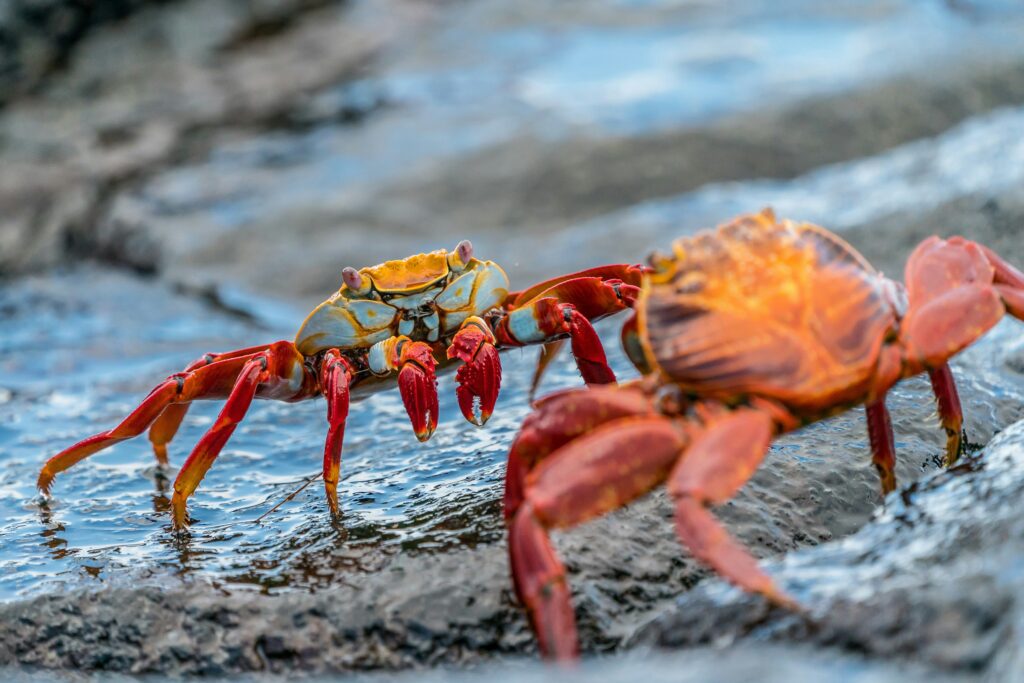
To ensure your independent journey to San Cristóbal is as smooth as possible, keep these common first-timer oversights in mind:
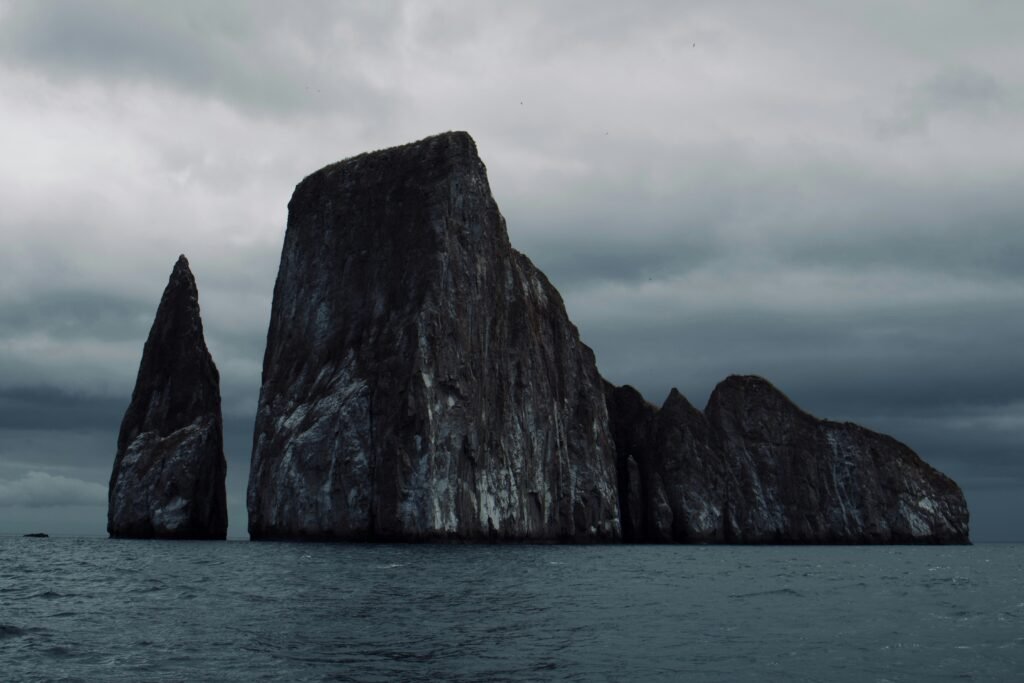
- Overbooking Tours in Advance: Many visitors assume they must book guided tours for every single day. On San Cristóbal, walking trails, municipal beaches, interpretation centres, and tortoise reserves are completely free and self-guided. Save tour bookings for specialised boat trips like Roca León Dormido (Kicker Rock) or Isla Española day tours
- Underestimating Sun Severity: Due to the equatorial position, UV exposure is extreme even on cloudy days. Sunburn can ruin a trip in a matter of hours. Wear sun hats, light long sleeves, and apply reef-safe sunscreen early and often
- Relying on Credit Cards and Digital Payments: Mobile signals can be variable, and internet connectivity across the island is often slow. Always carry sufficient physical cash in small US dollar denominations (1, 5, 10, and 20 USD notes)
- Disturbing Wildlife for Photos: Attempting to take close-up selfies with sea lions or marine iguanas violates national park rules and risks provoking defensive behaviour from territorial adult males. Always use a telephoto zoom lens or crop your photos rather than stepping inside the two-metre boundary
The Ecuadorian Coast.
Where you’ll find the very best food
The freedom of the eastern frontier
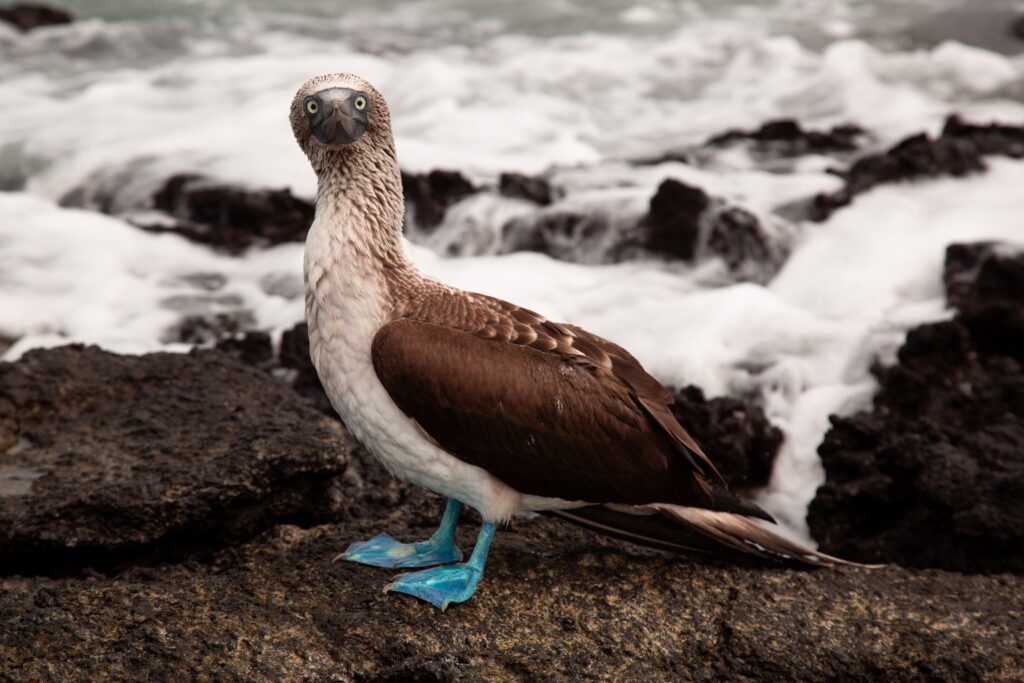
San Cristóbal proves that experiencing the natural wonders of the Galápagos does not require locking yourself into an organised tour bus or an expensive, rigid cruise itinerary. By taking control of your own schedule, stepping onto the coastal trails on foot, or pedalling into the misty highlands, you discover an island rhythm that most group tourists completely miss.
The true magic of Puerto Baquerizo Moreno lies in its unhurried pace and seamless coexistence with nature. Sitting along the harbour wall as the sun dips below the Pacific, watching sea lions claim their evening spots on public benches, offers a grounded perspective on island life. It is a reminder that the best travel moments often happen during the quiet pauses between destinations.
As long as you respect the strict biosecurity measures, honour the two-metre wildlife rule, and carry enough cash to support local family-run businesses, San Cristóbal rewards independent wanderers generously. Pack light, keep your eyes on the coastline, and let the island unfold at its own deliberate speed.
Affiliate Disclaimer: Some of the links on Wheely Tyred are affiliate links. If you click through and make a booking or purchase, we may earn a small commission at no extra cost to you. We only recommend gear, tours, stays, and services we genuinely use, trust, and stand behind — our editorial independence always comes first. These commissions help keep our independent cycling guides and travel stories free to read. Thanks for supporting the ride!
Frequently asked questions about visiting San Cristóbal
Not at all. Many of the island’s finest wildlife spots—such as Muelle Tijeretas, Playa Punta Carola, and La Lobería—are completely free and reachable on foot or via a quick taxi ride. You can swim alongside sea lions, spot blue-footed boobies, and observe marine iguanas entirely on your own schedule. Guided boat tours are only necessary for specialised offshore locations like Kicker Rock (Roca León Dormido) or Isla Española.
Cash is essential. The $200 USD National Park entry fee at San Cristóbal Airport must be paid strictly in physical cash, as must water taxis, local pickup trucks, street food stalls, and bakeries. Card terminals are unreliable across the island, and ATMs frequently run out of bills. Bring sufficient USD in small, undamaged notes ($5, $10, and $20 bills) from mainland Ecuador.
Within Puerto Baquerizo Moreno, walking is the easiest way to navigate. To explore the highlands, Laguna El Junco, Galapaguera, and Puerto Chino, you can easily hire a local white pickup truck taxi for a half-day or rent a bicycle in town to tackle the inland climbs at your own pace.
It depends on the season. During the warm season (December to May), water temperatures are comfortable for swimming in standard swimwear. However, during the cool garúa season (June to November), ocean temperatures drop significantly (often dipping to 18°C or lower), making a 3mm shorty or full wetsuit essential for extended snorkelling sessions without getting chilled.
The Galápagos ecosystem is protected by strict biosecurity laws. You must acquire a Transit Control Card ($20 USD) at the airport in Quito or Guayaquil and pass a thorough luggage inspection managed by the ABG. Fresh fruit, seeds, soil, unsealed food items, and organic materials are strictly prohibited to prevent introducing invasive species to the archipelago.
San Cristóbal avoids global chains in favour of family-owned eateries and fresh seafood spots. Venture a block or two back from the main harbour strip to find affordable daily set lunches (almuerzos ejecutivos) for around $5 USD, or head to local establishments near Playa Mann for fresh ceviche and locally caught brujo (red scorpionfish).
Ecuador.
Pure wonder on the equator.