The essential guide to San Cristóbal / Top sights and attractions in the Galápagos
A comprehensive travel guide to the most famous landmarks and natural wonders on San Cristóbal Island
Untamed archipelago wonders, volcanic highlands, and deep ocean encounters
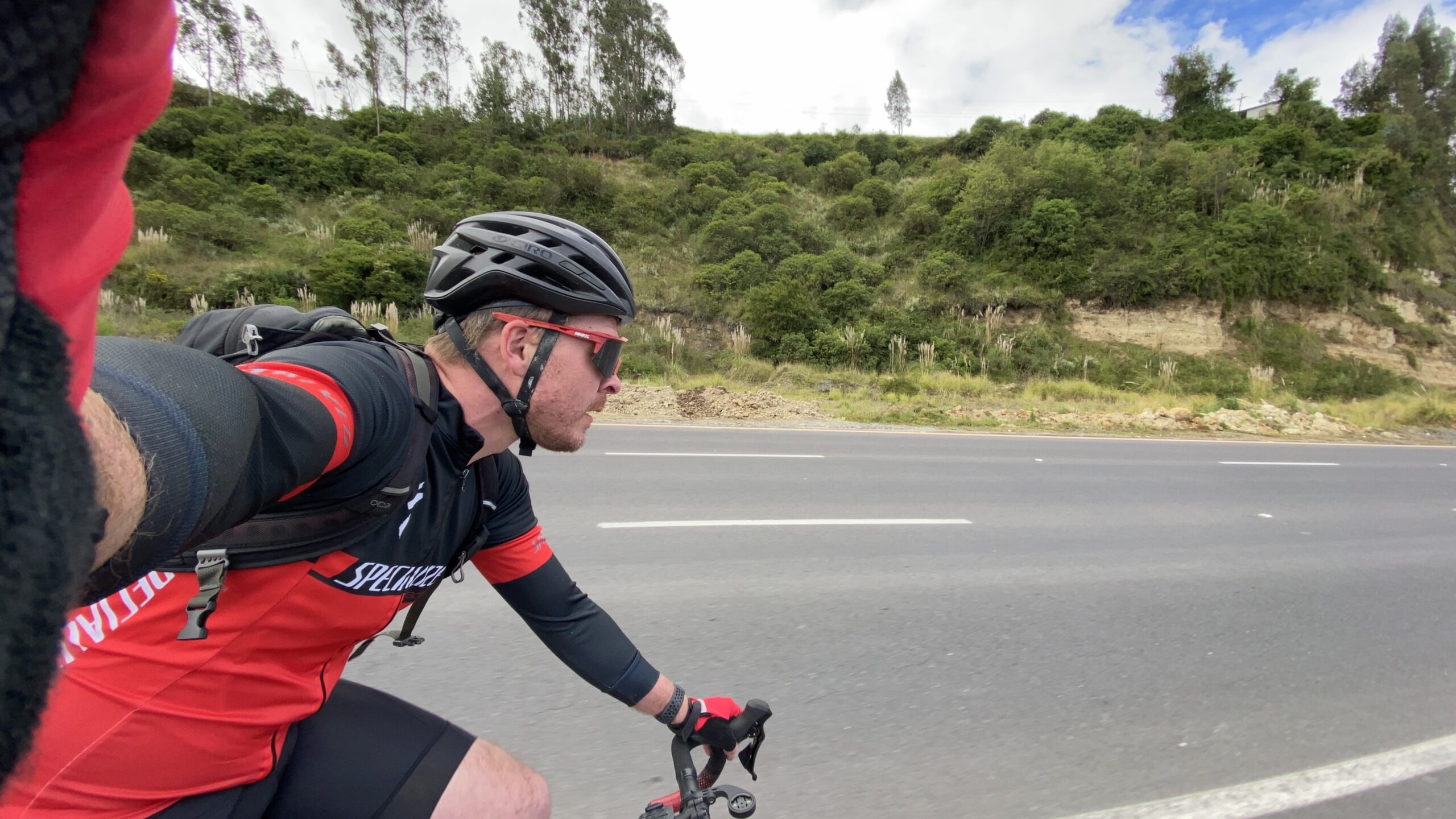
BEN FINCH
San Cristóbal sits at the easternmost edge of the Galápagos Archipelago, serving as both the administrative capital of the province and one of its most geographically diverse islands.
Unlike destinations defined by rigid tour itineraries and crowded shuttle schedules, San Cristóbal rewards those who value independence. Here, volcanic landforms meet coastal inlets teeming with wildlife, allowing visitors to set their own rhythm between marine exploration and highland discovery.
Whether arriving to observe endemic species, study the complex human history of the archipelago, or soak up the relaxed coastal atmosphere of Puerto Baquerizo Moreno, understanding the major attractions on San Cristóbal is essential for any thoughtful itinerary. Below are the six definitive, can’t-miss sights across the island.
Key discoveries on San Cristóbal
San Cristóbal pairs raw volcanic landscapes with rich marine sanctuaries and unhurried coastal charm. This concise snapshot highlights the essential stops and logistical focal points for independent travellers exploring the island.
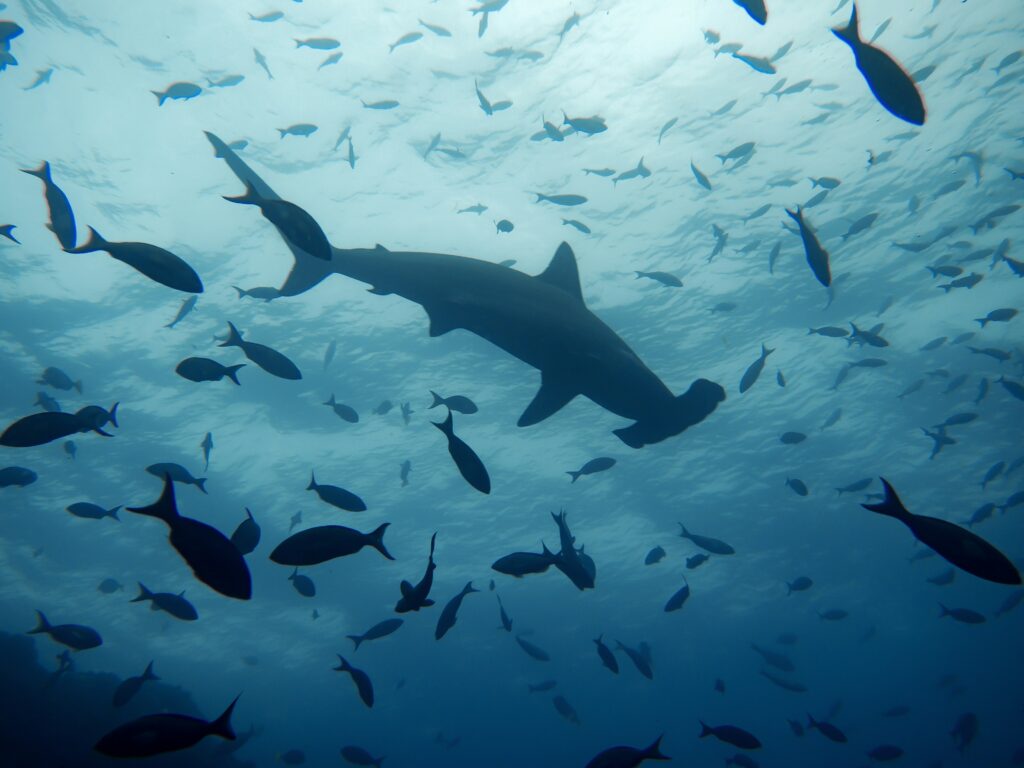
- León Dormido: A dramatic volcanic sea stack rising nearly 150 metres out of the ocean, renowned for deep-water snorkelling alongside Galápagos sharks, hammerheads, and spotted eagle rays
- Cerro Tijeretas: Panoramic cliffside lookouts overlooking frigatebird nesting colonies, paired with a quiet timber staircase leading down to a sheltered snorkelling cove
- Centro de Interpretación Ambiental: An essential educational stop on the edge of Puerto Baquerizo Moreno detailing archipelago geology, human settlement, and ongoing conservation efforts
- Laguna El Junco: The only permanent freshwater lake in the Galápagos Archipelago, nested inside an ancient volcanic crater high in the misty highlands
- Galapaguera de Cerro Colorado: A semi-wild breeding reserve where giant tortoises roam freely through protected highland vegetation and semi-arid terrain
- La Lobería: A rugged coastline of white coral sand and dark basalt, home to an active sea lion nursery and marine iguanas
- Highland Saddle: A rewarding 20-kilometre inland route connecting Puerto Baquerizo Moreno to Puerto Chino via El Progreso, perfect for self-guided exploration on two wheels
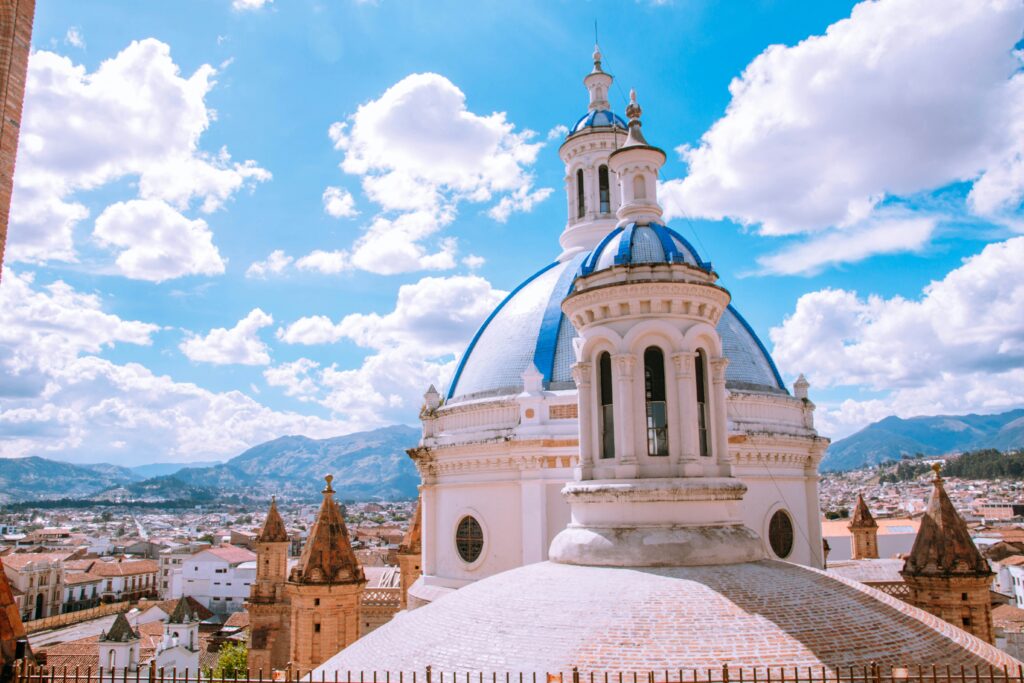
San Cristóbal.
Laid-back in the Galápagos
León Dormido / Kicker Rock
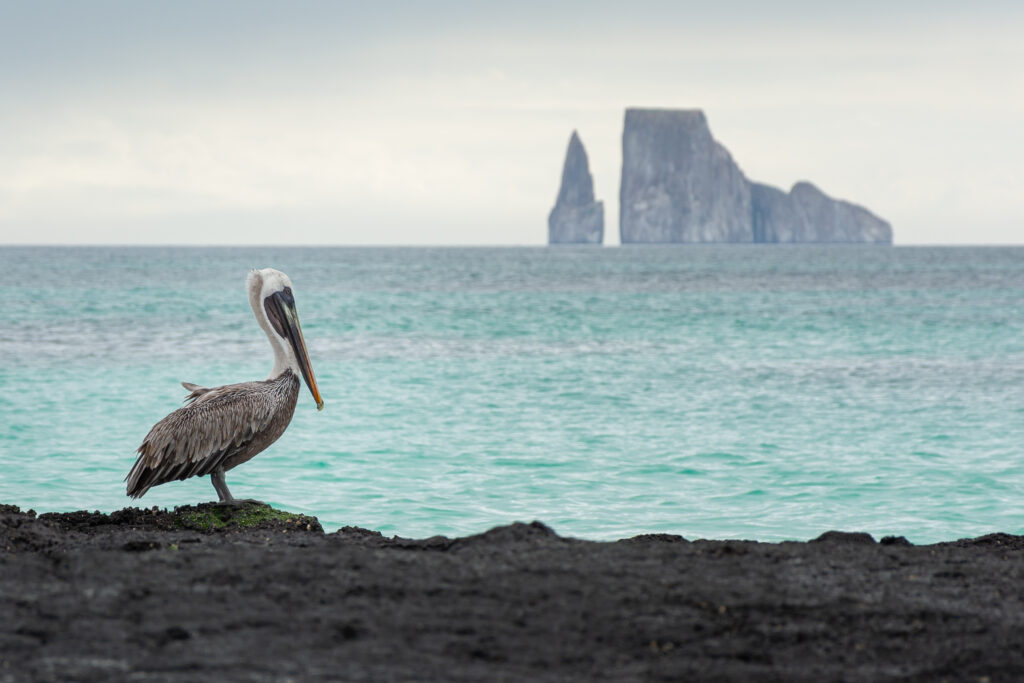
Rising nearly 150 metres out of the Pacific Ocean roughly four miles off the northwestern coast of San Cristóbal, León Dormido is one of the most recognised sea stack formations in South America. Named for its resemblance to a sleeping lion when viewed from a distance, this vertical remnant of an eroded volcanic cone acts as an oceanic oasis in open water.
The vertical cliffs of León Dormido create an exceptionally rich underwater environment where cold ocean currents converge. Below the surface, a deep natural channel cuts through the rock formation, providing a sheltered corridor for marine life. Snorkellers and scuba divers frequently encounter Galápagos sharks, hammerheads, spotted eagle rays, green sea turtles, and massive shoals of fish drifting through the sapphire water.
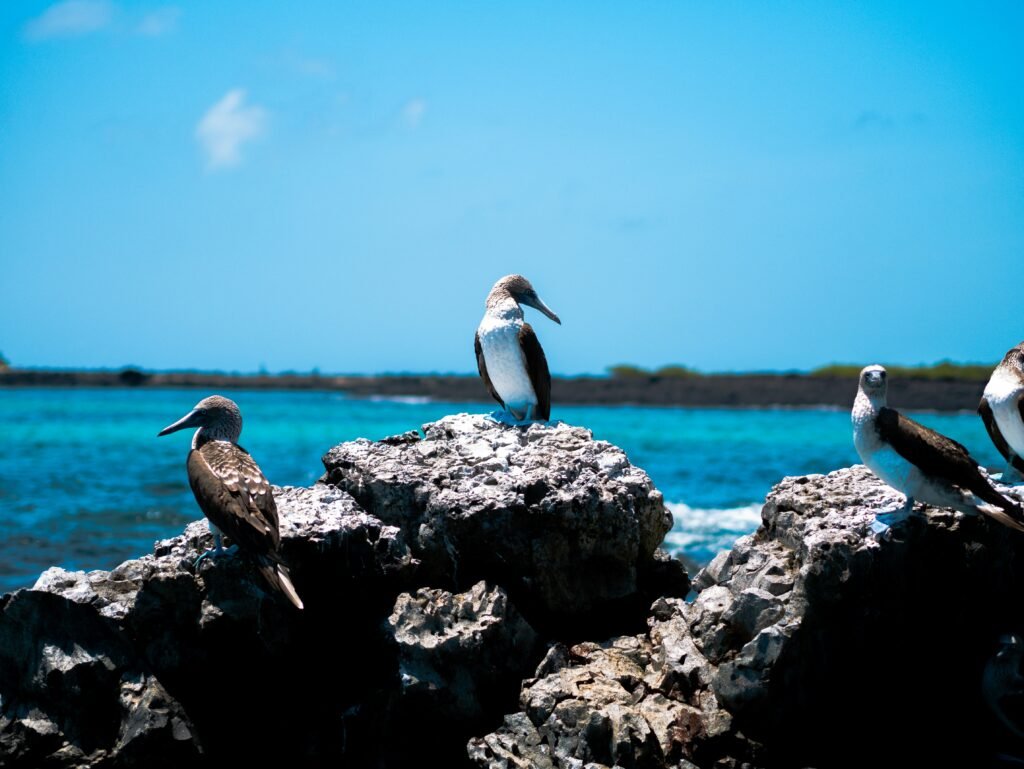
Above the water line, the sheer cliffs offer critical nesting ledges for seabird colonies, including Nazca boobies, blue-footed boobies, and frigatebirds. While landing on the rock itself is prohibited to protect fragile ecosystems, navigating the marine channel by boat or diving beneath its dramatic shadowed walls remains the premier ocean experience on San Cristóbal.
Cerro Tijeretas / Frigatebird Hill
Located a comfortable walk from the northern edge of Puerto Baquerizo Moreno, Cerro Tijeretas offers panoramic vistas over Shipwreck Bay and the open Pacific. The site takes its local name from the frigatebirds—known locally as tijeretas due to their scissor-like tail feathers—that nest in the dry, scrubby canopy covering the hillside.
A well-maintained trail weaves through endemic cacti and lava rock formations, leading to multiple timber lookout platforms perched along the cliff edge. From these vantage points, visitors can observe both magnificent frigatebirds and great frigatebirds soaring effortlessly on coastal thermal currents, often displaying their striking crimson throat pouches during courtship periods.
Directly below the high lookout lies Muelle Tijeretas, a secluded, crystal-clear cove reached by a wooden staircase. The calm, protected water makes it one of the finest spots on the island for independent snorkelling.
Swimming alongside inquisitive juvenile sea lions, marine iguanas feeding on submerged algae, and sea turtles cruising the shallow bay requires no organised tour guide—simply a mask, fins, and a respect for local marine boundaries.
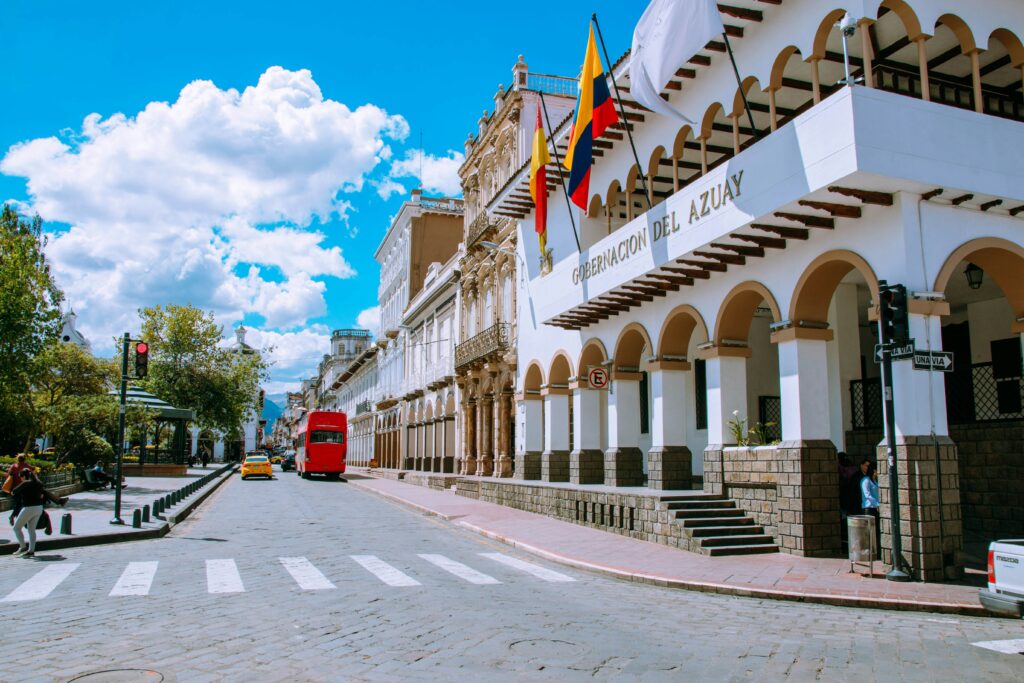
The Galápagos.
Ecuador’s Enchanted Isles
Centro de Interpretación Ambiental Gianni Arismendy
To fully grasp the delicate balance between human settlement and natural conservation in the Galápagos, a visit to the Centro de Interpretación Ambiental Gianni Arismendy is indispensable. Situated on the outskirts of Puerto Baquerizo Moreno, this modern educational centre provides an immersive historical context that enriches every subsequent trek or marine outing across the island.
The centre features a series of open-air wooden boardwalks connecting curated exhibition halls. The displays cover three primary themes: the volcanic origin of the archipelago and its oceanographic currents, the human history of settlement and early exploitation, and ongoing conservation challenges managed by the Galápagos National Park.
Engaging exhibits highlight early historical visits by figures such as Charles Darwin, early penal colony attempts, and modern efforts to eradicate invasive species while protecting native flora and fauna.
Spending an hour or two reading through the bilingual educational panels equips visitors with a deeper respect for the fragile ecology underfoot, transforming simple sightseeing into a thoughtful cultural and scientific journey.
Laguna El Junco
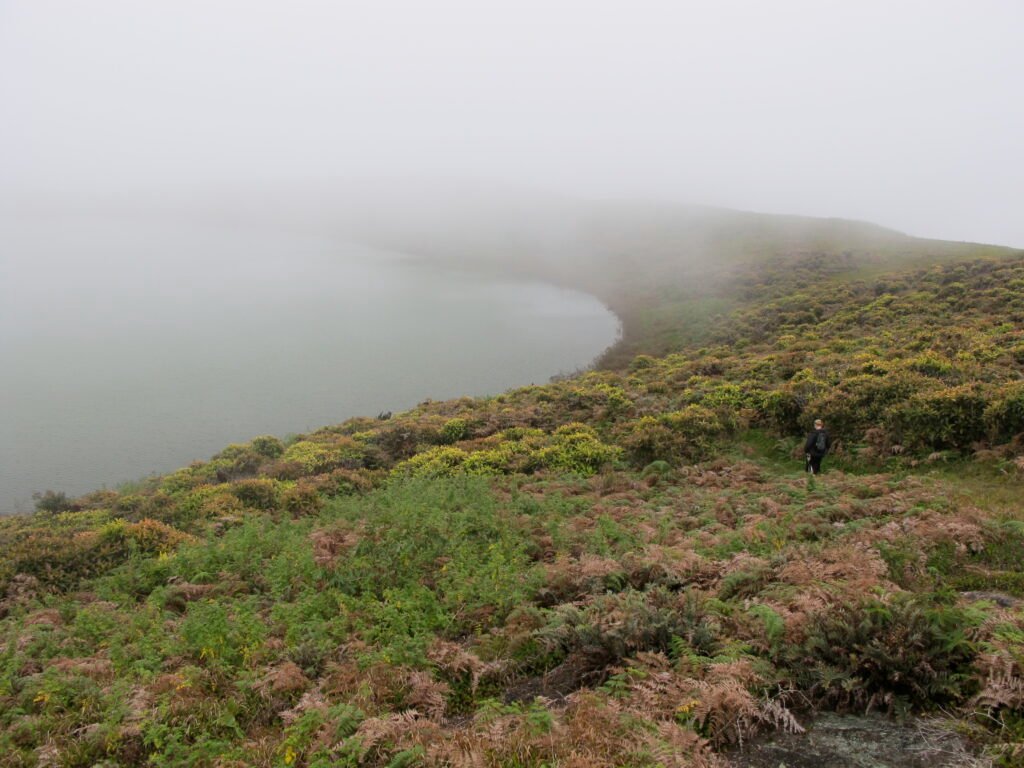
Perched high in the humid central highlands of San Cristóbal at an elevation of roughly 700 metres, Laguna El Junco holds a singular geographical distinction: it is the only permanent freshwater lake in the entire Galápagos Archipelago. Occupying an ancient caldera formed by a dormant volcano, this bowl-shaped crater lake collects moisture from the dense highland mists known as garúa.
Reaching the rim of the crater involves ascending a wooden stairway that climbs through lush, wind-swept highland vegetation. Upon reaching the crest, visitors are treated to stunning views of the freshwater lake surrounded by deep green crater walls, often with dramatic sea views unfolding in the distance when the clouds clear.
Laguna El Junco plays a vital ecological role for the island’s bird population. It serves as a freshwater washing basin for frigatebirds, which plunge into the calm water to rinse salt from their feathers after long days of oceanic hunting.
Watching dozens of frigatebirds sweep down in precise, synchronised dives against the misty backdrop of the caldera rim is one of the quietest yet most breathtaking wildlife spectacles on the island.
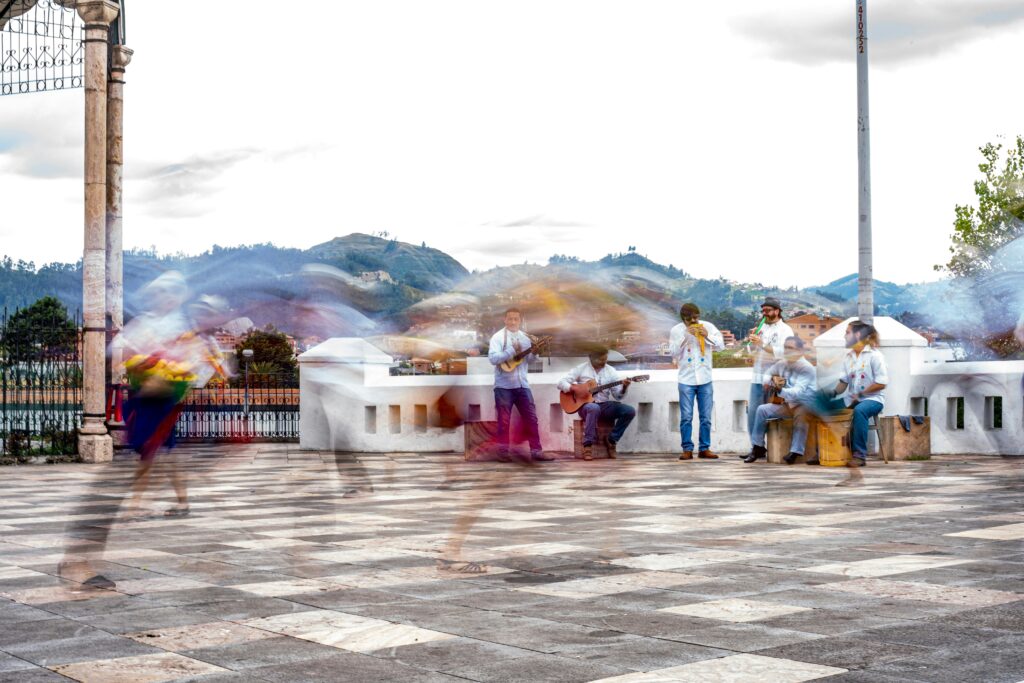
The Ecuadorian Sierra.
Get lost in the hills
Galapaguera de Cerro Colorado
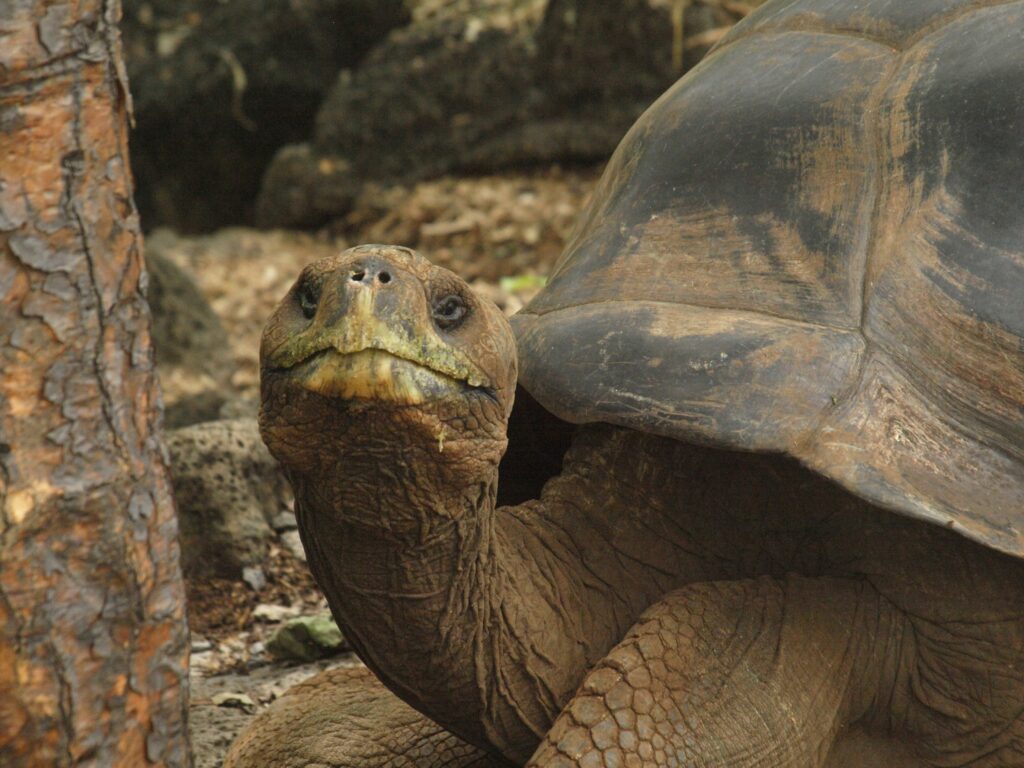
While many travellers associate giant tortoises primarily with Santa Cruz Island, San Cristóbal hosts its own vital sanctuary dedicated to the preservation of its native giant tortoise population (Chelonoidis chathamensis).
Located near Cerro Colorado in the south-eastern portion of the island, the Galapaguera de Cerro Colorado functions as both a natural reserve and a successful breeding facility.
The centre was established to rescue endemic tortoise populations whose wild nests faced severe threats from introduced predators. Here, visitors can walk along stone pathways winding through natural semi-arid habitat, where adult giant tortoises move freely among native trees and lava rocks.
Unlike traditional zoo enclosures, the reserve allows tortoises to forage, rest in mud pools, and interact in conditions that closely mirror wild wilderness areas. Dedicated nursery areas display hatchlings and juvenile tortoises at various growth stages before they are reintroduced into their natural ranges.
Visiting the reserve offers a rare, up-close look at conservation science in action while ensuring minimal disturbance to these ancient reptiles.
La Lobería
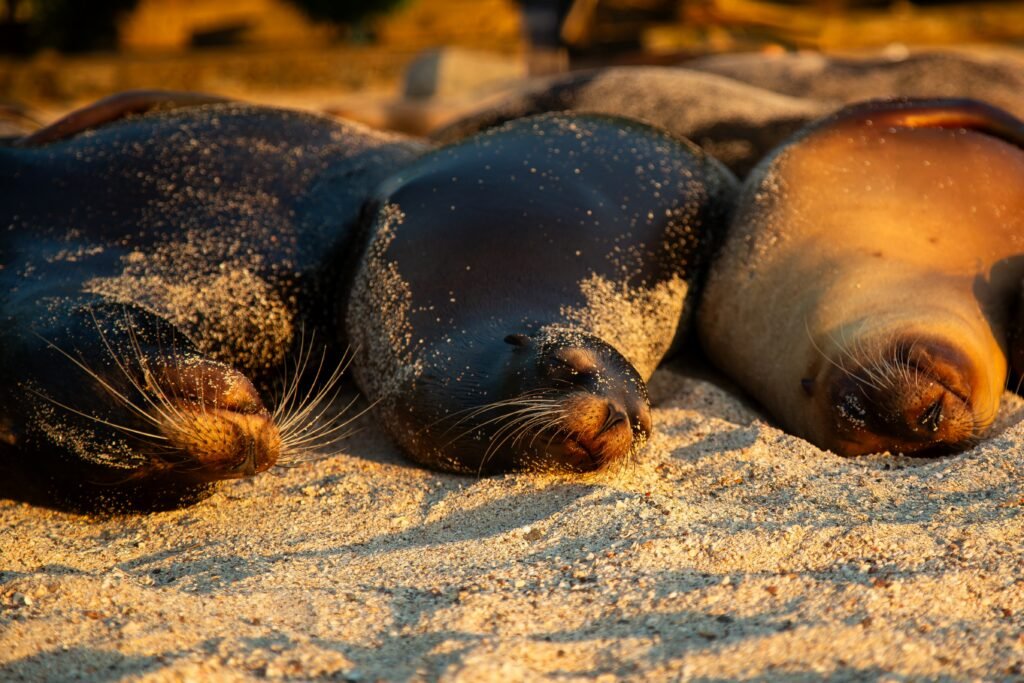
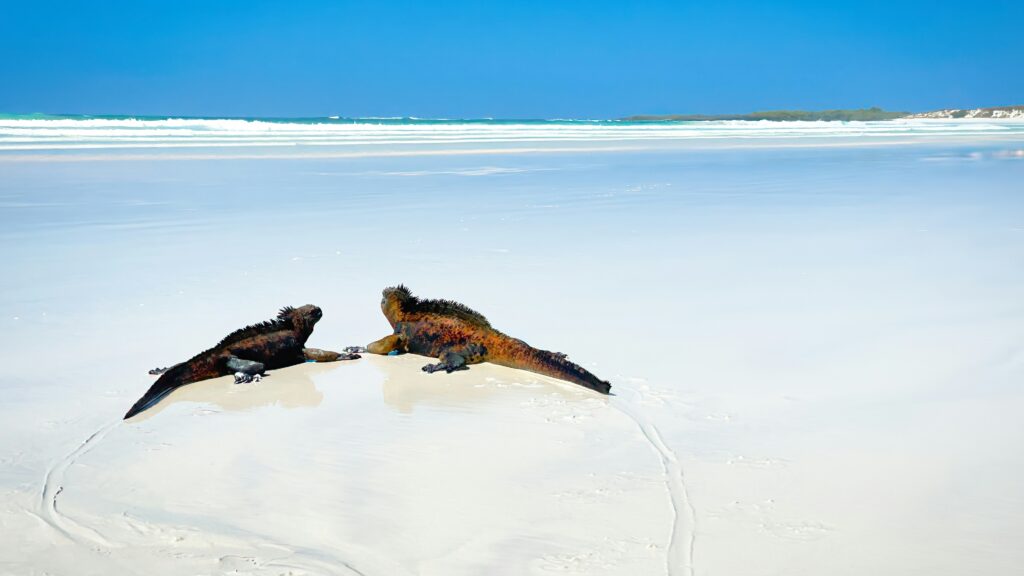
Positioned just south-west of the main port town, La Lobería is a crescent-shaped bay named for its large, resident colony of Galápagos sea lions (Zalophus wollebaeki). The beach combines brilliant white coral sand with dark volcanic basalt, creating a dramatic coastal landscape that showcases the island’s rugged beauty.
The shoreline is constantly alive with activity. Sea lion pups tumble in the shallow waves, adult females bask on the warm sand, and dominant bulls patrol the shoreline. Further along the coastline, a rocky trail leads across basalt boulders where marine iguanas gather in dense clusters to absorb heat, and vibrant red rock crabs scuttle across the sea walls.
Continuing along the coastal trail leads to high cliff edges where Nazca boobies and swallow-tailed gulls nest above crashing waves. La Lobería is exceptionally accessible, making it an ideal destination for an afternoon walk or swim, offering endless opportunities to observe wild animals behaving naturally without barrier gates or restrictive crowds.
The Ecuadorian Amazon.
The most biodiverse place in the world
Explore further / Cycling and regional day trips
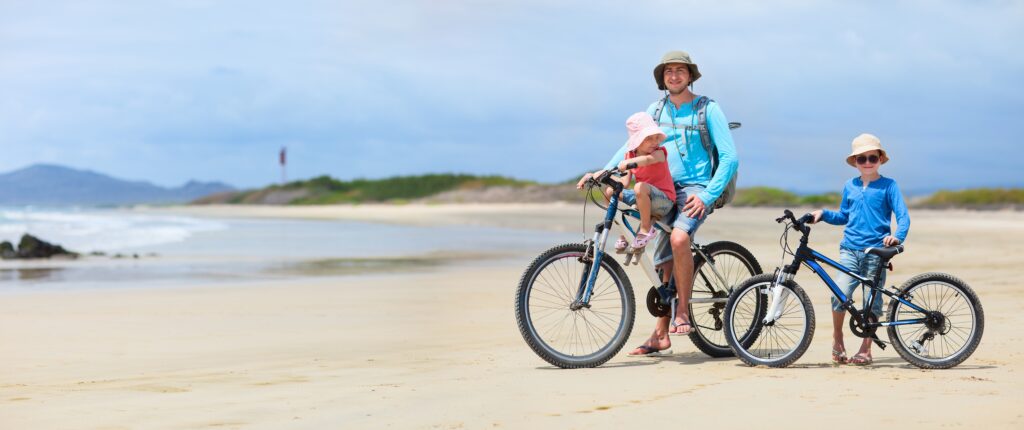
For those who travel with a bicycle or hire one locally upon arrival, San Cristóbal offers rewarding riding terrain that reveals the true character of the island beyond its immediate port area. Paved inland routes lead from Puerto Baquerizo Moreno up into the cool, lush highlands toward the quiet agricultural village of El Progreso, located approximately eight kilometres inland.
Strong legs can push further along the cross-island road to complete a scenic 20-kilometre ride across highland ridges down to the pristine white sands of Puerto Chino on the eastern coast, passing both Laguna El Junco and the Galapaguera de Cerro Colorado along the way.
Closer to town, smooth coastal roads provide quick, enjoyable rides down to La Lobería (roughly three kilometres) or out toward the trailhead at Cerro Tijeretas.
For broader regional exploration beyond the main island, local boat excursions depart from the harbour for exceptional day trips to Isla Lobos to snorkel with sea lion pups, Punta Pitt to spot all three species of boobies nesting together, or the remote, uninhabited shores of Isla Española to witness the magnificent breeding colonies of the waved albatross.
The Ecuadorian Coast.
Where you’ll find the very best food
Chart your own rhythm on San Cristóbal
San Cristóbal stands out within the Galápagos Archipelago as a place where nature and local life exist at a gentler, more authentic tempo. While other islands cater heavily to fast-paced package tours and rigid group schedules, San Cristóbal offers genuine room to breathe. Taking time to navigate its coastal trails, volcanic highlands, and quiet harbourfront yields a far richer connection with the environment than any whistle-stop boat excursion could ever manage.
Travelling under your own power—whether walking along the basalt headlands of La Lobería or tackling the steady incline up to El Progreso on a bicycle—opens up nuanced perspectives on the island. The sudden shift in climate as you ascend from sun-baked coastal beaches into the misty highland forests surrounding Laguna El Junco demonstrates the astonishing ecological variety contained within a single landmass.
By choosing self-guided paths, supporting local family-run establishments in Puerto Baquerizo Moreno, and respecting the strict conservation boundaries of the Galápagos National Park, independent visitors contribute to a far more sustainable model of tourism. The reward is an unforgettable encounter with an island that feels wild, welcoming, and endlessly fascinating.
Affiliate Disclaimer: Some of the links on Wheely Tyred are affiliate links. If you click through and make a booking or purchase, we may earn a small commission at no extra cost to you. We only recommend gear, tours, stays, and services we genuinely use, trust, and stand behind — our editorial independence always comes first. These commissions help keep our independent cycling guides and travel stories free to read. Thanks for supporting the ride!
Frequently asked questions about the top attractions on San Cristóbal
The main town of Puerto Baquerizo Moreno is highly walkable, with major sights like Cerro Tijeretas, the Centro de Interpretación, and La Lobería easily reached on foot. For destinations further afield, such as El Progreso, Laguna El Junco, and Puerto Chino, hiring a bicycle or flagging down a local white pickup truck taxi are the most convenient independent transport options.
San Cristóbal has two distinct seasons. The warm, wet season from December to May brings clearer skies, warmer ocean temperatures ideal for snorkelling, and calm seas. The cool, dry garúa season from June to November brings misty highland drizzle, cooler water temperatures that attract richer marine wildlife, and comfortable riding weather across the island.
No. While offshore marine sites like León Dormido and restricted wilderness zones require a licensed Galápagos National Park guide, many of the finest spots on San Cristóbal—including La Lobería, Cerro Tijeretas, the Centro de Interpretación, and Laguna El Junco—can be visited completely independently without a guide or group.
Yes. Several local shops and tour operators along the main waterfront road in Puerto Baquerizo Moreno rent sturdy mountain bikes by the hour or by the day. These are well-suited for tackling the paved highland climb to El Progreso or riding out to coastal trailheads.
Ecuador uses the US dollar ($). While larger hotels and established restaurants accept major credit cards, cash is essential for small shops, bicycle hires, taxis, and independent eateries. Automated teller machines are available in Puerto Baquerizo Moreno, but carrying sufficient cash reserves from the mainland is strongly recommended.
Microclimates change rapidly on San Cristóbal. When heading inland toward Laguna El Junco or Puerto Chino, carry a light waterproof jacket to protect against highland mist, high-factor sun cream, plenty of drinking water, and sturdy footwear suitable for slippery wooden boardwalks and basalt rock paths.
Ecuador.
Pure wonder on the equator.