High-altitude high jinks / UFOs, alien lore, and alpine spirits in Parque Nacional Cajas
Parque Nacional Cajas UFO sightings / Alien stories, sky-watching, and páramo camping near Cuenca
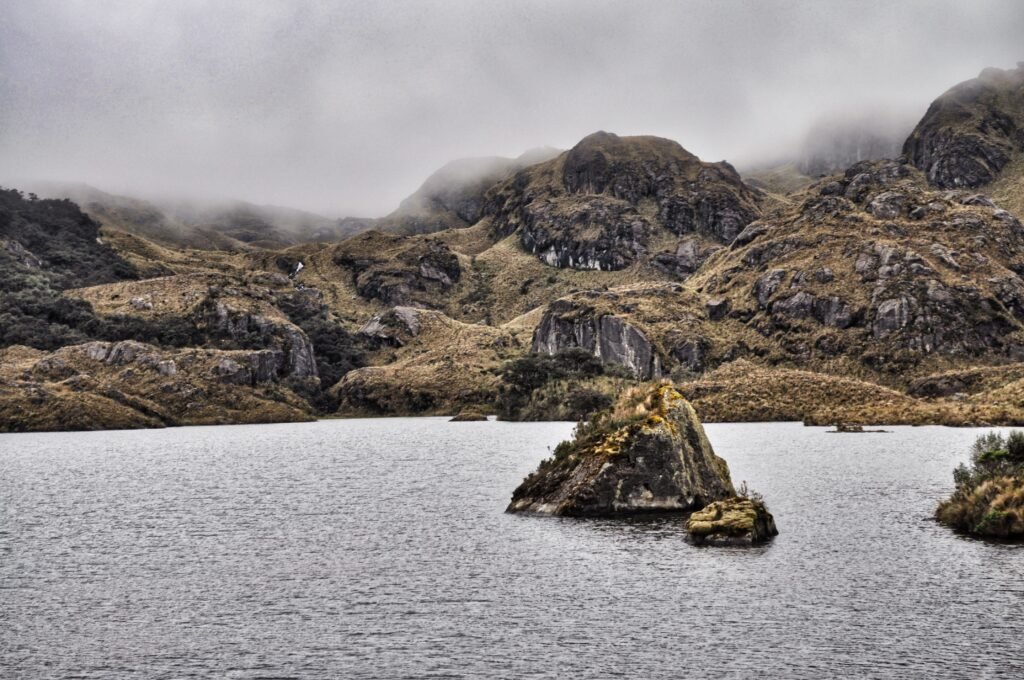
Misty peaks, phantom lights, and alpine lore in the Ecuadorian Andes
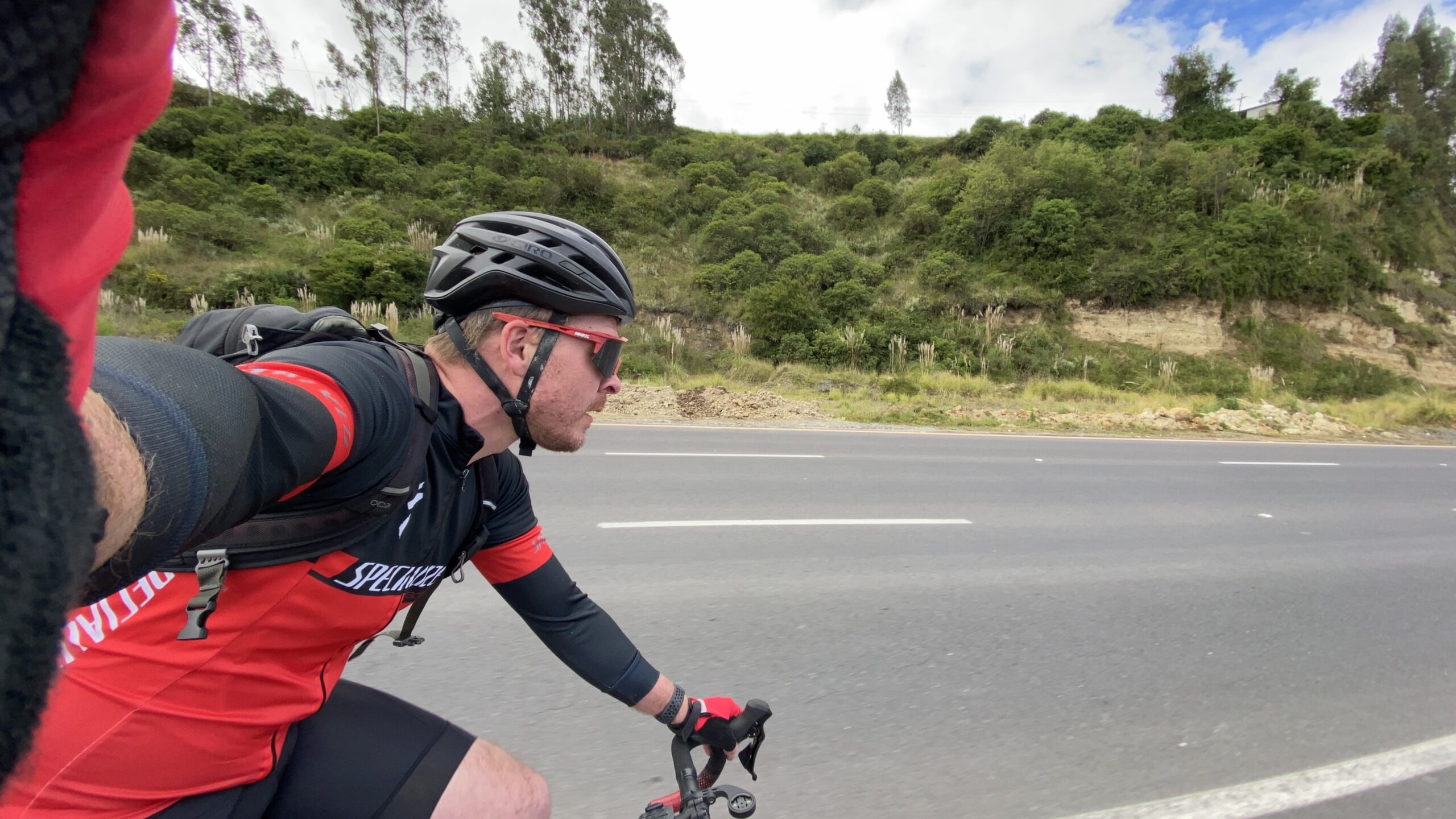
BEN FINCH
High in the southern Ecuadorian Andes, where the continental divide shifts into a labyrinth of jagged glaciated peaks, damp grasslands, and cloud-swirled valleys, lies Parque Nacional Cajas.
Located roughly 30 kilometres west of the colonial city of Cuenca, this protected expanse sits at altitudes ranging between 3,100 and 4,450 metres above sea level. It is a realm defined by its stark, wind-swept páramo ecosystem—a high-altitude tundra found exclusively in the northern Andes—and an astonishing network of more than 200 glacial lagunas.
For long-distance cyclists tackling the dramatic climbs of the Azuay province, independent trekkers navigating alpine passes, and curious road-trippers navigating the twisting highway towards the Pacific coast, Cajas offers an immersive wilderness experience.
Yet alongside its botanical significance and dramatic geology, Parque Nacional Cajas holds a distinct reputation: it is widely regarded as Ecuador’s primary hotspot for unidentified aerial phenomena (UFOs) and high-altitude sky-watching.
Why is Parque Nacional Cajas associated with UFOs?
Parque Nacional Cajas attracts UFO reports due to its extreme altitude above 4,000 metres, minimal light pollution, and unusual atmospheric conditions created by dense fog reflecting off hundreds of glacial lagunas. These physical factors intersect with centuries-old Andean oral traditions regarding celestial spirits and modern contactee accounts.
High-altitude essentials / Cajas at a glance
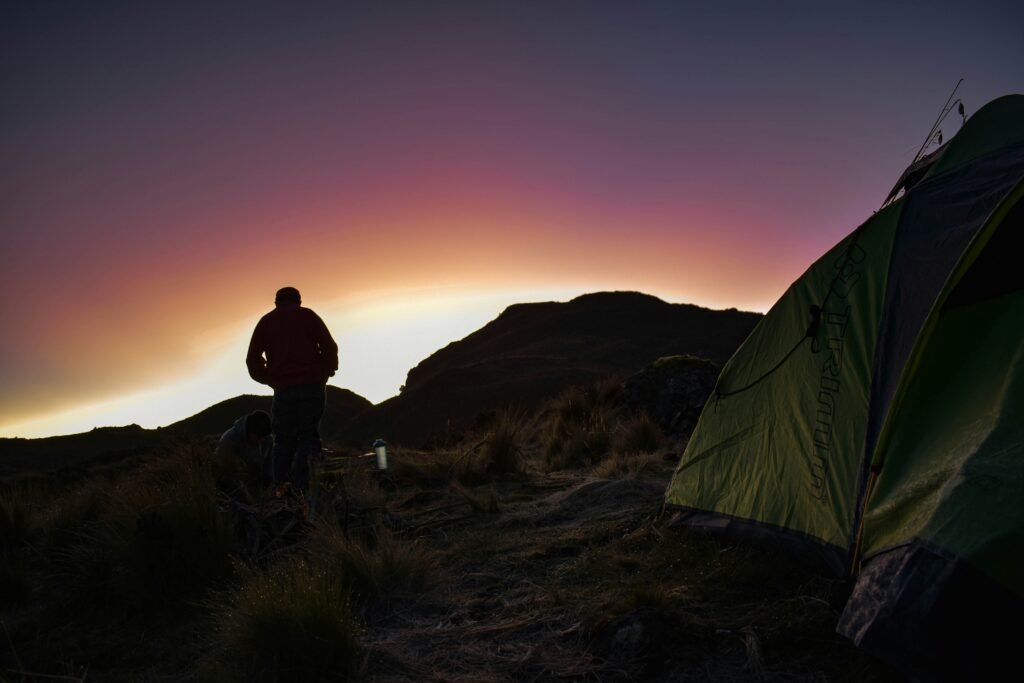
Whether you are grinding up the continental divide on two wheels or hunting for phantom lights by the lagunas, Cajas is an alpine wilderness like no other. Here is your quick-reference guide to southern Ecuador’s most mysterious high-altitude national park.
- The Setting: Parque Nacional Cajas lies just 30 kilometres west of Cuenca, covering over 28,000 hectares of high-altitude páramo tundra and more than 200 glacial lakes between 3,100 and 4,450 metres elevation
- The UFO Connection: Extreme altitude, zero light pollution, and sudden atmospheric garúa fog reflecting off glacial waters make Cajas Ecuador’s premier location for high-altitude sky-watching and light phenomena
- Local Folklore: Ancient Cañari and Inca sacred spaces (huacas) intersect with modern contactee accounts and the legend of the Guagua Grande—a tall humanoid entity said to inhabit the ravines
- The Epic Climb: The Tres Cruces Pass on the E582 highway tests long-distance cyclists with a 2,500-metre elevation gain over 35 kilometres, topping out at the continental divide at 4,160 metres
- Ancient Trails: The Laguna La Toreadora circuit links day-hikers and bikepackers to rare, high-elevation Polylepis paper-tree forests and preserved stone sections of the Qhapaq Ñan Inca highway
- Unforgiving Elements: Sub-zero night temperatures, waterlogged spongy terrain, and rapid cloud cover mean proper multi-layer waterproofs, thermal gear, and GPS navigation are mandatory
- Conservation Rules: Open fires are strictly banned across this protected RAMSAR wetland; campers must register at ranger stations and rely on multi-fuel camp stoves
Cajas National Park.
The most beautiful national park
4,000 metres up in Ecuador’s cloudiest playground
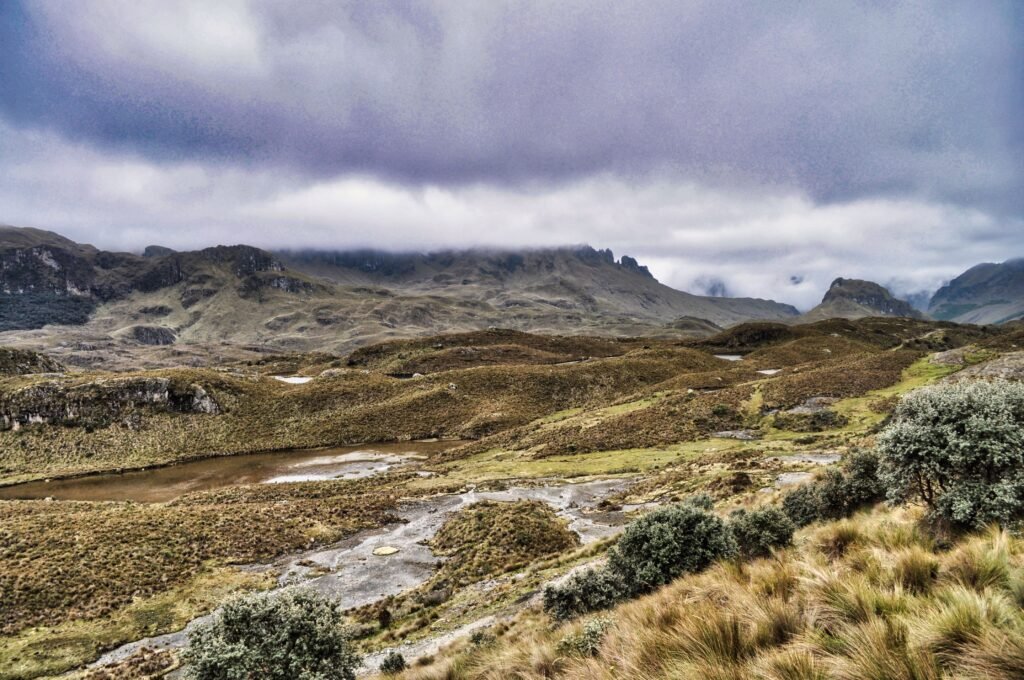
Navigating through Parque Nacional Cajas often feels less like an alpine hike and more like wandering through a giant, wet cloudscape. Thick banks of fog—known locally as garúa—roll over the exposed ridges without warning, swallowing mountain peaks whole and turning the spongy tundra into a quiet, monochromatic landscape.
The weather here changes its mind faster than a cyclist on a steep incline. Warm, moist air rising from the Pacific basin collides head-on with frigid mountain currents coming off the high Andes. The result? Rapid condensation, sudden rain squalls, shivering temperatures, and bizarre optical tricks where sunlight hits mist and glacial water all at once.
Thin air, dark skies, and ancient stargazers
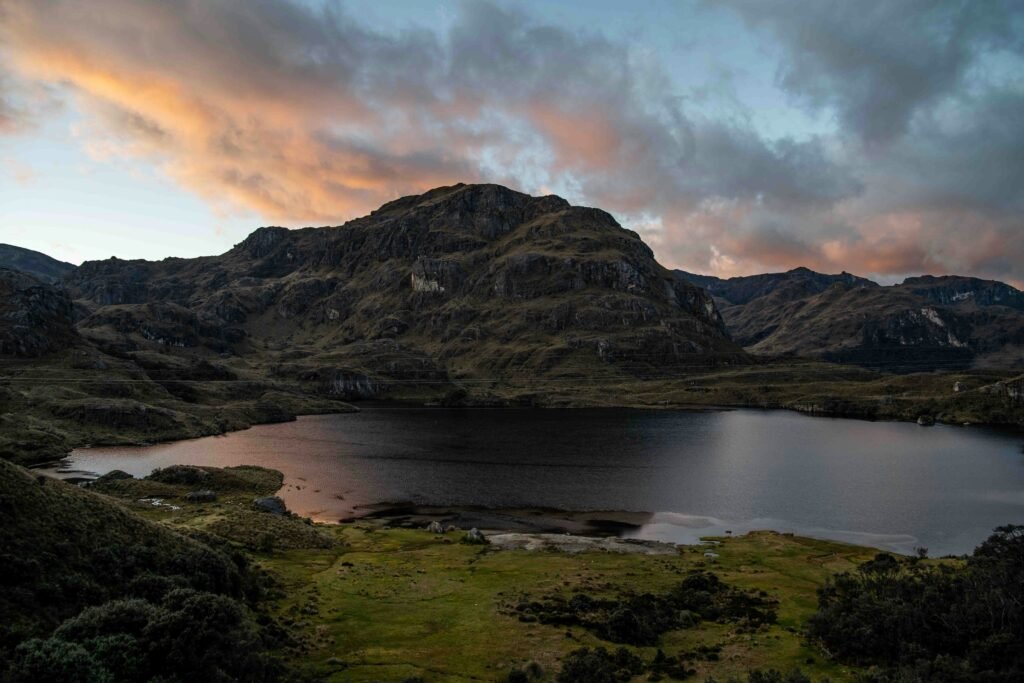
This high-altitude environment sets the perfect stage for Cajas’ status as Ecuador’s go-to destination for sky-watching. When the cloud cover splits open at night, the total absence of urban light pollution leaves you staring into a ridiculously crisp cosmic display. At 4,000 metres, the atmosphere is thin enough to make satellites, shooting stars, and unexplained high-altitude flickers look exceptionally bright and close.
Celestial observation in Cajas isn’t just a modern trend for people with telescopes, though. Long before Spanish colonisation, the local Cañari and Inca civilisations viewed these high-altitude lagunas as sacred huacas—meeting grounds where the earth talked directly to the night sky. Unexplained lights, halos around the moon, and strange atmospheric reflections were woven straight into Andean cosmology.
Modern UFO stories in Cajas are really just the latest chapter in a very old tradition of staring up at the Andean sky and wondering what on earth (or off it) is going on.
The Ecuadorian Sierra.
Get lost in the hills
Glowing orbs and phantom lights over Laguna La Toreadora
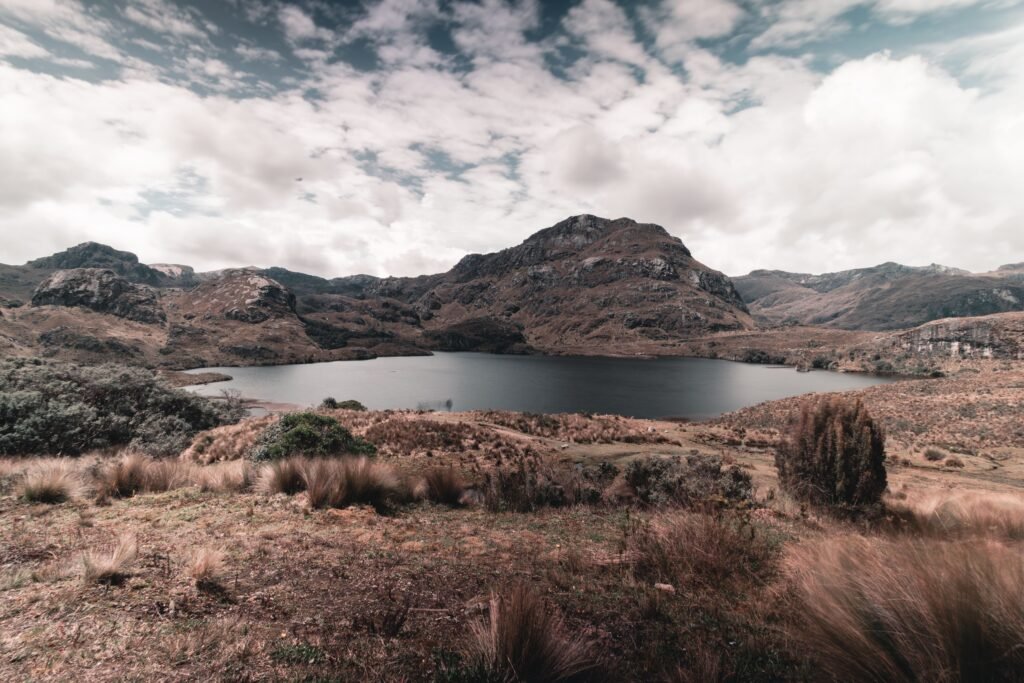
The modern wave of Cajas alien stories took off in the late 20th century, fed by a steady stream of weird tales from overnight campers, park rangers, and local night-skiers. The classic report usually goes like this: someone is freezing in their tent near Laguna La Toreadora or Laguna Llaviuco, looks up, and spots a silent, luminous sphere zip across the sky before diving straight into the ice-cold water without making a splash.
These aren’t your standard commercial flight patterns. Observers consistently report self-luminous orbs—glowing in brilliant shades of amber, electric blue, or stark white—that pull off impossible right-angled turns and sudden stops before disappearing behind mountain crags. The total silence of these displays, paired with the eerie quiet of the páramo, is enough to make even the most sceptical trekker double-check their tent zip.
Ufologists, campfire yarns, and Jaime Rodríguez
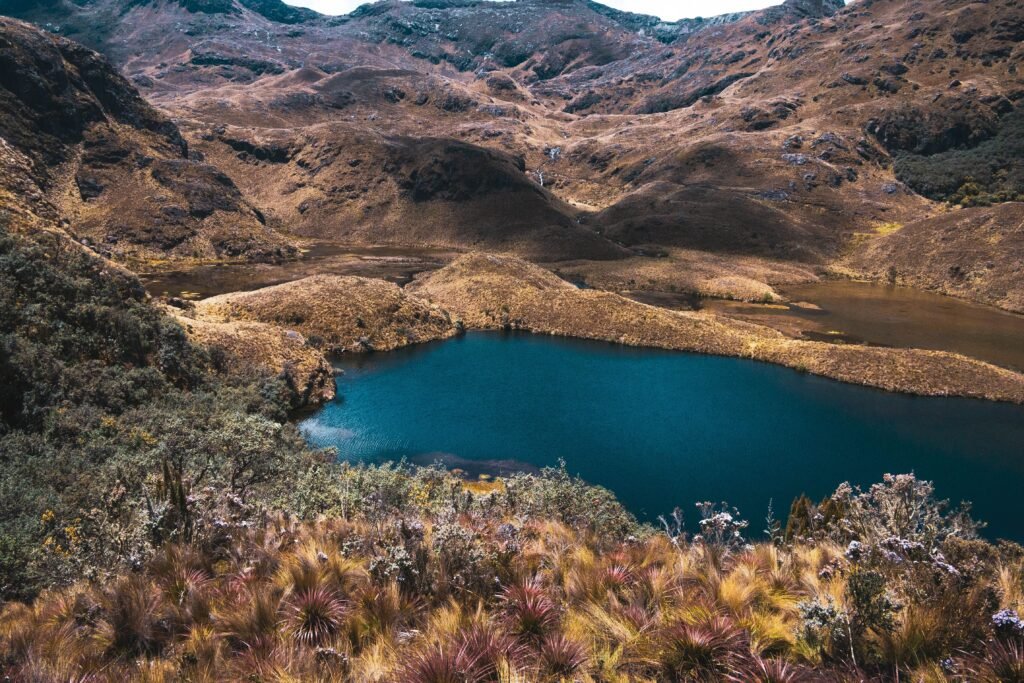
No discussion of Cajas lore is complete without mentioning Jaime Rodríguez, Ecuador’s most prominent ufologist. Rodríguez spent decades cataloguing sightings across the Azuay region, gathering accounts from mountain guides, locals, and baffled tourists.
His archives are full of classic contactee tropes: campers sitting around multi-fuel stoves near the high passes who suddenly watch their headlamps flicker out, camera batteries drain to zero in seconds, and wristwatches stop working just as strange light formations float over the ridgeline.
Whether these encounters are extra-terrestrial visitors taking a scenic detour, military test craft, or simply pockets of swamp gas (will-o’-the-wisp) reacting with high-altitude methane and freezing mist depends entirely on how much mystery you like with your hot chocolate.
The Galápagos.
Ecuador’s Enchanted Isles
Guagua Grande / Cryptids, big babies, and alpine monsters
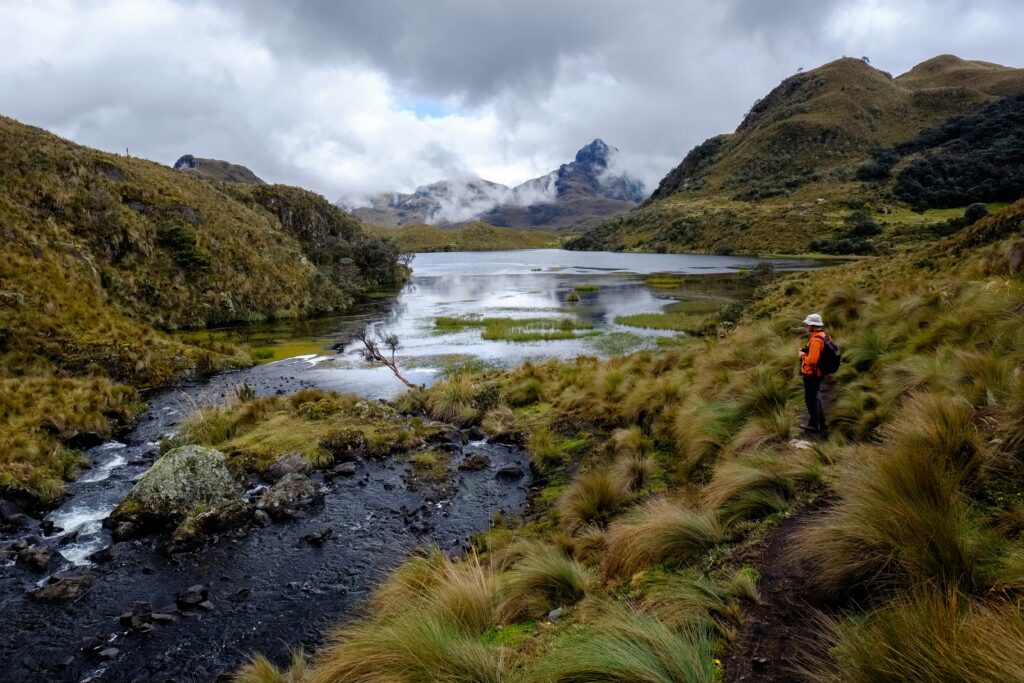
If glowing space ships weren’t enough, Cajas has its own local cryptid to keep campers on their toes. Enter the Guagua Grande—which translates roughly from regional Kichwa-influenced Spanish as the Big Baby.
According to local folklore, the Guagua Grande is a strange, tall humanoid figure that haunts the remote ravines and twisted Polylepis (paper-tree) forests deep inside the park.
Depending on who is telling the story around the hostel common room, the entity is described either as a slender, pale figure with an oversized head and massive eyes, or as an ancient, slightly mischievous mountain spirit protecting the high lagunas from disrespectful humans.
Over the years, the line between traditional Andean mountain spirits and modern Grey alien archetypes has blurred completely. Local guides will happily tell you about light spheres and the Guagua Grande in the very same breath, proving that wet mountain air and high-altitude solitude are great for keeping folklore alive and kicking.
Gravel, grunt, and glaciers / Tackle the routes
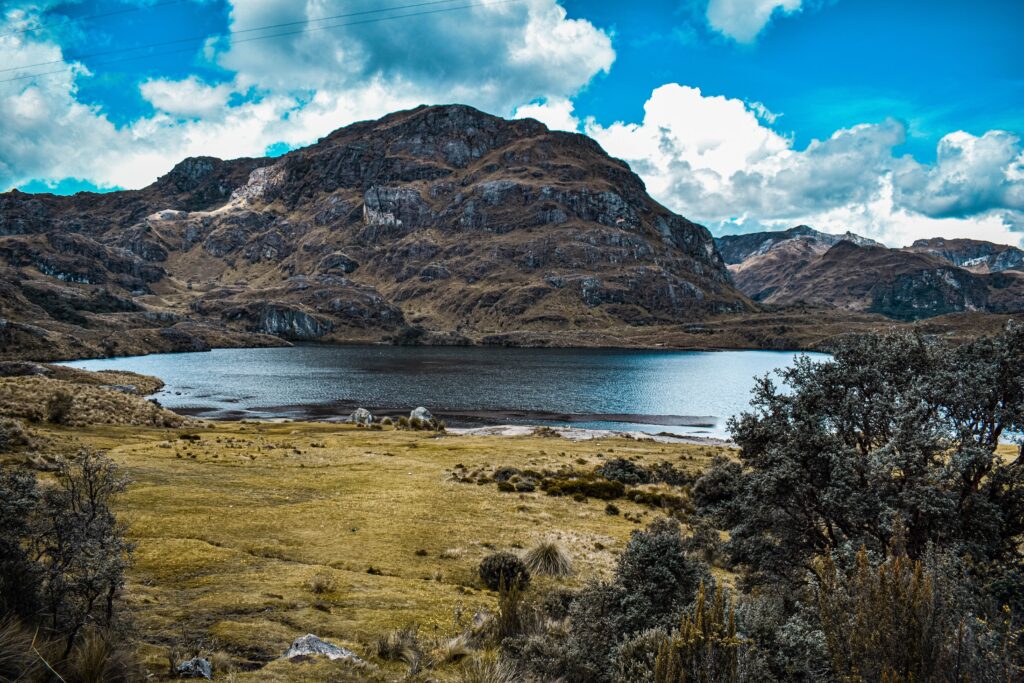
If you want to explore the park and hunt for phantom lights yourself, you will need a solid plan. The physical routes through Cajas are spectacular, demanding, and very real.
The Tres Cruces Pass / Gravel & road cycling
Sitting on the main E582 road connecting Cuenca to Guayaquil, Tres Cruces is the highest road pass in the park at roughly 4,160 metres. It marks the continental divide—water on one side heads to the Amazon, water on the other flows to the Pacific. Cyclists face a brutal 2,500-metre elevation gain over 35 kilometres from Cuenca. It is windy, exposed, cold, and offers sweeping 360-degree views of the tundra, making it a prime spot for evening sky-watching if the fog clears.
The Ecuadorian Amazon.
The most biodiverse place in the world
Laguna La Toreadora Circuit / Day trekking
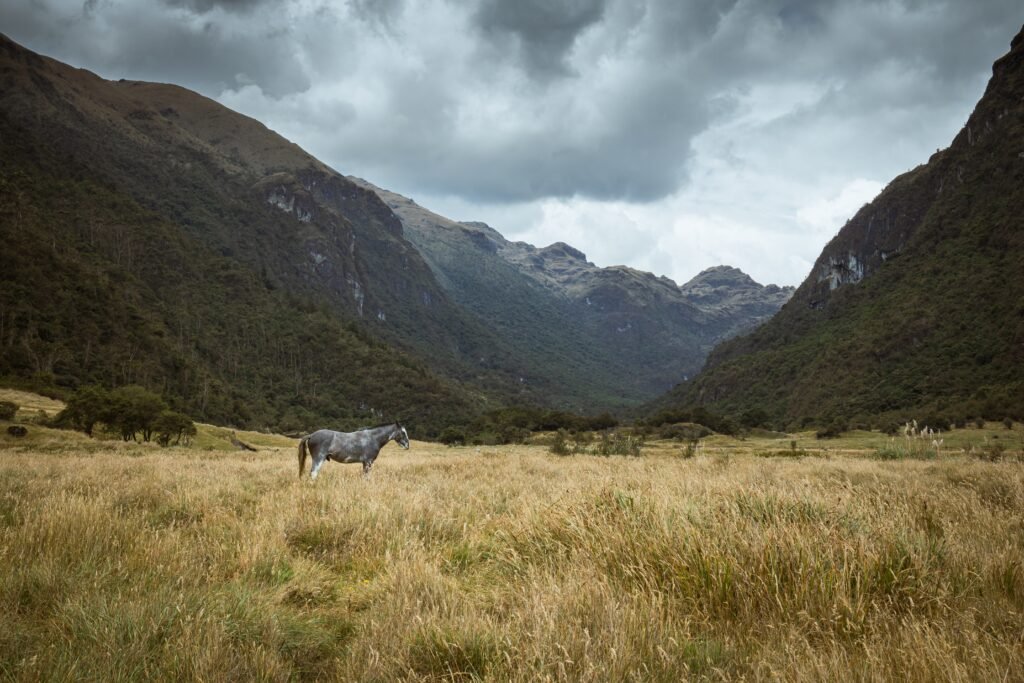
Starting near the main ranger station, this well-marked loop skirts the shores of Laguna La Toreadora and links up with remnants of the ancient Inca highway (Qhapaq Ñan). You will pass through eerie Polylepis forests—among the highest-elevation woodlands on Earth—and get front-row access to the lagunas where many orb sightings are reported.
Camino de Inga Trail / Multi-day bikepacking & trekking
A rugged south-to-north traverse taking you deep into the park’s interior past isolated lakes like Laguna Suerococha. This is proper back-country territory: no phone signal, no facilities, and complete isolation under the Andean night sky.
Cold feet and high altitude / How not to get stranded
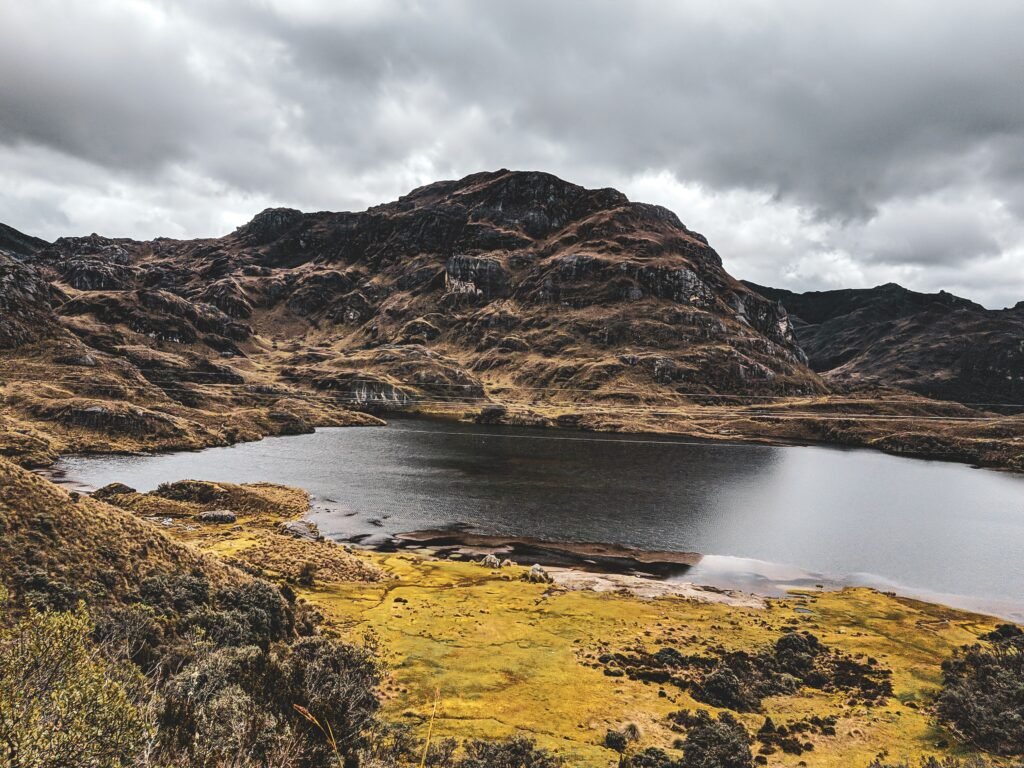
Before you pack your camera and set off to hunt for alien light spheres, remember that Cajas takes no prisoners when it comes to extreme weather. Respecting the environment is key to staying safe.
Respect the altitude (soroche)
Altitude sickness is no joke. Spend at least two or three days acclimatising in Cuenca (2,560 metres) before attempting heavy climbs or sleeping out above 3,900 metres.
Gear up for sub-zero drops
As soon as the sun goes down, temperatures plummet towards freezing (0°C to 4°C is standard, and lower in winter). You need a proper multi-layer system, windproof/waterproof outer layers, a high-R-value sleeping mat, and a solid three-season sleeping bag. Waterproof boots are essential unless you enjoy hiking in soaked socks across spongy ground.
Navigation essentials
Thick garúa fog can wipe out visibility in under two minutes, leaving you completely disoriented. Always carry an offline GPS map, a physical topo map, and a compass.
Park rules & conservation
Cajas is a protected RAMSAR wetland that supplies Cuenca’s municipal drinking water.
- Registration: Check in at the Toreadora or Quimsacocha visitor stations on arrival.
- Designated Camping: Camp only in approved spots to protect fragile páramo vegetation.
- No Open Fires: Campfires are strictly banned. Bring a reliable camp stove.
- Leave No Trace: Pack out every scrap of rubbish and stay on established tracks to prevent severe soil erosion.
Whether you come for the tough gravel climbs, the haunting high-altitude scenery, or the chance to spot an amber sphere hovering silently over a freezing glacial lake, Parque Nacional Cajas delivers one of the weirdest and most unforgettable adventures in the Andes.
The Ecuadorian Coast.
Where you’ll find the very best food
Keep your eye on the ridge and your hands on the brakes
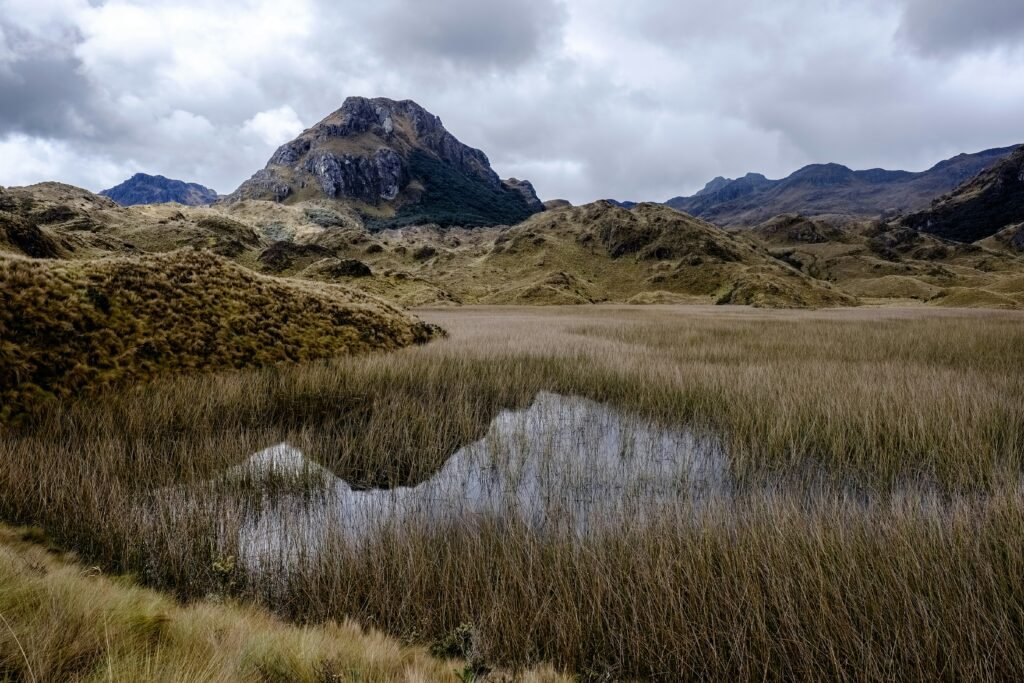
Climbing into Cajas from the cobblestones of Cuenca is a rite of passage for any self-respecting touring cyclist or independent trekker. As the urban noise fades into the heavy hush of the high páramo, the sheer scale of the landscape takes over. Thin air burns the lungs, and cold rain will test your waterproofs, but the rewards—glassy glacial lakes, ancient paper-tree groves, and sprawling views across the continental divide—are worth every ragged breath on the pedals.
Whether you spend your evening scanning the cold night sky for glowing amber spheres or simply huddled over a gas stove nursing a warm brew, Cajas leaves an indelible mark. The distinction between high-altitude atmospheric refractions and mountain mythology matters far less than the feeling of standing under an unblemished canopy of stars at 4,000 metres. It remains a rare corner of the Andes where dramatic wilderness and eccentric local folklore sit side by side comfortably.
Prepare thoroughly, respect the fragile tundra, and give yourself plenty of time in Cuenca to acclimatise before pushing up into the clouds. The local public buses running from Cuenca’s Terminal Terrestre offer an easy safety net if your legs give out, but tackling the high passes under your own power provides a perspective on the southern Ecuadorian Andes that no tour bus can match.
Pack your thermal base layers, keep your offline maps loaded, and keep an open mind. If an unexplained light happens to streak silently across Laguna La Toreadora while you are zipped into your bivvy, consider it an added bonus to one of South America’s finest wild rides.
Affiliate Disclaimer: Some of the links on Wheely Tyred are affiliate links. If you click through and make a booking or purchase, we may earn a small commission at no extra cost to you. We only recommend gear, tours, stays, and services we genuinely use, trust, and stand behind — our editorial independence always comes first. These commissions help keep our independent cycling guides and travel stories free to read. Thanks for supporting the ride!
Frequently asked questions about Parque Nacional Cajas and UFOs
Local buses bound for Guayaquil depart frequently from Cuenca’s Terminal Terrestre via the main E582 highway. Ask the driver to drop you at the Laguna La Toreadora visitor centre, which takes roughly 45 to 60 minutes. Independent cyclists can ride directly from the city centre, though you should prepare for a continuous 35-kilometre climb gaining over 1,500 metres of elevation.
Entry to Parque Nacional Cajas is free, but all visitors must check in and register at the ranger control stations (such as Toreadora or Quimsacocha). Independent day-hiking is permitted on well-marked trails around Toreadora. However, hiring an experienced local guide is strongly advised for multi-day backcountry routes like the Camino de Inga due to rapid weather shifts and disorienting fog.
Clear night skies provide the best conditions for sky-watching, particularly between 8:00 pm and 2:00 am when cloud cover occasionally breaks. Because dense garúa fog can roll in rapidly, check the weather forecast in Cuenca before heading up and set up camp at designated sites near Tres Cruces or Laguna La Toreadora for the clearest vantage points.
Nighttime temperatures in the páramo regularly drop to between 0°C and 4°C, occasionally dipping below freezing at higher elevations. Wild camping is strictly restricted to designated campsites to protect the fragile RAMSAR wetland ecosystem. Because campfires are illegal throughout the park, you must bring a reliable multi-fuel camp stove and a sub-zero-rated sleeping bag.
Plan to spend at least two to three days acclimatising in Cuenca (2,560 metres) before tackling the higher passes of Cajas, which exceed 4,000 metres. Stay well-hydrated, avoid heavy meals right before riding, pace your efforts conservatively on the climbs, and consider drinking traditional coca tea (mate de coca) to help ease mild symptoms.
Services inside the park are extremely minimal. There is a small restaurant near the Toreadora visitor centre, but operating hours can be unpredictable. Independent travellers should pack all necessary food, energy snacks, and a reliable water filter or purification tablets to treat water sourced from clear alpine streams.
Ecuador.
Pure wonder on the equator.