The best Cajas National Park day tours / High-altitude treks and glacial lagoons
Premier guided day excursions and small-group hiking trips to Parque Nacional Cajas from Cuenca, Ecuador
Step into the wind-swept silence of Ecuador’s High Andes
BEN FINCH
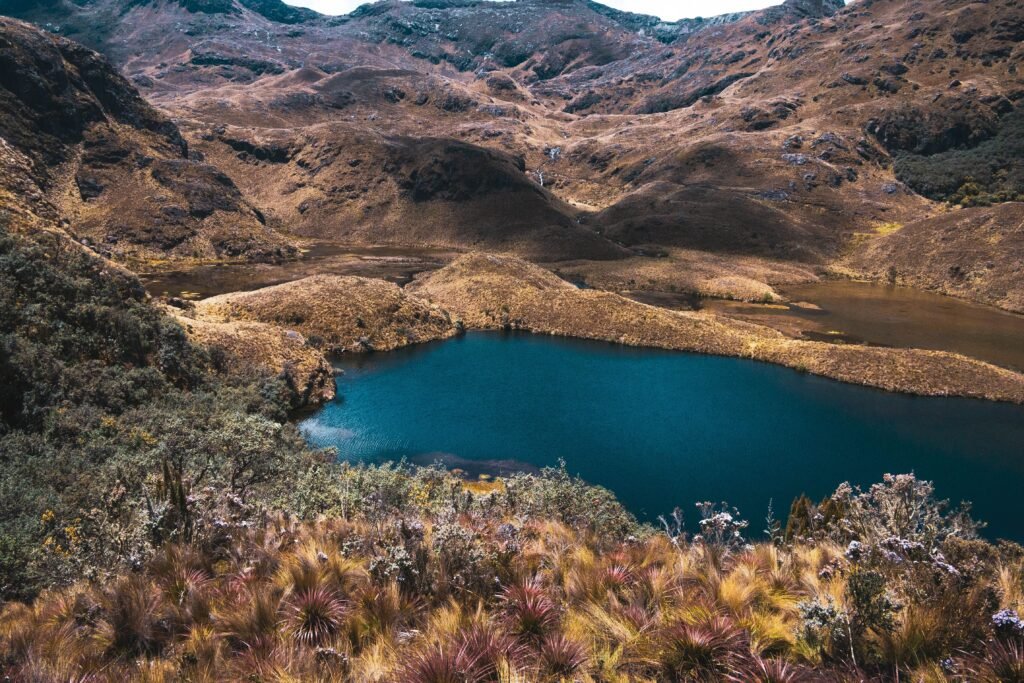
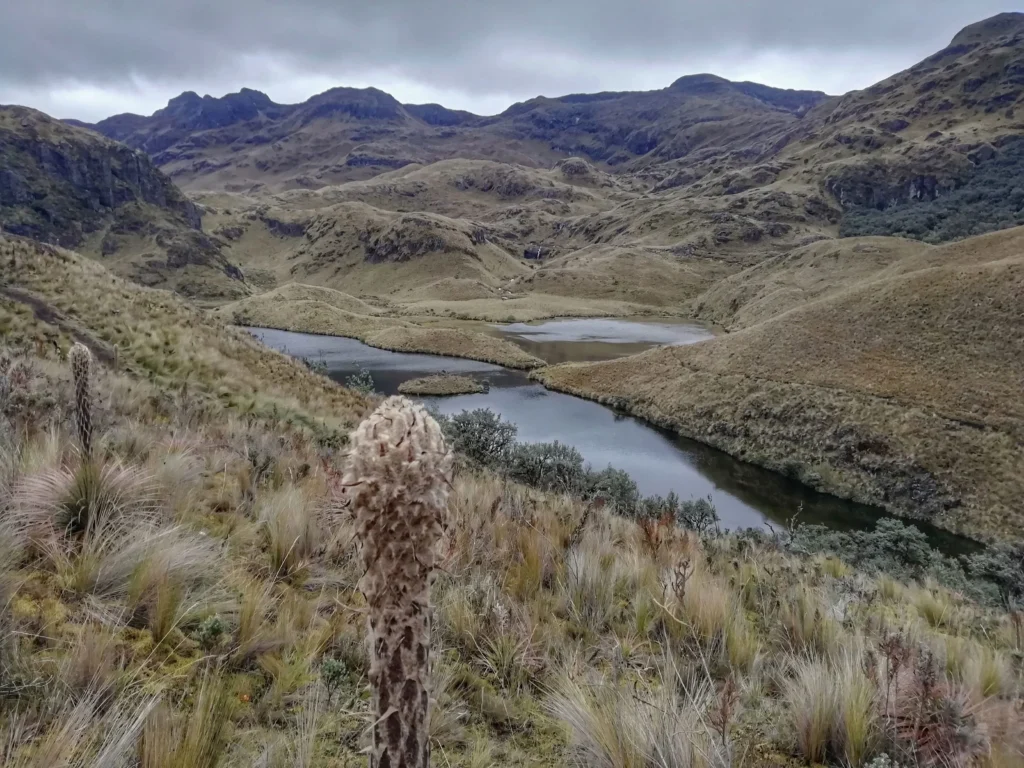
Just 30 kilometres west of the colonial cobblestones of Cuenca lies one of South America’s most dramatic high-altitude landscapes: Parque Nacional Cajas. Spanning over 28,000 hectares of tundra-like páramo, spongy wetlands, jagged volcanic ridges, and more than 250 glacial lagoons, Cajas is a starkly beautiful, ecological treasure. It is also the vital water tower of southern Ecuador, feeding the rivers that run directly through Cuenca.
At Wheely Tyred, our philosophy centres on autonomous, slow travel that respects local communities and delicate biomes. While independent travellers can technically board a local bus bound for Puerto Inca and drop off at the park gates, navigating Cajas solo demands extreme caution.
Weather in the high Andes transforms in seconds: thick mountain fog (neblina) can roll across the trails within minutes, obscuring trail markers, while elevations ranging between 3,100 and 4,450 metres above sea level test even seasoned hikers.
Joining a small-group or private guided day excursion is not a lazy shortcut—it is the safest and most enriching way to experience Cajas. A certified local naturalist guide provides crucial navigation, monitors altitude safety, decodes the fascinating adaptations of endemic flora like the Polylepis tree, and ensures your presence supports sustainable local tourism.
Below, we have vetted six of the highest-rated bookable day tours operating out of Cuenca to help you choose your ideal mountain trek.
Peak reflections / Cajas National Park essentials
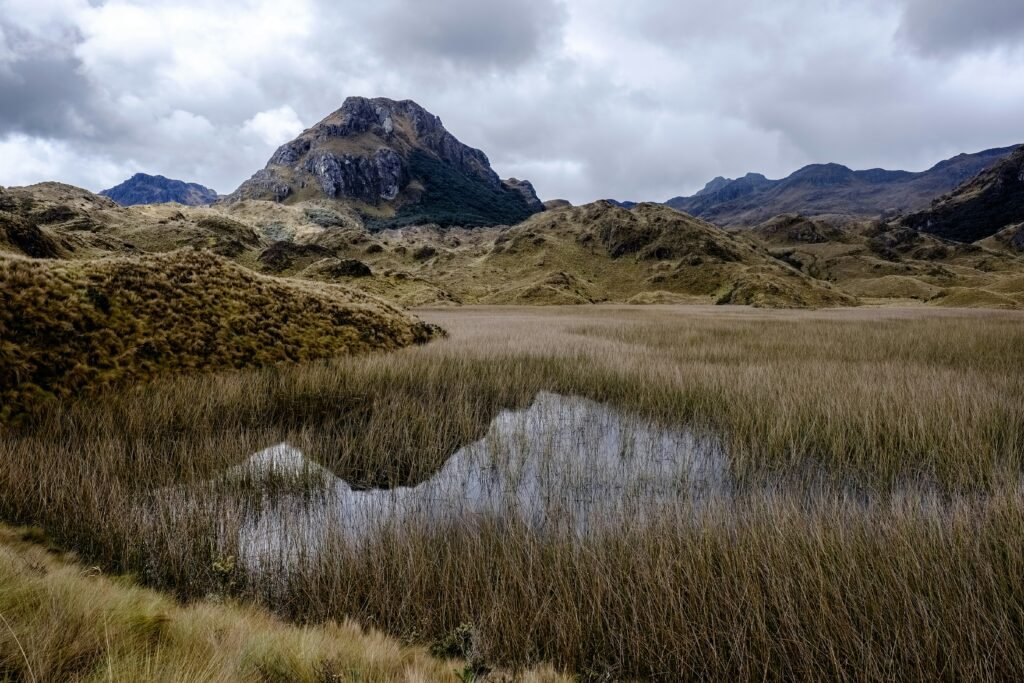
Parque Nacional Cajas is a realm where water, wind, and high-altitude solitude converge into one of South America’s most starkly beautiful landscapes. Before you pack your daypack and head west from Cuenca, keep these core highlights and logistical takeaways in mind.
- Páramo Hydrology: The park functions as a vast, spongy highland wetland feeding over 250 glacial lagoons, serving as the essential water source for the entire city of Cuenca
- Ancient Polylepis Groves: Trails lead through otherworldly forests of gnarled quinoa (paper-bark) trees, draped in alpine mosses and lichens unique to the high Andes
- Pre-Columbian Trails: Hikers can tread along remarkably preserved sections of the Qhapaq Ñan, the ancient Cañari and Incan road network that once linked highland settlements
- Avian Sanctuary: Recognised as a global RAMSAR wetland, the park shelters rare high-altitude endemics, including the Violet-throated Metaltail hummingbird and the soaring Andean Condor
- Tres Cruces Divide: At over 4,000 metres elevation, this famous pass marks the continental water divide, splitting rainfall towards either the Pacific Ocean or the Amazon Basin
- Essential Acclimatisation: Resting for at least two full days in Cuenca (2,560 metres) prior to your trek is crucial for preventing altitude sickness in the upper park reaches
- Technical Layering: Mountain weather shifts in minutes; standard gear demands a moisture-wicking base layer, an insulating fleece, and a robust waterproof outer shell
Cajas National Park.
The most beautiful national park
1. High-altitude trekking through cloud forests and high lagoons
Rating & reviews
(261+ verified reviews on Viator)
Why this tour stands out
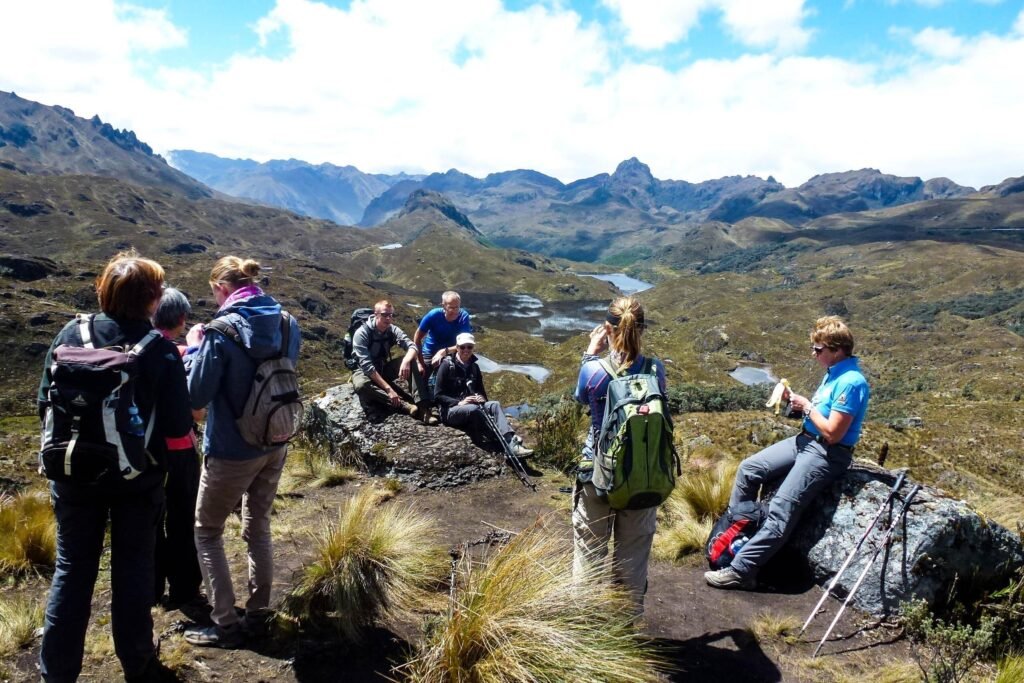
This classic full-day excursion strikes a fine balance between physical immersion and geographical overview. Led by licensed mountain naturalists, the tour moves thoughtfully across two distinct elevation zones inside the park, allowing you to compare the lower cloud forest ecosystems with the raw, wind-swept upper páramo.
Rather than rushing through photo stops, the small group spends upwards of three hours on foot along rugged park trails. Guides tailor the walking pace to suit group capabilities while sharing deep insights into the hydrological importance of the park’s sponge-like soils.
Key highlights
- Guided lower-elevation walk around Laguna Llaviuco, surrounded by lush primary cloud forest
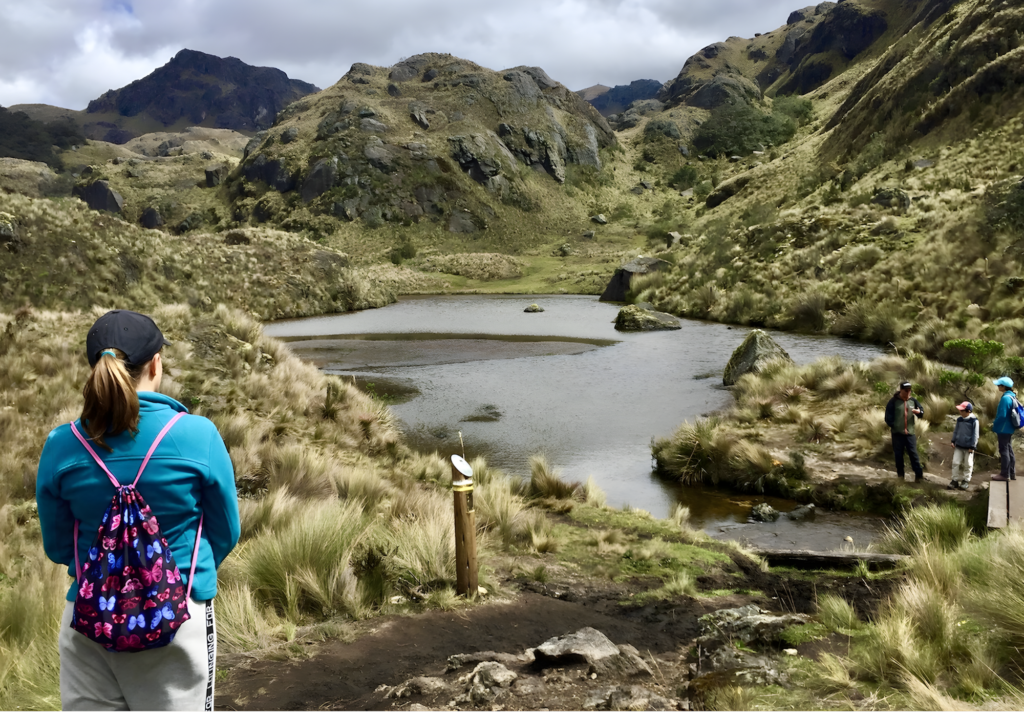
- High-altitude trek along Laguna La Toreadora (Route 1) at approximately 3,900 metres elevation
- Traverse through ancient Polylepis (paper-bark tree) groves draped in high-altitude mosses
- Viewpoint stop at Tres Cruces, the continental water divide where rainwater flows toward either the Pacific Ocean or the Amazon Basin
- Round-trip hotel transport from Cuenca and a hearty traditional mountain lunch featuring local trout
Ideal for
Active travellers and nature lovers seeking a complete, well-paced day trek with an expert guide to handle navigation and local lore.
Local insight
The weather at Laguna La Toreadora can drop below 5°C with rapid drizzle, even if Cuenca was bathed in warm sunshine when you left. Pack waterproof trousers, a windproof outer shell, and sturdy hiking boots with deep tread for muddy sections.
2. Comprehensive all-day Andean wilderness discovery
Rating & reviews
(12+ verified reviews on GetYourGuide)
Why this tour stands out
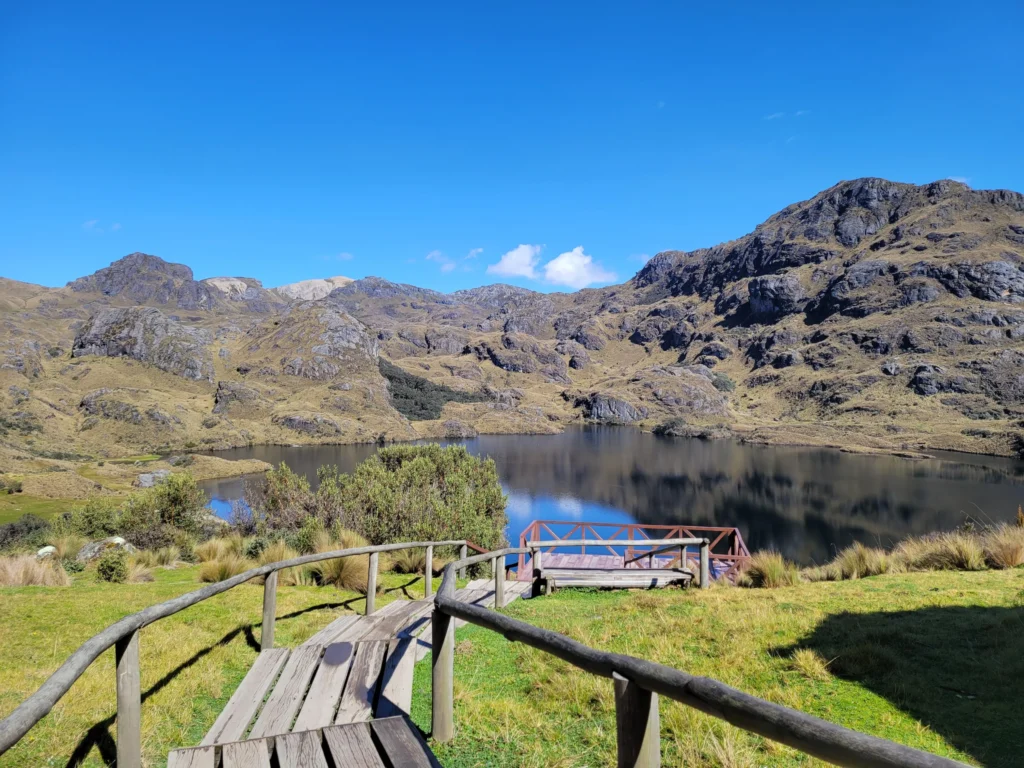
Operated by experienced local guides who place eco-interpretation front and centre, this full-day trip is designed for travellers who want a deep dive into the cultural and natural heritage of the Azuay region.
Starting with an educational orientation at the park’s Interpretation Centre, the itinerary takes you off the standard tourist thoroughfares to examine local geological formations created by ancient glacier retreats.
The guides excel at spotting camouflaged highland wildlife—including wild llamas, Andean spectacled bears, and high-altitude hummingbirds.
Key highlights
- Detailed introduction to Andean geology and botany at the Cajas Interpretation Centre
- Extended 2.5- to 3-hour hike through the tundra grasslands surrounding Laguna La Toreadora
- Exploration of the enchanted paper-tree forests (quinoa trees) unique to the high Andes
- Traditional Ecuadorian highland lunch at a local community eatery outside the park gates
- Small-group format ensuring minimal environmental impact on delicate trails
Ideal for
Eco-conscious travellers, solo explorers, and inquisitive first-time visitors who value structured natural history context alongside physical hiking.
Local insight
Make sure to sample warm coca tea or horchata lojana (a traditional red herbal infusion from southern Ecuador) during lunch. It aids digestion and helps soothe mild high-altitude headaches.
The Ecuadorian Sierra.
Get lost in the hills
3. Deep-dive private mountain & trail expedition
Rating & reviews
(226+ verified reviews on Viator)
Why this tour stands out
If you prefer a flexible itinerary tailored precisely to your walking pace and physical fitness, this dedicated full-day expedition is an outstanding option.
Offering options for private or small groups, the guide adapts the route in real-time based on current weather conditions and group preferences.
Rather than sticking strictly to standard tourist paths, your guide can extend hikes into quieter, less-trodden valleys where wild alpacas graze freely across the tussock grass.
Key highlights
- Personalised itinerary adjustments based on your fitness level and physical acclimatisation
- Scenic drive climbing over 1,500 vertical metres from Cuenca into the high Andes
- Comprehensive guided walking tour around both Laguna Llaviuco and Laguna La Toreadora
- In-depth instruction on endemic mountain plant adaptations, such as giant rosette plants and cushion mosses
- Seamless door-to-door transport in a modern, private climate-controlled vehicle
Ideal for
Families, groups of friends, or active hikers who want maximum control over their pace without feeling rushed by a rigid schedule.
Local insight
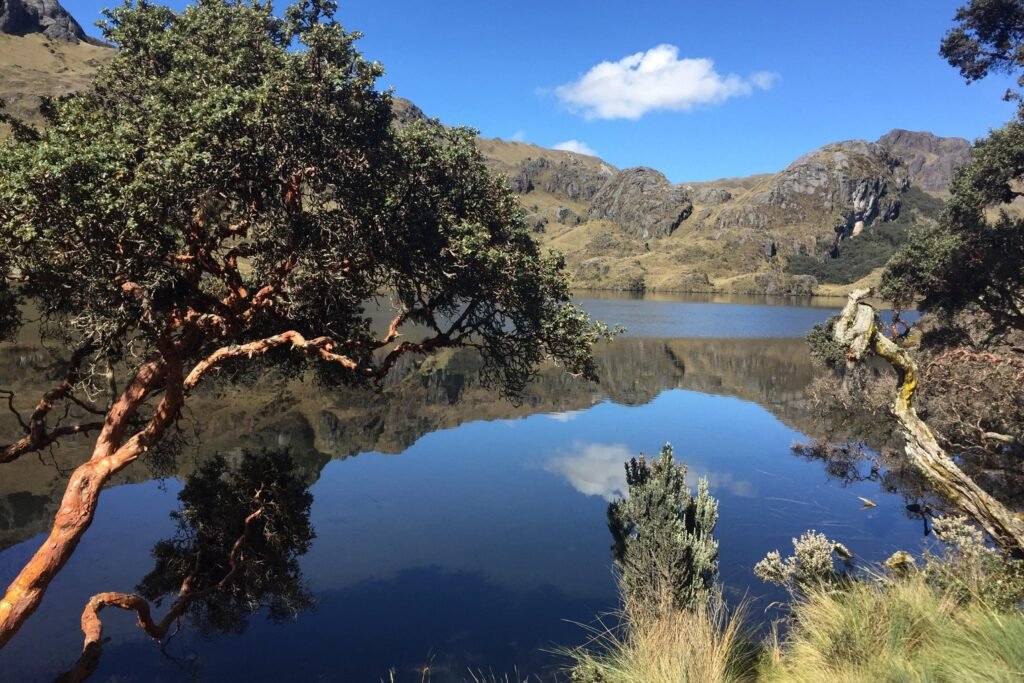
Because this tour offers extra flexibility, ask your guide to spend additional time at Laguna Llaviuco early in the morning. The water is often completely still at that hour, creating perfect mirror reflections of the surrounding forested mountain slopes.
4. Active high-plateau hiking & cultural overview
Rating & reviews
(38+ verified reviews on GetYourGuide)
Why this tour stands out
This small-group excursion focuses heavily on the historical connection between human settlement and the mountain plateau.
Long before modern conservationists established the national park, ancient Cañari and Inca visual networks criss-crossed these mountain passes.
Guides on this tour bring the landscape to life by pointing out historic trade routes, ancient stone pathways, and discussing how pre-Columbian cultures worshipped the high mountain lakes.
Key highlights
- Trek through the high-altitude páramo grasslands up to 4,000 metres elevation
- Learn about the ancient Cañari and Incan royal road systems (Qhapaq Ñan) that once intersected Cajas
- Guided hike through the mystical Polylepis forest, filled with peeling golden bark and rare lichens
- Panoramic stops at key lookout points across the continental divide
- Full support from a certified bilingual guide fluent in English and Spanish
Ideal for
Travellers interested in combining physical mountain trekking with rich historical and cultural storytelling.
Local insight
The winds across the open páramo plateaus at 4,000 metres can be relentless. Wear a quality merino wool or fleece beanie that covers your ears, along with UV-blocking sunglasses to combat intense high-altitude sunlight.
The Galápagos.
Ecuador’s Enchanted Isles
5. Specialised High-Andean avian safari
Rating & reviews
(61+ verified reviews on Viator)
Why this tour stands out
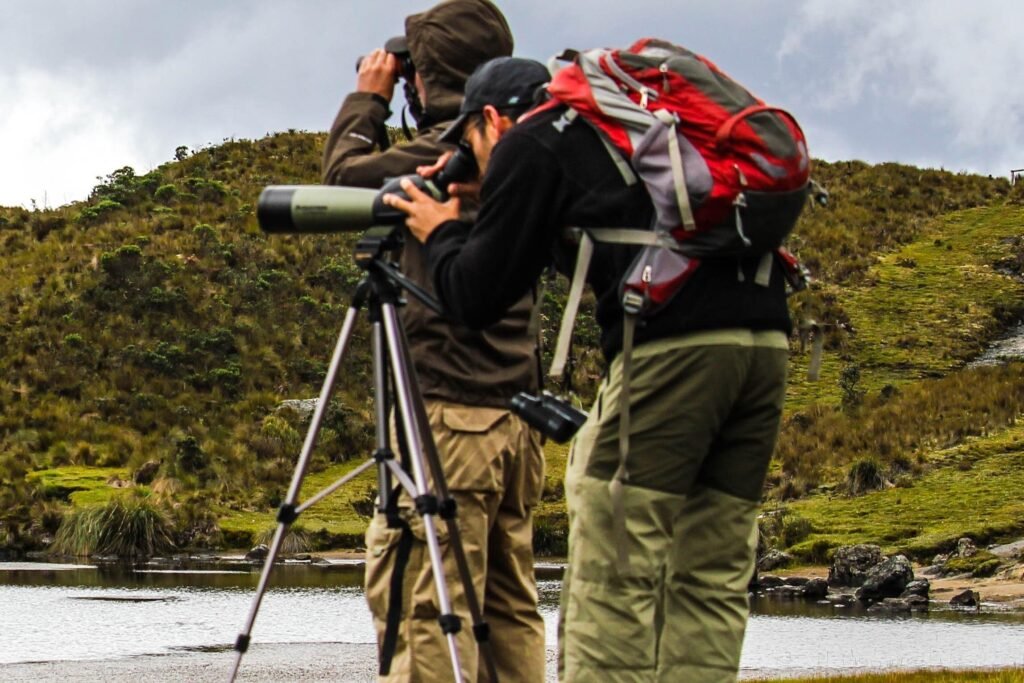
Parque Nacional Cajas is a globally recognised Important Bird Area (IBA) and Ramsar wetland site, harbouring extraordinary avian biodiversity adapted to severe cold and low oxygen.
Standard general-interest tours move too quickly for serious birders, making this specialised early-morning excursion essential. Led by specialist ornithological naturalists, the tour moves quietly through key micro-habitats—including lakeside reed beds and high forest canopies—to locate rare, endemic species.
Key highlights
- Early morning departure from Cuenca to catch peak bird activity at dawn
- Specialised searches for rare endemics, including the Violet-throated Metaltail hummingbird, Tit-like Dacnis, and Giant Hummingbird
- High-probability sightings of Variable Hawks, Caracaras, and Andean Condors soaring overhead
- Optical equipment support (high-grade binoculars and spotting scopes available upon request)
- Detailed area bird list provided to check off observed species throughout the morning
Ideal for
Avid birdwatchers, wildlife photographers, and nature enthusiasts seeking an authoritative, slow-paced wildlife safari.
Local insight
Birding in the cold morning mountain air requires patience. Wear silent, non-rustling outer layers (avoid loud nylon jackets) so you can move quietly through the forest without startling sensitive high-altitude hummers.
6. Creative landscape photography & scenic highlights walk
Rating & reviews
(New activity on GetYourGuide)
Why this tour stands out
With its moody cloud reflections, twisted gnarled trees, stark rock formations, and shifting highland light, Cajas is a dream destination for visual artists.
This dedicated photography-focused day trip is structured around optimal lighting conditions rather than a rigid hiking schedule.
Guides select specific vantage points around Laguna La Toreadora and Tres Cruces where light, shadow, and mountain topography create compelling compositions.
Key highlights
- Timed itinerary designed to capture dramatic mountain lighting and shifting cloud formations
- Guided landscape walk along the shorelines of dark, mirror-like glacial lagoons
- Dedicated time for macro photography inside the textured, mossy Polylepis woodland groves
- Stops at Tres Cruces viewpoint to frame wide-angle panoramas of the Andean water divide
- Small group size ensures plenty of space and time to set up tripods without crowding
Ideal for
Photographers of all skill levels, digital creators, and visual travellers looking for stunning natural landscapes.
Local insight
Bring a polarising filter for your camera lens or smartphone camera attachment. The intense UV light at 4,000 metres creates high glare off the lagoon surfaces; a polariser cuts reflections and highlights the deep azure hues of the water.
The Ecuadorian Amazon.
The most biodiverse place in the world
Our practical Cajas National Park excursion planning guide
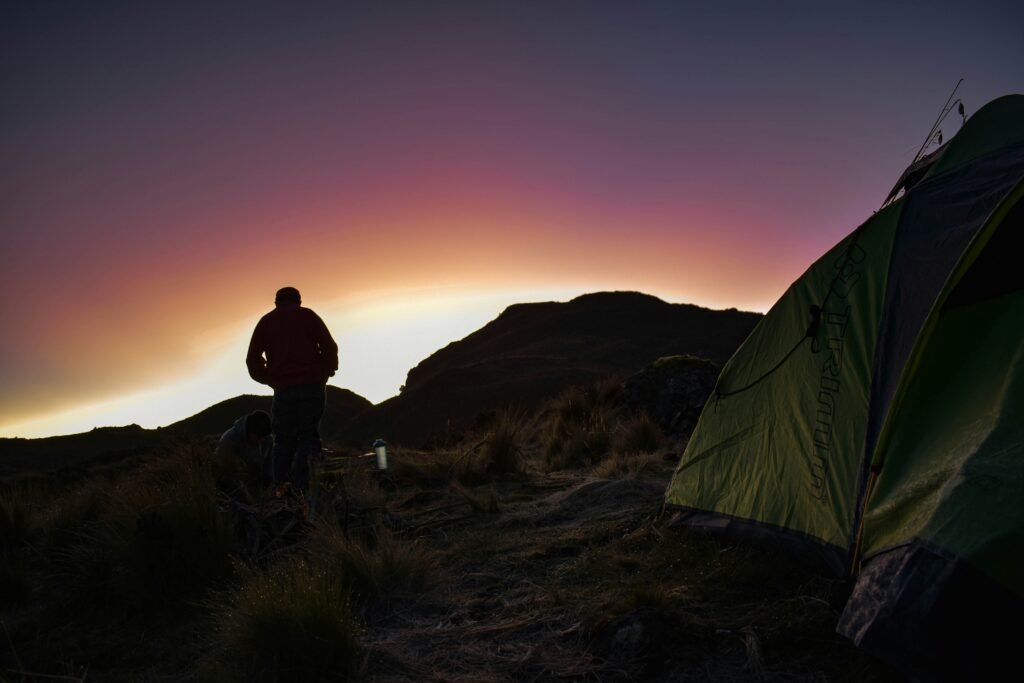
To ensure your day trip to Parque Nacional Cajas is smooth, safe, and enjoyable, keep these five essential local advice points in mind:
1. Prioritise altitude acclimatisation
Cuenca sits at 2,560 metres above sea level, while trails inside Parque Nacional Cajas range from 3,100 to nearly 4,500 metres. Do not head into the national park on your very first day in southern Ecuador. Spend at least two full days exploring Cuenca’s historic centre first to allow your body to adjust. Stay well-hydrated, avoid heavy meals the night before, and take steady, measured steps on steep uphills.
2. Master the art of layering
Highland weather in Cajas is notoriously unpredictable. Temperatures can shift from warm 18°C sunshine to freezing hail or heavy fog within 20 minutes. Follow the three-layer rule:
- Base Layer: Moisture-wicking synthetic or merino wool shirt (never cotton, which retains dampness)
- Insulating Layer: Warm fleece jacket or lightweight down sweater
- Outer Layer: Waterproof, windproof jacket with taped seams
3. Bring cash for local eats and tipping
While your main tour booking will be handled digitally online, carry small-denomination US dollar bills ($1, $5, and $10 notes; Ecuador uses the US dollar as legal tender). You will need small cash for tipping your naturalist guide and driver (typically $5–$10 per person for excellent service), as well as purchasing warm herbal drinks, hot chocolate, or artisanal snacks at roadside mountain stops.
4. Protect yourself from intense high-altitude UV
Due to the thinner atmosphere near the equator at 4,000 metres, solar radiation in Cajas is exceptionally high, even on overcast days. Apply broad-spectrum SPF 50+ sunscreen to all exposed skin, wear a wide-brimmed hat or cap, and wear UV400-rated sunglasses to protect your eyes from mountain glare.
5. Pack out everything you bring in
Parque Nacional Cajas is a protected RAMSAR wetland and the direct drinking water source for Cuenca’s residents. Strictly adhere to Leave No Trace principles. Carry a small reusable bag inside your daypack to haul out all personal trash, including biodegradable food scraps like banana peels or apple cores, which break down very slowly in cold mountain climates.
The Ecuadorian Coast.
Where you’ll find the very best food
Step out into the High Andean wind
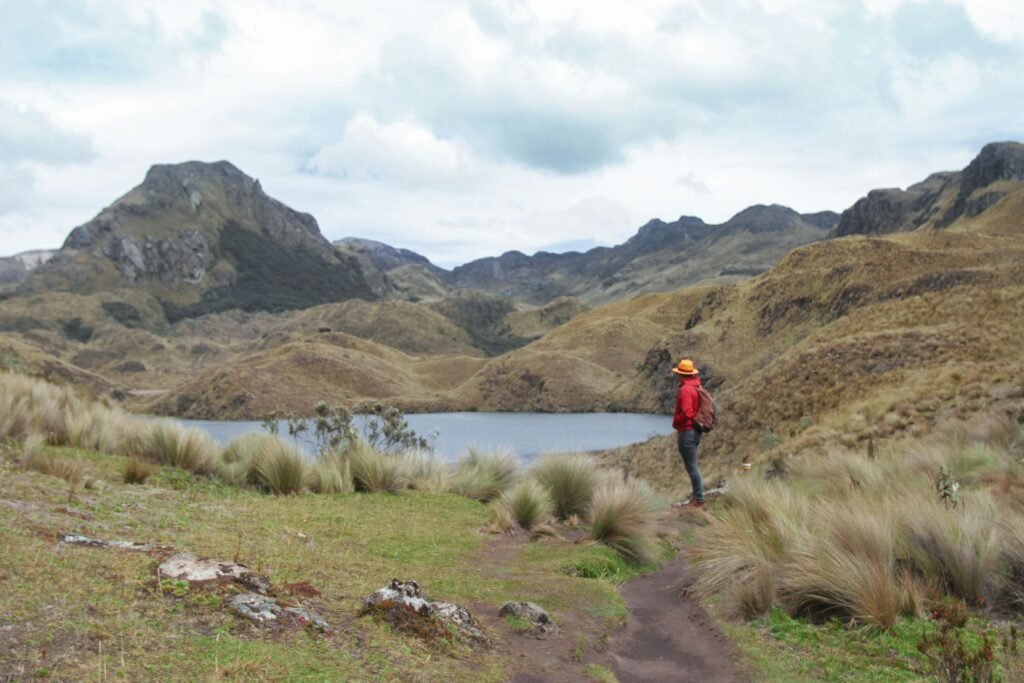
Leaving the sheltered, colonial avenues of Cuenca for the raw expanse of Parque Nacional Cajas is a transformative transition. Within forty minutes, the urban hum gives way to the low whistle of mountain wind rustling through tussock grass, the scent of damp earth, and the stillness of dark glacial tarns. It is a landscape that demands respect, slow movement, and a quiet step.
For the independent traveller, exploring Cajas with a local guide is less about following a flag and more about unlocking the subtle stories etched into the terrain. A knowledgeable naturalist transforms a bleak ridge into a living canvas, pointing out cushion mosses that filter millions of litres of water, or locating the subtle flash of a hummingbird wing amidst gnarled Polylepis branches. It ensures your journey directly supports local conservation and mountain stewardship.
As the afternoon fog—the neblina—rolls over the craggy peaks, wrapping the lagoons in soft woollen grey, you will descend back down towards the valley with muddy boots and a cleared mind. There is a rare, restorative clarity found only above the tree line. Pack thoughtfully, tread lightly, and let the high Andes set your pace.
Affiliate Disclaimer: Some of the links on Wheely Tyred are affiliate links. If you click through and make a booking or purchase, we may earn a small commission at no extra cost to you. We only recommend gear, tours, stays, and services we genuinely use, trust, and stand behind — our editorial independence always comes first. These commissions help keep our independent cycling guides and travel stories free to read. Thanks for supporting the ride!
Frequently asked questions about the best Cajas National Park day tours
While independent hikers can technically access the main park entrance at Laguna La Toreadora via local buses running towards Puerto Inca, hiring a certified local guide is strongly recommended. Thick mountain fog (neblina) can roll in unexpectedly, obscuring trail markers across the open páramo. A guide handles navigation safely, monitors altitude symptoms, and provides deep natural history context that you would otherwise miss.
The trails in Cajas sit between 3,100 and nearly 4,500 metres above sea level. To avoid acute mountain sickness (AMS), spend at least 48 hours acclimatising in Cuenca (which sits at 2,560 metres) before attempting any high-altitude treks. Drink plenty of water, avoid alcohol the evening before your trip, walk at a steady pace, and consider sipping traditional coca tea or horchata lojana to settle your stomach.
Weather in the high Andes is notoriously fickle. Always use a three-layer system: a synthetic or merino wool base layer (avoid cotton entirely), a warm fleece or down mid-layer, and a windproof, waterproof jacket with taped seams. Sturdy, waterproof hiking boots with high ankle support and deep tread are essential, as trails are frequently muddy and uneven.
The cold mountain streams around Cajas are famous for fresh trout (trucha). Most local eateries just outside the park boundaries serve pan-fried or grilled trout accompanied by native potatoes, fried plantains (patacones), and fresh avocado. Pair your meal with a steaming cup of horchata lojana—a fragrant, ruby-red herbal infusion brewed from over twenty local flowers and herbs.
Early morning is by far the best time to explore. The skies above the páramo are typically clearest between dawn and midday, offering striking mountain reflections on the lagoons and optimal light for landscape photography. By mid-afternoon, clouds usually gather over the mountain passes, bringing cooler temperatures, drizzle, or dense fog.
General entry to Parque Nacional Cajas is free for both domestic and international visitors. However, all visitors are required to register their details (passport number and planned hiking route) at the ranger stations—either at Laguna Llaviuco or Laguna La Toreadora—before stepping onto the trails for safety and search-and-rescue monitoring.
Ecuador.
Pure wonder on the equator.