Uncover coastal Ecuador / The absolute best urban walking & heritage tours
Expert-curated walking tours and cultural excursions across Guayaquil, Manta, and the Pacific coast of Ecuador
Unlock the urban heart of coastal Ecuador
BEN FINCH
Ecuador’s vast Pacific coastline—famously known as La Costa—is too frequently reduced to a mere gateway for island transit or a sequence of beach stops like Montañita, Olón, and Puerto López. However, for independent travellers willing to slow down and explore at ground level, coastal Ecuador’s urban centres reveal a complex, resilient, and intoxicating cultural fabric.
From the sweeping, tropical riverbank of Guayaquil—Ecuador’s largest metropolis and economic engine—to the bustling maritime port of Manta and the historic hat-weaving enclaves of Manabí, coastal urban life moves to its own distinct rhythm. It is a world carved out by centuries of maritime trade, vibrant regional gastronomy, wooden architecture, and independent civic pride.
At Wheely Tyred, we firmly advocate that true urban exploration cannot be experienced through the tinted glass of a sealed sightseeing bus or a rushed double-decker city loop. Air-conditioned coaches isolate you from the humid ocean breeze, the call of market traders hawking fresh plantains, and the delicate aromas of simmering encebollado drifting from neighbourhood eateries.
To genuinely understand coastal Ecuador, you must lace up your walking shoes, hit the cobblestones of historic quarters like Las Peñas, navigate early-morning fish markets alongside local fishermen, and ascend city steps with guides who call these streets home. Below, we have researched, vetted, and curated the absolute finest small-group walking, culinary, and heritage tours across Ecuador’s coast—each selected for its authentic local impact, exceptional guide quality, and commitment to slow, meaningful exploration.
Coastal edge / Essential takeaways for your Ecuadorian journey
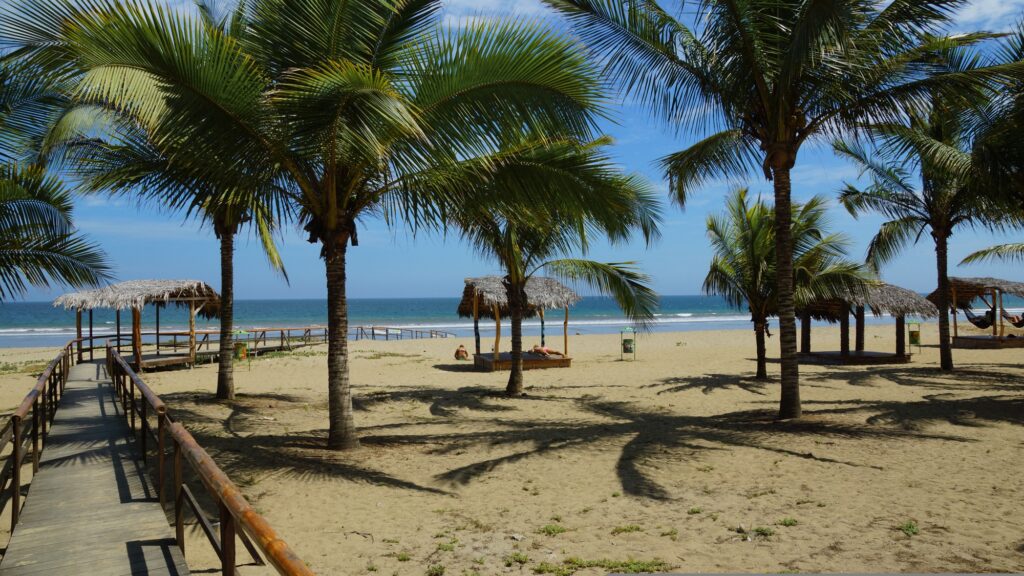
Skip the air-conditioned tourist bubbles and discover the vibrant heart of La Costa at ground level. These core takeaways encapsulate our hand-picked urban itineraries across Guayaquil and Manabí.
- Historic Core & Revolution: Discover Guayaquil’s neoclassical plazas, riverside boardwalks, and pastel-hued wooden homes in Las Peñas
- Ancestral Seafood & Markets: Dive deep into bustling municipal markets to savour authentic encebollado and fresh tropical fruits
- Maritime Craftsmanship in Manta: Witness master shipbuilders hauling in the morning catch at Tarqui’s vibrant fish market
- UNESCO Hat Weavers of Montecristi: Meet local artisans who hand-knit world-renowned toquilla straw hats using centuries-old techniques
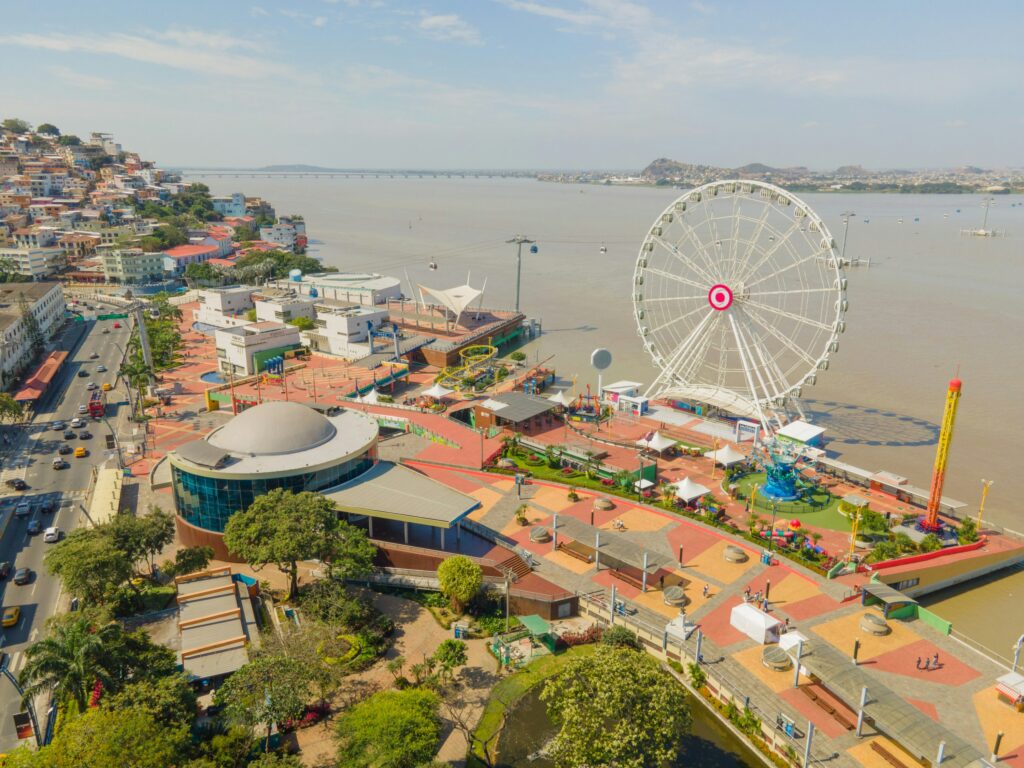
- Modern Urban Architecture: Experience Guayaquil’s sweeping river regeneration projects and glide silently across the Guayas via the Aerovía cable car
- Hands-On Culinary Mastery: Learn the delicate acid-curing and seasoning secrets of coastal ceviche directly from professional local chefs
The Ecuadorian Coast.
Where you’ll find the very best food
1. Historic Guayaquil / A walking tour through time & culture
Rating & reviews
(3+ verified user reviews on GetYourGuide)
Why this specific tour stands out
Rather than shuttling guests through Guayaquil’s sprawling traffic, this dedicated walking excursion focuses strictly on the pedestrian-friendly historical core and the birthplace of the city. Guayaquil was destroyed multiple times by coastal fires and pirate raids during the colonial era, making its surviving architecture and rebuilt heritage profoundly unique.
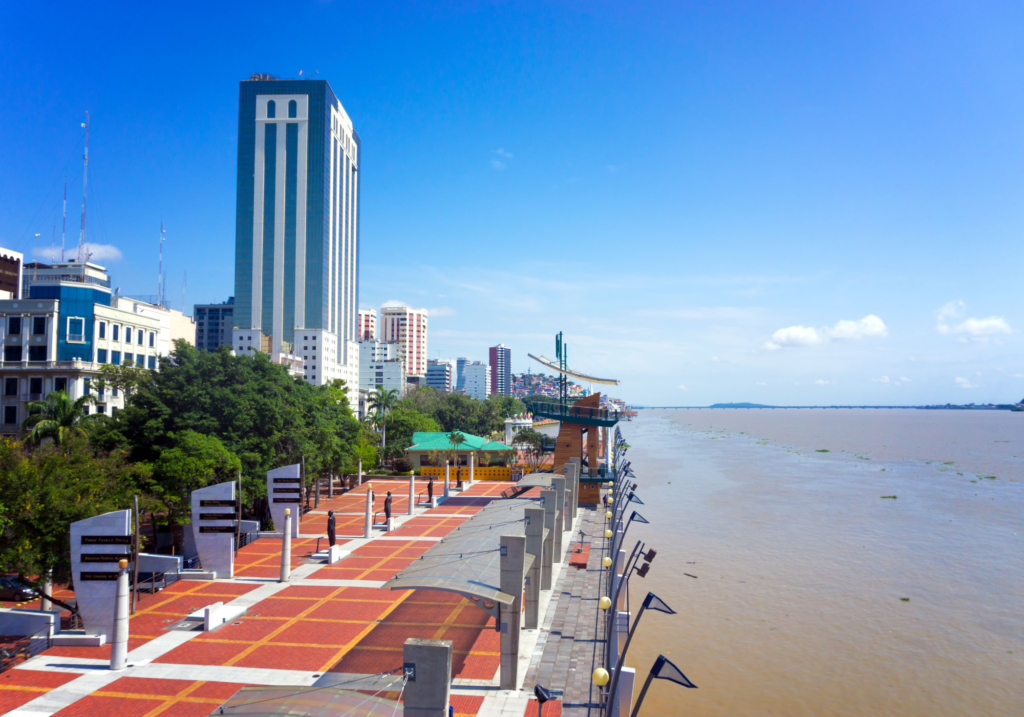
Led by knowledgeable local historians, this tour begins in the leafy expanse of Seminario Park—famously nicknamed Iguana Park—where wild land iguanas roam freely beneath ancient tropical canopy trees. From there, your guide leads you on foot through the neoclassical arcades of the Plaza de la Administración before stepping onto the iconic Malecón 2000, a regenerated 2.5-kilometre riverside boardwalk overlooking the massive Guayas River.
The crescendo of the walk is an in-depth exploration of Las Peñas, Guayaquil’s oldest residential neighbourhood. You will weave through narrow cobblestone alleys framed by 19th-century wooden houses painted in vivid pastel shades, before ascending the 444 numbered steps of Santa Ana Hill. At the summit, beside the historic El Fortín lighthouse, you are rewarded with panoramic views across the river and metropolis.
Key highlights
- Seminario Park (Iguana Park): Observe resident iguanas sharing urban green space amidst historical monuments
- Plaza de la Administración: Admire elegant neoclassical municipal architecture and learn about Guayaquil’s golden cacao boom era
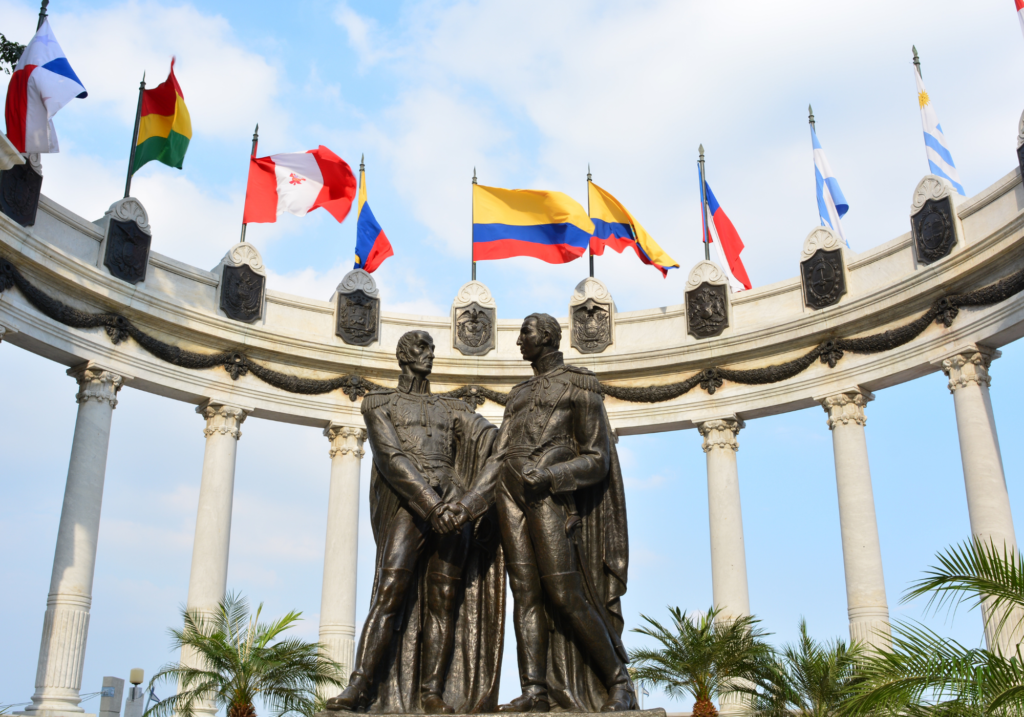
- La Rotonda Monument: Stand before the famous bronze monument marking the historic 1822 meeting between South American liberators Simón Bolívar and José de San Martín
- Las Peñas & Santa Ana Hill: Explore bohemian art galleries, historic wooden architecture, and climb the steps to El Fortín viewpoint
Ideal for
History enthusiasts, urban photography lovers, and first-time visitors seeking deep contextual knowledge of Guayaquil’s political and architectural evolution.
Local insight
Opt for the early morning departure (08:30 or 09:00 AM). Guayaquil’s equatorial heat and humidity build rapidly by midday; walking the steps of Santa Ana Hill under morning shade is significantly more pleasant.
2. Guayaquil guided gastronomic city tour with tastings
Rating & reviews
(New activity on GetYourGuide)
Why this specific tour stands out
Coastal Ecuadorian cuisine is world-class, built around pristine Pacific seafood, green plantains, rich peanut sauces (maní), and native cacao. However, navigating local municipal markets and street stalls independently can be daunting for international travellers unfamiliar with regional dishes.
This curated walking food tour bridges that gap seamlessly. Guided by a passionate local culinary expert, you step away from tourist-oriented restaurants and plunge directly into vibrant municipal markets where daily life unfolds. The tour emphasises ancestral recipes and regional identity, detailing how African, indigenous, and Spanish influences merged along the coast.
You will visit family-run stalls (huecas) that have served the community for generations, tasting dishes prepared right before your eyes. From piping-hot encebollado (Ecuador’s beloved hangover cure—a rich albacore tuna broth with pickled red onions and cassava) to freshly pounded bolón de verde (crispy green plantain spheres stuffed with cheese or pork chicharrón), every bite tells a story of coastal trade and agricultural heritage.
Key highlights
- Municipal Market Exploration: Walk through bustling fruit and fish stalls, sampling rare tropical fruits like mamey, maracuyá, and chirimoya
- Authentic Encebollado Tasting: Sample coastal Ecuador’s iconic national dish at a celebrated neighbourhood hueca
- Plantain & Peanut Delicacies: Taste handmade bolón de verde, corviche (fish and peanut croquettes), and artisanal coastal cheeses
- Artisanal Drinks: Sip traditional warm canelazo or freshly pressed sugarcane juice (guarapo)
Ideal for
Foodies, culinary travellers, and adventurous eaters who want to experience authentic local flavours and support family-owned food stalls.
Local insight
Come with an empty stomach and avoid eating breakfast beforehand! Portions on coastal food tours in Ecuador are generous, and the dishes are hearty. Wear easy-to-clean shoes suitable for market floors.
The Galápagos.
Ecuador’s Enchanted Isles
3. From bustling fish markets to UNESCO hat weavers in Manabí
Rating & reviews
(75+ verified user reviews on Viator)
Why this specific tour stands out
Located in the central coastal province of Manabí, Manta is Ecuador’s premier tuna fishing port, while neighbouring Montecristi is the true historic birthplace of the world-famous Panamá hat—a masterpiece of human craftsmanship recognised by UNESCO as Intangible Cultural Heritage. This exceptional small-group excursion bypasses generic souvenir stops to offer an authentic, ground-level look at living coastal traditions.
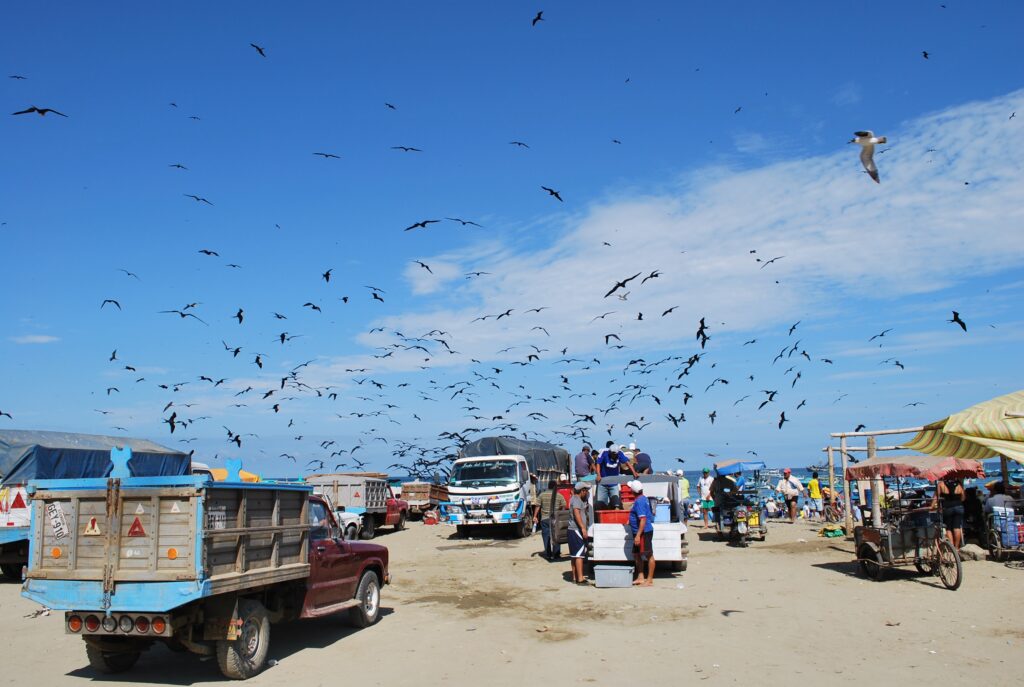
The journey begins at Manta’s bustling Tarqui fish market and shipyard. On foot, you will observe master shipwrights crafting massive wooden fishing vessels using ancestral techniques, while fishermen haul in the morning’s catch of yellowfin tuna, mahi-mahi, and swordfish.
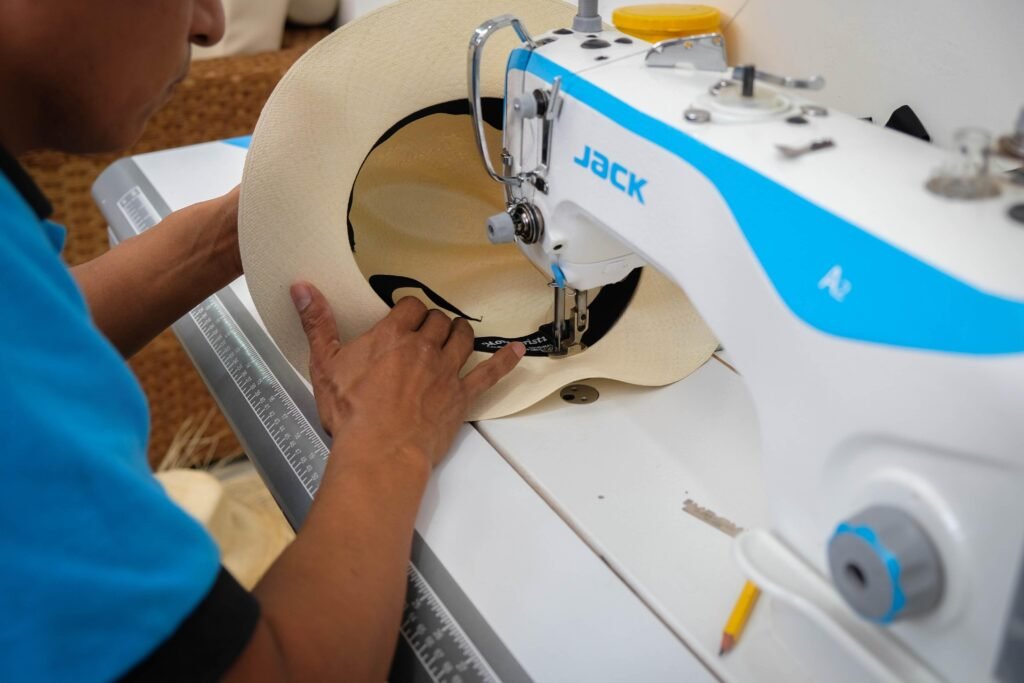
From the coast, the tour moves to the historic town of Montecristi for an extended walking tour of its charming central plaza and civic monuments. Here, you meet master weavers who still hand-knit the delicate straw toquilla fibres (Carludovica palmata) into hats so fine they feel like silk. Watching a master weaver work at their loom provides an unforgettable appreciation for true craftsmanship.
Key highlights
- Tarqui Fish Market & Shipyards: Walk through Manta’s vibrant fishing hub and witness artisanal wooden boatbuilding
- Montecristi Historic Plaza: Explore the quiet, leafy streets and architecture of Eloy Alfaro’s hometown
- UNESCO Straw Toquilla Workshop: Meet master weavers, learn the meticulous grading process of toquilla straw, and see authentic hat-making
- Ciudad Alfaro Civic Centre: Visit the impressive historical complex overlooking the coastal plain
Ideal for
Culture seekers, craft appreciation enthusiasts, and travellers fascinated by maritime history and traditional craftsmanship.
Local insight
If purchasing an authentic Montecristi hat, ask your guide to help you verify the weave density (grado). True Montecristi hats are made entirely by hand over weeks or months; purchasing directly from local artisan cooperatives ensures fair wages remain within the community.
4. Guayaquil city highlights tour with cable car ride
Rating & reviews
(49+ verified user reviews on GetYourGuide)
Why this specific tour stands out
For travellers interested in modern urban transformation and architectural planning, Guayaquil presents a fascinating case study. Over the past two decades, the city has undergone massive urban regeneration, turning formerly neglected industrial riverbanks into world-class public pedestrian spaces.
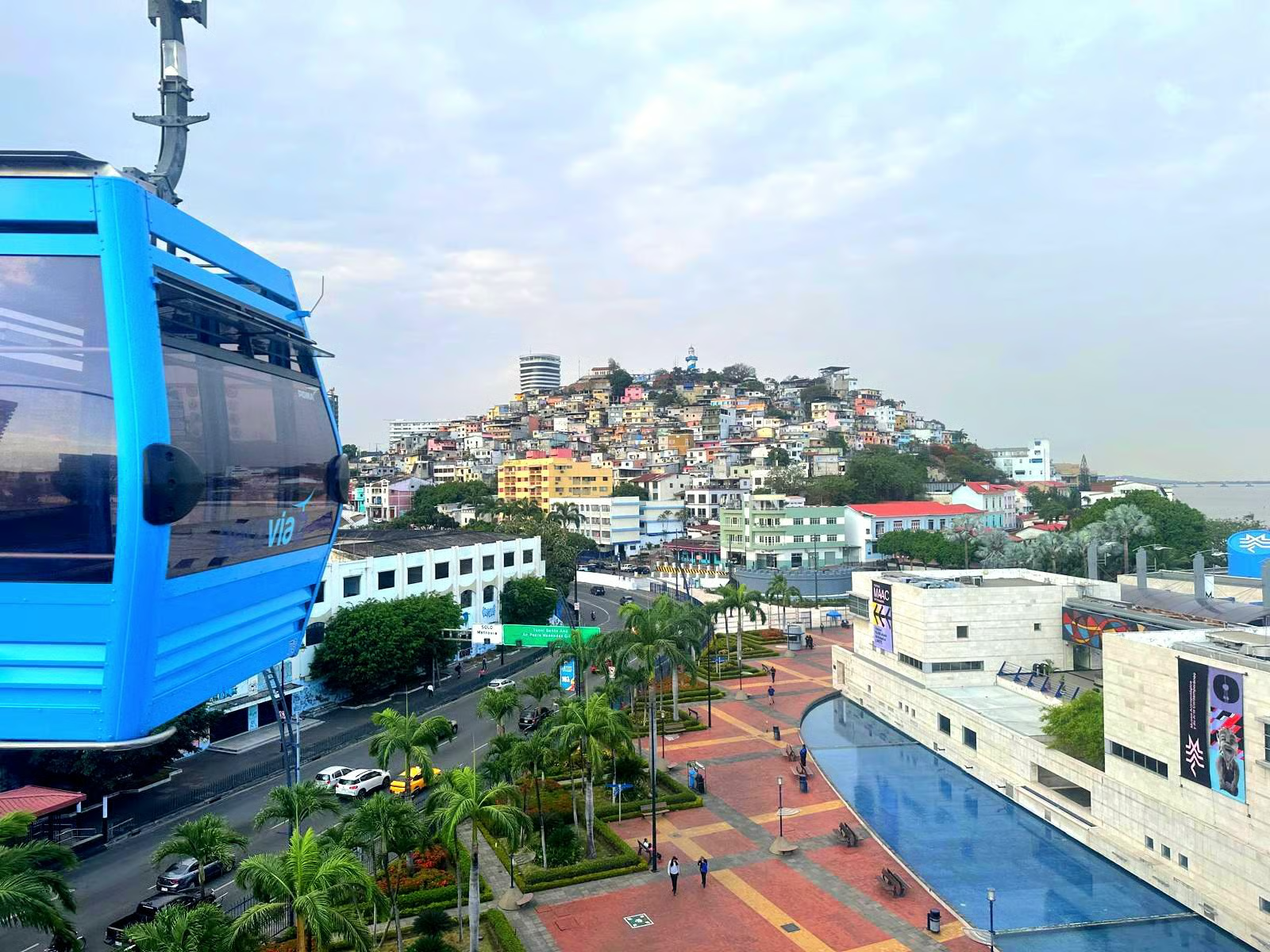
This small-group guided experience blends an architectural walking tour of the waterfront with a glide aboard the Aerovía—Guayaquil’s modern urban cable car system that spans the wide Guayas River.
Led by an expert urban guide, you explore the historic monuments and public art of Malecón 2000, including the Crystal Palace (Palacio de Cristal), designed by French engineers from the Eiffel workshop in the late 19th century.
You then board the Aerovía cab, gliding silently above the river and the urban grid, gaining a perspective on Guayaquil’s geography, mangrove estuaries, and skyline that is impossible to achieve from street level alone. The tour finishes with a pedestrian walk through the regenerated arts district of Puerto Santa Ana.
Key highlights
- Malecón 2000 Pedestrian Walk: Discover public art, native gardens, and historical monuments along the Guayas River
- Palacio de Cristal: Examine the restored ironwork architecture brought from Europe during the cacao era
- Aerovía Cable Car Crossing: Enjoy panoramic 360-degree views of the river, mangroves, and urban landscape
- Puerto Santa Ana: Stroll through former naval docks turned vibrant waterfront dining and art promenade
Ideal for
Architecture lovers, urban planning enthusiasts, and families seeking a scenic, low-impact introduction to Guayaquil’s layout.
Local insight
Bring a light hat and sunglasses. The glare off the Guayas River along the unshaded stretches of the Malecón can be intense, especially during mid-afternoon.
The Ecuadorian Sierra.
Get lost in the hills
5. Mastering coastal culinary traditions with local chefs in Guayaquil
Rating & reviews
(1+ verified user reviews on Viator)
Why this specific tour stands out
If tasting street food leaves you wanting to learn the techniques behind Ecuadorian cooking, this immersive half-day experience offers the ultimate hands-on deep dive. Designed specifically for food lovers who want actionable knowledge to take home, this tour combines a guided market walk with an intimate cooking class led by a professional bilingual chef.
The experience begins with an educational walking tour of Guayaquil’s primary food market. Guided by your chef, you will learn how to identify fresh wild-caught Pacific shrimp, select perfect green vs. ripe plantains, and choose aromatic herbs like Culantro (Coriandrum sativum).
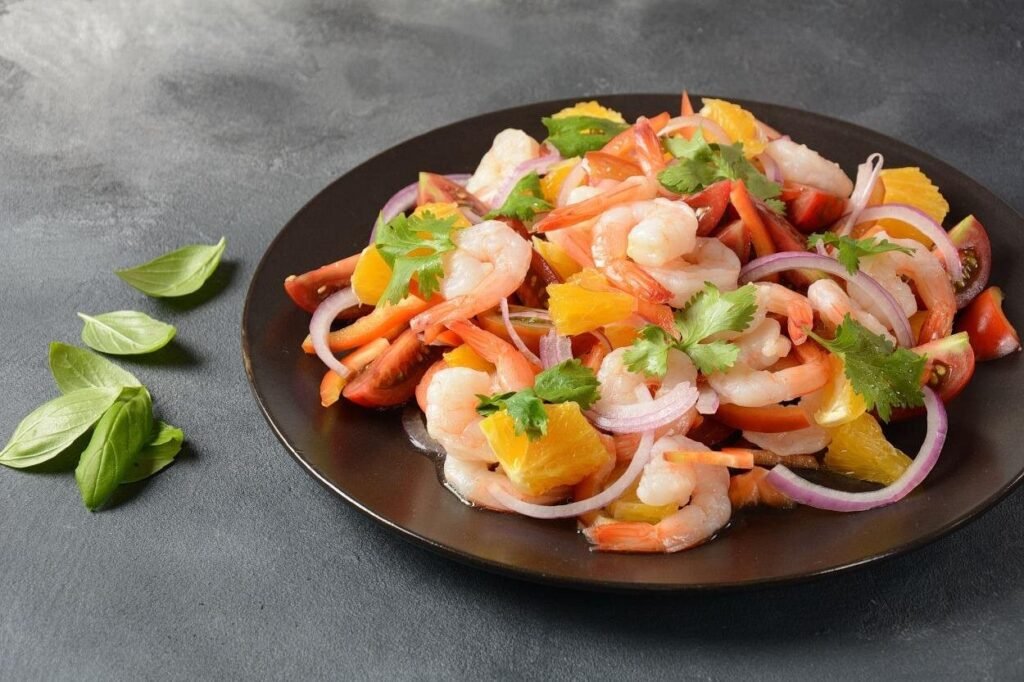
After purchasing fresh ingredients directly from market vendors, you transfer to a professional kitchen studio. Under step-by-step guidance, you will master the art of prepping authentic Ecuadorian shrimp ceviche (distinguished from Peruvian ceviche by its citrusy, light tomato broth base), frying and shaping fish corviche, and preparing traditional seco de pollo. The session concludes with a communal meal, enjoying the dishes you prepared, paired with local beverages.
Key highlights
- Guided Ingredient Sourcing Walk: Learn how to navigate local markets and select authentic coastal produce
- Mastering Ceviche Techniques: Learn the subtle acid-curing methods unique to coastal Ecuador
- Hands-On Cooking Workshop: Prepare classic dishes including Ceviche de Camarón, Corviche de Pescado, and Llapingachos
- Recipe Book Takeaway: Receive detailed digital recipe guides to recreate coastal feasts back home
Ideal for
Culinary enthusiasts, home cooks, couples, and travellers looking for an interactive indoor activity during rainy or humid afternoons.
Local insight
Ask your chef about the secret to a great refrito (the aromatic base of onions, garlic, peppers, and achiote oil). It is the foundational secret to almost all Ecuadorian coastal cooking!
Our practical city exploration guide for coastal Ecuador
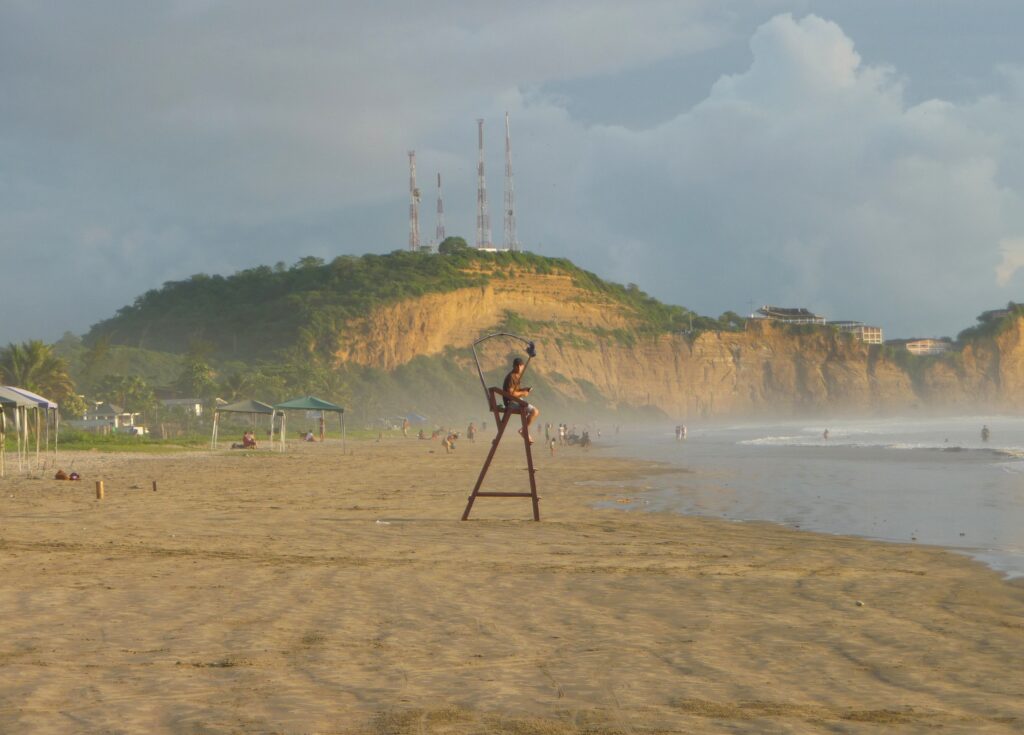
Exploring the cities and heritage towns of Ecuador’s Pacific coast on foot is incredibly rewarding, but it requires sensible preparation and local street smarts. Here are our essential practical recommendations for a safe, comfortable, and memorable trip:
Beat the equatorial heat and humidity
Coastal Ecuador sits directly on the equator, where heat and tropical humidity remain high year-round. Schedule intensive walking tours or stair climbs (like Santa Ana Hill in Guayaquil) for early morning (08:00–10:30 AM) or late afternoon. Always carry refillable water, apply reef-safe sunscreen, and wear a breathable wide-brimmed hat.
Smart urban footwear choice
Historic districts like Las Peñas in Guayaquil and the central plaza of Montecristi feature uneven cobblestones, high stone curbs, and steep stairways. Avoid flimsy flip-flops or smooth-soled leather shoes; opt for sturdy, breathable walking sneakers or supportive travel sandals with good grip.
Navigating urban safety & street smarts
While tourist corridors like Malecón 2000, Las Peñas, and Montecristi’s central square are heavily patrolled, big coastal cities require strict urban precautions. Keep expensive cameras and smartphones tucked away when walking through crowded market areas, avoid displaying flash jewellery, and use registered radio taxis or ride-hailing apps (like Cabify or Uber) when moving between neighbourhoods at night.
Currency, cash, and tipping culture
Ecuador uses the US dollar ($) as legal tender. While major hotels and upscale establishments accept credit cards, local market vendors, street food stalls, and taxi drivers operate strictly in cash. Always carry small denomination bills ($1, $5, and $10) and coins. Tipping guide staff $5–$10 USD per person for exceptional small-group walking tours is customary and deeply appreciated.
Seafood safety and market etiquette
Coastal Ecuador offers some of the freshest seafood in South America, but sensitivities differ. When sampling street food independently, look for stalls with long queues of local families—a sure sign of high turnover and fresh stock. Always ask permission before taking close-up photographs of market vendors or indigenous artisans.
The Ecuadorian Amazon.
The most biodiverse place in the world
Embrace the true rhythm of La Costa
Travelling through coastal Ecuador on foot requires letting go of rigid schedules and embracing the unhurried warmth of the Pacific. When you step off the standard tourist circuit and into the neighbourhoods where locals actually live, shop, and cook, travel transforms from a passive sightseeing exercise into a genuine cultural exchange.
Whether you are climbing the 444 steps of Santa Ana Hill at dawn, discussing trade secrets with master hat weavers in Montecristi, or sharing a steaming bowl of fish soup at a bustling market stall, these moments define the true spirit of independent exploration. They remind us that a city’s character is built not by its concrete monoliths, but by the daily lives and resilience of its people.
At Wheely Tyred, we believe that slowing down is the ultimate luxury. By choosing independent local guides, supporting family-owned eateries, and exploring on foot or by public transport, you ensure your journey leaves a positive, lasting imprint. Lace up your walking shoes, keep an open mind, and let the real coastal Ecuador unfold before you.
Affiliate Disclaimer: Some of the links on Wheely Tyred are affiliate links. If you click through and make a booking or purchase, we may earn a small commission at no extra cost to you. We only recommend gear, tours, stays, and services we genuinely use, trust, and stand behind — our editorial independence always comes first. These commissions help keep our independent cycling guides and travel stories free to read. Thanks for supporting the ride!
Frequently asked questions about the best walking tours on Ecuador’s coast
While major tourist corridors like Malecón 2000, Puerto Santa Ana, and Las Peñas are well-patrolled and secure during daylight hours, standard urban precautions apply. Keep expensive electronics out of sight in crowded markets, stick to well-lit main streets after dark, and use registered ride-hailing apps or radio taxis for cross-town travel at night.
Ecuador uses the US dollar ($) as its official legal tender. While hotels and larger establishments accept cards, street food stalls, municipal markets, and local buses operate strictly on cash. Always keep a supply of small denomination bills ($1, $5, and $10) and coins on hand for daily transactions.
Early mornings (between 08:00 and 10:30 AM) are ideal for walking tours, especially when tackling steep climbs like Santa Ana Hill or exploring unshaded river promenades. Equatorial heat and humidity intensify significantly by midday, making early starts much more comfortable for outdoor exertion.
Prioritise lightweight, breathable fabrics, a wide-brimmed sun hat, and sturdy, comfortable walking shoes or sandals with good grip. Historic neighbourhoods feature uneven cobblestones and steep staircases, while municipal market floors can occasionally be damp or slick.
Encebollado is coastal Ecuador’s iconic national fish soup, typically made with fresh albacore tuna, yuca (cassava), and a generous topping of pickled red onions, served with lime and plantain chips. It is widely considered the ultimate local comfort dish and is best sampled at traditional neighbourhood food stalls (huecas) with local guidance.
Absolutely. Every tour featured in this guide is specifically curated for small groups or private participants, avoiding massive sightseeing coaches and ensuring a personal, flexible, and immersive cultural experience.
Ecuador.
Pure wonder on the equator.