Savour the Ecuadorian coast / The ultimate guide to authentic food tours, market crawls, and cacao trails
Best coastal Ecuador food tours / Guayaquil street food & Manabí culinary trails
Unlock Pacific ceviches, Montubia heritage, and ancient fine aroma cacao
BEN FINCH
To truly understand Ecuador’s coastal soul, you must eat your way through its markets, picanterías, and family-run huecas (beloved local food nooks). Stretching along the Pacific, the Ecuadorian coast (La Costa) is a culinary wonderland shaped by the fertile tropical lowlands, rich ocean currents, and centuries of indigenous and Montubia farming traditions. Here, green plantain (verde), roasted peanut paste (maní), fresh-caught albacore tuna, and heirloom Arriba cacao form the foundation of a vibrant, deeply comforting cuisine.
At Wheely Tyred, we firmly believe that slow travel is best experienced through local foodways. Navigating the chaotic, bustling central markets of Guayaquil or finding the single vendor in Manta who prepares authentic viche de pescado isn’t always easy for autonomous travellers. Commercial tourist buffets and sanitised hotel restaurants obscure the region’s authentic flavours.
Joining a small-group, locally guided food tour bridges that gap. Local guides hold the keys to generational stalls, ensuring you taste peak-fresh ingredients, support family-owned micro-businesses, and gain a profound context for Ecuador’s rich gastronomic heritage.
Below is our hand-picked selection of the highest-rated, fully bookable food tours across the Ecuadorian Coast.
Coastal flavours at a glance / Key takeaways from Ecuador’s picanterías
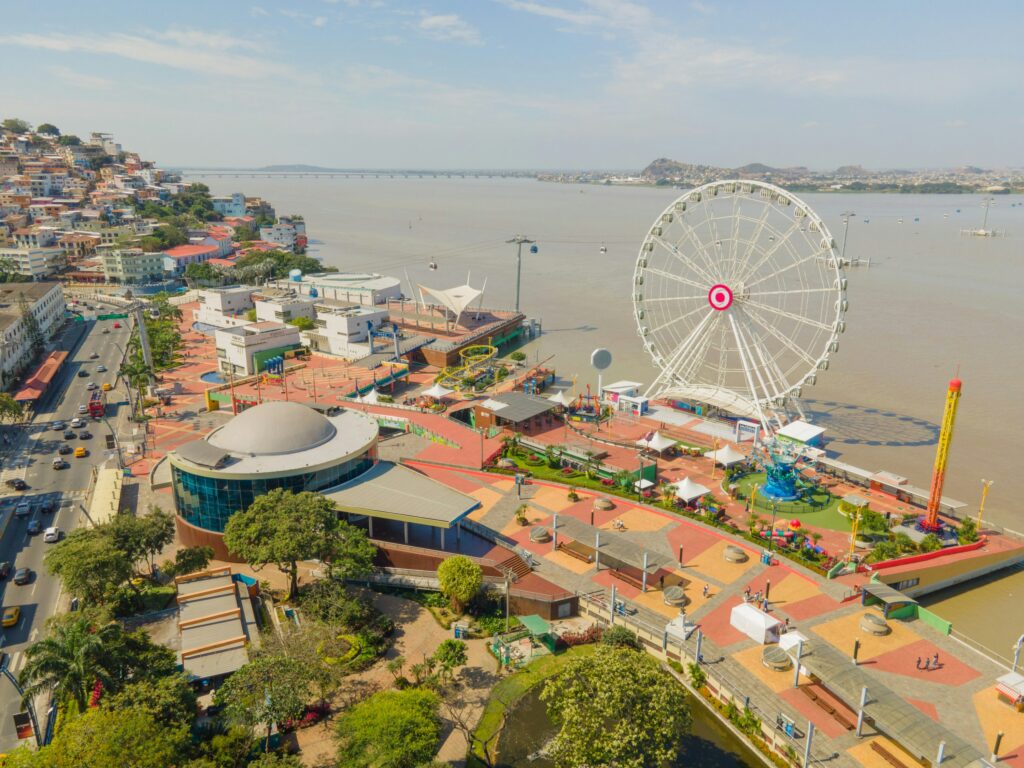
Navigating the culinary landscape of Ecuador’s Pacific coast means stepping away from tourist-centric dining and embracing the vibrant, generational foodways of local markets, picanterías, and cacao estates. Here are the core themes, signature flavours, and essential takeaways from our coastal exploration.
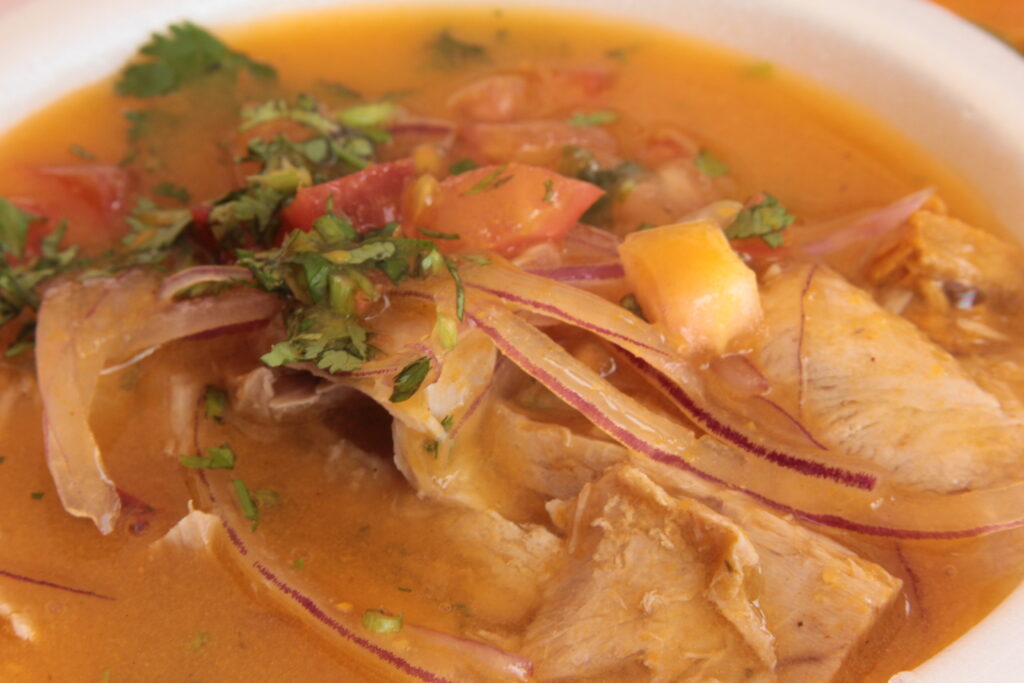
- Guayaquil’s Morning Ritual: Ecuador’s iconic encebollado—a deeply savoury albacore tuna and cassava broth topped with pickled red onions—is best enjoyed early in the day with lime, chifles (plantain chips), and a spoon
- The Magic of Manabí Peanut Paste: Unrefined, freshly ground maní forms the velvety, aromatic backbone of legendary coastal dishes such as viche de pescado stew and crisp, stuffed corviche fritters
- Heirloom Cacao Nacional: The coastal lowlands and humid foothills are the ancestral home of Arriba cacao, globally revered for its natural floral, berry, and jasmine notes rather than harsh bitterness
- Pacific Seafood Bounties: From the energetic docks of Manta to neighbourhood huecas, coastal menus revolve around daily catches of swordfish, sailfish, red snapper, and fresh octopus
- Montubio Culinary Heritage: Rural coastal cooking celebrates open wood fires, slow-simmered menestra (seasoned lentil or bean stews), and agricultural agroforestry passed down through generations
- Smart Market Savvy: Independent travellers should carry small US dollar banknotes and coins, drink bottled water exclusively, and follow local crowds to high-turnover food stalls
The Ecuadorian Coast.
Where you’ll find the very best food
1. Guayaquil street food & market crawl
Rating & reviews
(New activity on GetYourGuide)
Why this specific tour stands out
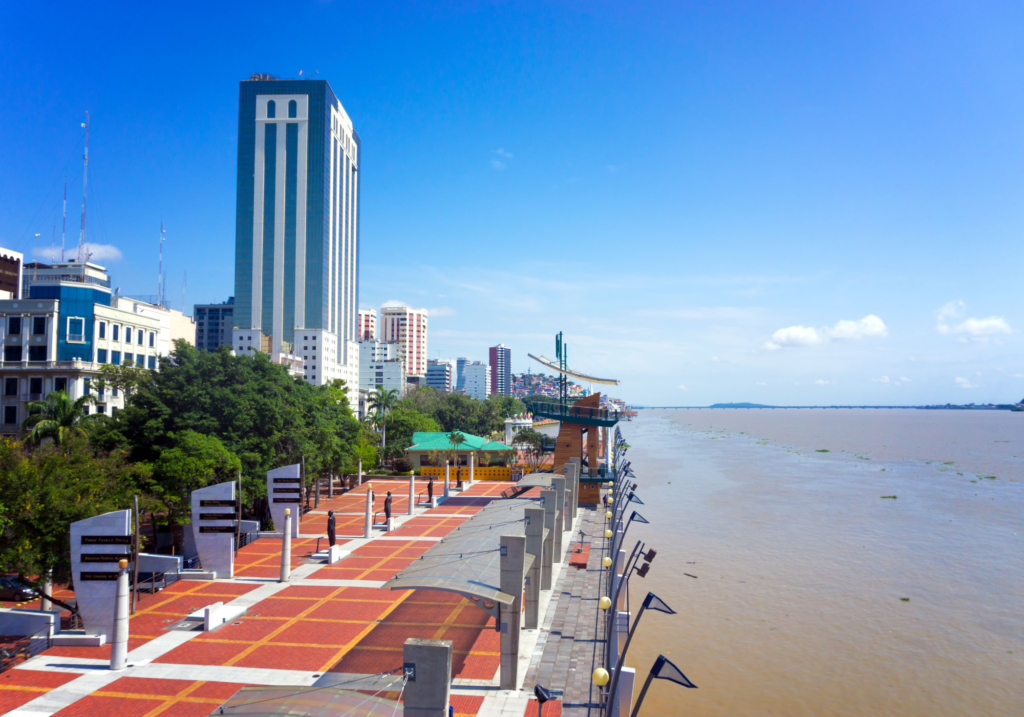
Guayaquil is the undisputed capital of coastal street food, but its sprawling urban layout can be intimidating for newcomers seeking authentic huecas. This guided gastronomic tour bypasses tourist-centric waterfront plazas to take you deep into vibrant neighbourhood markets and traditional eateries.
Led by a passionate local guide, you will trace the historical evolution of coastal dishes, learning how indigenous ingredients merged with Spanish and West African culinary influences. The tour prioritises family-operated stalls where recipes have remained unchanged for generations, offering an immersive, safe, and utterly delicious immersion into Guayaquil’s everyday food culture.
Key highlights
- Taste fresh, piping-hot encebollado—Ecuador’s iconic restorative tuna and pickled red onion soup—served with toasted corn (cancha) and cassava
- Savour hand-mashed bolón de verde (crispy green plantain balls stuffed with fresh coastal cheese or crunchy chicharrón pork crackling)
- Sample exotic tropical fruits directly from market vendors, including granadilla, soursop (guanábana), and sweet yellow dragonfruit
- Finish with a warming sip of artisanal canelazo, a traditional spiced sugarcane spirit infused with cinnamon and citrus
Ideal for
Adventurous street food lovers, first-time visitors to Guayaquil seeking authentic local context, and foodies eager to try Ecuador’s national dish right at its coastal origin.
Local culinary insight
When eating encebollado in Guayaquil, notice how locals season their bowl. Add a splash of fresh lime juice, a drop of chilli sauce (ají), and sprinkle in a handful of chifles (thin plantain chips) or popcorn. Never ask for a knife or fork—encebollado is traditionally eaten strictly with a soup spoon!
2. Coastal cacao & craft beer trail in Manabí
Rating & reviews
(1+ verified user reviews on Viator)
Why this specific tour stands out
Manabí province is world-famous among gourmands for two things: extraordinary seafood cooked with peanuts, and heirloom Cacao Nacional. Departing from the port city of Manta, this specialised private tour immerses you in the agricultural roots of coastal Ecuador.
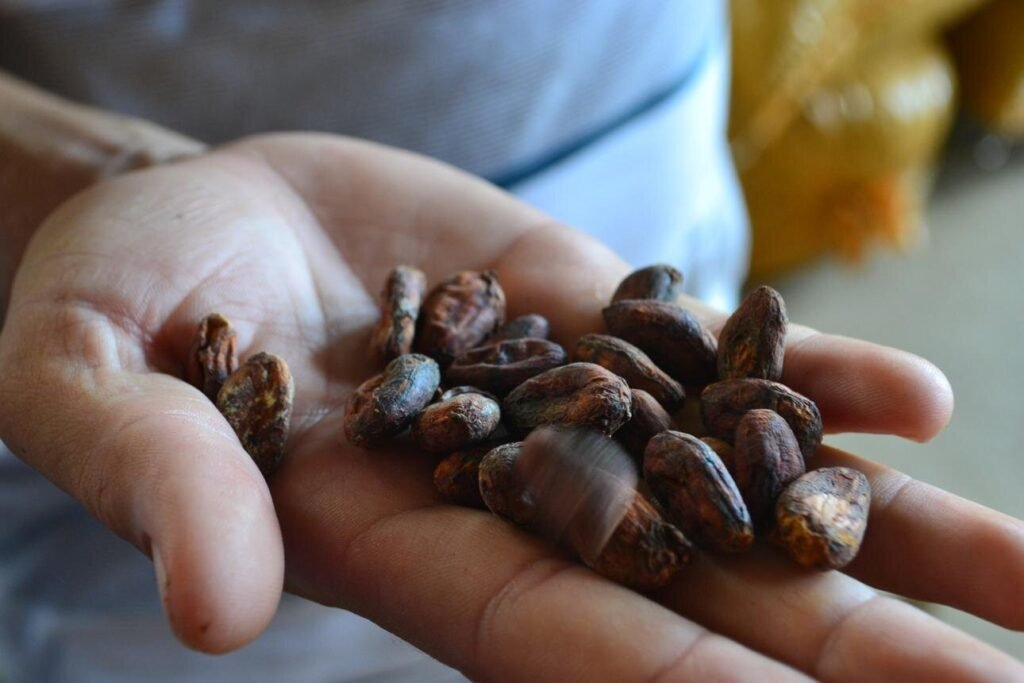
You’ll visit agricultural research centres and local plantations to see how native Creole cacao pods are cultivated, harvested, and fermented. What makes this experience truly unique is its modern culinary pivot—combining ancient chocolate production with Manabí’s emerging craft beer scene and shade-grown coffee in the Pacoche humid forest.
Key highlights
- Walk through cacao, citrus, and coconut groves, tasting raw cacao pulp fresh from the pod
- Learn the step-by-step process of bean-to-bar chocolate making from local master roasters
- Enjoy a guided tasting session at an independent Manabí craft brewery, pairing regional brews with local snacks
- Sample shade-grown coastal coffee, roasted and ground using traditional rural techniques
Ideal for
Chocolate connoisseurs, craft beverage enthusiasts, and travellers wanting to venture off the beaten track into Manabí’s lush coastal hinterlands.
Local culinary insight
Ecuador’s native Cacao Nacional (often called Arriba) is prized globally for its floral and fruity aromatic profile rather than bitterness. When tasting dark chocolate here, let a small piece melt slowly on your tongue rather than chewing it, releasing notes of jasmine, blackberry, and subtle spice.
The Galápagos.
Ecuador’s Enchanted Isles
3. Montubia farm-to-table & heirloom cocoa discovery
Rating & reviews
(2+ verified reviews on GetYourGuide)
Why this specific tour stands out
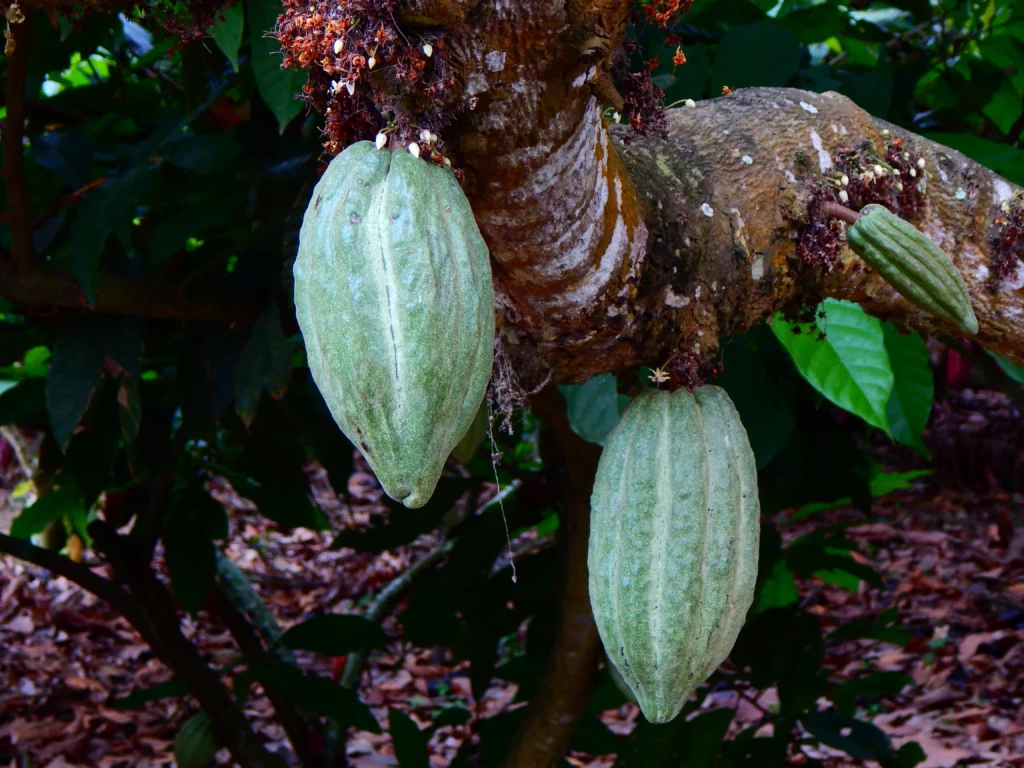
The Montubio people—the rural, horseback-riding coastal inhabitants of Ecuador—have a rich culinary and agricultural identity that urban tours often overlook. This full-day immersive tour bridges city and countryside, taking you from historic Guayaquil straight onto an active, family-owned cacao estate.
Here, you are invited into a traditional wooden farm cottage to participate in every stage of heirloom chocolate production, followed by an authentic countryside lunch cooked over open firewood. It is an unhurried, deeply respectful look at coastal foodways that directly supports rural farming families.
Key highlights
- Participate in hands-on harvesting, drying, wood-roasting, and hand-grinding of organic cacao beans
- Savour an authentic farm-to-table coastal lunch featuring rice with menestra (slow-cooked stewed lentils) and grilled meat or fresh catch
- Discover native tropical herbs and spices grown in the farm’s agroforestry gardens
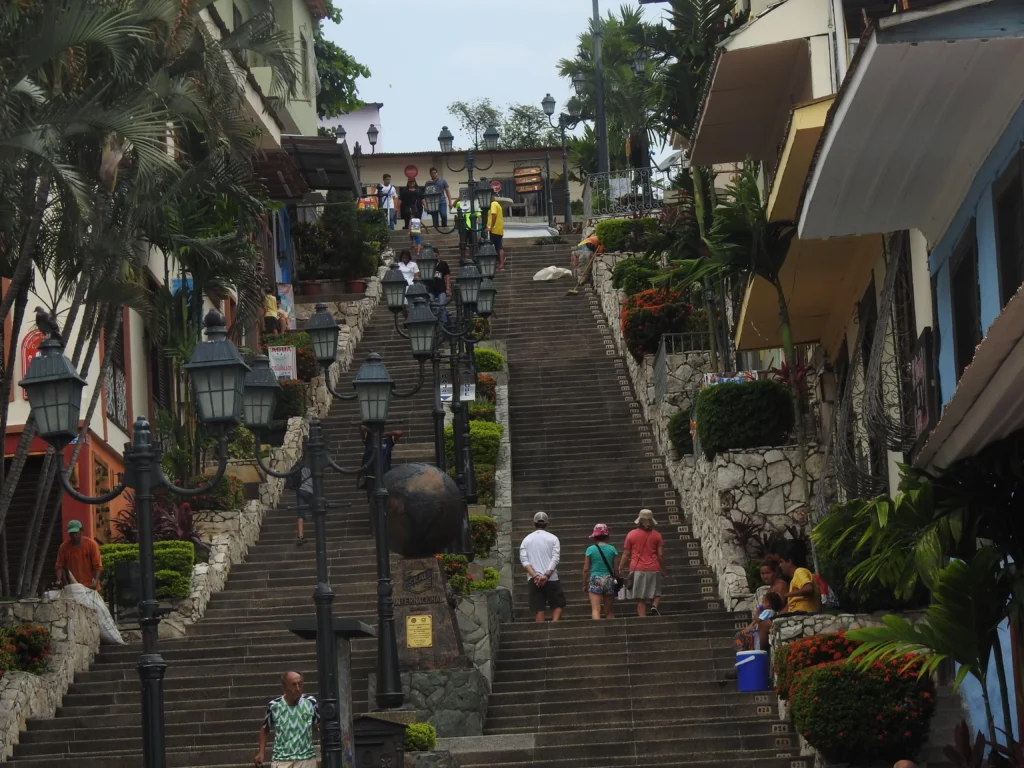
- Combine rural gastronomy with a curated, private walk through Guayaquil’s historic Las Peñas district
Ideal for
Culture buffs, families, flexitarians, and slow travellers seeking a genuine connection with Ecuador’s rural agricultural heritage.
Local culinary insight
Coastal Ecuadorian menestra (stewed lentils or canary beans) is heavily seasoned with cumin, garlic, and achiote (annatto oil). It is an absolute staple of coastal comfort food and provides a brilliant vegetarian protein option when paired with fried green plantains (patacones).
4. Coastal seafood & artisan crafts in Manta
Rating & reviews
(75+ verified reviews on Viator)
Why this specific tour stands out
The coastal province of Manabí produces what many food critics consider the finest seafood dishes in South America. This shoreline excursion connects Manta’s bustling artisan markets and historic Montecristi with an unforgettable beachfront culinary stop. Rather than sitting in a generic restaurant, you visit active fish markets where local fishermen bring in daily catches of swordfish, tuna, and red snapper, followed by a meal at a beachfront picantería specialising in traditional Manabita cookery.
Key highlights
- Visit Manta’s vibrant fish market to see artisanal fishermen unloading giant albacore and sailfish
- Taste authentic corviche—an iconic Manabí street bite made of spiced green plantain dough mixed with roasted peanut paste, stuffed with fresh fish, and deep-fried to crisp perfection
- Indulge in a beachfront lunch of viche de pescado, a rich, complex coastal stew made with peanuts, cassava, sweetcorn, plantains, and fresh fish
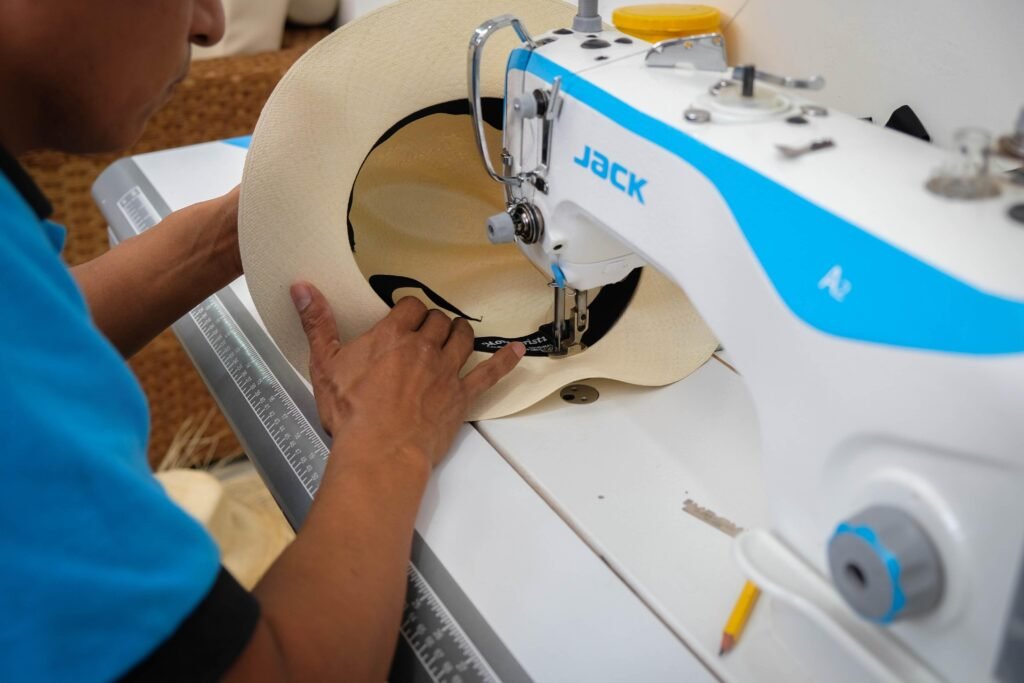
- Witness master weavers crafting genuine Montecristi hats (misnamed globally as Panamá hats)
Ideal for
Seafood lovers, pescatarians, craft enthusiasts, and travellers eager to sample Manabí’s distinctive peanut-and-plantain flavour profiles.
Local culinary insight
Maní (peanut) is the secret weapon of Manabí cuisine. Unlike North American or European peanut butter, coastal Ecuadorian peanut paste is unrefined, unsweetened, and ground with local chilli and herbs to create velvety, savoury sauces for seafood stews and plantain fritters.
The Ecuadorian Sierra.
Get lost in the hills
5. Bespoke culinary walk & hidden huecas of Guayaquil
Rating & reviews
(4+ verified customer reviews on GetYourGuide)
Why this specific tour stands out
If you prefer complete autonomy over your tasting itinerary, this bespoke private experience guided by veteran local experts is unmatched. Instead of following a rigid route, your guide tailors the day around your exact culinary curiosities.
Whether you want to focus exclusively on artisanal seafood ceviches, explore obscure tropical fruit stalls at Mercado Central, or seek out Guayaquil’s best bakeries for warm pan de yuca (cassava cheese bread), this tour provides safe, expert access to the city’s best-kept foodie secrets.
Key highlights
- Fully customised tasting stops tailored to your dietary preferences, appetite, and culinary interests
- Visit authentic gastronomic plazas and local neighbourhood huecas far removed from standard tourist itineraries
- Sample freshly baked pan de yuca paired with cold yogurt de mora (blackberry yoghurt)—a classic Guayaquil afternoon tradition
- Enjoy seamless, comfortable private transport between non-contiguous foodie neighbourhoods
Ideal for
Autonomous travellers with specific dietary requirements, flexitarians, couples, and food writers who want a tailored, deep-dive exploration of Guayaquil’s hidden corners.
Local culinary insight
In Guayaquil, ceviche differs significantly from Peruvian ceviche. Coastal Ecuadorian ceviche is served with a generous amount of flavorful citrus and tomato-based broth, cooked or cured seafood, red onions, and cilantro, always accompanied by bowlfuls of chifles (plantain chips) or toasted cancha corn rather than sweet potato.
6. Cloud forest cacao & sugar cane foothills experience
Rating & reviews
(2+ verified reviews on Viator)
Why this specific tour stands out
Where the coastal plains meet the rising Andes near Bucay, a unique microclimate creates ideal conditions for heirloom cacao and sugarcane plantations. This private day trip from Guayaquil takes you into the lush transition zone.
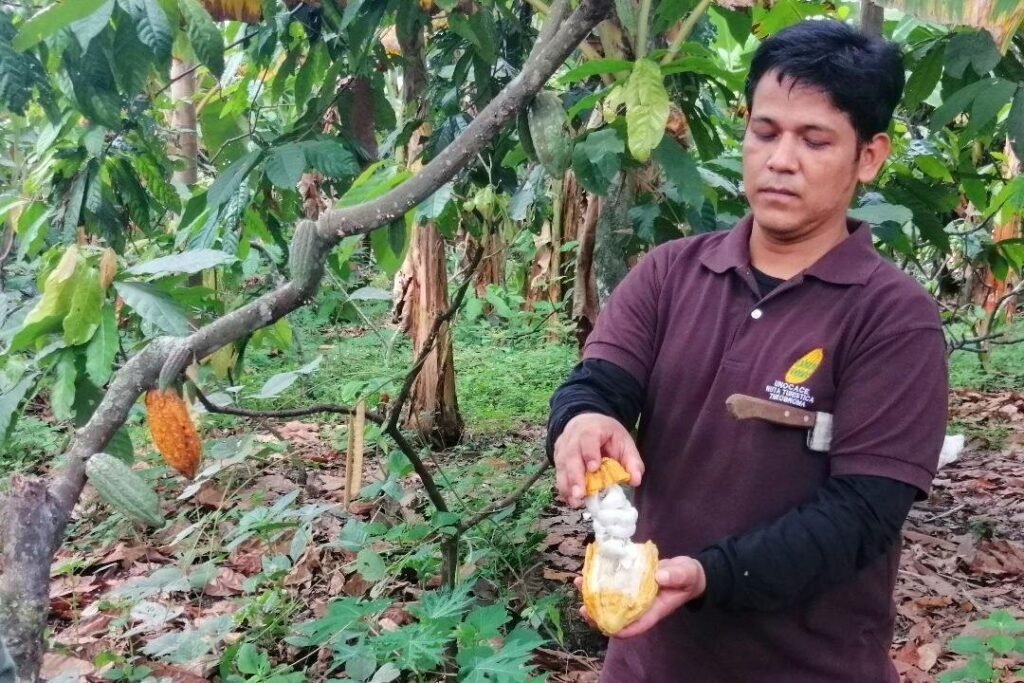
You’ll operate a traditional manual sugarcane press (trapiche) to extract fresh guarapo juice, roast fine aroma cacao over an open fire, and hike through cloud forest trails to refresh in pristine waterfalls before sitting down to a feast of rustic coastal-foothill cooking.
Key highlights
- Operate an authentic wooden sugarcane press and drink raw, ice-cold sugarcane juice
- Make artisanal chocolate from raw bean to finished paste using traditional coastal techniques
- Enjoy a traditional home-cooked lunch prepared by a local rural family in Bucay
- Combine culinary discoveries with active nature walks through cloud forest trails and waterfalls
Ideal for
Active travellers, nature lovers, and foodies who enjoy combining physical exploration with authentic, hands-on agricultural food workshops.
Local culinary insight
Fresh sugarcane juice (guarapo) is naturally rich in electrolytes and minerals, making it the ultimate natural hydration drink after a warm hike in the coastal hills.
The Ecuadorian Amazon.
The most biodiverse place in the world
Our practical coastal food tour & dining guide
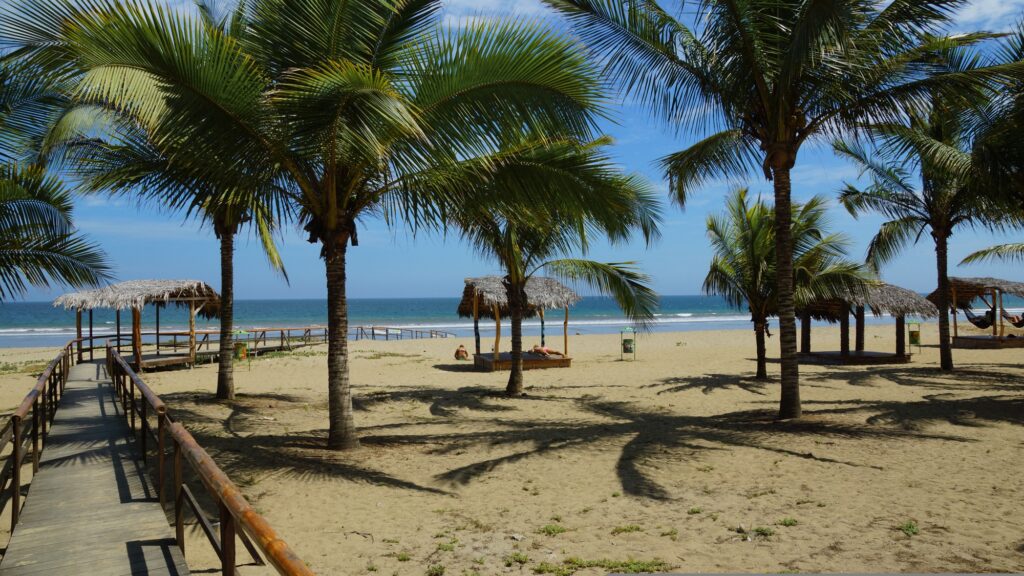
Navigating the vibrant culinary scene along Ecuador’s coast is an unforgettable adventure. To ensure your food journey is seamless, safe, and utterly rewarding, keep these practical tips in mind:
Managing allergies & dietary preferences
Coastal Ecuadorian cuisine relies heavily on peanuts (maní), shellfish, and green plantains. If you have a severe nut or seafood allergy, communicate this clearly before booking. Dishes like viche, corviche, and encocado almost always contain peanuts or coconut. Vegetarian travellers can readily enjoy bolón de queso, pan de yuca, empanadas de viento, and fresh tropical fruit juices.
Street food safety & identifying top huecas
Street food along the coast is generally fresh and safe, provided you follow local cues. Look for stalls (huecas) with high turnover and long queues of local families or workers. Eat hot food cooked fresh to order right in front of you, and avoid raw seafood dishes at roadside stalls late in the afternoon.
Pacing multi-stop tastings
Portions on Ecuadorian food tours are notoriously generous! A single bowl of encebollado or a large bolón de verde can easily fill you up for the day. Take small bites during multi-stop market walks, don’t feel obligated to finish every large dish, and carry a reusable container if your guide allows takeaways.
Hydration & water guidelines
Never drink tap water on the Ecuadorian coast. Stick strictly to bottled or purified water, even when brushing your teeth. High-end food tours and established market vendors use purified ice for juices, but if you have a sensitive stomach, opt for hot beverages like coffee or canelazo, or peeled fresh fruit.
Cash vs. digital payments
While high-end restaurants in Guayaquil and Manta accept credit cards, local market stalls, street vendors, and rural cacao farms operate strictly on cash. Ecuador uses the US dollar. Always carry small denominations ($1, $5, and $10 notes, plus coins)—vendors rarely have change for $20 or $50 banknotes.
Claim your seat at the coastal table
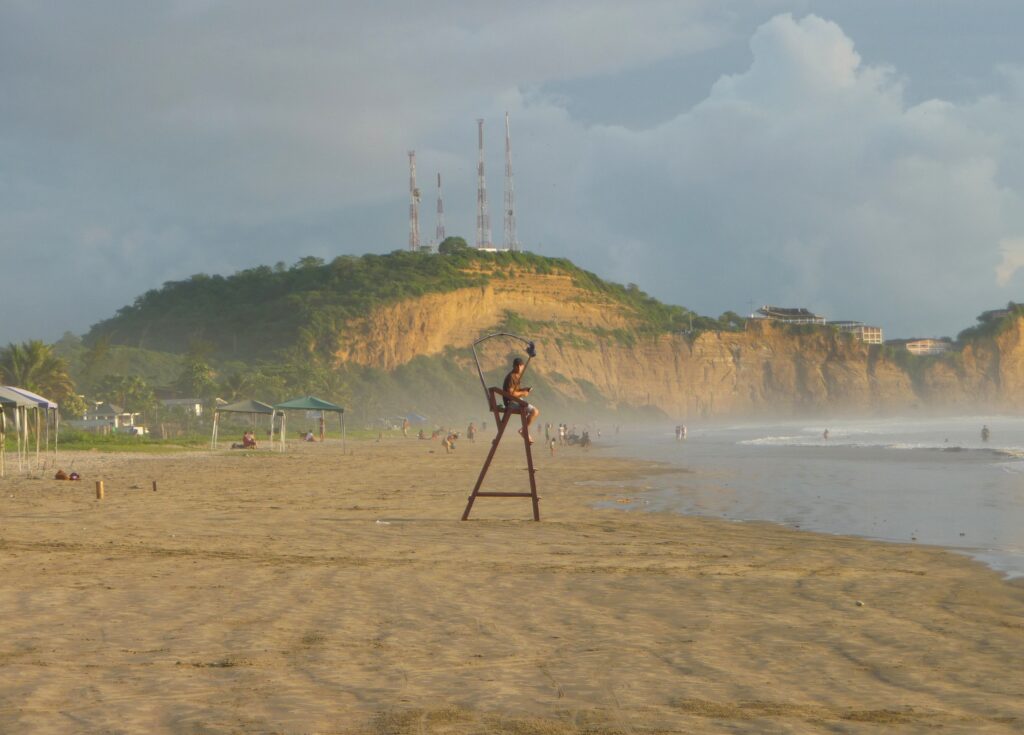
To travel along Ecuador’s Pacific coast is to enter a world where food is inextricably bound to geography, culture, and community. Long before commercial tourism reached these shores, fishermen were navigating the Humboldt and El Niño currents, Montubio farmers were cultivating native green plantains under the tropical sun, and indigenous communities were tending ancient cacao trees in the shadows of the coastal hills. Every steaming bowl of encebollado served in Guayaquil and every pot of viche simmering in Manabí tells a multi-layered story of resilience, trade, and regional pride.
When you choose to explore these foodways through small-group, locally guided tours, you do far more than simply satisfy your appetite. You actively support family-owned huecas, artisan cocoa growers, and independent market traders whose livelihoods depend on keeping authentic culinary traditions alive. By stepping off the main tourist drags and sitting side-by-side with locals on wooden benches, you gain a level of cultural context that no resort buffet or generic city tour could ever hope to replicate.
Whether you are navigating the coast by local intercity bus, pedal power, or independent road trip, let curiosity be your primary compass. Take time to linger over fresh sugarcane juice in the foothills of Bucay, watch the sunrise over Manta’s fishing docks, and take slow bites of single-origin dark chocolate made directly on the farm where the pods were harvested.
Pack an open mind, an adventurous appetite, and a genuine respect for the people who nourish this vibrant region. The Ecuadorian coast is waiting to be savoured—one market stall, one cacao bean, and one bowl of soup at a time.
Affiliate Disclaimer: Some of the links on Wheely Tyred are affiliate links. If you click through and make a booking or purchase, we may earn a small commission at no extra cost to you. We only recommend gear, tours, stays, and services we genuinely use, trust, and stand behind — our editorial independence always comes first. These commissions help keep our independent cycling guides and travel stories free to read. Thanks for supporting the ride!
Frequently asked questions about the best food tours in coastal Ecuador
Unlike Peruvian ceviche, which features raw fish rapidly cured in concentrated lime juice and served dry with sweet potato, coastal Ecuadorian ceviche is served in a rich, flavorful, citrus-and-tomato-infused broth. The seafood (such as shrimp, fish, or octopus) is typically cooked or gently par-poached before being marinated with lime, red onions, and fresh cilantro. It is always served with crispy chifles (plantain chips), popcorn, or toasted cancha corn rather than sweet potato.
Yes, street food along the coast is generally safe, delicious, and fresh, provided you follow basic culinary hygiene habits. Always choose stalls (huecas) that have steady queues of local families, which guarantees high turnover and freshly cooked ingredients. Stick to dishes cooked hot to order right in front of you, avoid raw seafood at roadside stands late in the afternoon, and ensure you drink bottled or purified water exclusively.
Peanuts (maní) are a fundamental ingredient in coastal Ecuadorian cookery, especially in the province of Manabí, where sauces, stews (viche), and plantain bites (corviche) rely heavily on peanut paste. If you have a severe peanut or shellfish allergy, it is essential to inform your tour guide well in advance. Guides can pre-arrange safe alternative dishes, such as grilled fish with green salad, bolón de queso (cheese plantain balls), or plain cassava bread (pan de yuca).
Ecuador uses the US dollar as its official currency. While upscale restaurants and hotels in major cities like Guayaquil and Manta accept international credit cards, street food vendors, market stalls, and rural cacao farms operate strictly on cash. Always carry small denominations—$1, $5, and $10 notes, along with plenty of coins. Vendors often struggle to provide change for $20 or $50 banknotes.
Ecuadorian Cacao Nacional (historically known as Arriba) is world-renowned among chocolatiers for its fine aroma classification. Unlike common industrial cacao varieties bred purely for high yield and bitterness, native Arriba beans possess natural floral aromatics, hints of jasmine, blackcurrant, and subtle warm spices. Visiting an organic cacao estate along the coast allows you to taste raw cacao pulp and experience the traditional roasting process that preserves these delicate flavours.
Morning to early afternoon is the ideal window for market tours and street food walks along the coast. Iconic coastal breakfasts—such as hot encebollado or fresh bolón de verde—are traditionally eaten between 7.00 am and 11.00 am, when the fish broth and plantains are at their absolute freshest. Central markets are also at their most energetic during these hours before the intense tropical afternoon heat sets in.
Ecuador.
Pure wonder on the equator.