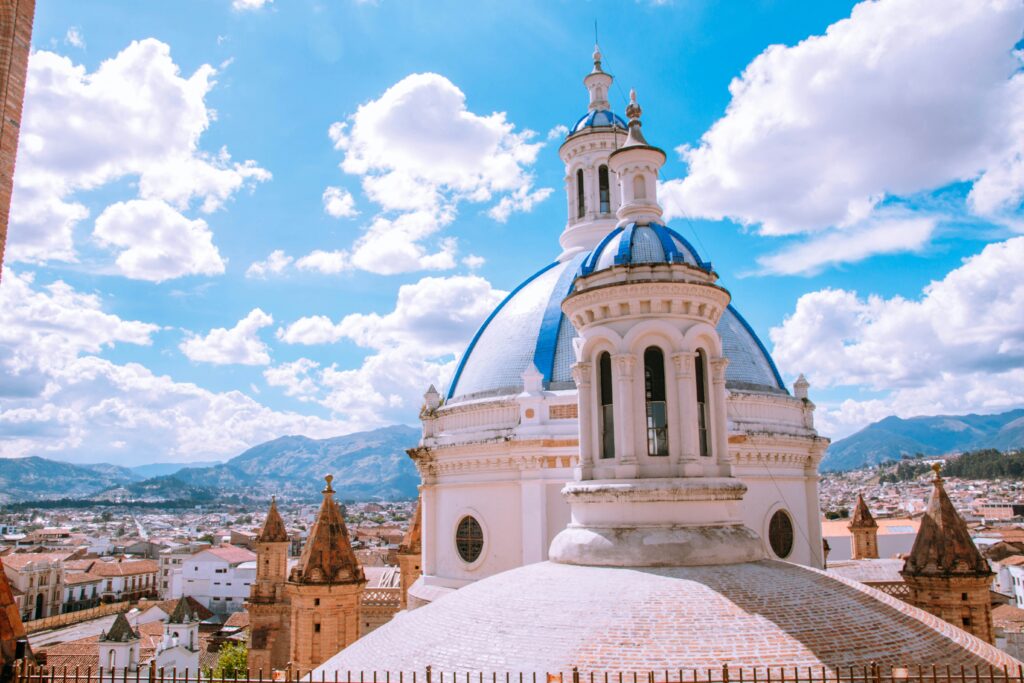
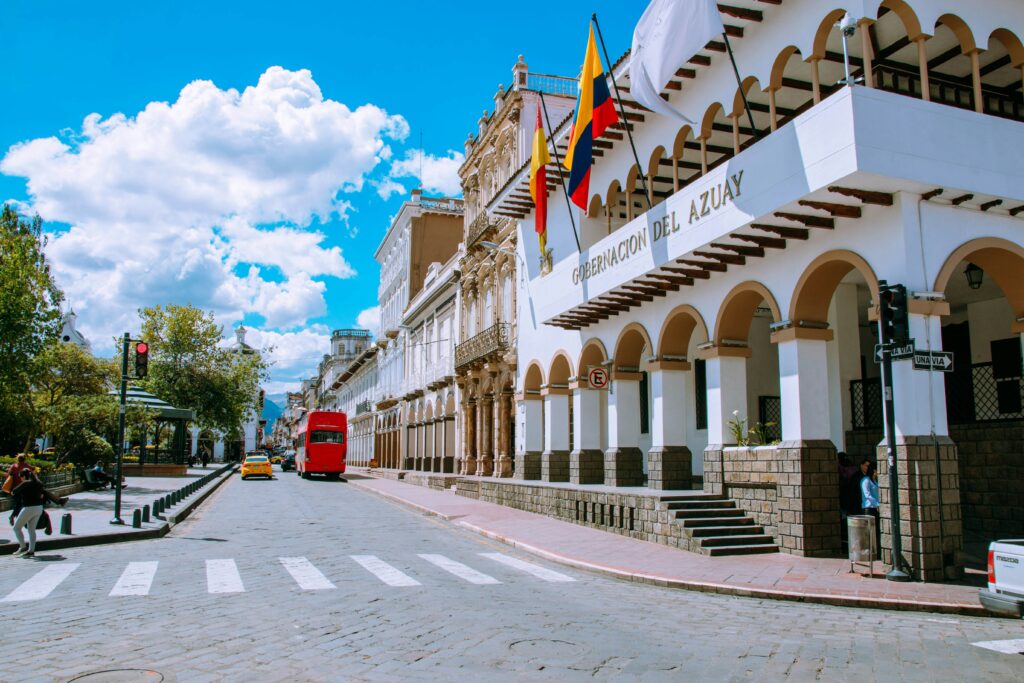
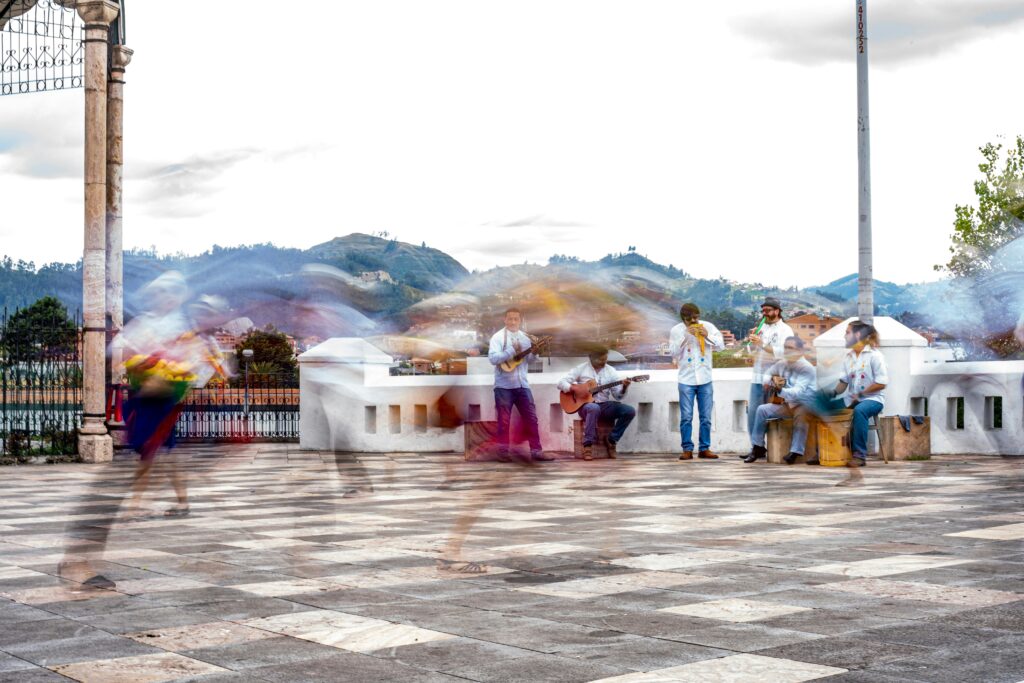
Taste the High Andes / The ultimate food tours guide to the Sierra, Ecuador
Best food tours, market crawls, and cooking masterclasses in Quito, Cuenca, and the Ecuadorian highlands
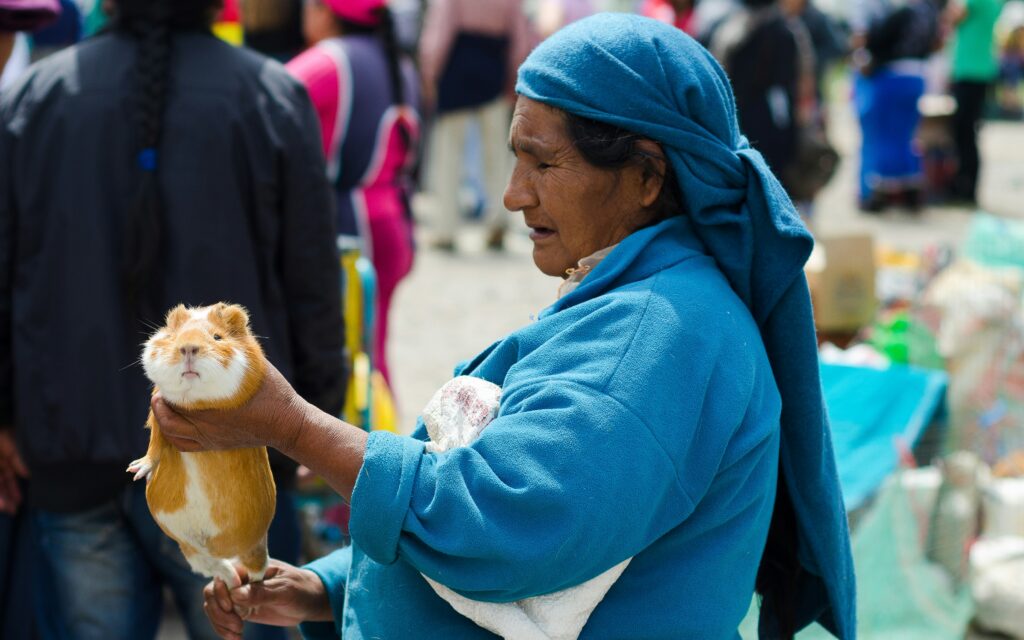
Eat like a local across the volcanic spine of South America
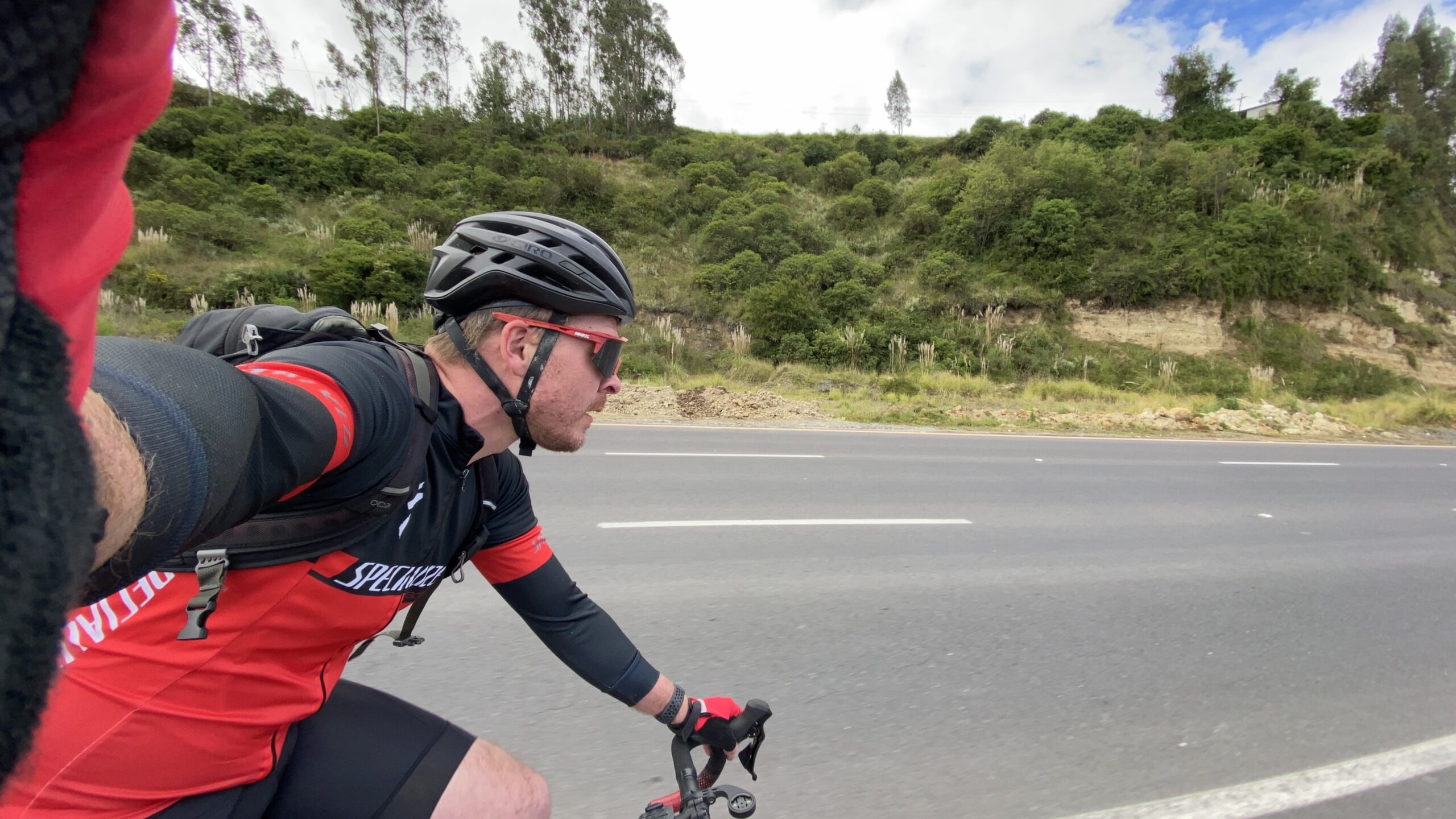
BEN FINCH
The Sierra region of Ecuador—a dramatic corridor of towering Andean peaks, fertile volcanic valleys, and UNESCO World Heritage-listed colonial cities—is one of South America’s most deeply gratifying yet frequently overlooked culinary destinations. Stretching along the volcanic spine of the country, from the northern border provinces down through the high-altitude basins of Quito and Cuenca, this unique ecosystem has nurtured indigenous agricultural traditions for millennia.
Long before Spanish conquistadors introduced livestock and citrus, ancient Cañari and Inca communities were cultivating hundreds of varieties of native maize, heirloom potatoes, pseudograins like quinoa and amaranto, and high-altitude fruits harvested from the cloud forest fringes.
At Wheely Tyred, our philosophy on independent travel is simple: you cannot truly understand a place until you sit down on a low wooden bench at a bustling market stall and eat what the locals eat. The Sierra’s gastronomy is deeply comforting, hearty, and inextricably bound to its terrain. It is a cuisine defined by rich potato soups perfumed with achiote and native herbs, succulent hornado (whole slow-roasted pig) with crackling skin, golden llapingachos (seared potato cakes stuffed with fresh cheese), and warming canelazo cocktails sipped under crisp mountain stars.
However, navigating the high-altitude food halls, subterranean city markets, and family-run picanterías of Quito or Cuenca can feel intimidating for first-time visitors. Mass-market tour operators frequently shepherd travellers into sanitized, overpriced tourist establishments that strip away local character.
To taste the true soul of the Andes, small-group food tours led by impassioned local guides are indispensable. These vetted insiders act as cultural interpreters, introducing you to multi-generational market vendors, demystifying complex native ingredients, and opening doors to hole-in-the-wall eateries you would almost certainly walk straight past.
Here are six of the absolute best, highly-rated bookable food tours, market crawls, and cooking masterclasses across the Ecuadorian Sierra.
A high-altitude larder / Sierra gastronomy at a glance
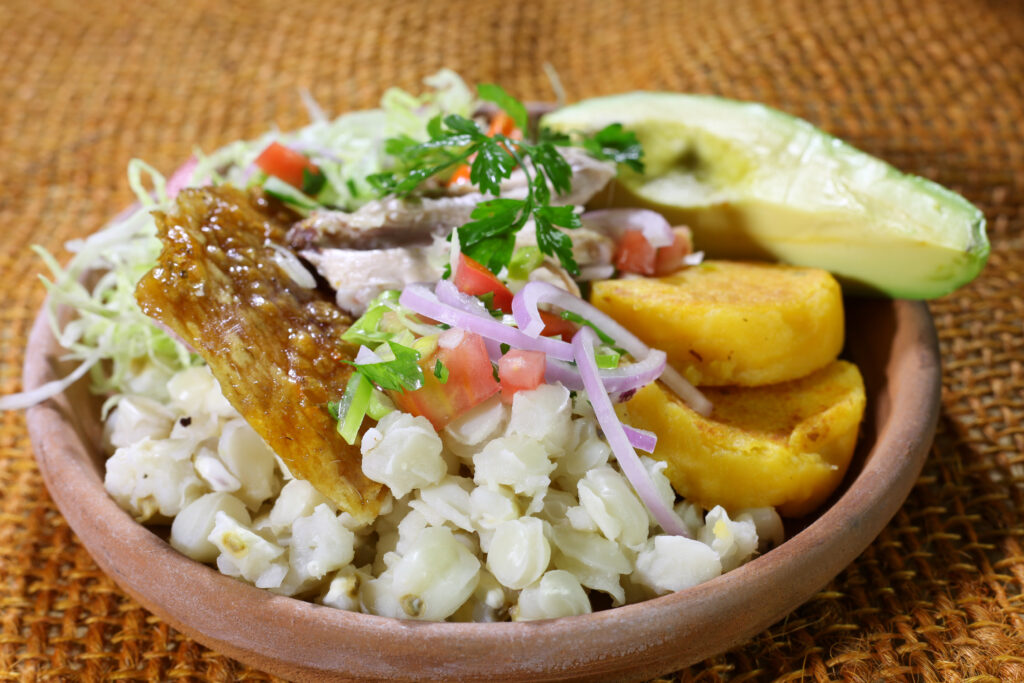
Navigating the markets and mountain towns of the high Andes reveals a culinary landscape shaped by ancient indigenous traditions, rich volcanic soil, and centuries of regional market culture. Here are the core takeaways, key locations, and practical insights for exploring the edible heritage of the Ecuadorian Sierra.
- Quito Alleyway Stalls: Discovering historic empanadas de viento and single-origin dark chocolate tucked away down Old Town alleyways with local guides
- Market Sourcing in Quito: Hand-selecting starchy papa chola tubers at Mercado Central to master a velvety, traditional locro de papa from scratch
- Nocturnal Comforts: Sampling smoky tripa mishqui and sipping warming canelazo amidst the bohemian nightlife of La Floresta and Guápulo
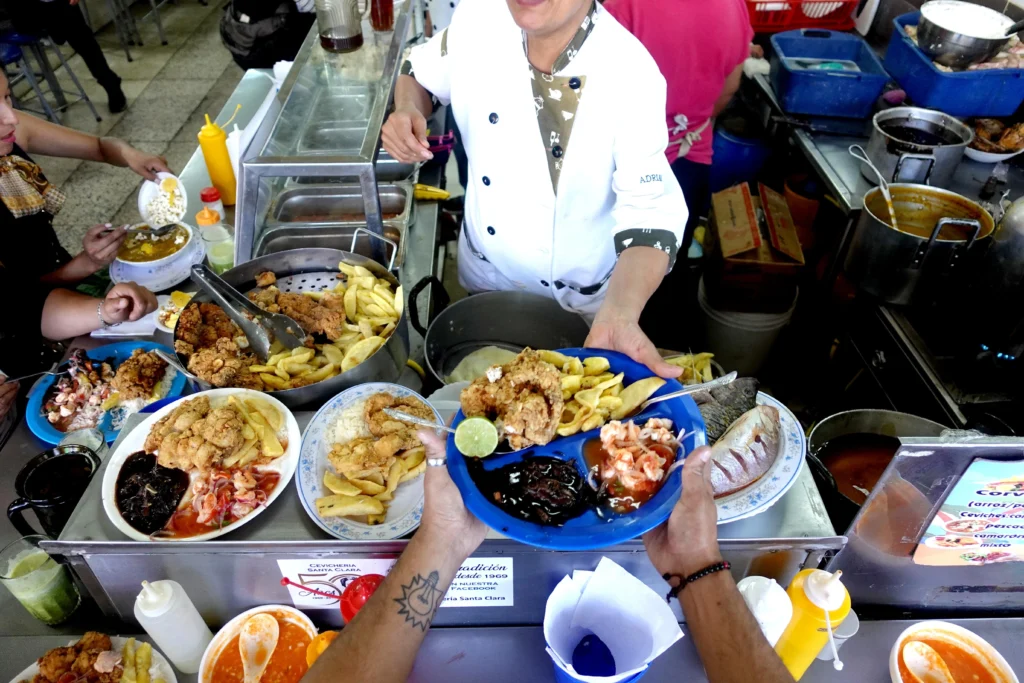
- Cuenca Market Roasts: Devouring succulent, slow-roasted hornado pig with crackling skin across Mercado 10 de Agosto’s storied food stalls
- The Pan-Ecuadorian Feast: Experiencing 32 coastal, highland, and Amazonian delicacies paired with ancestral, fermented chicha de jora in a private Cuenca residence
- Wood-Fired Bakery Traditions: Watching traditional wood-oven production of buttery bizcochos paired with salty queso de hoja in Cayambe en route to Otavalo
- High-Altitude Pacing: Allowing your body time to acclimatise before diving into heavy feasts, and carrying small US dollar coins for family-run market vendors
The Ecuadorian Sierra.
Get lost in the hills
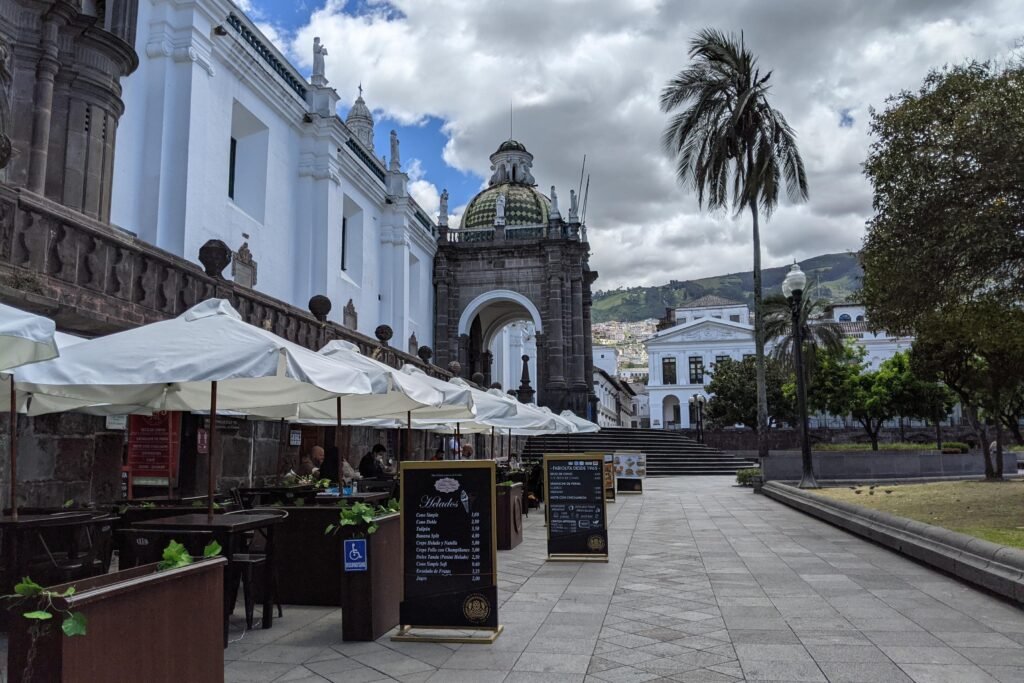
1. Old Town street food & historic alleyway bites in Quito
Rating & reviews
(58+ verified reviews on GetYourGuide)
Why this specific tour stands out
Why read about historic Quito when you can taste your way through its cobblestone streets? This curated walking tour avoids the usual tourist traps of the Centro Histórico in favour of authentic, family-run stalls hidden away down historic alleyways and residential backstreets.
Designed for travellers who prioritize taste and cultural authenticity over fine-dining aesthetics, the experience guides you through a series of distinct food stops to sample dishes that Quiteño natives have cherished for generations.
Led by an enthusiastic local guide, you will weave through bustling street markets, learning how Andean geography influences everyday ingredients. The experience transitions seamlessly from savoury street bites to sweet treats, concluding with an elevated tasting session featuring single-origin Ecuadorian dark chocolate, native coffee, and craft spirits.
Key highlights
- Savouring golden empanadas de viento (deep-fried cheese empanadas dusted with granulated sugar) served piping hot from the fryer
- Guided tasting of exotic tropical and highland fruits, including granadilla, taxo (passionfruit family), and tomate de árbol (tree tomato)
- Sampling traditional seafood delicacies adapted to highland palates, such as coastal-style ceviche prepared with high-altitude twists
- Concluding with an artisanal single-origin chocolate and local spirit cocktail tasting
Ideal for
Adventurous street food lovers, first-time visitors to Quito, and travellers looking for an unvarnished, authentic introduction to urban Ecuadorian comfort food.
Local culinary insight
When eating street empanadas de viento in Quito, observe how the locals lightly tear open the top corner to release the steam before sprinkling a touch of white sugar over the savoury melted cheese. The contrast of sweet and salty is quintessentially Chullo (traditional Quiteño culture).
2. Colonial cooking masterclass & central market sourcing in Quito
Rating & reviews
(12+ verified reviews on GetYourGuide)
Why this specific tour stands out
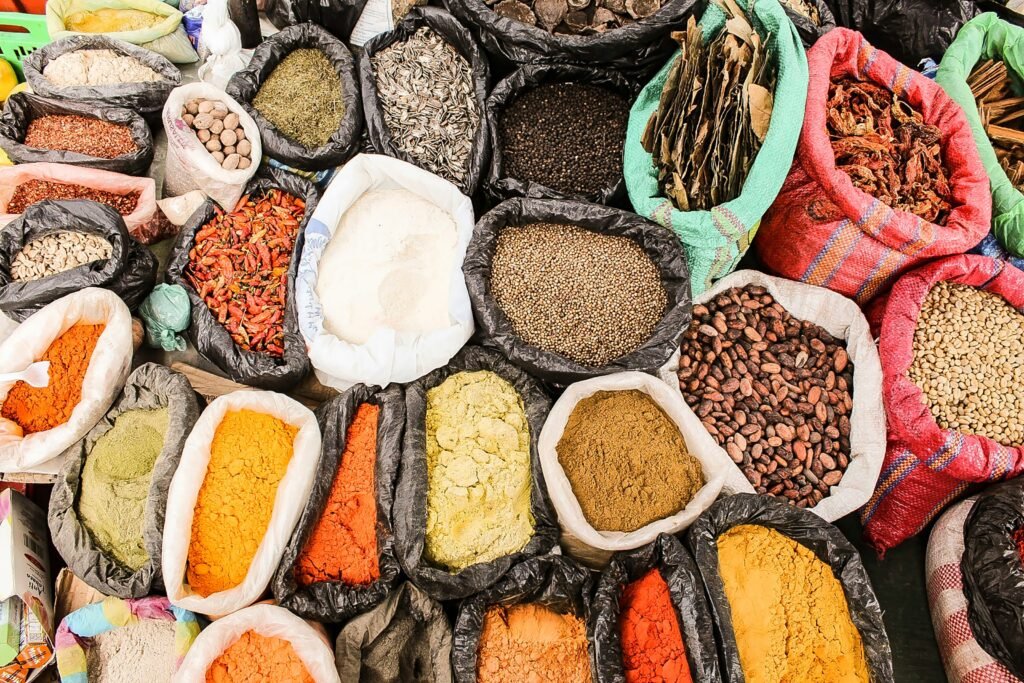
For travellers who want to take the techniques of Andean gastronomy back home, this immersive morning masterclass sets the gold standard. The experience commences at Quito’s vibrant Mercado Central, where a professional chef introduces you to the market’s most trusted vendors. You will weave through fragrant aisles filled with medicinal herb specialists, exotic juice stalls, and vendors displaying piles of heirloom tubers and native maize.
After hand-selecting fresh, seasonal ingredients, you are transported to a beautifully preserved colonial kitchen in the heart of Old Town Quito. Under the chef’s step-by-step guidance, you will prep, chop, and cook a gourmet three-course Ecuadorian meal from scratch. The experience concludes on a high note as you sit down in a tranquil inner courtyard to enjoy your handiwork alongside freshly pressed fruit juices and local wine.
Key highlights
- Sourcing heirloom ingredients directly from specialty vendors at Mercado Central
- Mastering the art of preparing authentic locro de papa—a velvety Andean potato soup laced with achiote, fresh cheese, and creamy avocado slices
- Learning traditional culinary shortcuts for cooking with regional staples like plátano verde (green plantain) and native chilies (ají)
- Communal dining inside a restored colonial courtyard in Old Town Quito
Ideal for
Home cooks, couples, flexitarians, and culinary enthusiasts seeking a practical, hands-on understanding of Ecuadorian ingredients and traditional recipes.
Local culinary insight
Ecuador is home to over 350 native varieties of potato. During your market visit, ask your chef to point out the papa chola—its floury, starch-rich texture is the secret behind achieving a naturally thick, luxurious locro de papa without adding flour or heavy cream.
The Galápagos.
Ecuador’s Enchanted Isles
3. Nocturnal street food trail & craft cocktails in Quito
Rating & reviews
(36+ verified reviews on GetYourGuide)
Why this specific tour stands out
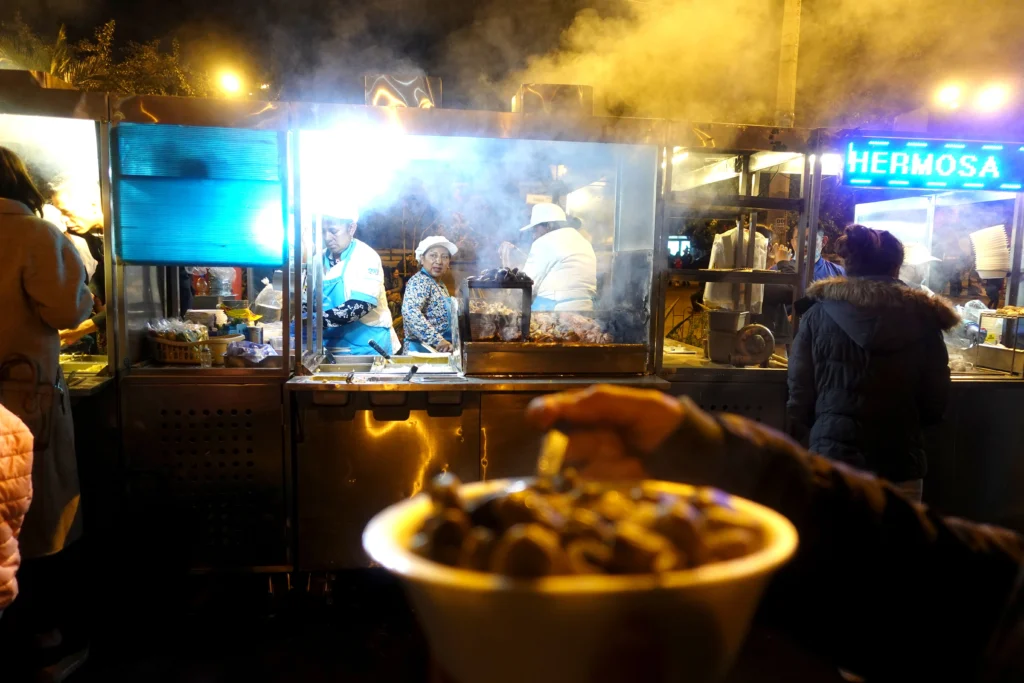
As dusk falls over the Andes, Quito takes on an entirely different culinary energy. Smoke curls into the cool night air from curbside grills in bohemian neighbourhoods like La Floresta and Guápulo. This small-group evening food trail dives headfirst into the city’s nocturnal food culture, leading you to crowded food carts where local drivers, office workers, and neighbourhood artists line up side by side.
The route balances raw street food energy with contemporary urban culture. You begin at an independent local gallery for drinks with resident artists before wandering past brightly lit street stalls. Savour iconic highland comfort foods cooked over open embers, learn about the historic origin of craft brewing in the Andes, and finish the night in an atmospheric neighbourhood bar.
Key highlights
- Tasting tripa mishqui—beef chitterlings marinated in achiote, garlic, and beer, then grilled over hot charcoal until crispy
- Sipping steaming cups of canelazo, the traditional hot Andean drink made with boiled water, cinnamon, sugar, naranjilla fruit juice, and aguardiente sugarcane spirit
- Exploring vibrant street art and hidden local studios in La Floresta
- Sampling regional stews (secos) and finishing with a drink in a cozy local craft brewery or bar
Ideal for
Night owls, solo travellers wanting a safe and social way to explore Quito after dark, and adventurous gourmands looking for off-the-beaten-track flavours.
Local culinary insight
Tripa mishqui is the undisputed king of Quiteño nocturnal street food. If you are hesitant about offal, ask the vendor for a cut that is extra crispy (bien crocantito). Paired with boiled mote (hominy corn) and spicy tomato-and-tree-tomato ají, it is surprisingly tender and smoky.
4. Southern highland market crawl & roast pork heritage in Cuenca
Rating & reviews
(4+ verified reviews on GetYourGuide)
Why this specific tour stands out
Located in the southern highlands, the beautiful UNESCO-listed city of Cuenca boasts a distinct culinary identity shaped by its rivers, deep valleys, and rich Cañari-Inca roots. While tourists flock to Cuenca’s whitewashed cathedrals, this comprehensive four-hour tasting tour takes you inside the city’s real heartbeat: its historic covered markets.
Led by a Cuenca native, you will embark on an intensive tasting journey through Mercado 9 de Octubre and Mercado 10 de Agosto. Smells of sizzling griddles, aromatic stews, and fresh spices fill the air as you meet multi-generational vendors.
You will sample everything from golden plantain snacks to slow-roasted whole pork, learning how corn (mote) forms the foundation of southern highland life.
Key highlights
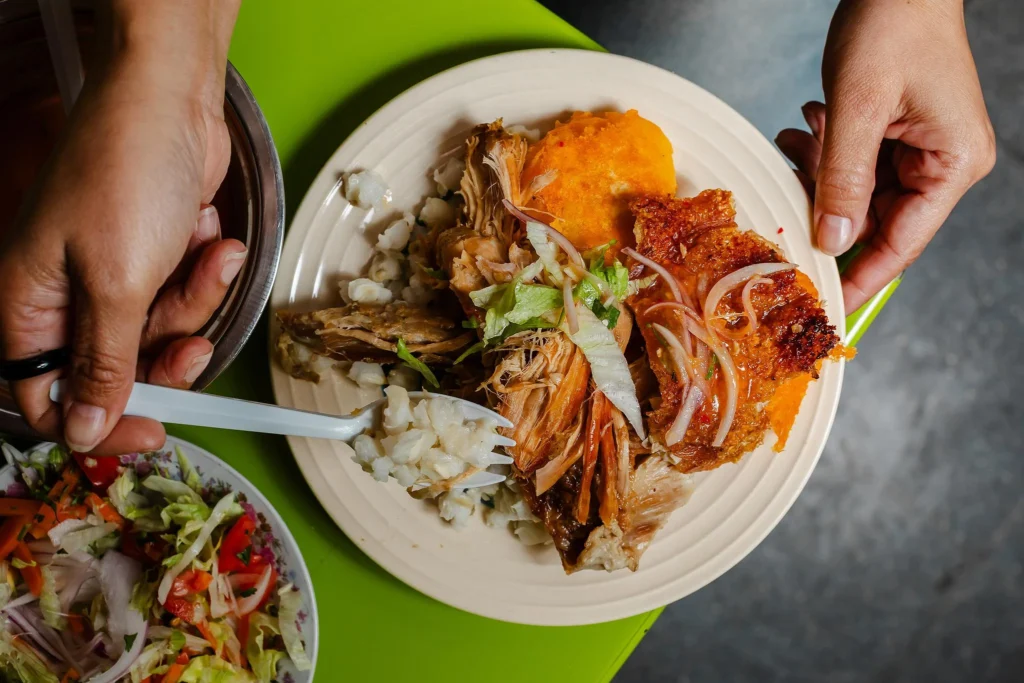
- Indulging in juicy hornado—whole pig slow-roasted for hours with garlic and chicha, served with crackling skin, llapingachos, and pickled red onion curtido
- Sampling mote pata—a hearty, velvety soup of peeled hominy corn, pork, and ground pumpkin seed paste (sambambo)
- Tasting sweet corn cakes steamed in husks (chumales or humitas) and fried green plantain balls stuffed with cheese (bolón de verde)
- Trying espumilla—a light, fluffy guava meringue sold in ice cream cones by street vendors
Ideal for
Dedicated food enthusiasts, history buffs, pork lovers, and travellers who want an authentic, multi-stop market feast.
Local culinary insight
In Cuenca, corn is not just food—it is a cultural staple. You will encounter mote in various guises: mote pillo (scrambled with eggs and green onion), mote sucio (tossed in the savoury pan drippings of roasted pork), and mote pelado (plain boiled hominy). Never decline a side of mote when offered at a southern picantería!
The Ecuadorian Amazon.
The most biodiverse place in the world
5. The ultimate 32-delicacy Ecuadorian tasting experience in Cuenca
Rating & reviews
(New activity on GetYourGuide)
Why this specific tour stands out
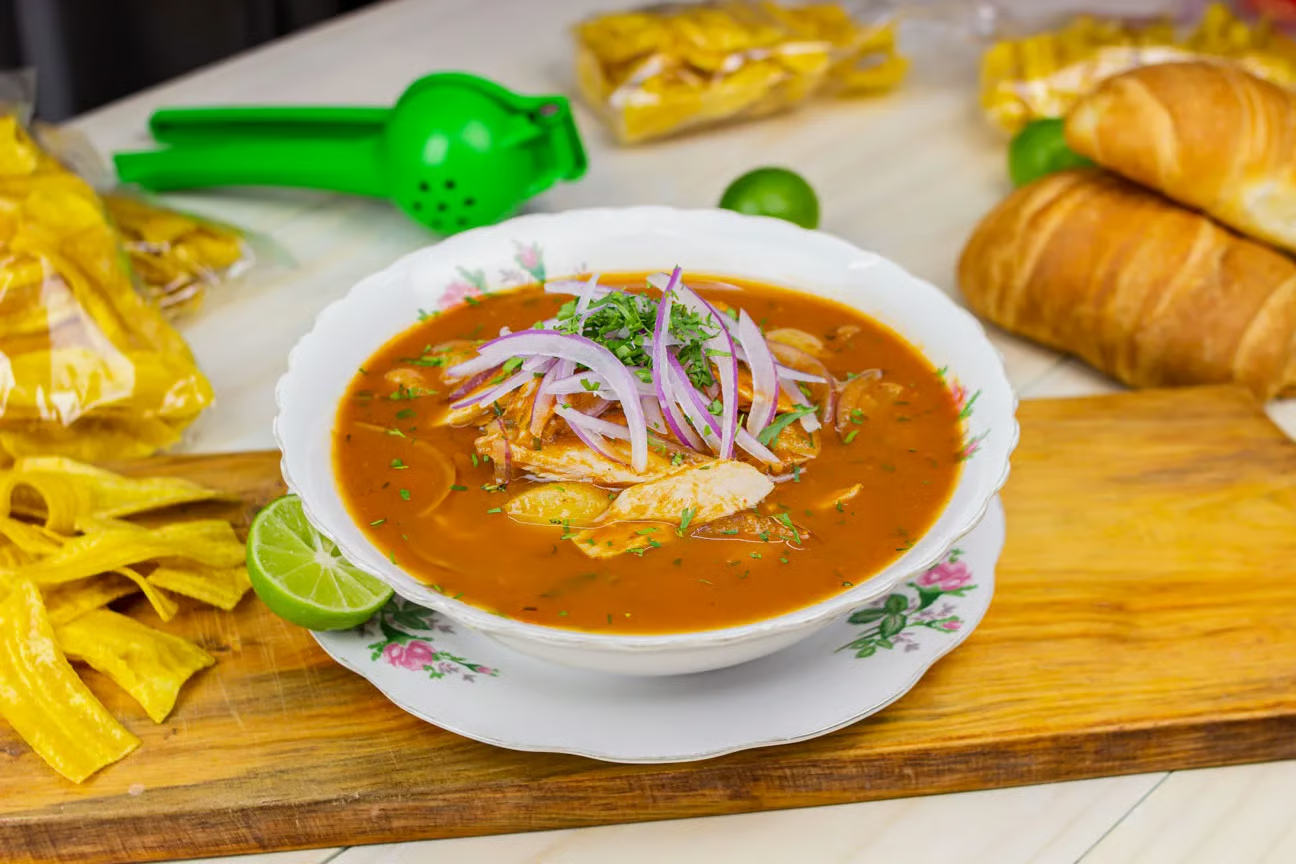
If you prefer a relaxed, seated experience over a walking market tour, this unique tasting session is unmatched in its depth. Hosted inside the home of a local culinary instructor in Cuenca, this three-hour gastronomic journey presents 32 distinct Ecuadorian preparations served in a social, intimate dining environment.
Rather than focusing solely on one city, your host curates this menu to showcase how microclimates—from the tropical Pacific coast across the high Páramo to the Amazonian cloud forests—influence the national pantry.
As you sample each bite, your host shares captivating stories of trade routes, indigenous folklore, and fusion techniques. The dishes are paired thoughtfully with traditional fermented drinks, local craft beers, and regional wines.
Key highlights
- Tasting 32 distinct bites in one sitting, spanning coastal ceviches, Andean roasts, and Amazonian fruit reductions
- Comparing artisanal cheeses from high-altitude highland dairies
- Sampling regional beverage pairings, including ancient chicha de jora (fermented corn beer), warm canelazo, and Ecuadorian wines
- Interactive storytelling hosted inside a local host’s private residence
Ideal for
Travellers seeking a comfortable, seated dining setting, couples wanting an intimate foodie evening, history enthusiasts, and anyone wanting a comprehensive overview of Ecuadorian gastronomy.
Local culinary insight
Pay close attention to chicha de jora during the tasting session. This ancient fermented corn beverage was considered sacred by the Incas and used in religious rituals across the Andes. Its subtle sour tanginess acts as a natural palate cleanser when paired with rich, fatty highland meats.
6. Northern volcanic valleys, wood-fired pastries & indigenous markets
Rating & reviews
(New activity on GetYourGuide)
Why this specific tour stands out
Stretching north of Quito toward the Colombian border, the province of Imbabura is a striking landscape of volcanic crater lakes, fertile agricultural valleys, and vibrant indigenous culture. This full-day cultural food journey connects the dots between rural foodways, historic bakeries, and the famous indigenous market of Otavalo.
The first major culinary stop is the town of Cayambe, nestled beneath the snow-capped volcano of the same name. Here, you will visit a traditional brick-oven bakery to watch bakers produce bizcochos—savoury, buttery biscuit rolls baked over open wood fires.
Continuing north past the deep blue waters of Lake San Pablo, you arrive at Otavalo’s Plaza de los Ponchos. Alongside famous textile displays, your guide will navigate you through street food sections to taste indigenous market specialties.
Key highlights
- Watching traditional wood-fired production of bizcochos in Cayambe and enjoying them hot from the oven
- Pairing warm bizcochos with queso de hoja (fresh salted cheese wrapped in achira leaves) and artisanal manjar blanco (dulce de leche)
- Exploring indigenous food stalls at Otavalo’s Plaza de los Ponchos to sample mote con chicharrón and roasted corn kernels (tostado)
- Scenic coffee stop overlooking Lake San Pablo and Imbabura Volcano
Ideal for
Day-trippers from Quito, road trip enthusiasts, culture lovers, and families who want to combine stunning mountain landscapes with regional food traditions.
Local culinary insight
Eating bizcochos in Cayambe involves a specific ritual: slice open the warm biscuit, wrap a strip of salty queso de hoja around it, and dip the entire thing directly into a cup of thick hot chocolate or sweet manjar blanco. The combination of buttery, salty, and sweet is addictive.
The Ecuadorian Coast.
Where you’ll find the very best food
Our practical guide to food tours & dining in the Sierra
Navigating the culinary landscape of the high Andes is endlessly rewarding, but a few practical local insights will ensure your stomach stays as happy as your taste buds:
Acclimatise before heavy feasts
Quito sits at 2,850 metres above sea level, while Cuenca sits at roughly 2,560 metres. High altitude slows down digestive systems significantly. Schedule intensive evening food tours or rich, heavy pork tastings (hornado, fritada) for your second or third day in the highlands after your body has adapted to the altitude.
Master the art of street food hygiene
Street food stalls in the Sierra are generally clean and well-regulated, but pick vendors with high turnover where local families and workers are actively queuing. Look for stalls where food is prepared fresh to order over open flames or bubbling broth rather than sitting lukewarm in glass display cases.
Hydration & water safety
Tap water throughout the Ecuadorian Sierra is not safe for unacclimated international travellers to drink directly. Always stick to boiled hot beverages (like canelazo or herbal teas like horchata lojana), bottled mineral water, or filtered water provided by tour operators. Use bottled water even when brushing your teeth at high altitudes.
Carry small cash denominations
While restaurants and boutique hotels accept international credit cards, street market stalls and small family-run picanterías operate strictly on cash. Because Ecuador uses the US Dollar, carry small bills ($1, $5, and $10 notes) along with plenty of 25-cent and 50-cent coins. Market vendors will rarely have change for a $20 note on a $2 snack purchase.
Navigating dietary restrictions
Traditional Sierra cuisine relies heavily on potatoes, corn, pork, and poultry. Vegetarians can easily enjoy dishes like locro de papa, llapingachos (verify they aren’t fried in lard), humitas, and fresh fruit tastings. However, strictly vegan or gluten-free travellers should communicate their dietary requirements in advance when booking tours, as chicken stock (caldo de gallina) and lard (manteca) are frequently used as flavour bases in highland cooking.
Pull up a stool / Why the Sierra belongs on your culinary radar
Ecuador’s high-altitude gastronomy does not hide behind white tablecloths or complex commercial gimmicks. Its true magic lives in the subterranean market halls, the open-air charcoal grills smouldering on cool mountain nights, and the quiet pride of multi-generational cooks who have spent decades perfecting a single regional dish. From the delicate, fragrant fruit stalls of Quito’s Mercado Central to the communal roast pork tables of Cuenca, eating in the Sierra is an exercise in grounding yourself in the land and its history.
By stepping away from tourist-centric buffets and choosing small-group, locally led food walks, independent travellers do far more than simply secure a great meal. You gain a direct bridge to community vendors, support family-owned livelihoods, and learn the subtle cultural nuances that make Andean foodways so remarkably resilient. Food becomes your map, guiding you through ancient trade routes, indigenous farming wisdom, and colonial heritage with every shared plate.
So take your time in the highlands. Give your body a day or two to adapt to the thin air, pack a pocketful of small coins, and approach each market counter with curiosity. Whether you are splitting a hot, wood-fired bizcocho in Cayambe or sipping ancestral chicha in a Cuenca courtyard, the tastes of the volcanic spine of South America will stay with you long after you descend from the peaks.
Affiliate Disclaimer: Some of the links on Wheely Tyred are affiliate links. If you click through and make a booking or purchase, we may earn a small commission at no extra cost to you. We only recommend gear, tours, stays, and services we genuinely use, trust, and stand behind — our editorial independence always comes first. These commissions help keep our independent cycling guides and travel stories free to read. Thanks for supporting the ride!
Frequently asked questions about the best food tours in the Sierra, Ecuador
At over 2,500 metres above sea level, atmospheric pressure drops and digestion slows down noticeably. Heavy meals, rich fats, and alcohol can take significantly longer to process, occasionally leading to mild stomach discomfort if consumed too quickly upon arrival. It is best to spend your first 24 to 48 hours eating lighter meals, staying thoroughly hydrated with water or herbal teas, and scheduling heavy, meat-rich food tours (such as Cuenca’s pork market crawls) for your second or third day once your body has acclimated.
Vegetarians will find plenty to enjoy across the highlands. Staple ingredients like heirloom potatoes, corn, plantains, fresh cheeses, and exotic tropical fruits form the base of many delicious meat-free dishes, including locro de papa, cheese-stuffed llapingachos, and steamed humitas. However, strictly vegan travellers should inform their tour guides well in advance. Traditional highland cooks frequently use chicken stock (caldo de gallina) as a soup base or lard (manteca) for frying, so advance notice allows guides to arrange suitable alternatives.
Street food in cities like Quito and Cuenca is generally clean, well-regulated, and exceptionally tasty, provided you exercise basic street-smart precautions. Always choose busy stalls with rapid customer turnover where food is prepared fresh to order over hot coals or in bubbling caldrons. Joining a vetted local food tour eliminates the guesswork entirely, as guides partner exclusively with vendors who maintain strict hygiene and food handling standards.
Ecuador uses the US dollar ($). While established restaurants, hotels, and tour agencies accept credit cards, street food vendors, market stalls, and public buses operate strictly on cash. Small denominations are essential: market sellers rarely have change for a $20 note on a $2 or $3 snack purchase. Always carry a supply of $1, $5, and $10 notes, along with plenty of 25-cent and 50-cent coins.
A bizcocho is a savoury, buttery biscuit roll baked over open wood fires in traditional brick ovens, famous throughout the northern town of Cayambe. To eat it like a local, slice the warm biscuit open, wrap a strip of salty queso de hoja (fresh salted cheese wrapped in achira leaves) around it, and dip the combination directly into a cup of thick hot chocolate or sweet manjar blanco (dulce de leche). The balance of buttery, salty, and sweet flavours is a classic highland treat.
Ecuador.
Pure wonder on the equator.