Mastering Ecuador’s high-Andean passages / The best bus tours and scenic coach excursions across the Sierra
Ecuador Sierra bus tours & city sightseeing loops guide
Window-seat vistas, high-mountain passes, and colonial streets
BEN FINCH
Traversing the Ecuadorian Sierra—a dramatic mountain corridor crowned by towering volcanic peaks, deep river canyons, and UNESCO-listed colonial cities—is one of South America’s premier overland journeys. Stretching from the northern border near Colombia down to the southern valleys of Azuay, the Pan-American Highway (Route E35), famously dubbed the Avenue of the Volcanoes by Alexander von Humboldt, links world-heritage urban centers with windswept páramo landscapes.
For the autonomous, independent traveller, navigating high-altitude mountain topography, winding pass switchbacks, and fragmented intercity transit networks can introduce unnecessary friction. Altitude headaches, steep cobbled inclines, and complex rural bus transfers can drain precious energy. This is precisely where thoughtfully selected bus tours, open-top double-decker city loops, and curated regional coach excursions shine.
At Wheely Tyred, our transit philosophy centers on effortless connectivity and elevated perspectives. Well-crafted bus tours do far more than transport you from point A to point B; they provide elevated vantage points for street-level photography, expert local narrative context through audio or live bilingual commentary, and stress-free access to remote natural wonders like high-altitude crater lakes and volcanic national parks.
Whether you are orienting yourself in the historic barrios of Quito and Cuenca or crossing alpine passes beneath the snowline of Cotopaxi, guided coach excursions unlock the grandeur of the Sierra while letting you focus entirely on the view from your window seat.
High-altitude overland briefing
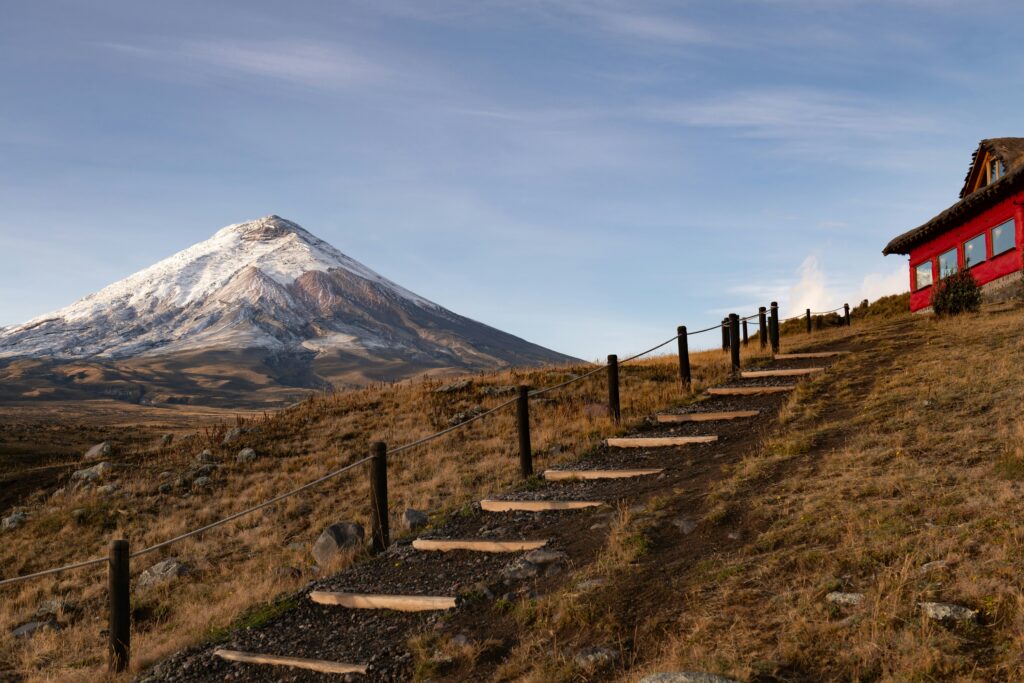
Navigating the dramatic peaks, deep river canyons, and colonial valleys of the Ecuadorian Andes does not require complex transit logistics. Here are the core takeaways and standout journeys for mastering the Sierra by coach:
- Quito’s Historic Core: Glide past 16th-century plazas, soaring Neo-Gothic gargoyles, and hilltop monuments aboard open-top double-decker loops designed to beat initial altitude fatigue
- Avenue of the Volcanoes: Journey along Route E35 past glacier-capped Cotopaxi down into the turquoise depths of Quilotoa’s volcanic caldera lake
- Northern Artisan Trails: Cross into Imbabura Province for woven alpaca textiles at Otavalo’s Plaza de Ponchos and warm butter bizcochos in Cayambe
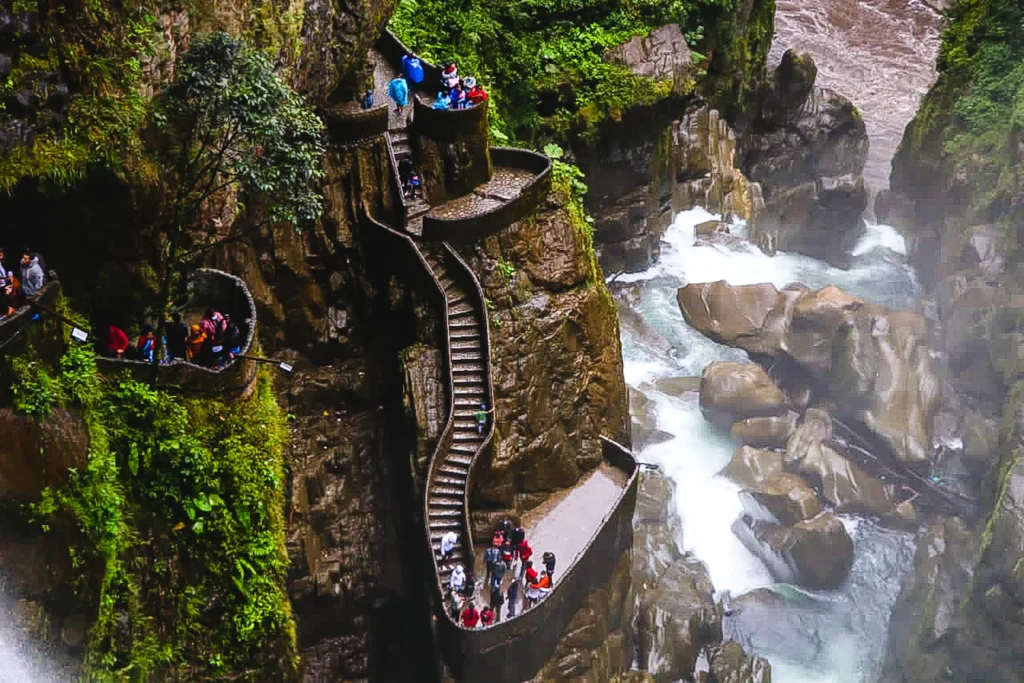
- Waterfall Highway Descent: Drop from chilly mountain passes into the lush cloud forests of Baños to feel the thunderous spray of Pailón del Diablo
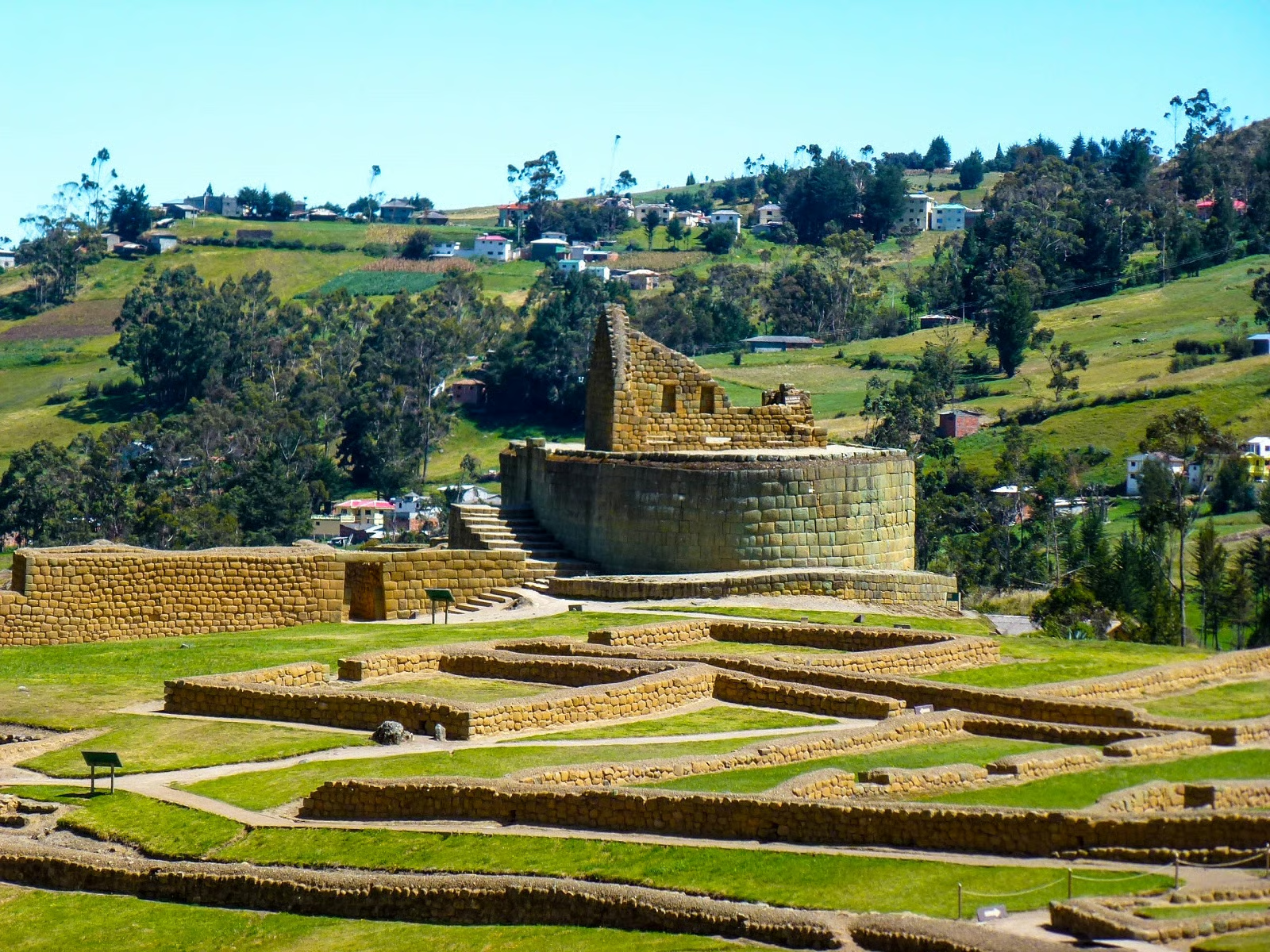
- Archaeological Heritage: Link ancient Incan stone temples at Ingapirca with the blue-domed churches and Panamá hat workshops of historic Cuenca
- Multi-Day Sierra Transits: Transform a standard transit day into a four-day overland road trip connecting Quito, Riobamba, Mount Chimborazo, and Southern Ecuador
- High-Altitude Transit Savvy: Layer up against sudden mountain rain, secure upper-deck vantage seats early, and sip regional coca tea before ascending above 3,800 metres
The Ecuadorian Sierra.
Get lost in the hills
1. Navigate Quito’s UNESCO colonial core via open-top double-decker
Rating & reviews
(252+ verified reviews)
Why this specific tour stands out
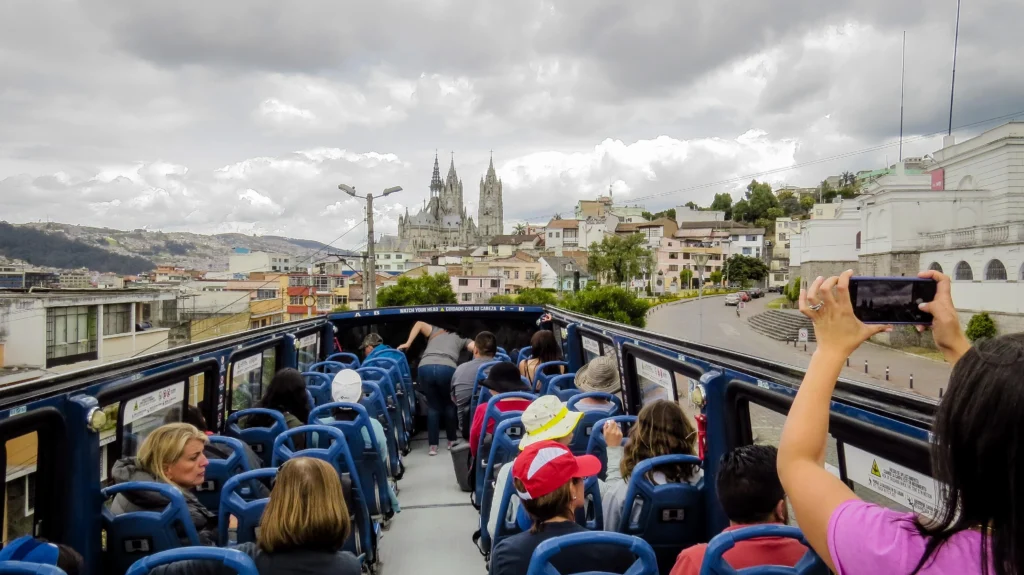
Quito sits at an altitude of 2,850 metres, sprawled across a narrow Andean valley beneath the Pichincha Volcano. Navigating its steep, hilly historical quarter on foot right after landing can quickly induce altitude fatigue. The official Quito Tour Bus double-decker fleet offers the single best orientation loop in the capital.
Featuring an open-air upper deck, this tour weaves through both the modern financial sector of La Mariscal and the narrow colonial streets of the historic center. Equipped with multi-language audio guides, the bus provides crucial architectural and historical context on the city’s 16th-century churches and plazas.
Key highlights
- Panecillo Hill (El Panecillo): A dedicated stop at the city’s premier hilltop lookout for panoramic views beneath the iconic aluminium statue of the Virgin of Quito
- Plaza Grande & Historic District: Panoramic drive past the Carondelet Palace, the Metropolitan Cathedral, and colonial plazas
- Basílica del Voto Nacional: Up-close views of the soaring Neo-Gothic cathedral decorated with Ecuadorian gargoyles (turtles, iguanas, and condors)
- Bulevar Naciones Unidas & La Mariscal: Smooth transit through the modern commercial and dining districts
Ideal for
First-time visitors to Quito seeking a rapid, comfortable orientation route that eliminates steep uphill walking while acclimatising to the Andean elevation.
Local insight
Board the bus at Stop 1 on Bulevar Naciones Unidas. Sit on the right-hand side of the upper deck for the best angle when taking photos of the steep colonial streets and the approach to El Panecillo. Keep a light windbreaker in your day pack, as mountain breezes on the top deck can turn brisk suddenly.
2. Traverse the Avenue of the Volcanoes to Cotopaxi and Quilotoa
Rating & reviews
(644+ verified reviews)
Why this specific tour stands out
Attempting to visit both Cotopaxi Volcano and the turquoise crater lake of Quilotoa in a single day using public rural transport requires at least four separate bus connections across rural mountain roads. This high-altitude coach excursion streamlines the entire route into a seamless, professionally guided day trip.
Travelling in a comfortable, climate-controlled tour bus along the south Pan-American Highway, you pass through high-elevation páramo, stopping at authentic mountain communities, dramatic canyons, and pristine volcanic ecosystems.
Key highlights
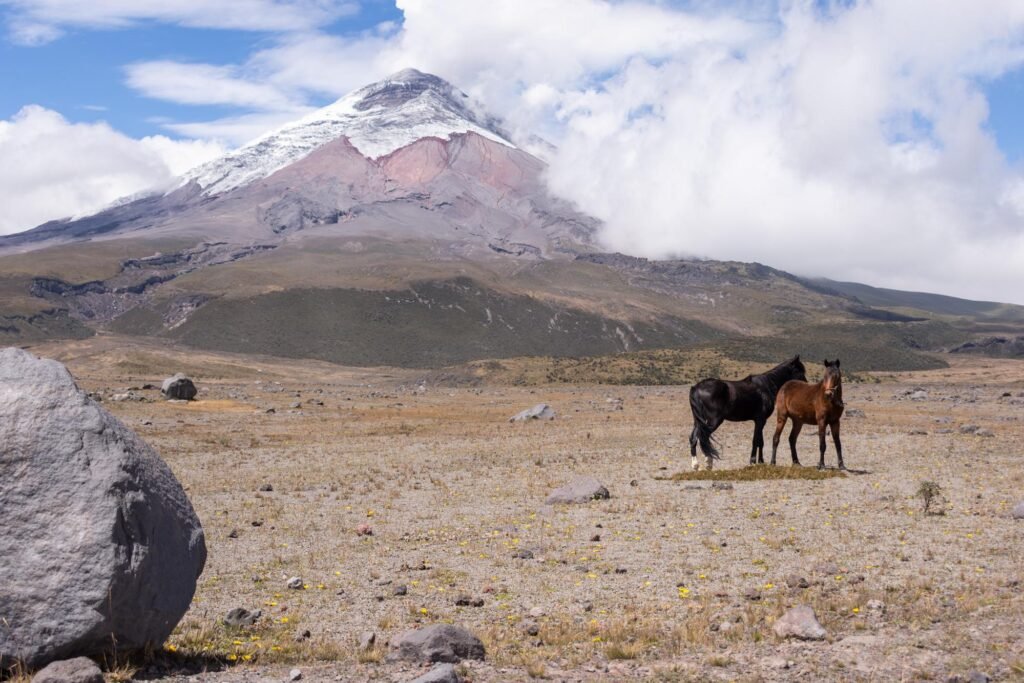
- Cotopaxi National Park: Drive up to the base of the world’s highest active snow-capped stratovolcano (5,897m)
- Limpiopungo Lagoon Walk: Guided gentle trek around the high-altitude glacial lake to spot Andean wild horses, páramo foxes, and birdlife
- Toachi River Canyon: Panoramic photography stop at the carved volcanic rock gorge
- Quilotoa Crater Lake: High-viewpoint access to the 3-kilometre-wide emerald-green volcanic caldera lake, with time for walking along the crater rim
Ideal for
Landscape photography enthusiasts and active travellers who want to experience the dramatic high-elevation wilderness of the Central Sierra without the stress of navigating rural roads.
Local tourist insight
The tour coach ascends well above 3,800 metres at Limpiopungo and Quilotoa. Take advantage of the optional warm coca tea offered at the park entrance to help ease altitude adjustment. Keep your camera gear inside a padded bag at your seat rather than in the overhead racks to protect it from road vibration on unpaved gravel park tracks.
The Galápagos.
Ecuador’s Enchanted Isles
3. Exploring northern Sierra crafts and culture via express coach
Rating & reviews
(60+ verified reviews)
Why this specific tour stands out
Heading north from Quito into Imbabura Province (Ecuador’s Geopark province), this full-day regional coach tour showcases the rich indigenous heritage, artisan markets, and volcanic lakes of the Northern Sierra.
Rather than dealing with chaotic intercity bus terminals like Carcelén, this tour provides direct door-to-door hotel transport in modern tourist coaches, making stops at famous artisan centers that are difficult to connect efficiently on your own.
Key highlights
- Cayambe Bakery Stop: A stop at traditional bakeries at the foot of Cayambe Volcano to sample authentic regional bizcochos (butter biscuits) served with queso de hoja (leaf-wrapped cheese)
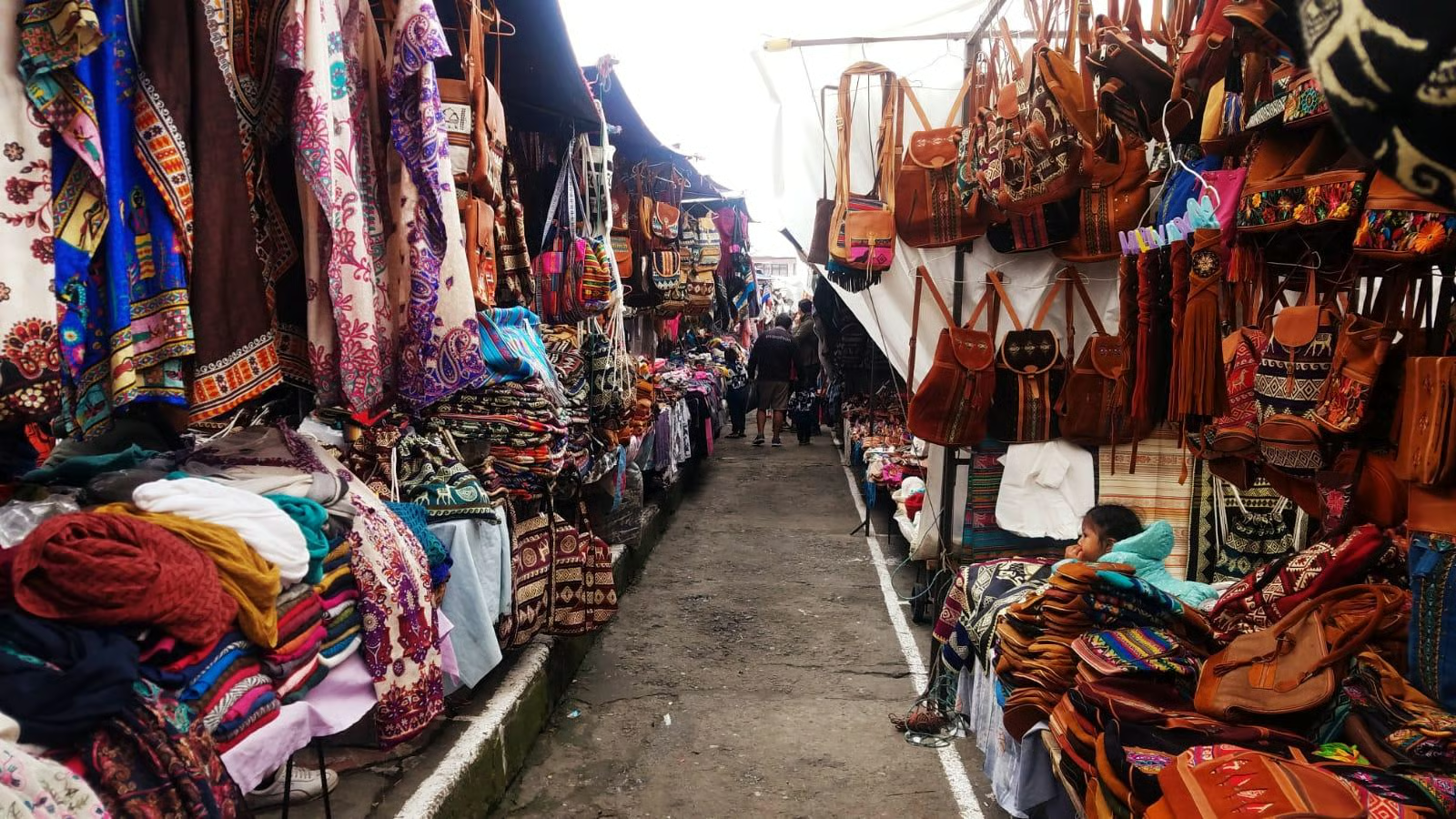
- Plaza de Ponchos Market (Otavalo): Generous free time to explore South America’s largest indigenous artisan market, famous for hand-woven alpaca blankets, clothing, and crafts
- Cotacachi Leather Quarter: Guided excursion through the artisan village renowned for fine leather goods
- San Pablo Lake Viewpoint: Scenic photo stop overlooking the lake beneath the imposing backdrop of Imbabura Volcano
Ideal for
Autonomous shoppers, cultural enthusiasts, and travellers looking to purchase authentic indigenous textiles directly from regional artisans in a comfortable day trip format.
Local tourist insight
Sit on the left side of the coach when leaving Quito to enjoy sweeping views over the Guayllabamba River Canyon and dry high-altitude valleys. The bus luggage compartment has ample space for bulky souvenir purchases like woven alpaca blankets and hand-crafted rugs.
4. Descend the waterfall highway into the subtropical Andes
Rating & reviews
(63+ verified reviews)
Why this specific tour stands out
Baños de Agua Santa sits at the dramatic transition zone where the high Andes slope steeply down into the Amazon basin. This full-day coach excursion takes you on a dramatic descent down the slopes of the active Tungurahua Volcano along the famous Ruta de las Cascadas (Waterfall Route).
Travelling via rock-carved tunnels and winding canyon roads, this guided bus excursion removes the complexity of coordinating local open-air chiva trucks or bike rentals, taking you straight to the region’s top natural sights with all admission fees included.
Key highlights
- Pailón del Diablo (Devil’s Cauldron): Guided walk across suspension bridges and rock paths to feel the thunderous spray of one of South America’s most powerful waterfalls
- Ruta de las Cascadas Transit: Scenic coach transit passing dramatic canyon drops, cable cars (tarabitas), and plunging waterfalls along the Pastaza River gorge
- La Casa del Árbol & The Swing at the End of the World: Visit the mountain ridge lookout to ride the famous swing over the valley with views of Tungurahua Volcano
- Baños Town Centre: Free time to explore the charming town, sample handmade melcocha (sugar cane candy), and visit local shops
Ideal for
Adventure lovers, nature photographers, and sightseers who want to experience the dramatic shift from cold Andean highlands to lush cloud forest in a single, well-paced day trip.
Local tourist insight
Pack a waterproof rain jacket or poncho in your day pack; the spray from Pailón del Diablo is intense and quickly soaks regular clothing. Keep a dry pair of socks on the bus to change into after the waterfall walk before heading back up to Quito.
The Ecuadorian Amazon.
The most biodiverse place in the world
5. Step back in time at Ingapirca and explore Cuenca’s historic core
Rating & reviews
(13+ verified reviews)
Why this specific tour stands out
Southern Ecuador offers a rich tapestry of pre-Columbian history and colonial elegance. Operated by Polylepis Tours, this comprehensive full-day coach and minibus excursion bridges the gap between the monumental Incan-Cañari ruins of Ingapirca and the vibrant UNESCO-listed streets of Cuenca.
Eliminating the need to arrange complex regional bus transfers between provinces, this tour provides comfortable private transport with an expert local guide who decodes thousands of years of Andean history.
Key highlights
- Ingapirca Archaeological Complex: Guided exploration of Ecuador’s premier Incan site, featuring the ellipse-shaped Temple of the Sun built from finely carved stone blocks
- Mercado 10 de Agosto: A vibrant immersion in Cuenca’s municipal food market to sample traditional Andean produce and local gastronomy
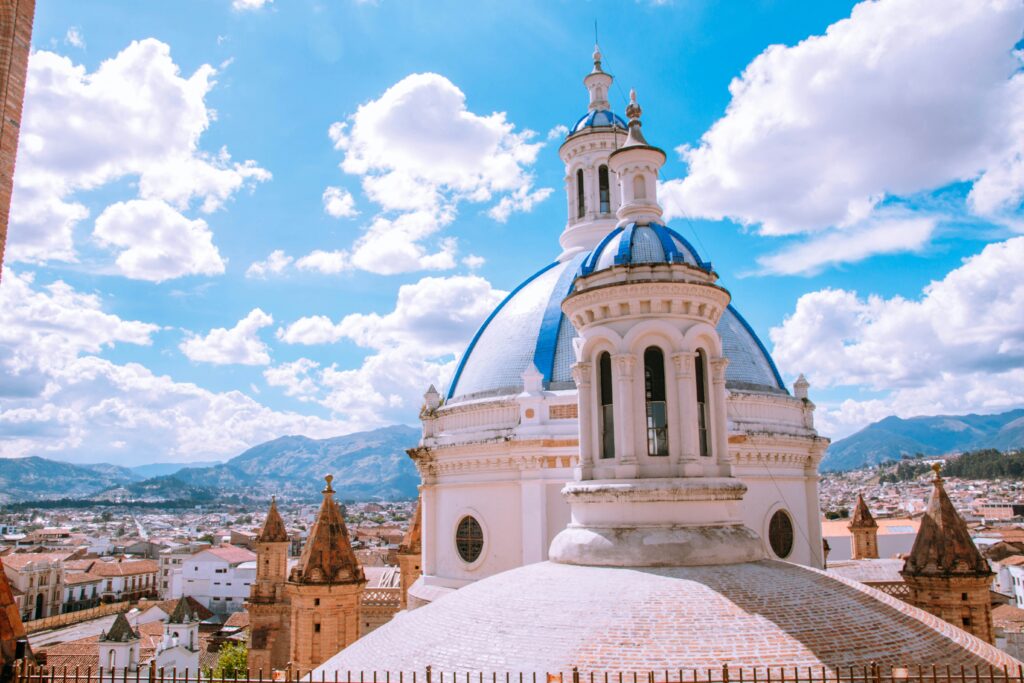
- Plaza Abdon Calderón & New Cathedral: Architectural walk through the heart of historic Cuenca beneath the sky-blue tiled domes of La Catedral de la Inmaculada Concepción
- Plaza de las Flores: Stop at one of South America’s most colourful open-air flower markets right beside ancient church walls
- Museo del Sombrero de Paja Toquilla: Learn how world-famous Panamá hats are hand-woven from Carludovica palmata straw by local artisans
Ideal for
History enthusiasts, cultural explorers, and sightseers who want to combine ancient archaeological discoveries with an immersive tour of Cuenca’s colonial highlights.
Local tourist insight
The drive up to Ingapirca sits at 3,160 metres above sea level; ensure you wear layered clothing as the wind across the open Incan ruins can be sharp. On the return leg to Cuenca, sit on the right side of the vehicle for expansive views of the Cañar Valley countryside.
6. The ultimate multi-day overland expedition across the Avenue of the Volcanoes
Rating & reviews
(49+ verified reviews)
Why this specific tour stands out
For travellers looking to experience the full span of the Ecuadorian Sierra without the hassle of luggage, terminal connections, and local bus schedules, this multi-day overland coach expedition is the ultimate journey. Running south along the Pan-American Highway from Quito down to Cuenca, this tour connects the region’s best destinations into one continuous road trip.
Travelling in a modern, private tour minibus or coach with dedicated drivers and guides, it seamlessly handles all transport, hotels, and activity transfers across Northern, Central, and Southern Ecuador.
Key highlights
- Full Volcanic Circuit: Guided visits to Cotopaxi National Park, the turquoise Quilotoa Crater Lake, and the waterfalls of Baños
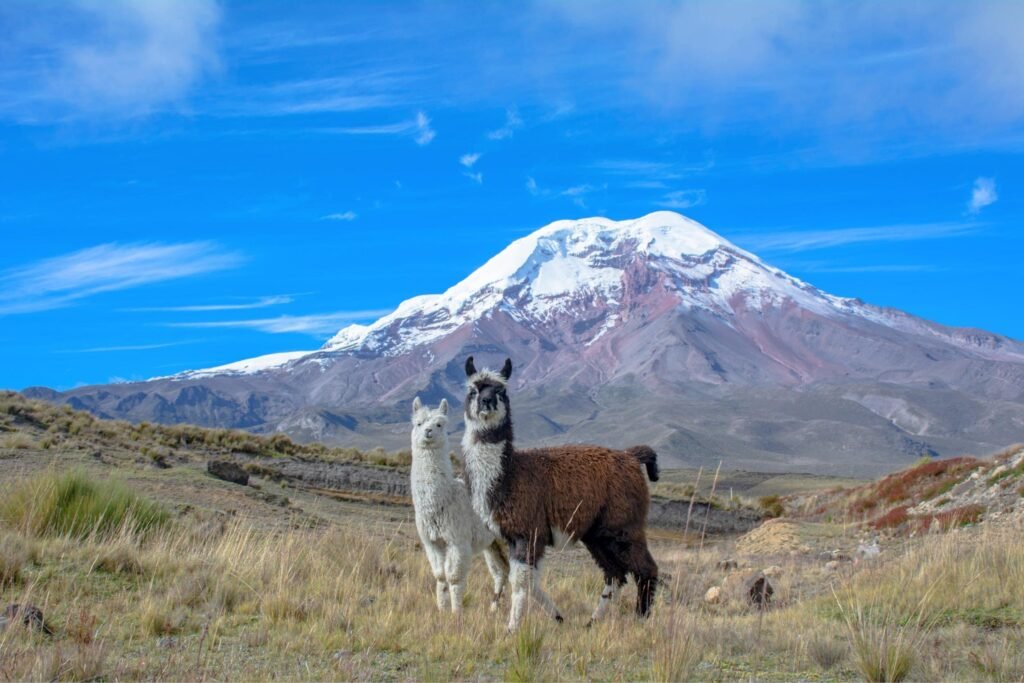
- Mount Chimborazo Reserve: Journey up the flanks of Ecuador’s highest peak (6,263m)—the point on Earth closest to the sun when measured from the planet’s center
- Balbanera Church & Colta Lake: Photo stop at the oldest Catholic church in Ecuador, built in 1534 on the high Andean plains
- Ingapirca Archaeological Complex: Guided tour of Ecuador’s most important Incan stone ruins, including the sun-temple fortress built by the Cañari and Incan civilizations
- End-to-End Drop-Off in Cuenca: Finish your journey in historic Cuenca, converting a transit day into an action-packed scenic road trip
Ideal for
Road-trippers, overland travel enthusiasts, and vacationers who want to cover the highlights of the Ecuadorian Sierra in comfort without burning energy on public bus logistics.
Local tourist insight
Because this tour moves between high-altitude páramo (Chimborazo at 4,800m+) and subtropical valleys (Baños at 1,800m), pack your day pack in layers. Request a seat near the middle of the coach for the smoothest ride over winding mountain passes between Riobamba and Ingapirca.
The Ecuadorian Coast.
Where you’ll find the very best food
Our practical Sierra bus tour & transit planning guide
Managing altitude on open-top and high-pass routes
The Ecuadorian Sierra ranges from 1,800 metres in valley towns to well over 4,000 metres on mountain passes. When riding open-top city buses in Quito (2,850m) or taking high-altitude tours to Cotopaxi and Chimborazo, stay well hydrated and avoid heavy meals right before mountain road climbs. Keep a thermos or bottle of water handy, and take advantage of regional coca or ginger teas offered by tour operators.
Smart clothing strategies for open decks
Weather in the high Andes changes rapidly. Bright equatorial sunshine can turn into cool mountain rain in minutes. When riding double-decker open-top buses in Quito or Cuenca, layer up with a windproof jacket, a warm fleece, sunglasses, and high-SPF sunblock. The equatorial sun at high altitude is surprisingly intense, even on cloudy mornings.
Timing sightseeing loops around city traffic
In major urban hubs like Quito, weekday rush-hour traffic (7:30 to 9:30 AM and 5:00 to 7:00 PM) can slow street progress significantly. Schedule your hop-on hop-off loop tours for late morning or early afternoon departures to enjoy smooth, unimpeded transit through historic centers and efficient photography stops.
Luggage and gear protection on mountain routes
Unpaved access roads leading into national parks like Cotopaxi and Quilotoa can get dusty or bumpy. Always pack sensitive camera gear, lenses, and laptops in padded, zippered bags inside the main passenger cabin rather than placing them in lower cargo holds. Bring a compact dry bag or rain cover for day packs during waterfall excursions like Pailón del Diablo in Baños.
Ticket duration & stop optimization
For urban double-decker bus loops, review the schedule route maps before boarding. Taking a full loop first gives you a great overview of the city layout before you decide where to hop off for deeper exploration, such as artisan markets, museums, or local cafes.
Claim your window seat on Ecuador’s high-Andean skyline
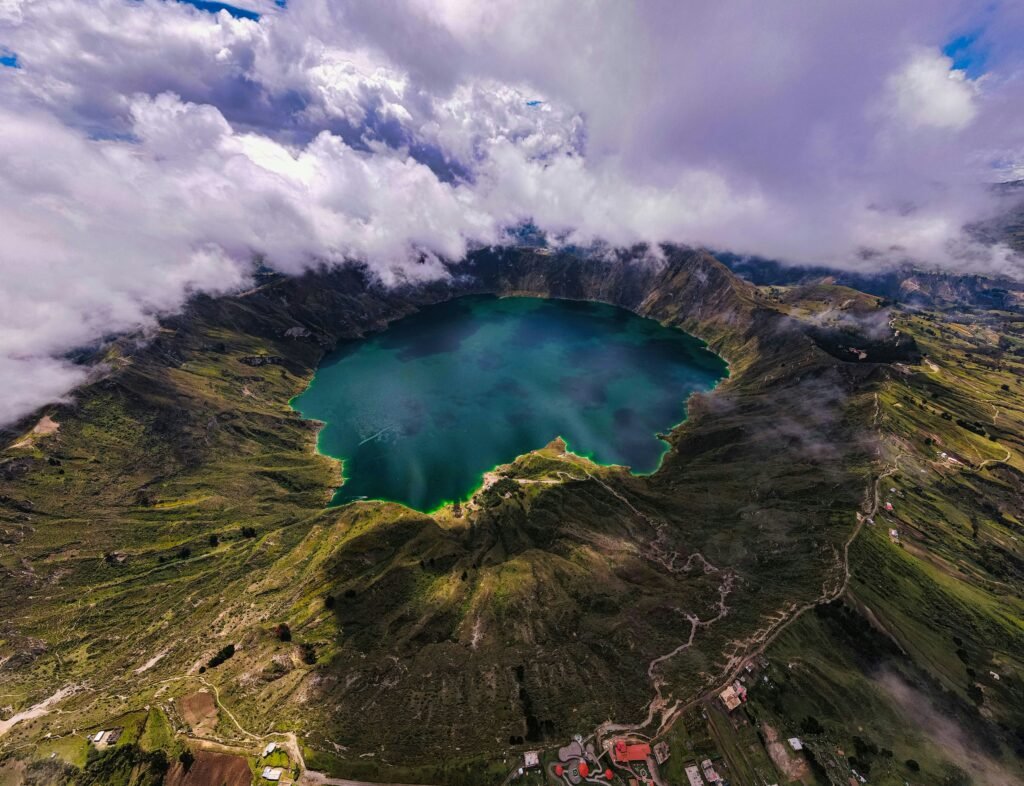
Travelling across the Ecuadorian Sierra is as much about the journey between destinations as the landmarks themselves. As the Pan-American Highway winds around volcanic slopes and plunges into subtropical river gorges, watching the shifting landscape unfold through a wide coach window provides an irreplaceable sense of scale. Guided bus loops and regional excursions take the logistical strain out of high-altitude travel, leaving you free to absorb the raw magnificence of the Andes.
Whether you are spending a few hours orienting yourself among the UNESCO-listed rooftops of Quito and Cuenca or embarking on a multi-day expedition past snow-capped stratovolcanoes, choosing the right coach route opens up the region’s finest vistas. By pairing structured bus tours with independent street-level exploration, you strike the ideal balance between seamless transit and authentic local discovery.
Pack your layers, keep your camera gear close at hand, and embrace the steady rhythm of the high-country roads. The mountain passes of Ecuador are waiting—all that remains is to secure your window seat and watch the Andes roll by.
Affiliate Disclaimer: Some of the links on Wheely Tyred are affiliate links. If you click through and make a booking or purchase, we may earn a small commission at no extra cost to you. We only recommend gear, tours, stays, and services we genuinely use, trust, and stand behind — our editorial independence always comes first. These commissions help keep our independent cycling guides and travel stories free to read. Thanks for supporting the ride!
Frequently asked questions about the best bus tours in the Ecuadorian Sierra
Quito sits at 2,850 metres above sea level, and high-country routes like Cotopaxi and Chimborazo push well above 3,800 metres. Stay thoroughly hydrated, avoid heavy meals right before steep mountain road climbs, and take advantage of coca or ginger tea offered by tour guides. Taking a seated open-top double-decker bus loop on your first day in Quito or Cuenca is an excellent way to sightsee without overexerting yourself while acclimatising to the elevation.
Andean weather is notoriously changeable. Bright equatorial sun can turn into chilly mountain wind or rain within minutes. Wear warm, easily removable layers including a windbreaker or fleece, bring a compact rain jacket, and don’t forget sunglasses and high-SPF sunblock. Even on overcast mornings, high-altitude UV rays on an open upper deck are remarkably intense.
Most regional day-trip coaches (such as full-day excursions to Otavalo, Cotopaxi, or Baños) feature spacious lower luggage compartments that easily accommodate large backpacks or rolling suitcases. If you intend to be dropped off along the route rather than returning to Quito, confirm your drop-off logistics with the tour operator in advance. Multi-day overland tours like the Quito-to-Cuenca circuit explicitly cater to travellers moving down the Sierra with full luggage.
Booking online in advance via trusted platforms like GetYourGuide or Viator guarantees your seat with vetted operators, provides transparent user reviews, and offers flexible cancellation policies. While local high-street agencies in Quito or Baños offer last-minute spots, advance reservations ensure you do not miss out on popular routes during peak dry-season months (June to September).
When travelling south from Quito along Route E35 toward Cotopaxi and Baños, a right-hand seat provides sweeping views of the western cordillera, including Illiniza Sur and Norte. However, both sides of the coach deliver spectacular vistas as you cross high-altitude páramo passes. On urban double-decker loops, choose a right-side seat on the upper deck for the best angles when photographing historic architecture and hilltop lookouts.
Excursion stops along Sierra transit routes offer fantastic regional culinary treats. Look out for warm bizcochos (salted butter biscuits) served with queso de hoja (leaf-wrapped cheese) near Cayambe, handmade melcocha (chewy sugarcane candy) in Baños, and fresh Andean trout near high-altitude glacial lagoons like Limpiopungo and Quilotoa.
Ecuador.
Pure wonder on the equator.