Top city walking tours in Ecuador’s Sierra / Quito, Cuenca & the High Andes
Best guided walking tours in Quito, Cuenca, and the Ecuadorian highlands
Deep cultural immersion on foot across the Andean Sierra
BEN FINCH
To truly understand the Ecuadorian Sierra, you must feel the cool mountain air on your skin and hear the rhythmic click of your boots against centuries-old cobblestones. High in the dramatic spine of the Andes, Ecuador’s urban highland centres—from the soaring, cloud-kissed colonial valleys of Quito to the gentle, river-bound streets of Cuenca—were built to be experienced slowly.
At Wheely Tyred, we have long advocated for autonomous, slow travel that honours local communities and urban history. Rigid hop-on hop-off buses and insulated, air-conditioned coaches miss the essential soul of these mountain cities. They sweep past secret monastic courtyards, bypass hole-in-the-wall bakeries wafting with the aroma of toasted maize, and obscure the vibrant street life that flourishes in highland plazas.
Walking in small groups with a knowledgeable local guide is the ultimate way to navigate the Sierra. You gain direct access to hidden architectural gems, learn the nuanced history of Spanish colonial rule and indigenous Kichwa resistance, and directly support small, independent businesses. Whether you are traversing the gilded cloisters of Quito’s historic core or tasting artisanal fine-aroma cacao in Cuenca, here is our curated guide to the absolute best bookable city walking tours across Ecuador’s Sierra.
The high-altitude ledger / Essential Sierra snapshots
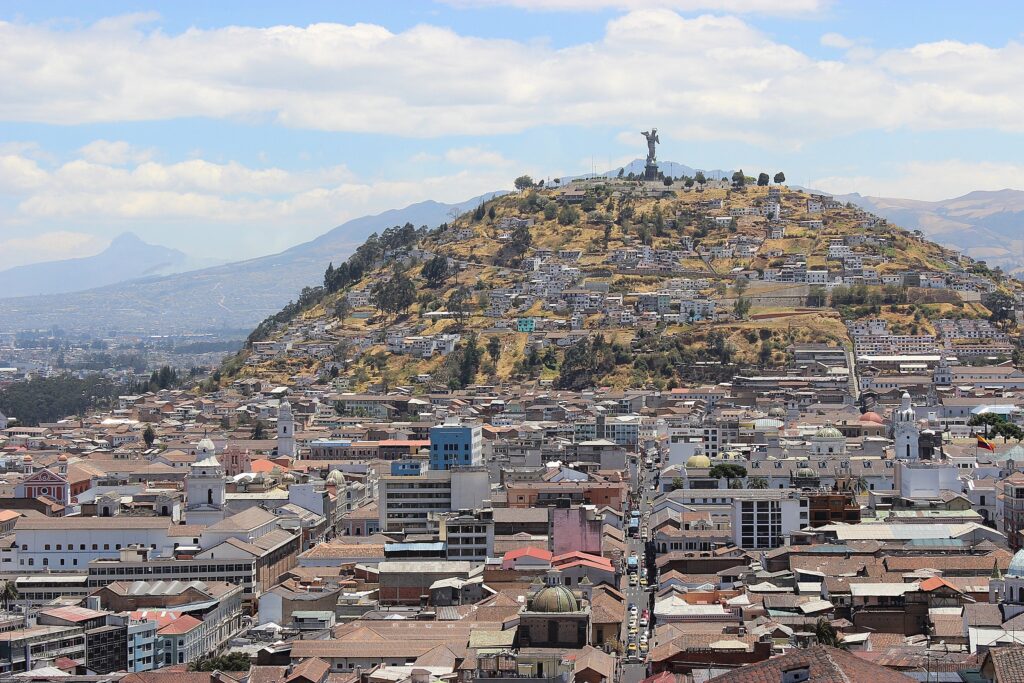
Slashing through the heart of Ecuador’s Andes, the Sierra demands slow movement, curiosity, and an open mind. Here is a quick-fire breakdown of the cultural stops, local flavours, and high-country wisdom uncovered on foot across Quito, Cuenca, and the surrounding highlands.
- Quito’s Gilded Legacy: Navigate UNESCO-listed cobblestones to discover the Latin American Neo-Gothic gargoyles of the Basílica del Voto Nacional and the gold-dusted cloisters of La Compañía de Jesús
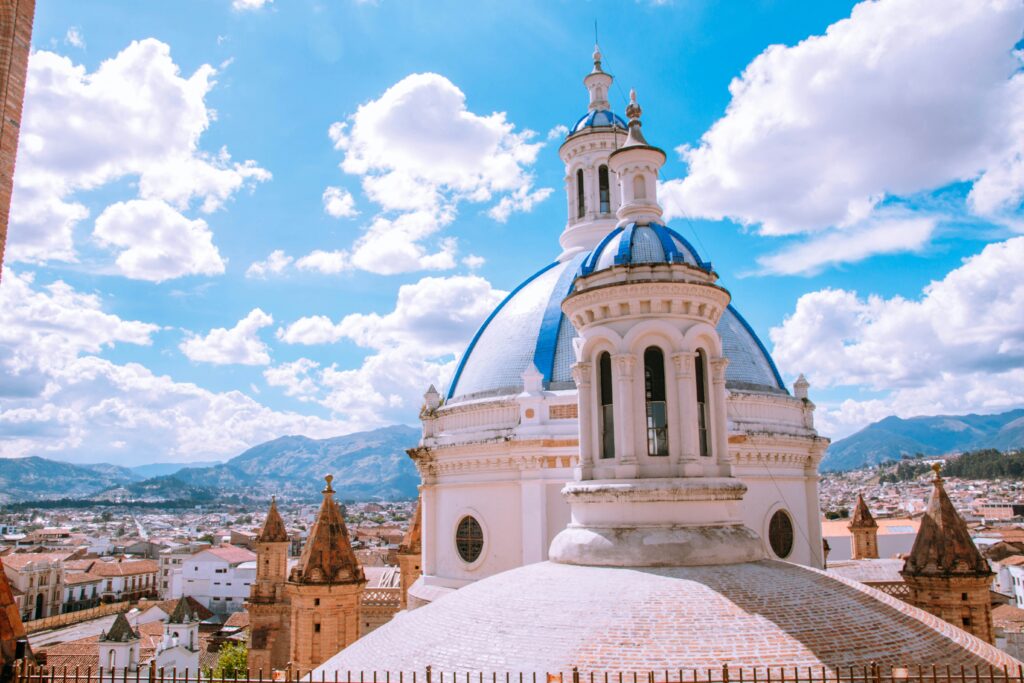
- Cuenca’s Riverside Grace: Wander past the twin-domed New Cathedral, flower-drenched plazas, and hidden workshops where master artisans hand-weave authentic toquilla Panamá hats
- Andean Culinary Heritage: Trade sterile dining rooms for bustling market stalls to sample slow-roasted hornado, golden llapingachos (potato cakes), and sweet empanadas de viento
- Otavalo Textile Traditions: Step onto the ancestral trade floors of the Plaza de los Ponchos to witness generations of indigenous Kichwa weaving expertise and natural dyeing methods firsthand
- Bohemian Nightscapes: Explore Quito’s vibrant La Floresta neighbourhood on foot after dark to take in contemporary street art, artist studio galleries, and micro-brewed craft beers
- High-Altitude Acclimatisation: Respect the elevation of the northern and southern Sierra by layering up with breathable garments, staying constantly hydrated, and pacing your strides along steep volcanic ascents
The Ecuadorian Sierra.
Get lost in the hills
1. Exploring Quito’s colonial heart & gilded cloisters
Rating & reviews
(33+ verified reviews on GetYourGuide)
Why this specific tour stands out
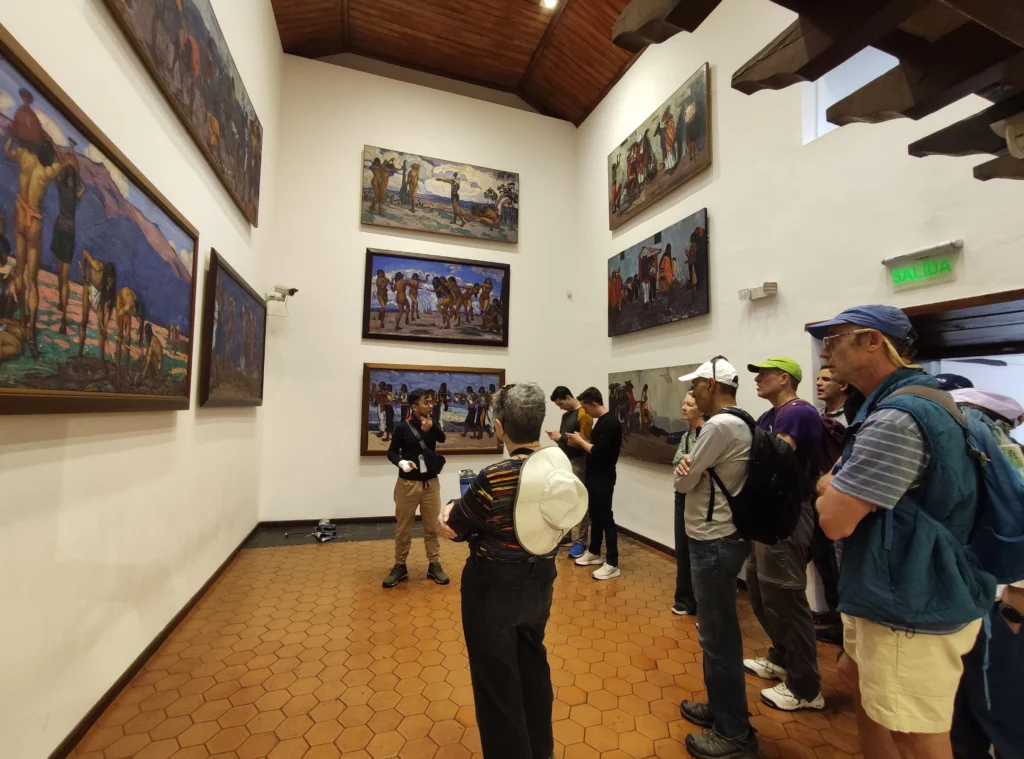
Quito boasts one of the best-preserved, least-altered historic centres in the Americas—a fact recognized when UNESCO designated it as the first-ever World Cultural Heritage site in 1978. This 3.5-hour immersion bypasses standard textbook recitations, connecting you directly to the artisans, bakers, and storytellers who keep the Old Town vibrant.
Led by passionate local historians, the route threads through narrow colonial passageways where volcanic stone paving meets imposing whitewashed facades. You avoid the tourist traps and gain genuine insight into how Baroque art blended with native indigenous symbolism.
Key highlights
- Basílica del Voto Nacional: Detailed inspection of Latin America’s largest neo-Gothic basilica, famous for replacing traditional gargoyles with native Ecuadorian wildlife like iguanas, armadillos, and condors
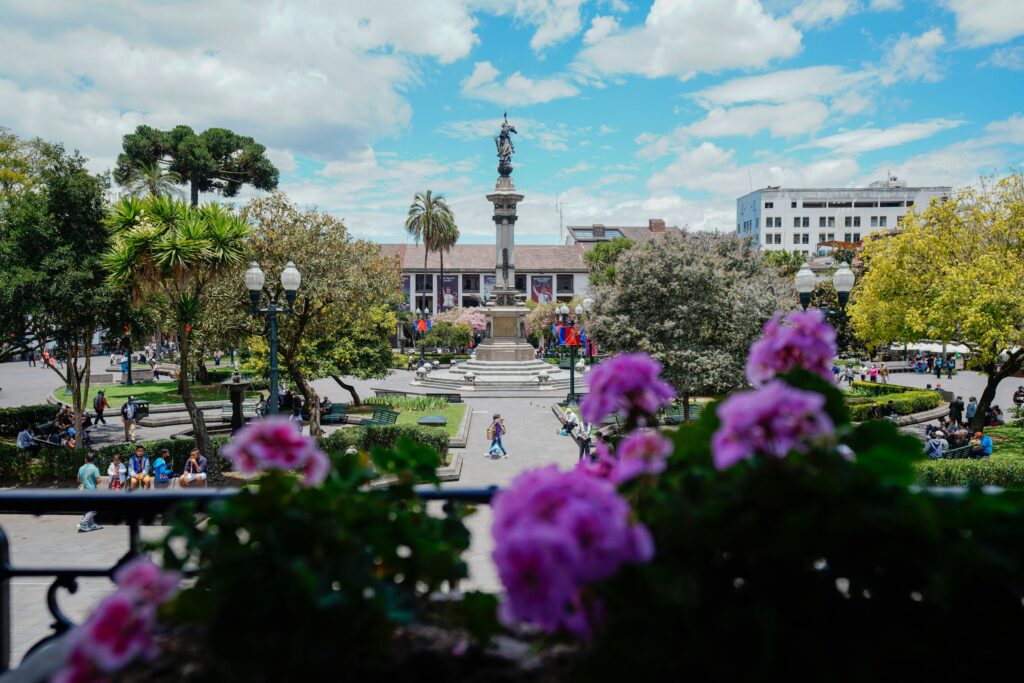
- Palacio Arzobispal & Plaza Grande: Walk through the historic Archbishop’s Palace, sample traditional sweet treats, and discover political history at Independence Square
- La Compañía de Jesús: External viewing and historical contextualisation of Quito’s legendary Golden Church, featuring over seven tonnes of gold leaf
- Plaza San Francisco: Stand in the sprawling plaza fronting the oldest religious complex in South America, where brewing traditions date back to 1566
- Bean-to-Bar Cacao Tasting: Conclude at Yumbos Chocolate with an expert-led tasting of Ecuador’s famed arriba fine-aroma cacao
Ideal for
Culture enthusiasts, architecture buffs, and first-time visitors seeking an authoritative, engaging introduction to Quito’s UNESCO-listed core.
Local insight
Quito sits at 2,850 metres above sea level. Take this tour on your second day in the city to give your lungs a chance to adjust. Wear sturdy, broken-in walking shoes: the steep basalt cobblestones can prove slippery, especially during sudden afternoon Andean drizzles.
2. Wandering Cuenca’s cobblestones & hidden courtyards
Rating & reviews
(17+ verified reviews on GetYourGuide)
Why this specific tour stands out
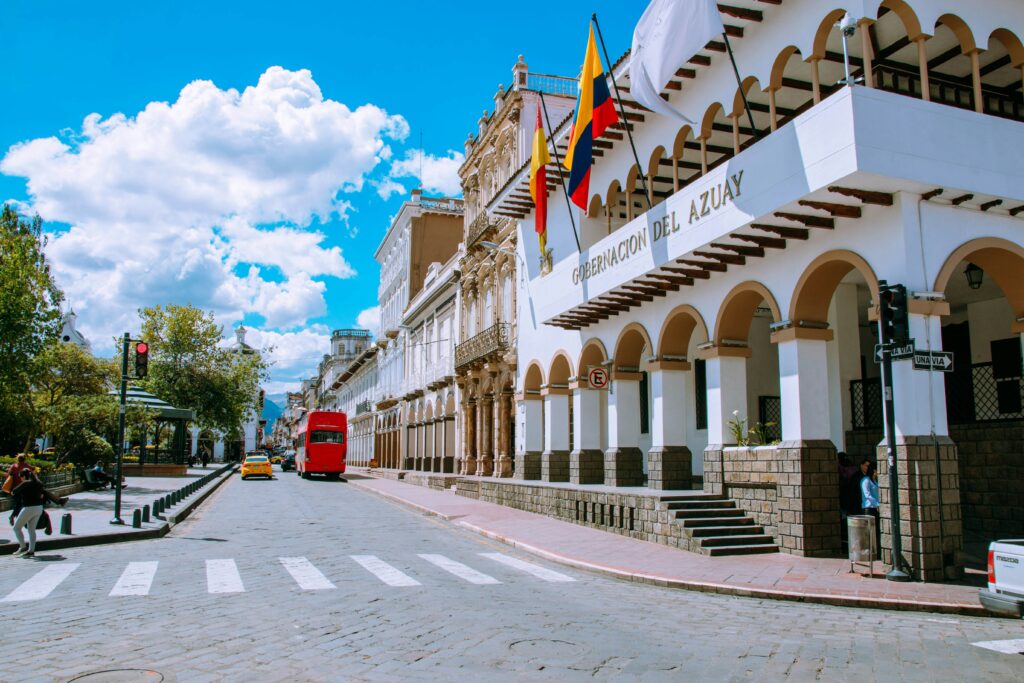
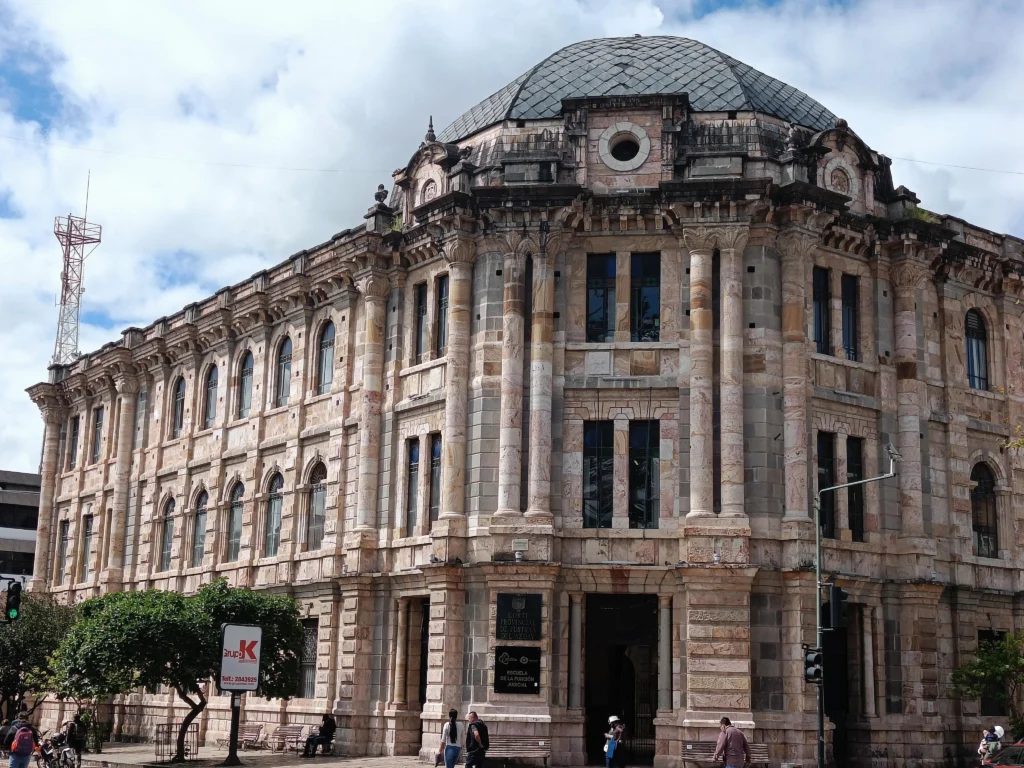
Located in the southern Sierra, Cuenca (Santa Ana de los Cuatro Ríos de Cuenca) is renowned for its intellectual heritage, laid-back rhythm, and stunning Republican architecture. While most visitors stick to photographing cathedral domes from the main square, this small-group walking excursion unlocks the private spaces behind those majestic wooden doors.
Your guide leads you into private colonial mansions, interior courtyards overflowing with orchids, and traditional workshops where master craftspeople shape authentic Panamá hats (which, despite the name, originated right here in Ecuador).
Key highlights
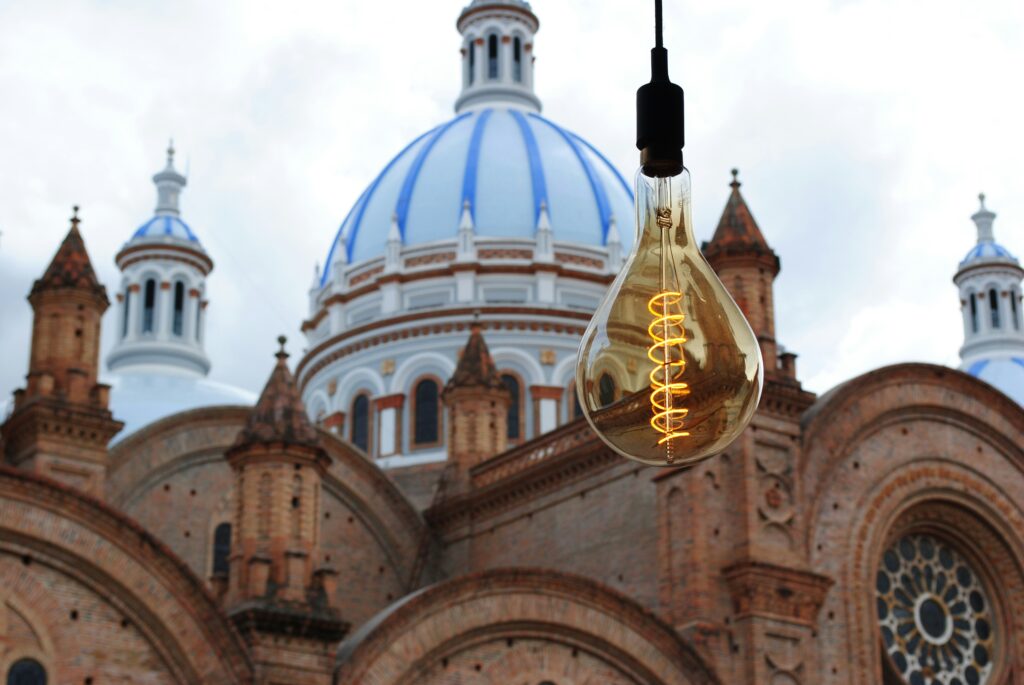
- Calderón Park & The Twin Cathedrals: Detailed exploration of both the Old Cathedral (begun in 1557) and the New Cathedral of the Immaculate Conception, with its iconic blue-and-white Czech tile domes
- Plaza de las Flores: A sensory walk through one of National Geographic’s top-ranked open-air flower markets, perfumed by native roses and lilies
- Panamá Hat Atelier Visit: Step inside an active hat-weaving workshop to observe the delicate process of shaping toquilla straw
- Rio Tomebamba Ravine Walks: Descend the historic stone staircases (Escalinatas) down to the grassy banks of the Tomebamba River, where colonial architecture meets Cañari and Inca archaeological foundations
Ideal for
Design lovers, slow travel advocates, and travellers who appreciate architectural history, craftsmanship, and local storytelling.
Local insight
Keep a lightweight rain jacket in your daypack. Cuenca’s microclimate can shift from bright high-altitude sunshine to cool mountain showers within 20 minutes. Don’t forget to ask your guide to point out a local picantería for a warming cup of morocho (a thick, spiced corn drink).
The Ecuadorian Amazon.
The most biodiverse place in the world
3. A culinary walk through Quito’s markets & hole-in-the-wall eateries
Rating & reviews
(58+ verified reviews on GetYourGuide)
Why this specific tour stands out
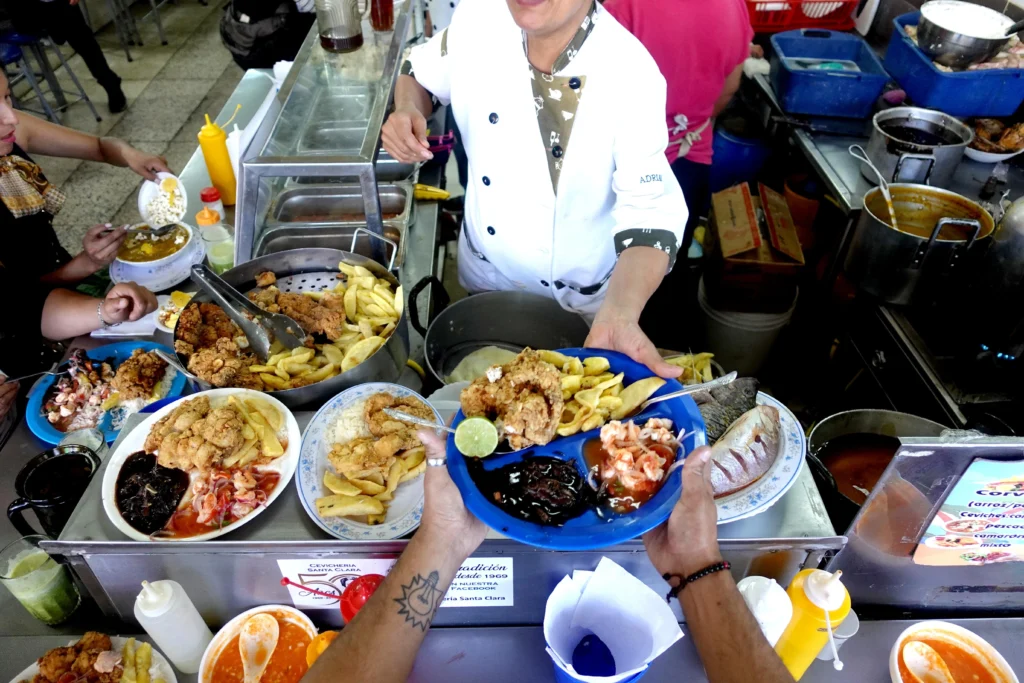
Highland food in the Ecuadorian Sierra is deeply tied to indigenous agriculture, volcanic soil, and centuries of culinary resilience. Quito: Street Food Essentials avoids sterile tourist restaurants in favour of vibrant, bustling neighbourhood markets and family-run stalls passed down through generations. Spanning roughly 3.5 kilometres of off-the-beaten-track streets, this walking tour gives you an unvarnished taste of authentic Quiteño food culture while directly benefiting local vendors.
Key highlights
- Exotic Andean Fruit Tasting: Sample rare native fruits such as chirimoya, granadilla, lulo (naranjilla), and taxo (passionfruit family)
- Authentic Street Staples: Taste crispy, handmade empanadas de viento (fluffy fried cheese empanadas dusted with sugar) and savory hornado (slow-roasted pork served with potato cakes known as llapingachos)
- Highland Seafood Delicacies: Learn how mountain chefs prepare fresh ceviche infused with native citrus and toasted corn (chulpi)
- Artisanal Coffee & Chocolate Finale: Finish at an independent cafe for single-origin specialty coffee and a curated cacao tasting
Ideal for
Culinary adventurers, foodies, and curious travellers who want to understand the agricultural heritage of the Andes through their palate.
Local insight
Skip breakfast before this tour! The portion sizes across the four food stops are generous. Ensure you carry small US dollar bills ($1, $5) and coins; market vendors in Ecuador rarely have change for $20 notes.
4. Ancestral textiles & highland heritage in Otavalo
Rating & reviews
(28+ verified reviews on GetYourGuide)
Why this specific tour stands out
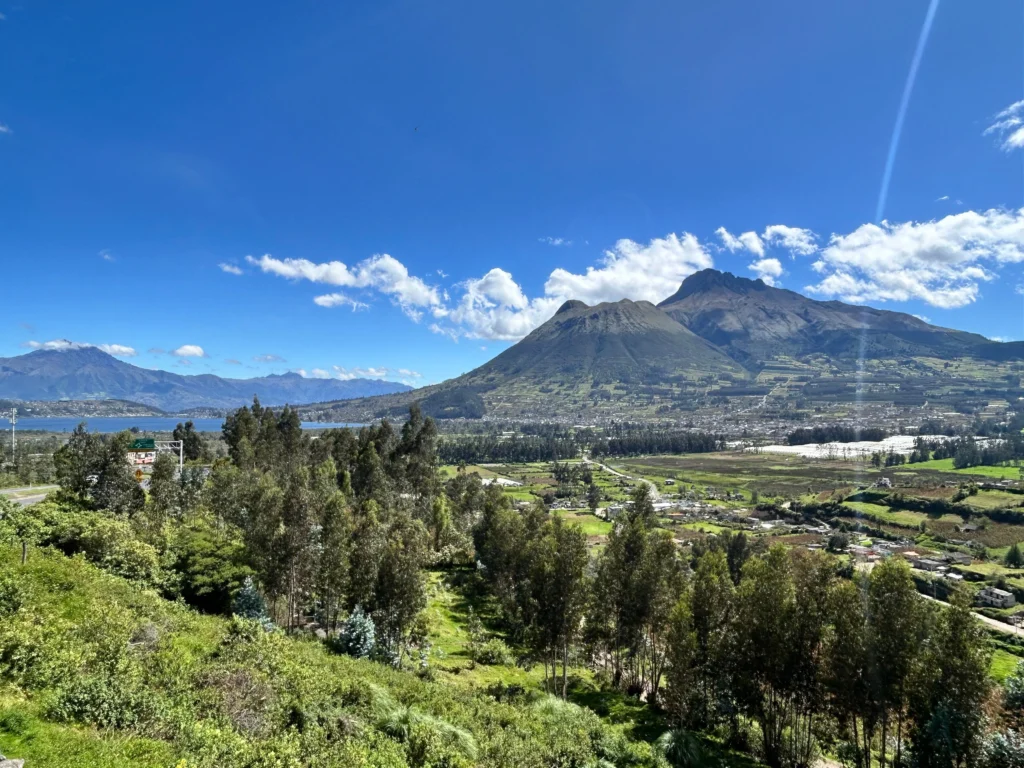
North of Quito lies the Imbabura province, home to the indigenous Kichwa Otavalo people—world-renowned weavers, musicians, and entrepreneurs. While many day trips simply dump tourists in the central plaza to buy mass-produced souvenirs, this guided cultural walk delves deep into living ancestral traditions.
You wander the vibrant Plaza de los Ponchos with a guide who helps you identify true backstrap-loom textiles from synthetic imitations, followed by visits to master artisans in nearby workshops.
Key highlights
- Plaza de los Ponchos Market Walking Trail: Navigate Latin America’s largest indigenous market, gaining an understanding of Otavaleño textile symbolism, traditional dress, and trade history
- Master Weaver Workshop Visit: Observe traditional weaving techniques in the home of Kichwa master artisans using natural plant and insect dyes
- Peguche Waterfall Sacred Walk: A peaceful walk through an Andean forest to a sacred waterfall used for cleansing rituals during the Inti Raymi solstice festival
- Cayambe Biscuit Tasting: Stop in Cayambe to taste traditional bizcochos paired with fresh queso de hoja (leaf-wrapped cheese)
Ideal for
Textile enthusiasts, photographers, and travellers seeking meaningful cultural exchange with indigenous Andean communities.
Local insight
Haggle respectfully. In Kichwa market culture, bargaining is a friendly exchange, not a battle. A small, polite reduction is acceptable, but remember that these handcrafted items represent days of skilled labor.
The Galápagos.
Ecuador’s Enchanted Isles
5. Night walk through Quito’s creative quarters / La Floresta & La Mariscal
Rating & reviews
(10+ verified reviews on GetYourGuide)
Why this specific tour stands out
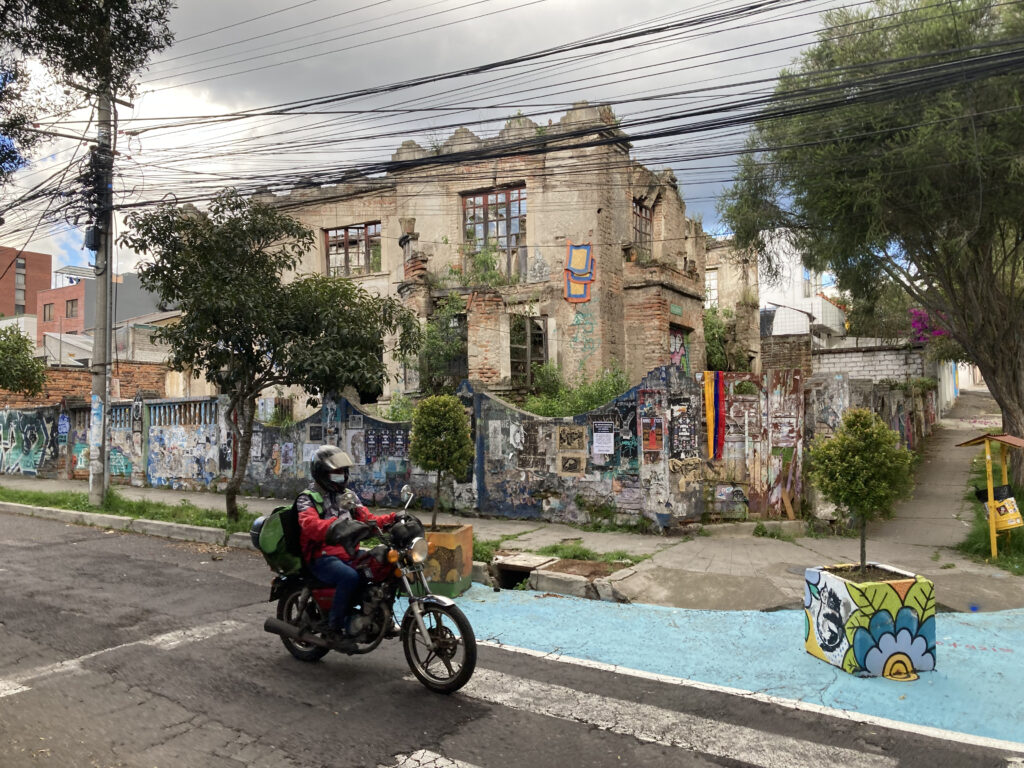
When the sun dips behind the Pichincha volcano, Quito transforms. The city’s contemporary creative energy shifts to districts like La Floresta—an eclectic neighborhood packed with 1930s neo-colonial mansions, independent art galleries, street art murals, and artisanal microbreweries. This guided night walk provides a safe, atmospheric, and inspiring way to experience Quiteño nightlife beyond standard tourist bars.
Key highlights
- La Floresta Street Art & Murals: Explore street-level public art while learning about Ecuador’s contemporary urban social movements
- Artist Studio & Gallery Visit: Enjoy a welcome drink inside a local art gallery while conversing directly with resident painters and craftspeople
- Night Market Food Stalls: Taste late-night culinary favorites alongside local cab drivers and night-shift workers at authentic neighborhood food stands
- Craft Beer & Cocktail Tasting: Conclude the evening at a neighborhood bar, sampling Ecuadorian craft beer or a cocktail infused with native Andean herbs
Ideal for
Solo travellers, art enthusiasts, and night owls looking for a safe, insider-led tour of Quito’s modern subcultures.
Local insight
Like most major Andean capitals, Quito requires common-sense street smarts after dark. Joining an organized walking group gives you complete peace of mind to enjoy the night air and vibrant street art without worry. Keep your camera or phone zipped away in a cross-body bag when moving between stops.
Our practical city exploration guide for the Sierra
Exploring the high-altitude urban centers of the Ecuadorian Andes is immensely rewarding, provided you prepare for the unique geographical and cultural terrain. Here are our essential rules for walking the Sierra:
Master altitude & hydration early
Quito (2,850m) and Cuenca (2,560m) can catch unacclimatised travellers off guard. Avoid heavy alcohol consumption on your first night, drink twice as much water as usual, and embrace a slower walking pace uphill. Altitude sickness medication or traditional coca tea can help soothe mild headaches.
Dress in layers (the onion technique)
In the Andean Sierra, you can experience all four seasons in a single morning. The high-altitude sun is intense at noon, but temperatures drop rapidly when clouds roll over or the sun sets. Pack a breathable base layer, a warm fleece or wool jumper, and a compact waterproof jacket.
Footwear is everything
Leave thin-soled trainers or fashion boots at your hotel. Highland cities feature uneven cobblestones, slick volcanic tiles, steep gradients, and high curbs. Choose supportive, water-resistant walking shoes or boots with good tread.
Tipping & cash etiquette
Ecuador uses the US dollar ($). While credit cards are widely accepted in upscale establishments in Quito and Cuenca, small walking tour guides, market vendors, and family bakeries rely entirely on cash. A tip of 10–15% for an exceptional local guide is standard practice and deeply appreciated.
Urban mobility & transit
Avoid hailing unmarked taxis on the street at night. Instead, use established rideshare apps (such as Uber or Cabify in Quito and Cuenca) or have your hotel book a registered cab. In Cuenca, the modern Tranvía (tramway) is an affordable, clean, and scenic way to navigate between the bus terminal and the historic core.
The Ecuadorian Coast.
Where you’ll find the very best food
Walking as a portal to the Andean heart
In a world dominated by rapid transit and pre-packaged itineraries, choosing to walk through the cities of the Ecuadorian Sierra is an intentional act of slowing down. Stepping off the air-conditioned tour buses allows the true rhythm of the high country to reveal itself—in the steam rising off a morning pot of morocho, the rhythmic strike of an artisan’s hammer in Cuenca, or the warm greeting of a Kichwa weaver in Otavalo.
Cities like Quito and Cuenca were never engineered for high-speed tourism. Their winding alleys, steep volcanic stone staircases, and quiet interior courtyards demand a human pace. When you explore on foot alongside an expert local guide, your presence actively sustains independent bakeries, family-run craft ateliers, and native market traders whose livelihoods keep these historical quarters alive and authentic.
Whether you find yourself staring up at the wildlife-inspired gargoyles of the Basílica del Voto Nacional or walking along the grassy banks of the Río Tomebamba, the mountain air carries stories centuries in the making. Pack your broken-in boots, embrace the unpredictable highland weather, and let the Sierra unfold one cobblestone at a time. The real magic of the Andes is never found through a coach window; it is earned stride by stride.
Affiliate Disclaimer: Some of the links on Wheely Tyred are affiliate links. If you click through and make a booking or purchase, we may earn a small commission at no extra cost to you. We only recommend gear, tours, stays, and services we genuinely use, trust, and stand behind — our editorial independence always comes first. These commissions help keep our independent cycling guides and travel stories free to read. Thanks for supporting the ride!
Frequently asked questions about the best walking tours in Ecuador’s Sierra
Give yourself at least 24 to 48 hours to acclimatise before booking strenuous urban walking tours. Drink plenty of water, avoid heavy meals and excessive alcohol on your first evening, and take slow, steady strides. Altitude affects everyone differently regardless of physical fitness, so give your body time to adjust to the mountain air.
Master the onion technique by dressing in versatile, breathable layers. The high-altitude equatorial sun can be intensely warm at midday, but mountain weather shifts rapidly, often bringing sudden rain showers or cold winds. Bring a light waterproof outer jacket, a fleece mid-layer, and supportive, broken-in footwear suitable for slick, uneven cobblestones.
Yes. Despite the misleading name, Panamá hats originated along the Ecuadorian coast and are woven from native toquilla straw. Cuenca and nearby Azuay communities remain major weaving and finishing hubs, where you can visit historical workshops to watch master artisans block and shape them by hand.
Absolutely. While hotels and upscale establishments in Quito and Cuenca accept major credit cards, street food vendors, market stalls, and small artisan workshops rely entirely on cash. Carry small denominations of US dollars ($1 and $5 bills alongside coins), as traders rarely have change for $20 notes.
Night walks through creative quarters like La Floresta or La Mariscal are enjoyable and safe when undertaken with an experienced local guide. Practice basic urban street smarts: keep expensive camera gear or phones tucked away in a cross-body bag when moving between stops, and use registered taxis or rideshare apps rather than hailing cabs on the street.
Highland cuisine is rich, hearty, and heavily reliant on native Andean grains, corn varieties, and potatoes. Expect staples like hornado (slow-roasted pork), llapingachos (seared potato cakes), empanadas de viento (fried cheese empanadas dusted with sugar), and warming spiced corn beverages like morocho.
Ecuador.
Pure wonder on the equator.