Escape the cruise ships / The 6 best day tours in the Galápagos Islands
Authentic Galápagos day trips, snorkelling excursions, and wildlife treks
Explore Ecuador’s enchanted archipelago on your own terms with local experts
BEN FINCH
There is a pervasive myth in world travel that the only legitimate way to experience the Galápagos Islands is aboard a mega-cruise vessel, following a rigid bell-to-bell itinerary alongside 100 other tourists. At Wheely Tyred, we thoroughly reject that notion. The true magic of this pristine Ecuadorian archipelago lies in autonomy—setting your own pace, staying in vibrant coastal communities such as Puerto Ayora, Puerto Villamil, and Puerto Baquerizo Moreno, and venturing out into the ocean on targeted, small-group day excursions led by licensed Galápagos National Park naturalist guides.
Land-based travel gives you the freedom to support local island businesses, dine at family-run picanterías, and connect with the unique ecosystems of individual islands. However, because the Galápagos National Park strictly protects its fragile habitats, visiting uninhabited islands or restricted marine sanctuaries requires licensed maritime transportation and accredited guides.
That is where carefully chosen day tours become your best asset. A brilliant day excursion serves as a surgical strike into raw nature: taking you directly to isolated lava tubes, deep-water shark channels, and marine iguana sanctuaries, before bringing you back to shore in time for a cold local craft beer at sunset. Below, we have vetted and hand-picked six of the absolute finest bookable day tours across the Galápagos archipelago, selecting only small-boat operations that prioritise environmental stewardship, guest safety, and authentic wildlife encounters.
The Galápagos Archipelago at a glance
Exploring Ecuador’s enchanted archipelago on a land-based itinerary grants you complete freedom without sacrificing access to world-class marine reserves and volcanic sanctuaries. Here are the core highlights and logistical pillars for planning an unhurried, independent expedition.
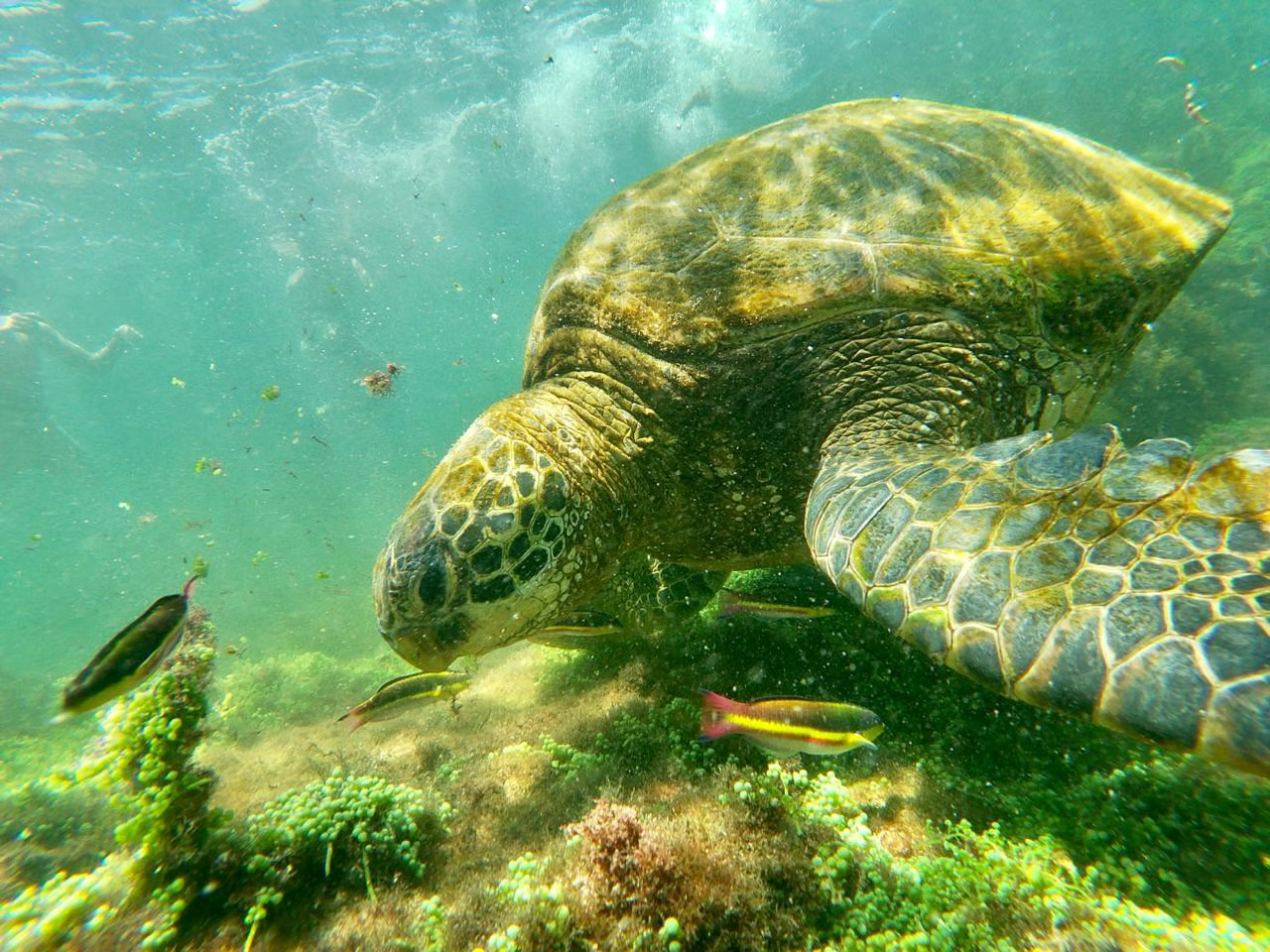
- Lava Labyrinths: Swim through ancient collapsed basalt archways alongside Pacific green sea turtles and seahorses at Isabela Island’s Los Túneles
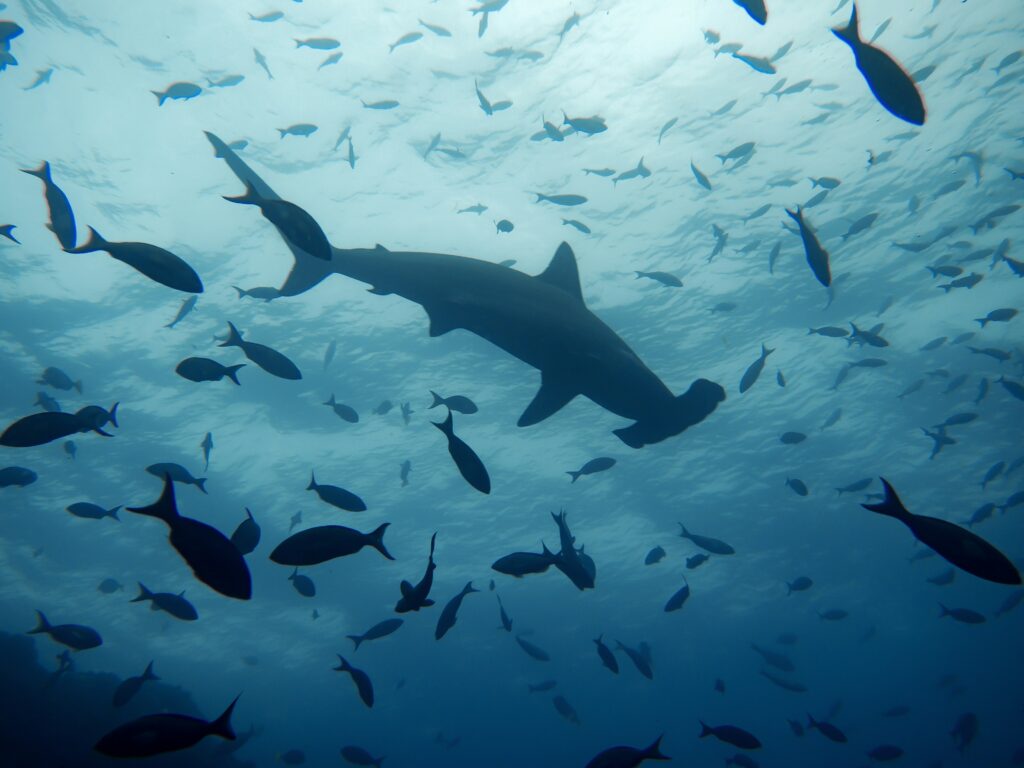
- Pelagic Thrills: Dive into the 150-metre vertical ocean channel of Kicker Rock (León Dormido) off San Cristóbal to spot hammerhead sharks and eagle rays
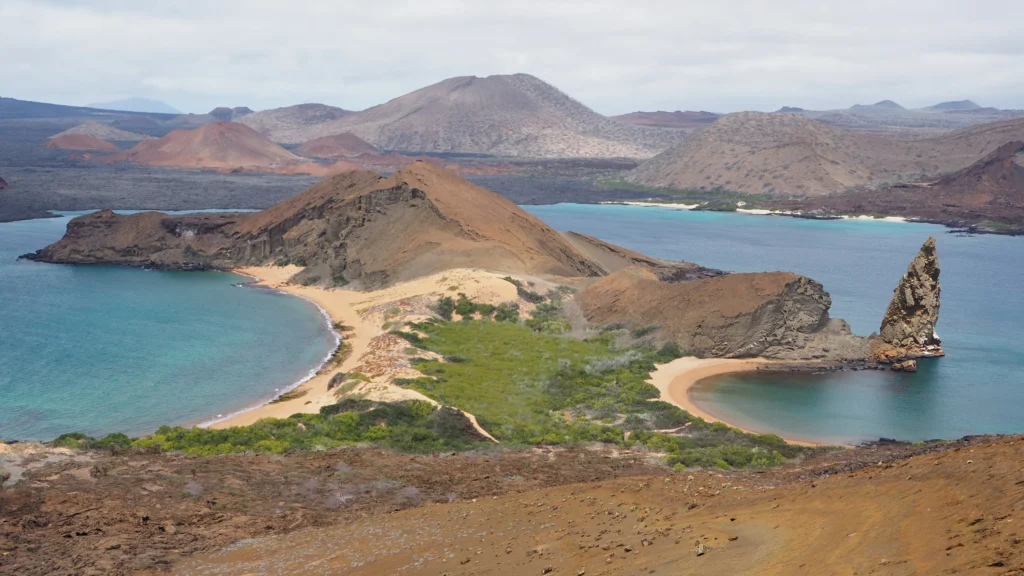
- Lunar Summits: Ascend 375 steps across the cinder cones of Bartolomé Island for the ultimate panoramic vista of Pinnacle Rock and Santiago Island
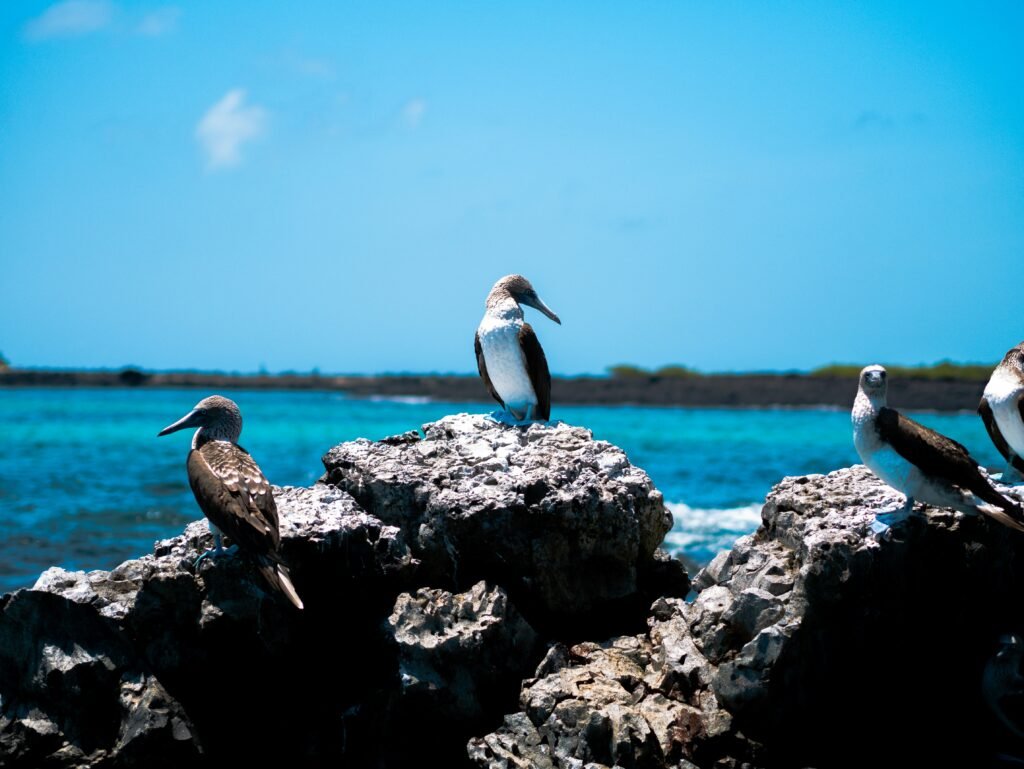
- Avian Spectacles: Walk mere inches from courtship-dancing blue-footed boobies and nesting frigatebirds along the pristine trails of North Seymour
- Highland Sanctuary: Roam alongside 250-kilogram giant tortoises in their natural upland migration corridors across Santa Cruz Island
- Clear Waters: Snorkel in the quiet, transparent coves of Pinzón Island, home to inquisitive juvenile sea lions and resting whitetip reef sharks
The Galápagos.
Ecuador’s Enchanted Isles
Exploring the volcanic arches of Isabela Island
Rating & reviews
(6+ verified reviews on GetYourGuide)
Why this specific tour stands out
Located off the southern coast of Isabela Island near Puerto Villamil, Los Túneles (Cabo Rosa) is widely regarded by naturalists as the most dramatic underwater landscape in the entire archipelago. Ancient basaltic lava flows collapsed into the Pacific Ocean millennia ago, creating a labyrinth of natural stone bridges, archways, and shallow, crystal-clear turquoise lagoons.
This small-group day excursion stands out because of its exceptional dual-habitat focus. First, you embark on a dry lava walk across the arches to observe blue-footed boobies performing their intricate courtship dances at arm’s length. Afterwards, you slip into the protected channels for an unhurried, shallow-water snorkel.
Unlike deeper sea spots where currents can be challenging, the lava arches act as a natural breaker, creating calm waters where Galápagos penguins, gentle green sea turtles, Pacific seahorses, and harmless whitetip reef sharks congregate in astonishing density.
Key highlights
- Navigating the dramatic open-ocean lava formations of Roca Unión en route
- Guided dry land walk across natural volcanic arches to observe nesting blue-footed boobies
- Snorkelling in tranquil lava tunnels beside whitetip reef sharks, golden rays, and seahorses
- Frequent sightings of endemic Galápagos penguins resting along the rocky ledges
- Full snorkelling gear, shorty wetsuits, light snacks, and a fresh local lunch included
Ideal for
Independent travellers and nature lovers seeking a world-class snorkelling experience in calm, accessible waters with high marine biodiversity.
Local insight
Bring a high-rated reef-safe sunscreen and a long-sleeved rash guard. The reflection of the equatorial sun off the shallow white sand bottoms inside Los Túneles can cause severe sunburn even on overcast days.
Diving into the open ocean channel of San Cristóbal
Rating & reviews
(2+ verified reviews on Viator)
Why this specific tour stands out
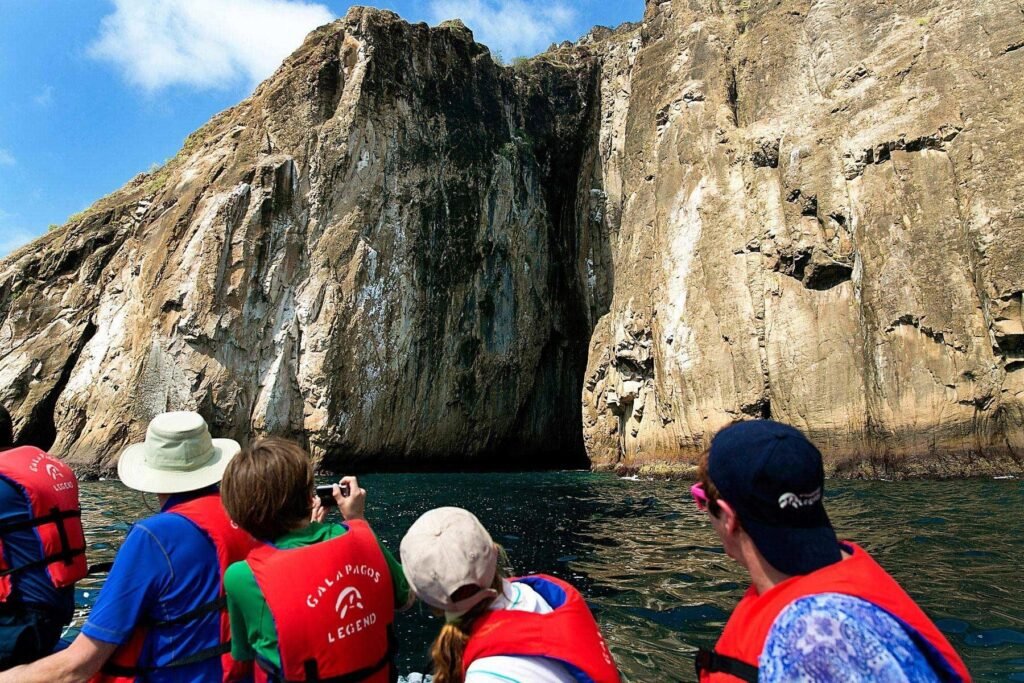
Rising almost 150 metres sheer out of the Pacific Ocean off the coast of San Cristóbal, Kicker Rock—known locally as León Dormido due to its resemblance to an obelisk or sleeping lion—is an iconic volcanic tuff cone split into two colossal monoliths. The vertical marine channel running between these vertical stone walls creates an oceanic highway for pelagic marine life.
This full-day excursion is designed specifically for confident swimmers and marine enthusiasts who want an authentic, deep-water ocean immersion. Because the boat anchors in the open sea with significant depth beneath you, the tour provides high-grade wetsuits and expert naturalist guides who lead small clusters of swimmers safely through the channel.
As you peer down into the indigo abyss, it is common to see large schools of Galápagos sharks, eagle rays, and iconic hammerhead sharks drifting gracefully beneath your fins. The trip balances this thrill with a late-afternoon landing at a secluded coral-sand beach, such as Manglecito or Cerro Brujo, to unwind among sea lion pups.
Key highlights
- Open-ocean snorkelling through the 148-metre vertical rock channel of León Dormido
- High probability of encountering hammerhead sharks, Galápagos reef sharks, and spotted eagle rays
- Birdwatching along the rock faces for Nazca boobies, blue-footed boobies, and frigatebirds
- Beach landing at Manglecito or Puerto Grande for pristine shoreline walks and relaxation
- Full equipment hire, safety briefing, lunch, and return transfers from Puerto Baquerizo Moreno
Ideal for
Adventurous swimmers, underwater photographers, and wildlife seekers eager for pelagic marine encounters in deep ocean waters.
Local insight
Take anti-seasickness medication about 45 minutes before leaving the harbour. The ocean transit from San Cristóbal to Kicker Rock can experience choppy swells, particularly during the Garúa season from July through November.
The Ecuadorian Sierra.
Get lost in the hills
Ascending lunar volcanic peaks in the central archipelago
Rating & reviews
(37+ verified reviews on Viator)
Why this specific tour stands out
If you have ever seen a postcard of the Galápagos Islands featuring a striking, triangular volcanic spire overlooking twin crescent beaches, you were looking at Pinnacle Rock on Bartolomé Island. Bartolomé is a geologically young, extinct volcanic islet offering one of the most stark, otherworldly landscapes on planet Earth.
Departing early from Santa Cruz via the Itabaca Channel, this day cruise brings you to a wooden boardwalk path consisting of 375 steps that wind across cinder cones and spatter ramparts. At the summit, you are treated to a 360-degree panorama of the central islands that feels genuinely extraterrestrial.
What makes this specific tour exceptional is the afternoon segment: a dinghy ride around Pinnacle Rock to spot the rare Galápagos penguin, followed by a beach snorkel at neighbouring Sullivan Bay (Santiago Island), where you can swim across fresh, pahoehoe lava flows submerged beneath clear waters.
Key highlights
- Guided summit trek up 375 steps to the famous Bartolomé Island viewpoint overlooking Pinnacle Rock
- In-depth geological commentary on volcanic tuff formations, spatter cones, and lava tubes
- Zodiac boat ride around Pinnacle Rock searching for nesting penguins and sea turtles
- Snorkelling at Golden Beach or Sullivan Bay alongside tropical fish and sea lions
- Hot chef-prepared lunch served aboard a comfortable passenger yacht during the sea crossing
Ideal for
Photographers, geology buffs, and travellers looking to capture the definitive landscape photograph of the Galápagos Archipelago.
Local insight
Wear sturdy, closed-toe walking shoes or light hiking trainers for the summit stair climb. Teva-style sandals are fine for the beach landing, but the wooden steps and volcanic dust require proper foot support.
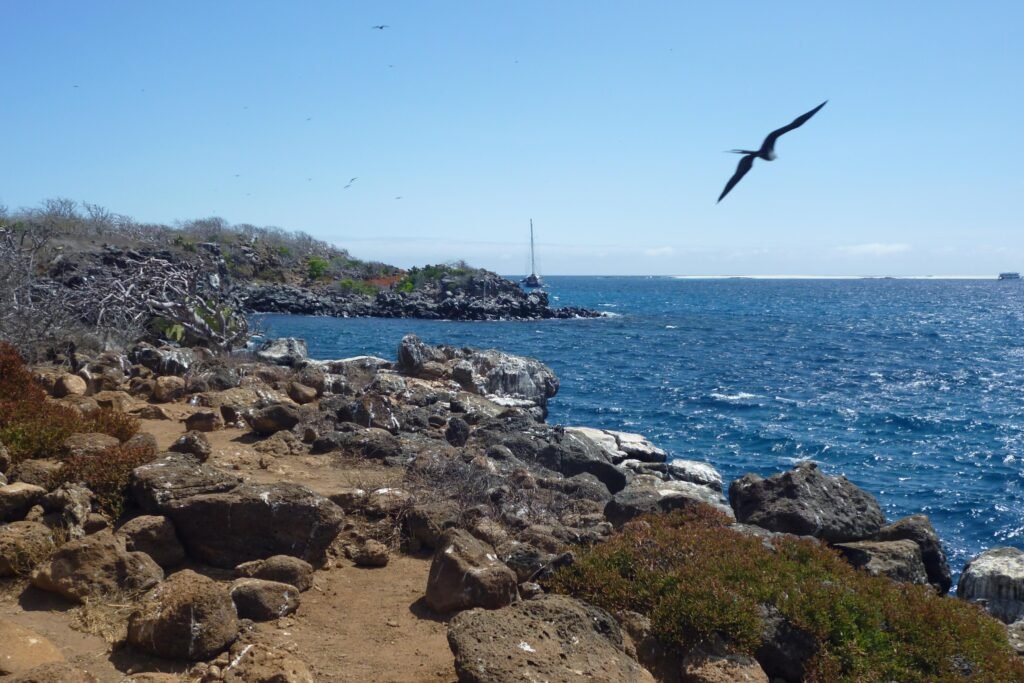
Witnessing frigatebirds and blue-footed boobies up close
Rating & reviews
(3+ verified reviews on Viator)
Why this specific tour stands out
North Seymour is a flat, uplifted seabed island located just north of Baltra. Despite its modest size, it hosts one of the densest and most active breeding colonies of seabirds in the entire archipelago. If your dream is to observe magnificent frigatebirds puffing up their crimson gular sacs or blue-footed boobies performing their famous high-stepping courting dance, North Seymour is an absolute imperative.
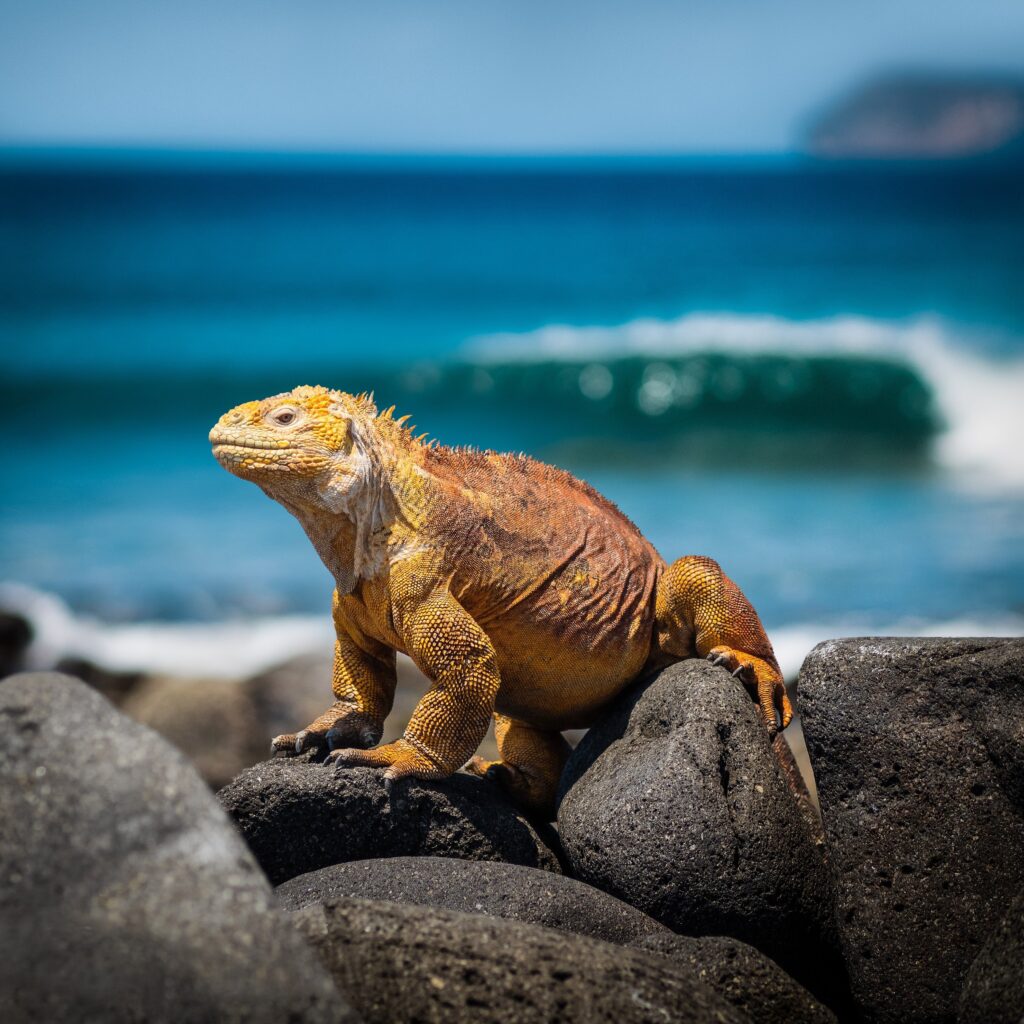
This tour stands apart because of the strict limits placed on visitor numbers and the quality of natural history interpretation provided by certified park guides. You navigate a circular 2-kilometre trail through low Palo Santo trees and Opuntia cacti, walking mere inches from wild boobies, swallow-tailed gulls, and land iguanas with bright yellow scales.
The wildlife here shows a complete absence of fear toward humans. The land trek is paired with an afternoon boat ride to Mosquera Islet or Las Bachas beach for shoreline wildlife observation and snorkelling.
Key highlights
- Walking through the world’s primary nesting grounds for magnificent frigatebirds and blue-footed boobies
- Encounters with endemic land iguanas (Conolophus subcristatus) feeding on fallen cactus pads
- Observing massive harems of Galápagos sea lions basking on black basalt shoreline rocks
- Beach landing at Mosquera Islet or Las Bachas for coastal walks and snorkelling
- Round-trip transfers from Puerto Ayora, National Park naturalist guide, and fresh lunch on board
Ideal for
Avid birdwatchers, wildlife photographers, and first-time visitors seeking intimate, face-to-face encounters with iconic Galápagos fauna.
Local insight
Keep your camera battery fully charged and bring an extra memory card. Because the birds nest right along the trail edge, you will be taking far more close-up shots than you anticipate.
The Ecuadorian Amazon.
The most biodiverse place in the world
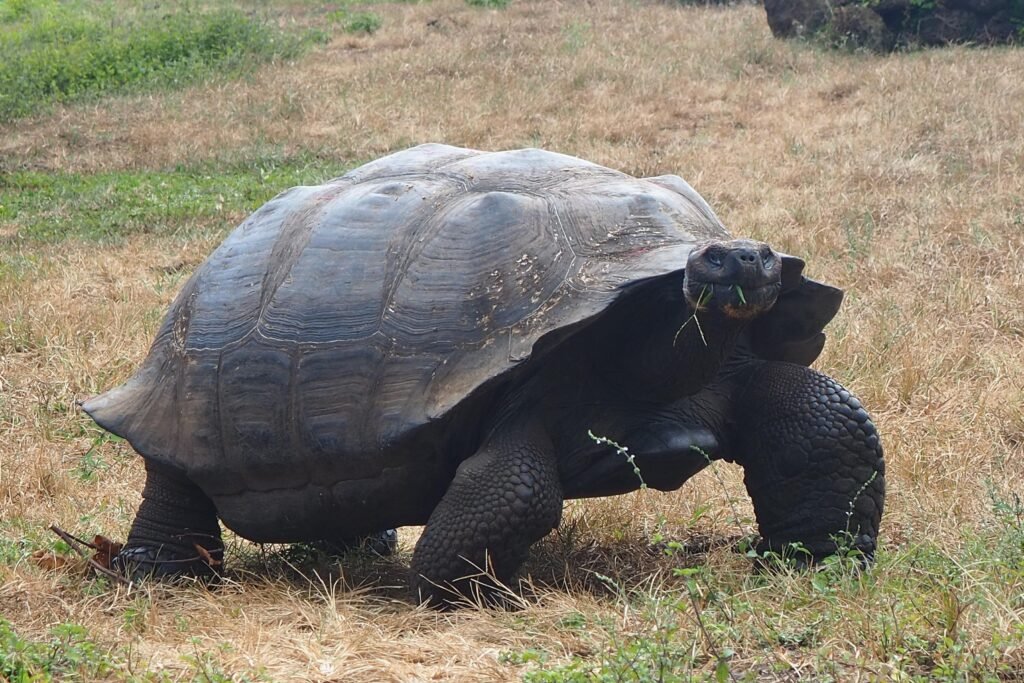
Roaming free with gentle giants in Santa Cruz’s lush upland forest
Rating & reviews
(63+ verified reviews on GetYourGuide)
Why this specific tour stands out
While most Galápagos excursions focus on marine life and dry coastal islands, the highlands of Santa Cruz Island offer an entirely different ecosystem. Ascending into the mist-shrouded Scalesia forests of the interior reveals a vibrant green agricultural and reserve zone where giant Galápagos tortoises (Chelonoidis niger) roam completely wild across open pastures and muddy ponds.
This overland day trip is brilliant because it bypasses the commercialised gift shops and takes you directly to authentic private nature reserves bordering the National Park boundary. You pull on rubber boots to walk alongside 250-kilogram tortoises grazing peacefully in high grass.
Afterwards, the guide leads you underground into massive subterranean lava tubes—hollow stone conduits formed by ancient subterranean magma flows—where you can walk for hundreds of metres through illuminated natural tunnels. The day wraps up with a stop at Los Gemelos (The Twins), two colossal pit craters surrounded by endemic birdlife.
Key highlights
- Observing wild giant tortoises in their natural upland migration corridor
- Descending into subterranean volcanic lava tubes with an expert natural history guide
- Visiting the dramatic pit craters of Los Gemelos surrounded by Scalesia forest
- Excellent birdwatching opportunities for Darwin’s finches, vermilion flycatchers, and cattle egrets
- Convenient pickup and drop-off at your hotel in Puerto Ayora
Ideal for
Families, slow travellers, and those looking for an easy-walking overland day trip rich in terrestrial ecology and geology.
Local insight
Embrace the mud! The highlands are significantly cooler and wetter than the coast. Most reserves provide knee-high rubber boots—make sure to wear long socks to prevent rubbing during the farm walk.
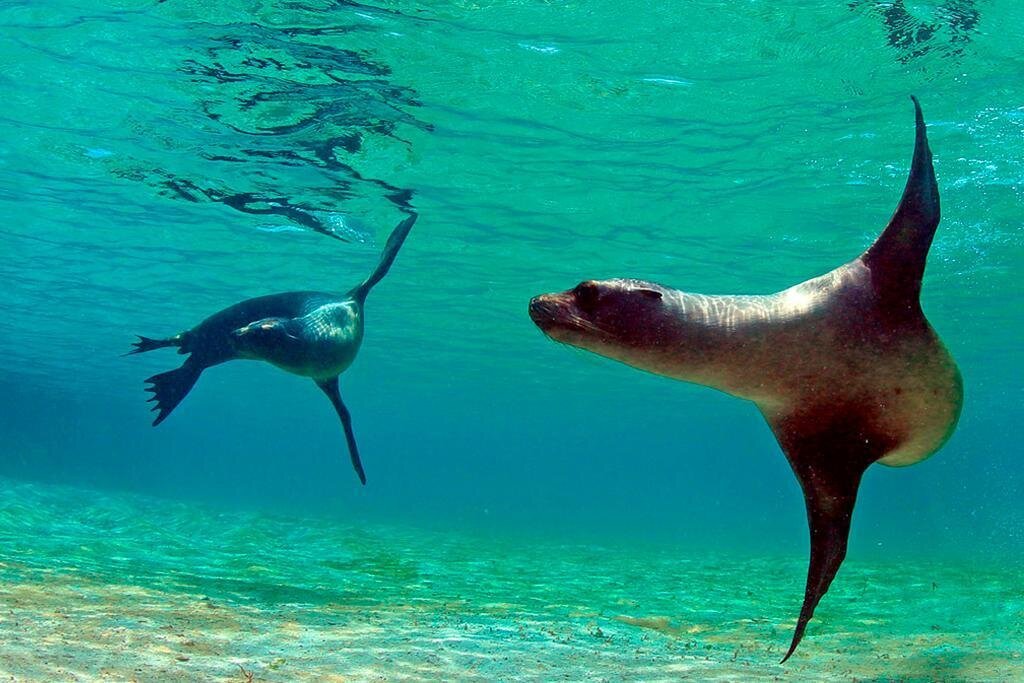
Swimming with inquisitive marine life in uncrowded waters
Rating & reviews
(3+ verified reviews on GetYourGuide)
Why this specific tour stands out
Pinzón Island sits off the western coast of Santa Cruz and remains one of the archipelago’s best-kept secrets for day-trippers. Because land visits on Pinzón itself are strictly restricted by the National Park, this excursion focuses entirely on its exceptionally rich, sheltered marine coves—most notably Penguin Bay.
This tour is widely praised by independent travellers who prefer smaller boats (typically capped at 12 passengers) and a more relaxed, unhurried pace. The shallow, transparent waters around Pinzón offer incredible clarity. Here, juvenile sea lions regularly swim up to your mask out of sheer curiosity, performing underwater acrobatics alongside you.
The cove also serves as a sanctuary for dozens of Pacific green sea turtles, spotted eagle rays, and gentle whitetip reef sharks resting on the sandy bottom. En route back to Santa Cruz, boats usually stop at La Fé or Las Palmas beach for shoreline exploration.
Key highlights
- Small-group snorkelling in the pristine, clear waters of Penguin Bay at Pinzón Island
- Playful interactions with curious juvenile Galápagos sea lions
- High concentration of sea turtles, marine iguanas, and harmless reef sharks
- Secondary stop at La Fé Cove surrounded by coastal cactus forests
- High-quality snorkelling equipment, wetsuits, snacks, and a freshly prepared lunch onboard
Ideal for
Snorkelers who prioritise underwater visibility and play time with sea lions over long land treks.
Local insight
Bring a waterproof camera or GoPro on a floating wrist strap. The sea lions at Pinzón move rapidly and like to check their own reflection in camera lenses.
The Ecuadorian Coast.
Where you’ll find the very best food
Our Galápagos practical excursion planning guide
Navigating day excursions in the Galápagos Islands requires a touch of strategic planning to ensure your time on the ground is smooth and environmentally responsible. Here are our essential local tips for independent travellers:
National park entry & card logistics
Before flying from Quito or Guayaquil to Baltra (GPS) or San Cristóbal (SCY), you must purchase the Transit Control Card (TCC) at the departure airport ($20). Upon arrival in the Galápagos, you must pay the Galápagos National Park entry fee in cash ($200 for most international adult visitors as of recent rate updates). Ensure you carry crisp, undamaged US dollar notes, as cards are not accepted at airport border control.
Book specialty day boats early
Unlike mass-market city tours, Galápagos National Park permits strictly cap the number of daily visitors allowed on islands like Bartolomé, North Seymour, and South Plazas. Boat capacities are limited to 12–16 passengers. Reserve your priority day trips at least 4 to 6 weeks in advance of your travel dates.
Understanding water temperatures & seasons
The Galápagos marine climate is defined by two seasons. From December to May, the water is warm (23–27°C), the seas are calm, and the skies are sunny. From June to November, the cool Humboldt Current brings nutrient-rich waters (18–22°C) accompanied by the overcast Garúa fog. If travelling between June and November, always request a 3mm or 5mm wetsuit from your tour operator for deep-water snorkelling.
Inter-island transit realities
If you plan to visit multiple inhabited islands (Santa Cruz, Isabela, San Cristóbal), public speedboats run twice daily between island ports. The crossings take approximately 2 to 2.5 hours across the open ocean and can be rough. Book your ferry tickets a day or two in advance through local port offices or reliable agencies, and pack motion-sickness tablets.
Strict wildlife etiquette
The Galápagos animals have no natural fear of humans, but preserving this trust requires strict compliance. Always maintain a minimum distance of 2 metres (6 feet) from all wildlife—including sea lions sleeping on public benches. Never use flash photography, do not feed any animals, and never touch lava rocks or flora.
Charting your own course in the Enchanted Isles
Travelling land-based in the Galápagos is more than just a cost-effective alternative to rigid mega-cruises—it is an entirely different philosophy of exploration. When you drop anchor in local towns like Puerto Ayora or Puerto Villamil, your travel budget directly sustains family-owned guesthouses, independent maritime operators, and neighbourhood picanterías. You become part of the island rhythm, watching sea lions snooze on wooden pier benches as the sun dips below the Pacific horizon.
Small-group day excursions offer the ideal middle ground between structured natural history interpretation and complete personal autonomy. By choosing targeted day trips led by accredited Galápagos National Park naturalists, you venture deep into restricted marine sanctuaries and fragile volcanic breeding grounds during the day, yet retain the absolute freedom to wander quiet coastal trails, rent a gravel bike, or sample freshly caught endemic seafood by night.
Protecting this fragile biosphere requires conscious choices from every independent traveller. Adhering strictly to park guidelines, minimising plastic footprint, respecting the mandatory two-metre wildlife boundary, and choosing operators who actively invest in local conservation ensure that these extraordinary volcanic sanctuaries remain wild for generations to come.
Pack your sense of wonder, prepare for incredible underwater clarity, and give yourself permission to travel slowly. The Galápagos Archipelago does not need to be rushed from the deck of an ocean liner—it is best experienced with salt on your skin, sand on your boots, and the freedom to craft every day on your own terms.
Affiliate Disclaimer: Some of the links on Wheely Tyred are affiliate links. If you click through and make a booking or purchase, we may earn a small commission at no extra cost to you. We only recommend gear, tours, stays, and services we genuinely use, trust, and stand behind — our editorial independence always comes first. These commissions help keep our independent cycling guides and travel stories free to read. Thanks for supporting the ride!
Frequently asked questions about the best Galápagos day tours
Public speedboats (ferries) run twice daily between Santa Cruz (Puerto Ayora), Isabela (Puerto Villamil), and San Cristóbal (Puerto Baquerizo Moreno). The crossings take around two to two-and-a-half hours across open water. Tickets cost approximately $30–$35 per leg and should be reserved a day or two in advance through local harbour kiosks or trusted agencies.
While general activities like highland tortoise farm visits can often be arranged locally, high-demand maritime excursions—specifically Bartolomé Island, North Seymour, and Los Túneles—have strict daily visitor quotas set by the Galápagos National Park. Boats are small (12 to 16 passengers), so booking four to six weeks in advance is highly recommended to secure your preferred dates.
Ecuador uses the US dollar ($). Before departing mainland Ecuador (Quito or Guayaquil), you must purchase a Transit Control Card (TCC) for $20. Upon landing in the Galápagos, an entry fee of $200 for most international adult visitors must be paid in cash at the airport border control. Ensure you bring crisp, undamaged banknotes, as credit cards are not accepted for these official park fees.
From December to May, the weather is warm and sunny with calm seas and water temperatures reaching 23–27°C, making it ideal for snorkelling without heavy wetsuits. From June to November, the cool Humboldt Current brings lower water temperatures (18–22°C) and the overcast Garúa mist. Marine life is exceptionally active during this period due to nutrient-rich currents, but a 3mm to 5mm wetsuit is essential.
Yes. Inhabited towns offer several free or independent access areas, such as Tortuga Bay and Las Grietas on Santa Cruz, La Lobería beach on San Cristóbal, or the coastal wetlands walk on Isabela. However, entering any uninhabited island or protected National Park marine site strictly requires an accredited naturalist guide and a licensed vessel.
Pack high-grade reef-safe sunscreen, a long-sleeved rash guard, sturdy closed-toe walking shoes for lava trails, a dry bag for boat transits, and motion-sickness tablets for open-ocean journeys. Bringing a reusable water bottle and a floating wrist strap for your underwater camera is also strongly advised.
Ecuador.
Pure wonder on the equator.