The ultimate Galápagos Islands multi-day tours / Small-group expeditions and island-hopping itineraries
Best multi-day expeditions in the Galápagos Islands / Expert-guided land-based & small-yacht tours
How to experience Ecuador’s Enchanted Archipelago at human pace
BEN FINCH
Floating nearly 1,000 kilometres off the Ecuadorian mainland, the Galápagos Islands represent one of the most fragile, breathtaking, and strictly regulated natural havens on Earth. For decades, the dominant way to explore this volcanic archipelago was aboard massive commercial cruise liners—whisking hundreds of passengers between landing sites on rigid, whistle-stop schedules. At Wheely Tyred, we advocate for a different philosophy: slow, immersive, multi-day journeys that prioritise local interaction, support island communities, and respect native ecosystems.
Navigating the Galápagos independently without a structured itinerary is notoriously complex. Strict Galápagos National Park rules require all visitors to be accompanied by certified naturalist guides at official park sites. Inter-island boat transit, biosecurity clearances, National Park entrance permits, and transit control cards (TCT) demand meticulous planning.
Opting for an organised, small-group multi-day expedition resolves these complex logistics instantly. Whether you choose a land-based island-hopping itinerary that sleeps in locally owned eco-lodges on Santa Cruz, Isabela, and San Cristóbal, or a small-capacity expedition yacht navigating remote outer islets, multi-day tours grant access to hidden marine reserves, endemic wildlife habitats, and volcanic hiking trails that single-day excursions simply cannot reach.
Below, we have selected six of the absolute best, verified, and bookable multi-day tours across the Galápagos Archipelago. Each itinerary meets our strict selection criteria: small group sizes, top-tier local naturalists, high eco-credentials, verified traveller proof, and active live booking links across TourRadar, Viator, and GetYourGuide.
Galápagos expeditions / Key takeaways & regional highlights
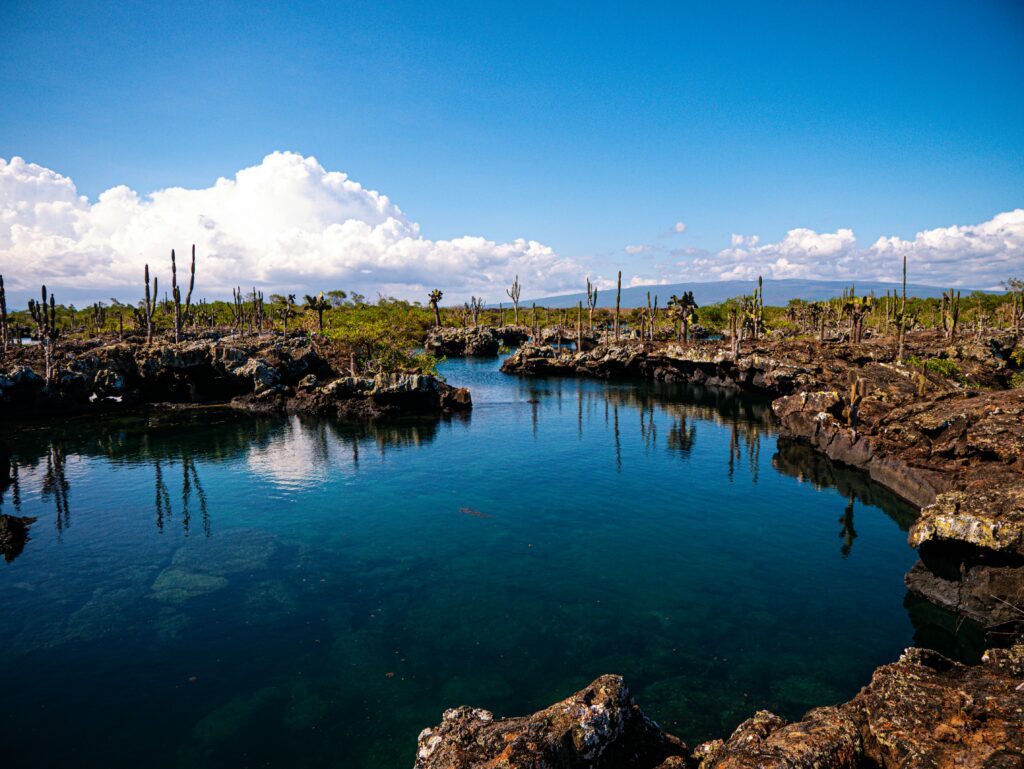
Embarking on a multi-day journey across Ecuador’s volcanic archipelago demands a balance of logistical foresight and environmental reverence. Whether you choose land-based island hopping or an offshore expedition vessel, here are the essential elements that define an authentic Galápagos adventure.
- Volcanic Outcrops & Wildlife: Treks through the highlands of Santa Cruz and around the colossal Sierra Negra caldera on Isabela offer up-close encounters with wild Galápagos giant tortoises and otherworldly volcanic landscapes
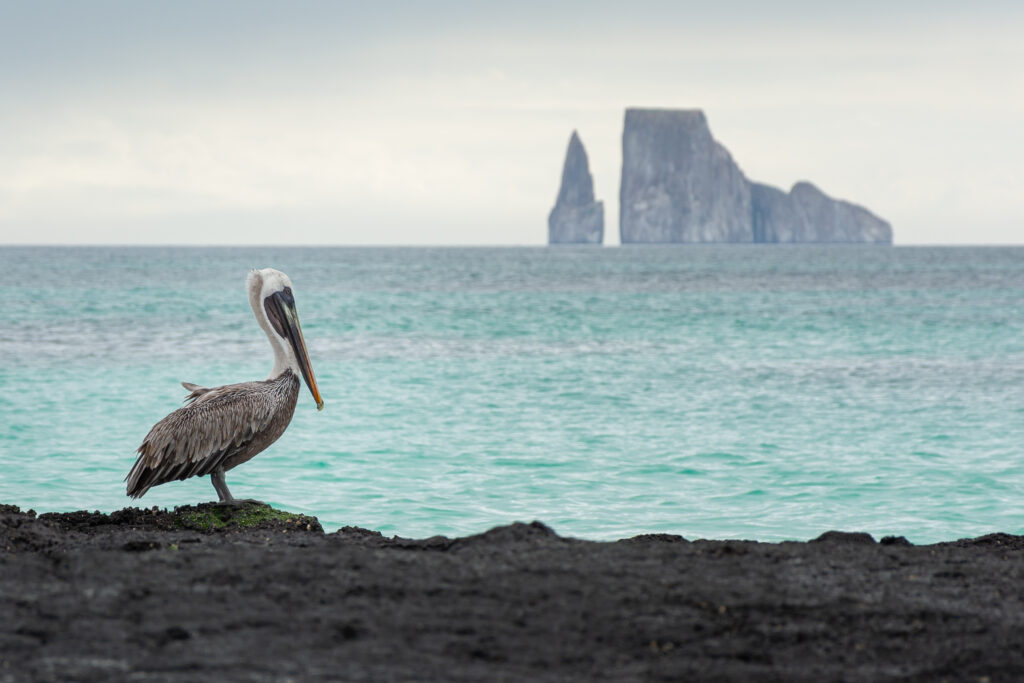
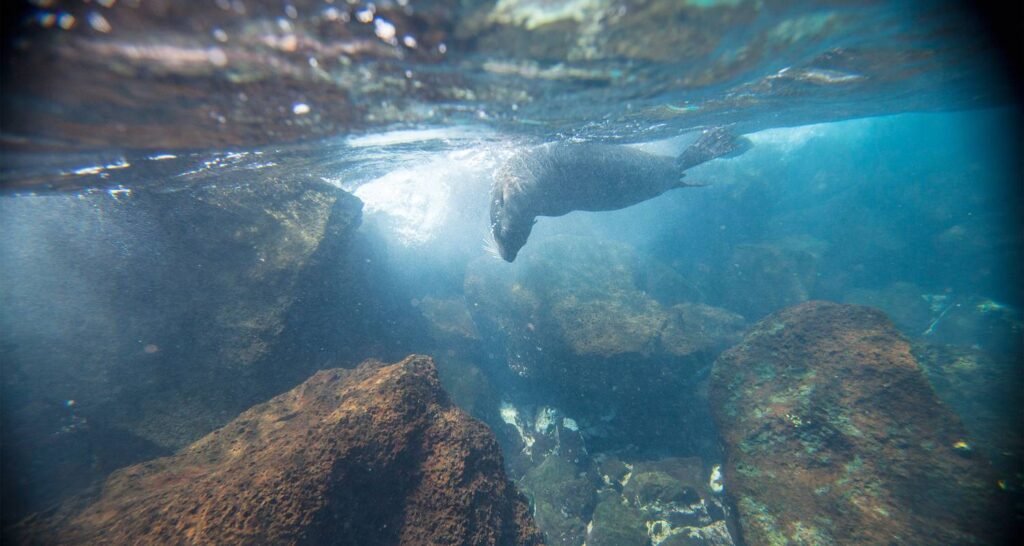
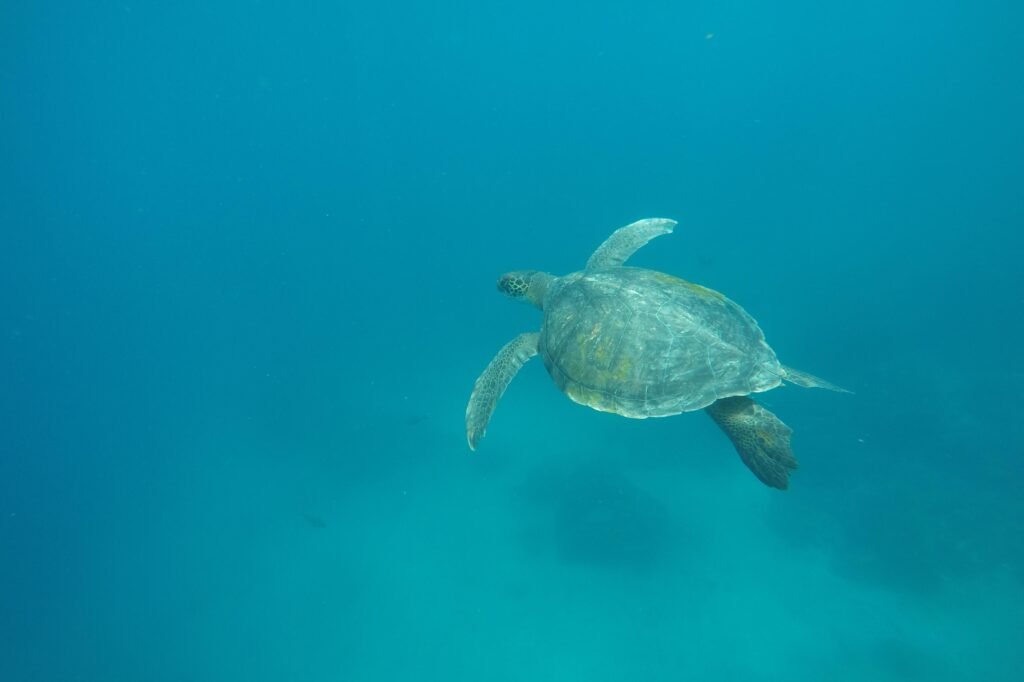
- Deep-Water Marine Reserves: Marine sanctuaries like Los Túneles, Las Tintoreras, and Kicker Rock (León Dormido) provide front-row seats for snorkelling alongside white-tip reef sharks, Pacific green sea turtles, eagle rays, and playful sea lions
- Community-First Slow Travel: Land-based multi-day itineraries directly fund local economies, channelling your travel spend into family-run eco-lodges, coastal eateries, and independent water-taxi cooperatives in Puerto Ayora, Puerto Villamil, and Puerto Baquerizo Moreno
- Off-the-Beaten-Track Outposts: Overnight stays on Floreana Island offer a rare glimpse into small-scale island history, ancient pirate caves, and traditional whaling traditions at Post Office Bay
- Remote Archipelago Cruising: Navigation aboard small expedition yachts remains the single best route for reaching pristine, uninhabited outer islands such as Genovesa, Fernandina, and Bartolomé
- Entry Logistics & Cash Planning: National Park entry regulations require a mandatory $200 USD entrance fee and a $20 USD Transit Control Card (TCT), both payable strictly in cash US Dollars before setting foot on the islands
- Rigorous Biosecurity & Eco-Ethics: Protecting fragile endemic species requires strict adherence to biosecurity luggage screenings at mainland airports, non-nano zinc sunscreen mandates, and keeping a respectful two-metre distance from all wildlife
The Galápagos.
Ecuador’s Enchanted Isles
1. Traversing volcanic outcrops & pristine marine reserves
Rating & reviews
(15+ verified tour reviews on TourRadar)
Why this specific tour stands out
This 7-day land-based journey by G Adventures is a benchmark for sustainable, community-first travel in the archipelago. Rather than anchoring offshore aboard an engine-heavy vessel, you base yourself in small, locally run hotels across Santa Cruz, Isabela, and San Cristóbal Islands. This approach directly channels your travel funds into the island economy—supporting family restaurants, local transport cooperatives, and community-led conservation projects.
The itinerary moves at an intentional pace. You spend multiple days exploring Isabela, the largest and most volcanically active island in the chain. Led by a certified Galápagos National Park Chief Experience Officer (CEO), your group remains small, ensuring minimal disturbance to fragile wildlife habitats and allowing for deep, peer-to-peer conversations with your guide.
Key highlights
- Giant Tortoise Breeding Centre: Trek through the highlands of Santa Cruz to observe wild Galápagos giant tortoises roaming freely around natural sinkholes and visit the Fausto Llerena Breeding Center
- Sierra Negra Volcano Hike: Complete a dramatic multi-hour hike around the rim of the Sierra Negra caldera on Isabela Island—the second-largest active volcanic crater in the world
- Islote Tintoreras Marine Islet: Snorkel pristine volcanic tunnels alongside white-tip reef sharks, Galápagos penguins, marine iguanas, and playful sea lions
- San Cristóbal Highlights: Explore the Interpretation Center, snorkel at Tijeretas Hill, and opt for a deep-water marine excursion to Kicker Rock
- Inclusions: 6 nights hotel accommodation, inter-island boat transit, certified naturalist CEO guide, daily breakfast, and select guided excursions
Ideal for
Active travellers, solo adventurers, and eco-conscious seekers who prefer sleeping on firm land, supporting local island communities, and avoiding seasickness associated with overnight boat transits.
Local expedition insight
Be prepared for the inter-island public ferry transit between Santa Cruz and Isabela. These open-ocean speedboat crossings take roughly 2.5 hours across choppy waters. Pack dry bags for your camera gear and take anti-motion sickness medication 30 minutes before boarding at Puerto Ayora harbour.
2. High-adrenaline multi-sport island exploration
Rating & reviews
(19+ verified tour reviews on TourRadar)
Why this specific tour stands out
If sitting passively on a deck chair isn’t your style, Intrepid Travel’s 10-day expedition offers the ultimate hands-on immersion into the archipelago’s endemic environments. Spanning mainland Quito, Santa Cruz, Isabela, and San Cristóbal, this multi-sport route replaces long motor bus journeys with mountain biking, marine snorkelling, and rugged trail trekking.
Intrepid operates under strict B-Corp certification, balancing low-impact carbon-neutral travel with high-octane exploration. By exploring coastal mangroves and marine lagoons on foot and via local water tenders, you access shallow water bays off Isabela and San Cristóbal that commercial cruise ships cannot enter.
Key highlights
- Tortuga Bay & Highlands Trek: Walk through opuntia cactus forests on Santa Cruz to Tortuga Bay’s white quartz sands, followed by a highland trek amongst giant tortoises
- Isabela Flamingo Lagoons: Walk the coastal trails on Isabela Island out to the Giant Tortoise Breeding Centre and brackish flamingo lagoons
- San Cristóbal & Tijeretas Hill: Hike Tijeretas Hill to view nesting frigatebirds, followed by deep-water snorkelling at Kicker Rock (León Dormido) to spot hammerhead sharks and eagle rays
- Inclusions: 9 nights hotel accommodation, certified naturalist guide, internal flights (Quito to islands), island transfers, daily breakfast, and activity gear
Ideal for
Fitness-minded travellers, active outdoor enthusiasts, and small groups wanting an extensive 10-day trip covering both mainland transit and three distinct islands.
Local expedition insight
Water temperatures in the Galápagos drop significantly between July and November due to the chilly Humboldt Current (hovering around 18°C–22°C). Intrepid provides wetsuit rental options, but bringing your own 3mm neoprene shorty or thermal rash guard ensures you stay comfortable during extended 90-minute snorkel sessions.
The Ecuadorian Sierra.
Get lost in the hills
3. Streamlined multi-day circuit for autonomous travellers
Rating & reviews
(21+ operator reviews on TripAdvisor)
Why this specific tour stands out
For travellers operating on tighter schedules who still demand an authentic, well-paced regional experience, this 5-day circuit hitches together the highlight reel of Santa Cruz, Isabela, and North Seymour or Los Túneles without feeling like a rushed commercial blur. Organised by local operator Destination Ecuador, this tour balances structured guided excursions with generous independent downtime in Puerto Ayora and Puerto Villamil.
The itinerary seamlessly handles the complicated airport transfers, marine park registrations, water taxis, and hotel check-ins that usually cause headaches for independent travellers. It serves as an ideal hybrid model: offering the peace of mind of pre-arranged logistics alongside the freedom to sample local seafood cevicherías independently in the evenings.
Key highlights
- Santa Cruz Highlands & Lava Tunnels: Private guided walkthrough of the highlands, observing giant tortoises in their natural habitat and walking through underground volcanic lava tubes
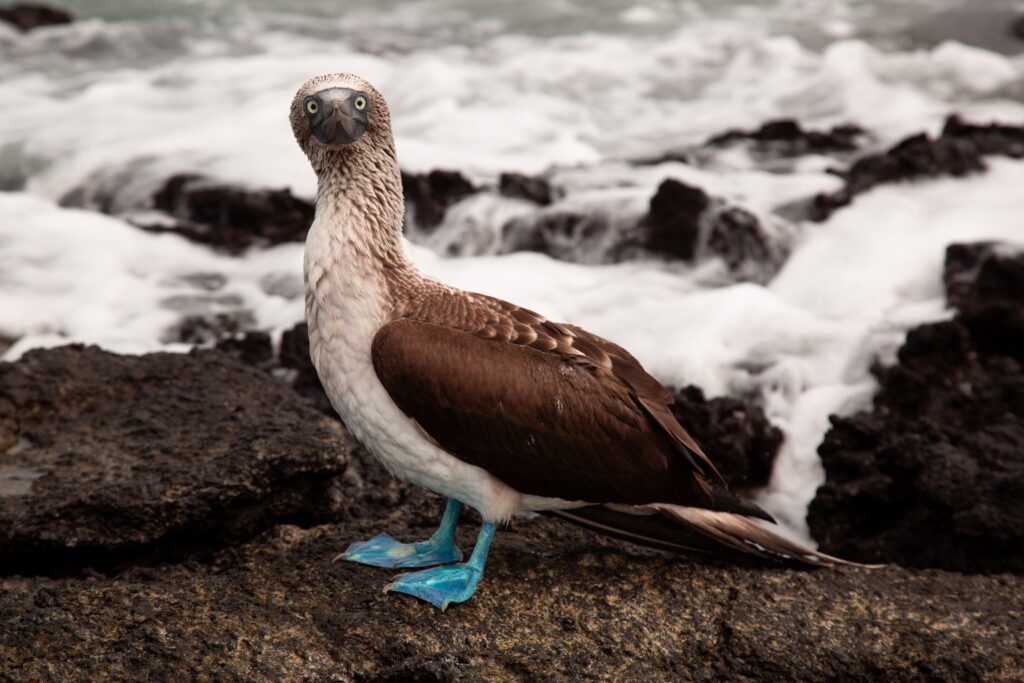
- Los Túneles & Tintoreras (Isabela): Navigate the lava bridges and clear turquoise arches of Los Túneles—one of the world’s premier marine sanctuaries for viewing blue-footed boobies, seahorses, and sleeping reef sharks
- North Seymour or Santa Fé Day Excursion: Board a specialised day yacht to observe colonies of land iguanas, blue-footed boobies, and frigatebirds
- Inclusions: 4 nights hotel accommodation, inter-island speedboat tickets, certified English/Spanish guide, equipment rental (mask and fins), all internal land transport, and 8 included meals (4 breakfasts, 4 lunches)
Ideal for
Couples, independent travellers with limited vacation windows, and first-time visitors seeking a seamless, logistics-handled island-hopping foundation.
Local expedition insight
Cash is absolute king on Isabela Island. While Puerto Ayora on Santa Cruz has functioning ATMs, Isabela’s ATMs are notoriously unreliable or frequently out of cash. Carry sufficient US Dollar cash bills ($20s and smaller) from mainland Ecuador or Santa Cruz to cover lunches, tipping, and local crafts.
4. Intimate island exploration & Kicker Rock deep-water circuit
Rating & reviews
(3+ verified reviews on GetYourGuide)
Why this specific tour stands out
San Cristóbal is the oldest island geologically in the Galápagos chain and offers an unmatched density of endemic wildlife right at the edge of town. This concentrated 4-day tour bases you in Puerto Baquerizo Moreno, focusing deeply on eastern marine habitats and highland crater lakes rather than burning daylight on long ferry transits.
With group sizes capped at just 6 participants, this micro-expedition offers an exceptional guide-to-guest ratio. You get personalised naturalist instruction during ocean snorkelling and highland mountain biking, making it one of the most intimate land-based itineraries available in the region.
Key highlights
- Kicker Rock (León Dormido) Snorkel: Full-day guided boat excursion to the dramatic volcanic tuff cone of Kicker Rock to swim alongside hammerhead sharks, Pacific green sea turtles, and eagle rays
- El Junco Lagoon & Highland Mountain Biking: Hike to El Junco—the only permanent freshwater lake in the Galápagos—before enjoying a downhill mountain bike ride through the highlands to Puerto Chino beach
- La Galapaguera & Las Negritas Cliffs: Observe semi-wild giant tortoises at La Galapaguera and view nesting red-footed and blue-footed boobies along coastal volcanic cliffs
- Inclusions: 3 nights hotel accommodation, airport transfers, 3 breakfasts, private highland guide and driver, full-day Kicker Rock boat tour with gear and lunch
Ideal for
Wildlife photographers, active adventurers, and travellers looking for a focused, high-value short expedition on one of the archipelago’s most rewarding islands.
Local expedition insight
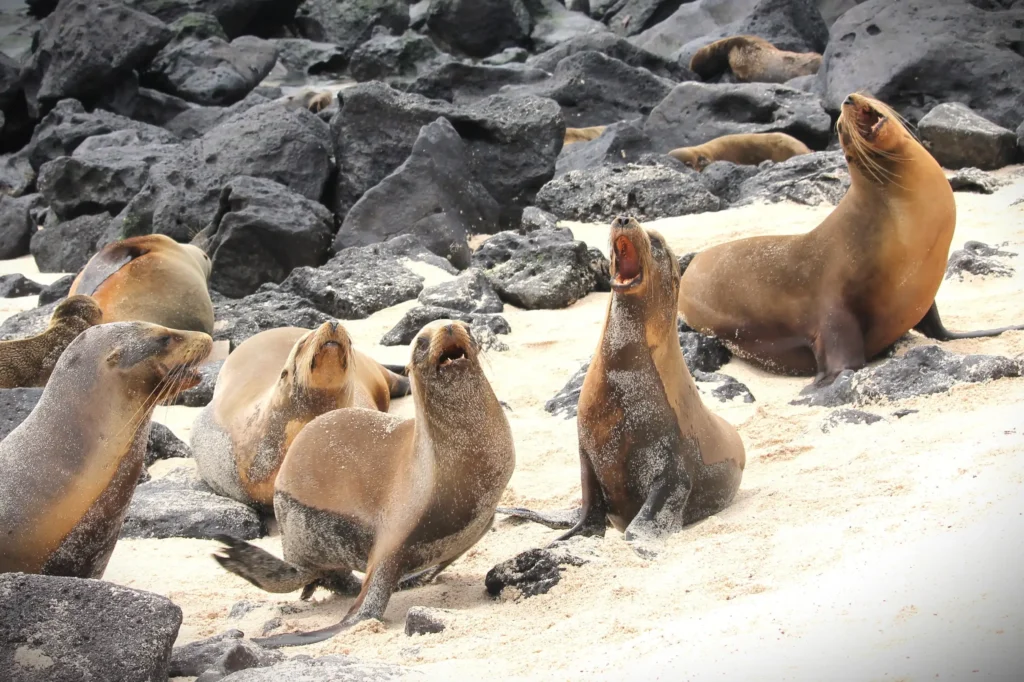
San Cristóbal’s harbour is famous for its massive sea lion population, which lounge on benches, beaches, and boat ramps throughout Puerto Baquerizo Moreno. While they appear friendly, maintain the mandatory 2-metre distance—bull sea lions guarding territories on beaches can move surprisingly fast on land.
The Ecuadorian Amazon.
The most biodiverse place in the world
5. Immersive slow travel across central & southern islets
Rating & reviews
(33+ verified reviews on TourRadar)
Why this specific tour stands out
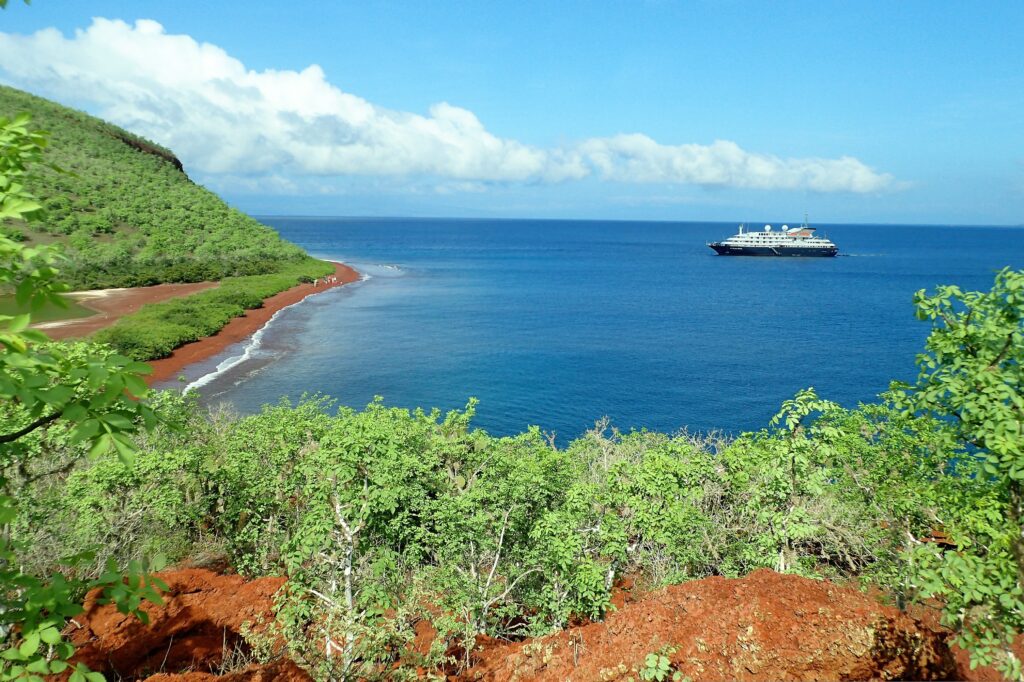
For travellers seeking an authentic, slow-travel overland route across three inhabited islands without mainland filler days, Intrepid’s dedicated 8-day island hopper is an outstanding choice. Starting on San Cristóbal and ending on Santa Cruz, this itinerary incorporates a rare overnight stay on Floreana Island—the least populated inhabited island in the archipelago, home to under 150 permanent residents.
By staying on Floreana, you experience the tranquil rhythm of island life after day-trip boats depart. The tour balances low-impact foot transit with coastal marine exploration, introducing travellers to local conservationists and pioneer family descendants.
Key highlights
- Floreana Island History & Post Office Bay: Visit historic Post Office Bay to participate in the 18th-century whaling letter exchange tradition, followed by snorkelling at Champion Islet
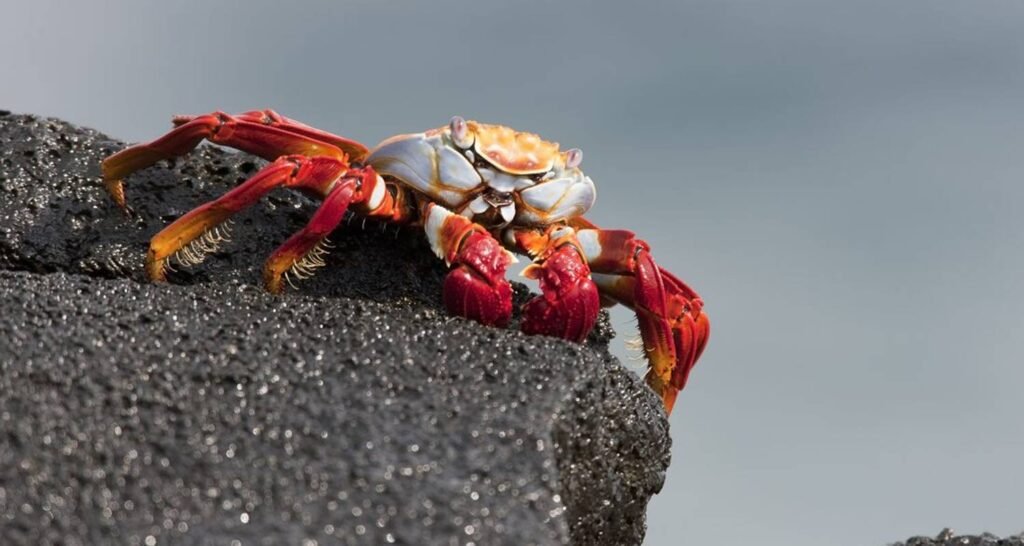
- Isabela Lava Fields & Las Tintoreras: Explore the black basalt lava flows of Las Tintoreras to spot resting reef sharks, penguins, and marine iguanas
- Kicker Rock Deep-Water Marine Exploration: Deep-water marine snorkel around the towering walls of León Dormido off San Cristóbal
- Highland Tortoise Reserves: Walk through high-altitudeScalesia forests on Santa Cruz surrounded by free-roaming giant tortoises
- Inclusions: 7 nights accommodation in local eco-guesthouses, certified naturalist guide, inter-island boat transit, activity gear, and daily breakfasts
Ideal for
Culture and history buffs, slow-travel advocates, and travellers wanting an in-depth 8-day route that includes the off-the-beaten-track island of Floreana.
Local expedition insight
Floreana has virtually no mobile phone reception or high-speed internet. Embrace this segment of the journey as a digital detox. Ensure you download offline maps, e-books, and travel documentation before leaving San Cristóbal.
6. Small-yacht archipelago expedition
Rating & reviews
(1+ verified reviews on TourRadar)
Why this specific tour stands out
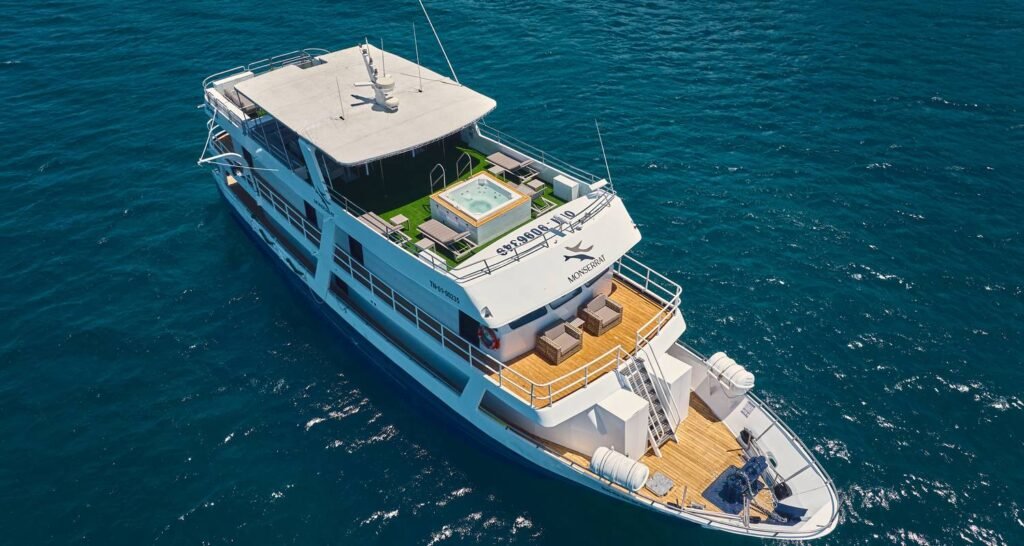
While Wheely Tyred generally champions land-based expeditions, small-vessel expedition cruises remain the single best way to access remote, uninhabited western and northern islands such as Genovesa, Fernandina, and Bartolomé. The M/Y Monserrat is an elegant 20-passenger yacht operating small-scale, highly tailored itineraries that strictly adhere to National Park passenger ratios, providing expert naturalist guidance.
By sailing between islands overnight while guests sleep, the vessel docks at pristine landing sites at dawn—allowing you to step ashore long before day-trip boats arrive from the mainland hubs.
Key highlights
- Genovesa Island (Bird Island): Climb Prince Philip’s Steps to observe massive breeding colonies of red-footed boobies, Nazca boobies, and short-eared owls
- Bartolomé Island Summit: Hike the wooden staircase to Bartolomé’s volcanic summit for panoramic views over Pinnacle Rock, followed by snorkelling with Galápagos penguins
- Espinoza Point (Fernandina) & Tagus Cove (Isabela): Explore Fernandina—the youngest and most pristine island in the chain—to view thousands of marine iguanas and flightless cormorants
- Inclusions: Full-board ocean-cabin accommodation, all meals onboard (breakfast, lunch, dinner), daily zodiac tenders, guided excursions with certified naturalist, and wetsuit/snorkel gear
Ideal for
Wildlife photographers, birdwatchers, marine biology enthusiasts, and travellers seeking comfortable expedition cruising to remote, uninhabited outer islands.
Local expedition insight
Pay close attention to wet vs. dry landings on expedition cruises. On dry landings, zodiacs pull up to concrete jetties or flat rock plates. On wet landings, you step out of the dinghy into calf-deep ocean surf onto sandy shores. Pack a dedicated pair of rugged water sandals (like Tevas or Chacos) alongside your sturdy trail walking shoes.
The Ecuadorian Coast.
Where you’ll find the very best food
Our practical Galápagos multi-day expedition planning guide
Planning a multi-day journey across the Galápagos Islands requires navigating specific logistical and environmental regulations. Below is our practical briefing to ensure your expedition runs smoothly.
1. Navigating national park fees & entry documentation
Before boarding your mainland flight from Quito (UIO) or Guayaquil (GYE) to the Galápagos Islands (Baltra GPS or San Cristóbal SCY), you must purchase a Transit Control Card (TCT) at the INGALA counter for $20 USD per person.
Upon landing in the islands, all foreign tourists must pay the Galápagos National Park Entrance Fee in cash US dollars. As of recent regulatory updates, this entry fee is $200 USD per adult. This fee directly funds conservation projects, invasive species eradication, and local community infrastructure across the archipelago. Ensure you carry crisp, undamaged US Dollar bills, as torn or marked notes are routinely rejected.
2. Managing inter-island transit logistics
If you choose a land-based multi-day tour, you will travel between major islands (Santa Cruz, Isabela, San Cristóbal) via public open-ocean speedboats (lanchas).
- Transit Times: Crossings take between 2 and 2.5 hours depending on ocean swells
- Baggage Limits: Inter-island ferry operators strictly enforce luggage weight limits (typically 15kg–20kg main bag + 5kg daypack). Pack light, high-performance travel clothing that dries quickly
- Water Transfers: At harbours in Puerto Ayora and Puerto Villamil, large ferries cannot pull directly up to the pier. You will take small local water taxis (pangas) out to the boat, costing $1.00 to $2.00 USD cash per leg (often included in organised tour packages, but handy to carry loose change)
3. Biosecurity protocols & environmental ethics
The ecosystem of the Galápagos is exceptionally fragile. To prevent introduced invasive species from destroying endemic flora and fauna, biosecurity controls are strictly enforced:
- Luggage Inspections: All bags are scanned and manually inspected at mainland airports prior to departure. Fresh fruits, seeds, unsealed food items, soil, and organic matter are strictly prohibited
- Wildlife Proximity Rules: Galápagos National Park regulations mandate maintaining a strict 2-metre (6-foot) distance from all wildlife at all times—including sea lions, iguanas, and nesting birds. Never touch, feed, or corner wild animals
- Plastics Ban: Single-use plastic water bottles and thin plastic shopping bags are banned throughout the province. Carry a durable, insulated stainless-steel water bottle; multi-day tours provide large filtered water refill stations at hotels and aboard vessels
4. Single supplements & solo traveller advice
If travelling solo, small-group multi-day tours offer tremendous value compared to chartering private day trips. Operators like G Adventures and Intrepid Travel default to pairing solo travellers of the same gender in twin-share accommodation, eliminating mandatory single supplement fees. If you prefer a private room throughout your island-hopping journey, single supplements can generally be added for an additional 25% to 40% of the base tour cost.
5. Tipping guidelines for local guides & crew
Tipping is an integral component of the eco-tourism economy in Ecuador and the Galápagos. While voluntary, rewarding exceptional service supports local naturalists and boat crews:
- Land-Based Multi-Day Tours: Budget $10–$15 USD per day for your main lead Naturalist Guide / CEO, and $5–$7 USD per day split among local drivers and support boat captains
- Expedition Cruises: Budget $15–$20 USD per day for the naturalist guide, and $15–$20 USD per day added to the general crew tip box (distributed among galley staff, sailors, and engineers)
Tread lightly, travel far / Experiencing the Enchanted Isles at human pace
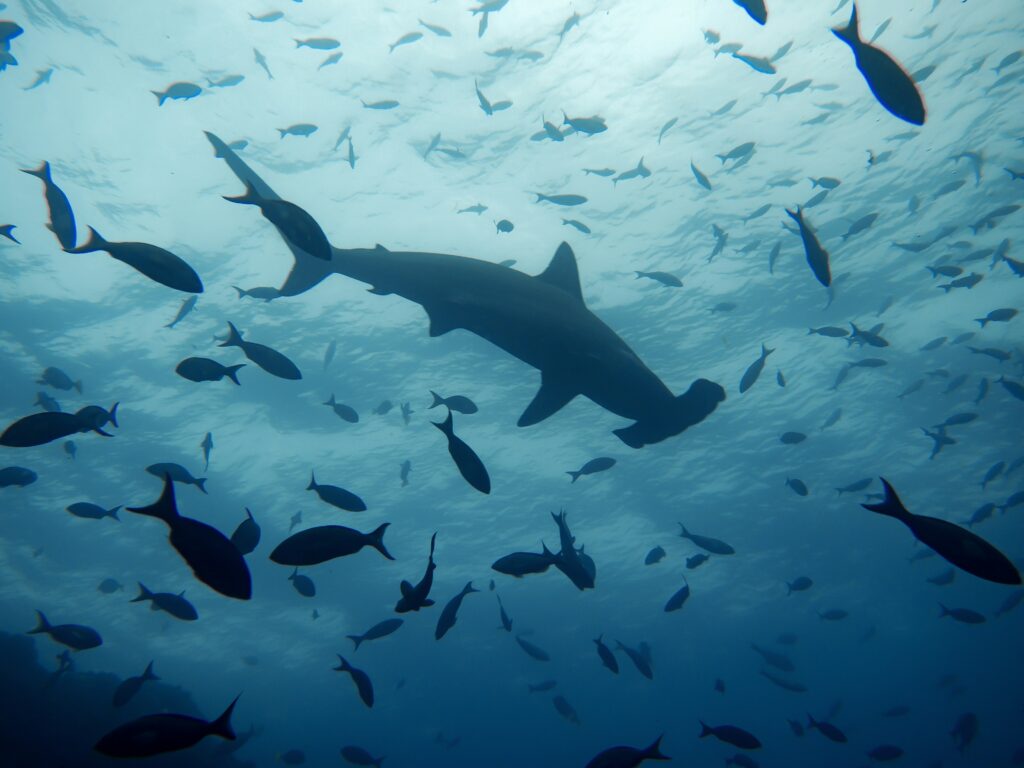
The Galápagos Islands have a way of resetting a traveller’s clock. In an era dominated by rapid transit and hyper-curated itineraries, stepping onto a volcanic shore where animals show no innate fear of humanity is a sobering reminder of what the natural world looks like when given space to thrive. Choosing how you move through this archipelago is the single most consequential decision of your journey.
Opting for an intentional, multi-day expedition over a fragmented series of rushed day trips changes the texture of your experience entirely. When you base yourself on Santa Cruz, Isabela, or San Cristóbal, your footprint becomes part of the local social fabric. You trade commercial buffet lines for morning coffee at a harbour-front café, support native guides whose families have lived alongside these ecosystems for generations, and gain the freedom to wander coastal tracks long after single-day tour boats have departed.
At Wheely Tyred, we firmly believe that slow, autonomous travel is not merely a style of exploration—it is an act of stewardship. By favouring small-group land-based circuits or low-impact expedition vessels, you actively push back against over-tourism while ensuring that the economic benefits of your journey stay grounded within island communities.
The Enchanted Isles do not reveal their true character to those who hurry. Pack your curiosity, respect the fragile boundaries of this natural sanctuary, and allow the slow, rhythmic cadence of island life to dictate your path across the Pacific.
Affiliate Disclaimer: Some of the links on Wheely Tyred are affiliate links. If you click through and make a booking or purchase, we may earn a small commission at no extra cost to you. We only recommend gear, tours, stays, and services we genuinely use, trust, and stand behind — our editorial independence always comes first. These commissions help keep our independent cycling guides and travel stories free to read. Thanks for supporting the ride!
Frequently asked questions about the best Galápagos Islands multi-day tours
Inter-island transit between the main inhabited hubs (Santa Cruz, Isabela, and San Cristóbal) is handled by open-ocean speedboats known locally as lanchas. Crossings take between 2 and 2.5 hours depending on ocean swells. Because large speedboats cannot pull directly up to shallow harbour piers in Puerto Ayora or Puerto Villamil, small water taxis (pangas) ferry passengers to and from the main vessels for $1.00 to $2.00 USD cash per leg.
Cash in US dollars is absolute king across the islands. The Galápagos National Park entrance fee ($200 USD per adult) and the Transit Control Card ($20 USD) must both be paid strictly in cash. While Santa Cruz has several operating ATMs, machines on Isabela and San Cristóbal are notoriously unreliable and frequently run out of physical notes. Smaller family-run guesthouses, seafood stalls, and water-taxi captains rarely accept credit cards.
Because the archipelago’s endemic ecosystem is uniquely vulnerable to introduced invasive species, all checked and carry-on luggage undergoes strict biosecurity screening at mainland airports in Quito (UIO) or Guayaquil (GYE). Fresh fruit, vegetables, seeds, unsealed agricultural produce, soil, and live plants are strictly prohibited. Additionally, travellers are required to use reef-safe, non-nano zinc oxide sunscreen to protect fragile marine reserves.
The archipelago experiences two distinct climatic seasons. The warm, wet season runs from December to May, bringing calm, tropical seas, daily sunshine punctuated by short showers, and ocean water temperatures around 23°C–26°C. The cooler, drier season spans June to November, driven by the Humboldt Current; ocean temperatures drop to 18°C–22°C, bringing rich marine life and choppy seas. A 3mm neoprene wetsuit or thermal rash guard is highly recommended for extended snorkelling during the cooler months.
Neither is inherently superior, but they suit entirely different travel philosophies. Land-based island hopping is ideal for autonomous travellers, active adventurers, and those prone to severe seasickness; it offers evening flexibility, supports local guesthouses, and keeps travel dollars within island communities. Expedition cruises are best for wildlife enthusiasts and birdwatchers wanting to access remote, uninhabited outer islets—such as Genovesa or Fernandina—that sit beyond the reach of day-boat operations.
Tipping is an established and appreciated custom within Ecuador’s eco-tourism sector. On land-based multi-day expeditions, a standard guideline is $10–$15 USD per day for your lead Naturalist Guide, alongside $5–$7 USD daily split among local drivers and support boat captains. On multi-day expedition cruises, travellers typically budget $15–$20 USD per day for the naturalist guide and a similar amount contributed to the ship’s collective crew tip box.
Ecuador.
Pure wonder on the equator.