Unlock the Enchanted Isles / The ultimate guide to bookable Galápagos attractions & reserve entries
Top Galápagos Islands tickets, guided sanctuary tours, and national park experiences
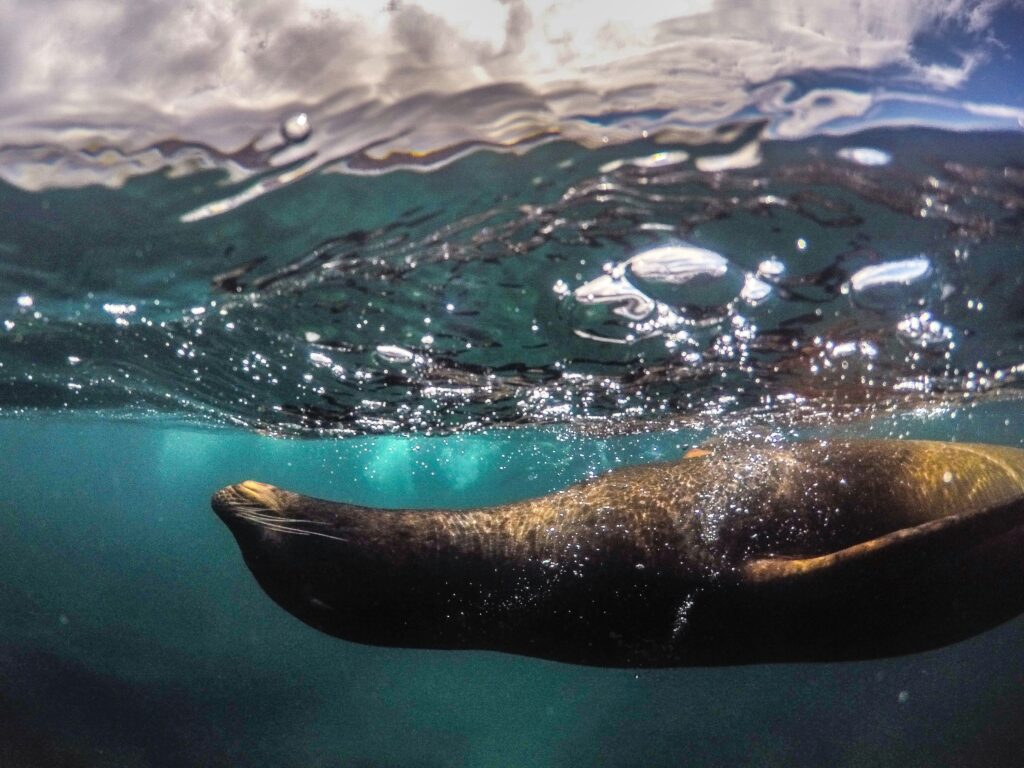
Navigate a living laboratory with access to Earth’s most singular wilderness
BEN FINCH
Positioned nearly 600 miles off the mainland Ecuadorian coast, the Galápagos Archipelago remains one of the world’s most revered biospheres. Ever since Charles Darwin stepped ashore from HMS Beagle in 1835, these volcanic landmasses have held a central position in our understanding of natural history and evolution.
Today, exploring this fragile UNESCO World Heritage site requires a thoughtful, organised approach. The Galápagos National Park Directorate enforces strict daily visitor quotas, certified naturalist guide requirements, and protected vessel allocations across every island.
At Wheely Tyred, we advocate for autonomous, well-planned travel that respects local communities and delicate ecosystems. In an archipelago where day-tour vessel permits are tightly controlled, and popular island landings sell out months in advance, attempting to organise entry tickets on arrival often leads to disappointment at the docks.
Pre-booking timed entries, accredited naturalist-led reserve visits, and official marine vessel slots is the best way to secure your access to critical scientific stations, volcanic summits, and isolated marine sanctuaries.
By arranging your day tickets in advance, you skip administrative hurdles, support regulated eco-tourism, and reserve your time for meaningful encounters with the island’s wildlife.
The Galápagos briefing / Essential sites & sanctuary highlights
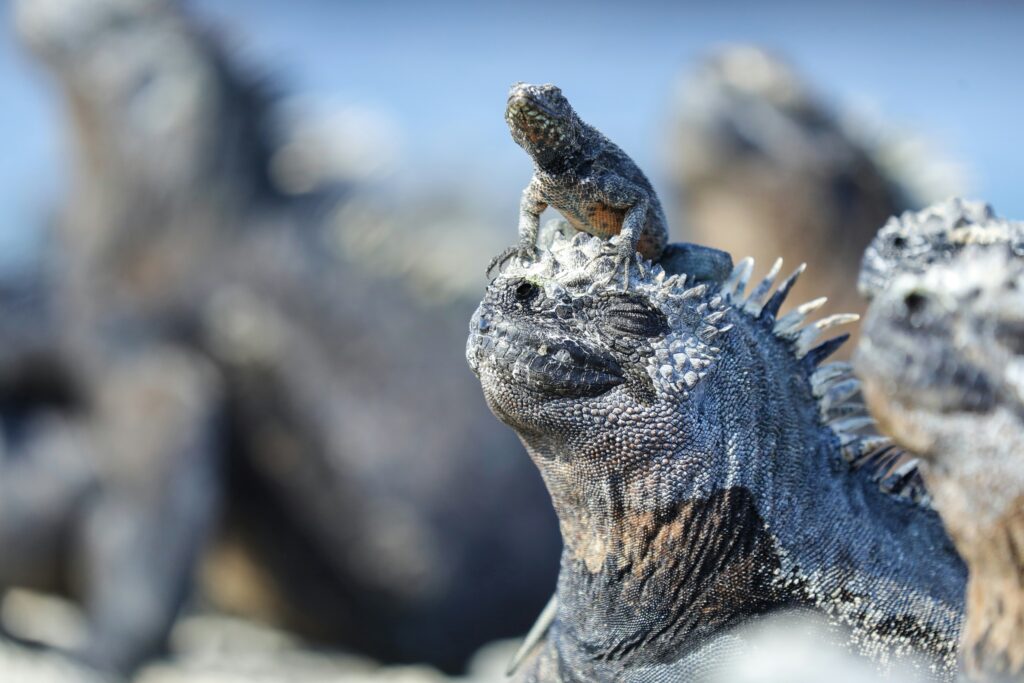
Navigating the Enchanted Isles requires balancing strict conservation rules with a well-planned itinerary. Here is a snapshot of the essential reserves, wildlife encounters, and logistics that define a seamless Galápagos expedition.
- Santa Cruz Science: Explore the Charles Darwin Research Station and highland tortoise reserves to understand decades of giant tortoise repopulation programmes
- Volcanic Panoramas: Climb the 372 steps on Bartolomé Island for sweeping views of Pinnacle Rock and wild Galápagos penguin sightings
- Submerged Labyrinths: Snorkel through the collapsed lava arches at Los Túneles on Isabela Island alongside sea turtles, seahorses, and white-tip reef sharks
- Deep-Water Pelagics: Challenge open ocean currents at San Cristóbal’s Kicker Rock to spot Galápagos sharks, eagle rays, and nesting seabirds along vertical cliffs
- Seabird Sanctuaries: Trek the black lava trails of North Seymour to observe nesting frigatebirds inflating their crimson gular sacs at eye level
- Coastal Solitude: Hike the paved cactus path to Tortuga Bay’s mangrove lagoons to watch marine iguanas swim through quiet estuaries
- Strict Biosecurity: Secure your INGALA Transit Control Card, pay the national park entry fee, and adhere strictly to single-use plastic bans across every landing site
The Galápagos.
Ecuador’s Enchanted Isles
Decipher evolutionary science at Puerto Ayora’s conservation hub
Rating & reviews
(10+ verified user reviews on GetYourGuide)
Why this specific attraction stands out
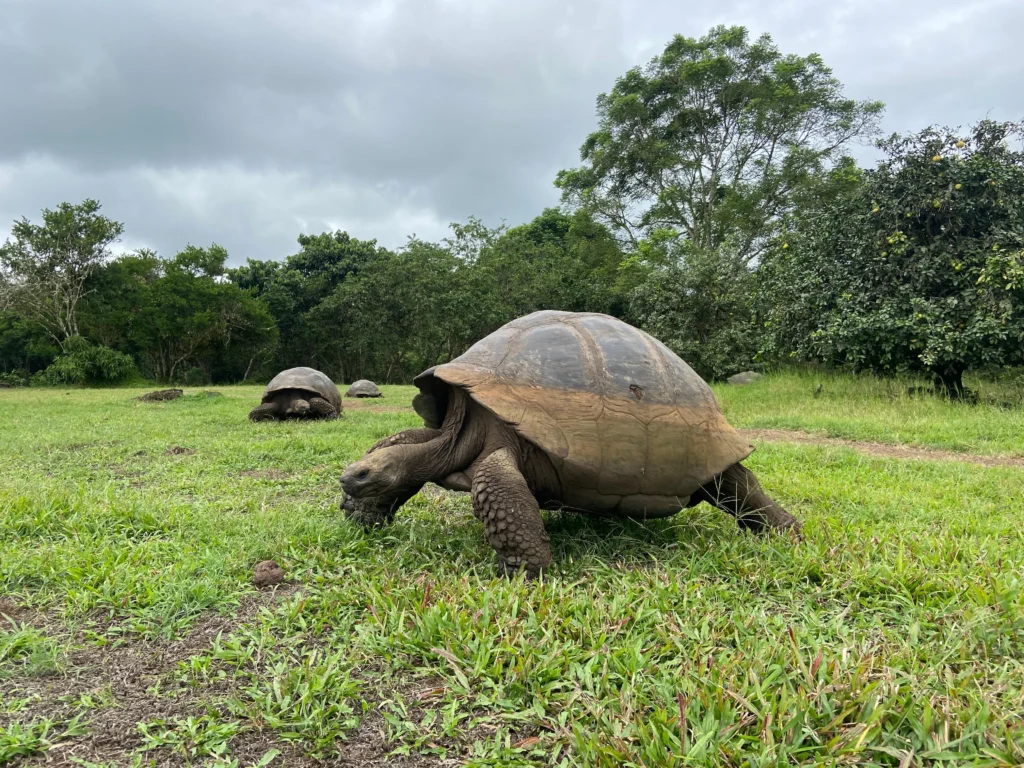
Situated on the outskirts of Puerto Ayora on Santa Cruz Island, the Charles Darwin Research Station (CDRS) and its adjoining Fausto Llerena Breeding Centre represent the scientific heart of the archipelago. This dedicated venue tour combines entry to the station’s exhibition halls with an excursion into the Santa Cruz Highlands.
Led by an official Galápagos National Park-certified naturalist, this experience bypasses the queue for individual walk-ins and provides contextual insights into the decade-long tortoise repopulation programmes that saved several endemic species from extinction.
Rather than simply viewing the giant tortoises (Chelonoidis niger) in enclosures, this ticketed small-group experience takes you deep into the humid high country to observe these giant reptiles roaming freely through native vegetation. You will also explore the subterranean lava tubes carved out by ancient basalt flows and walk through the Scalesia cloud forest surrounding the dramatic Los Gemelos crater sinkholes.
Key highlights
- Official CDRS Scientific Access: Walk through the active research laboratories, exhibition rooms, and the preserved memorial honouring Lonesome George, the last known Pinta Island tortoise
- Highland Tortoise Reserve: Observe wild giant tortoises grazing naturally alongside endemic birdlife, including several species of Darwin’s finches
- Subterranean Lava Tubes: Walk through illuminated underground volcanic tunnels formed by cooling lava crusts
- Scalesia Cloud Forest Walk: Trek the 1-mile loop around Los Gemelos twin sinkholes, framed by native daisy trees
Ideal for
History enthusiasts, science lovers, and first-time visitors seeking essential contextual grounding in the archipelago’s geology, conservation history, and evolutionary biology.
Local ticket insight
The Charles Darwin Research Station enforces strict single-direction walking rules to protect the tortoise hatchlings. Morning time slots offer cooler temperatures, when the tortoises in both the breeding centre and the highland reserves are most active. Ensure your footwear has sturdy traction, as highland trails can be damp and slippery.
Ascending the lunar landscapes of Bartolomé Island
Rating & reviews
(13+ verified user reviews on GetYourGuide)
Why this specific attraction stands out
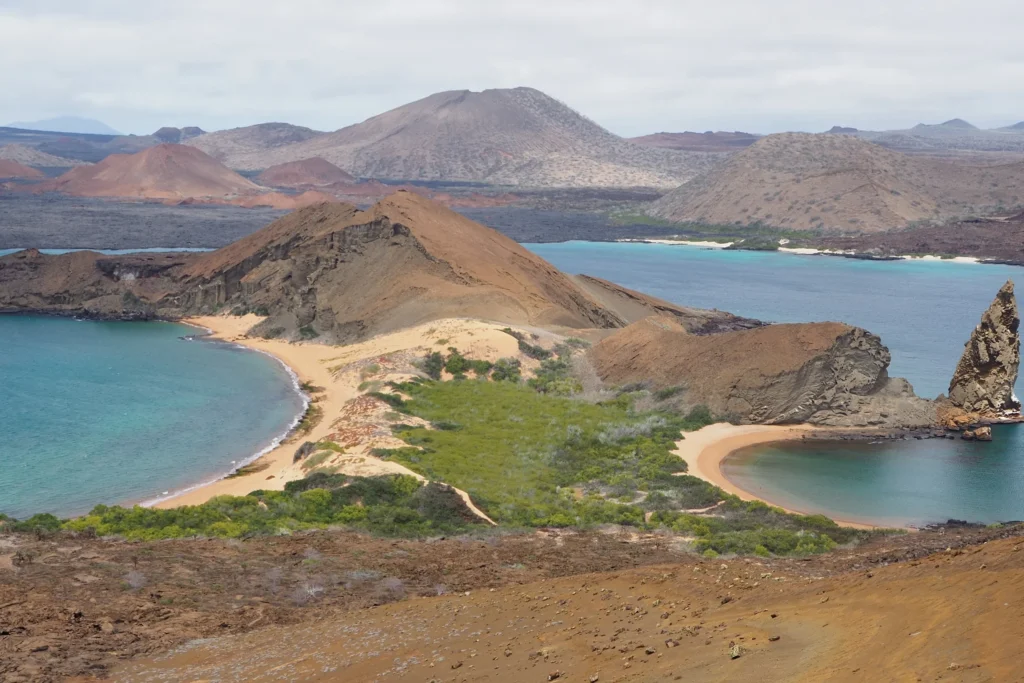
Bartolomé Island offers one of the most recognisable volcanic landscapes in the world. Dominated by the sharp, spear-like form of Pinnacle Rock, this uninhabited islet serves as an open-air museum of geological history. Because the Galápagos National Park strictly caps the number of daily landings on Bartolomé to prevent trail erosion, pre-booking this official boat and landing ticket is essential.
This experience includes official park landing permits, transit aboard a regulated maritime yacht, certified naturalist guide services, and dedicated snorkelling access at the base of Pinnacle Rock. The climb up the wooden summit boardwalk rewards visitors with expansive views across the cinder cones of Sullivan Bay, while the surrounding waters offer the chance to swim alongside Galápagos penguins (Spheniscus mendiculus), the only penguin species native to the equator.
Key highlights
- Summit Viewpoint Boardwalk: Climb 372 wooden steps over spatter cones and tuff formations to reach the 114-metre volcanic panoramic summit
- Pinnacle Rock Snorkelling: Swim in pale turquoise waters beside towering lava monoliths, home to green sea turtles, white-tip reef sharks, and playful sea lions
- Galápagos Penguin Encounters: Observe wild penguins resting on coal-black lava ledges and swimming through Sullivan Bay
- Geological Interpretation: Gain expert insights into volcanic uplift, pahoehoe lava flows, and pioneer plant colonisation
Ideal for
Photographers, geology buffs, and travellers eager to see wild penguins swimming along volcanic formations.
Local ticket insight
The summit climb offers no shade, and the dark volcanic rock reflects heat even on overcast days. Bring a refillable, non-plastic water bottle and wear a wide-brimmed hat. Wetsuits are strongly recommended for the snorkelling portion between June and November, when the Humboldt Current brings cooler, nutrient-rich waters below 20°C.
The Ecuadorian Sierra.
Get lost in the hills
Navigating the lava tunnels of Cabo Rosa
Rating & reviews
(20+ verified user reviews on GetYourGuide)
Why this specific attraction stands out
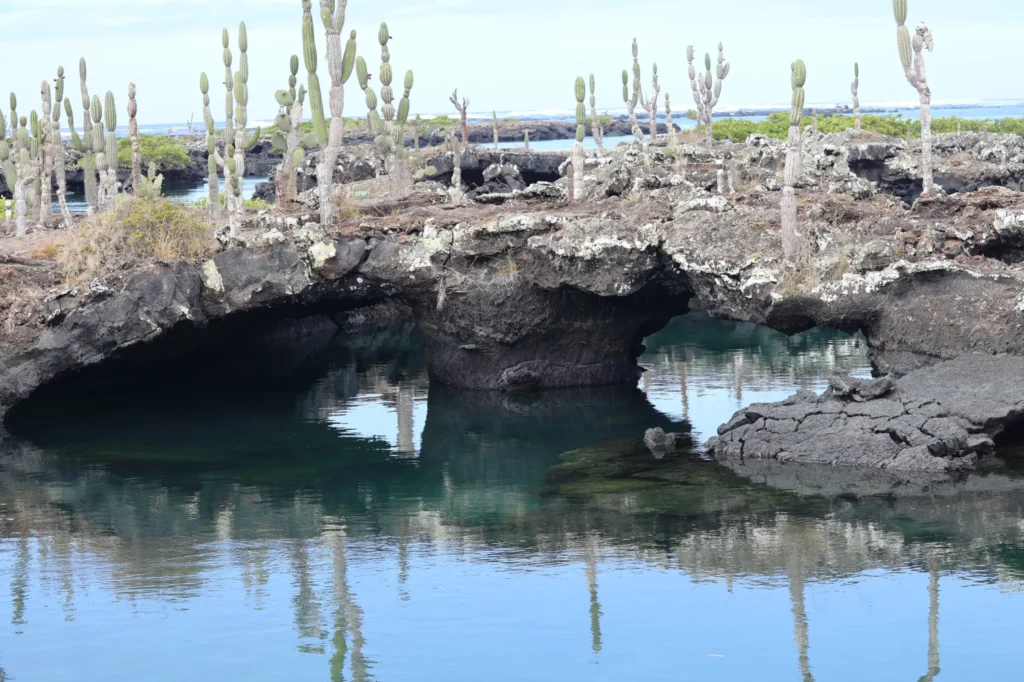
Located off the southern coast of Isabela Island near Puerto Villamil, Los Túneles (Cabo Rosa) is a unique coastal lava formation. Here, historical eruptions met the Pacific Ocean, creating a labyrinth of collapsed lava tubes, natural stone arches, and shallow, crystal-clear lagoons. This fragile marine sanctuary is accessible only via specialised, low-draft vessels operated by licensed park guides.
Pre-booking this ticketed reserve experience guarantees your entry slot through the tricky coastal surf break into the calm, protected inner arches. The itinerary combines a guided walk across the top of natural lava bridges with high-visibility snorkelling through subterranean water channels. It is widely considered one of the best sites in the Galápagos for swimming alongside Pacific green sea turtles, golden rays, and resting white-tip reef sharks.
Key highlights
- Lava Arch Trail Walk: Step across natural basalt bridges suspended over clear water, surrounded by prickly pear cacti and nesting blue-footed boobies
- High-Visibility Marine Snorkelling: Navigate calm, shallow water channels populated by sea turtles, seahorses, and harmless reef sharks
- Roca Unión Wildlife Stop: Observe colonies of Nazca boobies, pelicans, and sea lions on offshore rocky outcrops
- Rare Species Viewing: Spot endemic Galápagos penguins and flightless cormorants along the coastline
Ideal for
Snorkellers, birdwatchers, and travellers looking to see rich marine life within unique geological structures.
Local ticket insight
The boat transit from Puerto Villamil across open water takes roughly one hour and can be bumpy depending on ocean swells. If you are prone to motion sickness, take precautions before departure. All gear—including fins, masks, and shorty wetsuits—is fitted during mandatory pre-tour check-ins the afternoon prior.
Diving into the oceanic gateway of San Cristóbal’s volcanic monolith
Rating & reviews
(34+ verified user reviews on GetYourGuide)
Why this specific attraction stands out
Rising 148 metres straight out of the Pacific Ocean off the coast of San Cristóbal Island, Kicker Rock (known locally as León Dormido) is the remnant of an eroded volcanic tuff cone. A narrow, deep-water channel splits the monolith into two vertical walls, creating an incredible oceanic amphitheatre.
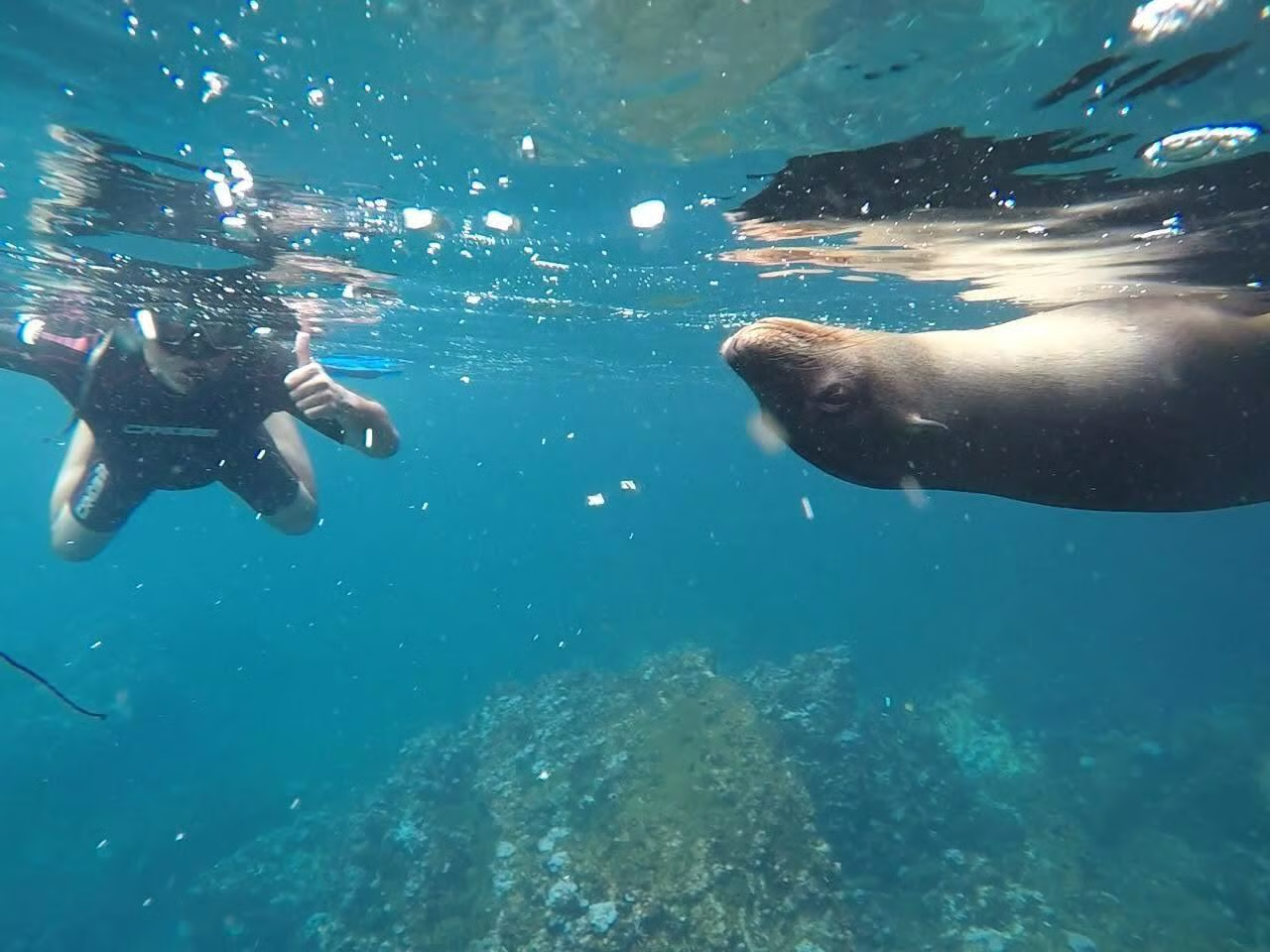
This full-day ticketed marine excursion focuses on aquatic immersion over rapid sightseeing. By reserving your spot on this small-group catamaran or yacht tour, you secure access to one of the archipelago’s premier marine sanctuaries. Certified divemasters and naturalist guides lead you through the deep water channel, where ocean currents attract large marine life, including Galápagos sharks, eagle rays, green turtles, and occasionally hammerhead sharks.
Key highlights
- Channel Snorkel Experience: Swim through the shadow of vertical 148-metre rock walls in deep, clear ocean waters
- Pelagic Wildlife Sightings: Observe Galápagos sharks, sea turtles, spotted eagle rays, and large schools of fish
- Cliffside Seabird Colonies: View nesting blue-footed boobies, Nazca boobies, and frigatebirds along the sheer tuff cliffs
- Protected Beach Landing: Relax on an authorised coral sand beach (such as Cerro Brujo or Manglecito) for shallow swimming and birdwatching
Ideal for
Confident swimmers, snorkellers, and marine life enthusiasts seeking encounters with pelagic shark species and sea life.
Local ticket insight
Kicker Rock is a deep-water, open-ocean site with noticeable sea currents and depths exceeding 20 metres. Strong swimming skills are required. Full neoprene wetsuits are provided and recommended, as water temperatures in the channel can drop quickly and ocean swells can be heavy.
The Ecuadorian Amazon.
The most biodiverse place in the world
Walk among frigatebird colonies and land iguanas
Rating & reviews
(16+ verified user reviews on Viator)
Why this specific attraction stands out
Located just north of Baltra Island, North Seymour is an uplifted submarine lava formation that has become one of the most important bird nesting sites in the Galápagos. Unlike the inhabited islands, North Seymour is entirely untouched by urban development and remains an authentic, protected sanctuary.
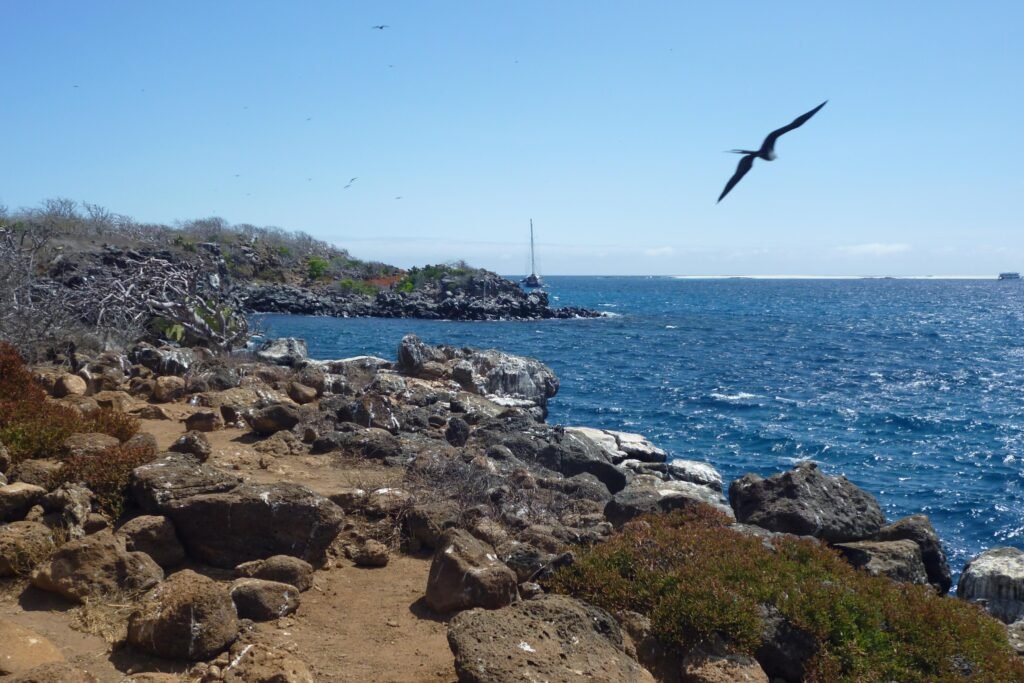
Pre-booking this small-group excursion guarantees your landing pass for North Seymour’s circular inland trail. Accompanied by a naturalist guide, you walk along designated paths surrounded by nesting magnificent frigatebirds—whose males inflate bright crimson gular sacs during courtship—and blue-footed boobies performing their famous mating dances. The island is also home to a thriving population of large, golden-yellow land iguanas (Conolophus subcristatus).
Key highlights
- Guided Bird Sanctuary Trail: Walk a 2.5-hour trail through low palo santo brush to view frigatebirds and blue-footed boobies nesting at eye level
- Land Iguana Observations: Spot large, terrestrial land iguanas feeding on prickly pear cactus fruits along the path
- Las Bachas Beach Snorkel: Swim along the white coral sands of Las Bachas (on Santa Cruz) or Mosquera Islet to view green sea turtles and sea lions
- Regulated Small-Group Access: Travel aboard an accredited vessel with strict limits on passenger numbers to minimise environmental impact
Ideal for
Ornithologists, wildlife photographers, and eco-travellers who want to observe nesting seabird colonies at close range.
Local ticket insight
The rocky landing on North Seymour requires a dry landing from a small dinghy (panga) directly onto slippery black lava rocks. Sturdy, closed-toe walking shoes or sport sandals with good grip are required by park rules; flip-flops are not permitted on the trail.
Combine scientific heritage with Tortuga Bay’s marine trails
Rating & reviews
(13+ verified user reviews on Viator)
Why this specific attraction stands out
For travellers seeking a private experience on Santa Cruz Island, this full-day ticketed tour offers an ideal balance of wildlife observation, coastal hiking, and environmental history. It combines a hosted visit to the Charles Darwin Research Station with a guided trek out to the marine iguana sanctuary at Tortuga Bay.
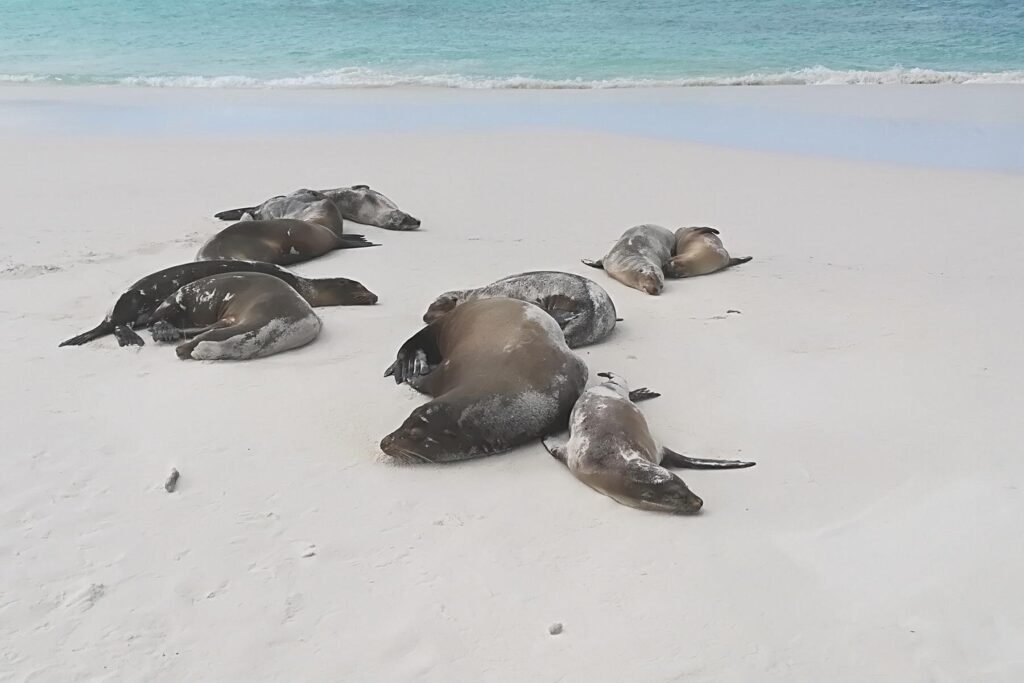
By booking a private, guided format, you avoid large tour crowds and move through the sites at your own pace. Your naturalist guide leads you along a paved lava-rock trail framed by giant Opuntia cacti down to Tortuga Bay’s white sand beaches. Here, you can observe large colonies of marine iguanas (Amblyrhynchus cristatus)—the world’s only sea-going lizard—basking on black volcanic rocks and swimming through calm mangrove lagoons.
Key highlights
- Guided Tortuga Bay Hike: Trek the 2.5-kilometre protected nature trail to one of the most stunning, fine-sand beaches in Ecuador
- Marine Iguana Sanctuary: Observe marine iguanas resting in colonies and swimming through mangrove-lined estuaries
- Calm Lagoon Kayaking & Swimming: Swim in the tranquil waters of Playa Mansa, sheltered from open ocean currents
- In-Depth CDRS Exhibition Access: Tour the research station’s historic tortoise habitats and scientific installations with a dedicated guide
Ideal for
Active walkers, families, and autonomous travellers who want a private, flexible schedule while exploring Santa Cruz’s key coastal ecosystems.
Local ticket insight
Tortuga Bay is divided into two distinct areas: Playa Brava (open ocean with strong, dangerous rip tides where swimming is strictly prohibited) and Playa Mansa (a sheltered, calm mangrove lagoon at the far end of the beach). Always follow your guide’s advice and swim only in designated calm zones.
The Ecuadorian Coast.
Where you’ll find the very best food
Our practical Galápagos attraction booking & visiting guide
To make the most of your time in the archipelago and ensure your visits run smoothly, keep these practical, venue-focused rules in mind:
Book day-vessel allocations well in advance
Unlike continental destinations, the Galápagos Islands strictly enforce daily passenger caps on all uninhabited island trails (including Bartolomé, North Seymour, and South Plaza). Maritime operators often sell out 3 to 6 months ahead during peak seasons (December–January and June–August). Secure your ticketed day trips early to lock in your preferred dates.
Complete mandatory pre-tour equipment fittings
Most bookable aquatic excursions (such as Los Túneles and Kicker Rock) require passengers to visit the operator’s shop the afternoon prior (usually between 17:00 and 18:00) for mandatory wetsuit, mask, and fin fittings. Skipping this step can lead to ill-fitting gear or delays on the morning of your tour.
Understand national park regulations & entry credentials
All visitors must pay the Galápagos National Park entry fee upon arrival at Baltra or San Cristóbal airports, alongside acquiring the INGALA Transit Control Card (TCT) at Quito or Guayaquil airports. Keep physical copies of your paper TCT card and passport on hand, as park rangers inspect these credentials at boat piers and trail checkpoints.
Pack for biosecurity and strict plastic bans
The Galápagos Islands maintain strict biosecurity rules to prevent the introduction of invasive species. Single-use plastic water bottles and bags are banned throughout the national park. Carry a durable, refillable stainless steel water canteen, and ensure your footwear is brushed clean of mainland dirt before landing on any island.
Coordinate inter-island ferries with tour timing
Speedboat transfers between Santa Cruz, Isabela, and San Cristóbal run on fixed morning (06:00/07:00) and afternoon (14:30/15:00) schedules. Never book an early-morning day tour on Isabela or San Cristóbal if you are arriving by ferry on the same day, as transit times will cause you to miss your departure. Always base yourself on the specific island of your tour departure at least one night prior.
Protect an evolutionary masterpiece through conscious exploration
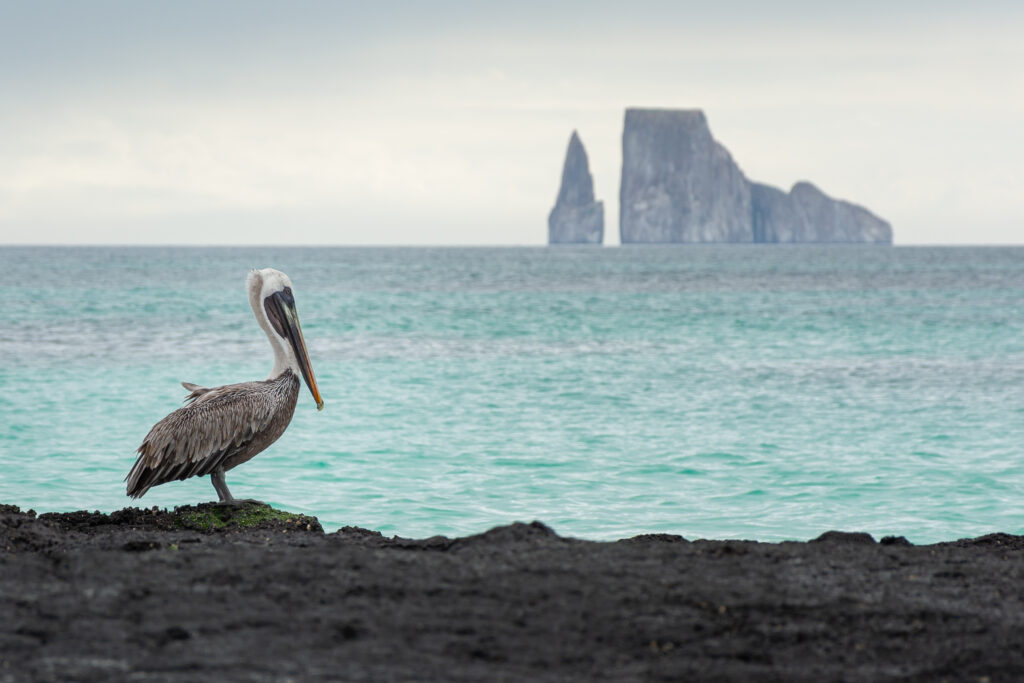
Travelling through the Galápagos Archipelago is a privilege shaped by some of the most rigorous ecological protections on the planet. By approaching these islands with an independent spirit and a commitment to pre-booked, regulated tours, you directly support the conservation frameworks that keep this biosphere pristine. Every timed entry, certified naturalist guide, and designated trail limit exists so that future generations can witness wild species thriving without fear of human presence.
Whether you are watching a giant tortoise graze in the damp highlands of Santa Cruz, drifting past sleeping white-tip reef sharks in Isabela’s lava arches, or climbing volcanic sumps on Bartolomé, success comes down to deliberate preparation. Bypassing last-minute dockside scrambles in favour of organised advance tickets guarantees your spot on small-capacity vessels while respecting the strict daily quotas enforced by the Galápagos National Park Directorate.
As independent travellers, our choices ripple through local island economies and ecosystems alike. Choosing accredited local operators, adhering strictly to biosecurity protocols, and leaving a zero plastic footprint ensure that the Enchanted Isles remain a living laboratory of natural history. Pack your curiosity, respect the trail boundaries, and prepare for an encounter with a world that operates entirely on nature’s clock.
Affiliate Disclaimer: Some of the links on Wheely Tyred are affiliate links. If you click through and make a booking or purchase, we may earn a small commission at no extra cost to you. We only recommend gear, tours, stays, and services we genuinely use, trust, and stand behind — our editorial independence always comes first. These commissions help keep our independent cycling guides and travel stories free to read. Thanks for supporting the ride!
Frequently asked questions about booking & visiting the Galápagos Islands
You should secure your day-tour passes at least 3 to 6 months in advance, particularly during peak travel windows (December–January and June–August). The Galápagos National Park Directorate strictly caps daily landing permits for protected islands like Bartolomé, North Seymour, and South Plaza. Waiting until you arrive in Puerto Ayora or Puerto Baquerizo Moreno often leads to disappointment due to sold-out vessel allocations.
Every visitor must obtain an INGALA Transit Control Card (TCT) at Quito or Guayaquil airport prior to boarding their flight, as well as pay the national park entry fee in cash upon arrival at Baltra or San Cristóbal airports. Keep physical paper copies of both your TCT card and passport accessible throughout your trip, as park rangers and maritime operators inspect these credentials at piers and trail entry points.
Yes, absolutely. A land-based itinerary staying on inhabited islands—such as Santa Cruz, Isabela, and San Cristóbal—is an increasingly popular, flexible alternative to liveaboard cruises. By basing yourself in local towns and booking ticketed day trips out to protected islets and marine reserves, you retain complete autonomy over your daily schedule while supporting local island communities.
To protect native fauna from invasive species and plastic pollution, single-use plastic water bottles, plastic bags, and uninspected agricultural goods are strictly banned within the national park. You must carry a durable, refillable canteen for all excursions. Furthermore, ensure your footwear is brushed clean of mainland dirt prior to boarding inter-island transfers or stepping onto uninhabited landing sites.
Speedboats (known locally as lanchas) operate scheduled daily routes connecting Santa Cruz with Isabela and San Cristóbal. Vessels depart twice daily, typically in the early morning (06:00 to 07:00) and afternoon (14:00 to 15:00). These open-water transits take roughly two hours and can be bumpy. Always base yourself on the departure island the night before any scheduled morning day tour, as ferry transit times will not line up with early-morning excursion departures.
Yes, wearing a wetsuit is strongly recommended. While surface waters are warmer during the rainy season (December to May), the cool Humboldt Current brings ocean water temperatures down between June and November (often below 20°C). Most accredited day-tour operators include shorty or full neoprene wetsuit fittings during mandatory pre-tour check-ins the afternoon before your excursion.
Ecuador.
Pure wonder on the equator.