The authentic Otavalo table / Where to eat and drink like a local in Imbabura
The ultimate culinary roadmap to the best restaurants, local cafés, and authentic dining spots in Otavalo
A slow-travel guide to the kitchens of Imbabura’s highland basin
BEN FINCH
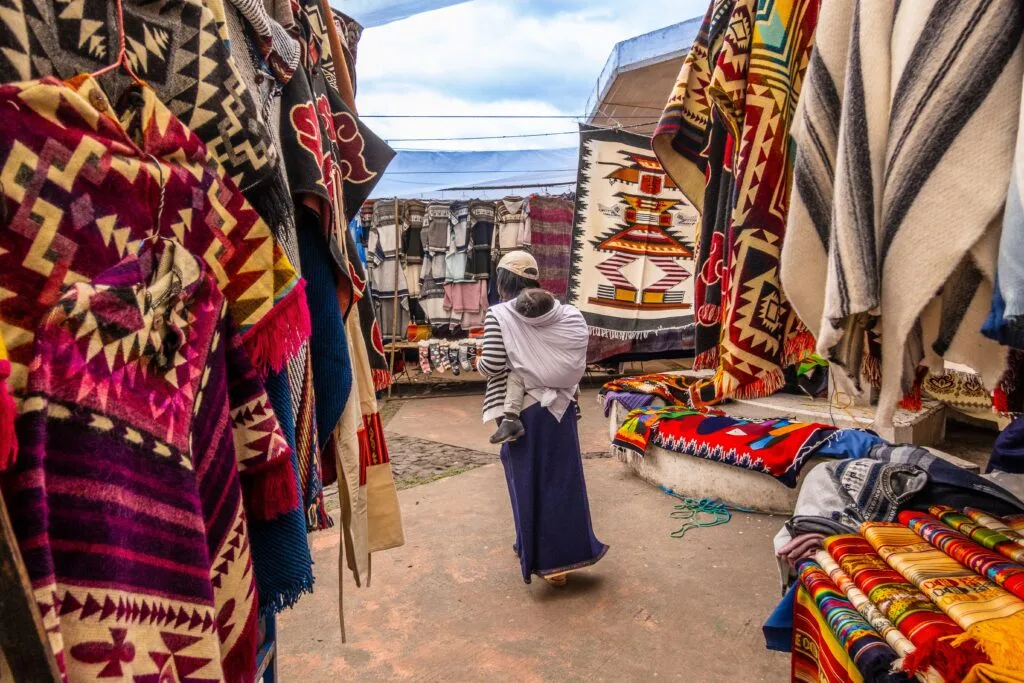
Most travellers know Otavalo for its world-famous textile market, the Plaza de Ponchos. On Saturdays, the town transforms into a sea of vibrant hand-woven blankets, intricate embroidery, and hand-carved woodwork. Yet, once the day-tripping tour buses pack up and return to Quito, a quiet, contemplative highland town remains.
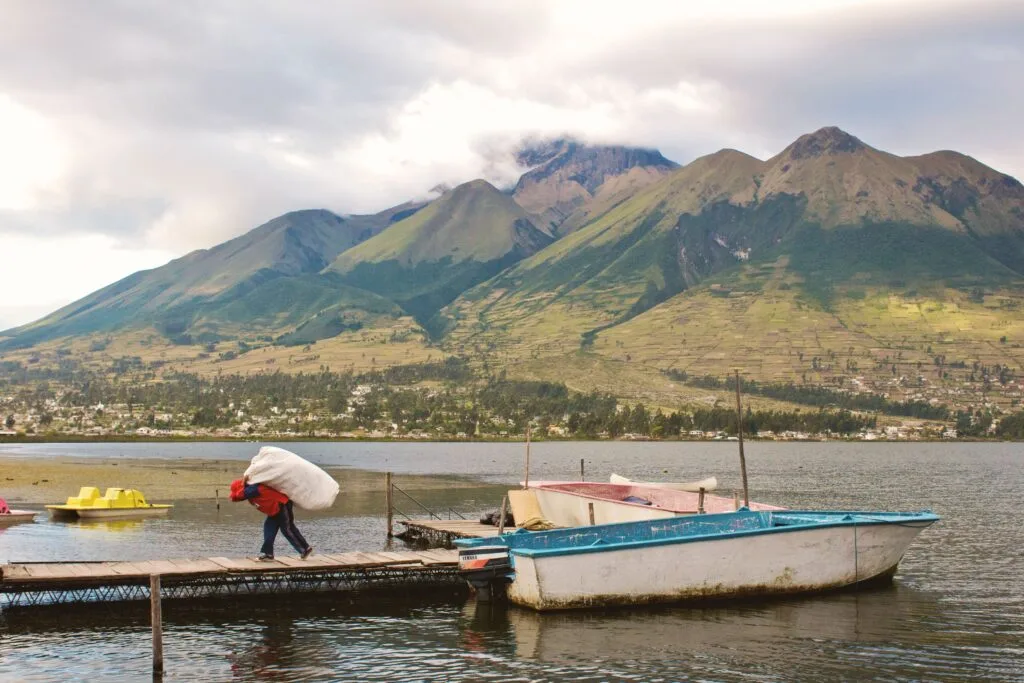
For the independent traveller, this is when the real journey begins. To truly understand Otavalo, you must step off the main square and pay attention to its stoves. The local culinary landscape of the Imbabura province is a fascinating tapestry of high-altitude agriculture, ancestral indigenous traditions, and surprising tropical influences drifting up from the nearby cloud forests and lowlands. From sacred, slow-roasted heritage dishes to fresh high-altitude trout, the food here is a reflection of the landscape itself.
At Wheely Tyred, we believe that eating well is a crucial part of travelling at your own pace. Whether you are arriving on foot, by local bus, or on two wheels, navigating a destination through its independent food scene offers an authentic connection to the land and its people. To help you bypass the generic tourist joints, Wheely Tyred has mapped out six standout dining spots. These establishments are characterised by exceptional quality, rich cultural connections, and outstanding local reputations.
Highland flavours of Imbabura
Behind the bustling textile stalls of the Plaza de Ponchos lies a quiet, resilient Andean town with a remarkably diverse culinary heritage. This curated digest distils the essential spots, flavours, and practical wisdom needed to navigate Otavalo’s authentic food scene at your own pace.
- Maytushka: An unexpected culinary portal to the Ecuadorian Amazon, serving river fish wrapped in bijao leaves (maito) and steamed over hot coals in the middle of the high Andes
- Café Pachamama: A welcoming, staff-run cooperative offering a cosy fireside retreat, organic mountain coffee, and wholesome, locally sourced vegetarian options
- Fuya Restaurante: Creative modern twists on traditional highland ingredients, set in a playful space featuring wooden swings and a highly adaptable, diet-inclusive menu
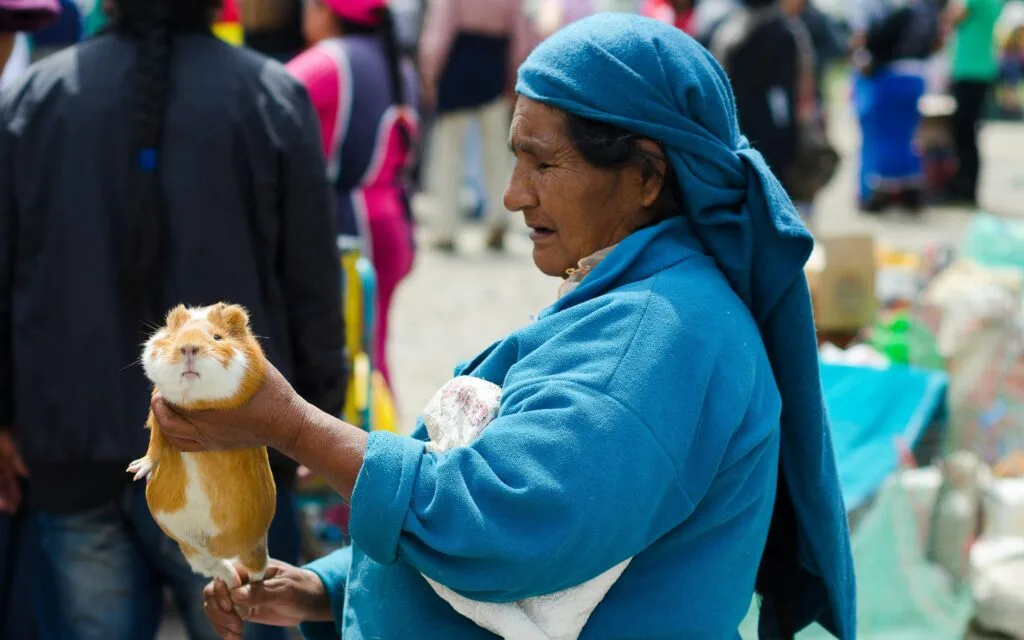
- Restaurante Mi Otavalito: The premier local destination for authentic cuy asado (roast guinea pig), meticulously spit-roasted over wood embers and served with rich peanut sauce
- La Covacha de la Bolívar: A humble local treasure bringing the sharp, lime-forward seafood traditions of coastal Manabí to the heart of the Sierra
- La Taberna Bar & Grill: The perfect end-of-day tavern for local craft beers and comforting, hot canelazo—the traditional spiced cinnamon spirit of the mountains
- The highland tempo: Successful independent dining here means embracing the generous midday almuerzo (set lunch), pacing yourself for the high altitude, and planning for early evening closures
The Ecuadorian Sierra.
Get lost in the hills
1. Maytushka
An unexpected jungle escape in the high Andes
Finding authentic Amazonian cuisine in a town nestled at 2,500 metres above sea level is a rare treat. Maytushka does exactly this, offering a culinary bridge between the rugged Andean highlands and the lush Ecuadorian rainforest. This intimate restaurant is a sensory journey through the rich food traditions of the Amazon basin, focusing on native ingredients, traditional techniques, and vibrant flavours that are hard to find elsewhere in the Sierra.
The star of the menu is maito, a classic Amazonian dish where fresh fish or chicken is seasoned with wild herbs, wrapped meticulously in large bijao leaves, and grilled over hot coals. The leaf-wrapping locks in the moisture, steaming the food in its own juices and imparting a delicate, smoky aroma. Pair this with steamed cassava, fresh plantains, and a glass of refreshing guayusa tea. Maytushka is highly popular with locals who crave a taste of the lowlands, making it a truly distinctive dining experience in the heart of Otavalo that rewards the curious traveller.
2. Café Pachamama
Cosy, community-driven dining by the fireside
Located slightly away from the market bustle within the welcoming courtyard of Posada Quinde, Café Pachamama is much more than a standard restaurant. Recently reorganised as a co-operative run jointly by its dedicated local employees and its founder, this establishment is a shining example of community-first travel. It provides an inviting, relaxed sanctuary where the focus is entirely on sustainability and local empowerment.
Inside, the atmosphere is instantly comforting, featuring a crackling fireplace, fresh flowers on the wooden tables, and a quiet garden view. The kitchen prioritises organic, locally sourced ingredients to create wholesome dishes that feel like home. The signature Pachamama breakfast—complete with fresh, artisanal bread, organic mountain coffee, seasonal fruit salads, and locally made jam—is legendary among slow travellers. If you visit later in the day, the tuna-stuffed avocado and homemade vegetarian pot pies are exceptional. It is the perfect spot to read a book, plan your next route, and enjoy a slow, thoughtful meal.
The Ecuadorian Amazon.
The most biodiverse place in the world
3. Fuya Restaurante
Modern creativity meets traditional Andean heritage
Named after the imposing Fuya Fuya volcano that guards the nearby Mojanda lakes, Fuya Restaurante offers an innovative, modern take on traditional Ecuadorian cooking. The interior is immediately playful and welcoming, complete with unique wooden swing seats that add a touch of whimsy to your dining experience without overshadowing the serious talent in the kitchen.
The chefs here are masters at updating classic highland recipes with modern presentation and fresh, local ingredients. Fuya is also widely praised for its exceptional dietary inclusivity. Whether you require gluten-free, vegan, or vegetarian options, the kitchen team will thoughtfully adapt dishes to suit your needs, often sourcing fresh ingredients on the spot to ensure the meal is perfect. From tender grilled trout caught in the nearby lakes to creative vegetable stir-fries infused with Andean herbs, Fuya is a brilliant destination for a lingering dinner after a long day of independent exploration.
4. Restaurante Mi Otavalito
The home of authentic, ancestral cuy asado
For those seeking to understand the deep, pre-Columbian culinary history of the Andes, a visit to Restaurante Mi Otavalito is essential. This highly regarded, family-run establishment is celebrated by locals as one of the best places in town to experience cuy asado (traditional roast guinea pig), a dish of immense cultural and ceremonial importance in the Ecuadorian highlands.
At Mi Otavalito, the preparation of the cuy is treated as an art form. It is thoroughly marinated in a rich, aromatic paste of garlic, cumin, and sea salt, then slowly spit-roasted over hot wooden embers. This traditional, slow-roasting method ensures the meat remains incredibly tender and rich, while the outer skin achieves an exceptionally crisp, crackling texture. It is traditionally served alongside warm potatoes drenched in a savoury peanut sauce (salsa de maní), hominy (mote), and fresh avocado. Dining here is not merely a meal; it is an invitation to partake in a culinary tradition that has sustained highland communities for thousands of years.
The Galápagos.
Ecuador’s Enchanted Isles
5. La Covacha de la Bolívar
The coastal secret hidden in the mountains
While the Pacific coast of Ecuador is hundreds of kilometres away, the local appetite for fresh seafood in the highlands is immense. La Covacha de la Bolívar is an unpretentious, local favourite that serves some of the finest coastal seafood in the region, far removed from the overpriced tourist menus of the main square.
This is where Otavaleños go when they crave authentic, coastal flavours. The restaurant is famous for its exceptionally fresh ceviches, which are prepared daily using traditional recipes from the Manabí province. Unlike the sweet, tomato-heavy versions found in other parts of Latin America, the ceviche here is crisp, lime-forward, and packed with fresh red onions, cilantro, and perfectly tender shrimp or sea bass. Served with plenty of chifles (thinly sliced, crispy plantain chips) and tostado (toasted corn), a lunch here is incredibly satisfying, light, and wonderfully authentic.
6. La Taberna Bar & Grill
The ultimate highland tavern for food and drink
To round out your culinary exploration of Otavalo, head to La Taberna Bar & Grill. This warm, rustic pub and restaurant features exposed stone walls, dim lighting, and a lively atmosphere, making it the premier spot in town to unwind and talk with locals after a day of cycling, hiking, or wandering the secondary streets.
While La Taberna serves fantastic, hearty meals—including excellent grilled meats and traditional Ecuadorian platters—it is also the best place in Otavalo to sample local beverages. Alongside a great selection of craft beers from the Imbabura province, they serve traditional warm canelazo, a comforting Andean drink made from hot sugarcane spirit, spiced cinnamon water, and fresh fruit juice, typically naranjilla. It is a wonderful, lively venue where independent travellers and locals sit side-by-side, sharing stories over outstanding food and drink.
The Ecuadorian Coast.
Where you’ll find the very best food
Navigating the Otavalo food scene / A few local tips
Eating well in the Andes requires a slight adjustment to your usual schedule. Here are three simple guidelines to keep in mind:
- Embrace the almuerzo: The midday meal is the main event in Ecuador. Most local restaurants offer a set almuerzo consisting of a hearty soup, a main plate (usually rice, beans, and a protein), and a fresh fruit juice, often for a very reasonable price. It is the freshest and most authentic meal of the day
- Mind the altitude: At 2,500 metres, digestion can slow down, and alcohol can feel significantly stronger. Take your time, stay hydrated with plenty of water or herbal teas, and consider saving your heaviest meals for lunchtime rather than late at night
- Check the hours: Many authentic, family-run restaurants in Otavalo close by 17:00 or 18:00, particularly on weekdays. Plan ahead for dinner, and do not hesitate to ask your guesthouse or locals for recommendations if you are looking for a late meal
Final thoughts on exploring Otavalo
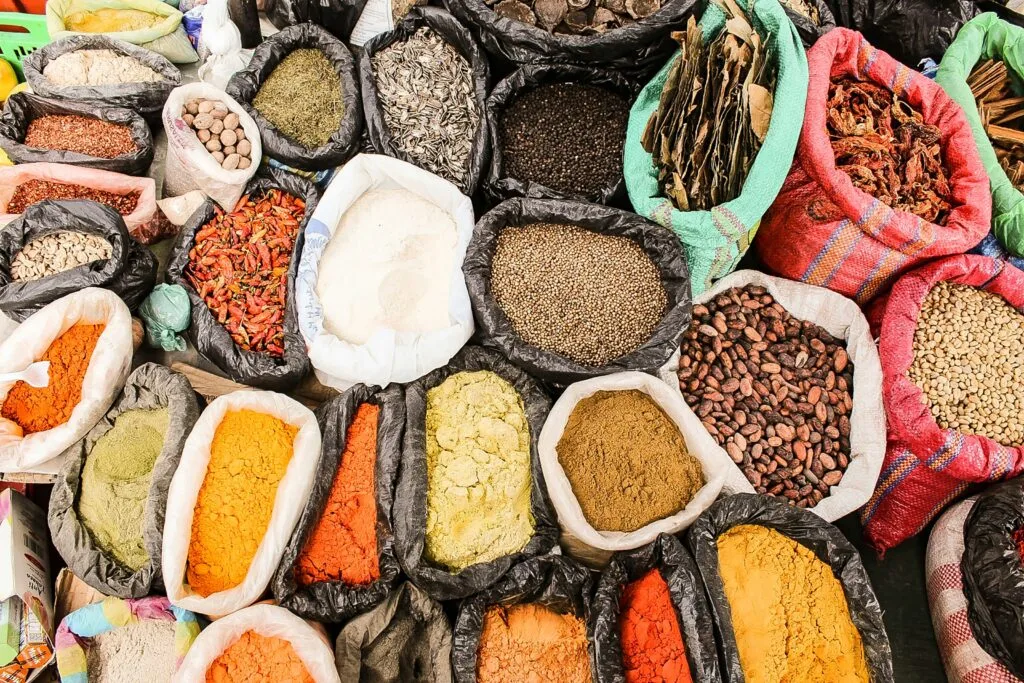
Slowing down in Otavalo reveals a town that is deeply rooted in its agricultural heritage. By stepping away from the standard tourist paths and supporting these independent businesses, you gain a far deeper appreciation for the culinary diversity of the Ecuadorian highlands. From the rich, comforting depth of an ancestral cuy asado to the unexpected tropical brightness of a Manabí-style ceviche served miles from the sea, the flavours here tell a story of cultural exchange and geographic wonder.
Wheely Tyred encourages you to seek out these hidden tables, converse with the creators behind these community projects, and share your own findings with fellow independent travellers. Seeking feedback and sharing recommendations within the travel community keeps these distinct local establishments thriving.
Frequently asked questions about the best places to eat in Otavalo
Cuy asado is traditional roast guinea pig, an ancestral highland delicacy of great cultural significance in the Andes. To prepare it, the meat is thoroughly marinated in garlic, cumin, and salt, then spit-roasted slowly over wood coals until the skin becomes extremely crispy. It is eaten with the hands, much like roast chicken, and is typically served with potatoes in a rich peanut sauce (salsa de maní), avocado, and hominy corn.
An almuerzo is Ecuador’s traditional set lunch, usually served between noon and 2.30 pm. For a very modest price, you receive a bowl of hearty soup, a main course of rice, beans, and a protein (often trout or chicken), and a glass of fresh fruit juice. It is the freshest, most authentic, and most economical meal of the day, reflecting what local families eat at home.
Yes, indeed. While traditional Andean food often features meat, places like Café Pachamama offer excellent vegetarian pot pies, whilst Fuya Restaurante is highly praised for its ability to adapt almost any dish to meet vegan, vegetarian, or gluten-free requirements on the spot using fresh, local market ingredients.
Canelazo is a warming, spiced alcoholic beverage native to the northern Andes. It is made by boiling water with cinnamon, cloves, star anise, and local fruit juices (typically naranjilla, a tart, citrus-like fruit), then spiked with sugarcane spirit known locally as pájara pinta. It is best enjoyed hot in the cool highland evenings, particularly at cosy spots like La Taberna Bar & Grill.
Otavalo sits at approximately 2,500 metres above sea level. At this elevation, digestion can slow down, and the effects of alcohol are amplified. To ensure a comfortable trip, it is wise to drink plenty of water, opt for lighter meals in the evening, and take your time when sampling local craft beers or canelazo.
Generally, no. Many of the most authentic, family-run establishments cater primarily to the lunchtime crowd and close by 5 pm or 6 pm, especially on weekdays. To avoid being caught out, it is best to make lunch your main meal of the day or plan your dinner spots in advance.
Ecuador.
Discover this incredible country.