Navigating the Pacific pulse / A comprehensive guide to safety in Olón, Ecuador
Discover the latest 2026 safety updates, local crime rates, and solo travel advice for Olón and the Santa Elena coast

Where the jungle meets the sea, tranquillity remains a treasure
BEN FINCH
The allure of the Ecuadorian coastline is undeniable. For those who seek the perfect intersection of rolling Pacific surf, dense tropical greenery, and a laid-back lifestyle, the small village of Olón has long been a sanctuary. Unlike its bustling, high-energy neighbour, Montañita, just down the road, Olón offers a slower, more deliberate pace of life that appeals deeply to digital nomads, long-term expats, and cycling enthusiasts alike. However, travelling through South America in 2026 requires an honest, clear-eyed understanding of security.
With shifting national landscapes and evolving travel advisories, safety is the single most critical factor to plan for before booking your journey. At Wheely Tyred, we believe that independent travel is entirely possible when backed by accurate, local knowledge. This detailed guide breaks down everything you need to know to navigate Olón with confidence, ensuring your focus remains on the open road and the perfect wave.
The Pacific sanctuary of Olón

Where the dense green of the coastal jungle slips quietly into the expansive rollers of the Pacific, Olón offers a slower, more deliberate rhythm. For the independent explorer, navigating this stretch of the Santa Elena coast requires balancing an appreciation for its laid-back charm with sharp, practical vigilance.
- The Regional Divide: While Ecuador navigates complex national security challenges, Olón sits within the relatively tranquil Santa Elena province, structurally far removed from the high-risk urban shipping centres further down the coast
- A Tale of Two Beaches: Positioned just minutes from the high-octane party hub of Montañita, Olón serves as a peaceful retreat, though travellers must remain alert to opportunistic petty theft filtering over from its neighbour
- The Spondylus Route: This iconic coastal highway offers spectacular riding for cyclists but demands absolute readiness for aggressive heavy traffic, unpredictable shoulders, and sudden seasonal downpours
- Afternoon Cut-Off: To mitigate the risk of highway robbery on isolated rural stretches, cycling itineraries should be planned to finish by 3 pm, well before the transition to dusk
- Transit Logistics: Arriving safely means avoiding unregistered street cabs in Guayaquil; opt instead for pre-arranged private transfers or trusted airport taxi cooperatives to reach the coast securely
- The Two-Phone Strategy: Protect your primary device and sensitive digital data by carrying a cheap, secondary smartphone for navigating public spaces, local buses, and beachside cafes
The Ecuadorian Coast.
Where you’ll find the very best food
The current landscape / Understanding Ecuador’s coastal safety in 2026

To understand the safety situation in Olón, one must first understand the broader geographical context of Ecuador. The nation continues to navigate complex security challenges, operating under a framework of internal armed conflict to combat organised crime. This headline can understandably cause concern for prospective international visitors. However, crime data reveals a profound regional divide that every traveller must note.
Statistical analyses from authoritative security bodies indicate that approximately 88 per cent of violent homicides in Ecuador occur within five specific coastal provinces: Guayas, Manabí, El Oro, Los Ríos, and Esmeraldas. These areas are heavily impacted by transnational drug trafficking routes shifting through major Pacific shipping ports.
Olón sits within the Santa Elena province. While Santa Elena is technically a coastal province, its local dynamics are distinct from high-risk urban shipping centres like Guayaquil or Manta. Olón itself remains a functional, welcoming tourism hub. During the daytime, the village maintains a peaceful atmosphere where locals and foreigners mingle freely. Nevertheless, the baseline level of situational awareness required across the entire Ecuadorian coast is significantly higher today than it was a decade ago. It is a region to be approached with open eyes, careful planning, and total respect for local advice.
Olón vs Montañita / A tale of neighbouring beaches

One of the most defining characteristics of Olón is its proximity to Montañita. Separated by a singular, dramatic rocky headland, these two coastal settlements could not be more different in character, and this difference directly impacts your personal safety.
Montañita is a world-famous party destination, known for its vibrant nightlife, neon-lit streets, and high-density tourist crowds. While it offers immense energy, it also acts as a magnet for opportunistic crime. Historically, international travel advisories, including updates from the British Foreign, Commonwealth & Development Office, have highlighted risks in Montañita ranging from pickpocketing and minor scams to more serious incidents, such as targeted thefts and sexual assaults affecting foreign visitors.
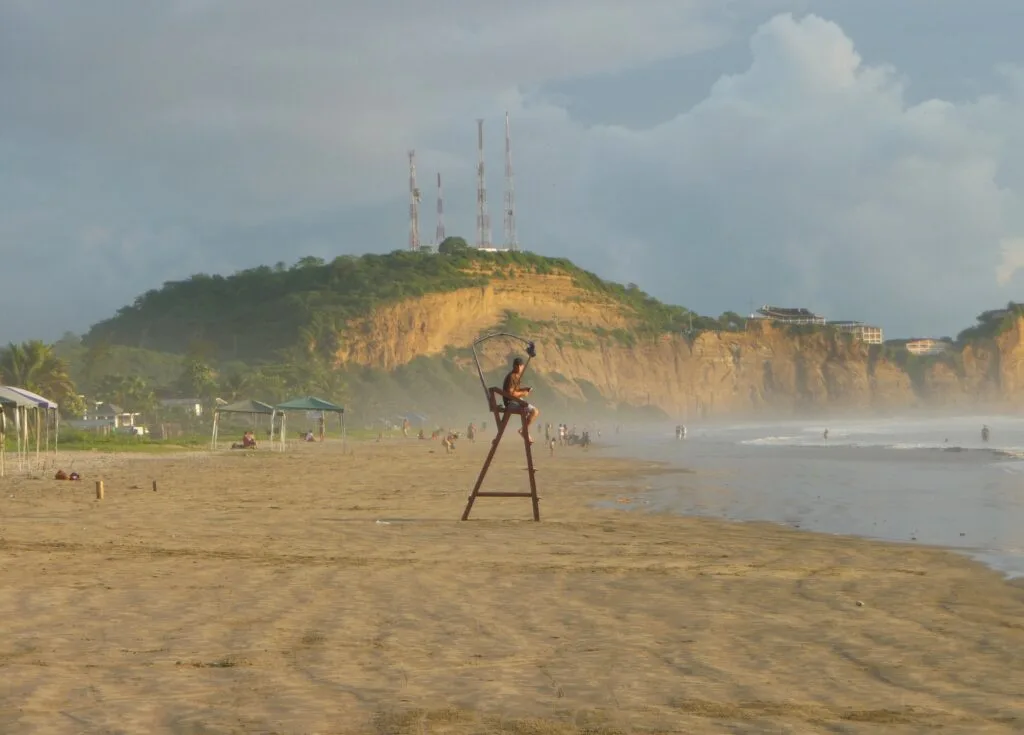
Olón, by contrast, is a wide, expansive stretch of sand backed by a quiet village filled with family-run restaurants, artisanal cafes, and a deeply rooted expat community. The social fabric here is tight-knit, meaning that the community actively protects its peaceful reputation. Because the towns are just a few minutes apart, the risks of Montañita can occasionally spill over. Petty thieves operating in the party hub may wander into Olón to target unattended beach bags or poorly secured holiday rentals. Choosing to base yourself in Olón provides an excellent safety buffer, but it does not mean you should leave your villa doors unlocked or your electronics unguarded on the sand.
The Galápagos.
Ecuador’s Enchanted Isles
Crime rates and realities for travellers

When examining the specific types of crime that affect travellers in the Olón region, violent offences against tourists remain relatively rare. The primary concern for visitors is opportunistic property crime.
Pickpocketing, distraction scams, and bag-snatching are the most common issues. These crimes typically occur in transit zones, crowded beach areas, or outdoor dining spots where a laptop or smartphone is left carelessly on a table.
Express kidnapping is another serious trend noted across Ecuador, though it is structurally tied to major transit cities rather than the village of Olón itself. This involves criminals abducting a victim for a short period to force cash withdrawals from various automated teller machines. This specific crime almost exclusively targets individuals who hail unregistered street taxis in cities like Guayaquil—the primary arrival point for anyone travelling to the coast. Within Olón, transport is largely managed by local, trusted mototaxis and established community drivers, dropping the risk profile significantly.
Residential burglaries targeting short-term rental properties have also seen a minor uptick along the coast. When booking accommodation, prioritising properties with robust physical security measures, such as perimeter fencing, security gates, or on-site wardens, is a highly effective way to safeguard your gear.
Solo travellers, women, and minorities in Olón

Navigating a destination looks different depending on who you are. For solo travellers in Olón, the primary risk factor is isolation. When walking alone on empty stretches of beach, particularly moving north towards the quieter cliffs, you become a more visible target for opportunistic theft. We highly recommend plugging into the local surf schools or co-working spaces early in your trip to build a network of trusted companions for day trips and excursions.
For women travelling independently, an elevated degree of caution is essential, particularly when navigating the boundaries between Olón and Montañita after dark. Avoid walking along the unlit portions of the main highway or the beach corridor connecting the two towns at night. Regional safety data emphasises the risk of spiked drinks in beachside bars; always manage your own beverages and never accept open drinks from strangers.
For minority and LGBTQ+ travellers, Olón is generally regarded as a tolerant and progressive pocket of coastal Ecuador, largely due to the diverse, international composition of its long-term digital nomad community. Overt discrimination is rare within the village. However, the surrounding rural fishing communities remain traditional and conservative. Exercising discretion and respecting local cultural norms when travelling outside the main tourist enclaves will ensure a smooth and respectful experience.
The Ecuadorian Sierra.
Get lost in the hills
Two-wheeled vigilance / Cycling the Spondylus route safely
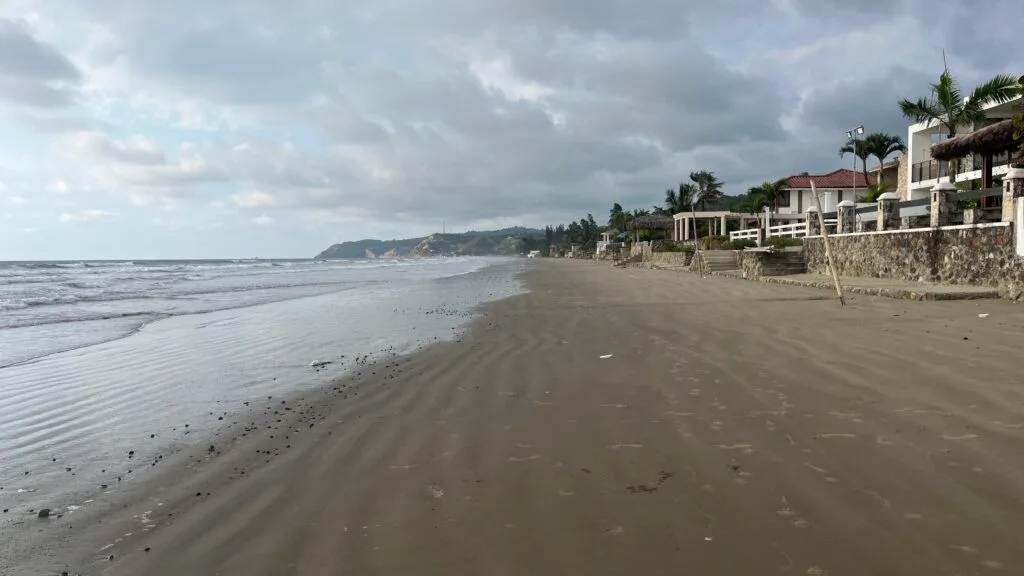
For the cycling community, Olón is a magnificent base point along the famous Spondylus Route, a coastal highway that traces the edge of the Pacific Ocean. Riding here is an unforgettable experience, but it requires strict adherence to safety protocols regarding both traffic and security.
Coastal drivers in Ecuador can be exceptionally aggressive. Heavy interstate buses and commercial trucks dominate the single-lane sections of the highway, frequently overtaking with minimal clearance. The hard shoulder can be highly unpredictable, transitioning rapidly from smooth tarmac to loose gravel, or being blocked entirely by parked vehicles and stray livestock. Equipping your bike with high-visibility daytime running lights is non-negotiable. Furthermore, seasonal weather between December and May can bring intense tropical downpours, leading to localised mudslides and compromised road surfaces along coastal bluffs.
From a security standpoint, the primary risk for cyclists is the targeted robbery of high-end, expensive cycling equipment. Riding a premium carbon road bike or a loaded touring rig makes you highly visible. To mitigate this risk, plan your journeys to ensure you are off the remote highway stretches between major towns by 3 pm. Most reported incidents of highway robbery occur during the transition to dusk on isolated rural roads. Always share your live GPS tracking data with a contact back home, and travel with a partner whenever possible.
The Ecuadorian Amazon.
The most biodiverse place in the world
Practical street smarts and logistics for a secure stay
Executing a successful trip to Olón comes down to implementing consistent, practical habits. By embedding these protocols into your daily routine, you can drastically reduce your vulnerability to local risks.
- The Two-Phone Strategy: Carry a secondary, inexpensive decoy smartphone when navigating public spaces or using maps. Keep your primary, expensive device safely tucked away in a secure, internal pocket or your accommodation lockbox
- ATM Discretion: Never use street-facing automated teller machines where onlookers can observe your transaction or card skimmers can be installed. Only withdraw cash from machines located securely inside banks or enclosed shopping centres during daylight hours
- Transport Safety: When journeying from Guayaquil to Olón, avoid hiring street cabs. Pre-arrange a private transfer through your accommodation, or use a registered airport taxi cooperative. If taking the communal bus, keep your daypack on your lap at all times with your arm looped through the strap; never place valuables in the overhead compartments or the lower luggage hold where bag-slashing operations can occur
- Environmental Awareness: The Ecuadorian coast is a seismically active zone. When checking into your accommodation, take note of the green tsunami evacuation route signs directing residents toward high ground
By respecting the local environment, understanding the regional patterns of crime, and maintaining sharp situational awareness, you can fully enjoy the incredible natural beauty, world-class surf, and welcoming community spirit that Olón has to offer. Travel safe, stay alert, and keep your wheels turning.
Frequently asked questions about safety in Olón
If you choose the communal bus from Guayaquil, keep your daypack on your lap with your arm looped securely through the strap at all times. Never use the overhead compartments or the lower luggage hold for valuables, as these are common targets for opportunistic bag-slashing operations during transit.
During daylight hours, walking around the rocky headland is fine, but you should never attempt the beach corridor or the unlit sections of the main highway after dark. The boundary areas between the two towns carry significantly higher risks of opportunistic crime at night.
You will experience incredible ocean views alongside aggressive interstate buses and commercial trucks overtaking with minimal clearance. The hard shoulder can change instantly from smooth tarmac to loose gravel, and the rainy season between December and May frequently introduces localised mudslides along the coastal bluffs.
Always avoid street-facing automated teller machines where onlookers can observe your transaction or card skimmers can be installed. Make your cash withdrawals during daylight hours inside secure, enclosed banking facilities or shopping centres, ideally before leaving major transit hubs.
While Olón itself is relaxed, the nearby nightlife in Montañita requires strict vigilance. Never leave your drinks unattended or accept open beverages from strangers due to regional risks of drink spiking, and always arrange a trusted local mototaxi for your journey back to Olón rather than walking.
The Ecuadorian coastline is a seismically active zone. Upon checking into your accommodation, take a moment to look out for the green tsunami evacuation route signs that guide residents and visitors toward designated high ground.
Ecuador.
Pure wonder on the equator.