The culinary evolution of the archipelago / What to eat on the Galápagos
Discover traditional Galápagos foods, local drinks, and the best independent restaurants across the islands
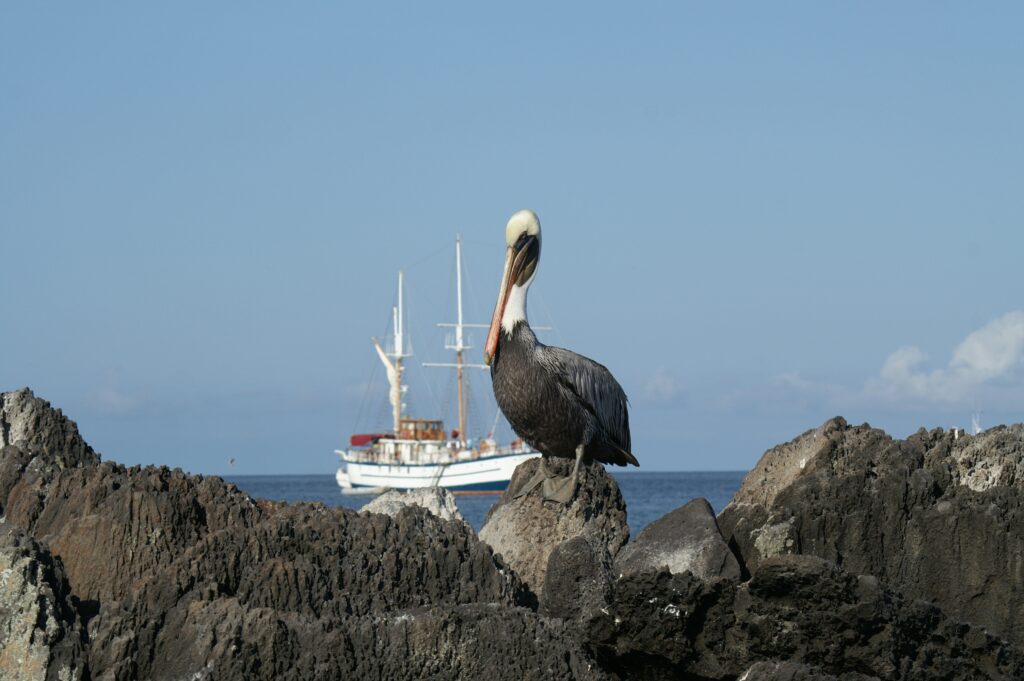
How volcanic soil and Pacific currents shaped the archipelago’s unique culinary identity
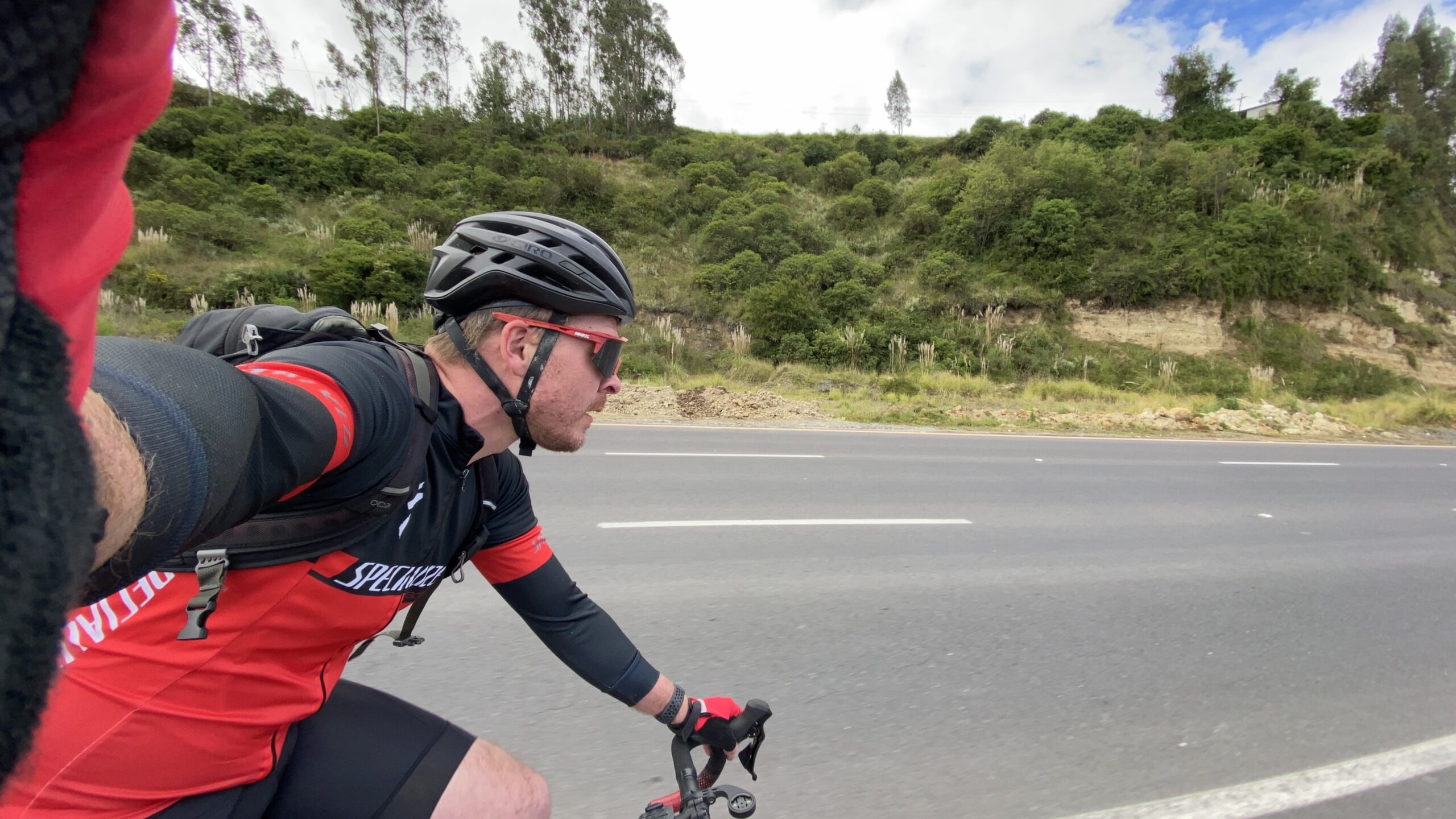
BEN FINCH
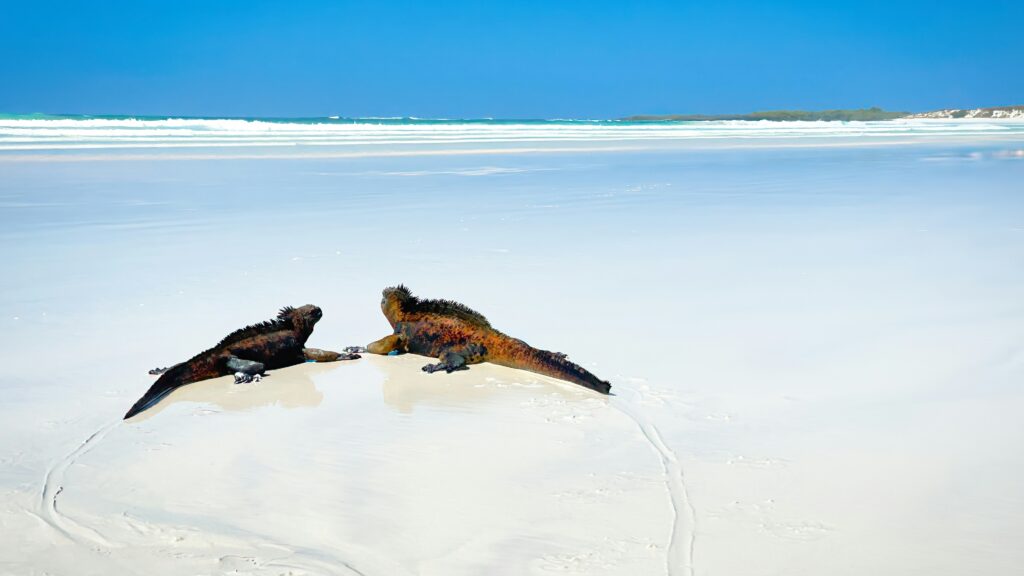
The Galápagos Islands are almost exclusively framed through the lens of Charles Darwin, ecological preservation, and endemic wildlife. Yet, for the independent traveller willing to look beyond the giant tortoises and marine iguanas, an incredibly distinct and resilient culinary narrative waits to be discovered. Because of the archipelago’s isolation, roughly a thousand kilometres from the Ecuadorian mainland, the food here is a masterclass in adaptation, born from an absolute reliance on the immediate environment.
When you travel independently, you set your own pace. You are not rushing back to a cruise ship dining room for a scheduled buffet, nor are you being shepherded into crowded, uninspired tourist traps. Instead, you have the time to sit at a quiet harbour, watch the sea lions bask on the docks, and savour dishes that tell the story of human habitation on these harsh, volcanic outposts. Traditional Galápagos food centres heavily on the ocean, utilising techniques brought over from coastal Ecuador and adapted to what the islands can provide.
The untamed flavours of the archipelago
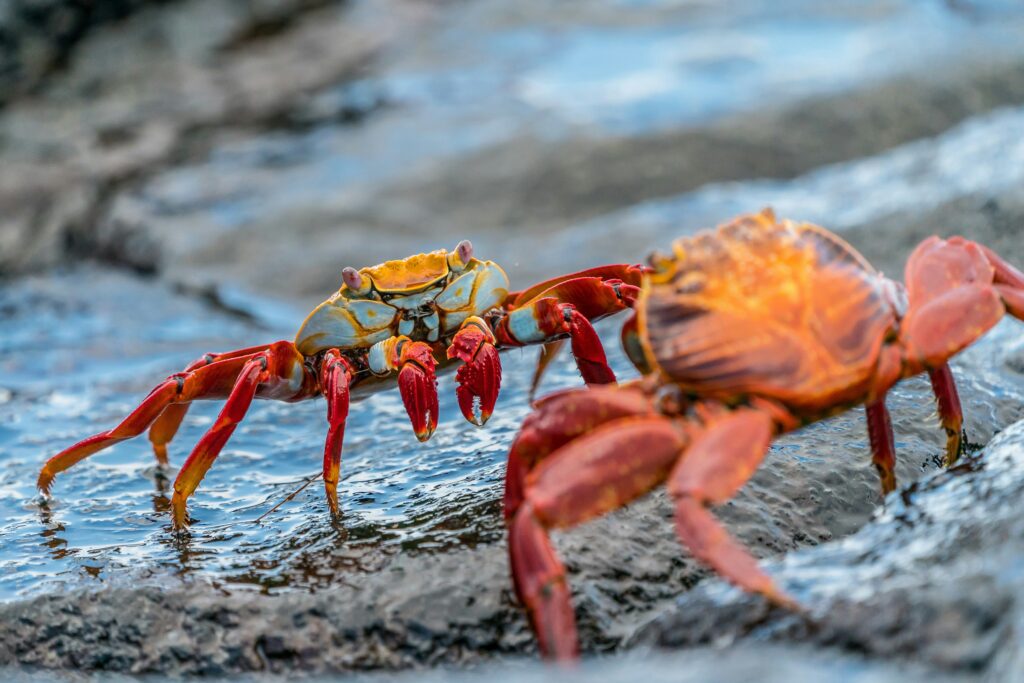
Beyond the iconic wildlife, the Galápagos Islands offer a resilient culinary identity shaped by volcanic isolation and a deep connection to the Pacific. From endemic molluscs to sustainable coffee, every bite tells the story of human adaptation on these remote volcanic outposts.
- Canchalagua Ceviche: A distinctive, endemic mollusc dish featuring a firm texture and deep briny flavour, traditionally prepared with lime, tomatoes, and red onions.
- Encebollado: The quintessential morning ritual for islanders, this robust tuna and yuca soup is the perfect restorative meal for an active day of exploration.
- Spiny Lobster: A seasonally regulated delicacy that highlights the archipelago’s commitment to sustainable marine practices, best enjoyed when locally sourced.
- Seco de Chivo: A slow-cooked goat stew that serves a dual purpose: providing a hearty, traditional meal while supporting ongoing ecological conservation efforts.
- Arroz Marinero: A vibrant, communal dish of seasoned rice and fresh seafood that showcases the incredible variety of the Pacific waters surrounding the islands.
- Volcanic Coffee: Grown in unique microclimates and nutrient-rich soil, this organic, small-batch coffee offers a smooth profile with nuanced chocolate and caramel notes
The Galápagos.
Ecuador’s Enchanted Isles
Ceviche de canchalagua / The endemic delicacy
If there is one dish that entirely encapsulates the culinary identity of the Galápagos, it is ceviche de canchalagua. Unlike standard fish or shrimp ceviche, which you can find across the South American coast, this version relies on a very specific ingredient. The canchalagua is an endemic mollusc found clinging to the volcanic rocks in the shallow intertidal zones of the islands, particularly around San Cristóbal.
Its texture is firm, somewhat akin to octopus or a dense scallop, and its flavour carries a profound brininess that perfectly justifies the traditional ceviche preparation. The mollusc is marinated in freshly squeezed lime juice, which cures the meat, and is then tossed with finely chopped tomatoes, bell peppers, red onions, and coriander. It is a vibrant, acidic, and incredibly refreshing dish, best eaten for lunch after a long morning of hiking or cycling along the coast.
Where to try ceviche de canchalagua: Head to El Descanso Marinero in Puerto Baquerizo Moreno on San Cristóbal Island. This restaurant eschews the sterile environment of high-end dining for a cosy, grounded atmosphere that feels entirely authentic to the island’s coastal roots. The seafood is sourced directly from the morning catch, and their preparation of local molluscs and crustaceans is widely regarded as some of the best in the region.
Encebollado / The morning ritual
In the Galápagos, breakfast is not a light affair. For the local fishermen, boat captains, and active travellers, the morning begins with encebollado. This is a hearty, robust fish soup that functions as both a restorative meal and a deeply ingrained cultural ritual.
The base of the soup is a rich broth flavoured with tomatoes, coriander, cumin, and a generous amount of pickled red onions, which give the dish its name. The star of the bowl, however, is chunks of fresh, locally caught yellowfin tuna, accompanied by dense, starchy pieces of yuca (cassava). The yuca thickens the broth and provides a satisfying carbohydrate base, essential for days spent exploring the archipelago. Local practice dictates that you squeeze fresh lime over the steaming bowl and crush plantain chips or toasted corn kernels into the broth for added texture.
Where to try encebollado: While you can find encebollado in many established restaurants, the most authentic experience is found at the local kioscos in Puerto Ayora on Santa Cruz Island. However, for a guaranteed high-quality, sit-down experience that still captures the local essence, Isla Grill offers an excellent menu that balances traditional Ecuadorian preparations with a refined, relaxed waterfront setting.
The Ecuadorian Sierra.
Get lost in the hills
Spiny lobster (langosta) / Seasonal and sustainable
Eating seafood in the Galápagos requires an understanding of the fragile marine ecosystem. The Galápagos Marine Reserve is one of the most protected areas on earth, and fishing is strictly regulated. This makes eating local spiny lobster not just a culinary treat, but a lesson in sustainable consumption.
Lobster season typically runs from September through January, and strict quotas and size limits are enforced by the national park authorities. When in season, the spiny lobster is a revelation. Because these waters are positioned at the convergence of three major ocean currents, the marine life is exceptionally well-fed, resulting in lobster meat that is sweet, tender, and rich. It is commonly prepared grilled with a simple garlic butter sauce, or as langostino encocado, where the meat is gently simmered in a luscious sauce of fresh coconut milk, onions, garlic, and local spices.
Where to try langosta: For a truly sophisticated take on local ingredients, Finch Bay Restaurant in Puerto Ayora is unparalleled. As the premier dining destination on Santa Cruz, they focus heavily on sustainable gastronomy. Their chefs work directly with local fishermen to ensure that every lobster served meets ecological standards, presenting the dish with a level of culinary craftsmanship that elevates the natural flavours without masking them.
Seco de chivo / An ecological necessity
Not all traditional Galápagos food comes from the sea. Seco de chivo, a rich, slow-cooked goat stew, represents a fascinating intersection of culinary tradition and modern ecological conservation. Goats were introduced to the islands by early settlers and pirates. With no natural predators, their population exploded, devastating the fragile native vegetation and threatening the survival of the iconic giant tortoises.
Today, controlled culling operations are managed by the national park to protect the endemic species. The meat from these efforts is utilised by local restaurants to create seco de chivo. The goat is braised for hours in a fermented liquid (often a local chicha or beer) along with tomatoes, garlic, onions, and a blend of earthy spices until the meat is incredibly tender and falls away from the bone. It is a hearty, grounding dish, usually served with yellow rice and sweet fried plantains. Eating this stew is a direct way to support the complex, ongoing conservation efforts of the islands.
Where to try seco de chivo: Many traditional, family-run establishments feature this on their daily menu. Look for independent eateries slightly off the main tourist thoroughfares in Puerto Ayora or Puerto Villamil, where the stew is cooked low and slow for the local workforce.
The Ecuadorian Amazon.
The most biodiverse place in the world
Arroz marinero / The ocean on a plate
If you want to understand the sheer bounty of the Pacific waters surrounding the archipelago, order arroz marinero. This mixed seafood rice is a staple of coastal Ecuadorian cuisine, but the Galápagos version benefits from the unparalleled freshness of the ingredients.
The dish begins with a flavourful base of rice cooked in a rich seafood broth, seasoned with achiote, which gives the rice a distinct, vibrant golden hue. Mixed into this are generous portions of whatever the fishermen brought in that morning: plump shrimp, squid, clams, mussels, and chunks of white fish. It is a communal, generous dish, perfect for sharing after a long day in the saddle or on the hiking trails.
Galápagos coffee / Volcanic terroir
The Galápagos Islands are one of the few places in the world where coffee is grown in such a unique microclimate. The volcanic soil, combined with the cooling influence of the Humboldt Current, creates an environment where coffee cherries mature slowly, developing complex, nuanced flavours. Galápagos coffee is highly sought after, known for its smooth profile, medium body, and notes of dark chocolate and caramel, with a surprisingly low acidity.
Because the agricultural zones on the islands are strictly limited to prevent deforestation, production is small-scale, organic, and highly sustainable.
Where to get a coffee: 1835 Coffee Lab in Puerto Ayora is the definitive destination for coffee purists. Named after the year Charles Darwin arrived on the islands, this cafe is dedicated to showcasing the absolute best of local beans. They roast their own coffee and utilise various brewing methods, from pour-overs to cold brews, allowing you to truly appreciate the volcanic terroir of the region.
The Ecuadorian Coast.
Where you’ll find the very best food
The bar pick / Midori Sushi Pub
While the Galápagos is not known for a frantic nightlife scene, independent travellers often seek out a vibrant spot to reflect on the day’s adventures over a well-crafted drink. For this, we recommend limiting your search and heading straight to Midori Sushi Pub in Puerto Ayora.
While primarily a restaurant, Midori functions as an excellent, lively bar. They have cultivated a reputation for dramatic, expertly mixed cocktails that utilise fresh, local fruit juices. The atmosphere is welcoming and sophisticated, drawing a mix of locals, conservationists, and travellers. It is the perfect environment to discuss the day’s wildlife sightings while sipping a sharp, citrus-forward cocktail.
Travel independently, eat authentically
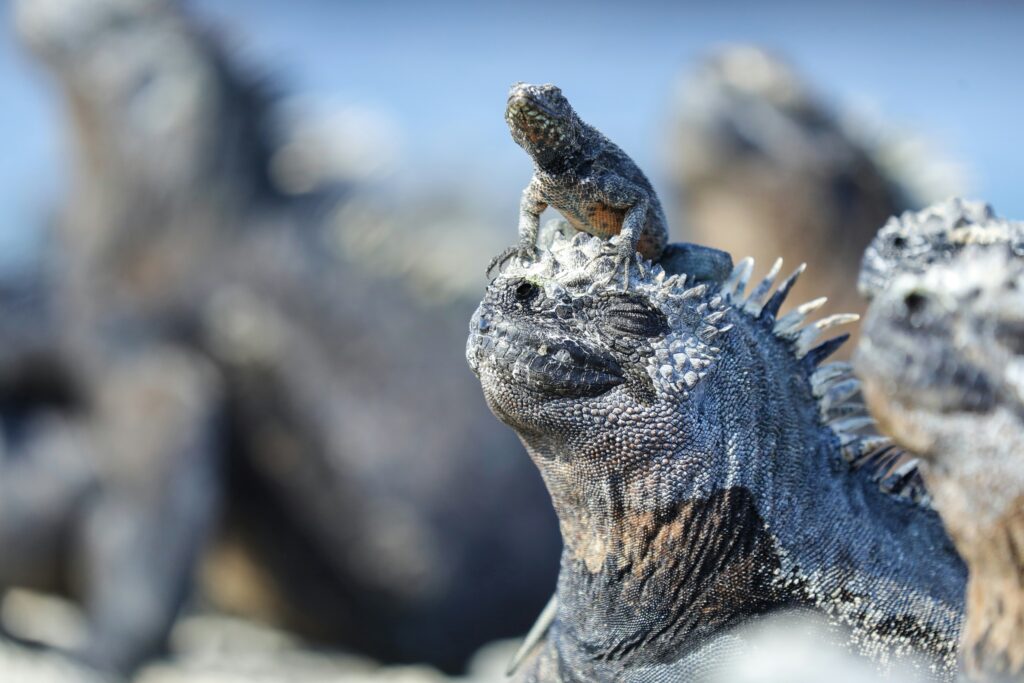
The Galápagos Islands reward those who look closer. Just as the endemic wildlife adapted to thrive in a challenging environment, the culinary traditions of the archipelago have evolved into something entirely unique. By choosing independent restaurants, seeking out local ingredients, and understanding the ecological context of what is on your plate, you contribute to the sustainable future of the islands while experiencing a depth of flavour that most passing tourists completely miss.
At Wheely Tyred, we believe that how you travel matters just as much as where you go. Whether you are navigating the highlands by bike or taking the local ferry between ports, make the time to stop, sit, and taste the true Galápagos.
Frequently asked questions about what to eat on the Galápagos
The Galápagos dining culture is relaxed and grounded. In smaller, family-run establishments or kioscos, it is perfectly acceptable to keep things casual. However, always show appreciation for the freshness of the ingredients, as the reliance on the day’s catch is a point of local pride.
While seafood is a staple, it is essential to respect the seasonal regulations set by the Galápagos National Park. Certain species, such as spiny lobster, are strictly protected outside of their harvest season. Always look for restaurants that emphasise sustainability and locally sourced catches.
Independent travellers in the Galápagos typically rely on walking, local water taxis between the main islands, and hiring bicycles for shorter distances in towns like Puerto Ayora or Puerto Villamil. This allows you to explore at your own pace without the constraints of a group tour.
While the culinary narrative of the Galápagos is heavily focused on the sea and introduced livestock, you will find fresh tropical fruits, plantains, and local vegetables in most markets and restaurants. The focus on local, seasonal produce means that vegetarian options are becoming more common in the larger ports.
While you will find coffee in most breakfast spots, for the best experience, seek out cafes that work directly with local agricultural zones. The volcanic terroir is quite specific, and specialist roasters in Puerto Ayora are the best places to experience the true profile of island-grown beans.
In the larger ports like Puerto Ayora, popular restaurants with a focus on sustainable gastronomy can get busy. If you have a specific destination in mind for dinner, a quick call or visit earlier in the day is recommended, though many of the more casual, authentic eateries operate on a walk-in basis.
Ecuador.
Pure wonder on the equator.