A slow traveller’s guide to the flavours of Tena / Eating deep in the Ecuadorian Amazon
The ultimate independent guide to traditional food, Amazonian cacao, and the best local restaurants to try in Tena, Ecuador
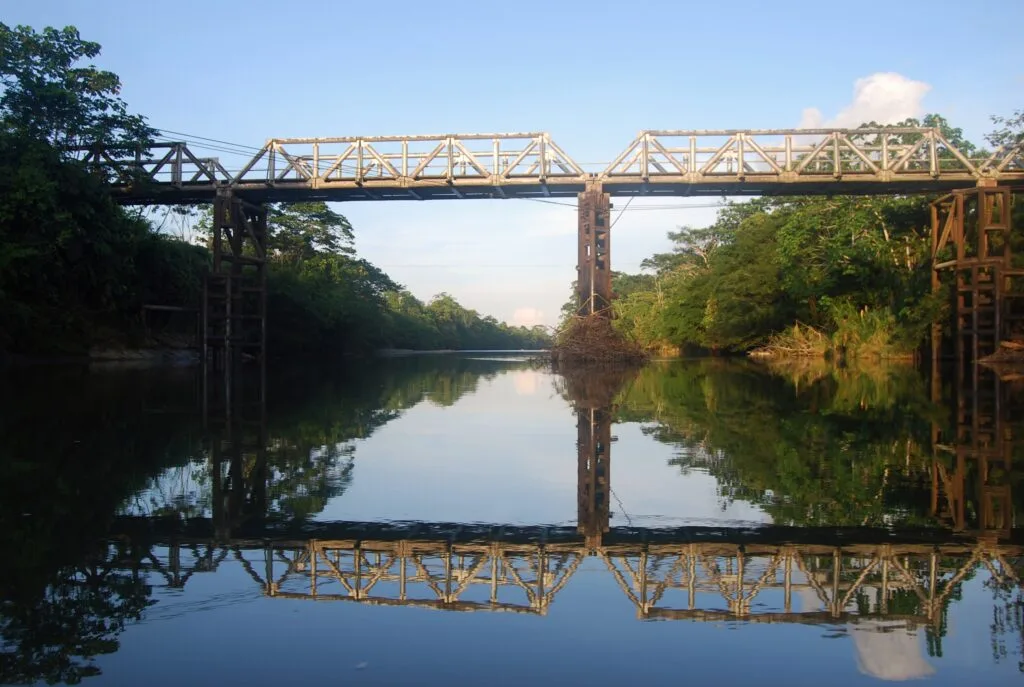
Wood fires, wild leaves, and the deep river heritage of Napo province
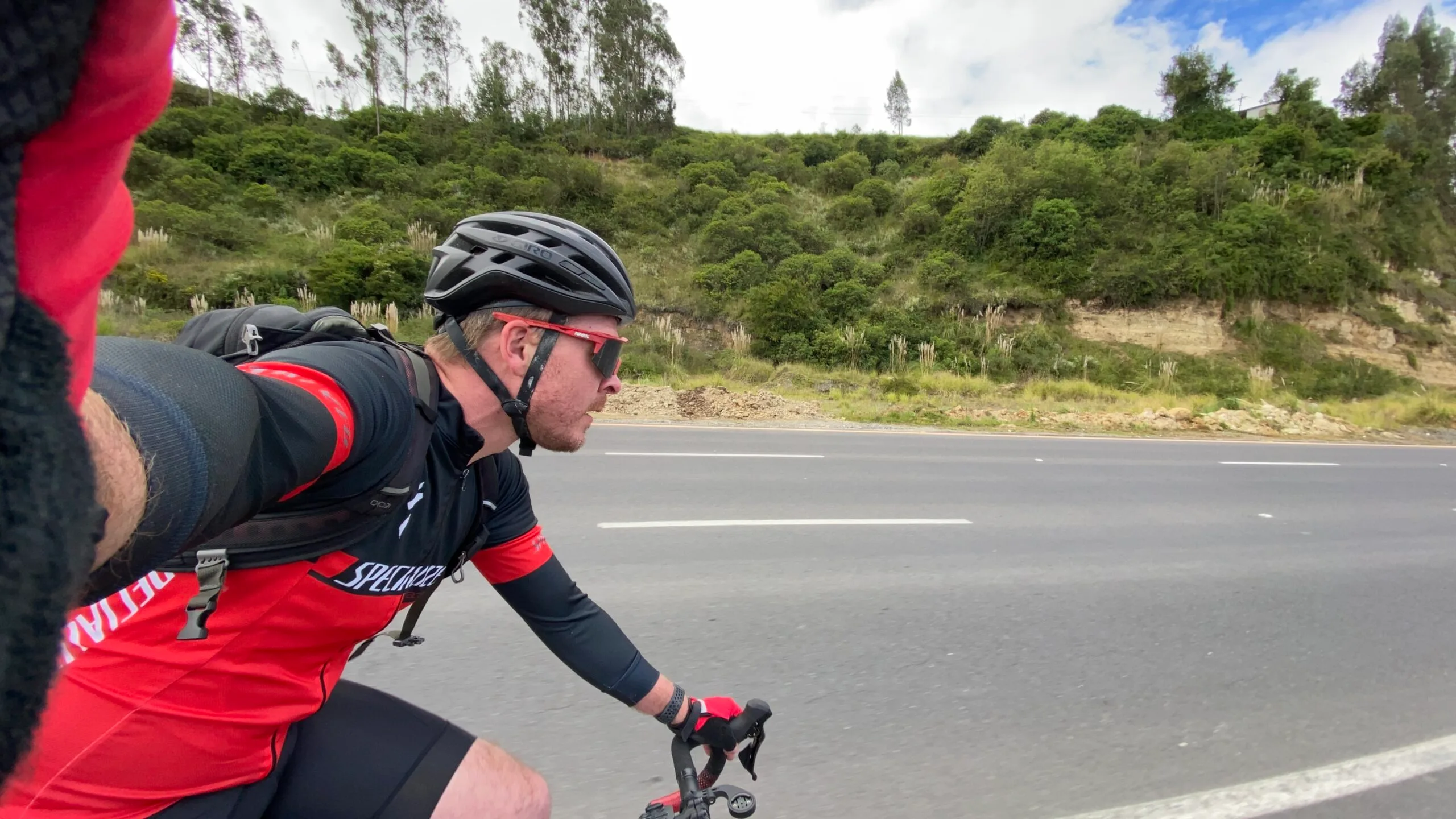
BEN FINCH
The descent from the high, crisp air of the Ecuadorian Andes into the humid, emerald expanse of the Oriente is a transition felt in every sense. For the independent traveller arriving by public bus or navigating the winding tarmac on two wheels, the town of Tena represents a shift in rhythm. The frantic pace of the capital fades, replaced by the steady rush of the Tena and Pano rivers.
While many use this geographical gateway strictly as a base for white-water rafting or jungle treks, the truest way to understand the Napo province is through its traditional kitchens. The culinary identity of Tena is not defined by corporate chains or imported luxury; it is anchored in Kichwa heritage, forest biodiversity, and ancestral cooking techniques that treat the rainforest not as a wilderness, but as a garden.
For those who travel on their own time and value deep local knowledge, exploring the food of Tena offers an intimate look into how nature and community intersect.
The food of the rainforest
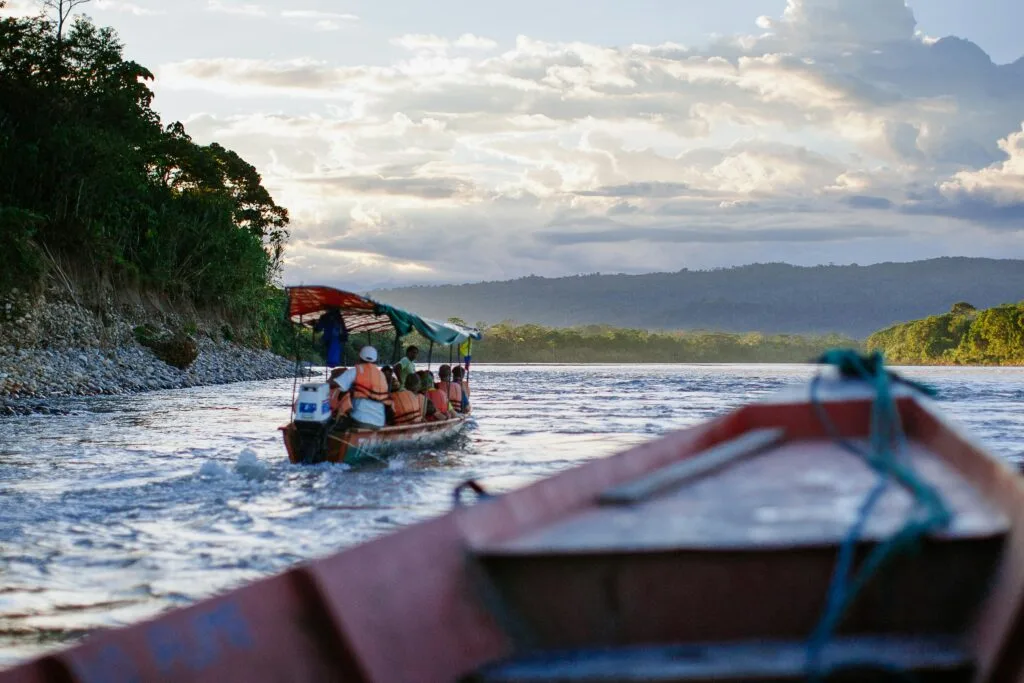
Navigating the gateway to the Ecuadorian Amazon on your own steam reveals a culinary landscape shaped by wild rivers and ancient traditions. This guide distils the essential flavours and slow-paced dining spots hidden within the emerald valleys of the Napo province.
- Maito de pescado: Fresh river fish wrapped securely in bijao leaves and slow-cooked over hot wood embers, resulting in a perfectly moist, smoky, and deeply aromatic local masterpiece
- Guayusa infusion: An ancient Amazonian holly tea brewed for clean-burning energy, offering a smooth, tannin-free alternative to traditional coffee without any bitterness
- Chontacuro delicacy: Skewered palm grubs grilled over an open flame until the exterior is remarkably crispy, serving as a rich, buttery testament to forest-floor foraging
- Chakra agriculture: A traditional, hyper-biodiverse Kichwa farming system that mimics the natural structure of the rainforest, providing the organic foundation for Tena’s ingredients
- Artisanal culinary evolution: Forward-thinking independent venues like Gastrobar Chanfles and Pizzería Bella Selva successfully bridge the gap between native rainforest staples and contemporary global techniques
- Slow dining philosophy: True Amazonian cuisine resists haste, rewarding the independent traveller who steps away from transit hubs to appreciate ancestral, patient cooking methods
Tena.
Enter the Amazon
The ancestral pantry of the Oriente
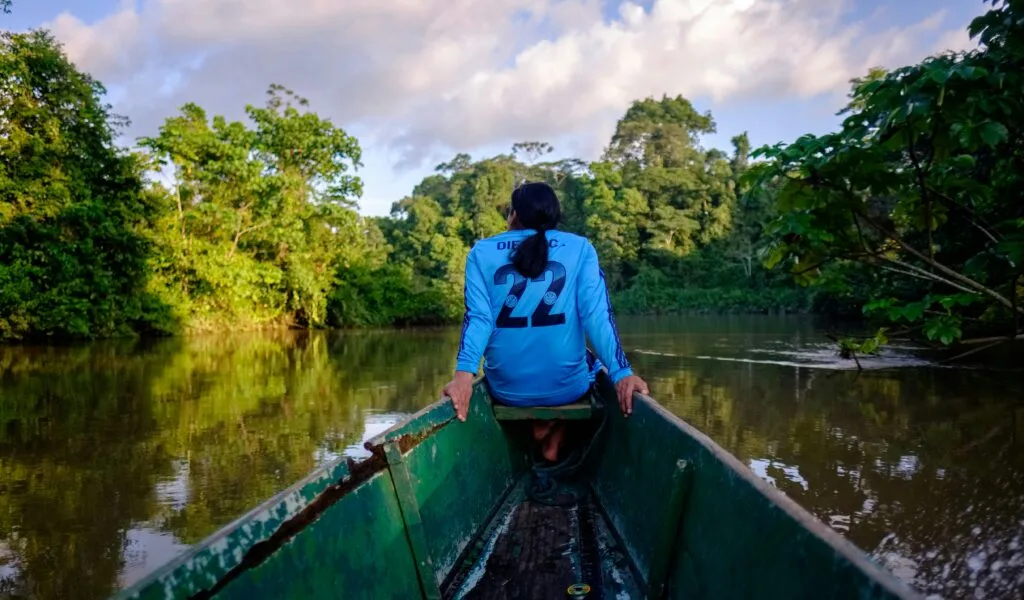
To eat well in Tena, one must first understand the fundamental ingredients that have sustained life along these riverbanks for millennia. The local diet relies heavily on the chakra—a traditional, hyper-biodiverse agricultural system managed by Kichwa families that mimics the natural structure of the rainforest.
Maito de pescado
The definitive dish of the region is maito. The word itself refers to the ancient technique of wrapping food in leaves for cooking. Typically, using fresh river fish such as tilapia or bocachico, the fish is cleaned, seasoned simply with a pinch of salt, and wrapped securely in multiple layers of bijao leaves. The packet is then placed directly onto hot wood embers. The leaf does more than protect the fish; it steams the meat in its own juices while infusing it with a delicate, smoky, herbal aroma. It is often served alongside boiled yuca and a small pile of salt.
Guayusa
Long before coffee culture reached this corner of South America, there was guayusa. Brewed from the leaves of a native Amazonian holly tree, this ancient infusion is deeply woven into the social fabric of the region. Traditionally drunk by Kichwa communities in the pre-dawn hours to discuss dreams and community organisation, guayusa provides a smooth, sustained release of caffeine. Unlike coffee or standard green tea, it lacks harsh tannins, resulting in a naturally smooth, slightly sweet flavour profile that revives tired travellers after a long day of independent exploration.
The Ecuadorian Amazon.
The most biodiverse place in the world
Chontacuro
For the culinary adventurer, chontacuro represents a profound connection to forest ecology. These large, plump larvae harvest themselves within the fallen trunks of the chonta palm tree. Rich in healthy fats and proteins, they are a traditional dietary staple. When skewered and grilled over an open flame, the exterior turns remarkably crispy, while the interior yields a rich, buttery flavour reminiscent of roasted nuts or bacon.
Amazonian cacao
The Napo province is one of the ancestral homes of Cacao Arriba Nacional, an heirloom variety world-renowned for its floral aroma and complex flavour profile. In the country lanes surrounding Tena, small-scale farmers harvest these yellow pods, fermenting and drying the beans using methods passed down through generations. To taste chocolate here is to taste the soil, rain, and canopy of the Amazon itself.
The Galápagos.
Ecuador’s Enchanted Isles
Where to eat in Tena
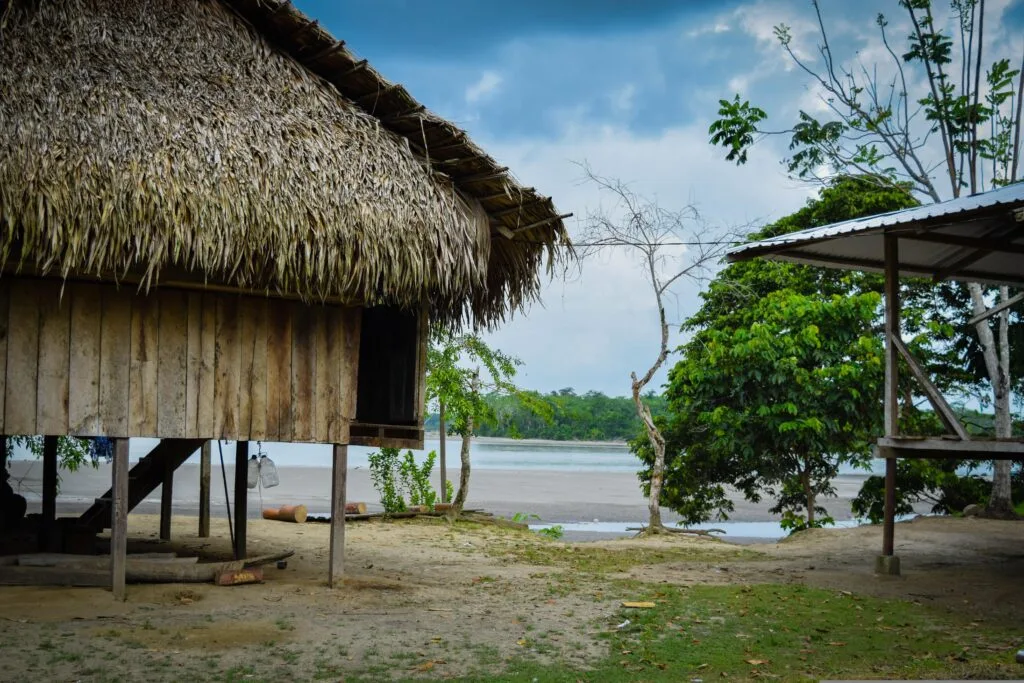
Finding an authentic meal in Tena means stepping away from the main transit hubs and seeking out the independent kitchens where quality, local sourcing, and culinary pride come together. Wheely Tyred has mapped out the essential stops for the self-guided traveller.
Restaurant La Fogata
For an uncompromised introduction to traditional Amazonian cooking, this unpretentious, family-run establishment in the town centre is non-negotiable. The air here is perpetually thick with the sweet, woody scent of burning embers.
The kitchen at La Fogata takes immense pride in its execution of maito de pescado. Watch the cooks turn the heavy green parcels over the wide grill, waiting for the exact moment the outer leaves char to a deep brown. When unwrapped at the wooden table, the fish falls away from the bone, perfectly moist and imbued with the essence of the forest floor. It is honest, slow food at its absolute finest, served without distraction.
Gastrobar Chanfles
Culinary traditions are not museum pieces; they are living, evolving practices. Gastrobar Chanfles represents the vanguard of modern Amazonian culinary expression. This forward-thinking venue bridges the gap between ancestral Kichwa ingredients and contemporary gastronomy.
The menu here acts as a seasonal exploration of the region’s incredible biodiversity. The kitchen takes wild tubers, native fruits, and locally sourced proteins, reimagining them into beautifully composed plates that challenge and delight the palate. It is an essential stop for the curious traveller wishing to understand how the younger generation of Ecuadorian chefs is elevating rainforest flavours onto the national stage.
The Ecuadorian Sierra.
Get lost in the hills
Café Tortuga
Perched gracefully along the Malecón, overlooking the swirling brown waters of the river, Café Tortuga has long served as a peaceful sanctuary for independent writers, cyclists, and slow travellers. With its open-air architecture and relaxed atmosphere, it is the ideal spot to plan an upcoming route or decompress after a day on the road.
The café excels in showcasing regional coffee, sourced directly from smallholder cooperatives in the surrounding valleys. Beyond the excellent espresso, the kitchen offers a creative selection of fresh jungle juices and an inclusive menu featuring plenty of vibrant vegetarian options that make clever use of local produce like yuca and plantains.
Pizzería Bella Selva
There comes a point in every extended journey where the familiar comfort of a well-baked crust is precisely what the soul requires. Pizzería Bella Selva delivers exactly that, combining artisanal Italian technique with the unique environment of the Oriente.
The centrepiece of the restaurant is its roaring, wood-fired oven. The thin-crust pizzas are exceptional, featuring a crisp, blistered edge and a perfectly balanced sauce. Look closely at the menu, and you will spot subtle, intelligent nods to the local landscape, with fresh, regional toppings making an appearance. It is a testament to how simple, honest craftsmanship can thrive anywhere in the world.
Chuquitos
As the intense heat of the afternoon gives way to the cooler evening air, follow the movement of the locals towards the riverbank. Positioned directly at the scenic confluence of the rivers, Chuquitos is the definitive choice for an evening drink.
This is a straightforward, classic establishment where the primary draw is the atmosphere. There is no better place in Tena to sit quietly, watch the changing light over the water, and observe the daily life of the town unfolding on the rocks below. Order a cold beverage, listen to the river roar, and let the slow, hypnotic rhythm of the Amazon take hold.
The Ecuadorian Coast.
Where you’ll find the very best food
The philosophy of slow dining
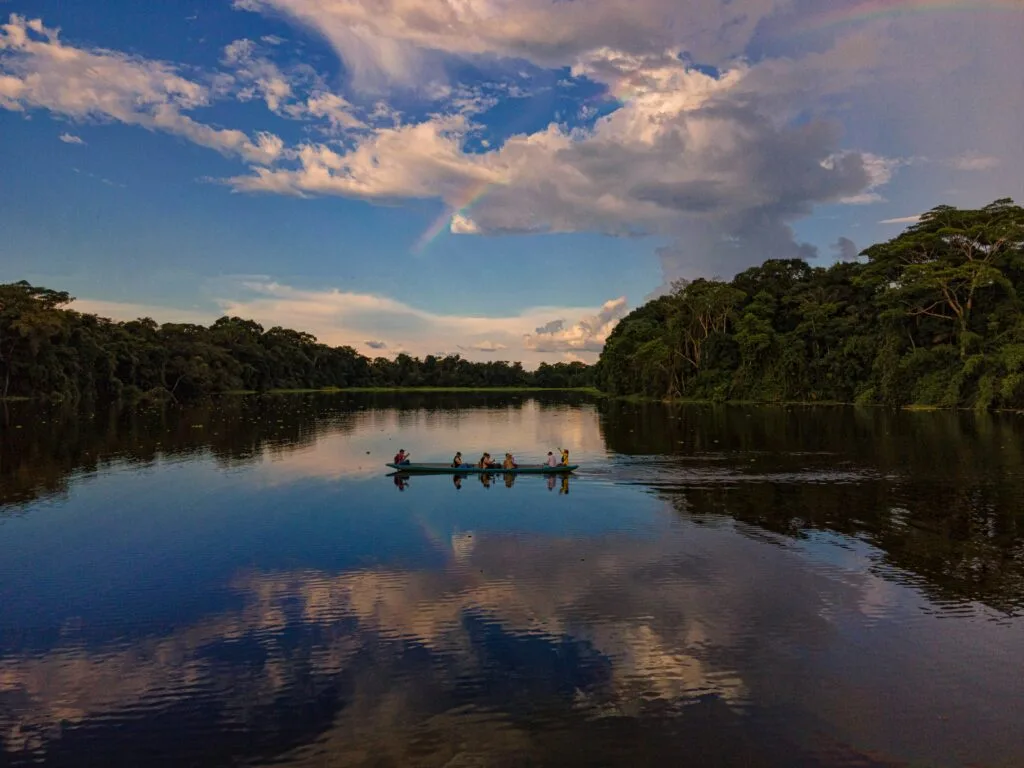
Eating independently in Tena requires a willingness to slow down. A properly prepared maito cannot be rushed; it takes time for the wood fire to penetrate the thick layers of the bijao leaf. The ingredients here are tied intricately to the seasons and the small harvests of the local chakras.
By choosing to spend your money at these independent, locally owned establishments, you are directly supporting the preservation of unique culinary traditions and the sustainable agricultural systems that protect the surrounding rainforest. Step away from the tour groups, find a seat by the river, and take the time to truly taste the gateway to the Amazon.
Affiliate Disclaimer: Some of the links on Wheely Tyred are affiliate links. If you click through and make a booking or purchase, we may earn a small commission at no extra cost to you. We only recommend gear, tours, stays, and services we genuinely use, trust, and stand behind — our editorial independence always comes first. These commissions help keep our independent cycling guides and travel stories free to read. Thanks for supporting the ride!
Frequently asked questions about food in Tena, Ecuador
Maito is an ancient Kichwa cooking technique rather than a single recipe. The word refers to the process of wrapping food—most commonly fresh river fish like tilapia or bocachico—in multiple layers of sturdy bijao leaves. The bundle is seasoned simply with salt, tied up, and placed directly onto hot wood embers. This method steams the fish in its own natural juices whilst infusing it with a delicate, smoky, and herbal essence from the charred leaves.
Yes, guayusa is naturally caffeinated. It is brewed from the leaves of a native Amazonian holly tree and has been used by Kichwa communities for centuries to provide sustained energy and mental clarity. Unlike traditional green or black teas, guayusa contains no harsh tannins, meaning it never becomes bitter and maintains a naturally smooth, clean, and slightly sweet flavour profile.
Tena is a highly walkable and cycle-friendly town. All the featured independent restaurants and bars are located centrally or along the scenic Malecón waterfront promenade. Whether you arrive at the main bus terminal or are exploring the town on two wheels, these locations are easily accessible without the need for private tour vehicles or organised groups.
While traditional Amazonian food relies heavily on river fish, vegetarian travellers can eat very well here. Plantains, yuca, and hearts of palm are regional staples used creatively across local menus. Establishments like Café Tortuga along the riverside are particularly celebrated for providing inclusive, vibrant vegetarian dishes that showcase local produce.
The region surrounding Tena is one of the ancestral homes of Cacao Arriba Nacional, a premium heirloom variety of cacao. Local smallholder farmers cultivate these trees within diverse forest gardens called chakras. Because the beans are fermented and dried using traditional methods amidst the rainforest canopy, the resulting dark chocolate possesses an exceptionally complex, floral aroma that reflects the unique local ecosystem.
Ecuador.
Pure wonder on the equator.