Traditional Amazonian food in Puyo / What to eat and drink
Amazonian food guide / Puyo, Ecuador, local restaurants and culinary traditions
Savouring the slow rhythms and ancestral flavours of the Pastaza gateway
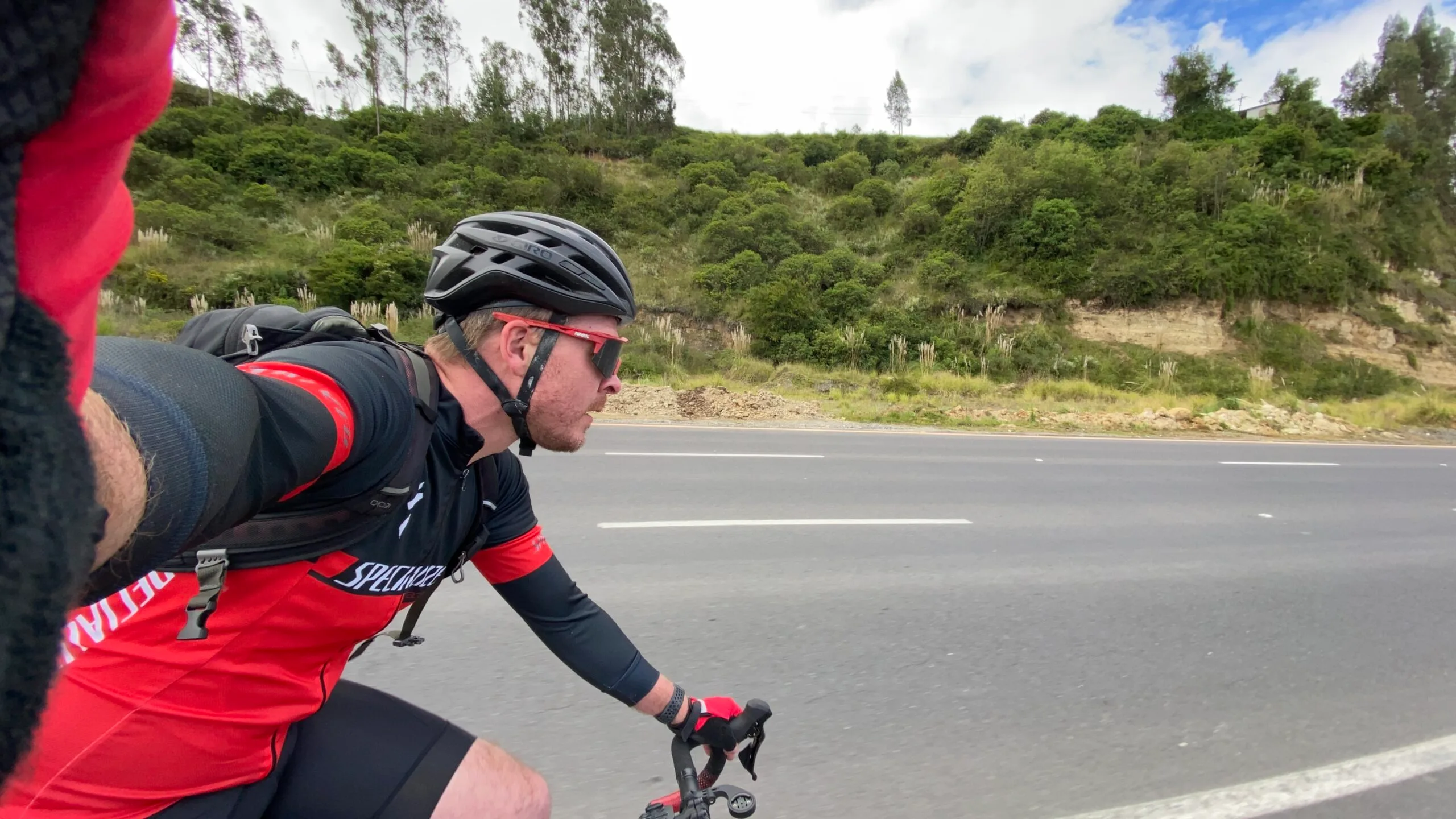
BEN FINCH
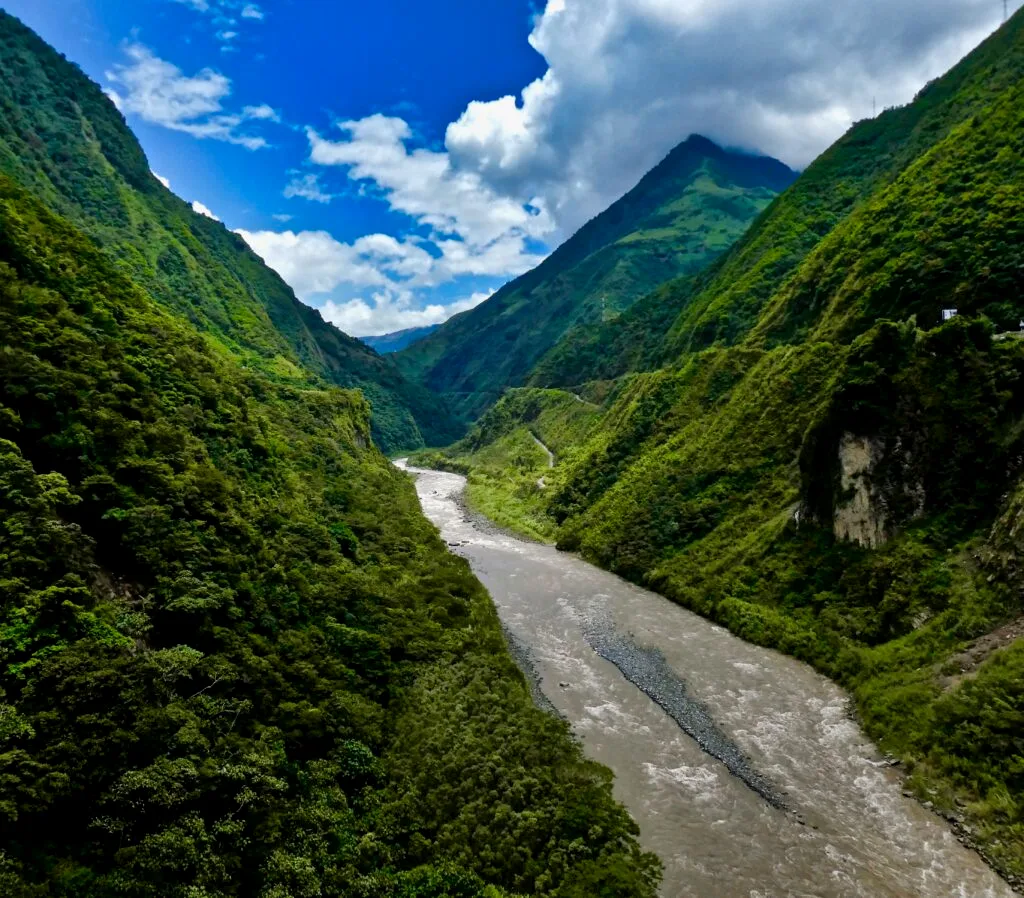
The transition from the high-altitude Andean spine to the dense, humid expanse of the Ecuadorian Amazon is one of the most dramatic geographic shifts a traveller can experience. As the road snakes down from Baños, the crisp mountain air gives way to heavy, mist-laden warmth. At the confluence of this ecological shift lies Puyo, the capital of the Pastaza province.
Often treated by hurried tour groups as a mere stepping stone or a bathroom break on the way to deep-jungle lodges, Puyo rewards the patient, independent traveller who chooses to step off the bus, park their bicycle, and explore at a human pace. To truly understand this frontier town, one must look closely at its tables. The culinary landscape here is a direct reflection of geography, climate, and ancestral knowledge, offering an array of unique flavours that cannot be found anywhere else on earth.
For those who travel under their own steam, free from the rigid itineraries of tour buses and the prescriptive schedules of group guides, food is more than mere sustenance. It is an entry point into local history and ecology.
In Puyo, the food tells a story of survival, resourcefulness, and cultural synthesis. Indigenous Amazonian traditions meet the practical needs of modern migrants, creating a food culture that is grounded in the forest but fully alive in the town markets and independent eateries.
The mist-shrouded gateway to Pastaza flavours
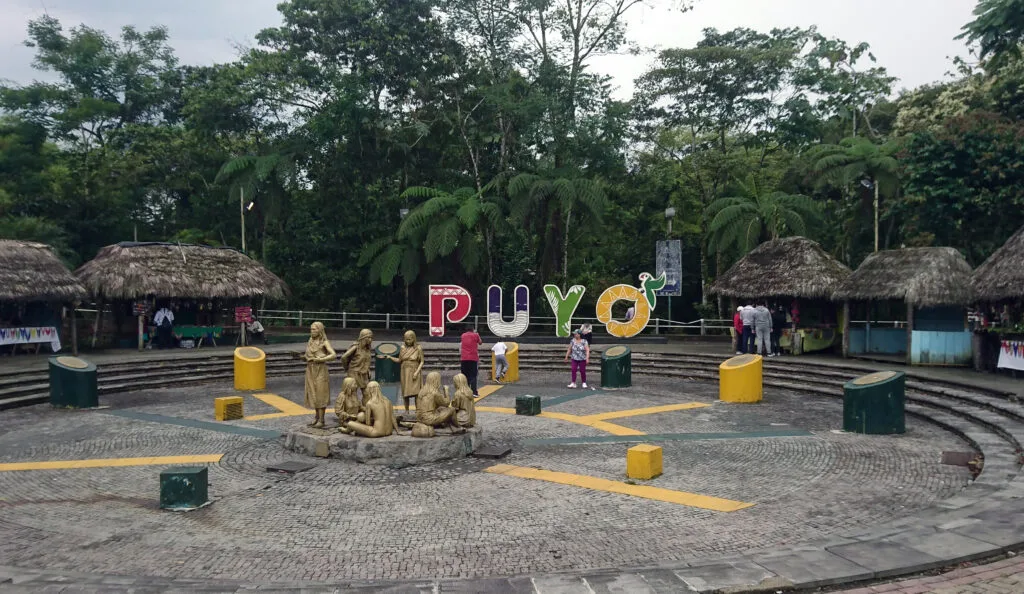
Slowing down in this Ecuadorian frontier town reveals a culinary heritage forged by ancestral wisdom and geographic transition. For the self-directed explorer, Puyo offers far more than a brief transit stop between the high Andes and the deep jungle.
- Ancestral Maito: A masterclass in slow-cooked simplicity featuring fresh river fish seasoned with salt, wrapped in sturdy bijao leaves, and roasted directly over wild wood embers
- Ceviche Volquetero: A unique, textured collision of plantain chips, lupini beans, toasted corn, and tuna, originally created to fuel mid-century dump truck drivers building the local infrastructure
- Forest Gastronomy: Grilled chontacuro skewers offer a rich, buttery encounter with traditional palm weevil larvae, a dietary staple highly prized for generations by indigenous communities
- Jungle Restoratives: Native guayusa leaf infusions provide clean, jitter-free focus for long journeys, whilst fermented chicha serves as a ubiquitous cultural touchstone
- Barrio Obrero Dining: The historic district hosts culinary anchors like Nativa and Wijao, which preserve traditional cooking methods away from homogeneous national chains
- Contemporary Fusion: Modern spaces like Mokawa Café gracefully blend indigenous forest ingredients like arazá with polished, independent coffee house culture
Puyo.
The gateway to the Amazon
The pillars of Pastaza gastronomy
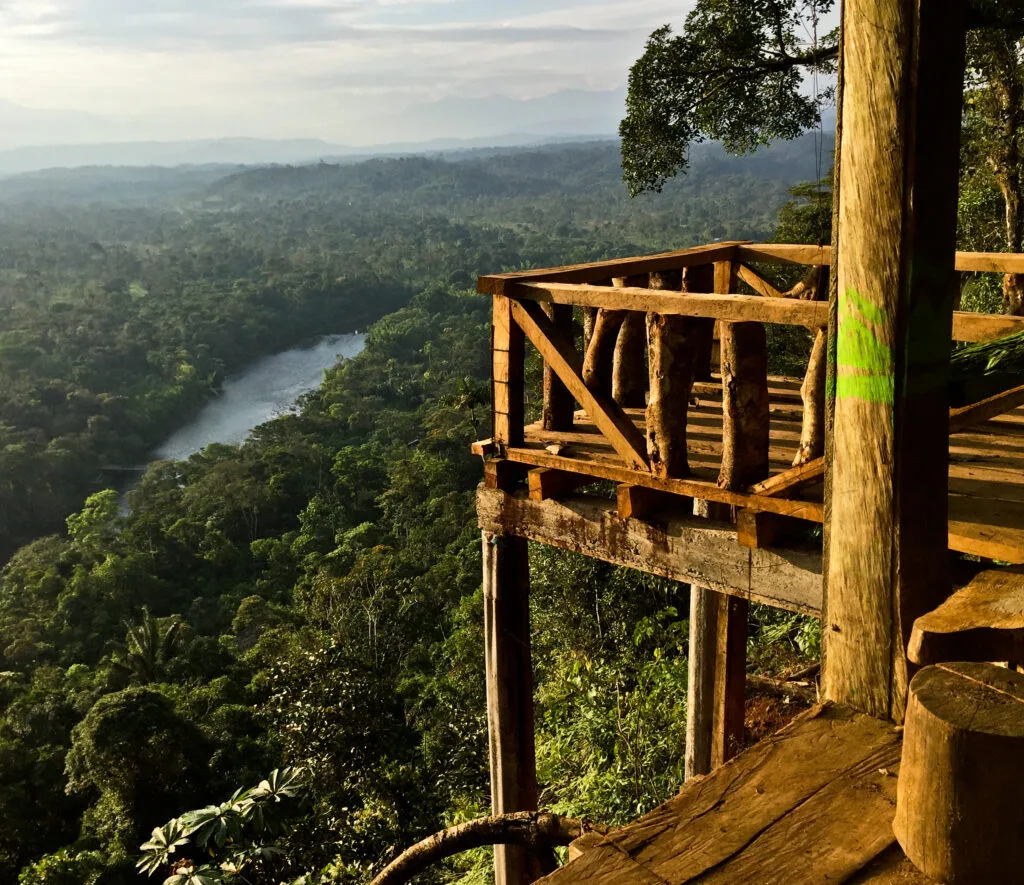
To navigate Puyo like a seasoned explorer, it is essential to familiarise oneself with the foundational ingredients and dishes that define the region. The forest provides a natural pantry, and the traditional cooking methods have been honed over centuries by indigenous communities, including the Shuar, Achuar, and Kichwa.
The Ecuadorian Amazon.
The most biodiverse place in the world
Maito de pescado
Maito is perhaps the most celebrated culinary emblem of the Ecuadorian Amazon. The word itself refers to the ancient technique of wrapping food in leaves before cooking. Traditionally, fresh river fish, such as tilapia or carachama, are seasoned simply with salt, wrapped carefully in several layers of sturdy bijao leaves, and placed directly over wild wood embers.
The bijao leaves serve multiple functions: they protect the delicate fish flesh from the fierce direct heat, trap the natural moisture, and infuse the dish with a distinct, smoky, slightly herbaceous aroma. When the parcel is cut open at the table, the steam carries the scent of the jungle floor. It is an edible lesson in simplicity, relying entirely on the freshness of the catch and the character of the wood fire.
Ceviche volquetero
In stark contrast to the ancient lineage of maito stands ceviche volquetero, a dish born from the chaotic energy of twentieth-century urban development. The history of the volquetero is intertwined with the construction of the Barrio Obrero district in Puyo during the mid-1900s.
As dump truck drivers, known locally as volqueteros, worked long hours moving earth and stone to build the city infrastructure, they required a quick, hearty, and nutritious meal that could be prepared without elaborate kitchen setups. Local market stalls responded by combining shelf-stable coastal ingredients with fresh mountain crops.
The resulting dish is an ingenious layers-deep construction: a base of crunchy plantain chips, or chifles, topped with cooked lupini beans, known as chochos, toasted corn kernels, called chulpi, and a generous topping of flaked canned tuna mixed with pickled red onions and tomatoes.
Finished with a squeeze of fresh lime juice, the ceviche volquetero is a magnificent collision of textures and flavours, offering a high-protein fuel source that perfectly sustained the workers and continues to satisfy hungry independent travellers today.
The Ecuadorian Sierra.
Get lost in the hills
Chontacuro
Beyond these mainstays, the culinary adventurous will encounter chontacuro. These are the larvae of the palm weevil, which thrive within the decaying trunks of the chonta palm tree. Rich in protein and healthy fats, chontacuro has been a dietary staple for indigenous nationalities for generations.
They are typically skewered and grilled over charcoal, a process that renders the skin crispy while leaving the interior rich and buttery, with a flavour reminiscent of roasted nuts or cured bacon. For those willing to set aside culinary preconceptions, it represents an authentic encounter with ancestral forest gastronomy.
The chichas
To accompany these dishes, the region relies on traditional beverages that reflect the deep relationship between the inhabitants and local flora. Chicha de yuca or chicha de chonta are ubiquitous fermented drinks made from cassava or palm fruit, prepared through a communal process of mashing and fermentation.
Guayusa
For a non-alcoholic restorative, guayusa is the beverage of choice. Brewed from the leaves of a native holly tree, guayusa delivers a clean, jitter-free caffeine boost paired with a smooth, earthy taste, providing the perfect mental clarity required for a long day of self-guided navigation.
The Galápagos.
Ecuador’s Enchanted Isles
The culinary map / Where to eat in Puyo
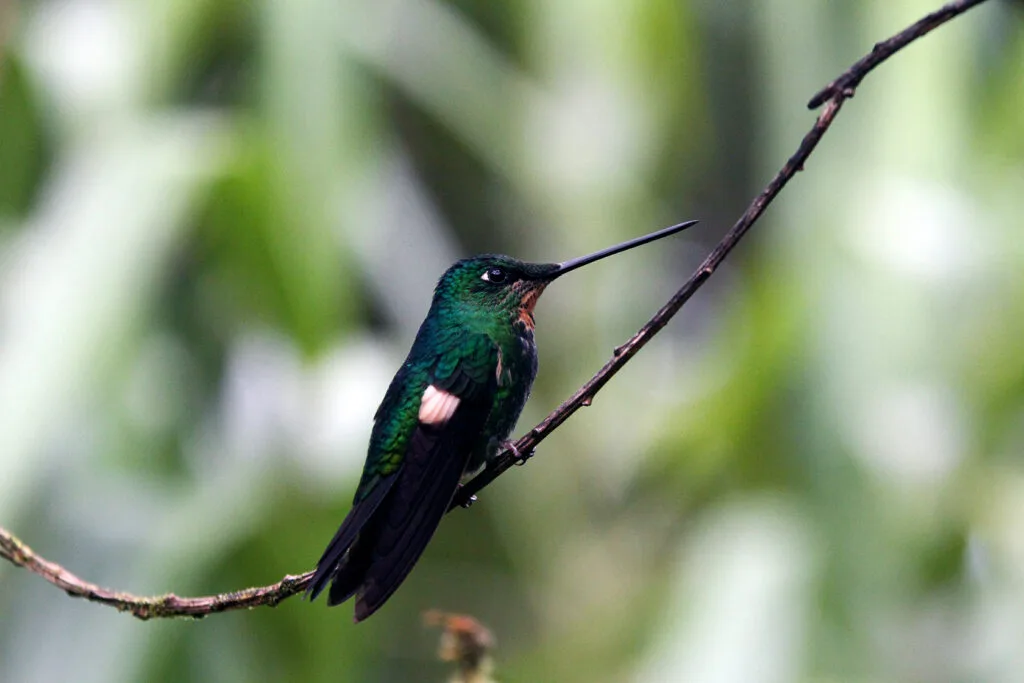
For the independent traveller who values quality, authenticity, and a relaxed environment to reflect on the day’s journey, Puyo boasts a collection of excellent local restaurants and bars. Each of these establishments has earned a stellar reputation among residents, maintaining high culinary standards without succumbing to the homogenisation of national chains.
Nativa Comida Típica Amazónica
Situated in the historic Barrio Obrero on Calle 20 de Julio, Nativa Comida Típica Amazónica is a rustic sanctuary dedicated to preserving ancient culinary arts. This restaurant is highly regarded for its uncompromising approach to traditional methods. The open kitchen allows patrons to witness the meticulous process of wrapping maito in fresh bijao leaves before laying them across glowing charcoal fires.
The space is constructed largely from local timber and bamboo, creating an organic atmosphere that feels connected to the surrounding wilderness. The traditional tilapia maito comes accompanied by steamed yucca and a side of fresh palmito salad. For the adventurous, their grilled chontacuro skewers are prepared to perfection, offering a smoky exterior that complements the rich flavour of the palm larvae. It is an ideal spot to sit back after a walk along the nearby Puyo River boardwalk and absorb the rhythms of local life.
Wijao Restaurante
Named after the very leaf that defines Amazonian cooking, Wijao Restaurante is the definitive local benchmark for ceviche volquetero. This clean, unpretentious dining room attracts a loyal following of local workers and families. The kitchen prides itself on consistency and generous portions. The volquetero served here is a masterclass in balance: the chifles remain perfectly crisp beneath the lime-marinated onions, and the chochos are tender and perfectly seasoned.
It is an efficient, bright space that eschews tourist gimmicks in favour of honest, high-quality regional fare. For a traveller navigating the region by bus or bicycle, a midday stop at Wijao provides a massive, affordable energy boost that sustains hours of continuous exploration.
The Ecuadorian Coast.
Where you’ll find the very best food
Mokawa Café — Restaurante
For those seeking a more contemporary interpretation of regional ingredients, Mokawa Café – Restaurante offers a sophisticated, polished alternative. Located near Avenida Alberto Zambrano, Mokawa serves as a cultural intersection where modern culinary techniques meet indigenous forest products. The interior is designed with a thoughtful, minimalist aesthetic, making it an excellent refuge for the independent traveller looking to open a map, update a travel journal, or enjoy a quiet moment.
The menu features creative fusion dishes, expertly brewed coffees using locally sourced beans, and delicate desserts infused with Amazonian fruits like araza and lulo. The staff are renowned for their hospitality, and the presentation of each dish reflects a great pride in the aesthetic possibilities of local produce. It is a brilliant example of how Puyo’s food scene is evolving while remaining tethered to its geographic roots.
Escobar Café
Located prominently on Avenida Ceslao Marín, Escobar Café is a vibrant gastropub. This establishment successfully bridges the gap between a high-quality daytime café and an energetic evening bistro. It is a favourite gathering point for Puyo’s creative community and independent wanderers alike.
The extensive menu ranges from robust breakfasts and premium espresso drinks to gourmet dishes infused with local herbs. The atmosphere is warm, social, and distinctly local, providing a welcoming space to strike up a conversation with residents or fellow self-directed travellers. Whether you visit in the morning for a rich cup of Ecuadorian coffee or settle in for a hearty dinner, the culinary execution is consistently excellent, making it a reliable anchor for any itinerary.
Jungla Amazon Pub
To conclude an evening of exploration, Jungla Amazon Pub on Ecuador 45 offers an authentic taste of Puyo’s nightlife. This establishment is the maximum single bar recommendation for the area, chosen specifically because it avoids the typical clichés of tourist backpacker bars.
Instead, Jungla is a genuine local hangout that celebrates the spirit of the Pastaza province. The decor incorporates organic jungle elements with an urban edge, and the music selection provides a lively backdrop without overpowering conversation.
The bar specialises in regional craft beers and innovative cocktails that utilise local ingredients. Travellers can try a warming canelazo, a traditional spiced cinnamon drink enriched with local sugarcane alcohol, or sample a cocktail featuring guayusa infusions. It is a grounded, friendly environment that allows independent travellers to decompress and experience the genuine social fabric of the city.
Cuenca.
The Athens of Ecuador
A grounded approach to forest flavours
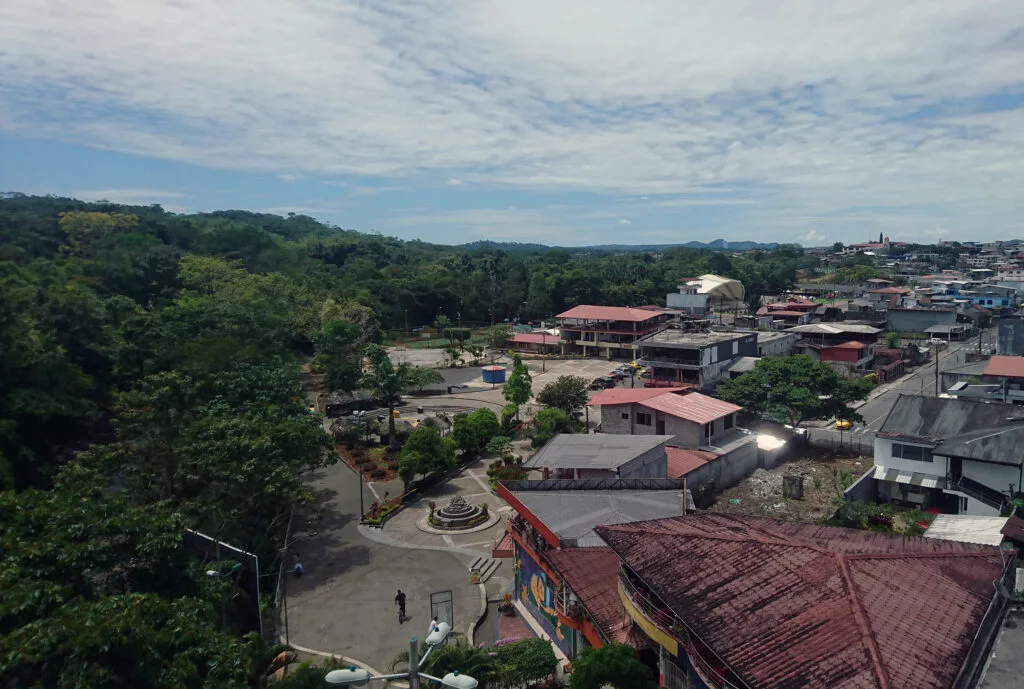
Exploring Puyo through its food reveals a town that is deeply resilient, proud of its heritage, and rich in natural wonders. By bypassing the packaged tours and navigating the streets independently, travellers gain access to the true culinary heartbeat of the region.
Every plate of maito and every spoonful of volquetero represents an authentic connection to the geography and history of Pastaza, showing that the best discoveries are made when you choose to set your own pace.
Frequently asked questions about Amazonian food in Puyo
Puyo is highly accessible via regular bus services running down the spectacular winding descent from Baños, an ideal route for those travelling without a support vehicle. For cyclists and walkers, the town itself features a compact layout and a scenic river boardwalk, making it exceptionally easy to navigate entirely at your own pace without relying on group transport.
The defining characteristic of maito is the ancient technique of wrapping the ingredients in multiple layers of fresh bijao leaves before cooking. This natural parcel protects the delicate fish from direct flame, locks in moisture, and infuses the dish with a distinct, smoky, and slightly herbaceous aroma unique to the Amazonian rainforest floor.
The dish was born out of rapid urban development in the mid-twentieth century during the construction of the Barrio Obrero district. Market stalls combined shelf-stable coastal components like canned tuna with Andean crops like lupini beans to provide a fast, affordable, high-protein meal for the dump truck drivers, or volqueteros, working the infrastructure project.
Guayusa is a completely non-alcoholic herbal infusion brewed from the leaves of a native holly tree. It is celebrated by independent travellers for providing a smooth, sustained caffeine boost paired with mental clarity and no subsequent jitters, making it an excellent alternative to coffee for long days of exploration.
The evening social culture is best experienced in independent, resident-focused spaces like Jungla Amazon Pub. Instead of catering to large tour groups, these venues offer a grounded look at modern Puyo nightlife, highlighting regional craft beers and traditional hot canelazo made with local sugarcane alcohol.
Ecuador.
Pure wonder on the equator.