Sacred waters and ancestral steps / The history of Laguna Cuicocha and Inti Raymi
Discover the history of Laguna Cuicocha in Ecuador, its spiritual role in Kichwa culture, and the sacred Inti Raymi ritual bath
Sacred volcanic waters meet solstice dances of Cotacachi
BEN FINCH
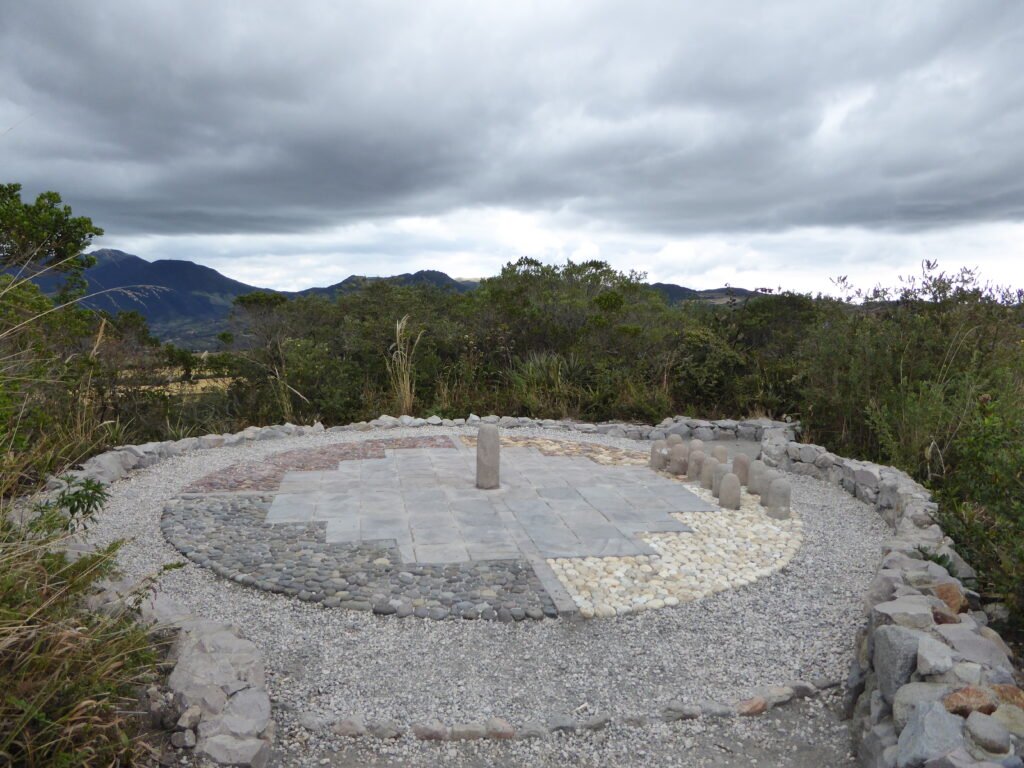
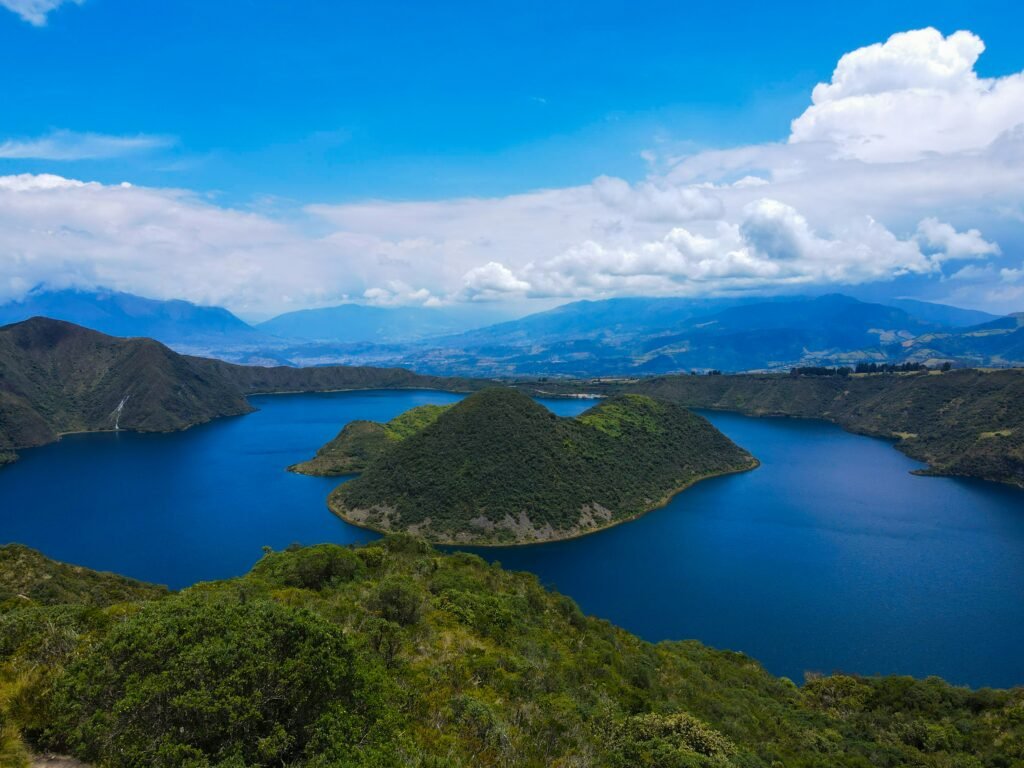
High in the northern highlands of Ecuador, cradled in the shadow of the dormant Cotacachi Volcano, lies a crater lake of extraordinary depth and quiet intensity: Laguna Cuicocha. To the casual observer, it is a magnificent geological feature—a three-kilometre-wide volcanic caldera filled with mineral-rich turquoise waters surrounding two lush lava dome islands.
Yet for the indigenous Kichwa communities of the Imbabura province, this landscape is far more than a scenic stop on an Andean itinerary. It is a living sanctuary, a sacred natural site known as a waka, and an eternal reservoir of spiritual energy.
Every year during the June summer solstice, Laguna Cuicocha becomes the ceremonial heart of Inti Raymi, the ancient Festival of the Sun. To understand Inti Raymi in northern Ecuador is to understand the deep historical bond between the Kichwa people and this sacred lake, where ritual purification, cosmic alignments, and centuries of cultural resilience meet.
Key highlights of Laguna Cuicocha and Inti Raymi
High in the northern Andes, Laguna Cuicocha bridges dramatic volcanic geology and the ancestral spiritual traditions of the Kichwa people. Here are the core cultural, historical, and practical details to keep in mind when exploring this sacred crater lake.
- Sacred geography: Formed by a massive volcanic collapse three millennia ago, this deep caldera lake serves as an ancient waka resting beneath the protective peak of Mama Cotacachi
- Solstice bath: The midnight Armay Tuta ritual purges negative energy and renews physical stamina in the icy volcanic waters prior to days of communal dancing
- Rhythmic footwork: Dancers stomp rhythmically in the zapateo to awaken Pachamama and express gratitude for the annual harvest
- The dual mask: Led by the iconic Aya Huma, dancers embody cosmic balance, honouring past and future while protecting the community
- Rim trekking: A scenic 12-kilometre trail contours the high crater edge, offering vistas across high-altitude páramo and volcanic peaks
- Cultural syncretism: Solstice traditions persist under the cover of Catholic feast days, preserving indigenous identity across centuries of colonial resistance
- Respectful travel: Observing celebrations as a quiet guest helps sustain local Kichwa heritage and community autonomy
Laguna de Cuicocha.
Lake of the guinea pig
The geology and sacred origin of Laguna Cuicocha
To grasp the spiritual stature of Laguna Cuicocha, one must first explore its geological story. Roughly 3,100 years ago, a massive volcanic eruption shattered the southern flank of Cotacachi Volcano.
The collapse of the magma chamber created a deep caldera, which gradually filled with melting mountain snows and mineral springs over subsequent centuries. The result was an alkaline, highly mineralised lake reaching depths of up to 200 metres, where gases still bubble quietly from dormant subterranean vents.
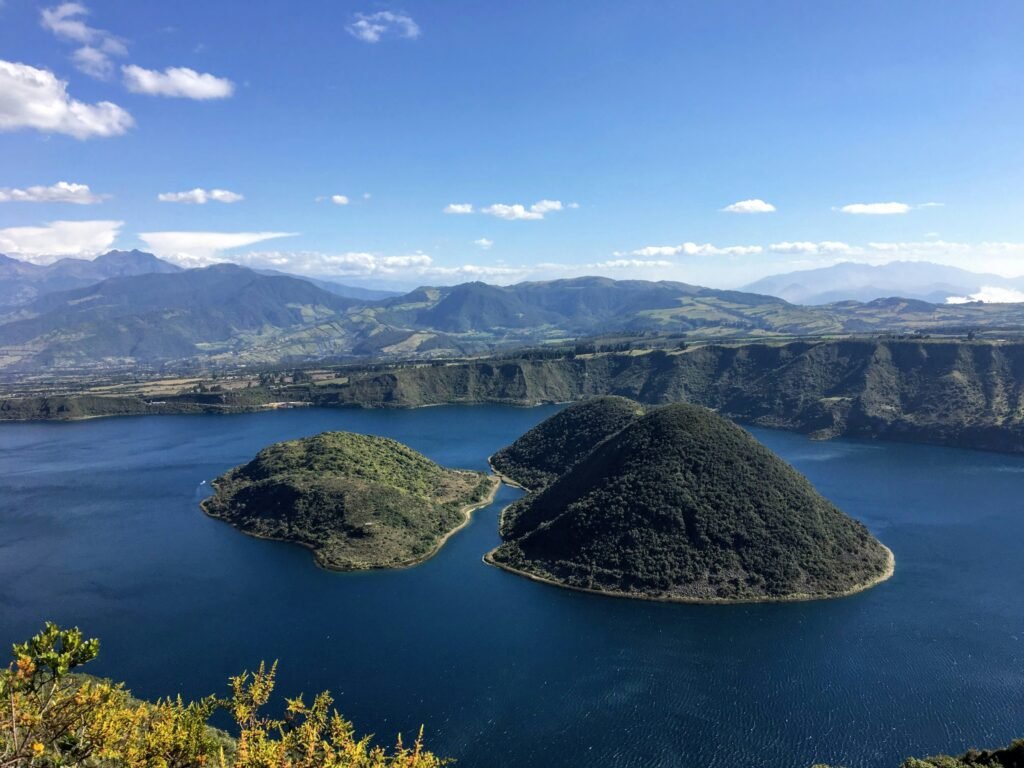
In the Kichwa language, the name Kuykucha carries multiple layers of cultural meaning. The most common interpretation translates to Lake of the Guinea Pig, inspired by the shape of the larger island, Teodoro Wolf, which resembles a resting guinea pig—an animal central to Andean domestic life and ceremonial offerings.
Another linguistic lineage traces the name to Kuychikucha, meaning Rainbow Lake, referring to the dramatic, shifting hues produced by high-altitude sunlight hitting the lake’s mineral content.
Long before the arrival of the Incas or the Spanish, early indigenous inhabitants across the Otavalo Valley recognised the crater lake as a place of supernatural force. In Andean cosmology, natural landforms are alive and endowed with spirit. The lake was viewed as a direct connection to Pachamama, Mother Earth, and an earthly balance to the surrounding mountain spirits, or Apus.
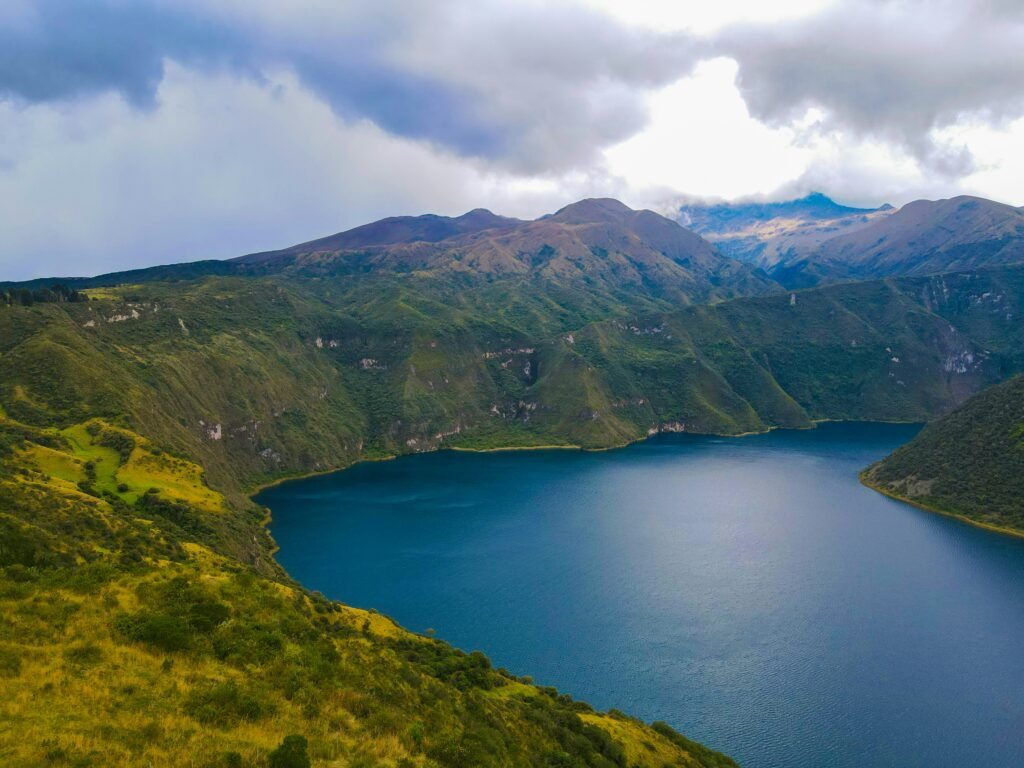
Towering over the basin, Taita Imbabura to the east and Mama Cotacachi directly above form a sacred duality representing fatherhood, motherhood, protection, and fertility. Laguna Cuicocha rests at their feet as a vessel of life-giving water and spiritual power.
The Ecuadorian Sierra.
Get lost in the hills
Inti Raymi and the Andean cosmic worldview
Inti Raymi, meaning Festival of the Sun in Kichwa, is the most vital spiritual and agricultural event in the Andean highlands. Occurring during the June summer solstice, the celebration marks the completion of the harvest cycle and the beginning of a new solar year.
It is a time of profound gratitude offered to Inti, the Sun God who provides light and energy, and to Pachamama, who nourishes the maize crops that sustain community life.
When the Inca Empire expanded into northern Ecuador during the late 15th century, they integrated local Andean sun worship into their formal state ceremonies. However, following the Spanish conquest in the 16th century, Catholic authorities sought to erase indigenous spiritual practices.
Under campaigns such as the Extirpation of Idolatries, traditional rituals were outlawed, and sacred indigenous sites were targeted for destruction.
In response, the Kichwa communities practised a sophisticated strategy of cultural preservation through syncretism. They merged their solstice rituals with the Catholic calendar, aligning Inti Raymi with the feast days of Saint John the Baptist (San Juan), Saint Peter, and Saint Paul.
Under the guise of honouring Catholic saints, community members maintained their ancestral dances, offerings, and ritual baths. In contemporary Ecuador, while the name San Juan is still heard in local usage, the festival has firmly reclaimed its true identity as Inti Raymi—a celebration of indigenous identity, historical continuity, and resistance.
Armay Tuta / The sacred ritual bath in Cuicocha
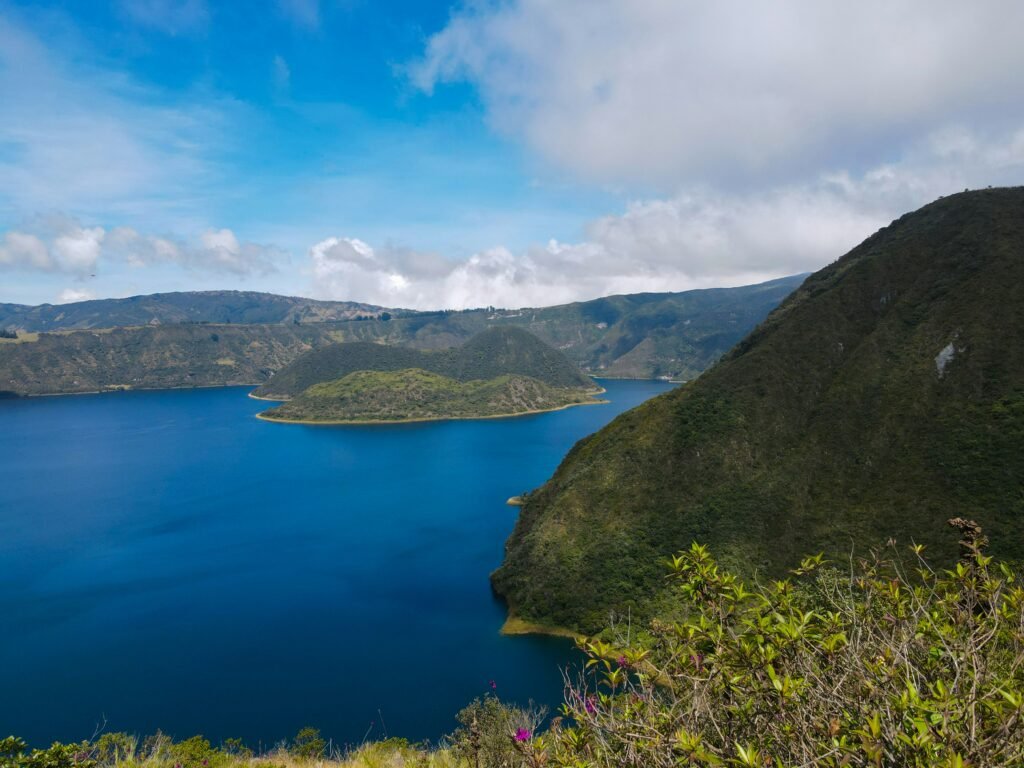
The core of Inti Raymi begins not with loud music or public parades, but in the serene darkness of night at the edge of Laguna Cuicocha. On the eve of Hatun Puncha, the Great Day, shamans known as yachaks, community leaders, dancers, and families make a pilgrimage up the mountain slopes to perform Armay Tuta, the sacred midnight ritual bath.
Water in the Andean worldview is a living, cleansing element capable of absorbing spiritual heaviness and transferring physical vigour. Before entering the lake, participants undergo mental and spiritual preparation, fasting and reflecting on their actions over the past year.
Guided by the yachak, who chants invocations and uses sacred herbs, tobacco, and chicha (a fermented corn drink) to purify the air, bathers submerge themselves in the freezing volcanic waters.
This ritual bath serves a vital dual purpose. Spiritually, the cold water purges negative energy, envy, and fatigue accumulated throughout the year. Physically and psychically, it infuses the bather with fuerza—the physical stamina and spiritual energy necessary to endure the days of continuous, intense dancing that follow.
Emerging from the lake, bathers are warmed by open fires and smoke wafted by the yachak using condor feathers, stepping back onto the shore spiritually renewed and aligned with nature.
The Galápagos.
Ecuador’s Enchanted Isles
The rhythm of Cotacachi / Dance, Aya Huma, and community power
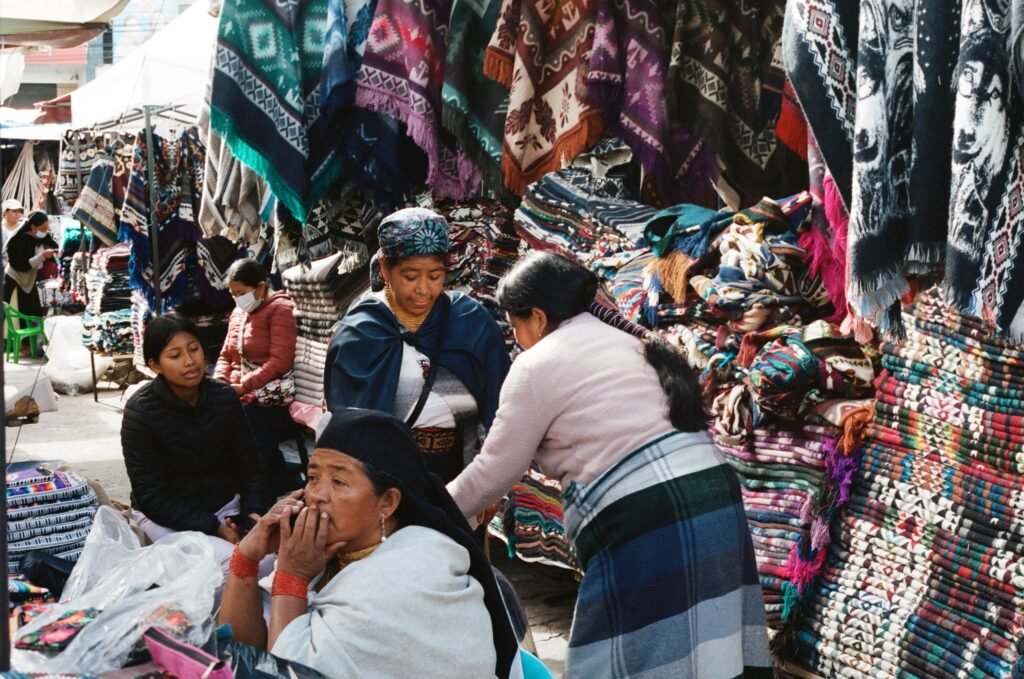
Following the ritual bathing at Laguna Cuicocha, the festival moves into the communities surrounding Cotacachi and Otavalo. The defining element of Inti Raymi in Cotacachi is the zapateo, a powerful, rhythmic foot-stomping dance performed by large groups moving in circular formations.
The zapateo is far more than choreography; it is an active dialogue with the earth. By pounding their boots rhythmically against the ground, dancers physically awaken Pachamama, signalling that the harvest is gathered and offering their energy in return for her abundance. The collective vibration of hundreds of dancers stomping in unison creates a resonant sound that echoes across the valley floor.
Leading these dancing troupes is the Aya Huma, often referred to as Huma Blanco or the spirit of the mountain. The Aya Huma is the spiritual leader and protector of the celebration. Wearing a woven cloth mask with two faces—one looking forward and one looking back—the character represents cosmic duality: day and night, past and future, male and female.
The mask is topped with decorative horns representing agricultural power and spiritual connection. Carrying a whip to dispel negative energy and clear the pathway for dancers, the Aya Huma embodies the strength and authority of the community.
In the town of Cotacachi, the festivities reach their climax when dancers from surrounding rural communities gather to march into the central plaza, taking space to assert their cultural presence, celebrate collective unity, and share food and chicha in an act of deep community reciprocity.
Experiencing Laguna Cuicocha with respect and authenticity
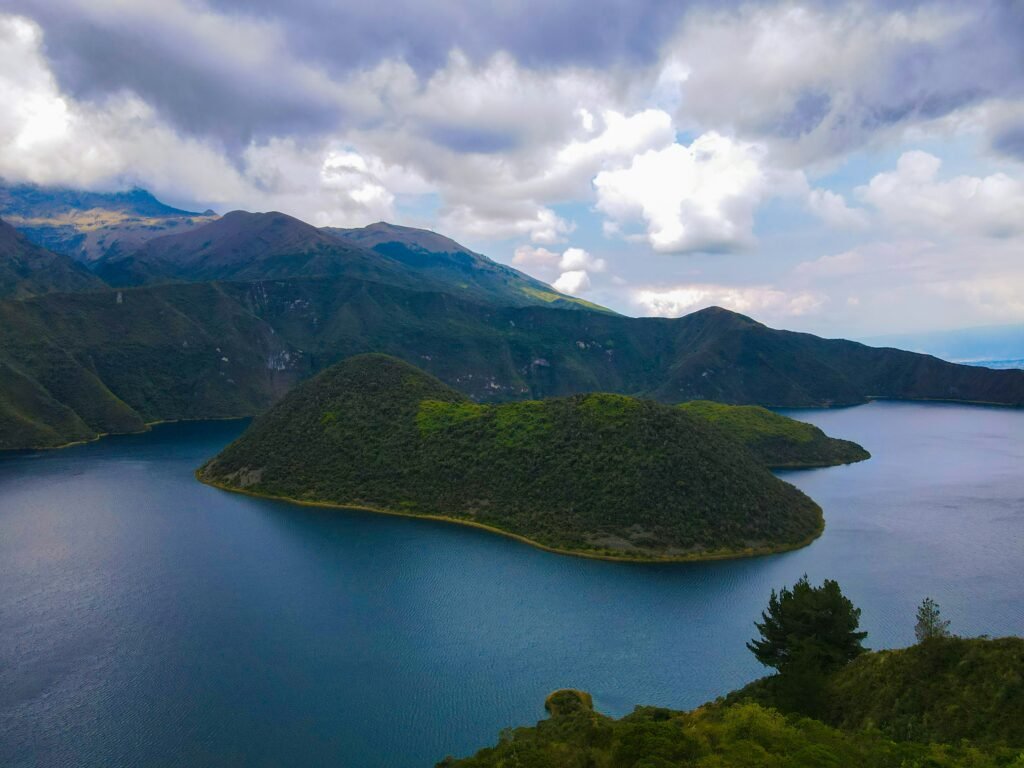
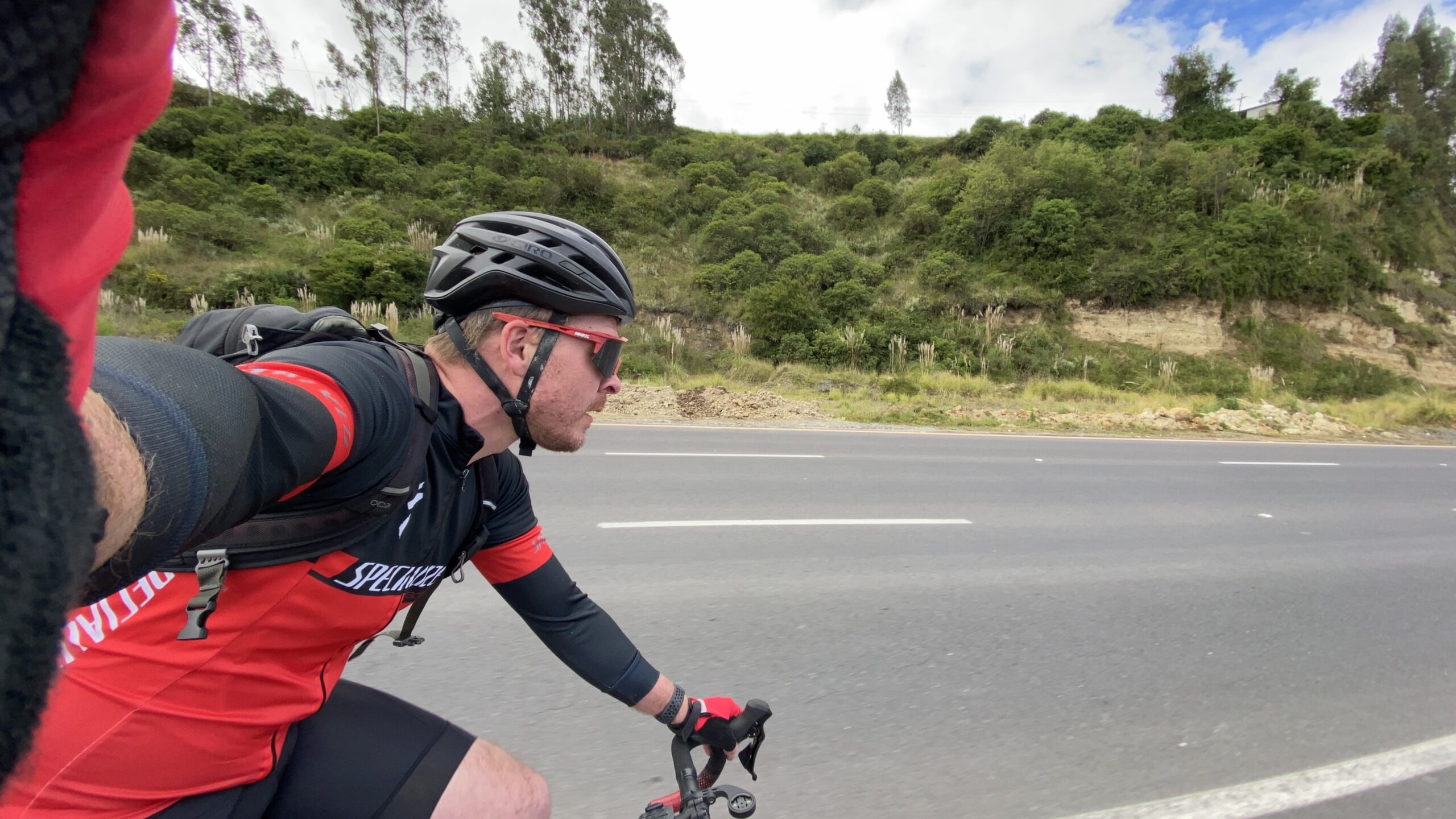
For independent travellers, heritage seekers, and cyclists exploring the Imbabura UNESCO Global Geopark, visiting Laguna Cuicocha offers a rare encounter with a landscape where ancient history remains actively lived.
The 12-kilometre crater rim trail provides breathtaking views across the caldera, high-altitude páramo flora, and the surrounding volcanic peaks. While the lake is accessible throughout the year for trekking and nature observation, visiting during June requires heightened awareness and cultural respect.
During Inti Raymi, Laguna Cuicocha is an active place of worship. Visitors attending or observing local celebrations should act as respectful guests: observe quietly, seek permission before photographing community members, and maintain a non-intrusive presence during sacred rituals.
Supporting local Kichwa guides, purchasing crafts in Cotacachi, and choosing community-focused travel initiatives helps ensure that the economic benefits of tourism directly support the communities preserving this rich heritage.
The Ecuadorian Amazon.
The most biodiverse place in the world
Stand at the edge of northern Ecuador’s living heritage
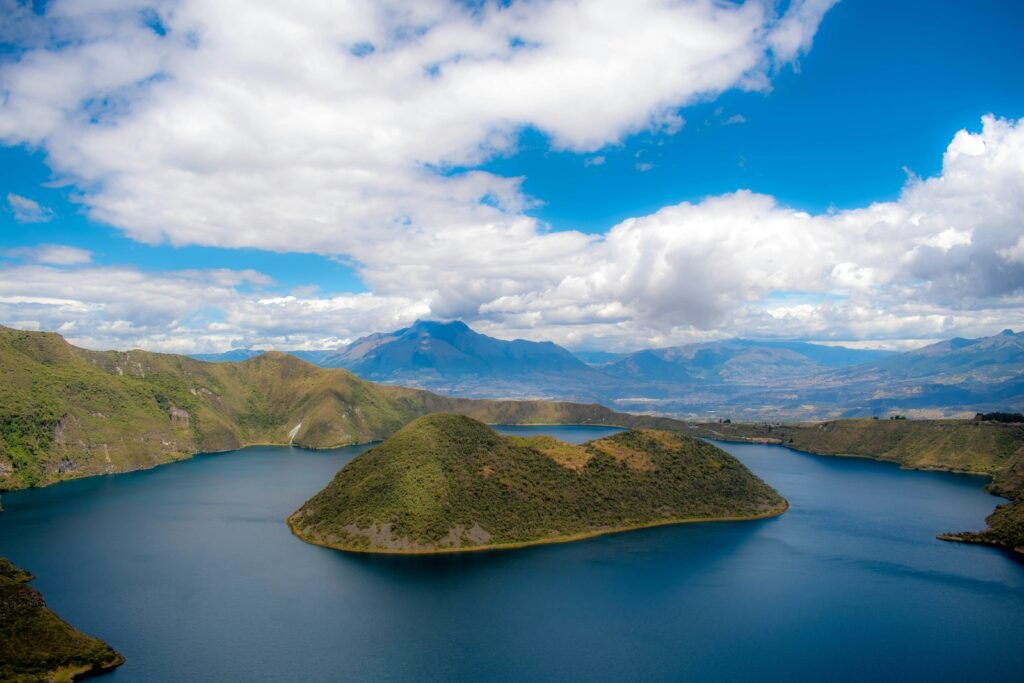
Laguna Cuicocha offers far more than a stunning panoramic vista for passing travellers. It represents an enduring link between the physical landscape of the Imbabura province and the living worldview of the Kichwa people. Standing along the high ridge of the caldera as mist rolls across the quiet mineral waters, you are reminded that this crater is not a passive relic of volcanic history, but an active participant in regional life.
Whether you arrive during the vibrant energy of Inti Raymi or hike the quiet trails during the shoulder season, approaching this landscape with cultural mindfulness is essential. Taking the time to understand the sacred duality of Taita Imbabura and Mama Cotacachi transforms a simple day trek into an immersive encounter with Andean heritage.
As independent travel across South America continues to evolve, places like Cotacachi stand out for their steadfast commitment to cultural integrity. By treading lightly, supporting local Kichwa guides, and respecting sacred rituals like Armay Tuta, independent travellers help ensure these traditions remain vibrant for generations to come.
Pack your boots, embrace the high-altitude air, and let the quiet strength of Laguna Cuicocha reshape how you experience the Ecuadorian highlands. The road up the crater rim is steep, but the reward is a deeper connection to the living story of the Andes.
Affiliate Disclaimer: Some of the links on Wheely Tyred are affiliate links. If you click through and make a booking or purchase, we may earn a small commission at no extra cost to you. We only recommend gear, tours, stays, and services we genuinely use, trust, and stand behind — our editorial independence always comes first. These commissions help keep our independent cycling guides and travel stories free to read. Thanks for supporting the ride!
The Ecuadorian Coast.
Where you’ll find the very best food
Frequently asked questions about Laguna Cuicocha and Inti Raymi
Take a local bus from Otavalo to the nearby town of Cotacachi, which takes roughly 25 minutes. From the central square or bus terminal in Cotacachi, local pick-up trucks (camionetas) or taxis run directly up to the Laguna Cuicocha visitor centre entrance in about 20 minutes.
Inti Raymi is celebrated around the June summer solstice, primarily between 21 June and the end of the month. The sacred midnight ritual bath (Armay Tuta) generally takes place on the eve of 22 or 23 June at the edge of the crater lake.
While travellers are welcome to witness public celebrations in towns like Cotacachi, the midnight bath at the lake is a deeply sacred spiritual practice for local Kichwa communities. Visitors should remain respectful, observe quietly from a distance, and avoid taking photographs unless explicit permission is granted by a local yachak (shaman) or community leader.
The loop trail around the crater rim is approximately 12 kilometres long and takes between 4 and 5 hours to complete. The altitude ranges from 3,100 to 3,500 metres above sea level, so proper acclimatisation, sturdy footwear, sun protection, and plenty of water are essential.
The visitor centre near the entrance features basic restrooms, a park office, and a lakeside restaurant serving traditional highland dishes such as locro de papa (potato soup) and local trout. For a wider selection of eateries and coffee shops, head into the town of Cotacachi.
Cycling directly around the narrow foot trail of the crater rim is strictly prohibited to prevent soil erosion and ensure hiker safety. However, the paved mountain road leading from Cotacachi up to the caldera entrance makes for an invigorating, scenic high-altitude climb for road cyclists and bikepackers.
Ecuador.
Pure wonder on the equator.