Best Lake Cuicocha day tours / Top guided hikes, cultural walks and excursions in Ecuador
Guided excursions to Laguna de Cuicocha, Otavalo Market and Cotacachi
Discover volcanic crater lakes, Kichwa traditions and Andean highlands
BEN FINCH
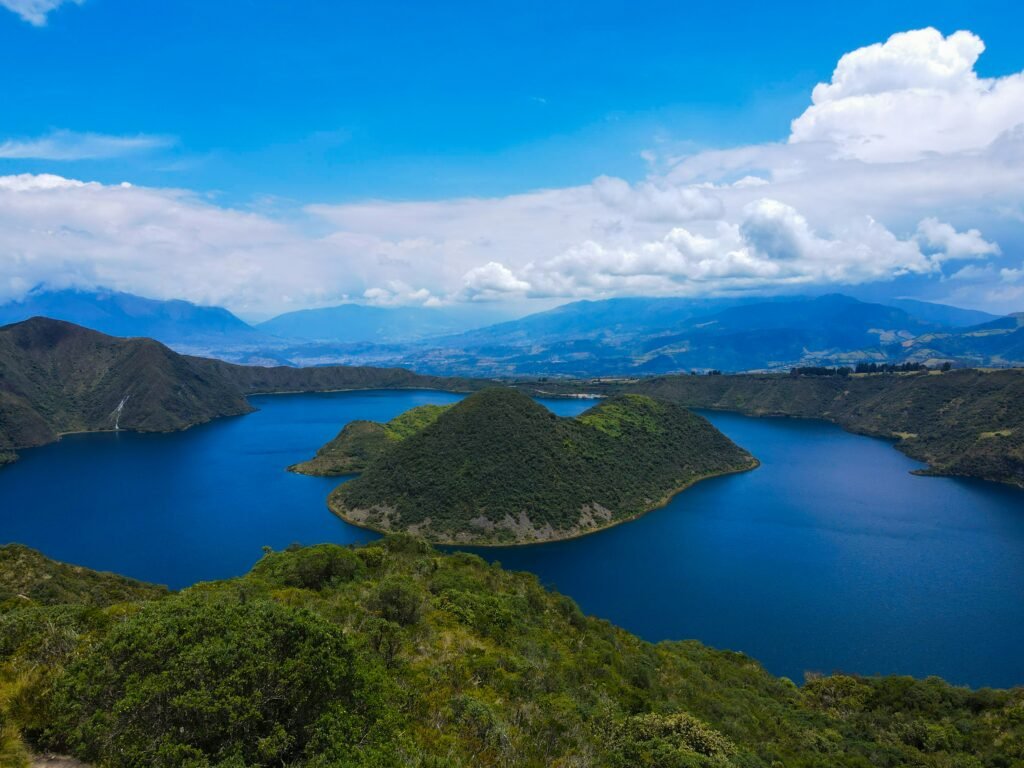
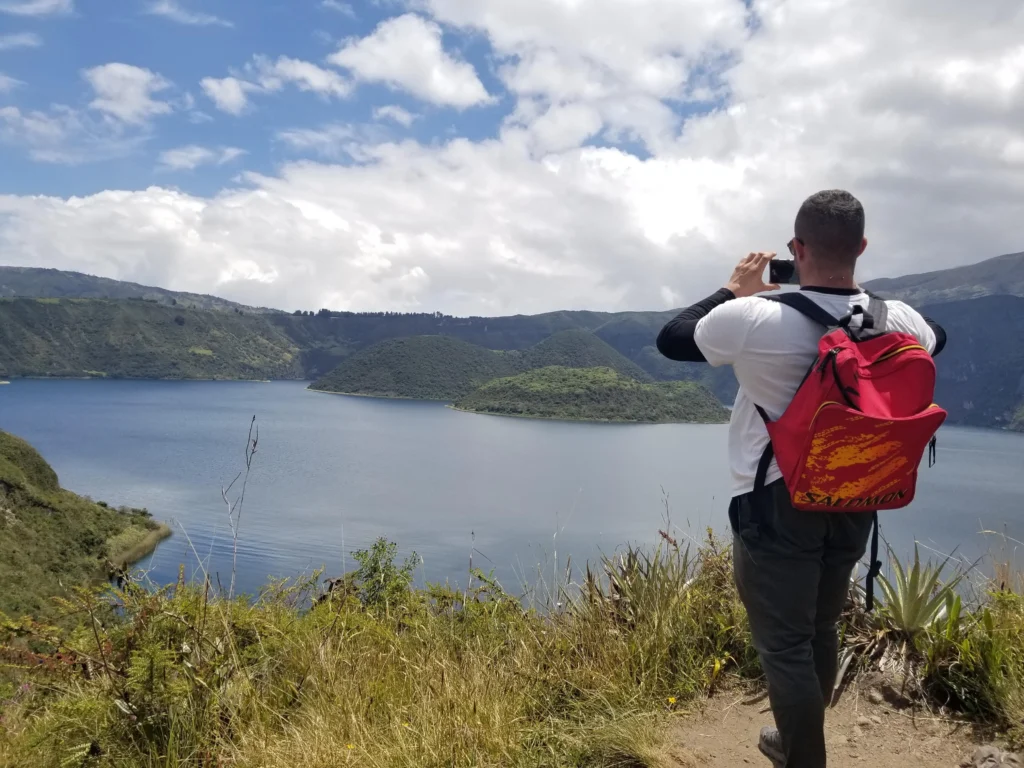
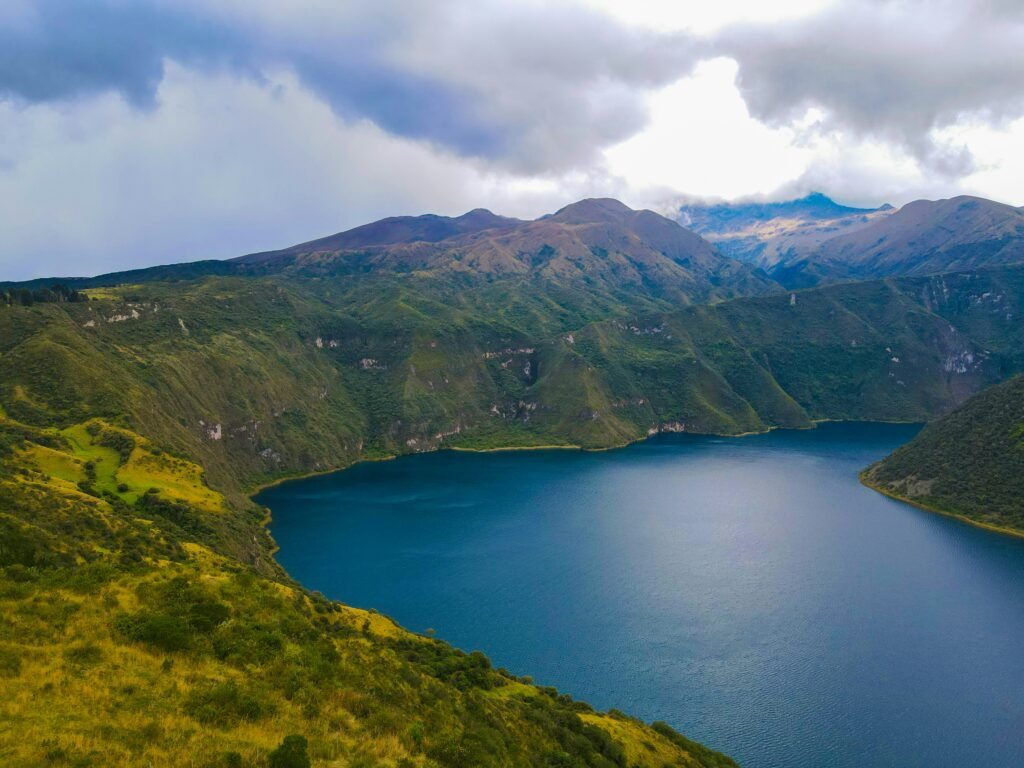
Perched at an elevation of over 3,100 metres within the Reserva Ecológica Cotacachi-Cayapas, Laguna de Cuicocha is one of South America’s most striking volcanic crater lakes.
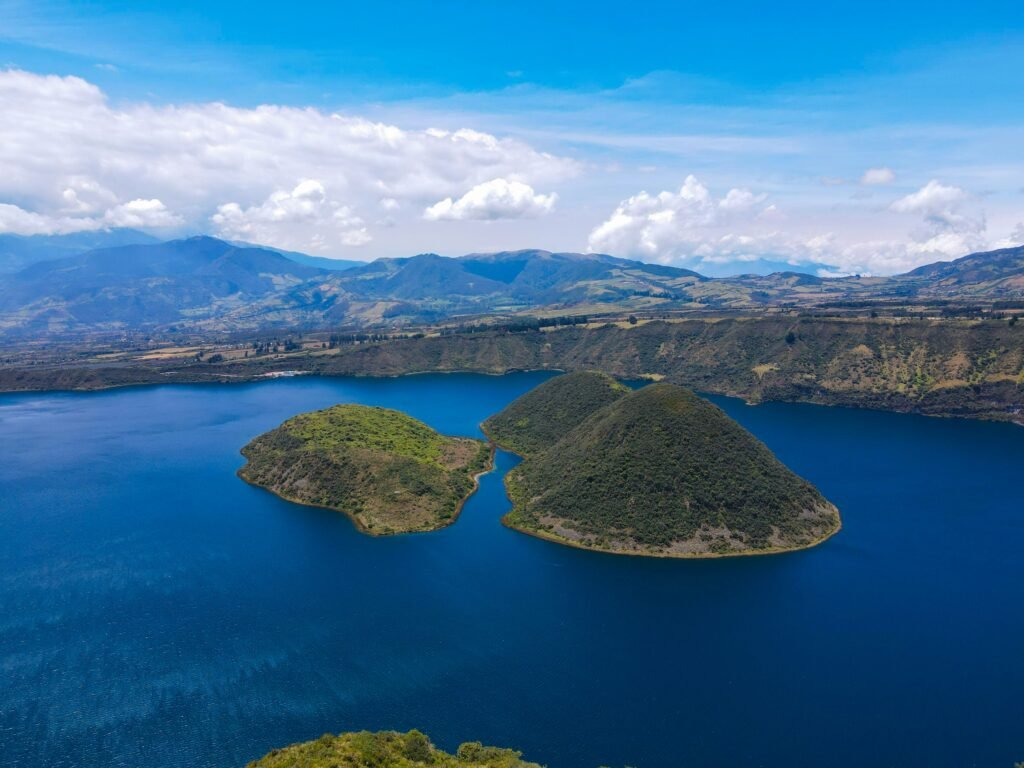
Formed by a massive phreatic eruption roughly 3,100 years ago at the foot of Volcán Cotacachi, this deep, emerald-hued caldera shelters two dense dacite dome islands—Yerovi and Teodoro Wolf. In the native Kichwa language, the lake is known as Tsui-Cocha (Lagoon of the Gods) or Guagua Cuicocha (Lake of the Guinea Pigs), named for the distinctive rodent-like shape of its central islands.
For independent travellers exploring the northern Sierra of Ecuador, Laguna de Cuicocha offers a dramatic juxtaposition of high-altitude páramo ecology and rich indigenous heritage. However, navigating the logistics between Quito, the artisan hubs of Otavalo and Cotacachi, and the perimeter trails of the caldera can prove challenging without local transport.
Generic, commercial coach tours frequently rush visitors through ten-minute photo stops, dragging groups between souvenir shops while missing the ecological depth and sacred stillness of the lake itself.
At Wheely Tyred, we champion slow, autonomous travel that directly supports local communities and respects the environment. Joining a thoughtfully curated small-group or private excursion unlocks access to expert local guides who can interpret the high-Andean flora, facilitate meaningful interactions with Kichwa artisans, and handle high-altitude transport seamlessly.
Below, we have vetted six outstanding, bookable day tours that offer authentic, immersive experiences around Laguna de Cuicocha and the Imbabura province.
At a glance / The spirit of the northern Sierra
Exploring the volcanic calderas and Kichwa artisan towns of Imbabura reveals a landscape where ancient Andean ecology meets vibrant cultural traditions. Here are the defining elements of a day spent wandering the northern highlands of Ecuador:
- Laguna de Cuicocha: A dramatic 3,100-metre volcanic caldera lake anchored by two sacred dacite islands, known in Kichwa as Tsui-Cocha or the Lagoon of the Gods
- Full Rim Trekking: A demanding 14-kilometre rim trail reaching 3,450 metres, offering high-altitude páramo scenery, endemic orchids, and sightings of soaring Andean condors
- Otavalo’s Artisan Heritage: Home to South America’s iconic Plaza de Ponchos, where traditional Kichwa weavers showcase centuries of textile craft and backstrap loom techniques
- Cotacachi Leathercraft: A peaceful mountain town celebrated for hand-stitched leather goods and quiet café culture away from the main tourist trail
- Highland Gastronomy: Sampling regional delicacies along the route, from wood-fired bizcochos and queso de hoja in Cayambe to fresh chirimoya in Guayllabamba
- Sacred Waters of Peguche: A native forest reserve surrounding Cascada de Peguche, an ancient waterfall central to indigenous Inti Raymi cleansing rituals
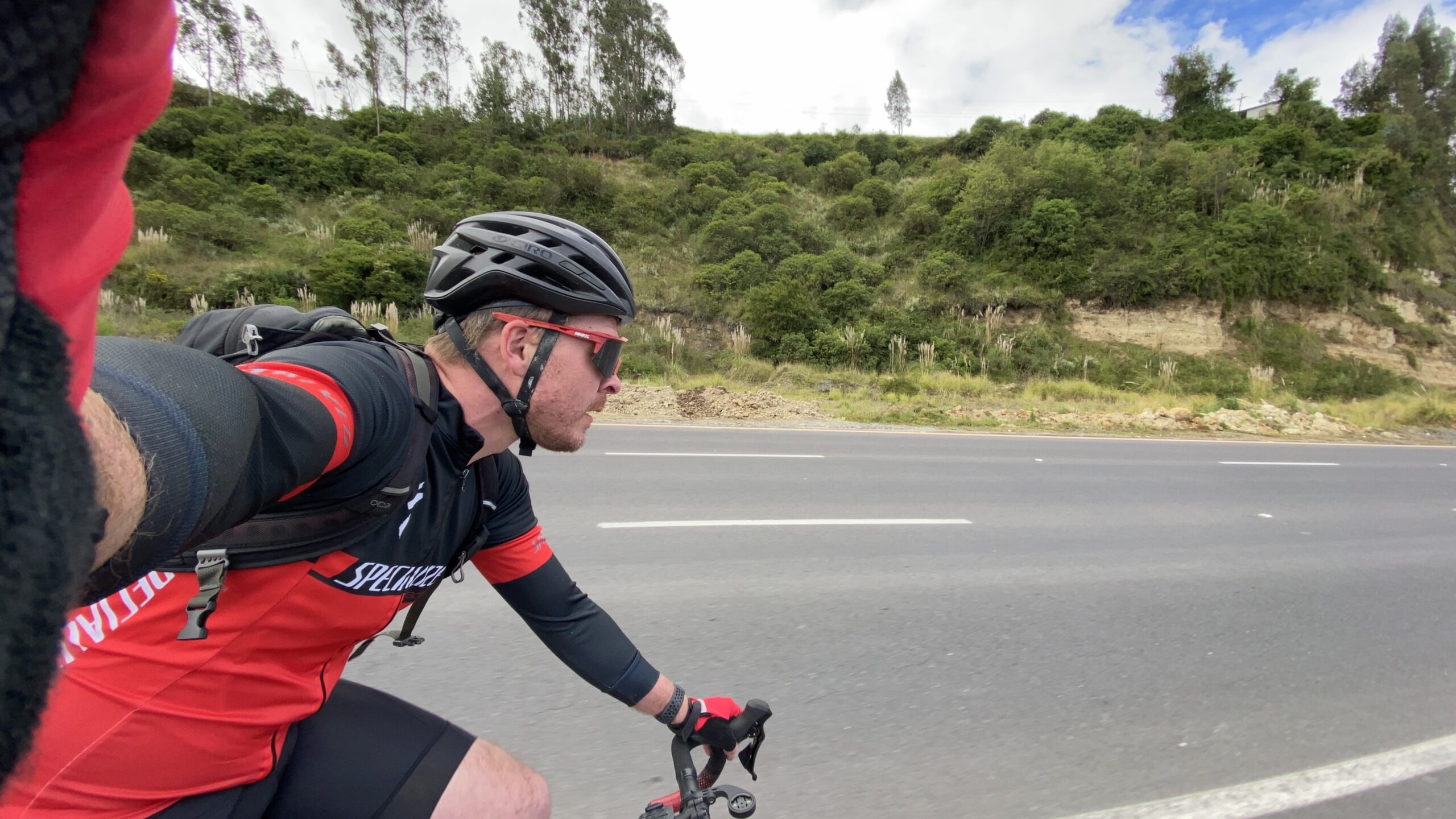
- Backroad Biking: Navigating dirt trails, cobblestone lanes, and rural Kichwa hamlets on two wheels for an intimate look at Andean agrarian life
Laguna de Cuicocha.
Lake of the guinea pig
Full crater rim trekking in Cotacachi-Cayapas
Rating & reviews
(5+ verified reviews on GetYourGuide)
Why this tour stands out
If your primary reason for visiting Laguna de Cuicocha is to lace up your boots and complete the full 14-kilometre crater rim circuit, this focused trekking tour is the gold standard. Departing directly from Otavalo, the experience bypasses crowded shopping stops in favour of maximum time on the trail.
Accompanied by a specialised mountain guide, you will spend approximately five hours navigating the ridgeline that circles the crater, taking in panoramic views of Volcán Imbabura and Volcán Cotacachi.
Unlike fast-paced sightseeing trips, this itinerary allows trekkers to digest the ecological nuances of the high páramo. Your guide identifies endemic orchids, bromeliads, wild lupines, and relict Polylepis (paperbark) trees, while pointing out high-altitude bird species such as the Andean condor and silvery grebe.
After completing the loop, the tour transitions down to the town of Cotacachi, offering relaxed free time to enjoy a quiet coffee and wander past local leather workshops.
Key highlights
- Complete 5-hour guided trek along the entire perimeter rim of Laguna de Cuicocha
- Small-group format (maximum 10 participants) ensuring personal attention and safety
- Expert ecological interpretation of high-altitude páramo flora and fauna
- Post-hike cultural downtime in the artisan town of Cotacachi
- Round-trip private transport from Otavalo
Ideal for
Active hikers, trail runners, and nature enthusiasts seeking an immersive, physically engaging day outdoors rather than a bus-bound sightseeing tour.
Local insight
The crater trail fluctuates between 3,100 m and 3,450 m above sea level, featuring steep exposed inclines and sudden winds. Pack at least 1.5 litres of water, high-SPF sun protection, a windproof shell, and sturdy hiking boots with good tread.
Complete northern Sierra cultural & volcanic highlights
Rating & reviews
(15+ verified reviews on GetYourGuide)
Why this tour stands out
For travellers based in Quito who want to experience the dramatic volcanic landscapes of Imbabura alongside South America’s largest indigenous market in a single day, this comprehensive excursion hits every mark.
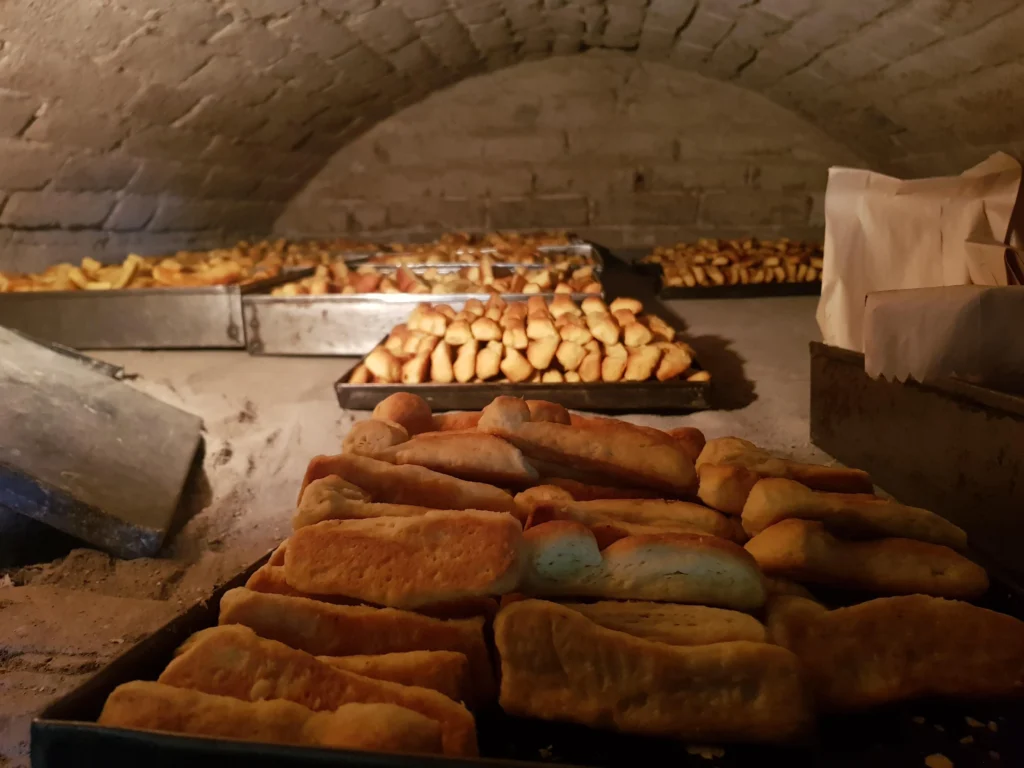
Leaving the capital early in comfortable transport, the route heads north across the equatorial line, stopping first at a traditional bakery in Cayambe to taste warm bizcochos (flaky butter biscuits baked in wood-fired ovens) paired with queso de hoja (local cheese wrapped in achira leaves).
The journey continues past Lago San Pablo to the vibrant Plaza de Ponchos in Otavalo, where Kichwa weavers display intricate textiles, alpaca garments, and wood carvings.
From the bustling market square, you ascend into the quieter altitudes of Cotacachi-Cayapas Ecological Reserve for an extended stop at Laguna de Cuicocha. The trip strikes a fine balance between bustling commerce and mountain serenity, giving guests time to hike part of the rim trail or take a boat ride around the inner islands.
Key highlights
- Culinary pit-stop at an authentic bizcocho bakery in Cayambe
- Guided visit and shopping time at Otavalo’s world-famous Plaza de Ponchos
- Exploration of Cotacachi’s artisanal leather trade
- Scenic nature stop and crater walk at Laguna de Cuicocha
- Hassle-free hotel pickup and return transport from Quito
Ideal for
First-time visitors to Ecuador and culture lovers who want a seamless, well-paced day trip from Quito covering gastronomy, handicrafts, and volcanic scenery.
Local insight
When shopping at Plaza de Ponchos, respectful negotiation is accepted, but remember that these handcrafted items represent days of skilled labour. Support small, independent weaver stalls rather than mass-import resellers.
The Ecuadorian Sierra.
Get lost in the hills
Immersive Andean gastronomy, artisan workshops and sacred cascades
Rating & reviews
(28+ verified reviews on GetYourGuide)
Why this tour stands out
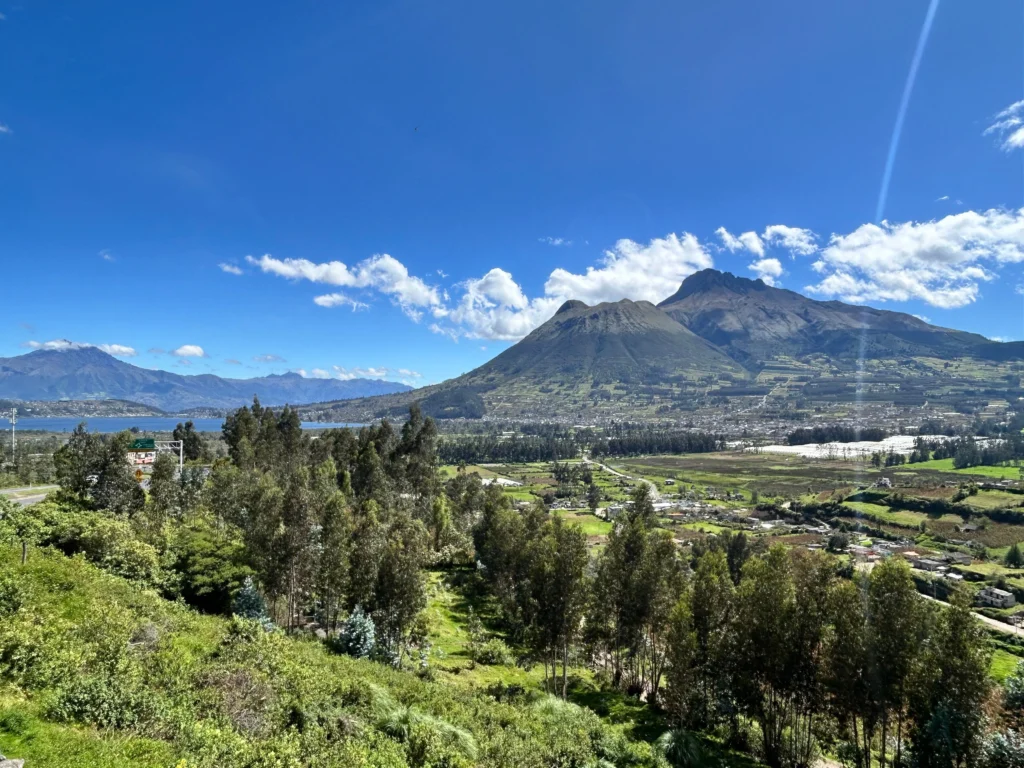
This top-rated excursion places deep cultural immersion at the centre of its itinerary. Starting with a tasting of exotic chirimoya (custard apple) in the fertile Guayllabamba Valley, the tour weaves through regional culinary traditions before taking guests beyond standard tourist haunts. In addition to visiting the Plaza de Ponchos market, this itinerary includes private entry into family-run artisan workshops.
Guests visit the home of master weaver José Cotacachi to witness ancient backstrap loom techniques firsthand, alongside local luthiers crafting traditional Andean wind and string instruments.
The day also includes a tranquil walk through native Andean forest to Cascada de Peguche—a sacred waterfall used for ritual cleansing baths during the annual Inti Raymi festival—before concluding with sweeping views of Laguna de Cuicocha and Lago San Pablo.
Key highlights
- Exotic fruit tasting of chirimoya in Guayllabamba and bizcochos in Cayambe
- Behind-the-scenes visits to indigenous weaving and musical instrument workshops
- Guided walk to the sacred Kichwa waterfall of Peguche (Cascada de Peguche)
- Exploration of Otavalo Market and scenic overlooks of Laguna de Cuicocha
- Led by knowledgeable bilingual local guides passionate about Andean ethnography
Ideal for
Travellers looking for cultural depth, heritage craft demonstrations, and authentic connections with indigenous Kichwa families.
Local insight
Peguche Waterfall is a sacred spiritual site (huaca). Keep voices respectful, stay on the designated timber pathways, and avoid leaving any litter in the surrounding forest reserve.
Deep historical tapestry and pre-Inca heritage
Rating & reviews
(6+ verified reviews on GetYourGuide)
Why this tour stands out
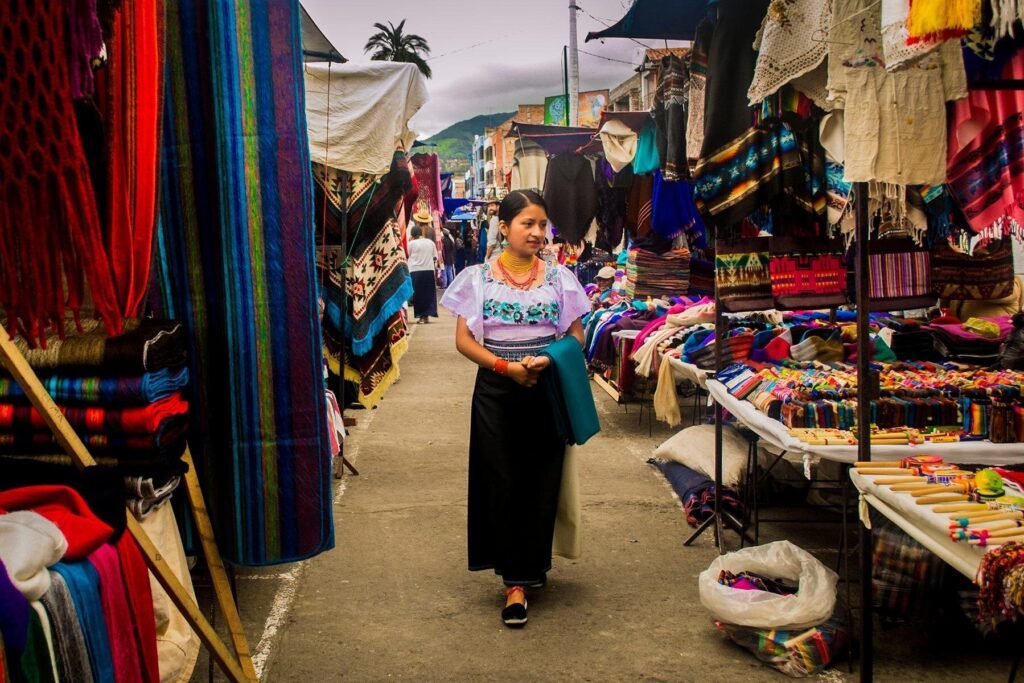
Operated under the Go F.A.R. Project Ecuador initiative, this tour is designed around community-based economic vitality and historical education. Rather than simply presenting Otavalo as a shopping destination, your guide details the multi-layered history of the region—from the pre-Inca Quitu-Cara civilisation and Inca conquest through Spanish colonisation to modern indigenous rights movements.
The itinerary offers valuable flexibility: depending on group preference and weather conditions, guides can adjust the afternoon to focus either on trekking around the crater rim of Laguna de Cuicocha or exploring the sacred trails of Peguche. The trip includes a sit-down traditional lunch at a community restaurant in Cotacachi, ensuring your travel spend benefits local culinary entrepreneurs directly.
Key highlights
- Focus on sustainable tourism supporting indigenous community development
- Deep historical narrative covering Quitu-Cara, Inca, and Kichwa heritage
- Flexible itinerary choices between Laguna de Cuicocha and Peguche Waterfall
- Traditional Andean lunch included at a local artisan eatery in Cotacachi
- Scenic photo stops at Lago San Pablo framed by Volcán Imbabura
Ideal for
Conscious travellers, history buffs, and those who want their trip expenditures to directly benefit local Andean host communities.
Local insight
Cotacachi is celebrated for fine leatherwork. Look for small family shops along the main street (Calle 10 de Agosto) where artisans hand-stitch boots, jackets, and bags using locally sourced materials.
The Galápagos.
Ecuador’s Enchanted Isles
Active exploration of the Andean highlands on two wheels
Rating & reviews
(8+ verified reviews on Viator)
Why this tour stands out
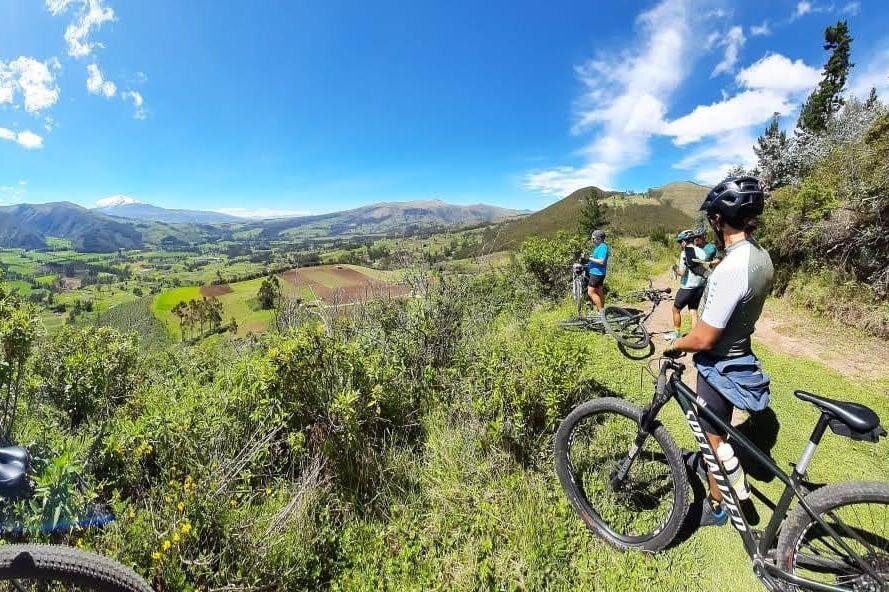
For the Wheely Tyred community, experiencing the Andean countryside from the saddle of a bicycle is the ultimate way to travel. This active day tour replaces highway minibuses with dirt backroads, cobblestone lanes, and singletrack trails surrounding Otavalo, Cotacachi, and Laguna de Cuicocha.
Led by an experienced local mountain bike guide, you ride past rural agricultural plots, ancient eucalyptus groves, and remote Kichwa hamlets rarely visited by standard tour groups.
The route is tailored to participant fitness and technical skill, offering a mix of rolling terrain and thrilling highland descents with views of the Imbabura mountain range. Cycling through rural farmland offers an intimate perspective on everyday mountain life—from farmers harvesting corn and lupine (chochos) to weavers drying dyed wool in the sun.
Key highlights
- Off-the-beaten-path cycle tour traversing agricultural trails and rural villages
- High-quality front-suspension mountain bikes, helmets, and safety gear provided
- Personalised pace guided by a local mountain bike expert
- Spectacular vantage points overlooking Laguna de Cuicocha and Lago San Pablo
- Vehicle support on hand for gear transport and steep climbs
Ideal for
Cyclists, active adventure seekers, and independent travellers looking for an energetic, non-motorised way to experience the northern Sierra.
Local insight
High-altitude cycling requires careful pacing and sun protection. Temperatures can shift rapidly from bright sunshine to cold mountain rain; wear breathable layers and carry a lightweight waterproof jacket in your daypack.
Tailored heritage, leather crafting and sacred waters
Rating & reviews
(33+ verified reviews on Viator)
Why this tour stands out
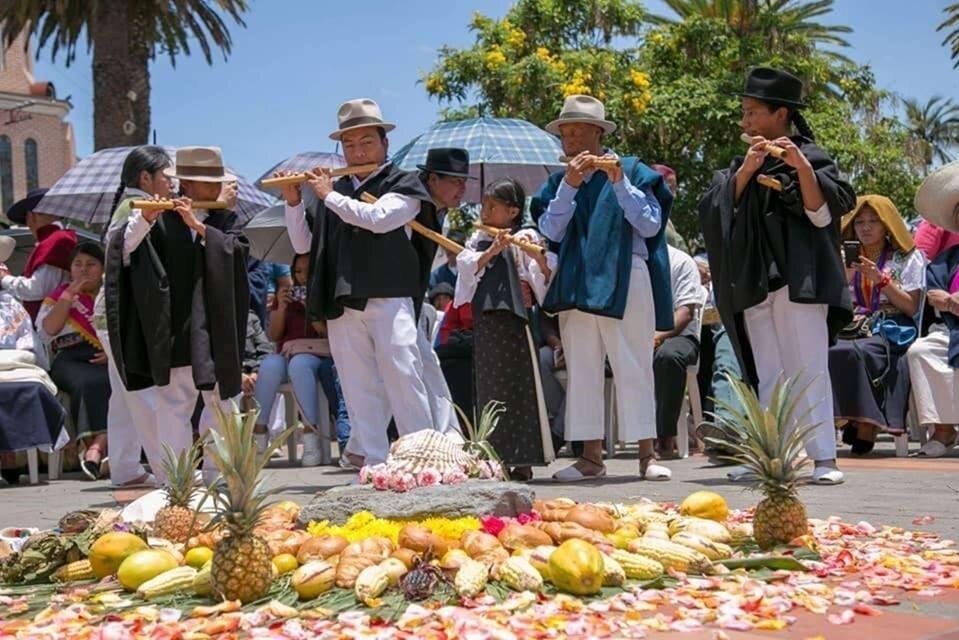
If you prefer the flexibility of a private vehicle and a dedicated guide tailored strictly to your party’s pace, this full-day private tour from Quito is hard to beat. Without the rigid schedules of large coach groups, your private driver-guide can adjust stops based on your personal interests—whether that means spending extra time photographing the crater rim at Laguna de Cuicocha, delving deeper into textile hunting at Plaza de Ponchos, or visiting the Quitsato Equatorial Monument.
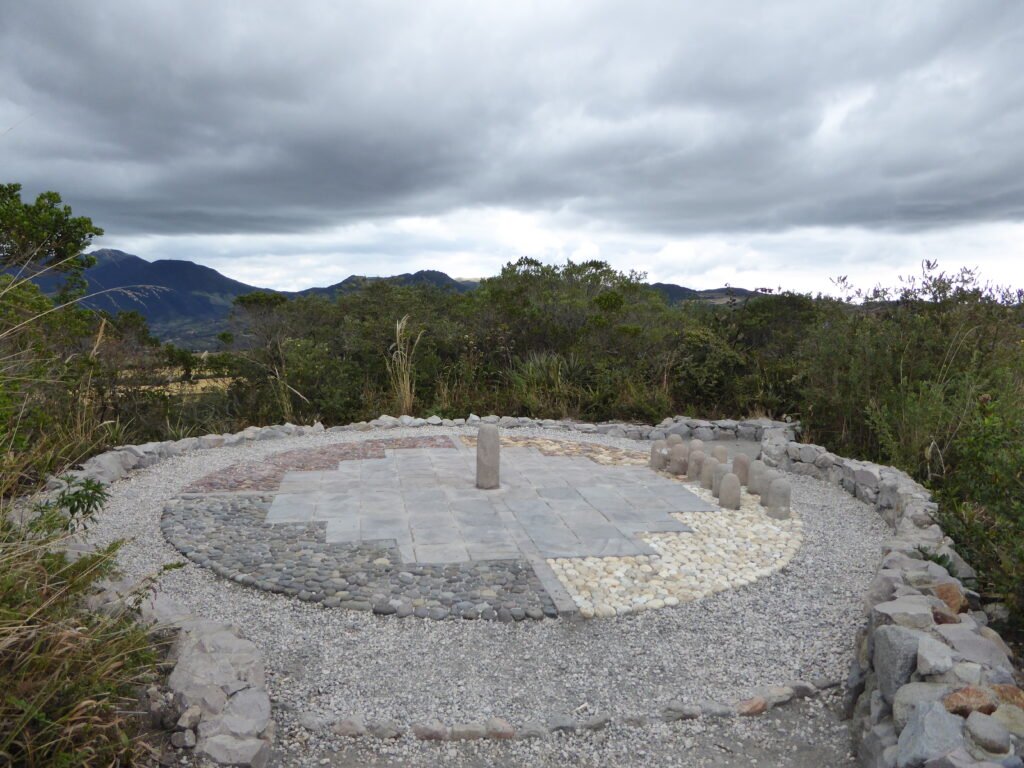
The tour covers the complete northern circuit: Quitsato (where the equatorial line is marked by a massive solar dial), Cayambe, Otavalo, the leather workshops of Cotacachi, the sacred Peguche Waterfall, and the shores of Laguna de Cuicocha.
Key highlights
- 100% private door-to-door transport from Quito hotels in modern vehicles
- Fully flexible, customizable itinerary customised to your physical pace and preferences
- Complete coverage of six key regional highlights in a single, relaxed day
- Dedicated private bilingual guide providing focused commentary
- Ideal for families, small photography groups, or couples seeking privacy
Ideal for
Families, couples, small groups, or photography enthusiasts who value private transport, personal safety, and total control over their daily schedule.
Local insight
At Quitsato Solar Dial, your guide can explain how pre-Inca cultures understood the equatorial line centuries before modern GPS devices. It’s a fascinating, uncommercialised alternative to the overcrowded Mitad del Mundo monument complex south of Quito.
The Ecuadorian Sierra.
Get lost in the hills
Our practical Lake Cuicocha excursion planning guide
Executing a day trip into the northern Sierra requires a small amount of preparation due to high elevation and shifting Andean microclimates. Keep these key recommendations in mind:
Acclimatise before you trek
Laguna de Cuicocha sits above 3,100 metres (10,170 feet), and the rim trail reaches nearly 3,450 metres. Spend at least 48 hours in Quito (2,850 m) or Otavalo (2,550 m) before attempting the full rim hike to avoid acute mountain sickness (AMS). Drink plenty of water and avoid heavy alcohol consumption the night before.
Master the three-layer system
Weather in the Imbabura province can change from clear, intense sunshine to chilly wind and torrential rain within 30 minutes. Wear a moisture-wicking base layer, an insulating fleece mid-layer, and a waterproof, windproof outer shell.
Carry physical cash (US dollars)
While major hotels and high-end leather shops in Cotacachi accept credit cards, the vendors at Plaza de Ponchos, small roadside bizcocho bakeries, and community guide tips operate strictly in cash. Bring small denominations ($1, $5, $10, and $20 bills), as vendors rarely have change for $50 or $100 notes.
Respect local cultural norms
When taking photographs of Kichwa community members—particularly elders and children in traditional attire—always ask for permission first (¿Puedo tomar una foto, por favor?). Buying a small handmade item or leaving a modest tip is a courteous gesture in exchange for photography.
Pack sun & insect protection
Due to the thin atmosphere at high altitude and equatorial proximity, UV radiation is extremely severe. Apply reef-safe SPF 50+ sunscreen, wear UV-blocking sunglasses, and wear a broad-brimmed sun hat, even on overcast mornings.
The Ecuadorian Coast.
Where you’ll find the very best food
Step off the beaten track in Imbabura
Laguna de Cuicocha and the surrounding Imbabura province embody everything we love about slow travel in the Ecuadorian Andes. Far from the sterile bubble of long-distance tourist coaches, these crater trails, sacred waterfalls, and village markets offer an immediate, grounding connection to both the landscape and the Kichwa communities who call it home. Choosing a small-group or private local excursion ensures that your presence directly supports local guides, family-run workshops, and conservation efforts across the reserve.
Whether you choose to spend five hours conquering the windy crests of the caldera rim trail, weave through backroads on a front-suspension mountain bike, or spend quiet hours talking with master weavers in Peguche, the key is allowing yourself time to absorb the atmosphere. High-altitude travel naturally demands a slower pace; rushing through three towns in an afternoon misses the quiet magic of the páramo and the warmth of mountain hospitality.
As you map out your route north from Quito or prepare for a basecamp stay in Otavalo, remember to pack for unpredictable mountain weather, respect sacred natural spaces, and engage generously with the local economy. The northern Sierra rewards those who travel with curiosity, patience, and a willingness to explore on foot or two wheels.
Safe travels across the high passes. Keep your eyes on the ridge lines, support local independent makers, and enjoy every turn of the road.
Affiliate Disclaimer: Some of the links on Wheely Tyred are affiliate links. If you click through and make a booking or purchase, we may earn a small commission at no extra cost to you. We only recommend gear, tours, stays, and services we genuinely use, trust, and stand behind — our editorial independence always comes first. These commissions help keep our independent cycling guides and travel stories free to read. Thanks for supporting the ride!
Frequently asked questions about the best Lake Cuicocha day tours
The 14-kilometre circuit takes between four and five hours to complete. While technically straightforward, the high altitude (starting at 3,100 m and reaching 3,450 m) and short, steep inclines make it moderately challenging. Proper acclimatisation in Quito or Otavalo prior to setting out is essential.
The dry season from June to September generally offers the clearest skies and best trail conditions. However, the highlands can be visited year-round; early mornings are usually bright and dry, while afternoons often bring mist or brief rain showers.
Bizcochos are traditional, buttery, slightly salty biscuits baked in wood-fired ovens. They are a famous culinary speciality of Cayambe, typically served warm alongside queso de hoja (fresh string cheese wrapped in leaves) and manjar blanco (sweet milk caramel).
Yes. Public buses run frequently from Quito’s Carcelén terminal to Otavalo (around two hours). From Otavalo’s central bus terminal, local buses or inexpensive pick-up truck taxis (camionetas) run regularly to Cotacachi and the entrance of the Cotacachi-Cayapas reserve at Laguna de Cuicocha.
Ecuador uses the US dollar ($). While larger leather shops in Cotacachi accept credit cards, you will need physical cash in small denominations ($1, $5, and $10 notes) for market stalls in Otavalo, street food vendors, trail snacks, and rural transport.
Yes, the reserve and surrounding towns are very safe and welcoming. On the rim trail, stay on the marked path to avoid getting disoriented when mountain mists roll in, carry adequate water, and ensure you start early enough in the morning to finish well before dusk.
Ecuador.
Pure wonder on the equator.