
Is Mindo safe in 2027? A detailed travel safety guide to Ecuador’s cloud forest
Crime rates, solo female travel safety tips, and gravel cycling hazards in Mindo, Ecuador
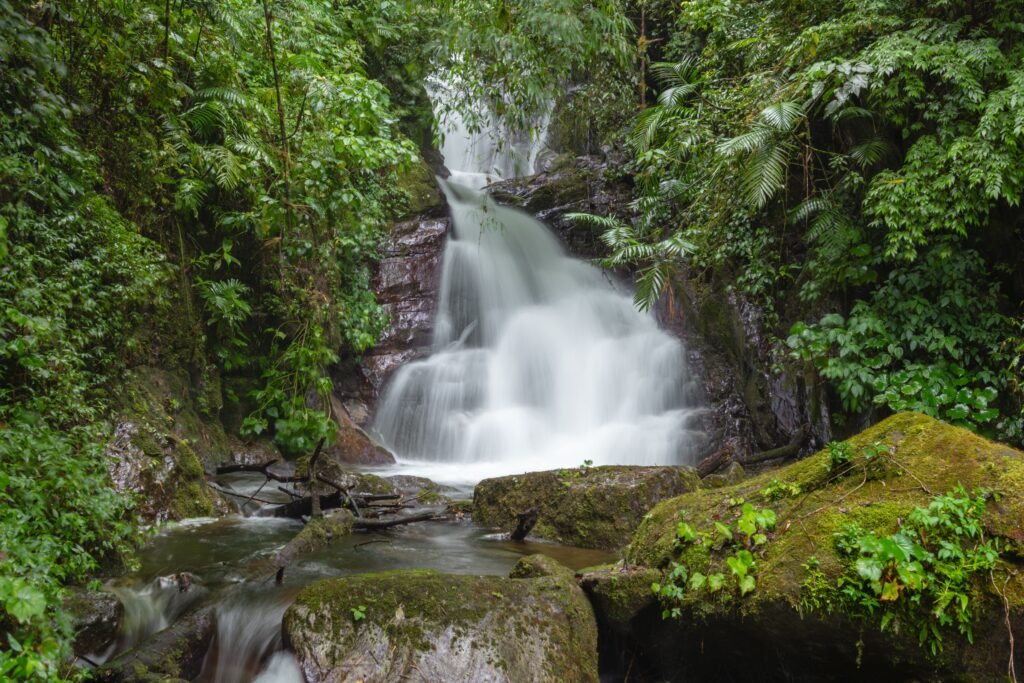
Explore mist-veiled trails, mountain roads, and Andean wildlife with complete peace of mind

BEN FINCH
International headlines regarding security in Ecuador have understandably caused hesitation among prospective travellers. High-profile news reports frequently detail state security measures, gang activity in major coastal port cities such as Guayaquil, and heightened border precautions in Esmeraldas or Sucumbíos provinces.
For anyone planning an itinerary, distinguishing between regional national news and the reality on the ground in specific mountain valleys is essential.
As outlined in our earlier 2026 report on cloud forest safety, security in Ecuador remains localised. Mindo, situated within the Chocó Andino Biosphere Reserve in Pichincha province, continues to operate in a calm atmosphere far removed from urban or coastal unrest.
The town economy relies almost entirely on eco-tourism, birdwatching, chocolate production, and outdoor recreation. Consequently, local residents, business owners, and regional authorities prioritise maintaining a secure, peaceful environment for international guests.
Entering 2027, Mindo remains one of the safest rural destinations in the northern Andean region. Violent crime directed at visitors is extremely rare. The primary concerns travellers face here are not violent threats, but rather transport logistics, mountain weather changes, equipment security, and outdoor environmental hazards.
Essential takeaways on Mindo cloud forest safety
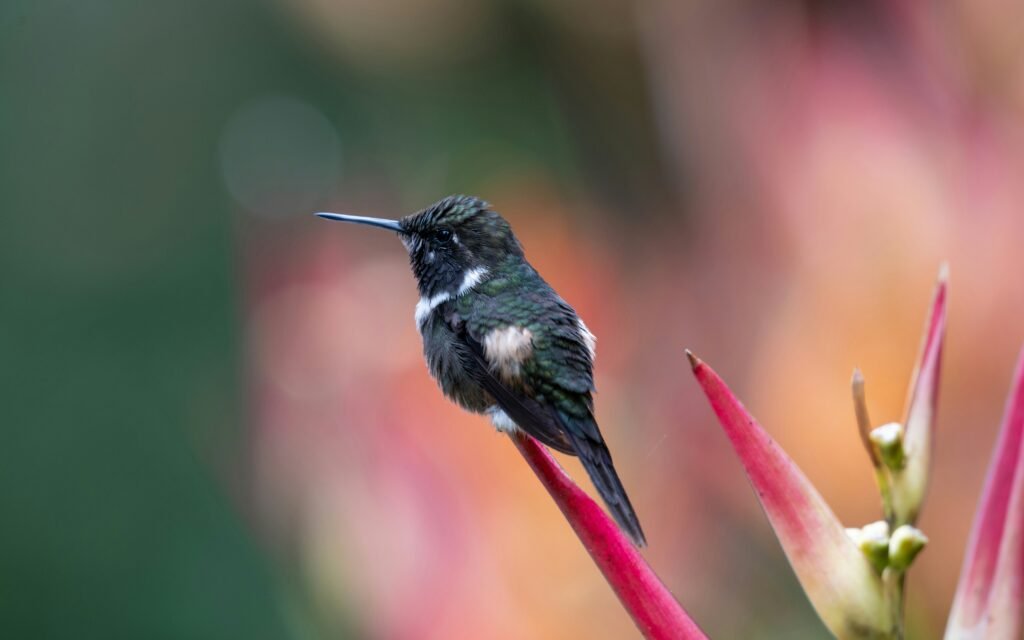
Planning an itinerary into the Chocó Andino Biosphere Reserve requires balancing broader national context with local reality on the ground. Here are the essential safety takeaways for navigating Mindo on two wheels or on foot.
- National versus local security: Mindo remains a peaceful, eco-tourism-focused valley in Pichincha province, operating far removed from the security challenges reported in coastal or urban areas of Ecuador
- Transit terminal vigilance: The highest risk of petty crime occurs outside Mindo at bus terminals in Quito, such as Ofelia or Carcelén; keep daypacks on your lap and stay alert while in transit
- Highway E28 cycling hazards: Descending from Calacalí involves steep mountain gradients, dense mist (garúa), and heavy commercial vehicles; high-visibility gear and bright flashing lights are mandatory
- River flash flood awareness: Heavy mountain downpours cause swift water rises in the Mindo and Nambillo rivers; exit natural pools and tubing runs immediately if the water turns brown or muddy
- Solo female travel confidence: Mindo offers a welcoming, low-stress environment for independent women, with low crime rates and an established network of friendly eco-lodges and tour operators
- Equipment and logistics: Bring dedicated spare components for gravel bikes, download offline trail maps before entering mountain valleys, and use filtered water throughout your stay
Mindo.
The birds and the butterflies
Crime rates and common petty risks in town
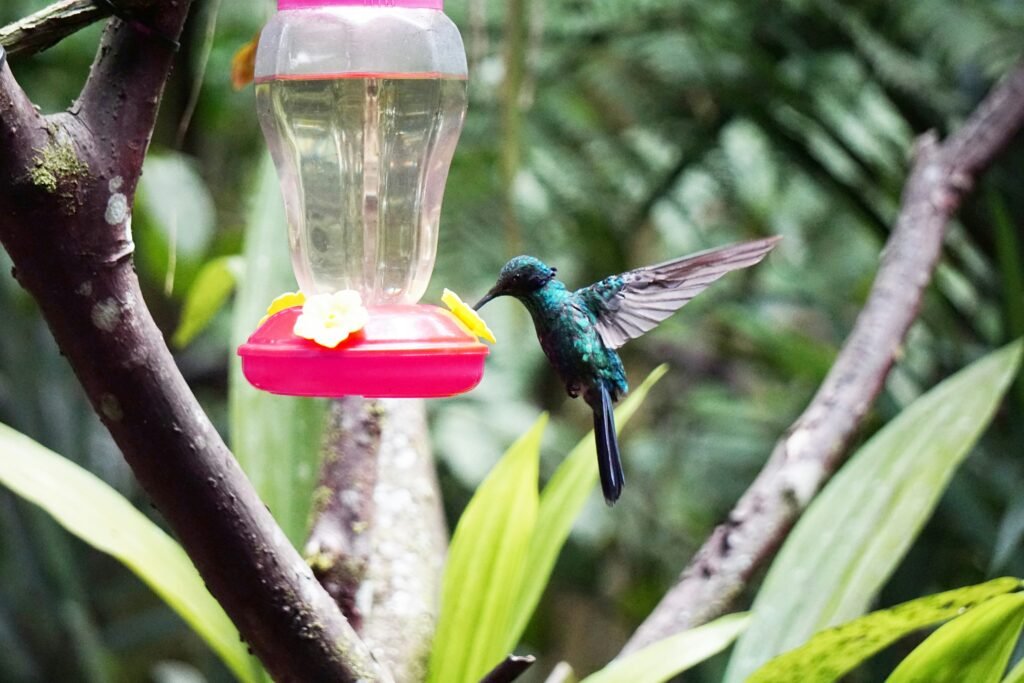
While violent crime figures in Mindo remain negligible compared to major urban hubs, opportunistic petty crime does occur. Understanding where these minor incidents happen allows you to prevent them entirely.
Opportunistic theft in Mindo typically revolves around unattended personal belongings. Cafés, hostel lounge areas, and popular trailheads near waterfalls are the main sites where items go missing if left unwatched.
When stopping for a coffee after a gravel ride, always keep your bike within your direct line of sight and secure the frame with a sturdy lock. Daypacks should never be left unattended on outdoor benches while taking photographs of hummingbirds.
Night-time security within Mindo town is generally peaceful. The central plaza and immediate surrounding blocks are well lit and regularly patrolled by local police officers (Policía Nacional).
However, side streets leading away from the central core toward rural lodges lack street lighting. Walking along unpaved rural lanes after midnight is not recommended, primarily due to poor visibility, uneven dirt surfaces, and the possibility of encountering territorial farm dogs guarding properties.
It is worth noting that the highest crime risk associated with a trip to Mindo actually takes place outside the town itself. The main transit hubs in Quito, including the Ofelia bus terminal and Carcelén terminal, are known areas for pickpocketing and distraction theft.
When taking a public bus from Quito to Mindo, keep your daypack on your lap at all times rather than placing it in overhead luggage racks where attention can drift.
The Ecuadorian Sierra.
Get lost in the hills
Adventure sports, waterfall hikes, and environmental risks
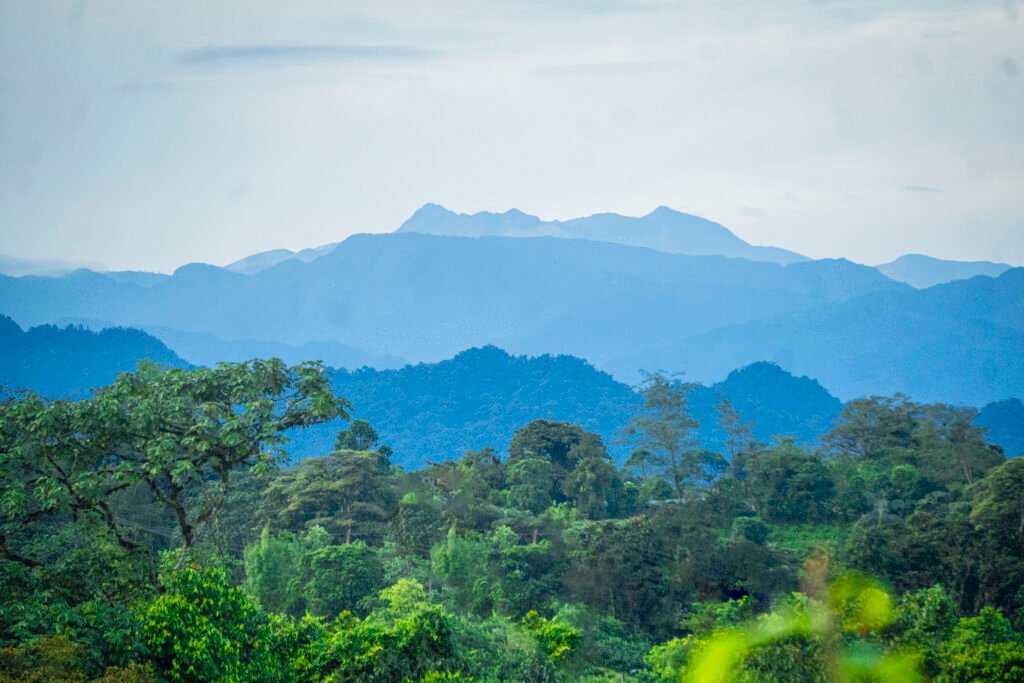
Mindo is renowned as an outdoor playground, offering ziplining, river tubing, canyoning, mountain biking, and rainforest trekking. Participating in these activities safely requires evaluating natural elements and verifying operator credentials.
River safety is paramount. The Mindo River and Nambillo River are fed by mountain watersheds that experience intense rainfall. River levels can rise rapidly within a matter of minutes.
If you are participating in river tubing or swimming near natural pools such as Cascada La Reina or Cascada Nambillo, pay close attention to water clarity and current strength. If the river turns muddy or brown, exit the water immediately, as this indicates a flash flood upstream.
When visiting the Santuario de Cascadas waterfall sanctuary, travellers cross a steep canyon using a cable car system known locally as the tarabita. Commercial operations in Mindo generally adhere to strict safety checks, but it remains wise to inspect safety harnesses, helmets, and attachment points before participating in zipline tours or canyoning runs. Choose established adventure companies with professional guides and positive recent reviews.
Environmental and health factors are straightforward in this region. Mindo rests at an elevation of approximately 1,250 metres above sea level, placing it below the altitude sickness threshold of the high Andes, yet high enough to keep malaria risks minimal.
Mosquitoes and biting midges are present, particularly near standing water and dense foliage, so wearing lightweight long trousers and applying insect repellent is recommended.
Venomous snakes do inhabit dense jungle areas off main trails; staying on marked footpaths and wearing closed-toe hiking shoes or cycling boots eliminates nearly all snake risk.
The Galápagos.
Ecuador’s Enchanted Isles
Advice for solo travellers, women, and diverse visitors

Mindo consistently ranks as one of the most welcoming, manageable destinations in Ecuador for solo travellers and women.
Solo female travellers
Solo female travellers will find Mindo significantly more relaxed than urban environments such as Quito or coastal resort towns. Street harassment is rare, and the local community is accustomed to hosting independent travellers from around the globe.
Hostels, eco-lodges, and tour agencies are experienced in arranging group hikes, birdwatching walks, and shared transport, making it simple to connect with other travellers.
Standard common-sense precautions apply: avoid walking unlit rural roads alone after dark, keep emergency contacts saved on your phone, and inform your accommodation host if heading out on a lengthy solo trail run or gravel ride.
LGBTQ+ and minority travellers
For LGBTQ+ travellers and minority groups, Mindo offers an open, international environment. The town’s focus on eco-tourism and nature conservation has fostered an inclusive, diverse atmosphere. While broader rural Ecuador maintains traditional cultural perspectives, Mindo town itself is tolerant and friendly toward international visitors of all backgrounds.
Senior travellers and families
Senior travellers and families will appreciate Mindo’s walkable central layout and gentle pace. Sturdy footwear is recommended everywhere, as uneven cobblestones and unpaved dirt footpaths form much of the town’s pedestrian network.
The Ecuadorian Amazon.
The most biodiverse place in the world
Navigate Highway E28 and cycling safety into Mindo
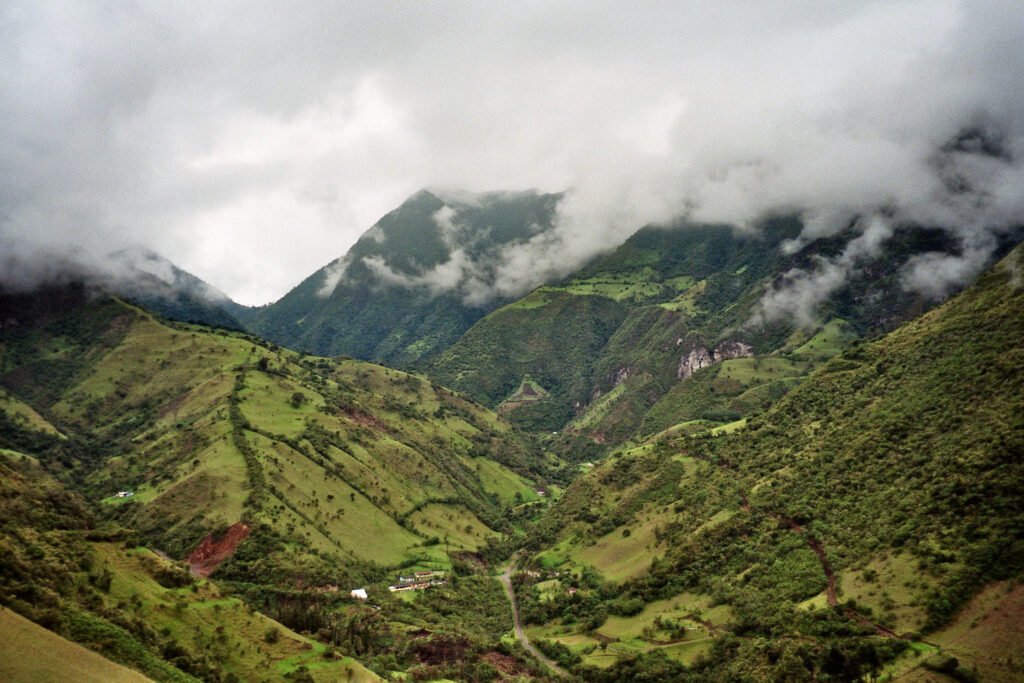
For cyclists, bike packers, and independent drivers, road conditions represent a far more immediate safety consideration than personal security.
The route from Quito to Mindo follows Highway E28, also known as the Calacalí to La Independencia highway. This road climbs high into the Andes before plunging down through dramatic mountain switchbacks into the cloud forest basin.
The descent features steep gradients, sharp turns, and heavy commercial traffic, including long-distance coaches, logging trucks, and supply tankers.
Weather conditions on Highway E28 can shift rapidly. Thick mountain mist (garúa) often reduces visibility to less than 10 metres, particularly during afternoon hours. When combined with heavy rainfall, the asphalt becomes slick, creating hazardous conditions for two-wheeled transit.
Cyclists descending Highway E28 into the Mindo turn-off should observe several critical precautions:
- Equip high-lumen front and rear flashing lights, even when riding during the middle of the day
- Exercise extreme caution on blind switchbacks, as vehicles frequently cross the centre line to overtake slow trucks
- Check brake pads and tyre tread before attempting the descent, as prolonged braking on wet, steep asphalt wears components quickly
Once you leave Highway E28 and turn onto the access road leading down into Mindo village, asphalt gives way to coarse gravel and cobblestone in several stretches. During the rainy season between January and April, heavy downpours can trigger minor rockfalls or localised mudslides along the canyon walls.
Always check weather forecasts and ask local riders about road conditions before setting out on long backcountry loops toward San José de Mindo or Caxarqui.
Essential safety checklist for Mindo
To ensure a smooth, secure visit to Ecuador’s cloud forest, follow this straightforward safety checklist:
- Transport planning: Use official registered taxis or pre-arranged private shuttles when travelling between Mariscal Sucre International Airport and Quito bus terminals. Alternatively, consider direct door-to-door shuttle services to avoid busy public transit terminals altogether
- Equipment preparation: Bring a reliable bike lock, spare inner tubes, a compact hand pump, and high-lumen safety lights if cycling. While basic bicycle repair shops exist in town, specialised tubeless supplies or high-end components should be acquired in Quito prior to arrival
- Water and food care: Avoid drinking untreated tap water in Mindo. Use filtered water bottles or drink boiled water provided by your lodge to protect against gastrointestinal discomfort
- Communication and maps: Download offline navigation maps on your phone before arriving in the cloud forest, because mobile signal strength can drop significantly along mountain trails and outer valley roads
- Emergency numbers: Save standard emergency contact details on your device, including national emergency response (911) and the local police station (Unidad de Policía Comunitaria) located near Mindo central plaza
The Ecuadorian Coast.
Where you’ll find the very best food
Ride into the cloud forest with complete confidence

Read this far?
Mindo demonstrates how localised travel safety can be. While national headlines often paint Ecuador with a broad brush, this lush valley within the Chocó Andino Biosphere Reserve continues to offer a serene sanctuary for cyclists, hikers, and naturalists alike.
By taking sensible precautions during transit through major transport hubs and respecting mountain weather conditions, travellers can focus entirely on the region’s remarkable biodiversity and quiet rural charm.
Whether you are tackling gravel climbs through moss-draped canopy roads or spending quiet mornings tracing bird calls along river trails, preparation transforms potential uncertainty into pure enjoyment.
Keeping high-visibility gear on your bike, monitoring river clarity during afternoon downpours, and looking after your daypack at transit terminals are simple habits that ensure a smooth journey.
As independent travel continues to evolve in 2027, destinations such as Mindo remind us of the immense value of slow exploration. Respecting the environment and connecting with the local community not only keeps your trip secure, but enriches every mile logged in the saddle or on foot.
Pack your wet-weather layers, check your brakes, and step into one of South America’s finest cloud forests with complete peace of mind.
Affiliate Disclaimer: Some of the links on Wheely Tyred are affiliate links. If you click through and make a booking or purchase, we may earn a small commission at no extra cost to you. We only recommend gear, tours, stays, and services we genuinely use, trust, and stand behind — our editorial independence always comes first. These commissions help keep our independent cycling guides and travel stories free to read. You can also buy me a coffee here — thanks for supporting the ride!
Frequently asked questions about Mindo travel safety and logistics
Yes. Mindo is widely considered one of the safest rural destinations in Ecuador for solo women. Street harassment is minimal, and the town’s eco-tourism infrastructure makes joining group excursions, hiking, and arranging local transport straightforward. Standard precautions apply, such as avoiding unlit rural lanes alone late at night.
Public buses run regularly from Quito’s Ofelia terminal. While the bus ride itself is safe, maintain close watch over your personal belongings inside the terminal before departure. Keep your daypack on your lap during the journey rather than in overhead racks, and ensure zippers are secured.
The primary risks are environmental and traffic-related rather than criminal. The descent from Calacalí features steep gradients, sharp switchbacks, heavy rain, and dense mist (garúa) that drastically reduces visibility. Always ride with front and rear flashing lights, wear high-visibility outer layers, and check brake pads before setting out.
Tap water in Mindo should not be consumed untreated. Use a reliable portable water filter bottle, drink boiled water provided by your lodge, or purchase purified water to avoid gastrointestinal issues.
At roughly 1,250 metres above sea level, Mindo rests well below the typical threshold for altitude sickness experienced in Quito or Cotopaxi. Malaria risk is negligible at this elevation, though wearing lightweight long trousers and applying insect repellent is advised to guard against biting midges and mosquitoes.
Pay attention to water colour and current speed. If the river turns muddy or dark brown, or if you notice water levels rising quickly, exit immediately. This indicates heavy rainfall upstream in the mountains, which can lead to sudden flash flooding in canyon riverbeds.
Ecuador.
Pure wonder on the equator.


