
The enduring story of Loja, Ecuador’s southern cultural sanctuary
A comprehensive guide to the history, architecture, and historic routes of Loja, Ecuador

Where Andean history, natural miracles, and mountain roads converge

BEN FINCH
Loja rests gracefully in a high Andean valley in southern Ecuador, cradled at an elevation of roughly 2,100 metres above sea level. While travellers often bypass this quiet mountain enclave on their way to Quito, Cuenca or Perú, Loja holds a distinction that few cities in South America can match.
It is known across the republic as the musical and cultural capital of Ecuador, a city where classical literature, regional folklore, and fine arts flourish alongside a pioneering spirit of environmental care and architectural preservation.
For cyclists, historians, and thoughtful explorers, Loja represents something far deeper than a pleasant stopping point. It is a place where centuries of indigenous legacy, colonial ambition, scientific discoveries, and political independence intersect.
To understand Loja is to understand how a modest Andean valley shaped global medicine, sheltered national heroes, and laid the foundations for modern sustainable transport in the Andes.
Key takeaways from the story of Loja
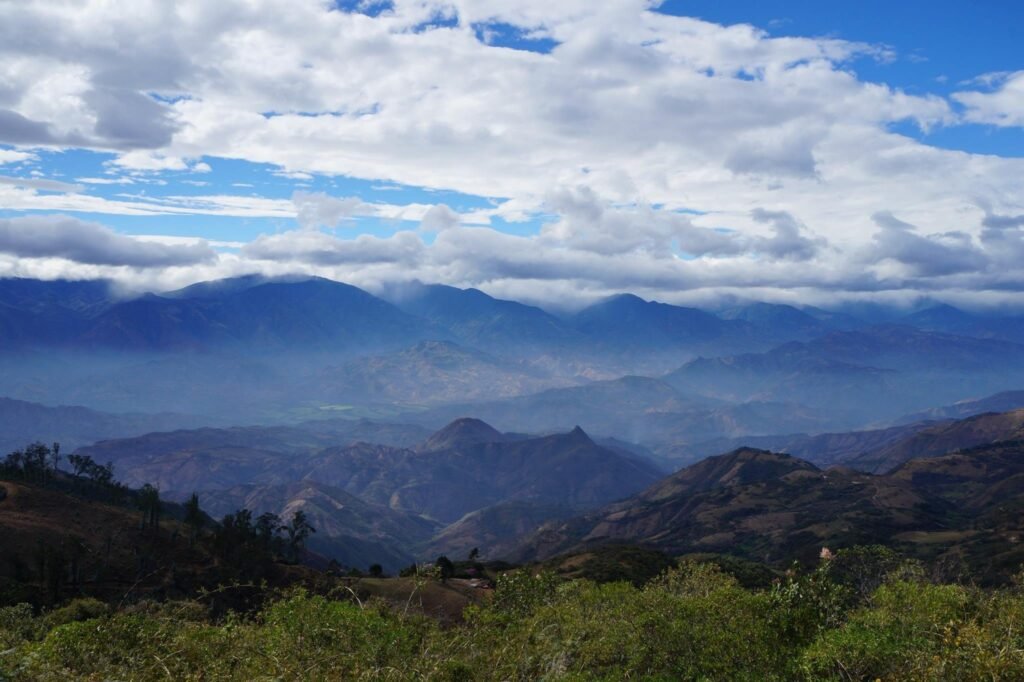
Nestled in the quiet southern highlands of Ecuador, Loja weaves centuries of botanical discovery, independence history, and green urban design into a compelling Andean retreat. From global medical breakthroughs to picturesque colonial lanes, here is what defines this mountain sanctuary.
- Botanical miracle: The surrounding cloud forests gave the world cinchona bark, yielding quinine and revolutionising the global treatment of malaria
- Historic streetscapes: Calle Lourdes preserves pristine colonial architecture with restored adobe walls, vibrant wood balconies, and cobblestone paths
- Cultural sanctuary: Known as the music capital of Ecuador, the city honours its arts heritage at Plaza de San Sebastián and through lively local festivals
- Environmental pioneer: Loja built Ecuador’s first hydroelectric plant in 1897 and continues to lead in modern recycling, cycle paths, and urban green spaces
- Gateway to biodiversity: The city borders Podocarpus National Park, an ancient cloud forest reserve shielding endemic conifers, spectacled bears, and hundreds of bird species
- Historic gateways: Puerta de la Ciudad serves as an iconic castle-like entrance to the historic centre, complete with art galleries and panoramic views
- Cycling haven: High Andean roads and dedicated riverfront paths along the Río Zamora and Río Malacatos offer rewarding routes for pedal-powered exploration
Loja.
Ecuador’s musical capital
From Cuxibamba to Spanish conquest
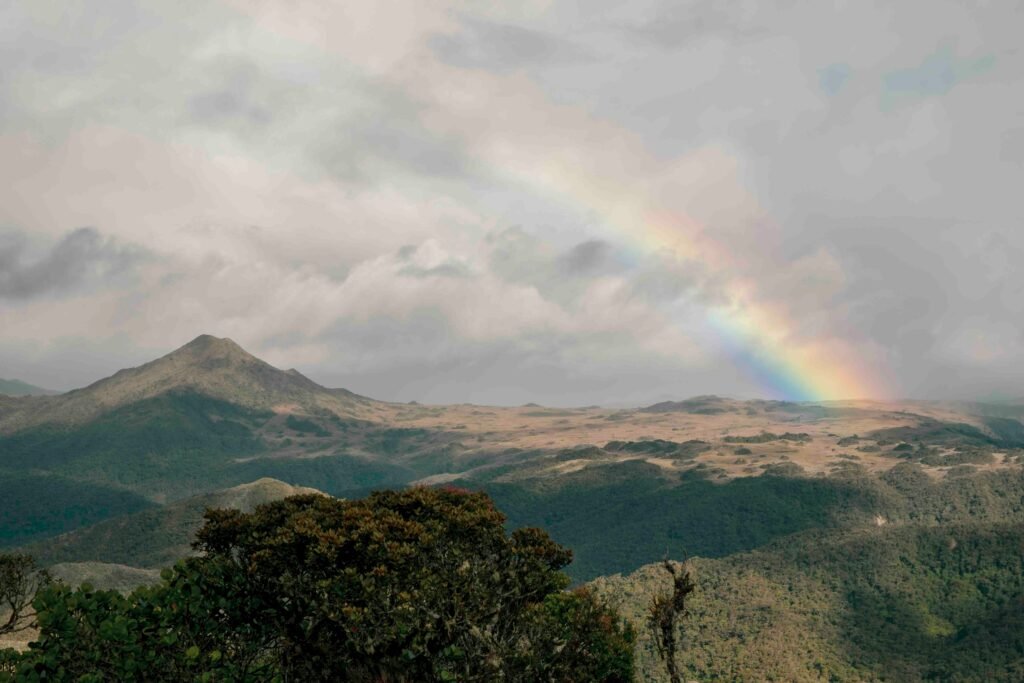
Long before the arrival of European explorers, the valley where Loja now sits was known as Cuxibamba, a phrase derived from local indigenous languages meaning the valley of smiles or the fertile plain.
Situated between two major mountain streams—the Río Zamora and the Río Malacatos—Cuxibamba provided a mild climate, abundant water, and rich soil ideal for agriculture.
The valley served as a crucial transit corridor for indigenous trade networks connecting the high Andean spine with the dense cloud forests of the Amazon basin to the east.
In the mid-16th century, Spanish conquistadors recognised the strategic potential of this southern corridor as a staging ground for expeditions into the uncharted eastern wilderness. In 1548, Spanish captain Alonso de Mercadillo officially established the settlement under the formal title of La Ciudad de la Inmaculada Concepción de Loja.
Named after Mercadillo’s hometown in Spain, the new city was laid out according to a classic Spanish grid system, centred around a main square that remains the heart of the city today.
Because of its geographical position midway between Quito and Cusco, Loja quickly grew into an essential staging post for merchants, military regiments, and religious orders navigating the Royal Road of the Andes.
The tree that cured the world / Loja’s cinchona legacy
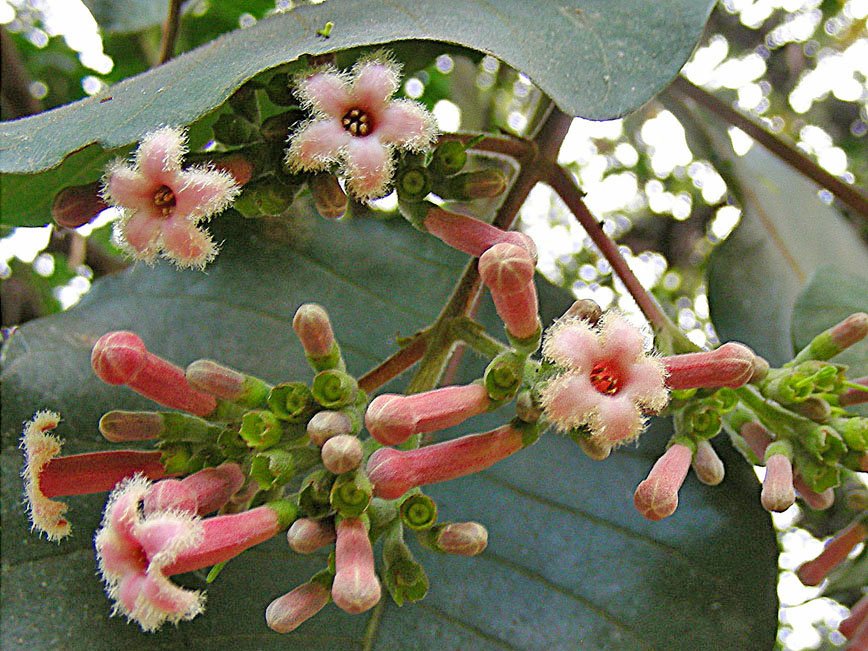
Perhaps the most internationally significant chapter in Loja’s history occurred during the 17th century within the dense mountain forests surrounding the valley. For centuries, native populations were aware of the medicinal properties found within the bark of a particular native tree, locally referred to as cascarilla or cinchona.
In the 1630s, Jesuit monks residing in Loja began documenting the bark’s extraordinary capacity to reduce fevers and cure malaria, a disease that was ravaging populations across Europe and the tropical colonies. Powdered cinchona bark—containing what modern science later isolated as quinine—became one of the most valuable global commodities of the era.
Trade routes originating in Loja transported thousands of kilograms of cascarilla down mountain paths to coastal ports, from where it was shipped across the Atlantic. For over two centuries, the forests around Loja served as the world’s primary source of quinine, saving millions of lives globally.
This botanical gift earned the region international renown among botanists, naturalists, and European scientific expeditions, including visits by famous explorers who marvelled at the ecological richness of the southern Ecuadorian highlands.
The Ecuadorian Sierra.
Get lost in the hills
The cradle of independence and the sentinel state
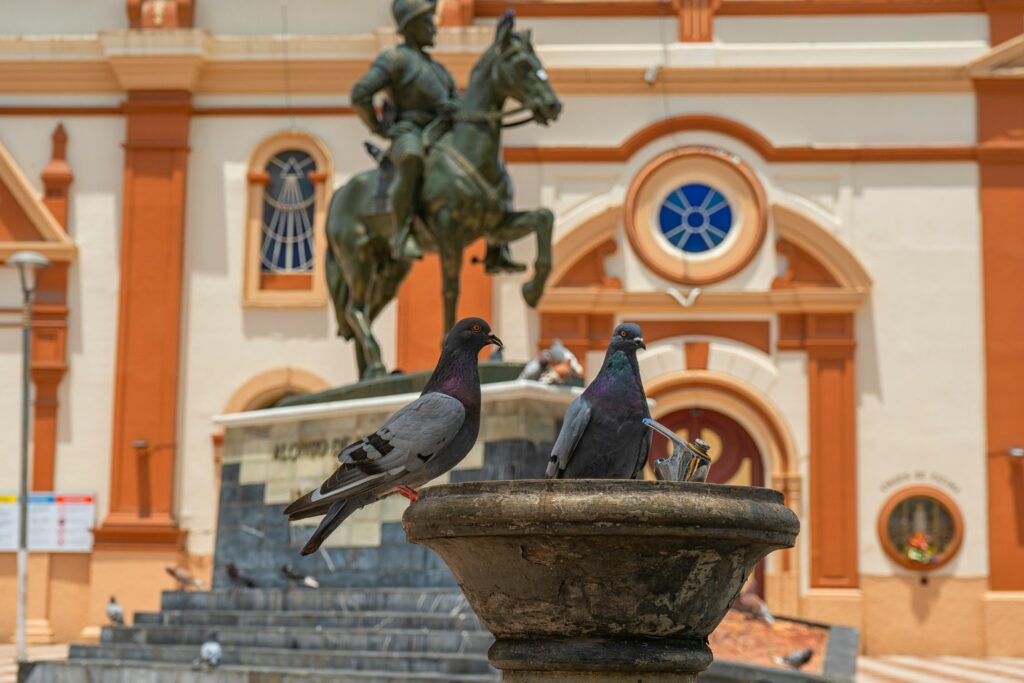
As the 19th century dawned, the spirit of revolution swept through South America. On 18 November 1820, inspired by declarations in Guayaquil and Cuenca, the citizens of Loja gathered in the central square to formally declare independence from the Spanish Crown.
The city’s strategic location made it a key base of operations during the South American wars of independence. In October 1822, the liberator Simón Bolívar visited Loja during his campaign to unify Gran Colombia.
Captivated by its resilient local population and geographic importance guarding the southern approach, Bolívar famously declared Loja to be the sentinel of the nation, an epithet that the city carries proudly to this day.
Decades later, in September 1859, Loja found itself at the centre of an extraordinary political experiment. During a period of intense national instability, local leader Manuel Carrión Pinzano proclaimed the creation of the Federal Government of Loja.
While short-lived, this period of self-governance introduced progressive administrative reforms, established local judicial systems, and promoted regional education, reinforcing Loja’s reputation as an independent-minded intellectual hub.
Architecture, cobblestones, and civic identity
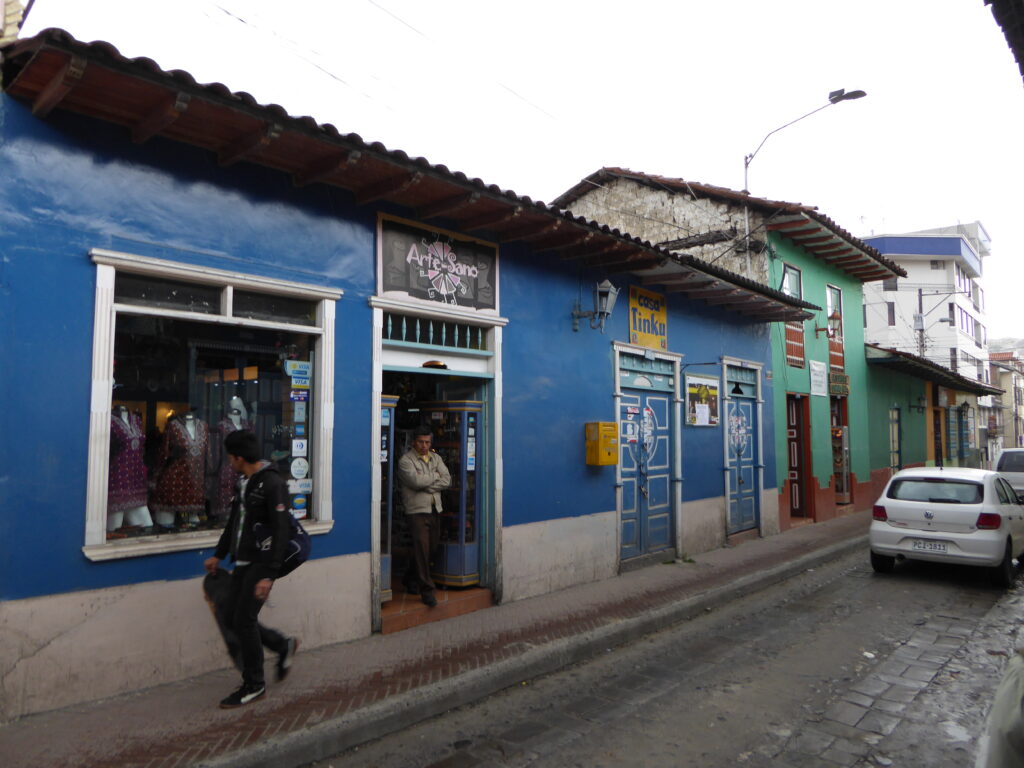
The urban fabric of Loja offers a living visual timeline of its rich history. Unlike larger metropolitan areas that sacrificed their heritage to modern expansion, central Loja has carefully protected its historic core.
A walk or ride down Calle Lourdes transports visitors directly into the colonial era. This narrow, cobblestone street features meticulously restored houses boasting vibrant adobe walls, intricate dark wood balconies, and terracotta tile roofs. It remains one of the finest surviving examples of traditional southern Ecuadorian colonial architecture.
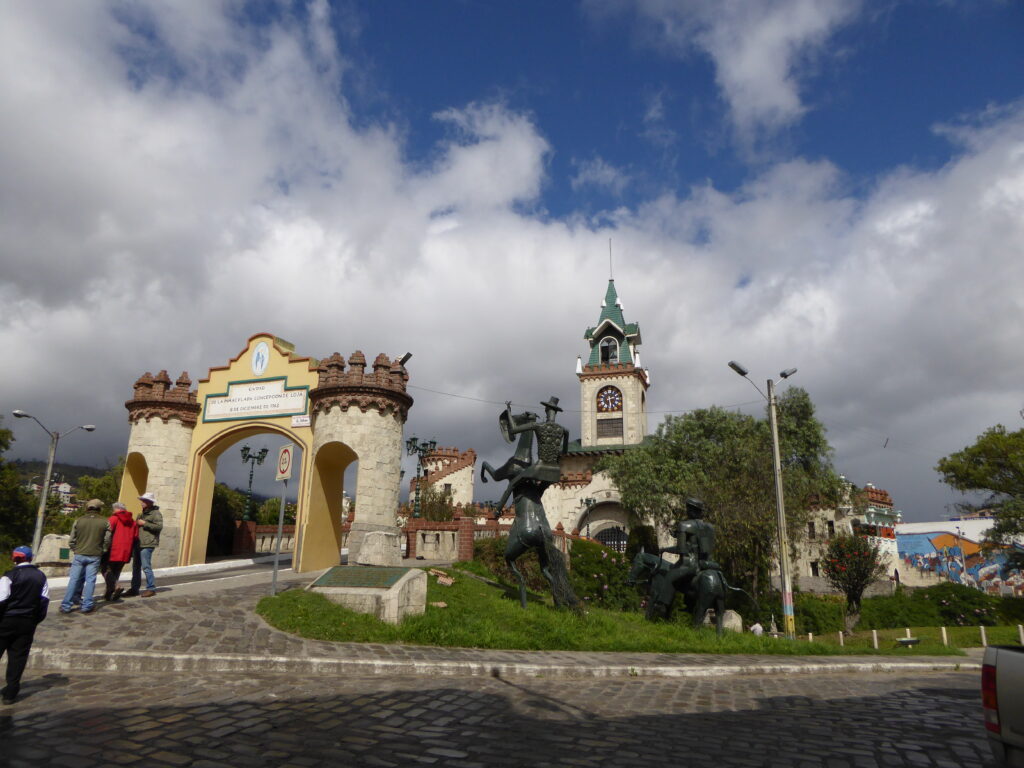
Further north stands the iconic Puerta de la Ciudad, or Gate of the City. Constructed in the late 1990s as a modern homage to the city’s heraldic crest presented by King Felipe II of Spain in 1571, this striking castle-like structure spans the northern entrance of the historic centre.
Complete with a drawbridge, interior art galleries, and a high clock tower providing panoramic views of the valley, the gate stands as a symbol welcoming travellers into Loja’s cultural fold.
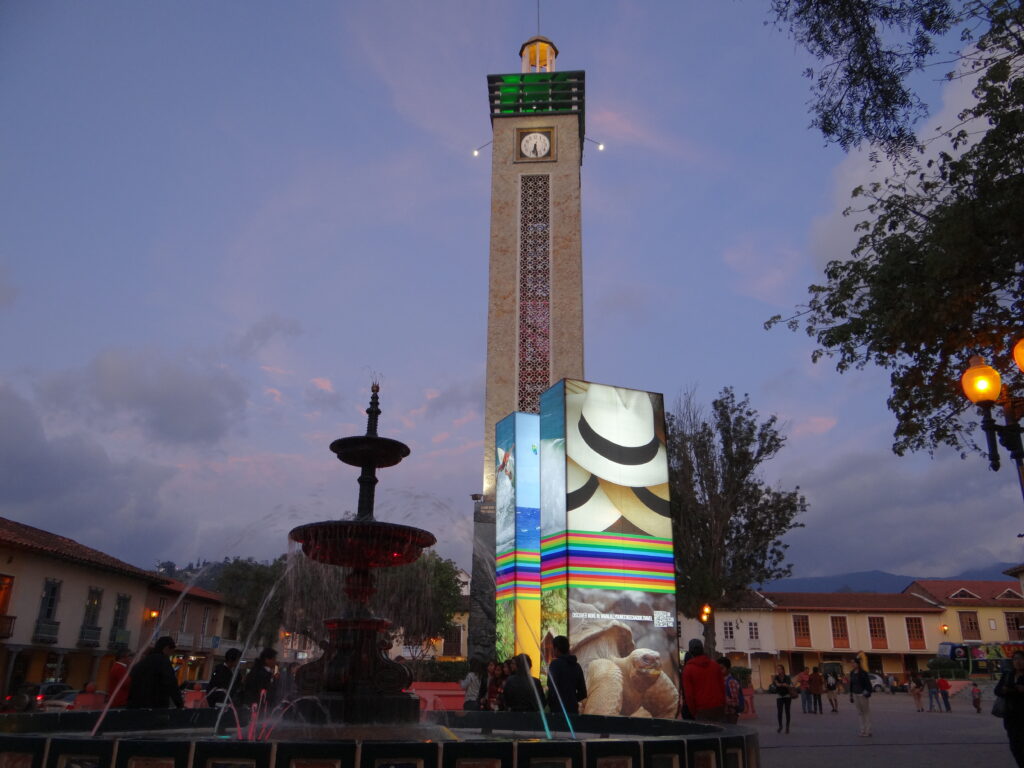
At the heart of civic life lies the Plaza de San Sebastián, anchored by a prominent 32-metre clock tower known as La Glorieta. It was in this very plaza that independence was declared in 1820.
Today, the square serves as an open-air venue where local musicians, painters, and performers gather, upholding Loja’s long-standing status as the cultural heart of southern Ecuador.
Nearby, La Catedral de Loja showcases impressive neoclassical architecture and serves as the final destination for the annual procession of the Virgin of El Cisne, one of the largest religious pilgrimages in South America.
The Ecuadorian Amazon.
The most biodiverse place in the world
Hydroelectric pioneers and urban green innovation
Loja’s commitment to progress extends beyond art and history; the city has long been an innovator in municipal infrastructure and environmental stewardship. In 1897, Loja became the very first city in Ecuador to install a hydroelectric power plant, illuminating its streets with electric light long before the national capital.
In recent decades, that same pioneering attitude has transformed Loja into a model green city. It was the first municipality in Ecuador to implement a structured, city-wide waste separation and recycling system. Furthermore, civic investments have prioritised pedestrian spaces, riverfront greenways, and cycle routes along the Malacatos and Zamora rivers.
For urban explorers, Parque Recreacional Jipiro showcases this forward-thinking civic pride. Spanning several hectares, this public park features architectural miniatures representing global cultures—from traditional pagodas to castles—alongside wide cycling paths, sporting facilities, and peaceful waterways.
Meanwhile, on the city’s southern fringe, the Jardín Botánico Reinaldo Espinosa—the oldest public botanical garden in Ecuador—preserves hundreds of endemic plant species, offering visitors a quiet haven to study Andean flora.
The wild Andean fringe / Podocarpus National Park and Vilcabamba
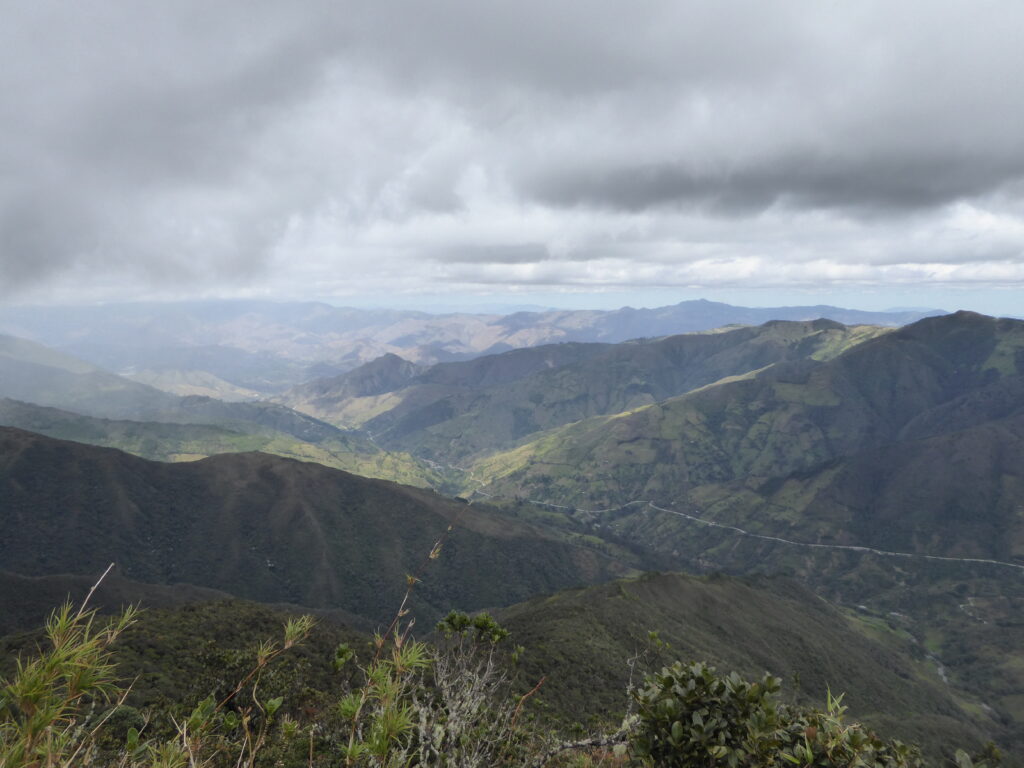
No historical or geographical overview of Loja is complete without turning toward the extraordinary wilderness that frames the valley. To the southeast lies Podocarpus National Park, a UNESCO Biosphere Reserve renowned as one of the most biodiverse places on Earth.
Named after the endemic podocarpus tree—Ecuador’s only native conifer—the park spans cloud forests, rushing rivers, and high-altitude páramo wetlands rising above 3,300 metres. Protecting hundreds of orchid species, spectacled bears, and roughly 600 bird species, Podocarpus stands as a pristine reminder of the ancient natural landscape that cradled early settlements in the valley.
Just an hour’s ride south of Loja lies the tranquil valley of Vilcabamba, overlooked by the dramatic profile of Cerro Mandango. Famed globally for the remarkable longevity of its local inhabitants, Vilcabamba offers a warmer climate, quiet dirt lanes, and historic agricultural trails that complement Loja’s urban history.
The Galápagos.
Ecuador’s Enchanted Isles
Riding through history / A cyclist’s perspective on Loja
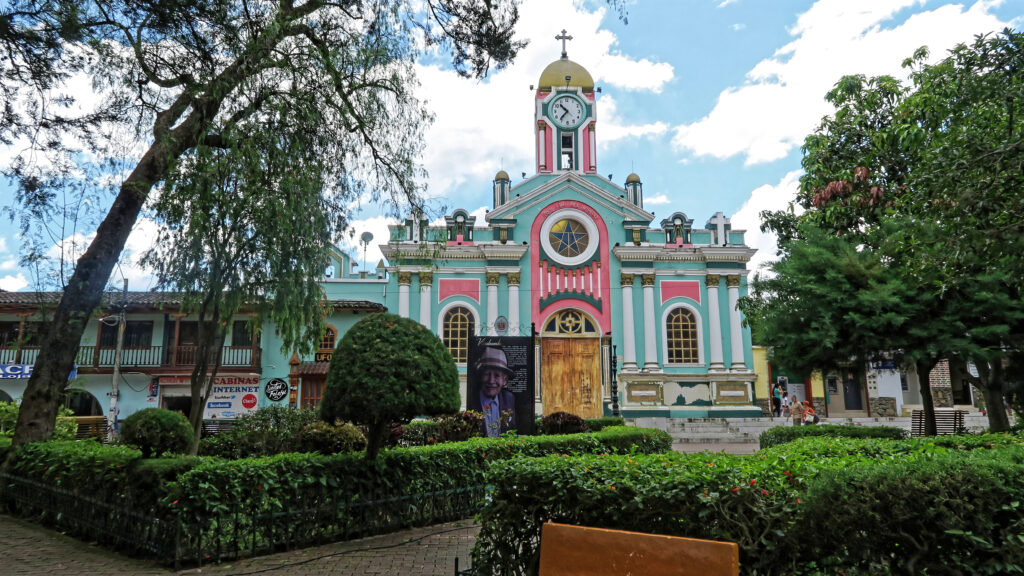
For road cyclists, bikepackers, and cycle tourists, Loja provides an exceptional gateway into the southern Andean highlands. The surrounding terrain offers challenging ascents, scenic valley floors, and quiet tarmac routes lined with eucalyptus trees and dramatic mountain backdrops.
Riding south out of Loja along the route toward Vilcabamba takes cyclists over mountain passes that once carried historic horse trains and cinchona traders. The climb up to the entrances of Podocarpus National Park tests the legs with steady gradients, rewarded by cool mountain breezes, cloud forest mist, and sweeping views across the valley floor.
Within the city itself, Loja’s compact grid layout and dedicated riverfront cycle paths make exploring by bicycle an absolute pleasure. Cyclists can easily ride from the medieval gates of Puerta de la Ciudad, past the colourful facades of Calle Lourdes, to the open plazas of San Sebastián, experiencing centuries of history from the saddle.
Explore the quiet heart of the southern Andes
Read this far?
Loja rewards travellers who prefer to move at a thoughtful pace. Far removed from the rushed tourist circuits of northern Ecuador, this southern sanctuary invites you to wander historic cobblestone streets, trace riverbank paths, and savour the quiet rhythm of high-altitude life.
It is a city where past achievements are not merely commemorated in museums, but lived daily across vibrant public plazas and preserved colonial quarters.
Whether you are cycling over scenic mountain passes toward Vilcabamba, trekking through the mist-shrouded cloud forests of Podocarpus National Park, or discovering the legacy of the cinchona tree, Loja demonstrates how deep history and natural beauty enrich one another.
The local dedication to environmental stewardship and civic culture ensures that the city remains as forward-looking today as it was when illuminating its streets at the turn of the 20th century.
For independent explorers, the journey through southern Ecuador offers genuine connection and timeless landscapes. Loja stands ready to welcome those who seek authentic story-rich destinations off the beaten path. Pack your panniers, lace up your walking shoes, and take the time to experience the enduring spirit of Ecuador’s cultural sentinel.
Gathering feedback from fellow travellers and locals along your route is always a fantastic way to discover hidden spots and refine your itinerary. Be sure to share your experiences with your audience or travel community to help keep these independent mountain guides thriving.
Affiliate Disclaimer: Some of the links on Wheely Tyred are affiliate links. If you click through and make a booking or purchase, we may earn a small commission at no extra cost to you. We only recommend gear, tours, stays, and services we genuinely use, trust, and stand behind — our editorial independence always comes first. These commissions help keep our independent cycling guides and travel stories free to read. You can also buy me a coffee here — thanks for supporting the ride!
The Ecuadorian Coast.
Where you’ll find the very best food
Frequently asked questions about the History of Loja
Regular long-distance buses connect Loja’s central terminal with major cities including Cuenca, Guayaquil, and Quito. The nearest airport, Catamayo, sits roughly 35 kilometres west in the valley below, with frequent connecting buses and taxis climbing up into Loja.
The dry season between June and September offers the clearest skies and most reliable conditions for cycling, hiking in Podocarpus National Park, and exploring the historic centre. Rain is more frequent from October to April, though temperatures remain mild year-round.
Native cinchona trees growing in the forests near Loja contain quinine, which was discovered in the 17th century to cure malaria. Powdered bark from Loja was exported worldwide for over two hundred years, saving millions of lives and placing the region at the centre of global medicine.
Yes. The historic centre features a compact grid layout that is very walkable, while dedicated greenway paths along the Río Malacatos and Río Zamora offer safe, pleasant routes for cyclists and pedestrians alike.
Sitting at approximately 2,100 metres above sea level, Loja experiences mild, spring-like daytime temperatures that drop quickly after sunset. Pack layers, a lightweight waterproof jacket for mountain mists, and comfortable footwear or cycling gear for day trips into the surrounding hills.
Yes, the ride south to Vilcabamba is a classic route covering roughly 40 kilometres. The road features sustained climbs and long descents through scenic mountain terrain, making it popular with experienced touring cyclists and bikepackers.
Ecuador.
Pure wonder on the equator.


