Is Ecuador safe to visit in 2026? A personalised regional safety tool & checklist
Ecuador safety 2026 / An independent logistics guide for travellers
Safety in the diverse terrains and local realities of the equator
BEN FINCH
Global news headlines frequently paint a uniform picture of nationwide volatility across Ecuador due to ongoing, rolling states of emergency and internal armed conflicts. However, for independent travellers, bikepackers, and road cyclists who seek genuine cultural immersion, the practical situation on the ground is intensely fragmented.
A traveller enjoying the colonial squares of Cuenca or observing wildlife in the isolated Galápagos Islands will experience an entirely different security reality compared to someone transiting through the industrial container ports of the coastal lowlands.
Because security metrics fluctuate wildly between distinct geographies, reading a single blanket travel advisory simply fails to capture the true picture. To bridge this information gap and help you map out your next self-guided journey safely, we have launched our new interactive tool, the Ecuador Regional Safety & Prep Advisory.
By processing your exact itinerary, transportation methods, and traveller profile, this dynamic tool generates a bespoke safety plan. Because the ground rules change from one province to the next, we designed this guide to explain the real-world logistics behind our advisory logic.
Before planning your independent journey, you can always refer back to our primary baseline safety overview for the country to establish a solid foundation for your South American trip.
Ecuador Regional Safety & Prep Advisory
Select your intended destinations, transit mode, and specific travel dynamics below to generate a localised risk assessment and tailored logistics checklist.
Read our primary baseline report: Is Ecuador Safe in 2026? A Comprehensive Travel Safety Guide.
Itinerary Risk Profile: Assessing…
Your Tailored Logistics Checklist:
The fractured geography of the middle of the world
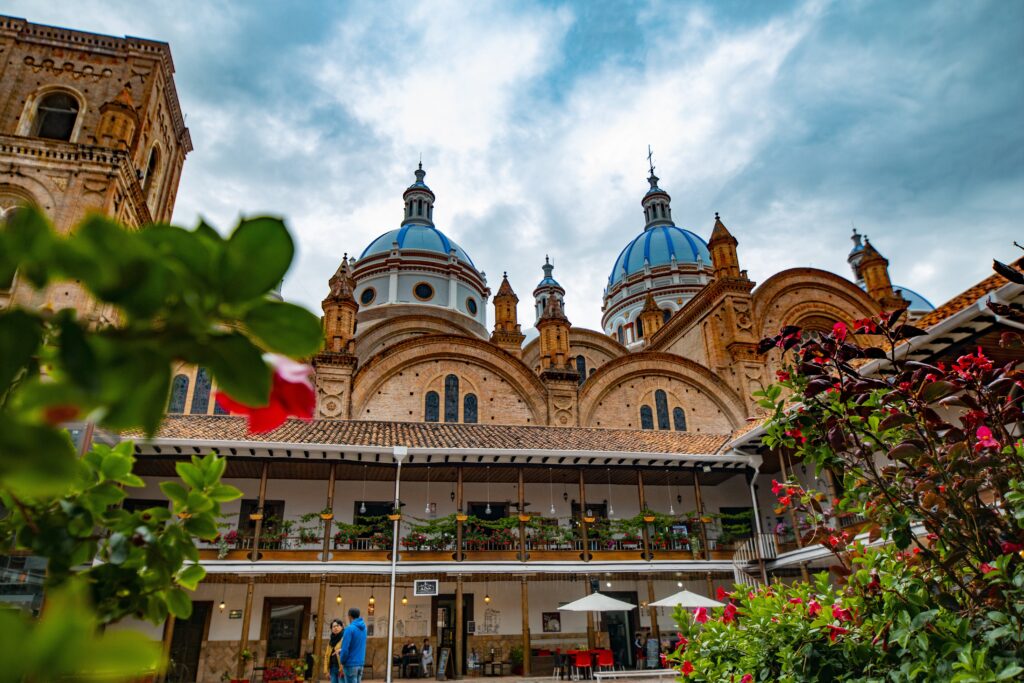
Navigating Ecuador on two wheels or via independent overland routes requires looking past blanket national headlines. True security relies entirely on understanding the sharp operational contrasts between specific provinces, high-altitude valleys and coastal highways.
- Micro-Regional Variance: Safety across the country is highly localised, meaning that a tranquil journey through the Andean peaks or Amazonian waterways stands in stark contrast to the volatile shipping lanes of the coast
- The Small-Change Mandate: Because the local economy operates strictly on the US dollar, carrying small denominations like five, ten and twenty-dollar notes is non-negotiable for everyday transactions in remote villages
- Physical Identification Rules: Security checkpoints are common, requiring you to keep your physical passport or a high-quality colour copy paired with a physical driving licence accessible at all times
- Coastal Daylight Tactics: Transiting the coastal lowlands requires rigid daytime route planning, an absolute ban on overnight ground buses in Guayas province and keeping high-value cycling equipment locked indoors overnight
- The Urban Contrast: Major municipal hubs demand entirely different mindsets, from the post-sunset taxi protocols needed in Quito to the remarkably relaxed, self-guided freedom found in colonial Cuenca
- Community-Led Sanctuaries: Rainforest hubs like Tena and Misahuallí remain deeply secure, peaceful communities where environmental logistics and certified local guiding outweigh typical urban safety concerns
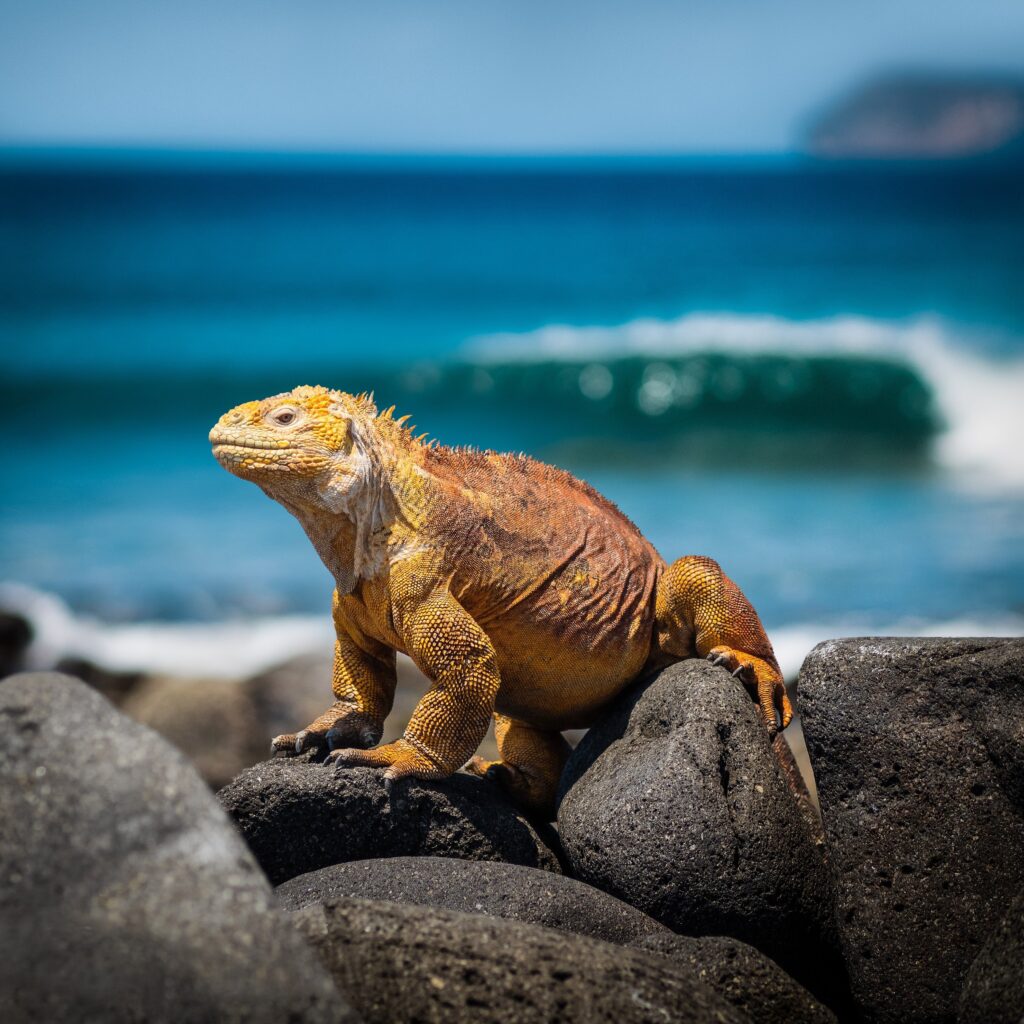
The Galápagos.
Ecuador’s Enchanted Isles
Ground-level realities / Cash, context, and checking in
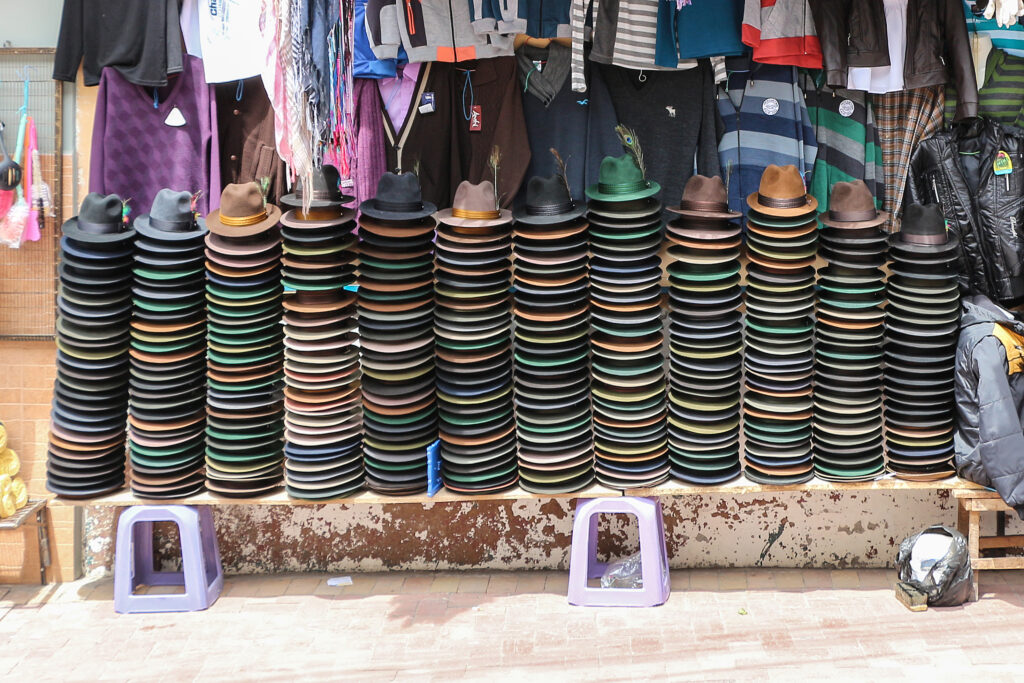
Managing currency and cash machines safely
No matter where you choose to ride or explore within Ecuador, several non-negotiable logistics apply uniformly across every single province. First, let us look at currency dynamics. Ecuador operates entirely on the US dollar, which offers great stability but introduces specific transactional challenges for independent travellers.
It is absolutely vital to carry a substantial supply of low-denomination cash, specifically $5, $10, and $20 notes. Attempting to pay for a simple meal, a spare inner tube, or fresh fruit at a village market with a $50 or $100 bill is practically impossible, as local merchants rarely hold enough change.
When it comes to replenishing your funds, cash machine safety is paramount. You should strictly use automated teller machines located inside staffed banking branches or secure, well-lit shopping complexes rather than exposed street-side terminals.
Beyond currency, personal administration is a vital part of daily travel logistics in South America right now. Due to heightened safety frameworks and periodic military checkpoints designed to secure transit routes, the physical identification mandate is strictly enforced. You must have a legal form of identification on your person at all times.
What are the current passport rules for tourist checkpoints in Ecuador?
The current passport rules for tourist checkpoints in Ecuador dictate that all foreign travellers must carry physical identification at all times due to active military and police safety networks.
You must carry either your original physical passport containing your official entry stamp or a flawless, high-quality colour photocopy of your passport details paired with your original physical driving licence. Furthermore, if you are transiting through a land border from Colombia or Peru, you must present an official criminal record certificate from your country of residence covering the last five years, legalised with a Hague Apostille.
This land border certificate mandate does not apply to air or sea arrivals. Ensuring these documents are easily accessible in a waterproof pouch inside your handlebar bag or backpack will make any routine highway checkpoint a quick and stress-free interaction.
The Ecuadorian Sierra.
Get lost in the hills
The four Ecuadors / A regional breakdown
To understand safety on a deeper level, we must dissect the country into its four distinct geographic zones, which form the core logic of our digital advisory tool. Each zone presents a unique security profile, ranging from complete tranquillity to sectors requiring rigid tactical planning. Whether crossing high-altitude Páramo ecosystems or descending into the jungle, the environment changes alongside the security footprint.
| Region | Current 2026 Safety Profile & Core Advice |
| Andean Highlands (The Sierra) | Stable tourism infrastructure with prominent visual military presences in urban zones. Focus on standard petty crime vigilance. |
| Galápagos Islands | The gold standard of isolation and security. Operates entirely independently of mainland security challenges; standard international travel care applies. |
| Amazon Basin (El Oriente) | Highly secure, low risk of violent incidents. Safety awareness here shifts away from security threats and toward environmental logistics, gear protection, and regulated tour operators. |
| Coastal Lowlands | The highest-risk sector. Volatility is concentrated around shipping infrastructure and gang-related activities. Demands rigorous micro-logistics, strict daytime transit, and precise route planning. |
Andean highlands (The Sierra) / Infrastructure and vigilance
The mountain spine of the country remains the most popular corridor for independent overland travel. The tourism infrastructure here is robust, and the local communities are highly protective of visitors. While the presence of military patrols in municipal squares can look intimidating at first glance, it serves as an effective deterrent against large-scale disruptions. For those planning to explore these mountain corridors, our definitive guide for safety in the Ecuadorian Sierra provides an exhaustive look at high-altitude travel.
Galápagos Islands / The isolated gold standard
Located approximately 1,000 kilometres off the mainland coast, the islands occupy a completely separate ecosystem in terms of environment and security. Because entry is strictly regulated via transit control cards and environmental fees, the societal pressures seen on the mainland do not exist here. For those visiting these unique island ecosystems, consult our Galápagos Islands safety guide for tailored itinerary advice.
Amazon Basin (El Oriente) / Environmental logistics over security threats
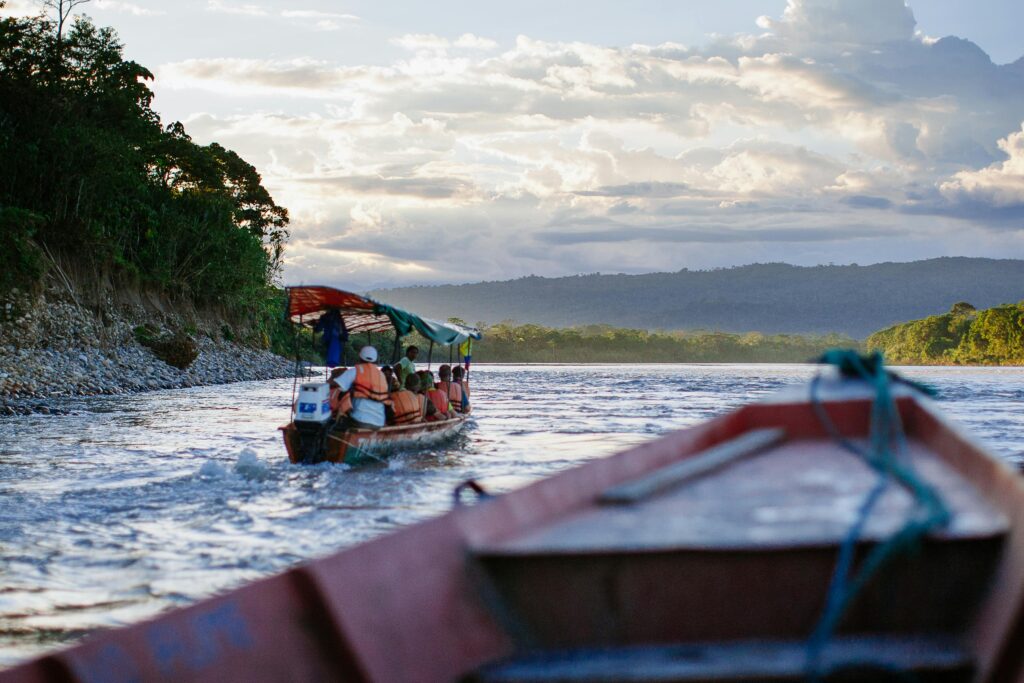
The eastern rainforest provinces represent one of the safest areas in the country regarding human-on-human crime. Because communities are deeply interconnected and rely heavily on eco-tourism, security threats are remarkably low. Instead, safety preparation shifts toward managing the natural elements, tracking local weather patterns, protecting digital gear from extreme humidity and ensuring you only hire officially licensed guides. To fully prepare for an independent journey into the rainforest, you can read our expert safety guide and tips for the Ecuadorian Amazon.
Coastal lowlands / Navigating the highest-risk sector
The western coastal fringe presents the most complex security challenge for independent travellers. The challenges are heavily concentrated around the major shipping corridors and ports where transnational logistics chains overlap. For anyone mapping out a journey through these maritime provinces, standard precautions are insufficient.
Is it safe to cycle or self-drive through the Coastal lowlands of Ecuador right now?
No, cycling or self-driving through the Coastal lowlands of Ecuador carries significant security risks in 2026 and demands extreme caution.
The coastal strip is the epicentre of cartel-related port volatility, with five maritime provinces accounting for nearly 88% of national violent incidents. If you must travel through this region, stick strictly to major highways during daylight hours, completely avoid unmonitored backroads, plan your routes meticulously, and secure all high-value cycling equipment inside hotel premises overnight.
Avoid any overnight ground buses across the Guayas province entirely. To avoid high-risk sub-districts, ensure you read our comprehensive 2026 safety guide to the Ecuadorian coast before mapping your coastal routes.
The Ecuadorian Amazon.
The most biodiverse place in the world
Urban hubs, surf villages, and hidden gateways
Drilling down past the regional boundaries, our safety advisory tool processes specific data for individual municipal hubs and adventure settlements. The operational contrast between these hubs is immense.
The highland contrast / Security profiles of Quito and Cuenca
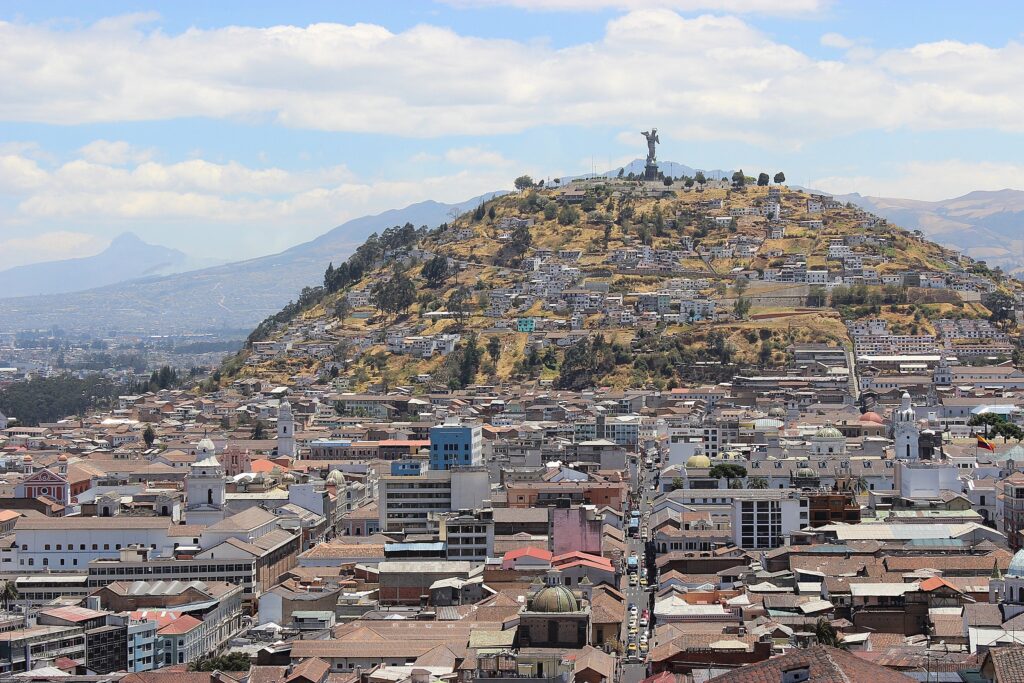
Consider the stark difference between the country’s major highland cities: Quito and Cuenca. In the capital city of Quito, the security footprint requires targeted precautions. While daytime exploration of the historic Old Town or the iconic El Panecillo viewpoint is highly rewarding, these specific areas require strict post-sunset taxi protocols.
You should never wander through these neighbourhoods on foot after dark; instead, rely on verified app-based rides or radio-dispatched vehicles arranged directly by your accommodation. For a granular analysis of the capital, read our dedicated Quito travel safety guide.
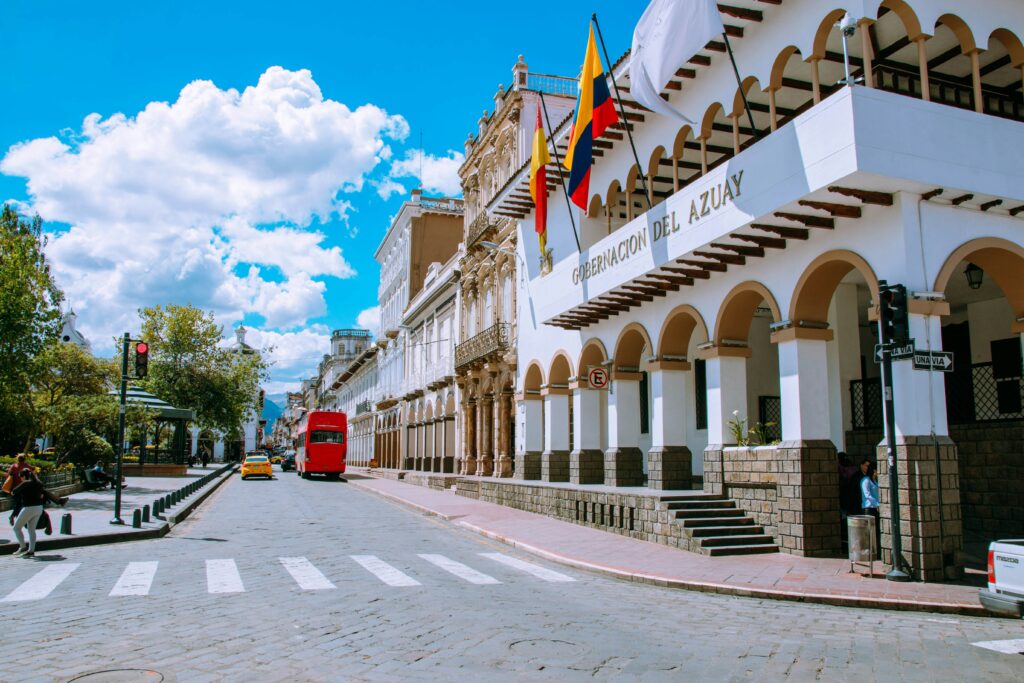
Conversely, the southern colonial jewel of Cuenca presents a remarkably relaxed, stable environment. In Cuenca, violent crime is historically low, meaning that basic, common-sense anti-pickpocketing measures in busy markets are completely sufficient for a peaceful visit.
Is Cuenca safe for solo female travellers in 2026?
Yes, Cuenca remains exceptionally safe for solo female travellers in 2026. The city boasts a homicide rate of 1.4 per 100,000 residents, making it statistically one of the safest municipal hubs in South America. While a nationwide state of emergency exists, the security situation in Azuay province is highly stable.
Solo female travellers should practice standard urban vigilance, choose accommodations with verified 24-hour receptions, and avoid walking down unlit or deserted rural side streets after dark once local shops close. For more localised advice on this expat and cyclist favourite, check out our safety guide for travellers in Cuenca.
Adventure gateways / Technical safety in Baños and Puyo
Moving toward the eastern slopes, we find the adventure clusters of Baños and Puyo. Baños operates as a highly secure, well-policed tourist haven dedicated to outdoor sports and relaxation. However, safety preparation here is dictated by nature rather than crime; independent cyclists must track local meteorological patterns carefully to avoid sudden mudslides or heavy volcanic rain along the spectacular Waterfall Highway.
Just an hour down the road, Puyo must be approached with a completely different mindset. Treated strictly as a high-alert transit gateway rather than a lingering destination, Puyo requires intense vigilance. Personal packs and cycling panniers must never be left unmonitored for even a second at bus terminals or roadside cafes, as opportunistic distraction theft is common. For those planning to navigate this transitional zone, our Puyo travel safety guide provides essential tactical steps.
Jungle bases / Community-led security in Tena, Misahuallí and Yasuní
Deepening into the rainforest, the primary jungle bases of Tena and Misahuallí emerge as peaceful, tightly-knit communities. Here, the local population prioritises community safety, and the worst threat you are likely to face is opportunistic sneak-theft along the riverfront beaches if you leave your valuables exposed while swimming. For a comprehensive look at these river hubs, read our detailed exploration of whether Tena is safe to visit.
If your path leads deeper towards the pristine wilderness of Yasuní National Park, you can rest assured that deep-jungle travel remains highly secure. However, independent backcountry trekking is forbidden; entering this hyper-biodiverse region requires booking exclusively through structured tours led by certified local indigenous guides. You can find out more by reading our ultimate Yasuní National Park travel safety guide.
Coastal contrasts / Relaxed surf in Olón, high vigilance in Montañita and strict rules for Guayaquil
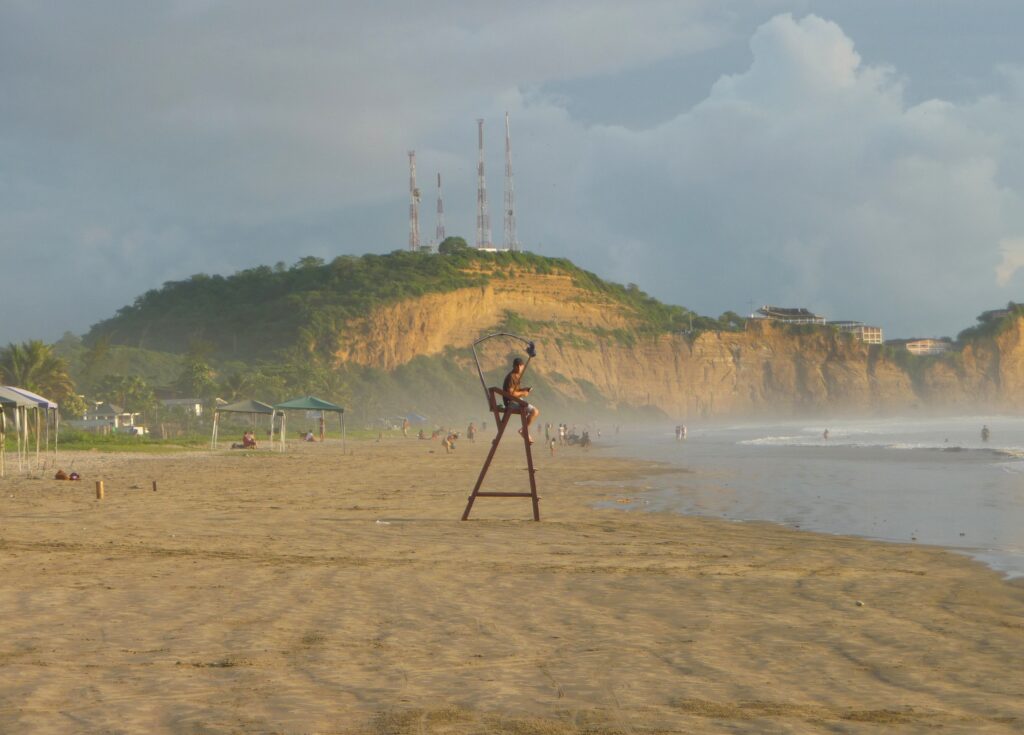
Finally, the coastal strip requires a clear differentiation between its villages and major hubs. The quiet, laid-back surf community of Olón offers a welcoming atmosphere where violent crime is rare, making it a favourite stopover for slow-travel enthusiasts. Yet, just a few kilometres down the road lies the chaotic nightlife hub of Montañita, where a heavy emphasis must be placed on personal safety, specifically strict drink-spiking vigilance in crowded bars and clubs.
Most importantly, the metropolitan giant of Guayaquil must be treated with absolute caution. In 2026, Guayaquil must be approached purely as a high-security transit junction. We strongly advise confining all layovers entirely to the secure indoor airport zones, gated hotel compounds, or the heavily policed Samborondón enclave.
Under no circumstances should independent travellers take overnight ground buses across the broader Guayas province. For a complete safety breakdown of this vital transit hub, read our Guayaquil safety guide and essential travel advice.
The Ecuadorian Coast.
Where you’ll find the very best food
Inclusive exploration / Identity-specific logistics and transit modes
To help the advisory tool formulate your customised security checklist, we must look closely at how specific travel demographics and transport modes interact with the local landscape.
Proactive planning for solo female travellers
For solo female travellers, the key to seamless exploration lies in proactive accommodation logistics. We recommend booking guesthouses and hostels that feature verified 24-hour reception desks, secure perimeter gates, and a long history of positive reviews from other solo adventurers.
When exploring rural towns or highland villages, it is wise to return to your base before the local shops close, as rural streets can empty out rapidly after sunset, leaving you without well-lit paths or open businesses.
Cultural context and advice for LGBTQ+ demographics
For LGBTQ+ demographics, the social landscape requires a nuanced approach. While marriage equality is fully protected under Ecuadorian constitutional law, traditional social conservatism and deeply ingrained machismo persist in non-touristic, rural agricultural sectors. Progressive, internationally-minded enclaves such as Olón, Cuenca, and the Galápagos Islands are exceptionally welcoming and safe for diverse travellers.
However, when transiting through remote highland villages or isolated rural highway blocks, exercising discretion regarding public displays of affection will help avoid unwanted attention.
Community perceptions of visible minorities and BAME travellers
For visible minorities and travellers from Black, Asian, and Minority Ethnic backgrounds, context is equally important. If you experience prolonged staring while exploring the Andean Highlands or the deep Amazon Basin, understand that this almost always stems from pure curiosity rather than malice, simply because international foot traffic remains low in these remote areas.
Conversely, the coastal lowlands boast a rich, vibrant, and historic Afro-Ecuadorian population where diverse travellers blend in naturally.
One practical financial detail to note across all artisan markets is the tendency for dual-pricing; foreigners are often quoted higher baseline prices, so a polite, good-natured negotiation is standard practice.
Transit mechanics for independent cycling, bikepacking and self-driving
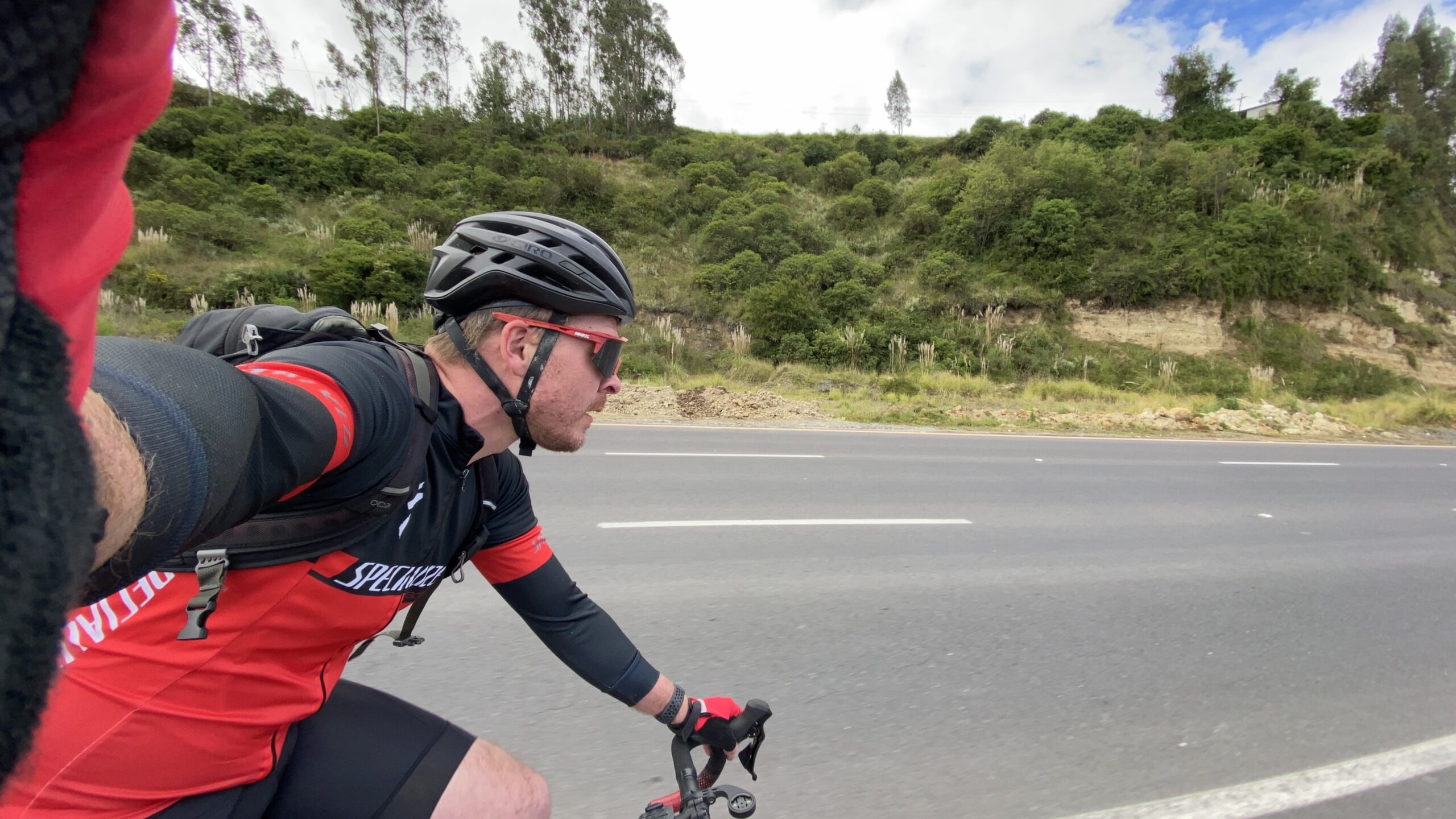
Finally, let us speak directly to our core Wheely Tyred community: the independent cyclists, bikepackers, and adventure drivers. Independent two-wheeled travel demands absolute adherence to a single golden rule: always ride during daylight hours. You must plan your daily mileage conservatively to ensure you reach your destination well before dusk.
Independent routes should completely avoid unmonitored backroads or secondary dirt tracks along the coastal strip, where emergency assistance is non-existent. Furthermore, high-value touring bicycles, bikepacking bags, and camping equipment must be brought entirely inside secure hotel lines or locked rooms overnight rather than being left attached to vehicles or stored in unsecured outbuildings.
Quito.
Explore the Middle of the World
Final preparation / Taking control of your journey

Navigating Ecuador successfully does not mean cancelling your travel plans; it means replacing generalised fear with precise, localised intelligence. By understanding the micro-regional dynamics of the terrain, keeping your logistics tight, and respecting the unique characteristics of each province, you can unlock an extraordinary, self-guided adventure.
We highly encourage you to scroll back to the top of this page and input your itinerary into our specialised Ecuador Regional Safety & Prep Advisory tool to build your custom safety checklist today. Remember that security environments can evolve quickly, so always cross-reference your generated checklist with the latest active notices from your home country embassy. Safe riding, and enjoy the magnificent beauty of the middle of the world.
Frequently asked questions about travel safety in Ecuador
Travellers must carry their physical passport showing an official entry stamp at all times. Alternatively, a high-quality colour photocopy of the passport details paired with an original physical driving licence is acceptable at highway and military checkpoints. Keeping these documents in a waterproof pouch inside a handlebar bag or backpack ensures they remain undamaged and easily accessible during routine inspections.
Land crossings are subject to strict administrative rules in 2026. If entering via Colombia or Peru, you must present an official criminal record certificate from your country of residence covering the last five years, which must be legalised with a Hague Apostille. This land border certificate mandate does not apply to international arrivals landing at airports or arriving by sea.
Since the country uses the US dollar, you must carry an ample supply of low-denomination cash, specifically five, ten and twenty-dollar bills. Larger notes are widely refused by local vendors who cannot provide change. For safety, cash machines should only be accessed inside staffed bank branches or secure, well-lit shopping complexes rather than exposed street terminals.
Travel through the coastal provinces must be restricted strictly to daylight hours on major highways. Independent travellers should avoid unmonitored backroads, shun overnight ground buses across the Guayas province entirely and bring all touring gear and bicycles inside secure hotel lines overnight rather than leaving them attached to vehicles.
Quito requires strict post-sunset taxi protocols, meaning you should never walk through areas like the Old Town or the El Panecillo viewpoint after dark; instead, use verified app-based rides or hotel-arranged transport. Cuenca, by contrast, is exceptionally secure for independent exploration and solo travellers, requiring only standard common-sense vigilance against pickpockets in busy markets.
While deep-jungle environments are highly secure from civil crime due to tight community networks, independent backcountry trekking is strictly prohibited. Exploration within hyper-biodiverse rainforest reserves requires booking structured itineraries managed exclusively by certified local indigenous guides.
Ecuador.
Pure wonder on the equator.