Travel safety in Tena / Your essential guide to the Ecuadorian Amazon
Comprehensive safety tips and crime rates for travellers visiting Tena, Ecuador in 2026
Navigating the gateway to the jungle with confidence and local insight
BEN FINCH
Tena, often referred to as the cinnamon capital of Ecuador, serves as the primary launchpad for those seeking the untamed beauty of the Amazon basin. For the independent traveller, it offers a distinct atmosphere compared to the high-altitude intensity of Quito or the coastal pulse of Guayaquil. However, as of May 2026, navigating Ecuador requires more than just a map and a sense of adventure; it requires an up-to-date understanding of the shifting security landscape.
At Wheely Tyred, the focus is always on enabling authentic experiences without compromising personal security. While the national headlines may highlight turbulence, the reality on the ground in the Napo province is often more nuanced. This guide provides a deep dive into the safety situation in Tena, ensuring you stay informed, prepared, and ready to explore.
The verdant frontier / Rapids, rain, and resilience
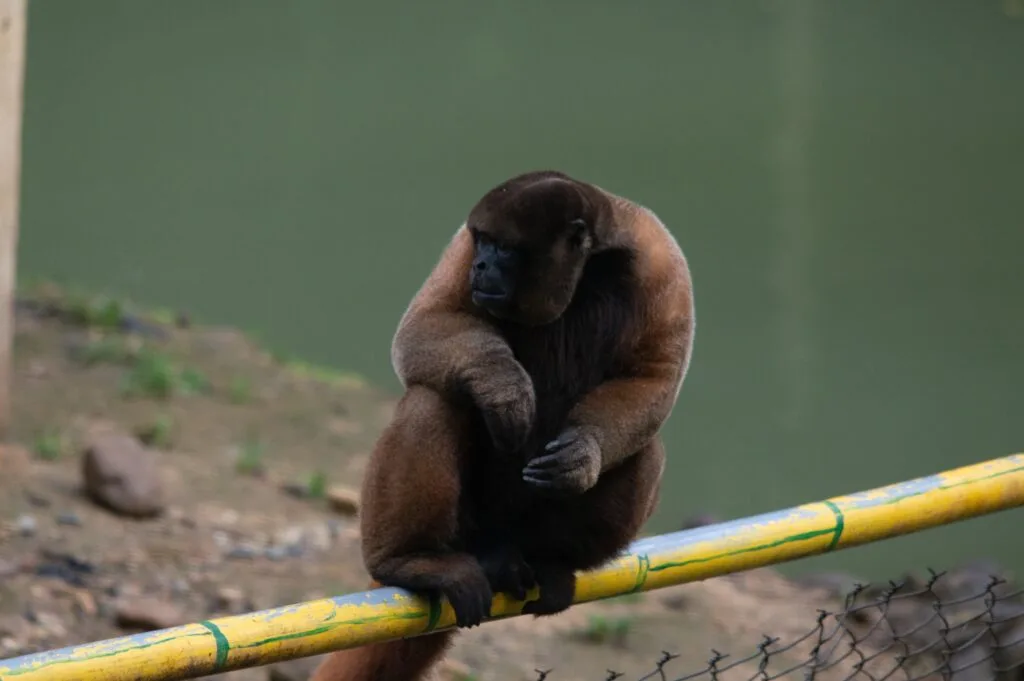
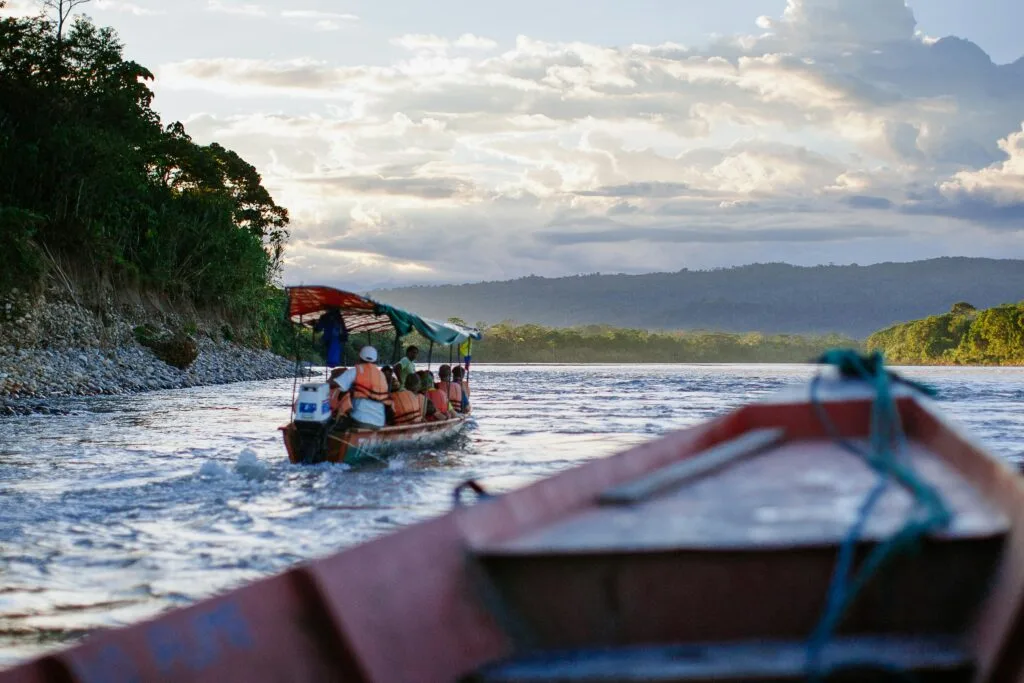
Tena serves as the gateway to the Ecuadorian Amazon, offering a raw, unpretentious entry into the rainforest. It is a destination where the power of the river dictates the pace of life and authentic discovery rewards the well-prepared.
- 2026 Security Profile: While the national security situation remains fluid, the Napo province currently avoids the strictest curfews, though military checkpoints are a standard, reassuring feature of road travel
- River Mastery: Known as the rafting capital, Tena’s waters are spectacular but volatile; always engage with operators certified by the Ministry of Tourism to navigate seasonal flash floods
- Urban Vigilance: The city is relatively safe compared to coastal hubs, yet travellers should remain alert for opportunistic pickpockets at the main bus terminal and along the riverside boardwalk
- Solo Navigation: Women and solo travellers find a welcoming community in Tena, provided they utilise registered taxis after dark and join established groups for remote excursions
- Tropical Health: Maintaining well-being in the humidity means prioritising filtered water and staying current with Yellow Fever and Dengue fever precautions, including high-DEET repellent
- Sustainable Trekking: Authentic jungle experiences are best found through Quichua-led tours that navigate away from environmentally sensitive or contested illegal mining areas
Tena.
Enter the Amazon
The current security landscape in 2026
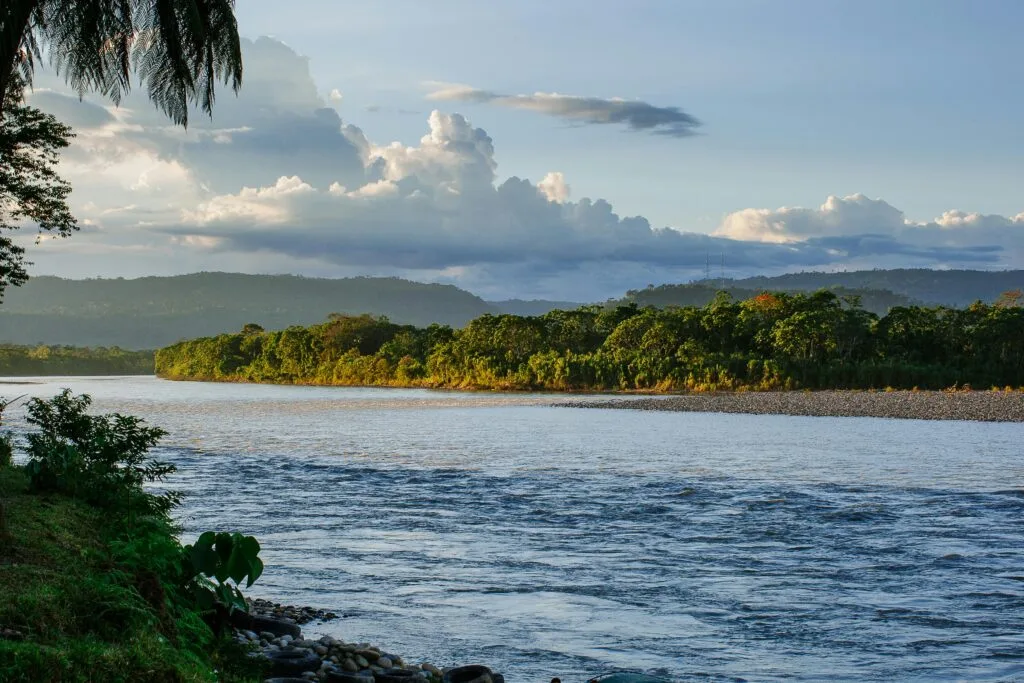
To understand safety in Tena, one must first look at the broader context of Ecuador. Since early 2024, the country has operated under a declaration of internal armed conflict. This sounds imposing, and for good reason: it allows for a heightened military presence and expanded powers for security forces to combat organised crime.
As of 7 May 2026, a specific state of emergency remains in effect across several provinces. It is crucial for travellers to note that while provinces such as Guayas, Pichincha, and Sucumbíos are currently subject to overnight curfews (typically 11 pm to 5 am), the Napo province—where Tena is located—is not currently on the restricted list for movement.
However, a nationwide state of emergency means you will encounter military checkpoints on major roads leading into the Amazon. For a Wheely Tyred traveller, these should be viewed as a point of reassurance rather than a cause for alarm. Always carry your original passport (not just a photocopy) when travelling between provinces, as soldiers and police frequently conduct identification checks on intercity buses and private vehicles.
Crime rates and street safety in Tena
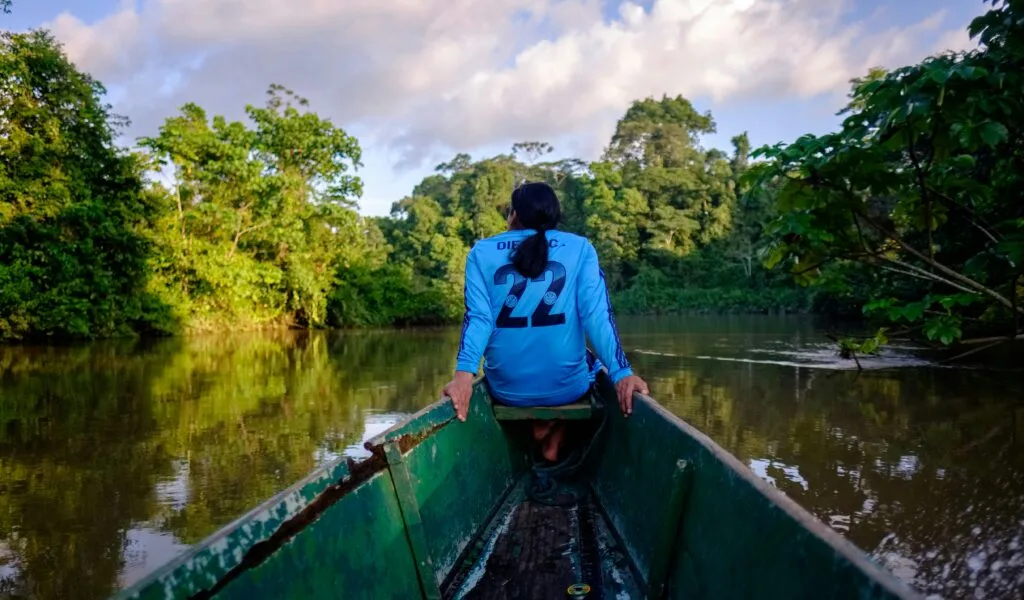
Statistically, Tena remains one of the safer urban hubs in Ecuador. While the homicide rates in coastal cities like Guayaquil have seen significant spikes due to gang activity, the Amazonian regions have remained relatively insulated from this specific type of violence.
The primary concern for visitors in Tena is opportunistic petty crime. Pickpocketing and bag-snatching are the most common issues, particularly in high-traffic areas such as:
- The Terminal Terrestre: The main bus station is a hive of activity where distraction techniques are often employed
- The Malecón Escénico: The beautiful riverfront boardwalk is a highlight of the city, but it can be quiet after dark
- Local Markets: The crowded nature of these areas makes them prime spots for nimble-fingered thieves
Violent crime against tourists in Tena is rare, but express kidnappings—where a victim is forced to withdraw cash from various ATMs—have been reported in larger cities. To mitigate this in Tena, only use ATMs located inside bank branches during daylight hours and avoid using your phone conspicuously on the street.
The Ecuadorian Amazon.
The most biodiverse place in the world
Solo travel / Women and minorities
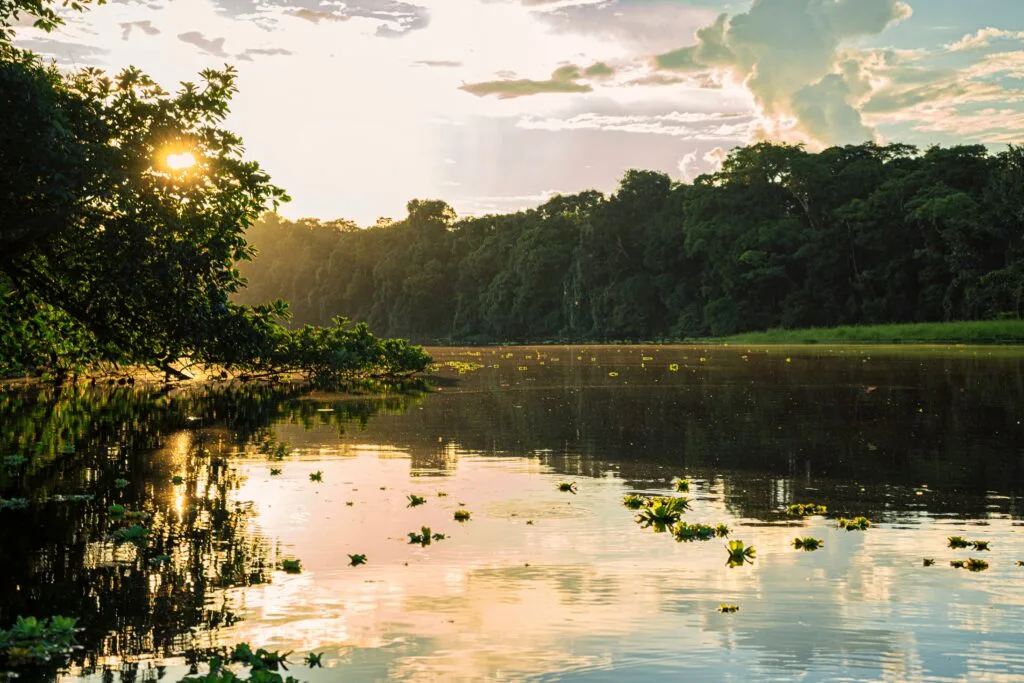
Tena is widely regarded as a welcoming destination for solo travellers. The community is tight-knit, and the local economy relies heavily on the reputation of the area as a safe adventure hub.
Solo female travellers
For women travelling alone, the general rule of thumb is to maintain the same vigilance you would in any major European city. Machismo is present in Ecuadorian culture, which may result in occasional catcalling or unwanted attention. Generally, this is not threatening, but it can be persistent.
Safety experts recommend:
- Night-time transport: Avoid walking alone after 9 pm, even for short distances. Use registered taxis; your hostel or hotel can call one for you, which provides a digital or paper trail of the driver
- Group adventures: When booking jungle treks or rafting trips, join established groups. This not only enhances safety but also ensures you are with reputable guides who are known to the local tourist police
Minorities and inclusion
Ecuador is a multi-ethnic society with a significant Indigenous population in the Napo region. Minorities generally find Tena to be a tolerant environment. However, LGBTQ+ travellers should be aware that while same-sex activity is legal, the region remains socially conservative. Public displays of affection may attract stares or unwanted comments in smaller communities outside the main town.
The Ecuadorian Sierra.
Get lost in the hills
Adventure and environmental safety

In Tena, the greatest risks often come from the environment rather than other people. As the rafting capital of Ecuador, the Napo and Misahuallí rivers are central to the experience, but they demand respect.
River safety
Flash floods are a genuine risk in the Amazon. Heavy rainfall in the Andes can cause river levels in Tena to rise several metres in a matter of hours. Never enter the river without a certified guide, especially during the rainy season. Ensure your rafting operator is registered with the Ministry of Tourism and provides modern safety equipment, including well-maintained helmets and life jackets.
The jungle and illegal mining
While the deep jungle is mesmerising, it is also a place where it is easy to become disoriented. Never attempt to trek off-trail without a local Quichua guide. Beyond the risk of getting lost, there is a growing issue with illegal gold mining in certain parts of the Napo province, particularly near the Punino River. These areas can be hotspots for environmental hazards and localised tension between miners and authorities. Reputable tour operators will steer well clear of these zones, but independent explorers should stick to established reserves and parks.
The Galápagos.
Ecuador’s Enchanted Isles
Health and logistics
Safety also encompasses your physical well-being. Tena is a tropical environment, which brings specific health considerations:
- Vaccinations: A Yellow Fever certificate is often required for onward travel to other countries after visiting the Amazon, and the vaccine is highly recommended for anyone entering the Napo province. Ensure your Typhoid and Hepatitis A shots are up to date
- Water Safety: Do not drink tap water in Tena. Even in high-end lodges, stick to filtered or bottled water to avoid parasites and water-borne illnesses that can derail your trip
- Malaria and Dengue: While Malaria is less common in the immediate vicinity of Tena than in the deeper Amazon, Dengue fever is a recurring issue. Use a high-DEET repellent and wear long-sleeved, light-coloured clothing during the dawn and dusk hours when mosquitoes are most active
Wheely Tyred safety checklist for Tena
To ensure your journey to the Amazon is as smooth as possible, follow this essential checklist:
- Register with your Embassy: Before departure, log your travel plans with your national foreign office (e.g., the FCDO for British citizens)
- Offline Maps: Connectivity can be spotty once you leave the city centre. Download offline maps of the Tena and Archidona areas
- Emergency Numbers: Save the local emergency number (911) and the contact details for the Tourist Police (Policía de Turismo) in your phone
- Insurance: Verify that your travel insurance specifically covers high-risk adventure activities if you plan on white-water rafting or canyoning
- Identify Checkpoints: Keep your passport in a waterproof dry bag, but have it easily accessible for the military checkpoints mentioned earlier
The Ecuadorian Coast.
Where you’ll find the very best food
Stay safe in Tena
Read this far?
Tena remains a jewel of the Ecuadorian Amazon, offering a bridge between the modern world and the ancient wisdom of the rainforest. By staying informed about the 2026 security climate and following the practical advice outlined by Wheely Tyred, you can experience the thrill of the jungle while maintaining a high standard of personal safety.
The travel safe mantra is not about restricting your movement; it is about empowering your curiosity with the right information.
Affiliate Disclaimer: Some of the links on Wheely Tyred are affiliate links. If you click through and make a booking or purchase, we may earn a small commission at no extra cost to you. We only recommend gear, tours, stays, and services we genuinely use, trust, and stand behind — our editorial independence always comes first. These commissions help keep our independent cycling guides and travel stories free to read. You can also buy me a coffee here — thanks for supporting the ride!
Frequently asked questions about travel safety in Tena
Yes. Due to the 2026 security measures and the nationwide state of emergency, military checkpoints are frequent on the roads from Quito or Baños. You must present your original passport rather than a photocopy to avoid delays or complications with security forces.
As of May 2026, Tena and the wider Napo province are not subject to the overnight curfews found in coastal provinces or Quito. However, it is always wise to check the latest local government announcements, as these designations can change quickly based on the national security climate.
No. To avoid water-borne parasites and illnesses, travellers should strictly consume filtered, boiled, or bottled water. This applies even to ice in drinks and water used for brushing teeth, especially when staying in more remote eco-lodges.
Walking alone after dark is not recommended. Instead, use registered taxis. Most hostels and hotels in Tena have reliable drivers on call; asking your accommodation to book a taxi ensures there is a record of the vehicle and driver, which is a standard safety practice in the region.
Light-coloured, long-sleeved clothing is essential to protect against both the sun and mosquitoes, which are most active at dawn and dusk. Additionally, a waterproof dry bag is highly recommended for keeping your electronics and identification safe during river activities or sudden tropical downpours.
Independent explorers should avoid the Punino River area and any zones where illegal gold mining is known to occur. These areas can be unpredictable and are not serviced by tourist police. Sticking to established reserves and hiring local Indigenous guides ensures you remain in safe, documented territory.
Ecuador.
Pure wonder on the equator.